

A dependable fireplace serves as the heart of any Markham residence during the biting chill of an Ontario winter. Whether your home features an enduring masonry hearth in Unionville, a classic brick fireplace in Cornell, or a modern heating appliance in an updated Thornhill property, maintaining structural integrity and venting performance is essential. Professional fireplace contracting brings together technical masonry skills, mechanical venting knowledge, and rigorous home safety practices. Our local team at Markham Chimney Services focuses on delivering thorough, dependable installations and comprehensive restoration solutions designed specifically to protect your household while maximizing heating comfort throughout the coldest months of the year.
Navigating fireplace projects requires a deep understanding of local building practices, clearance standards, and our unique regional climate. From the initial inspection through rough-in framing, flue relining, and the final chimney cap placement, every phase demands meticulous attention to detail. Operating from 4418 Highway 7 East, we assist homeowners across Markham neighbourhoods and the broader GTA with bespoke fireplace craftsmanship. We prioritize your family safety by following established CSA and WETT-style best practices, resolving drafting problems, rectifying hidden chimney decay, and creating durable hearth systems that reliably warm your living spaces season after season without unwelcome surprises or safety risks.
Fireplace Contractors: visit summary
Fireplace Contractors across Markham: residential and commercial chimney and fireplace work from one local crew. Serving Markham and the Greater Toronto Area (GTA). The estimated local market range is $450 – $4,800, not a fixed company rate. The final scope and quote are confirmed before work begins.
| Estimated market range | $450 – $4,800. All estimates are in Canadian dollars and exclude 13% Ontario HST. |
|---|---|
| Typical time | 2 to 14 hours depending on project scope |
| Price factors | Chimney height, accessibility, and roof pitch; Extent of internal masonry decay and mortar deterioration; Liner sizing and need for custom non-combustible clearances |
| Routine signs to discuss | Smoke Spilling Into the Living Room; Pungent or Musty Fireplace Odours; Crumbling Mortar and Loose Firebricks; Exterior Masonry Spalling and Cracking; Rust Stains on the Damper or Firebox; White Powdery Deposits on Chimney Brick |
What Full-Service Fireplace Contracting Really Involves
Full-service fireplace contracting extends far beyond simply positioning an appliance or tuckpointing a few exterior bricks. It encompasses a complete architectural and mechanical evaluation of your entire combustion system. This includes the firebox, throat damper, smoke chamber, flue lining, roofline penetration, and exterior chimney stack. True full-service contractors evaluate how air travels into the firebox, how heat transfers across surrounding framing materials, and how exhaust gases escape into the outdoor atmosphere without leaking smoke or dangerous combustion byproducts back into living quarters.
When planning a new installation or structural renovation, our team assesses your floor framing support, non-combustible hearth extensions, and surrounding wall clearances. Older Markham homes frequently present legacy installations where original woodwork sits uncomfortably close to the firebox opening. Resolving these challenges requires customized planning, fire-rated insulation boards, and heavy-gauge venting systems that protect your framing framing from prolonged thermal exposure. We look at the hearth as a unified mechanical loop that demands equilibrium between air supply and exhaust flow.
Furthermore, complete service includes retrofitting modern inserts, re-engineering masonry throats, and restoring damaged hearth pads. Because we operate as an independent service company, our evaluations remain entirely focused on what best serves your architectural layout and heating goals. We do not promote prefabricated answers when a tailored masonry modification or stainless steel liner renewal provides a longer-lasting, safer outcome for your particular dwelling.
- Comprehensive structural assessments of fireboxes, dampers, and masonry breasts
- Clearance evaluations against combustible framing, mantels, and decorative trim
- Custom hearth extensions built using high-density non-combustible materials
- Flue sizing and venting alignment tailored to heating appliance specifications
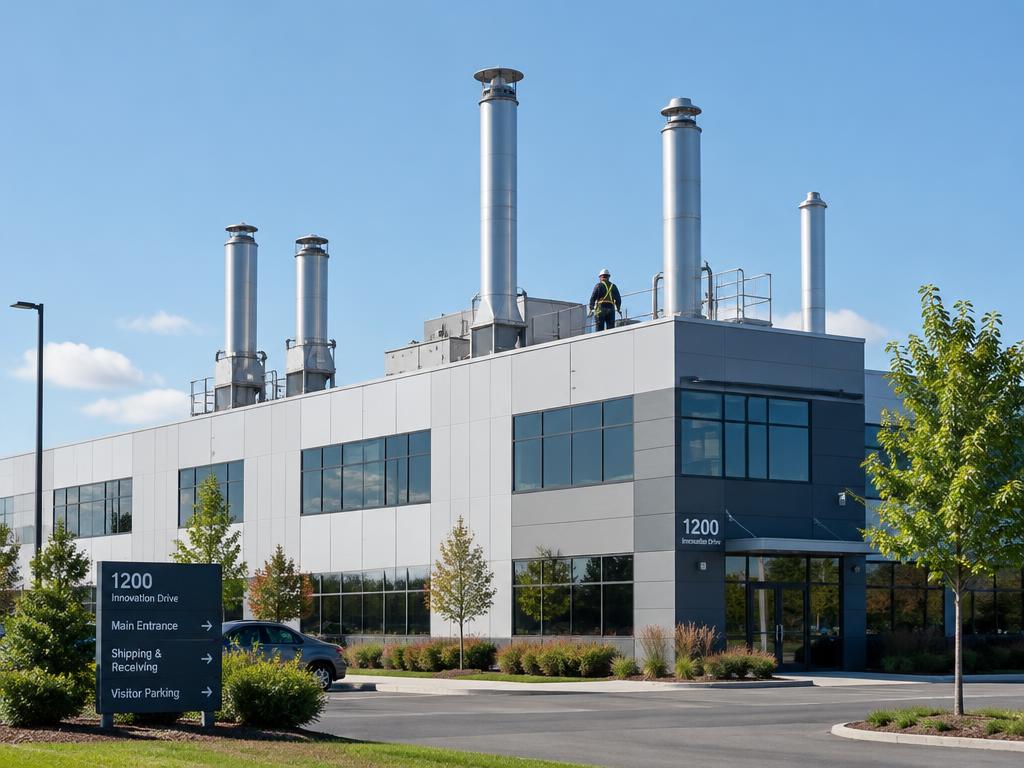
Complete fireplace installation, restoration, and safety servicing built for Markham homes and Ontario winters.
Self-check
Warning signs you need fireplace contractors
Smoke Spilling Into the Living Room
Smoke escaping past the lintel indicates drafting failure, flue restrictions, severe creosote buildup, or improper flue sizing relative to the firebox opening, sending harmful gases into your living environment.
Pungent or Musty Fireplace Odours
Sour, soot-heavy odours wafting from the hearth during warm or rainy weather suggest high moisture infiltration, water pooling on the smoke shelf, or thick creosote deposits requiring immediate mechanical clearing.
Crumbling Mortar and Loose Firebricks
Deteriorated refractory joints and loose firebox bricks leave underlying combustible house framing vulnerable to intense radiant heat, introducing a significant hazard that demands professional masonry tuckpointing or firebox reconstruction.
Exterior Masonry Spalling and Cracking
Bricks that flake, crack, or drop chunks onto the roof reveal deep freeze-thaw water damage. Unaddressed spalling quickly undermines chimney stability and leads to expensive interior water leaks.
Rust Stains on the Damper or Firebox
Corrosion on cast iron dampers, fire grates, or steel components indicates water entering down the chimney flue, usually caused by a damaged crown, missing rain cap, or deteriorated exterior flashing.
White Powdery Deposits on Chimney Brick
Efflorescence appears when moisture migrates through chimney brickwork, leaving behind mineral salts on outer surfaces. This confirms continuous moisture movement that slowly dissolves internal mortar bonds over time.
How Ontario Freeze-Thaw Cycles Damage Fireplace Systems
Markham experiences intense weather shifts every year, transitioning from deep winter freezes to rapid spring thaws. This cyclical freezing and thawing exerts tremendous hydrostatic pressure on masonry fireplaces and exterior chimney structures. When snow collects on chimney crowns or rain penetrates unsealed mortar joints, moisture seeps deep into porous clay bricks and mortar beds. As temperatures plunge overnight, this trapped water expands by approximately nine percent, cracking the masonry from within.
Over several seasons, hairline fractures develop into crumbling mortar, spalling brick faces, and deteriorated chimney crowns. Once water breaches the outer envelope, it often travels downward into the home interior, rusting the steel throat damper, ruining firebrick joints, and staining drywall near ceilings. A degraded chimney stack can eventually tilt or destabilize, posing a severe hazard to roofing, vehicles, and pedestrians below. Addressing moisture ingress early preserves structural soundness and avoids costly emergency rebuilds.
Moisture also compromises internal clay tile flue liners. Freezing moisture causes tile surfaces to flake off in layers, a process known as shaling. These detached tile fragments accumulate on the smoke shelf or lodge within the flue passageway, choking off exhaust drafts and forcing toxic gases into your home. Fireplace contractors working in this region must construct resilient moisture barriers, including drip-edge concrete crowns, breathable masonry sealants, and stainless steel rain guards capable of surviving winter storms.
- Rapid temperature swings causing freeze-thaw spalling and cracked brickwork
- Water infiltration deteriorating throat dampers and clay tile flue liners
- Damaged chimney crowns permitting leaks into ceiling joists and wall cavities
- Flue shaling that obstructs smoke release and creates dangerous blockages
Critical Warning Signs Markham Homeowners Must Never Ignore
Fireplaces rarely fail without displaying warning signs, though many warning signals go unnoticed until a serious hazard develops. One of the most prevalent complaints among local homeowners is back-puffing or smoke spillage into the room. While some assume a sluggish draft is simply due to green firewood or windy weather, it often points to inadequate chimney height, undersized flue passages, or heavy creosote accumulation restricting the exhaust opening.
Another alarming condition is the presence of foul, acrid odours emanating from the hearth during humid weather or when household exhaust fans are running. This sour smell usually indicates significant soot deposits mixed with trapped water sitting on the smoke shelf. Similarly, noticing white, powdery efflorescence on exterior or interior brick surfaces proves that mineral-laden moisture is migrating directly through the chimney masonry, weakening the internal bond between mortar and brickwork.
You should also pay close attention to the condition of the firebox walls and damper operation. Missing mortar between firebricks exposes combustible wall framing behind the masonry to direct flames and extreme temperatures. A stuck, warped, or missing damper prevents proper venting control, either allowing conditioned home air to escape up the chimney continuously or trapping harmful combustion gases indoors when you try to light a fire.
- Smoke or soot entering living areas during normal burning operations
- Sour, musty smells emerging from the firebox during humid summer days
- Loose firebricks, missing refractory mortar, or cracked cast iron components
- White mineral staining or disintegrating brick surfaces on the chimney exterior
Fireplace Safety: Clearances, Ventilation, and Carbon Monoxide
Fireplace safety relies on strict compliance with clearance rules and proper combustion air management. Every wood-burning or fuel-fired appliance generates carbon monoxide, a colourless, odourless, and potentially lethal gas. When an appliance is correctly installed and vented, natural thermal buoyancy pulls carbon monoxide safely up the chimney flue and expels it outdoors. However, if venting passageways are compromised or indoor air pressure turns negative, these deadly fumes can easily seep into bedrooms and living spaces.
Modern energy-efficient homes in Markham feature airtight building envelopes with spray-foam insulation, advanced weatherstripping, and powerful kitchen range hoods. While fantastic for hydro conservation, these tight envelopes can starve fireplaces of required make-up air. When a powerful kitchen hood runs, it can reverse the draft in an open fireplace flue, pulling exhaust straight down the chimney. We advocate for dedicated combustion air supplies and evaluate whole-home depressurization to eliminate drafting failures.
We also rigorously inspect clearance distances to combustible materials, adhering strictly to CSA and WETT-style best practices across every project. Wood studs, drywall, decorative mantels, and hardwood flooring must remain safely separated from radiant heat sources using certified air gaps, fire-rated backer boards, or non-combustible masonry shields. Working without these safety boundaries invites pyrolysis, a chemical breakdown of wood framing caused by low-level, long-term heat exposure that drastically lowers the ignition point of framing lumber.
- Ensuring certified non-combustible clearances around hearths and mantels
- Installing interconnected carbon monoxide alarms near all sleeping zones
- Addressing negative air pressure caused by modern airtight construction
- Preventing wall stud pyrolysis through proper refractory insulation techniques
"After noticing smoke backing into the room, I called for an inspection in Buttonville. Their technician diagnosed a minor blockage quickly, cleared it thoroughly, and explained how to avoid future issues. Excellent service."

Our process
How we handle your fireplace contractors, step by step
- 1
Comprehensive Visual and Video Diagnostic
We examine the firebox, damper, roofline masonry, and run internal video cameras throughout the flue to pinpoint structural weaknesses, hidden cracks, and venting restrictions.
- 2
Detailed Scope of Work and Safety Assessment
Our technicians provide a written evaluation outlining specific masonry, relining, or component repairs required, confirming clearance compliance and answering your technical questions thoroughly.
- 3
Site Preparation and Home Containment
We safeguard your floors, furniture, and living space using heavy-duty canvas runners, dust barriers, and specialized HEPA-filtered vacuum systems to prevent soot drift.
- 4
Precision Masonry and Mechanical Execution
Our crew rebuilds deteriorated firebrick, installs custom insulated flue liners, repoints worn joints, or restores exterior crowns using premium high-temperature mortars and heavy-gauge stainless steel.
- 5
Draft Testing and Homeowner Walkthrough
We conduct smoke draft testing, verify damper and sensor operations, clean the workspace completely, and review safe operating and burning practices with you directly.
Our Methodical Inspection and Diagnostic Process
At Markham Chimney Services, every successful installation or repair project starts with an exacting, multi-point diagnostic inspection. We do not rely on guesswork or superficial visual glances. Our technicians evaluate the entire heating system, starting at the firebox floor, inspecting the lintel bar, testing the damper assembly, and examining the throat transition. We inspect the accessible attic spaces to verify that chimney framing clearances comply with historic and modern safety standards.
We utilize specialized camera inspection systems that travel the full vertical length of the chimney flue. This video diagnostic equipment illuminates hidden cracks, missing mortar between tile joints, creosote glaze, and structural gaps that remain completely invisible from either the hearth or the roofline. By recording and reviewing these internal scans, we show homeowners precisely what is happening inside their venting system and provide clear, transparent recommendations for necessary repairs.
Following our diagnostic examination, we produce a comprehensive written report detailing our findings, safety evaluations, and prioritized corrective options. Whether your home simply requires minor firebox repointing, a custom chimney cap, or a complete stainless steel flue relining, our detailed assessment ensures you understand the mechanical and structural reasoning behind every proposed solution before any physical work begins.
- Internal video camera scanning of the full chimney flue interior
- Examination of attic framing clearances, firestopping, and roof flashing
- Structural assessment of firebrick integrity, lintels, and throat dampers
- Detailed written diagnostics outlining observations and practical remedies
Precision Installation, Relining, and Rebuilding Work
Executing fireplace installations and masonry rebuilds requires steady craftsmanship, high-grade materials, and careful site preparation. Before mixing mortar or handling equipment, we protect your home interior by laying heavy canvas tarps, setting up dust containment barriers, and using negative-air HEPA filtration systems to keep soot and debris out of your living space. We treat your property with the utmost respect from start to finish.
When rebuilding cracked fireboxes, we use true high-heat refractory mortar and dense firebricks laid with tight, uniform joints. For chimneys requiring flue rehabilitation, we install heavy-duty, certified stainless steel liner systems insulated with ceramic blankets or poured insulating mixes. This continuous lining prevents heat transfer into structural house timbers, eliminates combustible gas leakage, and establishes a smooth, properly sized draft channel that drastically cuts down on ongoing creosote accumulation.
Exterior chimney restorations are executed using masonry units and mortar formulations chosen to match the strength, water absorption rate, and aesthetic character of your home. We build reinforced concrete chimney crowns with proper overhangs and drip grooves that shed rainwater away from the brick face. Every phase of our craftsmanship is completed with longevity in mind, ensuring your fireplace functions safely and looks magnificent for decades to come.
- Full containment and floor protection using HEPA-filtered dust control
- Refractory brick rebuilds capable of handling intense thermal cycles
- Continuous insulated stainless steel liner installations for optimal draft
- Poured concrete chimney wash crowns engineered with functional drip edges

Practical Maintenance Tips for Year-Round Performance
Proactive homeowner maintenance goes a long way toward extending the lifespan of your fireplace and preventing sudden system breakdowns. First and foremost, burn only seasoned, dry hardwoods like maple, oak, or ash that have cured for at least six to twelve months. Burning unseasoned or wet wood lowers combustion temperatures, driving unburned gases up the flue where they condense into hazardous creosote, an extremely flammable byproduct that fuels chimney fires.
Never burn treated lumber, painted wood, construction cut-offs, cardboard, or household refuse in your fireplace. These materials produce corrosive chemical vapours that pit stainless steel liners, erode refractory mortar, and discharge dangerous toxins into your home air. Always ignite fires using non-toxic kindling or natural fire starters, building small, hot fires rather than large, smouldering logs that generate excessive smoke and soot.
Establish an ongoing schedule for seasonal checks. Clear out excess ash bed accumulations when they exceed five centimetres, but keep a shallow bed of ash to insulate the hearth floor during active burning. Check your carbon monoxide and smoke alarms monthly, changing batteries twice a year. Schedule a professional sweeping and diagnostic review at least once every twelve months to catch small mortar fractures or venting blocks before winter heating begins.
- Burn only seasoned, low-moisture hardwoods cured for over six months
- Avoid burning treated lumber, plastics, coloured paper, or household trash
- Keep ash bed depth manageable while preserving a light protective layer
- Test carbon monoxide detectors monthly and book annual hearth checkups
Selecting the Right Fireplace Contractor in Markham
Selecting the right contractor to work on your fireplace is a critical home improvement decision that impacts your family safety and property value. Fireplace work requires specialized knowledge of masonry dynamics, thermodynamics, and clearances that general handymen rarely possess. Look for contractors who demonstrate an extensive background in hearth construction, offer clear technical explanations, and demonstrate transparent diagnostic procedures rather than relying on high-pressure sales tactics.
Verify that any contractor you consider carries adequate commercial liability insurance and active workplace safety coverage. A professional contractor will readily provide proof of insurance, offer clear written quotations outlining materials and scope of work, and communicate realistic timelines. They should also possess deep familiarity with local Markham housing styles, from mid-century post-war bungalows to sprawling custom homes, understanding the unique venting challenges each structure presents.
Lastly, evaluate their commitment to cleanliness and customer service. Fireplace and chimney work can easily become messy if treated carelessly. Dedicated professionals invest in heavy drop sheets, specialized vacuums, and positive dust-control methods to leave your living room pristine. Choosing a dedicated, independent local specialist ensures you receive honest advice, tailored solutions, and superior craftsmanship backed by accountable, neighbourhood service.
- Confirm substantial general liability insurance and active worker coverage
- Insist on clear, written itemized estimates outlining labour and materials
- Choose contractors with specific expertise in masonry and mechanical venting
- Seek clear communication, dust-protection protocols, and honest advice
Average pricing in Markham
$450 – $4,800
- Inspection / diagnostic
- $160 – $280
- Typical time on site
- 2 to 14 hours depending on project scope
- Parts and materials
- Stainless steel liners, dampers, custom caps, firebricks, and refractory mortar quoted separately
- What moves the price
- Chimney height, accessibility, and roof pitch · Extent of internal masonry decay and mortar deterioration · Liner sizing and need for custom non-combustible clearances
Estimated local market range, not a quote. All estimates are in Canadian dollars and exclude 13% Ontario HST. Your exact price is confirmed before any work begins.