
A cold hearth during an Ontario winter quickly transforms a comfortable living room into a chilly frustration. Markham Chimney Services operates from 4418 Highway 7 East, providing dedicated technical support to residents across local neighbourhoods. Whether your system is a classic masonry hearth in an older home near Unionville or a modern direct-vent gas unit in a newer build, our independent technicians diagnose and resolve operational hitches, draft problems, and structural wear. We focus on building enduring safety, steady performance, and fuel efficiency into every heating system so your household stays warm without worry throughout the long cold season.
Fireplaces represent an intricate balance of mechanical ventilation, fuel combustion, and building envelope dynamics. When soot accumulates, pilots sputter, or freeze-thaw cycles degrade structural components, you need practical trade knowledge rather than quick guesswork. Our fireplace technicians assess every element: the firebox interior, venting pathways, safety shut-offs, and external flashing. We believe in plain language explanations, meticulous craftsmanship, and honest recommendations. By taking care of underlying concerns before small flaws turn into major safety risks, we help you protect both your property investment and your everyday family peace of mind.
Fireplace Technician: visit summary
Fireplace Technician across Markham: residential and commercial chimney and fireplace work from one local crew. Serving Markham and the Greater Toronto Area (GTA). The estimated local market range is $189 – $680, not a fixed company rate. The final scope and quote are confirmed before work begins.
| Estimated market range | $189 – $680. All estimates are in Canadian dollars and exclude 13% Ontario HST. |
|---|---|
| Typical time | 1 to 3 hours for standard repairs |
| Price factors | Appliance type (gas insert, factory-built metal, or traditional masonry); Accessibility of chimney venting, roof pitch, and flue liner condition; Cost and availability of specific mechanical or electrical replacement parts |
| Routine signs to discuss | Persistent Gas Pilot Failure; White Powder or Haze on Glass; Smoke Spilling into Living Area; Sulfur or Rotten Egg Odour; Cracked Firebox Panels or Bricks; Moisture or Rust in Hearth Cavity |
What a Professional Fireplace Technician Does for Your Home
A fireplace technician is a specialized tradesperson focused on the safe operation, combustion efficiency, and physical integrity of residential heating appliances. Unlike general handypeople, dedicated technicians understand the specific physics of home drafting, appliance clearances, and the complex mechanics of both solid fuel and gas systems. When we visit your home, our scope encompasses far more than simple surface cleaning. We evaluate fuel delivery mechanisms, inspect electrical ignition components, review chimney venting conditions, and ensure the entire assembly operates in complete harmony with your dwelling airflow.
Modern homes in Markham have become substantially more airtight over recent decades, which drastically impacts how fireplaces draw combustion air and expel toxic exhaust. A qualified technician calculates how bathroom fans, kitchen range hoods, and central HVAC systems interact with your hearth. Without proper pressure balancing and mechanical calibration, dangerous backdrafting or sluggish combustion can occur. Our technical team tests these pressure dynamics to verify that combustion byproducts move cleanly out of your living spaces rather than lingering inside your rooms.
From correcting unstable burner flames on gas inserts to rebuilding degraded refractory brick inside traditional wood-burning appliances, our full-service approach covers the entire life cycle of your installation. We examine every gasket, valve, sensor, and brick to catch early indicators of wear before they cause appliance failure or present safety hazards. By choosing an independent service team, you receive unbiased technical evaluations focused solely on the longevity, performance, and day-to-day safety of your heating system.
- Precision troubleshooting of electronic ignition modules, thermopiles, and thermocouples
- Comprehensive draft and static pressure testing to eliminate indoor smoke spill
- Inspection and replacement of deteriorated firebox panels, baffles, and firebricks
- Refurbishment of mechanical dampers, gaskets, and glass safety assemblies
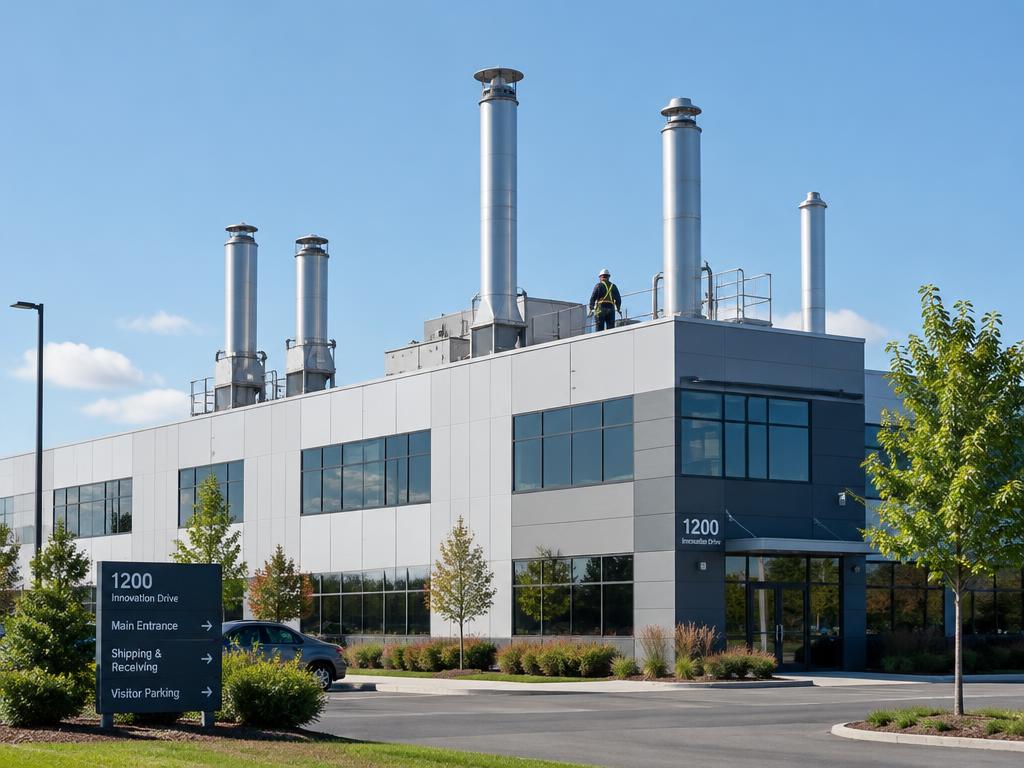
Dedicated fireplace care, thorough diagnostic evaluations, and precision installations for your home.
Self-check
Warning signs you need fireplace technician
Persistent Gas Pilot Failure
A pilot light that repeatedly extinguishes indicates a worn thermocouple, corroded thermopile, or faulty gas control valve requiring professional electrical diagnosis.
White Powder or Haze on Glass
Mineral deposits and white powder on ceramic glass point to chemical combustion imbalances or sulfur byproducts that can permanently etch the glass if left unserviced.
Smoke Spilling into Living Area
Wood smoke rolling into your room signifies a blocked chimney flue, mechanical damper malfunction, severe negative indoor air pressure, or heavy creosote constriction.
Sulfur or Rotten Egg Odour
A rotten egg smell indicates escaping mercaptan from a fuel gas leak. Turn off your gas supply immediately, evacuate your home, and contact your utility provider.
Cracked Firebox Panels or Bricks
Thermal cracking inside firebox refractory panels permits extreme radiant heat to reach structural home framing, posing an immediate structural fire hazard.
Moisture or Rust in Hearth Cavity
Dampness, rusted burner pans, or flaking metal indicate a leaking chimney flashing, damaged termination cap, or condensation accumulating inside uninsulated venting.
The Impact of Ontario Freeze-Thaw Weather on Fireplaces
The climate across Markham presents severe seasonal extremes that place continuous stress on fireplace structures. Late autumn and early spring regularly cycle between daytime rainfall and sub-zero overnight temperatures. This freeze-thaw cycle forces moisture deep into porous brickwork, mortar joints, and concrete chimney caps, where it expands upon freezing. Over time, this hydraulic pressure fractures masonry, loosens flue tiles, and allows water vapour to infiltrate hidden framing spaces adjacent to your fireplace.
Cold snaps also produce dense, heavy columns of freezing air inside external chimney flues. When you attempt to light a fire, this cold plug resists upward movement, causing smoke, soot, and dangerous fumes to roll back into your home. Technicians understand how local barometric changes and lake-effect atmospheric patterns affect chimney draft. We inspect physical chimney components for spalling, thermal shock fractures, and moisture intrusion, providing durable remedies designed to endure harsh Ontario winters.
Furthermore, heavy snow accumulation on roofs can block low-profile termination caps or direct-vent terminals on exterior walls. Blocked vents starve gas appliances of essential combustion air or trap combustion gases within the home. Our team checks external vent clearances, storm collars, and flashing to guarantee that driving snow, melting ice, and high winds cannot breach your home envelope or disable your fireplace during the coldest stretches of winter.
- Spalling brick repair and mortar repointing to resist water infiltration
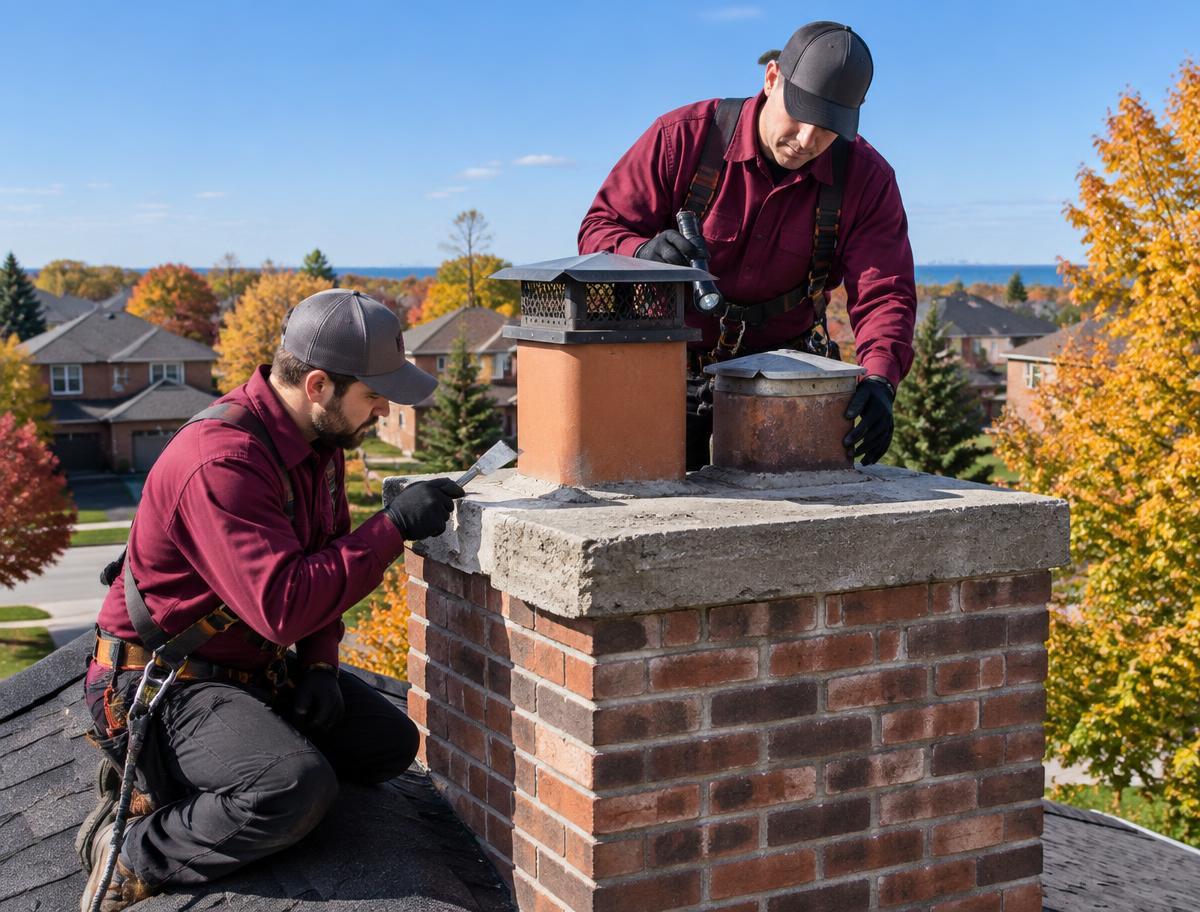
- Installation of heavy-gauge stainless steel chimney caps to shed snow and ice
- Inspection of exterior direct-vent wall terminals for drifting snow clearance
- Flashing assessments to prevent melted ice dams from entering living spaces
Recognizing Warning Signs and Underlying Mechanical Faults
A fireplace rarely fails without providing subtle advance warnings to the homeowner. For gas appliances, a persistent white or cloudy film on the glass, a lazy yellow flame that lacks crisp blue definition, or an intermittent pilot light all signal combustion or air mixture problems. These symptoms often stem from blocked burner ports, failing thermopiles, or restricted primary air shutters. Ignoring these cues can lead to soot buildup, poor fuel efficiency, and the generation of elevated carbon monoxide levels.
Wood-burning systems exhibit their own warning signs, such as smoky ignition, sluggish burn rates, or rattling damper controls. When creosote, a flammable tar byproduct of incomplete combustion, builds up inside the flue pipe, it narrows the passage and restricts exhaust velocity. This issue is frequently caused by burning unseasoned firewood, operating the appliance with choked air supplies, or enduring cold flue temperatures caused by uninsulated chimney chases.
Physical cues around the hearth area must never be overlooked. Peeling paint above the mantel, acrid odours during humid summer days, or hairline cracking along the interior refractory panels indicate heat stress or water ingress. Our technicians use advanced diagnostic equipment to trace these visible symptoms back to their mechanical origins, rectifying root causes rather than applying superficial cosmetic patches.
- Cloudy glass or persistent sooting indicating poor air-to-fuel ratios
- Difficulty lighting or keeping the pilot flame burning consistently
- Acrid chemical odours or burnt metallic smells during operation
- Visible moisture stains or flaking masonry surrounding the firebox opening
Our Detailed Inspection and Diagnostic Methodology
Markham Chimney Services follows a systematic, multi-point diagnostic protocol every time we evaluate an appliance. We begin with a visual and functional assessment of the entire firebox, examining the burner tray, gas train, ignition assembly, and safety shut-off switches. For wood-burning models, we inspect the condition of the hearth extension, firebrick, throat damper, and flue collar. We verify that all moving parts actuate freely and seal securely against unwanted air infiltration.
Next, we inspect the venting infrastructure. Using high-resolution inspection cameras, our technicians can evaluate the interior of chimney flues from top to bottom. This reveals hidden mortar loss, broken flue liner joints, or creosote stages that are completely invisible from the hearth floor. We also verify structural clearances to nearby combustible materials, ensuring that framing studs, mantels, and drywall comply with rigorous fire safety distances.
Finally, we run operational tests under actual working conditions. For gas units, we measure millivolt outputs across safety sensors, verify manifold pressure using precision manometers, and test for micro-leaks along all gas connections. For wood appliances, we assess draft draw and inspect door gaskets using specialized smoke pencils and paper compression tests. You receive a clear, straightforward breakdown of our findings along with prioritized recommendations for necessary repairs.
- Internal camera scans of concealed flue pathways and structural joints
- Digital manometer testing of fuel delivery pressure and manifold stability
- Millivolt electrical testing on thermocouples, thermopiles, and control boards
- Physical inspection of thermal clearances around mantels and combustible walls
"I scheduled a full fireplace cleaning before winter. They used professional-grade tools to remove every trace of soot, tested airflow, and provided clear advice on maintenance. My hearth looks brand new and works flawlessly."
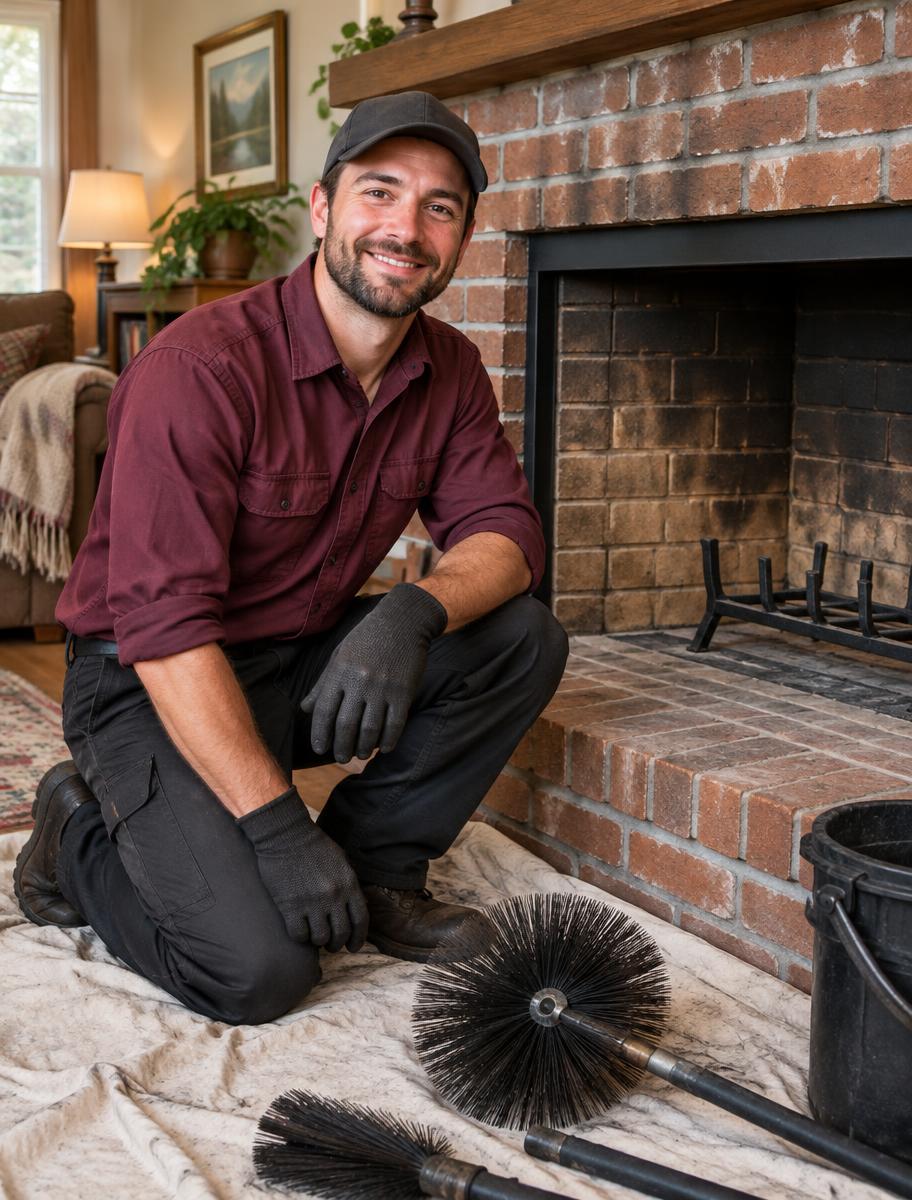
Our process
How we handle your fireplace technician, step by step
- 1
Initial Arrival and Site Protection
We lay protective floor coverings and set up dust barriers to keep your living room pristine throughout the diagnostic evaluation.
- 2
Comprehensive Visual and Mechanical Audit
We examine the firebox, burners, electrical igniters, ventilation pathways, and safety shut-offs to pinpoint operational defects and safety concerns.
- 3
Transparent Findings and Quote
Our technician provides a detailed verbal and written breakdown of required repairs, parts replacements, and associated costs before proceeding.
- 4
Precision Repairs and Component Servicing
We execute repairs using high-grade components, meticulously cleaning burner orifices, rebuilding masonry joints, and aligning venting assemblies.
- 5
Safety Testing and Clean Hearth Handover
We conduct live combustion, draft, and leak tests, explain system operation, and leave your hearth spotless and fully ready for use.
Full-Service Repairs, Relining, and Component Restoration
When components wear out, our service vehicle brings the specialized tools and trade knowledge necessary to complete durable repairs. On gas units, we routinely replace worn gas valves, clean and balance burner assemblies, install new blower fans, and replace faulty wall switches or thermostatic remotes. We treat each component with mechanical care, ensuring that every wire connection, gasket seal, and gas fitting meets rigorous industry performance benchmarks.
For wood fireplaces and older chimneys, our technicians handle structural rehabilitation. We repair broken brick fireboxes using high-temperature refractory mortar that expands and contracts naturally under extreme heat. If an existing clay flue liner has shattered due to past chimney fires or water freezing, we install custom stainless steel relining systems. These insulated liners restore optimal draft velocity, eliminate smoke leaks into the home, and provide robust containment for high-temperature flue gases.
We also install modern replacement inserts that fit directly inside tired, drafty masonry openings. Converting an inefficient open brick fireplace into a high-efficiency closed combustion appliance dramatically cuts heating loss during winter. Our technicians manage every step of the transition, from ensuring proper non-combustible floor protection to custom fitting termination hoods and interior trim panels for a clean, tailored finish.
- Precision replacement of faulty gas control valves and pilot assemblies
- Installation of insulated, heavy-duty stainless steel flue liners
- Refractory brick repair, repointing, and thermal panel replacement
- Retrofit installation of high-efficiency gas and wood fireplace inserts
Fireplace Safety: Carbon Monoxide and Clearances
Home heating safety rests on the strict containment of fire, heat, and toxic gases. Carbon monoxide is an invisible, odourless, and colourless gas generated whenever carbon-based fuels burn incompletely. If a chimney vent is partially obstructed or an appliance burner is misaligned, this dangerous gas can spill silently into bedrooms and living spaces. Our fireplace technicians prioritize combustion safety, checking vent pathways thoroughly and confirming that every automatic spill switch and safety interlock operates instantly.
We also advise Markham homeowners on the essential placement and upkeep of digital carbon monoxide alarms. While we follow CSA-style safety principles and WETT-style inspection best practices across all our work, safety ultimately extends to your day-to-day household habits. We recommend installing alarms on every floor of the home, particularly near sleeping areas, and testing them monthly. Our technicians verify that your fireplace installation maintains safe separation from combustible walls, carpeting, and draperies.
Adequate clearance between high-temperature appliance surfaces and household woodwork is vital for avoiding pyrolysis: a chemical decomposition of wood caused by long-term heat exposure that lowers its ignition temperature. Over years of use, an improperly installed mantel or hearth surround can spontaneously ignite without ever touching an open flame. We measure all clearances carefully during our visits to verify that your configuration remains fully protected against radiant heat transfer.
- Combustion gas spill testing to verify zero exhaust leakage into living spaces
- Clearance evaluations to prevent pyrolysis of surrounding timber and mantels
- Guidance on digital carbon monoxide detector placement and testing routines
- Verification of automatic thermal shut-off sensors and safety limit switches
Practical Maintenance Tips for Markham Homeowners
Between annual technician visits, proactive homeowner maintenance keeps your fireplace functioning smoothly and safely. For gas fireplaces, keep the lower control cavity free from dust, pet hair, and lint by gently vacuuming the compartment every few months. Never spray liquid household glass cleaners onto ceramic fireplace glass, as harsh ammonia chemicals can etch permanently into the glass surface under intense heat. Use only dedicated ceramic glass cleaning paste designed specifically for fireplace applications.
If you operate a wood-burning hearth, burn only seasoned hardwoods such as maple, oak, or beech that have been split, stacked, and dried for at least one year. Green or wet wood produces low firebox temperatures, heavy steam, and excessive creosote deposits inside the chimney flue. Use a moisture meter to ensure your firewood reads below twenty percent moisture content before loading it onto the grate. Never burn pressure-treated timber, painted boards, cardboard boxes, or trash.
Always monitor the exterior termination of your chimney or wall vent following severe snowstorms and freezing rain across the Greater Toronto Area. Ensure that snow drifts do not pile up against side-wall vents and that icicles hanging from eaves do not threaten chimney caps or flashings. Practicing these simple operational habits preserves your equipment, reduces seasonal repair bills, and ensures your home remains safely heated through the coldest days.
- Vacuum dust and pet dander from lower gas valve compartments regularly
- Use only specialized fireplace glass cleaner to prevent glass etching
- Burn exclusively seasoned hardwood with moisture content under twenty percent
- Clear drifting snow and ice from exterior wall terminations after major storms
Selecting the Right Independent Fireplace Specialist
Entrusting a fireplace repair or installation to a tradesperson requires careful vetting. Fireplace systems involve volatile fuel supplies, high combustion temperatures, and direct penetrations through your roof or exterior walls. When hiring a technician in Markham, seek an independent specialist who takes the time to explain the mechanical details of your system, provides transparent pricing before beginning work, and focuses on long-term safety rather than hasty part replacement.
A reputable fireplace technician should always carry comprehensive commercial liability insurance and active workplace safety coverage. Ask prospective contractors about their familiarity with local housing stock, ranging from postwar bungalows with masonry chimneys to modern multi-storey townhomes equipped with intricate power-vented gas systems. A specialist familiar with local architectural trends will anticipate structural challenges before cutting into drywall or altering masonry.
Finally, value thorough documentation and honest communication over high-pressure sales tactics. A dedicated service professional documents existing defects with photos, outlines potential repair options clearly, and respects your home by using floor drop cloths, wearing protective footwear, and leaving your hearth spotless. Choosing an established, dedicated independent service company ensures you have an accountable partner whenever heating troubles arise.
- Verify full commercial general liability insurance and worker safety coverage
- Look for clear diagnostic explanations paired with transparent pricing estimates
- Ensure familiarity with both vintage masonry and modern pre-fabricated venting
- Expect complete job-site protection including clean drop cloths and boot covers
Average pricing in Markham
$189 – $680
- Inspection / diagnostic
- $129 – $189
- Typical time on site
- 1 to 3 hours for standard repairs
- Parts and materials
- Gas valves, thermopiles, blowers, refractory brick, and custom liners quoted separately
- What moves the price
- Appliance type (gas insert, factory-built metal, or traditional masonry) · Accessibility of chimney venting, roof pitch, and flue liner condition · Cost and availability of specific mechanical or electrical replacement parts
Estimated local market range, not a quote. All estimates are in Canadian dollars and exclude 13% Ontario HST. Your exact price is confirmed before any work begins.