

Your chimney operates as one of the most critical structural and ventilation systems in your home, working silently through harsh winter storms and muggy summer humidity. Whether venting a traditional wood-burning fireplace, an updated gas insert, or a high-efficiency heating appliance, a sound chimney protects your household against toxic combustion gases, destructive house fires, and hidden structural decay. Markham Chimney Services delivers dedicated residential chimney services designed to restore structural integrity, enhance thermal performance, and ensure pristine venting operation across every season.
Operating directly from 4418 Highway 7 East, Markham, Ontario, our team understands the unique architectural profiles of local residential neighbourhoods. From mid-century brick bungalows in Unionville to custom residences in Bayview Glen and classic properties across the Greater Toronto Area, local chimneys face extreme weather fluctuations that accelerate masonry deterioration. We offer comprehensive diagnostic assessments, meticulous masonry restoration, precision installations, and preventative upkeep designed to keep your venting channels clear, structurally sound, and completely compliant with solid-fuel and gas venting safety principles.
Residential Chimney Services: visit summary
Residential Chimney Services across Markham: residential and commercial chimney and fireplace work from one local crew. Serving Markham and the Greater Toronto Area (GTA). The estimated local market range is $289 – $3,850, not a fixed company rate. The final scope and quote are confirmed before work begins.
| Estimated market range | $289 – $3,850. All estimates are in Canadian dollars and exclude 13% Ontario HST. |
|---|---|
| Typical time | 2 to 8 hours for standard repairs; 2 to 4 days for major rebuilds |
| Price factors | Chimney height, roof pitch, and accessibility; Extent of moisture damage and masonry deterioration; Type and diameter of replacement flue liner required |
| Routine signs to discuss | Spalling or Crumbling Bricks; White Powdery Staining (Efflorescence); Cracked or Decaying Chimney Crown; Pungent Odours and Sluggish Drafting; Rust on Damper or Firebox Metal; Eroded or Missing Mortar Joints |
Full-Service Residential Chimney Solutions for Local Homeowners
Residential chimney care encompasses much more than occasionally sweeping away accumulated soot or ash. A complete chimney system includes structural exterior brickwork, internal ceramic or stainless steel flue liners, custom lead or aluminum flashing, protective top crowns, and spark-arresting caps. Each of these components must work in perfect harmony to balance combustion airflow, prevent heat transfer into adjacent timber wall framings, and direct dangerous combustion byproducts safely above your roofline.
Over years of regular heating cycles, the internal components of a residential chimney undergo relentless thermal stress while the exterior shell withstands severe atmospheric exposure. Our full-service offerings cover every stage of the chimney lifecycle, including brand-new installations, partial or total masonry rebuilds, stainless steel liner retrofits, and damper replacements. We treat your chimney as an integrated mechanical and masonry assembly, assessing every joint, passage, and barrier to eliminate potential vulnerabilities before minor wear turns into hazardous failure.
When you schedule comprehensive chimney servicing, you receive a tailored strategy designed specifically for your home heating setup. We inspect the appliance connection at the hearth, evaluate the structural clearance around attic timbers, examine roof transitions, and assess exterior brick stability from ground level to the chimney cap. This end-to-end approach ensures your heating appliances operate at their designed efficiency while keeping combustible framing completely protected from heat and sparks.
- Complete structural masonry rebuilds, repointing, and brick repairs
- Durable stainless steel and cast-in-place flue liner installations
- Custom counter-flashing and base-flashing water protection systems
- Concrete chimney crown rebuilding and protective crown coating
- Energy-efficient top-sealing dampers and stainless steel rain caps
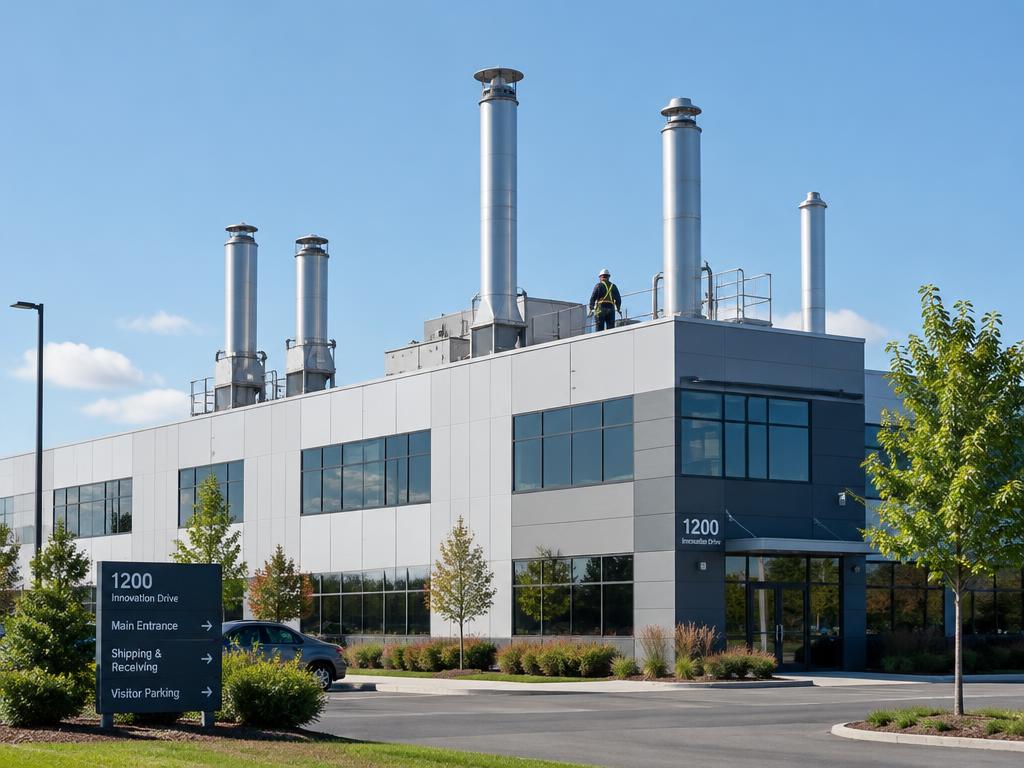
Reliable, full-scope chimney installation, restoration, and safety servicing tailored for Markham homes.
Self-check
Warning signs you need residential chimney services
Spalling or Crumbling Bricks
Brick surfaces on your exterior stack that are flaking, cracking, or popping off indicate deep moisture absorption and freeze-thaw expansion, requiring immediate masonry attention before structural collapse occurs.
White Powdery Staining (Efflorescence)
Chalky white mineral salts coating the exterior brickwork demonstrate that moisture is migrating freely through the chimney masonry, dissolving internal binders and signalling failing flashing, crowns, or internal liners.
Cracked or Decaying Chimney Crown
Fissures across the concrete slab at the very top of your chimney allow rain and melting snow to pour directly down into the interior masonry layers, leading to rapid flue decay.
Pungent Odours and Sluggish Drafting
Foul, barbecue-like soot odours or smoke spilling into your living room suggest heavy creosote buildup, negative indoor air pressure, or internal flue obstructions that require diagnostic evaluation and thorough cleaning.
Rust on Damper or Firebox Metal
Corroded throat dampers, rusted firebox grates, or pitted lintel bars are definitive indicators that water is penetrating your chimney system from above due to a missing cap or cracked crown.
Eroded or Missing Mortar Joints
Gaps, voids, or deeply recessed mortar between chimney bricks severely weaken structural load capacity and allow driving rains to enter the flue cavity, creating a serious fire hazard.
The Impact of Ontario Freeze-Thaw Weather on Chimney Masonry
Living in Markham means enduring dramatic seasonal temperature swings, transitioning from sweltering, humid summer afternoons to sub-zero winter blasts. The most destructive natural force acting upon local chimneys is the perpetual freeze-thaw cycle that occurs during late autumn, winter, and early spring. When rain, freezing drizzle, or melting snow penetrates porous exterior brickwork and mortar, that trapped moisture expands by approximately nine percent as the temperature dips below freezing.
This repeated volumetric expansion exerts massive internal pressure on the clay brick bodies and surrounding mortar beds. Over successive seasons, the hydraulic pressure splits the hardened brick faces, causing them to crack, shear away, or crumble in a destructive process known as spalling. Left unchecked, moisture infiltration quickly migrates deeper into the chimney stack, corroding steel structural ties, degrading the clay flue tiles inside, and rotting the adjacent roof trusses and drywall ceilings.
Moreover, interior heat radiating outward from an active fireplace flue collides with freezing ambient outdoor air on cold January evenings. This steep thermal gradient creates rapid condensation inside the masonry assembly, accelerating salt migration and chemical leaching from the cementitious components. Professional intervention stops this destructive moisture loop through precision joint tuckpointing, breathable hydrophobic sealants, concrete crown shedding overhangs, and proper vapour management that keeps the entire structure dry inside and out.
- Water penetration through microscopic pores and hairline cracks in brick
- Ice expansion causing brick spalling, facial shearing, and structural voids
- Efflorescence formation from mineral salts leached out by internal dampness
- Deterioration of internal flue tile joints due to exterior water soaking
- Hidden roof framing rot and ceiling stains below damaged rooflines
Common Causes of Chimney Degradation and Venting Failures
Beyond our demanding winter climate, residential chimney systems deteriorate due to internal chemical corrosion, mechanical wear, and installation deficiencies. Burning seasoned hardwood produces volatile organic compounds, water vapour, and unburned hydrocarbons. When flue gases move too slowly or cool prematurely inside an oversized or uninsulated chimney flue, these compounds condense along the liner walls to form creosote, a corrosive, highly flammable substance that attacks masonry materials.
Modern high-efficiency gas furnaces and water heaters present a completely different venting challenge when vented into older masonry stacks. Gas combustion produces acidic water vapour containing dissolved carbonic, nitric, and sulphuric compounds. Without a properly sized, corrosion-resistant stainless steel liner, this acidic condensation rapidly eats away at vintage terracotta flue joints and soft lime-based mortar, causing internal liner collapse that obstructs draft passage and threatens household safety.
External mechanical stress also plays a significant role in chimney failure across our communities. Ground settling, heavy wind shear loads against tall exterior chimneys, foundation shifts, and vegetation growth can create structural fractures that allow water ingress. Defective original flashing details or simple sealant dry-rot around the roofline allow rainwater to bypass protective barriers, silently soaking the chimney base and degrading the fireplace throat and smoke chamber unnoticed.
- Creosote accumulation caused by incomplete wood combustion and cool flues
- Acidic condensation from modern gas appliances corroding unlined chimneys
- Thermal shock cycles loosening terracotta clay flue joints over time
- Defective or aged sheet metal flashing allowing roof-level water penetration
- Foundation movement and wind shear producing deep diagonal brick fissures
Our Detailed Inspection and Diagnostic Methodology
Accurate chimney care begins with meticulous, evidence-based diagnostics rather than superficial visual guesses. When our technicians arrive at your Markham residence, we perform an exhaustive evaluation of your entire venting system from the firebox to the chimney termination. We examine the fireplace hearth, check firebox firebrick condition, test the manual damper mechanism, and inspect the smoke shelf and lintel bars for signs of rust or structural deflection.
Our diagnostic process includes specialized internal flue evaluations where we pass high-definition optical cameras throughout the full length of the venting conduit. This allows us to inspect each individual clay flue joint, locate hidden lateral fractures, identify corrosive pinholes in metallic liners, and measure creosote accumulation without destructive wall openings. We evaluate clearance distances between the chimney exterior and combustible structural framing inside your attic and living areas.
On the roof, we systematically evaluate the structural plumbness of the stack, probe mortar joints for compressive strength, and inspect the chimney crown for structural cracking. We inspect the lead or copper counter-flashing, verify that the drip edge projects water away from the brick face, and inspect the spark arrestor mesh for soot restriction. Following the evaluation, we supply a detailed condition review with clear photographic evidence and practical recommendations.
- High-definition camera evaluations traversing the entire internal flue run
- Mechanical testing of the firebox, throat damper, and smoke chamber shelf
- Attic clearance assessments to verify proper clearance from wooden framing
- Hands-on mortar firmness and brick adhesion testing along the stack
- Flashing interface water-tightness and roof integrity evaluations
"I needed a new chimney cap. The installer arrived in Angus Glen, walked me through cap options, and fitted the perfect one with care. Cleanup was spotless and now I feel protected against rain and pests."

Our process
How we handle your residential chimney services, step by step
- 1
Initial Consultation and Site Setup
We discuss your heating concerns, protect your home interior with clean drop cloths and floor runners, and establish secure roof access adhering strictly to safety regulations.
- 2
Comprehensive Diagnostic Assessment
Our technicians perform a meticulous visual and camera inspection of your firebox, damper, interior flue channels, exterior brickwork, flashing transitions, and upper crown structure.
- 3
Customized Work Proposal
We deliver a detailed, written breakdown with photographs showing identified issues, outlining straightforward options for cleaning, masonry tuckpointing, liner replacement, or rebuilds suited to your budget.
- 4
Precision Restoration or Installation
Our skilled craftsmen complete the necessary repairs using durable materials, high-temperature components, and climate-resilient mortars formulated to withstand rigorous Ontario freeze-thaw cycles.
- 5
Final Testing and Safe Cleanup
We conduct draft and smoke testing, verify complete appliance venting operation, clear all work debris from your property, and provide a full overview of completed work.
Precision Workmanship in Restorations and New Installations
Executing long-lasting chimney repairs requires unwavering dedication to traditional masonry craftsmanship combined with modern building science. When restoring weathered brickwork, we do not simply smear soft surface mortar over decaying joints. We grind out compromised mortar to a uniform depth, thoroughly clean the voids, and install colour-matched, climate-appropriate mortar formulations that replicate the compressive strength and vapour permeability of the original brick structure.
For chimneys suffering from extensive upper-tier decay, we perform partial or complete teardowns down to sound, undisturbed masonry courses before rebuilding the stack. Our rebuilds incorporate solid steel reinforcement, proper expansion joints, and custom-poured reinforced concrete crowns featuring continuous drip edges that cast falling rainwater clear of the brick veneer. Every installation conforms to proven building practices and safety guidelines patterned after recognized CSA and WETT-style safety standards.
When correcting broken or improperly sized venting conduits, we install heavy-gauge, certified stainless steel chimney liners wrapped in ceramic blanket insulation. This insulating wrap maintains elevated internal flue gas temperatures, maximizing natural chimney draft, virtually eliminating acidic flue condensation, and maintaining safe clearance temperatures around adjacent timber framework. The finished installation delivers exceptional venting reliability, total fire containment, and decades of reliable service.
- Deep raking and precision tuckpointing using climate-specific mortar
- Structural masonry teardowns and rebuilds with reinforced concrete crowns
- Insulated stainless steel flue relining systems for wood and gas appliances
- Smoke chamber parging to create smooth, aerodynamic venting transitions
- Integrated custom flashing systems fabricated for local roof pitches
Combustion Safety, Draft Dynamics, and Carbon Monoxide Prevention
A residential chimney is an active life-safety system designed to exhaust poisonous combustion gases safely out of your living environment. The primary hazard associated with degraded or obstructed chimneys is carbon monoxide, an invisible, tasteless, and odourless gas produced by incomplete combustion of wood, natural gas, propane, or oil. If a chimney experiences draft reversal, flue blockage, or structural collapse, dangerous concentrations of carbon monoxide can accumulate inside living spaces.
Draft dynamics rely entirely on the natural physics of warm air buoyancy, known as the stack effect. In tightly sealed, energy-efficient modern homes across Markham, powerful kitchen range hoods, bathroom exhaust fans, and clothes dryers can pull indoor air pressure into a negative state. When negative pressure overcomes natural chimney draft, air is sucked backward down the chimney flue, pulling toxic combustion byproducts, fireplace smoke, and fine particulate matter directly into your living rooms.
We evaluate combustion air supplies and draft equilibrium, verifying that your heating appliances receive adequate makeup air to support complete, clean burning. We advocate the strategic placement of certified carbon monoxide alarms on every living level of your home, especially directly adjacent to sleeping quarters. Our safety-focused assessments confirm that your flue passage remains completely clear of bird nests, leaf debris, soot bridges, and fallen liner fragments that could prevent natural exhaust.
- Prevention of lethal carbon monoxide accumulation through clear venting passages
- Resolution of house depressurization and draft reversal issues
- Elimination of internal creosote hazards that spark intense chimney fires
- Installation of heavy-duty stainless steel animal guards and spark arrestors
- Strategic homeowner guidance for carbon monoxide detector positioning

Practical Seasonal Maintenance and Care for Markham Residents
While complex structural repairs and flue relining require professional equipment and expertise, diligent homeowner stewardship plays an indispensable role in preserving chimney longevity. Your primary objective throughout the year is managing moisture exposure and observing early symptoms of structural wear. Following heavy rainstorms or rapid winter snow melts, take a few minutes to inspect your ceilings and attic spaces around the chimney stack for damp insulation or water stains.
If you enjoy burning wood in an open hearth or fireplace insert, always select properly seasoned hardwood such as maple, oak, or ash that has cured for at least six to twelve months. Burning green, unseasoned wood or softwood containing high sap levels drastically reduces firebox temperatures and dramatically increases flammable creosote accumulation within your flue. Never burn pressure-treated lumber, painted wood, cardboard trash, or domestic plastics, as these release corrosive chemicals that attack chimney liners.
Keep mature tree canopies trimmed back at least three metres from your chimney termination to prevent branches from sweeping away protective chimney caps, obstructing draft exhaust, or dropping excessive organic debris onto your roofline. Periodically inspect the base of your firebox and clean out cold ashes using a metal ash bucket with a secure lid, leaving a shallow layer of ash during the heating season to insulate the hearth floor.
- Burn only dry, seasoned hardwoods containing less than twenty percent moisture
- Inspect the firebox, damper, and hearth area visually before lighting your first fire
- Clear overhanging tree limbs to protect roof caps and preserve natural draft
- Safely store fireplace ashes in a dedicated lidded metal container outdoors
- Schedule professional chimney inspections before the start of each heating season
Selecting a Trustworthy, Skilled Chimney Specialist in Markham
Entrusting your home to a chimney service provider requires careful consideration of their technical knowledge, building trade experience, and transparent operational practices. Because much of a chimney system is concealed inside walls or positioned high up on your roof, homeowners must rely on straightforward, honest communication and verified diagnostic evidence. Be wary of transient contractors offering cut-rate sweeps who suddenly claim your chimney requires an emergency rebuild without visual proof.
A reputable chimney contractor provides clear, high-resolution photographic and video documentation of any asserted damage before presenting a detailed, written scope of work. They should be well versed in local Ontario building codes, municipal safety standards, and manufacturer installation specifications for venting appliances. Look for specialists who understand the distinct characteristics of historical masonry, vintage lime mortars, and contemporary stainless steel venting systems alike.
At Markham Chimney Services, we pride ourselves on delivering clear explanations, meticulous craftsmanship, and honest recommendations grounded in proven trade practices. We never rush diagnostic assessments or use pushy sales tactics. From our permanent location on Highway 7, we are committed to building lasting relationships with local homeowners by providing reliable, high-calibre masonry and chimney solutions that protect families, preserve historic architecture, and stand strong against our toughest winters.
- Demand comprehensive photographic and video proof of any recommended repair
- Verify complete commercial liability insurance and worker compensation protection
- Ensure the contractor demonstrates deep familiarity with Ontario building practices
- Look for transparent, itemized written estimates with clear material details
- Choose an established, physically accessible local company serving your community
Average pricing in Markham
$289 – $3,850
- Inspection / diagnostic
- $149 – $299
- Typical time on site
- 2 to 8 hours for standard repairs; 2 to 4 days for major rebuilds
- Parts and materials
- Custom chase covers, stainless steel liners, concrete crowns, scaffolding rentals, specialized clay or heritage bricks
- What moves the price
- Chimney height, roof pitch, and accessibility · Extent of moisture damage and masonry deterioration · Type and diameter of replacement flue liner required
Estimated local market range, not a quote. All estimates are in Canadian dollars and exclude 13% Ontario HST. Your exact price is confirmed before any work begins.