

When homeowners look up at their roofline, finding crumbling, flaking, or soft masonry can come as an unpleasant surprise. In Markham, chimney masonry faces some of the most punishing weather in Canada, oscillating rapidly between freezing rain, heavy snows, and scorching summer humidity. Rotten chimney bricks, often termed spalling or deteriorated masonry by trade specialists, occur when water penetrates deeply into porous clay units and breaks down their internal structural bonds. Left unaddressed, soft and rotting bricks compromise the chimney stack, allow moisture into your living spaces, and can eventually lead to partial collapse or flue liner failure.
Markham Chimney Services operates from 4418 Highway 7 East, offering targeted rotten chimney brick repair and structural masonry restoration throughout Markham neighbourhoods and the Greater Toronto Area. Our focus is straightforward: we diagnose the root moisture source, carefully remove degraded clay units without disturbing sound masonry, and rebuild the damaged sections using period-appropriate mortars and matching bricks. We believe in providing clear, practical guidance so you understand precisely what is occurring on your roofline, how our repairs safeguard your home, and how proper preventative maintenance preserves your property value for decades to come.
Chimney Bricks Rotten Repair: visit summary
Chimney Bricks Rotten Repair in Markham: cracked brick, loose mortar and weather damage assessed and repaired before water gets in. Serving Markham and the Greater Toronto Area (GTA). The estimated local market range is $750 – $3,800, not a fixed company rate. The final scope and quote are confirmed before work begins.
| Estimated market range | $750 – $3,800. All estimates are in Canadian dollars and exclude 13% Ontario HST. |
|---|---|
| Typical time | 1 to 3 days depending on height and brick count |
| Price factors | Total quantity of rotted bricks needing replacement; Roof pitch, stack height, and accessibility requirements; Underlying crown, cap, or flashing repairs needed concurrently |
| Routine signs to discuss | Spalling and Flaking Brick Faces; Piles of Brick Dust on the Roof; Crumbly or Spongy Brick Texture; Heavy White Powdery Staining; Recessed or Eroded Mortar Joints; Visible Chimney Leaning or Sagging |
What Rotten Chimney Bricks Mean for Your Home
The term rotten brick sounds unusual because people generally associate rot with timber rather than kiln-fired clay. In the masonry trade, rotten describes bricks that have lost their density, structural cohesion, and weather-resistant outer skin through relentless moisture exposure. Clay bricks are inherently porous, functioning like hard sponges that absorb ambient humidity and liquid water. When moisture remains trapped inside the brick matrix for prolonged periods, chemical leaching and physical stress slowly dissolve the internal binders that hold the baked clay particles together.
As this internal deterioration advances, the brick face begins to separate, flake, or turn into coarse powder under light finger pressure. Homeowners often notice small red or brown fragments collecting in roof valleys, falling across eaves, or scattering on patio surfaces below the chimney stack. Once the outer vitrified crust of the brick sloughs off, the softer, highly absorbent inner clay is completely exposed to outdoor elements, accelerating the decay cycle rapidly during subsequent rainfalls.
Allowing rotten bricks to linger on your chimney creates serious secondary consequences for the entire building envelope. Weakened masonry loses its ability to bear the substantial dead weight of the chimney structure above it. Furthermore, deteriorating units allow bulk water to track through the chimney chase, soaking drywall, rotting adjacent roof trusses, and fostering hidden mould colonies within ceiling joists. Treating this condition early prevents costly full-scale tear-downs and keeps your roofline stable.
- Clay bricks lose internal density through chronic saturation and chemical breakdown.
- The protective baked exterior flakes away, leaving soft, vulnerable inner clay exposed.
- Fallen brick dust and chips gather along shingles, gutters, and ground areas.
- Compromised bricks threaten the physical stability of the upper chimney stack.
- Unchecked moisture intrusion damages interior walls, ceiling insulation, and roof framing.
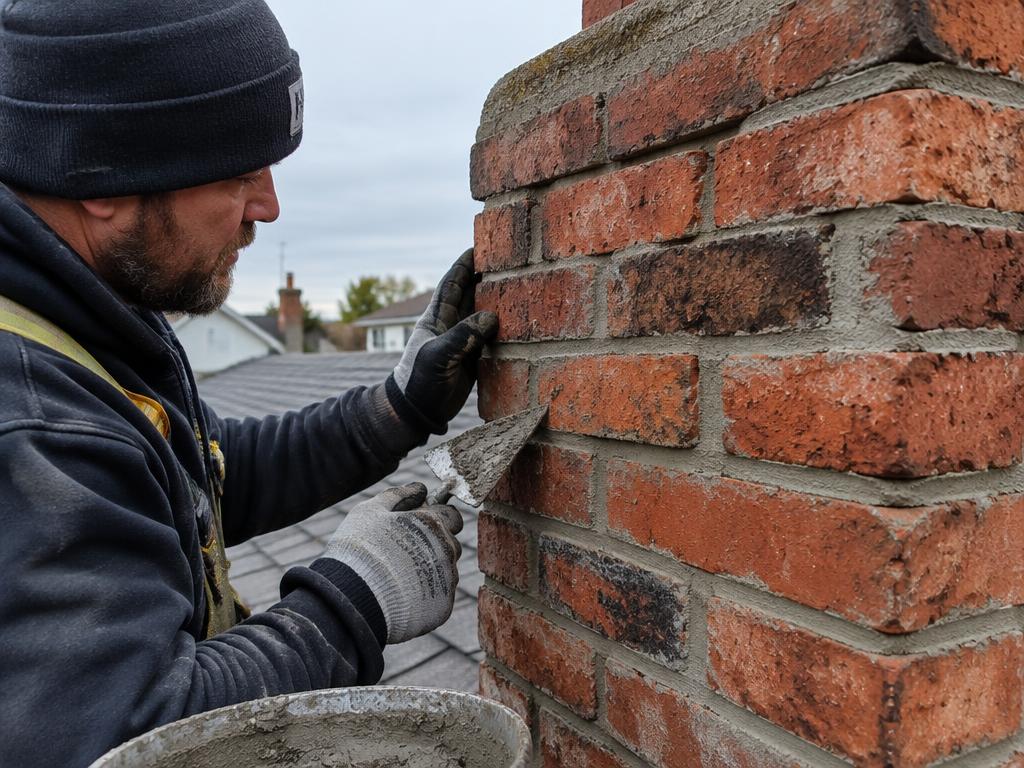
Restoring crumbling, moisture-damaged chimney masonry across Markham to keep your home safe and dry.
Self-check
Warning signs you need chimney bricks rotten repair
Spalling and Flaking Brick Faces
The hard exterior crust of the brick pops or flakes off, revealing soft, porous clay beneath. This clear sign of freeze-thaw breakdown leaves the brick vulnerable to accelerated moisture saturation.
Piles of Brick Dust on the Roof
Piles of coarse red, brown, or sandy debris gathering in roof gutters or around shingles below the chimney indicate that bricks are disintegrating and crumbling away under weathering.
Crumbly or Spongy Brick Texture
Bricks that scratch easily with a key, flake when touched, or feel visibly soft to the press have suffered complete structural breakdown of their baked clay binder.
Heavy White Powdery Staining
Known as efflorescence, thick powdery mineral deposits on brick surfaces demonstrate that deep moisture is traveling through the masonry, dissolving minerals, and evaporating on the exterior.
Recessed or Eroded Mortar Joints
When mortar washes away or recesses deeply between bricks, water gathers on exposed brick edges, speeding up decay along the outer and lower corners of the clay units.
Visible Chimney Leaning or Sagging
A stack that leans toward one side or shows stepped diagonal cracks indicates that load-bearing bricks have rotted and lost structural capacity, risking chimney collapse.
How Ontario Freeze-Thaw Cycles Accelerate Masonry Decay
Southern Ontario features a unique microclimate characterized by extreme winter swings and sudden mid-season thaws. In Markham, a typical winter week can easily see damp temperatures hovering near five degrees Celsius drop down to minus fifteen overnight. When water enters unsealed or unshielded chimney bricks, it expands by approximately nine percent upon freezing. This volumetric expansion generates immense hydraulic pressure within the microscopic pores of the clay, generating internal fractures that rip the brick apart from within.
During subsequent daylight hours, rising temperatures cause the trapped ice to melt, allowing the newly liquefied water to run deeper into fresh microscopic fissures created during the freeze cycle. When the sun sets and the temperature plunges again, the newly penetrated water freezes once more, exerting fresh bursts of destructive mechanical force. This continuous cycle, repeating dozens of times each winter, systematically pulverizes even sturdy brickwork within just a few seasons if proper flashing or caps are missing.
Compounding the freeze-thaw hazard is the localized effect of chimney position on modern roofs. Chimneys protrude high into cold wind currents, cooling much faster than the well-insulated rooms below them. Simultaneously, warm, moist combustion exhaust rises through the inner flue lining. This temperature gradient between a freezing exterior face and a warm interior conduit creates condensation inside the masonry core, supplying continuous fuel for freeze-thaw damage whenever cold fronts descend across the region.
- Water expands by nine percent upon freezing, bursting internal clay structures.
- Markham winters generate dozens of violent freeze-thaw cycles annually.
- Deepening microscopic fissures draw moisture further into the chimney core.
- High roofline exposure leads to rapid heat loss and severe frost penetration.
- Temperature disparities between warm flue exhaust and frigid air fuel condensation.
Carbon Monoxide Awareness and Best Safety Practices
Safety is the paramount priority whenever masonry integrity degrades around heating flues. Carbon monoxide is a colourless, odourless, and tasteless gas produced by incomplete combustion of wood, natural gas, heating oil, or propane. When rotten bricks destabilize a chimney or push debris down into the chimney pathway, flue draught is heavily compromised. A blocked or fractured chimney venting path can force deadly carbon monoxide back into living spaces rather than safely exhausting outdoors.
Every Markham household should operate active carbon monoxide alarms on every living level, particularly near sleeping quarters, adhering closely to provincial safety guidelines. These alarms serve as your crucial final defence against venting failures. However, mechanical alarms do not replace a physically sound, correctly venting masonry structure. Regular visual monitoring of your chimney exterior and prompt restoration of decaying bricks ensure that flues retain clear drafts and sound isolation from residential rooms.
Our team follows strict CSA-style chimney venting concepts and WETT-style safety standards during all masonry diagnostics and restoration work. While we operate as an independent service provider without commercial endorsements, we align our procedures with recognized Canadian solid-fuel and gas venting best practices. We evaluate clearance requirements to combustibles, confirm that chimney draft functions properly after repairs, and ensure your heating system expels hazardous combustion products cleanly above the roofline.
- Carbon monoxide cannot be detected by sight or smell, requiring working alarms.
- Loose brick fragments can drop down the flue, causing deadly chimney blockages.
- Damaged masonry can allow toxic flue gases to seep into upper-floor rooms.
- CSA and WETT-style best practices guide our structural repairs and draft checks.
- Provincial standards require functional CO detectors outside all primary sleeping areas.
"I discovered odd odours coming from my chimney and booked a deodorizing treatment Downtown. They applied a specialized solution, sealed minor cracks, and eliminated the smell completely. My living room feels fresh again."
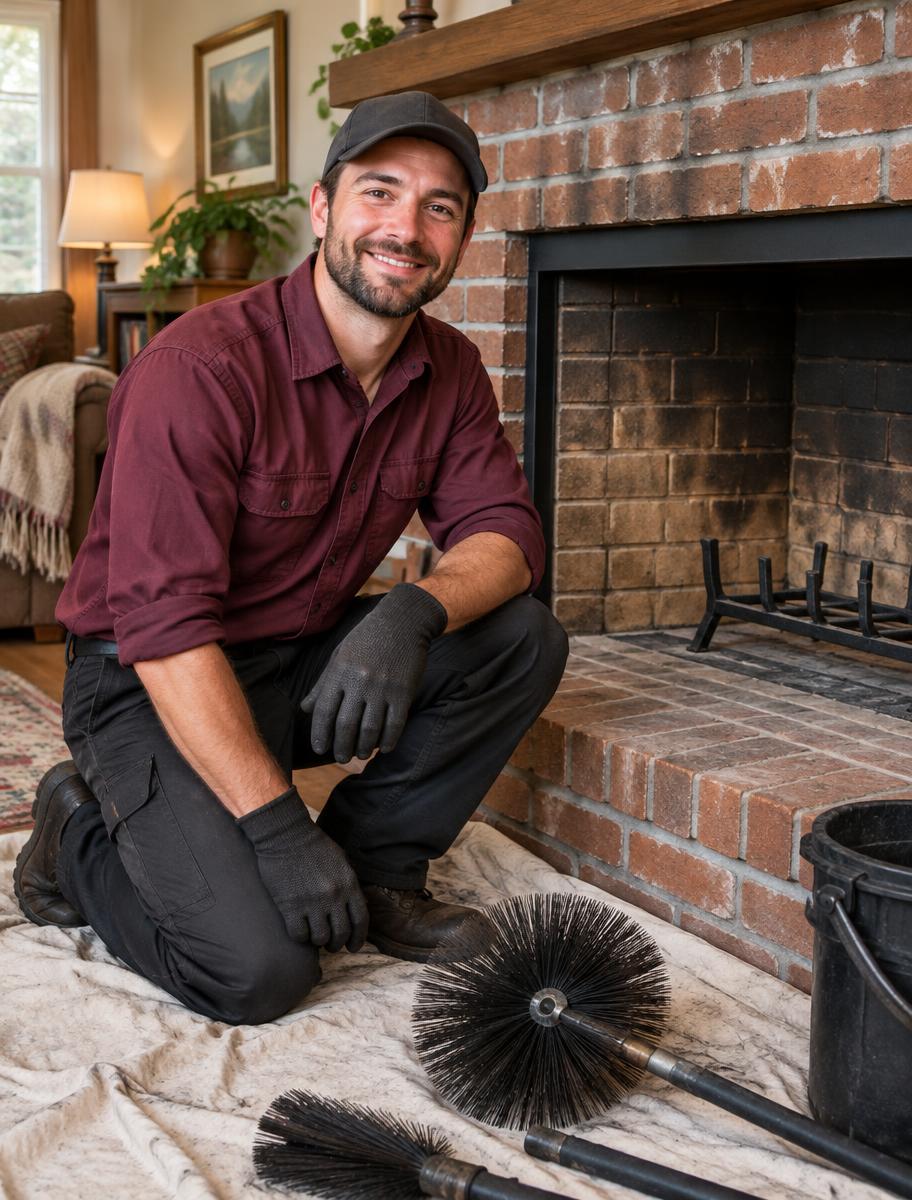
Our process
How we handle your chimney bricks rotten repair, step by step
- 1
Initial Roof and Flue Inspection
We scale the roof, inspect masonry condition, evaluate the crown and flashings, and identify the underlying moisture sources causing the decay.
- 2
Safety Setup and Work Area Protection
We secure OSHA-compliant roof staging, protect your shingles with tarps, and establish containment to manage masonry dust and falling debris cleanly.
- 3
Surgical Removal of Decayed Bricks
We carefully cut out rotted clay units using specialized chisels and dust-reduced diamond saws without damaging adjacent sound structural brickwork.
- 4
Precision Brick and Mortar Installation
We lay matched replacement bricks using breathable, weather-appropriate mortar formulations, striking the joints neatly to shed rainwater away from the chimney.
- 5
Final Cleanup and Preventative Review
We clear the roof and gutters of dust, inspect all joints, and provide actionable maintenance recommendations to protect the repaired masonry.
Our Markham On-Site Inspection and Diagnostic Process
A successful chimney repair begins with an exhaustive on-site evaluation to uncover why the bricks rotted in the first place. When Markham Chimney Services visits your property, we do not simply tally damaged bricks from the driveway. Our technicians access the roof safely to inspect the entire stack up close, examining the chimney crown, the condition of the mortar joints, the flashing system along the roofline, and the physical state of every brick face.
We assess the chimney crown or concrete cap meticulously, as defective caps are the primary source of brick saturation. A cracked, flat, or overhang-free crown allows rainwater to wash directly down the brick faces instead of dripping harmlessly away from the chimney. We also inspect step and counter flashing around the base to verify that water is not infiltrating the roof decking. Internally, we check the damper and visible flue passages to determine whether internal moisture condensation contributed to the brick decay.
Following our physical assessment, we provide an honest, written diagnostic report outlining our findings. We explain the exact scope of brick rot, categorize which bricks require immediate replacement versus joints needing repointing, and present clear options. Whether your home needs localized unit cut-out and replacement or a partial chimney rebuild down to solid masonry, we explain the timeline, materials, and steps plainly so you can make an informed decision for your home.
- Close-range roof inspection of all chimney faces, crown, and flashing assemblies.
- Evaluation of chimney cap slope and drip edges to diagnose water pathways.
- Flue passage and damper checking to rule out internal moisture and venting blocks.
- Clear differentiation between superficial mortar degradation and structural brick rot.
- Transparent written diagnostic findings and tailored masonry repair proposals.
Professional Brick Removal and Restoration Techniques
Repairing rotten chimney bricks requires delicate craftsmanship and deep knowledge of historical and modern building materials. Simply smearing new mortar over a crumbling, decayed brick will never solve the issue; the rotted unit continues to deteriorate beneath the patch, inevitably popping off during the next frost. True restoration requires cutting out each damaged brick individually using specialized diamond-bladed dust-suppressed saws and masonry chisels, taking care not to disturb surrounding sound units.
Once decayed bricks are removed, we clean the masonry pockets completely of debris, failed mortar, and organic soot. Sourcing matching bricks is critical, both for structural cohesion and visual beauty. We carefully source clay bricks that match the dimensions, compressive characteristics, absorption rates, and colour tones of your Markham home. Installing modern high-strength bricks alongside historic soft brickwork can cause stress fractures, so proper material compatibility remains our guiding principle.
Mortar selection is equally crucial. Modern Type S mortar is often far too hard and rigid for older residential masonry, trapping water inside adjacent clay units. We mix custom mortar formulations, frequently employing softer Type N or lime-rich mixes that permit the chimney to breathe and expand naturally with temperature shifts. Each new brick is properly buttered, leveled, and struck with weather-shedding mortar joint profiles that actively direct rainwater outward away from the stack.
- Surgical removal of rotted bricks without shocking adjacent sound masonry.
- Complete cavity cleaning to ensure robust mechanical bonding for new mortars.
- Precise matching of brick dimensions, compression profiles, and aesthetic colour.
- Custom-blended mortar formulas that prevent stress cracking on older stacks.
- Weather-struck joint tooling designed to channel water away from the masonry.
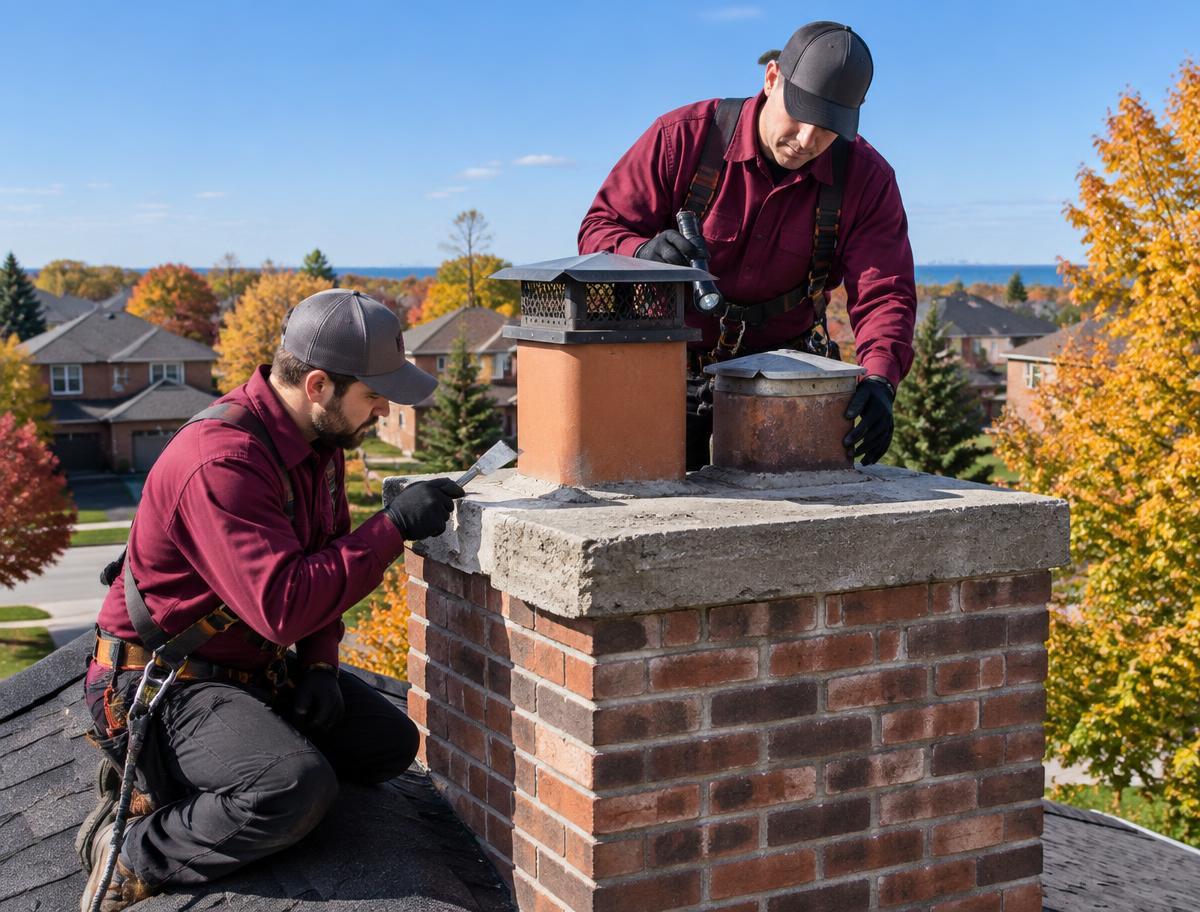
Preventing Future Brick Decay and Long-Term Maintenance
Once your chimney masonry has been restored, proactive preventative maintenance ensures that new and existing bricks remain resilient against harsh Canadian winters. The most effective safeguard against moisture intrusion is a properly engineered chimney crown. A reinforced, concrete crown cast with a drip edge extending past the chimney wall creates an umbrella effect, throwing falling rain and melting snow completely away from the brick face beneath.
Another powerful protective measure is the application of vapour-permeable siloxane or silane masonry water repellents. Standard household silicone sealers are catastrophic for brick chimneys because they trap moisture inside the brick, creating an accelerated freeze-thaw rot condition. In contrast, professional-grade water repellents penetrate deep into the clay pores, repelling external liquid rain droplets while allowing interior water vapour to escape freely into the atmosphere.
We advise Markham homeowners to perform simple seasonal check-ups on their chimney systems. Every spring and autumn, take a pair of binoculars and scan the chimney for loose mortar, chipped brick corners, or failing metal flashings. Keep overhanging tree branches pruned back to allow sunshine to dry the chimney stack after heavy rainfalls. Addressing minor mortar hairline cracks early avoids extensive brick deterioration down the road.
- Install a reinforced chimney crown with an overhang to shed water cleanly.
- Apply breathable, vapour-permeable masonry repellent, never film-forming sealer.
- Trim back overhanging tree branches to maximize sunlight and rapid drying.
- Conduct biannual visual sweeps using binoculars to catch early joint erosion.
- Maintain flashing seals around the roof intersection to halt base rot.
Selecting a Qualified Chimney Mason in Markham
Finding the right specialist to repair your chimney bricks can make the difference between a durable thirty-year repair and a patch job that fails by next winter. Chimney masonry requires distinct techniques compared to building ground-level retaining walls or laying patio paving. A dedicated chimney mason understands rooftop wind sheer, thermal flue dynamics, roof safety protocols, and the critical importance of breathable mortar formulations on exposed rooflines.
When interviewing contractors, always ask about their specific diagnosis of your brick failure. A trustworthy professional will explain precisely why your bricks rotted, pointing out defective crowns, failed flashing, or age-related moisture uptake. They should provide a detailed written estimate itemizing the removal of decayed units, the specific type of replacement brick being used, mortar composition, and any necessary scaffolding or roof protection measures.
Ensure the contractor holds complete commercial liability insurance and active workplace safety coverage for working at heights. Ask to see photographs of recent local masonry repairs on homes with architecture similar to yours. A reliable contractor communicates transparently, operates from an identifiable local physical business address, stands firmly behind their workmanship with written warranties, and never rushes you into hasty decisions through artificial pressure.
- Confirm specialized experience in chimney restoration rather than basic paving.
- Require transparent explanations of the underlying cause of brick decay.
- Verify comprehensive liability insurance and working-at-heights safety protocols.
- Insist on itemized written quotes outlining brick selection and mortar specs.
- Look for established local presence and verifiable portfolios of past work.
Average pricing in Markham
$750 – $3,800
- Inspection / diagnostic
- $150 – $250 (credited toward repair)
- Typical time on site
- 1 to 3 days depending on height and brick count
- Parts and materials
- Replacement clay bricks, specialized mortar, staging, disposal fees
- What moves the price
- Total quantity of rotted bricks needing replacement · Roof pitch, stack height, and accessibility requirements · Underlying crown, cap, or flashing repairs needed concurrently
Estimated local market range, not a quote. All estimates are in Canadian dollars and exclude 13% Ontario HST. Your exact price is confirmed before any work begins.