Markham homeowners understand how demanding an Ontario winter can be on residential heating systems. Traditional open masonry fireplaces often draw warm air out of living spaces rather than radiating heat inward, leaving rooms cold and driving up household energy bills. A professional fireplace conversion transforms an underperforming or deteriorating wood hearth into a high-efficiency gas, modern wood-burning, or electric heating appliance. At Markham Chimney Services, located at 4418 Highway 7 East, we evaluate your existing hearth architecture, structural clearances, and chimney flue condition to recommend conversion solutions that enhance comfort, reduce heating costs, and protect your home from winter drafts.
Converting a fireplace requires meticulous attention to structural safety, venting dynamics, and building codes. Whether you live in an established mid-century bungalow in Unionville, a classic two-storey home in Cornell, or a modern build in Bayview Glen, your fireplace system must withstand local climate extremes. Our independent team guides you through fuel considerations, masonry preparations, and installation logistics with transparent communication and practical guidance. We ensure every conversion respects the architectural character of your home while integrating contemporary heating technology that delivers steady warmth, exceptional combustion efficiency, and absolute peace of mind through every sub-zero cold snap.
Fireplace Conversion Services: visit summary
Fireplace Conversion Services in Markham: fireboxes, surrounds and smoke chambers repaired or restored to safe working order. Serving Markham and the Greater Toronto Area (GTA). The estimated local market range is $3,200 – $6,800, not a fixed company rate. The final scope and quote are confirmed before work begins.
| Estimated market range | $3,200 – $6,800. All estimates are in Canadian dollars and exclude 13% Ontario HST. |
|---|---|
| Typical time | 1 to 2 full days depending on venting complexity and fuel line runs |
| Price factors | Fuel type selected (gas, wood, or electric) and appliance efficiency tier; Chimney height, liner diameter, and masonry preparation requirements; Distance and routing complexity for new natural gas line extensions |
| Routine signs to discuss | Frigid Winter Downdrafts; Pungent Soot or Ash Odours; Smoke Rollout in Living Areas; Flaking Mortar and Loose Bricks; Rusting Metal Components; Skyrocketing Winter Heating Bills |
Understanding Modern Fireplace Conversions
A fireplace conversion involves altering the fuel source, combustion system, or heat delivery method of an existing hearth. Most traditional masonry fireplaces were designed for aesthetic ambiance rather than thermal performance. In their original configuration, open hearths can draw hundreds of cubic feet of heated indoor air up the chimney every minute, acting like an open window during the coldest months of the year. Modern conversion options enclose the combustion chamber and introduce engineered heat exchangers to reverse this thermal loss.
Homeowners typically choose between converting an open wood hearth to a sealed direct-vent natural gas insert, installing an advanced clean-burning wood insert, or setting up a modern electric fireplace. Direct-vent gas inserts utilize a sealed combustion design, drawing outside air through one flexible liner and expelling combustion gases through another inside the existing chimney cavity. This completely isolates indoor room air from the combustion process, preventing toxic backdrafts and eliminating indoor drafts while delivering controllable supplemental zone heat at the touch of a switch.
Alternatively, high-efficiency wood inserts allow homeowners who love genuine wood fires to retain that traditional experience while complying with modern emission and efficiency expectations. These units feature secondary burn tubes and catalytic combustors that extract significantly more heat from every log while generating minimal creosote. Electric conversions provide a practical option where gas line access or chimney structural integrity is limited, providing warm ambiance without fuel combustion or dedicated exterior chimney flues.
- Sealed direct-vent gas inserts that eliminate room air loss
- High-efficiency wood inserts with advanced secondary combustion
- Clean electric inserts for zero-emission decorative zone heating
- Custom surround panels to cover oversized rough masonry openings
- Dedicated flexible stainless steel venting installed inside existing flues
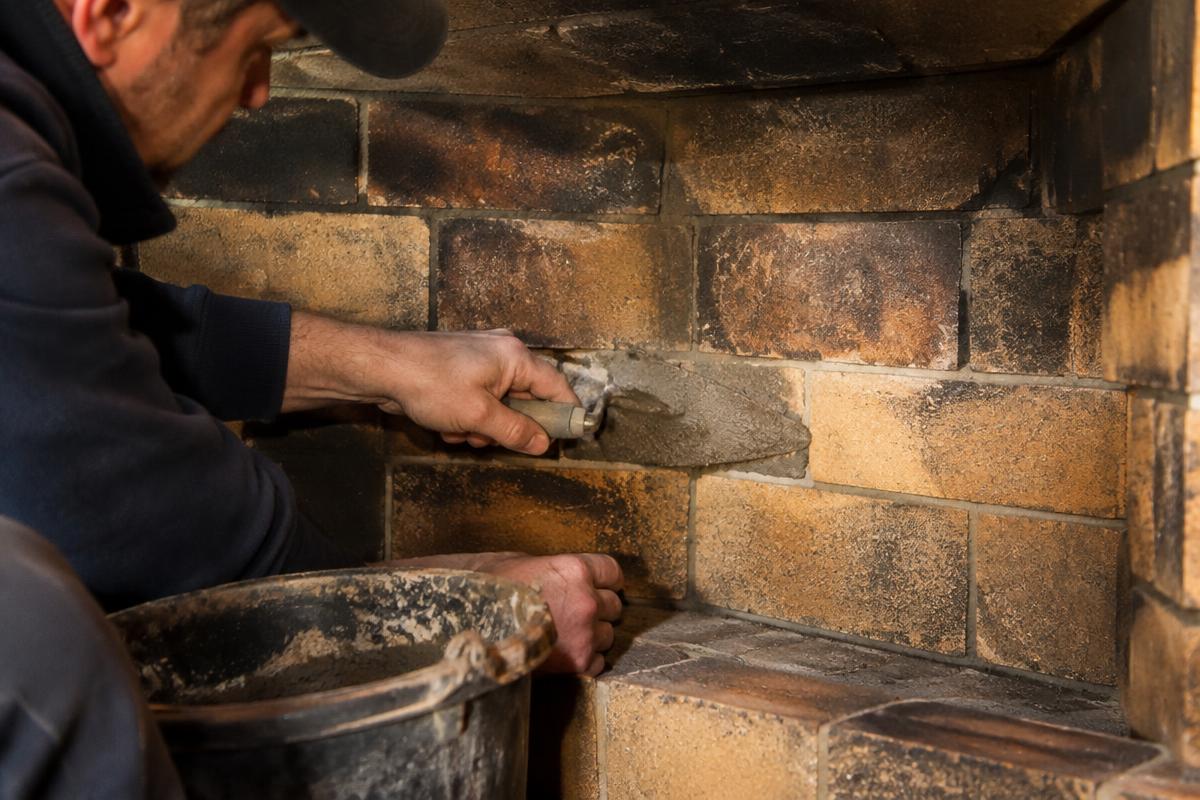
Transform your drafty open hearth into an efficient, reliable heat source built for cold Canadian winters.
Self-check
Warning signs you need fireplace conversion services
Frigid Winter Downdrafts
A persistent current of sub-zero air washing into your living space through the fireplace opening indicates a leaking, poorly seated, or deteriorated damper that is actively draining your home heating energy.
Pungent Soot or Ash Odours
Musty, smoky smells circulating in your home during damp weather or when running kitchen exhausts signal negative air pressure pulling combustion residue and moisture down through an unsealed, deteriorating flue.
Smoke Rollout in Living Areas
Smoke escaping past the lintel and into your home during fires indicates inadequate draft velocity, poor firebox proportions, or an oversized cold chimney flue that struggles to establish upward thermal buoyancy.
Flaking Mortar and Loose Bricks
Spalling brick faces or sand-like mortar dropping onto the hearth floor confirm that moisture infiltration and freeze-thaw cycles have compromised the structural integrity of your firebox interior.
Rusting Metal Components
Flakes of rusted iron falling from the throat damper or smoke shelf reveal severe condensation within the chimney, pointing to uninsulated flues and water entry that will soon seize moving parts.
Skyrocketing Winter Heating Bills
High energy bills combined with a cold hearth room reveal that your open fireplace is acting like an open vacuum, pulling conditioned furnace air out of your house continuously day and night.
The Impact of Ontario Freeze-Thaw Cycles on Chimneys
The climate across Southern Ontario presents unique physical challenges to residential masonry chimneys. During winter, temperatures frequently oscillate above and below the freezing mark, sometimes within a matter of hours. When rain or melting snow enters porous exterior masonry, mortar joints, or cracked chimney crowns, that moisture expands as it freezes. Over successive seasons, this expansion causes spalling bricks, crumbling mortar beds, and cracked interior terra cotta flue tiles, severely undermining structural safety.
An unused or poorly maintained wood chimney exacerbates these problems. Warm, humid indoor air rises into a cold, unlined or damaged flue, condensing against frigid brick surfaces. This persistent moisture accelerates the deterioration of masonry materials and can rust throat dampers shut. When a homeowner attempts to burn wood in a compromised flue, hazardous creosote bonds with the damp chimney walls, creating an elevated risk of chimney fires that can quickly breach cracked clay liners.
A properly engineered fireplace conversion addresses these environmental vulnerabilities directly. By installing a dedicated, insulated stainless steel liner through the existing chimney cavity, the new appliance prevents condensation from contacting original brickwork. The surrounding masonry is sealed against weather infiltration, and the home is shielded from the punishing cold air downdrafts common in Markham and the broader GTA during winter windstorms.
- Elimination of moisture-driven spalling on interior chimney walls
- Insulated stainless liners that resist thermal shock and freezing
- Sealed terminations that keep snow, rain, and ice outside the home
- Protection against downdrafts during sub-zero high-wind episodes
- Preservation of surrounding historic or mid-century exterior masonry
Recognizing When Your Fireplace Requires a Conversion
Many homeowners live with an underperforming fireplace for years without realizing that poor performance indicates systemic defects. The most prominent symptom is a persistent draft coming through the firebox even when the throat damper is fully closed. Traditional cast-iron dampers rarely form an airtight seal, allowing frigid air to drop down the chimney while costly furnace-heated air escapes upward. If your living room feels chilly whenever the wind picks up, your hearth is leaking energy.
Another critical warning sign is the presence of smoke or unpleasant odours inside your living areas during or after use. Lingering campfire smells on humid summer afternoons suggest that moisture is reacting with soot and creosote inside an unsealed flue, with negative air pressure pulling those odours indoors. During active burning, smoke rolling out into the room points to improper draft dynamics, an oversized flue, or structural blockages that make wood burning hazardous.
Visual deterioration around the firebox also signals the need for an update. Loose firebricks, cracking mortar, rust flaking from the damper plate, or white powdery efflorescence on exterior bricks indicate moisture penetration. Rather than spending thousands rebuilding an inefficient open firebox, converting to a sealed insert resolves the thermal and structural issues in one comprehensive project, restoring comfort and peace of mind.
- Noticeable cold air downdrafts leaking into the room when unlit
- Smoke spilling across the mantel instead of exhausting upward
- Persistent acrid soot or damp ash odours during weather changes
- Cracking firebricks and deteriorating mortar inside the hearth
- Excessive wood consumption with minimal radiant heat in the room
Underlying Causes of Fireplace Inefficiency and Failure
To appreciate the benefits of a conversion, it helps to understand why traditional fireplaces struggle in modern homes. Decades ago, residential construction allowed plenty of natural air infiltration through drafty windows and unsealed framing. Fireplaces had access to abundant combustion air from the living space. Today, extensive home weatherization, energy-efficient triple-pane windows, and powerful kitchen exhaust hoods create negative indoor air pressure, starving traditional chimneys of upward draft.
Furthermore, historic open fireplaces were built with expansive clay tile flues designed to handle high volumes of dilute smoke. Because open wood fires produce unpredictable, relatively low-temperature exhaust, these oversized flues cool the gases rapidly. As the exhaust cools, it loses buoyancy, slowing down and leaving thick layers of combustible creosote along flue walls. In extreme cases, cooling exhaust can stall completely and reverse down into living spaces.
Physical aging also compromises traditional fireplace mechanisms. Decades of heat cycles warp cast-iron throat dampers, preventing them from closing or opening smoothly. Water infiltration dissolves the lime in historic mortar joints between flue tiles, creating invisible gaps through which heat, sparks, and toxic gases can transfer directly into combustible home framing. Converting to an engineered insert system bypasses these structural vulnerabilities entirely.
- Negative indoor pressure caused by modern energy-tight renovations
- Oversized chimney flues that cause exhaust gases to cool and stall
- Warped, rusted, or missing cast-iron mechanical throat dampers
- Separated clay flue tiles permitting gas and heat leakage
- Inadequate combustion air leading to incomplete, dirty burning
"I booked an annual chimney sweep in Unionville and they arrived right on time. They cleared all creosote, inspected the flue draft, and shared simple maintenance tips. My fireplace runs smoother and safer now."
Our process
How we handle your fireplace conversion services, step by step
- 1
Comprehensive Hearth Assessment
We examine the firebox masonry, measure interior clearances, assess venting paths, and review fuel supply routing to determine the best conversion approach for your home.
- 2
Flue Preparation and Damper Modification
Our technicians clean the masonry thoroughly, seal off the area for dust control, and carefully modify the old damper to create an unobstructed pathway for new liners.
- 3
Venting Liner Installation
We pull continuous flexible stainless steel liners through the chimney, securing them at the top with a custom weather-sealed flashing, storm collar, and protective animal cap.
- 4
Chassis Placement and Utility Hookup
The new insert appliance is carefully positioned inside the firebox, leveled, connected to the venting system, and hooked up to fuel and electrical lines under strict safety checks.
- 5
Surround Finishing and Safety Commissioning
We install custom non-combustible surround trim to close the masonry opening, fire the unit up, calibrate gas and draft settings, and walk you through every operational control.
Our Thorough Inspection and Diagnosis Process
Every successful conversion project begins with an exhaustive inspection of your current fireplace and chimney structure. At Markham Chimney Services, we do not rely on guesswork or superficial visual checks. We evaluate the entire pathway from the basement cleanout door up to the exterior chimney termination at the roofline, ensuring that any hidden structural defects are identified before new equipment is specified.
Our assessment includes measuring the exact interior dimensions of the firebox, including height, width, rear width, and depth. We examine the condition of the lintel, the smoke chamber, and the throat damper area, determining whether mechanical alteration or damper removal will be required to accommodate new venting liners. We also evaluate the hearth extension, measuring its thickness and forward projection to confirm compliance with essential floor protection standards.
Finally, we assess external utility logistics and roof conditions. For gas conversions, we identify the optimal routing for dedicated gas piping from your meter or basement manifold to the firebox. For electric installations, we review electrical panel capacity and wiring access. We inspect exterior brickwork, flashing, and clearances from roof valleys, dormers, and nearby windows to design a venting pathway that guarantees flawless operational draft.
- Detailed three-dimensional measurement of the masonry firebox
- Examination of the smoke chamber, throat damper, and lintel
- Verification of non-combustible hearth extension dimensions
- Gas supply line routing and electrical capacity evaluations
- Roofline clearances and chimney exterior structural review
The Step-by-Step Conversion Work Process
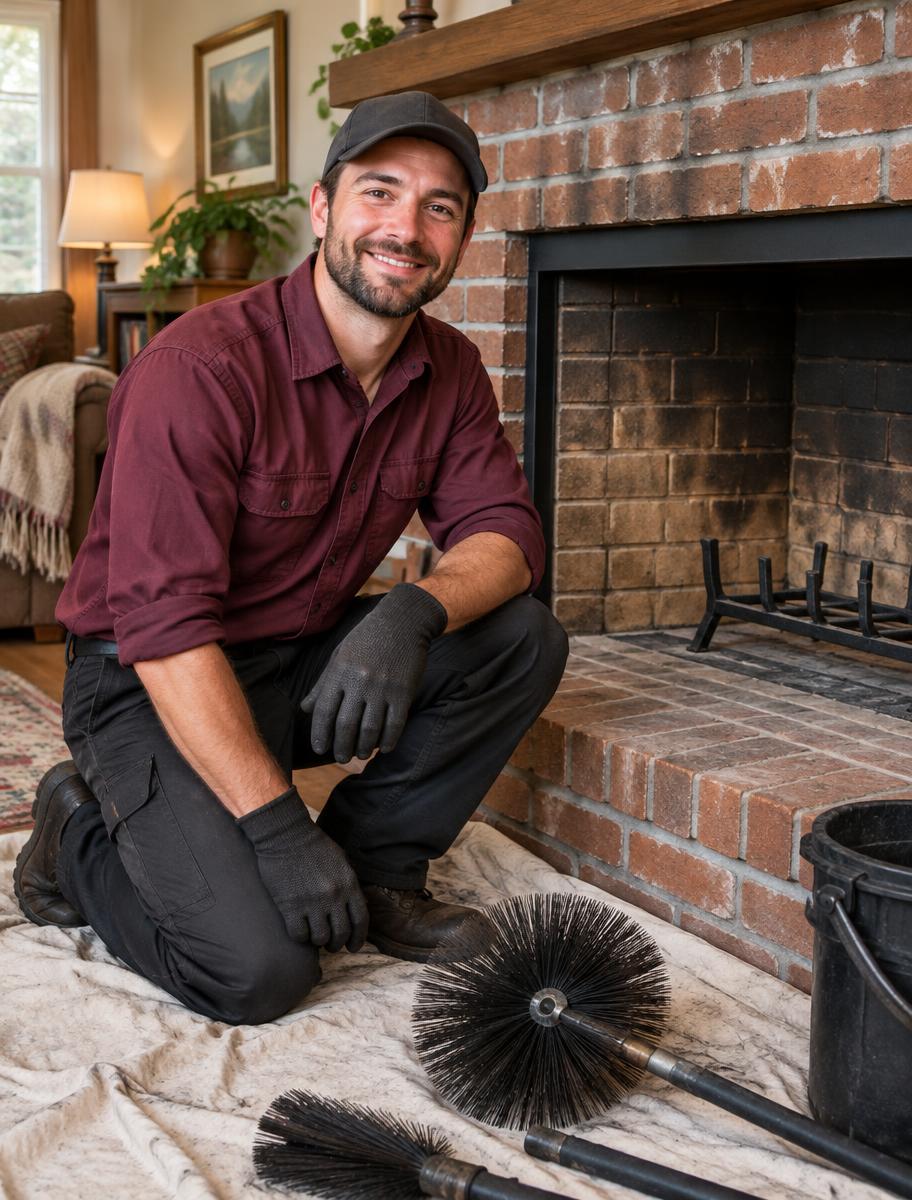
Once planning is complete and your chosen appliance is ready, our installation process proceeds systematically to protect your living environment and guarantee lasting reliability. We begin by preparing the work area, laying heavy-duty drop cloths from the entryway to the hearth, and sealing off the immediate vicinity with dust containment barriers. The existing firebox is thoroughly cleaned to remove loose soot, creosote, and debris before any mechanical work begins.
Next, we prepare the chimney pathway. If an old throat damper is present, it is carefully cut out or permanently secured in the open position to make way for continuous, flexible stainless steel venting. For direct-vent gas units, we pull two independent liners through the chimney: one to deliver fresh combustion air from outside, and another to safely exhaust combustion byproducts. These liners are securely anchored at the top with a heavy-gauge, custom-fitted chimney cap and storm collar.
With the venting in place, the insert chassis is maneuvered into the firebox and connected to the liners, utility supplies, and electrical connections. We seal the perimeter using custom-fitted surround panels that match your aesthetic preferences, concealing the rough masonry opening. Finally, our team runs complete operational diagnostics, checking gas pressures, testing flame presentation, verifying thermostat controls, and confirming zero draft leakage.
- Comprehensive dust containment and floor protection in living areas
- Removal or modification of the restrictive cast-iron damper
- Installation of continuous flexible stainless steel venting liners
- Placement of weather-sealed, animal-proof top termination caps
- Precision fitting of custom surround faceplates and trim kits
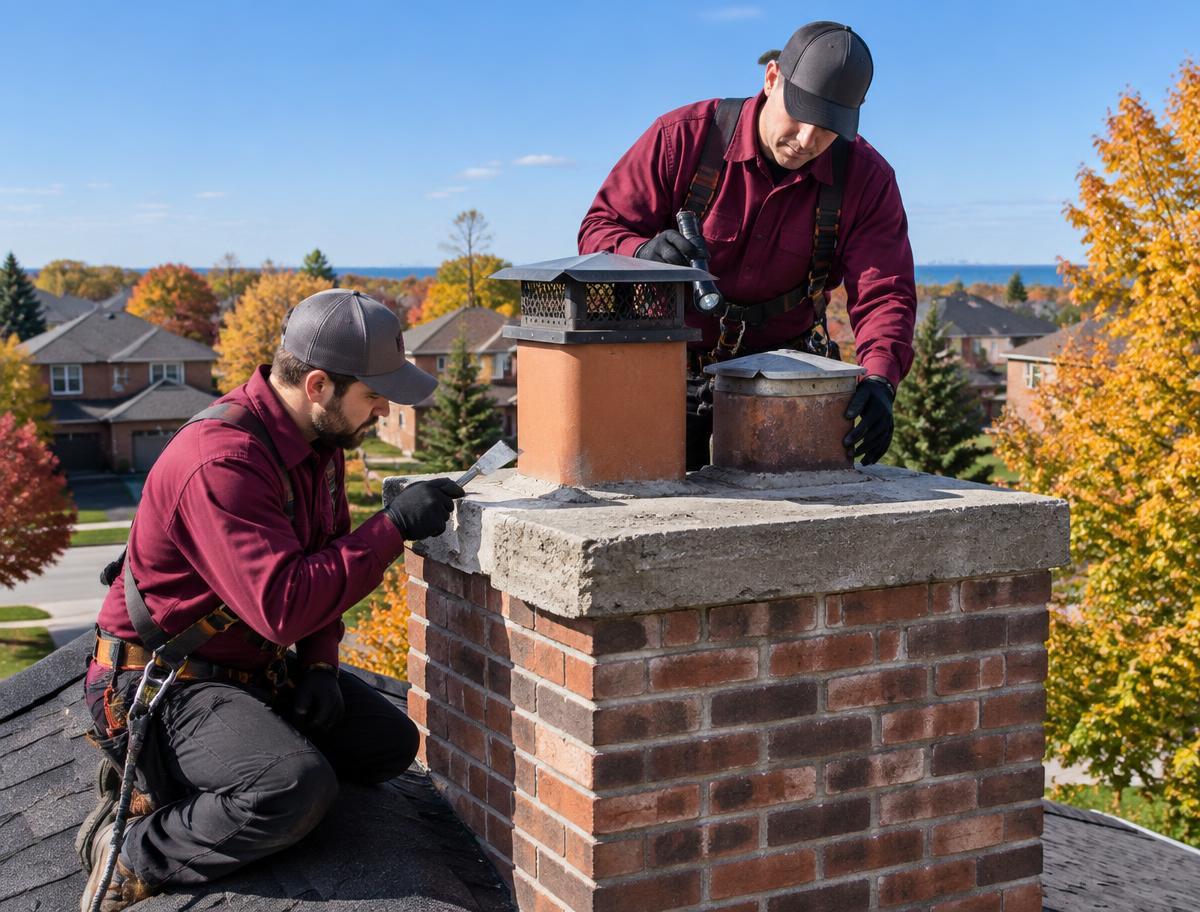
Safety Protocols, Clearances, and Building Standards
Fireplace installations involve open flame, intense heat, and combustion byproducts, making uncompromising safety standards vital. While we are an independent service company, our installation procedures strictly mirror the rigorous technical standards established by Canadian gas and solid-fuel installation codes. Every conversion we perform prioritizes adequate clearances to combustible materials, protecting your home against long-term heat transfer and fire risks.
One of the most critical aspects of conversion safety is managing combustible mantels, wood trim, and structural framing. Modern inserts generate significant radiant heat, which requires specific minimum clearances to existing woodwork. When clearances are tight, we guide homeowners through compliant heat shielding options, non-combustible mantel alternatives, or specialized hood deflectors that preserve architectural woodwork while satisfying stringent manufacturer installation parameters.
Combustion safety also hinges on dependable carbon monoxide management. Even high-efficiency sealed systems require diligent monitoring. We ensure that your home's life-safety infrastructure is complete by testing existing smoke and carbon monoxide alarms and recommending optimal placement near sleeping areas and the hearth room. We ensure direct-vent terminations maintain required physical distances from operable windows, mechanical air intakes, and gas meter regulators.
- Adherence to non-combustible mantle and trim clearance parameters
- Verification of appropriate floor protection and hearth extensions
- Proper separation between exhaust terminations and air intakes
- Functional testing of residential carbon monoxide detector arrays
- Application of high-temperature refractory seals at all connections
Ongoing Maintenance and Selecting Your Contractor
Even the most advanced fireplace conversion requires periodic maintenance to preserve its efficiency and safety. For gas inserts, annual maintenance should include vacuuming dust from the burner assembly, inspecting the ceramic pilot assembly, testing thermopile output, and cleaning the interior ceramic glass of white mineral haze. Neglecting glass cleaning can cause permanent etching on expensive ceramic panels over time.
For wood-burning inserts, routine chimney sweeping remains essential. While secondary burn technology drastically reduces creosote formation compared to open fireplaces, unseasoned firewood can still produce build-up. We recommend having your chimney swept and inspected before every burning season, and inspecting the door gasket periodically to ensure an airtight seal. An intact gasket maintains high efficiency and prevents uncontrolled air from over-firing the stove.
Selecting the right contractor for your conversion requires looking beyond quick quotes and sales pitches. Choose an established local contractor who conducts a comprehensive in-person structural survey rather than providing estimates over the phone. Ensure they provide itemized written quotes, carry comprehensive liability coverage, and take full responsibility for dust containment, venting compliance, and post-installation testing. Your fireplace is a permanent home fixture; it deserves experienced craftsmanship.
- Annual professional burner cleaning and gas pressure checks
- Periodic ceramic glass conditioning to prevent permanent fogging
- Routine chimney sweeping and liner checks for wood appliances
- Inspection of door ropes, ceramic gaskets, and latch tightness
- Choosing transparent contractors with clear, written estimates
Average pricing in Markham
$3,200 – $6,800
- Inspection / diagnostic
- $149 – $249
- Typical time on site
- 1 to 2 full days depending on venting complexity and fuel line runs
- Parts and materials
- Gas or wood insert unit, stainless steel liner kit, custom surround panels, gas line piping, and termination caps
- What moves the price
- Fuel type selected (gas, wood, or electric) and appliance efficiency tier · Chimney height, liner diameter, and masonry preparation requirements · Distance and routing complexity for new natural gas line extensions
Estimated local market range, not a quote. All estimates are in Canadian dollars and exclude 13% Ontario HST. Your exact price is confirmed before any work begins.