

A fireplace serves as the architectural heart of any Markham residence, offering warm comfort through bitter Ontario winters and anchoring family living spaces. Over decades of seasonal burning and moisture exposure, historic brickwork, refractory fireboxes, and structural chimney elements steadily deteriorate. What begins as hairline mortar decay or minor brick spalling can compromise safety, leading to draft issues, indoor smoke migration, and potential heat transfer hazards. Markham Chimney Services, operating from 4418 Highway 7 East, provides meticulous fireplace restoration designed to preserve classic character while re-establishing complete fire containment and venting performance for your home.
Restoring an existing hearth requires a careful balance of heritage preservation, high-temperature masonry skill, and strict adherence to modern safety standards. Many properties in local neighbourhoods feature older brick fireplaces that have suffered from shifted footings, degraded lime mortar, or moisture infiltration through unlined chimney cavities. Our approach addresses deep structural flaws alongside surface masonry rejuvenation. Whether you need an extensive firebox rebuild, smoke chamber parging, or custom hearth face refacing, we restore every component to deliver peace of mind, reliable thermal efficiency, and enduring beauty across Markham and communities throughout the Greater Toronto Area (GTA).
Fireplace Restoration: visit summary
Fireplace Restoration in Markham: fireboxes, surrounds and smoke chambers repaired or restored to safe working order. Serving Markham and the Greater Toronto Area (GTA). The estimated local market range is $1,450 – $6,200, not a fixed company rate. The final scope and quote are confirmed before work begins.
| Estimated market range | $1,450 – $6,200. All estimates are in Canadian dollars and exclude 13% Ontario HST. |
|---|---|
| Typical time | 1 to 3 days depending on structural scope |
| Price factors | Extent of firebox structural rebuilding required; Smoke chamber accessibility and parging requirements; Flue relining needs and decorative masonry refacing |
| Routine signs to discuss | Crumbling Firebox Mortar; Spalling and Flaking Brickwork; Rust Stains and Damper Jamming; Persistent Indoor Smoke Backdraft; White Powdery Efflorescence; Pungent Creosote Odours |
Understanding Full Fireplace Restoration Versus Surface Repairs
Homeowners often confuse cosmetic patch jobs with comprehensive fireplace restoration. A quick application of refractory cement over a crumbling joint hides underlying degradation without resolving systemic issues. Fireplace restoration represents an extensive, engineered overhaul of the complete solid fuel or converted venting structure. It rebuilds weakened masonry, repairs cracked fireboxes, and addresses draft deficiencies within the smoke chamber to restore safe operation.
When an older hearth deteriorates, the destruction rarely stops at the visible opening in your living room. Internal flue liners crack, moisture rots metal dampers, and combustible wood framing behind structural brickwork becomes exposed to extreme operational heat. True restoration examines every component from the foundation footing up to the chimney termination cap, making sure that combustible materials maintain clearance.
Investing in restoration rather than demolition preserves historic mid-century and traditional brick features that define local houses. Our team uses period-appropriate brick selection, custom-formulated refractory mortars, and modern flue lining components. The result is a fully functional, safe appliance that maintains its authentic period character while meeting rigorous contemporary building standards.
- Rebuilding fractured firebrick walls using authentic high-temperature refractory mortar.
- Smooth-parging jagged smoke chambers to dramatically accelerate draft performance.
- Replacing warped, rusted, or missing cast-iron throat dampers with airtight assemblies.
- Remediating structural clearance violations near combustible wooden floor framing.
- Preserving antique exterior brick facades while completely renovating internal burn zones.
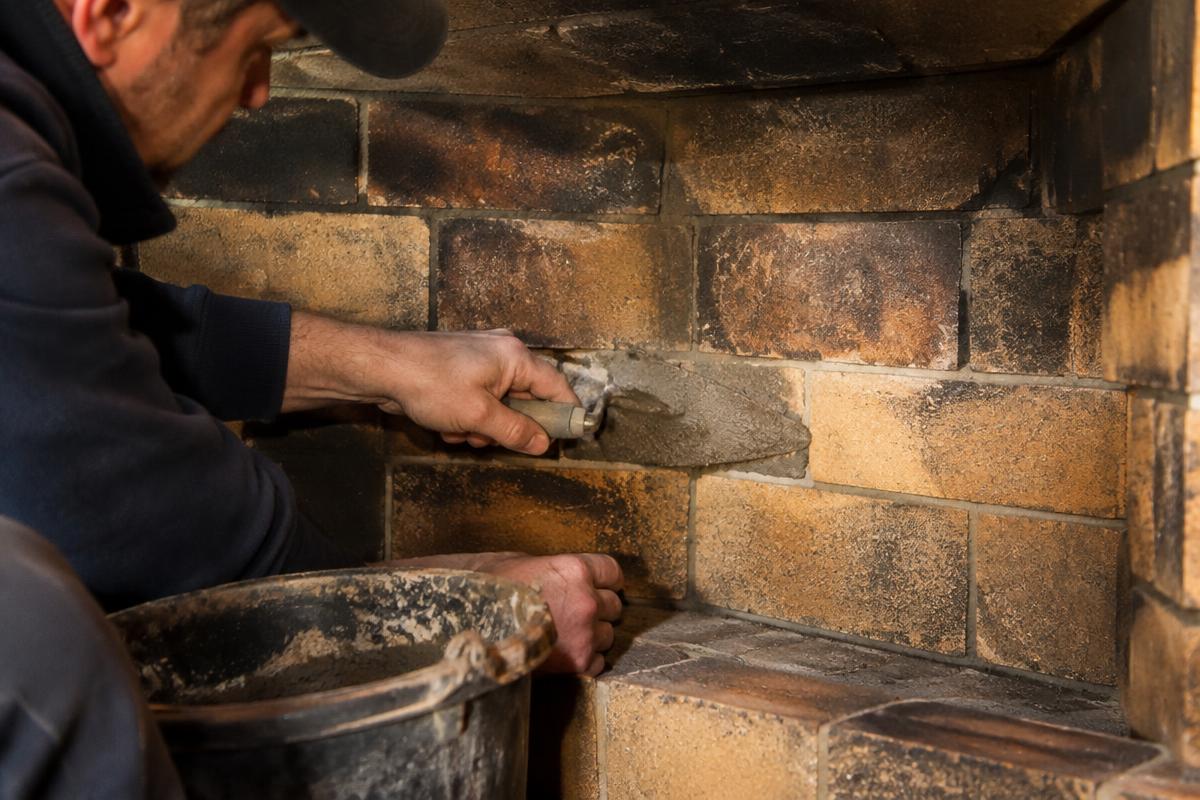
Bringing warmth, architectural charm, and uncompromising safety back to beloved Markham hearths.
Self-check
Warning signs you need fireplace restoration
Crumbling Firebox Mortar
Mortar joints between firebricks are turning to powder, developing voids, or falling into the firebox. This degradation allows dangerous heat and flames to reach combustible framing behind the masonry structure.
Spalling and Flaking Brickwork
Bricks on the hearth face or firebox are cracking, chipping, or shedding loose fragments onto the hearth floor. Moisture absorption combined with freezing temperatures weakens the structural integrity of the brick matrix.
Rust Stains and Damper Jamming
The cast-iron throat damper resists moving, sticks open or shut, or drops flaky rust flakes into the firebox. Rust indicates water intrusion from an unsealed chimney top or leaking flashing.
Persistent Indoor Smoke Backdraft
Smoke enters the living room rather than flowing smoothly up the flue when you light a fire. Corbel roughness, damper obstruction, or incorrect throat dimensions are disrupting the upward venting draft.
White Powdery Efflorescence
Chalky white powder appears on exterior or interior brick faces. These mineral salt deposits emerge as moisture moves through the masonry and evaporates, signalling water migration problems.
Pungent Creosote Odours
A foul, acrid smell similar to wet soot or barbecue char lingers around the fireplace opening, particularly during humid weather. Damaged flue chambers trap soot buildup and require chimney restoration.
How Ontario Freeze-Thaw Cycles Accelerate Fireplace Decay
Markham experiences severe seasonal temperature swings, swinging from humid summer heat to deep winter freezes. This climate subjects exterior masonry and interior hearth systems to repeated freeze-thaw cycles. Porous brickwork and deteriorating mortar absorb ambient rain, melting snow, and chimney condensation. When temperatures plunge below zero, trapped water expands by roughly nine percent within microscopic pores, shearing brick faces and fracturing brittle mortar.
The problem intensifies when unheated chimney flues rapidly heat during evening fire use. Rapid thermal expansion followed by freezing overnight causes thermal shock. Over time, internal flue tiles crack along expansion seams, clay refractory floor panels crumble, and external brick courses experience spalling. This breakdown permits moisture penetration deep into inner walls, destroying hearth structural support and staining home ceilings.
Preventing ongoing moisture deterioration requires durable waterproofing barriers, secure top-mounted chimney damper caps, and specialized masonry materials formulated for freeze resistance. By addressing moisture vulnerabilities during the restoration process, we protect internal firebox components against water damage, keeping your hearth structurally resilient through harsh Canadian winters for years to come.
- Spalling brick faces caused by repeated sub-zero freezing of trapped ambient moisture.
- Erosion of historic lime mortar joints behind interior firebox walls and surrounds.
- Cracking of vitreous clay flue tiles from extreme winter thermal shock cycles.
- Corrosion of iron lintels and dampers exposed to outdoor snowmelt and rain.
- Efflorescence salt deposits blooming across visible interior hearth brickwork.
Underlying Causes of Hearth Breakdown in Local Residences
Age remains a primary contributor to hearth failure in established Markham neighbourhoods. Many homes built during mid-century residential expansions utilized standard masonry mortars inside fireboxes rather than specialized refractory bonding compounds. Over decades of burning wood, standard mortars bake dry, crumble to fine dust, and fall away from joints, leaving dangerous pathways for high heat to escape into surrounding wall studs.
Another prevalent issue stems from historical water leakage around chimney flashing and unsealed crowns. Water traveling downward along exterior flue walls reaches the throat and smoke shelf, reacting with acidic soot deposits. This chemical reaction creates corrosive sulfuric acids that eat away at cast-iron throat dampers, rot steel support lintels, and soften solid brickwork until walls shift out of plumb.
Improper modifications performed by previous owners also degrade system safety. Improperly installed decorative wood mantels, retrofitted gas logs without adequate combustion airflow, and poorly sealed chimney liners can lead to draft problems and dangerous heat buildup. Identifying these root causes during structural restoration allows us to correct fundamental defects rather than merely patching outward symptoms.
- Original construction using low-temperature mortar mixtures inside high-heat zones.
- Prolonged water intrusion combining with soot to form highly corrosive acidic slurry.
- Settlement of sub-floor foundation pads causing structural firebox displacement.
- Installation of oversized wood stoves or inserts venting through damaged chimney flues.
- Corroded structural steel lintels dropping exterior brickwork above the hearth opening.
Our Thorough Inspection and Diagnostic Methodology
Every restoration project starts with an exhaustive structural diagnosis that goes far beyond a casual glance with a flashlight. Markham Chimney Services conducts detailed visual examinations of the firebox, hearth extension, throat, damper assembly, smoke chamber, and flue system. We verify clearance distances to combustible walls, measure chimney draft pressures, and document structural masonry cracking using high-resolution inspection tools.
We also assess the chimney from the roofline down to the basement cleanout door. Checking the crown condition, external brick plumbness, flashing seals, and flue lining integrity ensures that exterior problems will not compromise your newly restored firebox. Our diagnostic methodology adheres to solid safety principles derived from recognized industry standards, evaluating every potential hazard thoroughly.
Following our diagnostic survey, we provide homeowners with a transparent evaluation report explaining needed repairs in plain language. We lay out clear options based on your home structure and design goals. You will understand precisely which elements require immediate structural stabilization, which components benefit from efficiency upgrades, and how our restoration process resolves each concern.
- Close physical inspection of firebrick, hearth extensions, and surrounding combustible walls.
- Assessment of throat damper operation, smoke shelf soot accumulation, and lintel straightness.
- Measurement of firebox depth, throat opening ratio, and flue diameter compatibility.
- Evaluation of moisture intrusion pathways across chimney crowns and exterior roof flashing.
- Comprehensive plain-language written condition report detailing restoration solutions.
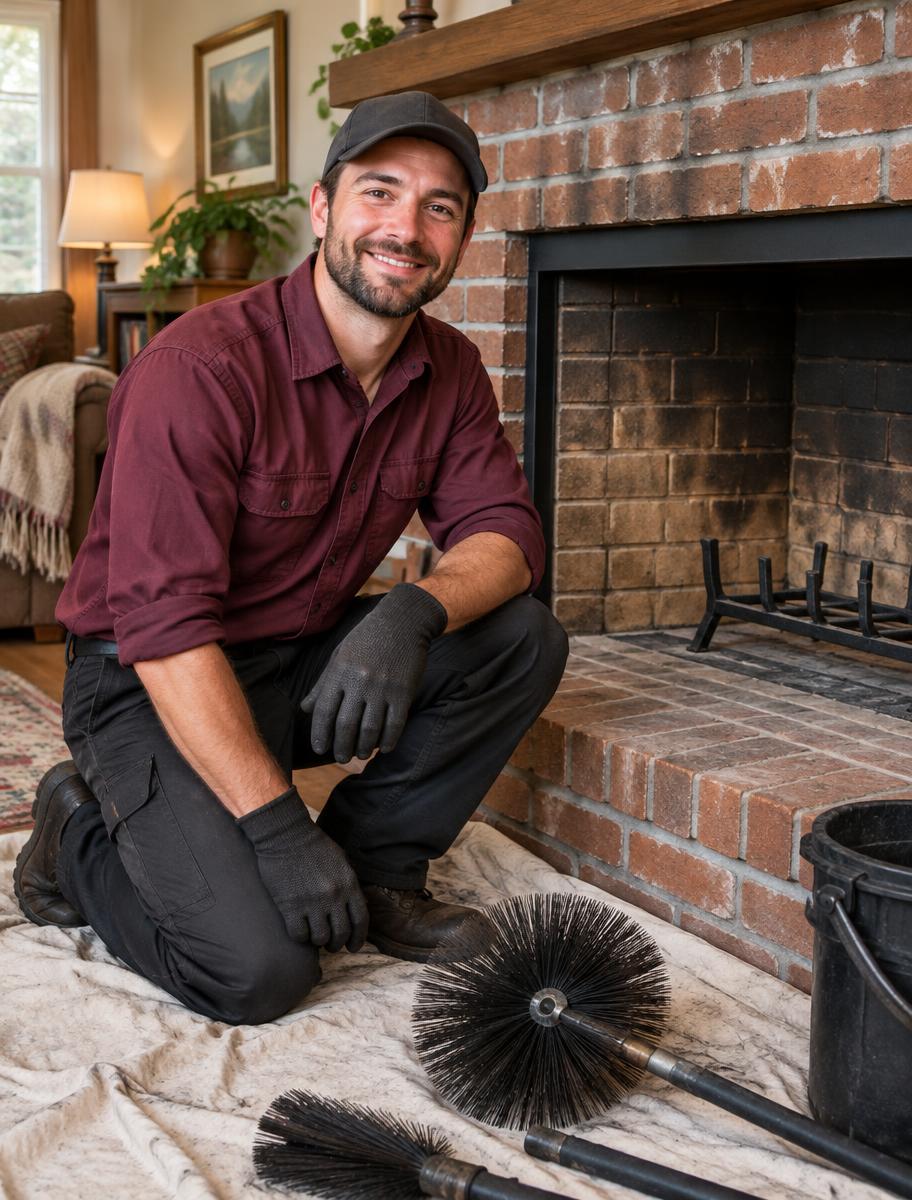
"I scheduled a full fireplace cleaning before winter. They used professional-grade tools to remove every trace of soot, tested airflow, and provided clear advice on maintenance. My hearth looks brand new and works flawlessly."
Our process
How we handle your fireplace restoration, step by step
- 1
Initial Diagnosis & Safety Survey
We examine the firebox, damper, smoke chamber, clearances, and flue structure to pinpoint safety risks, draft imbalances, and masonry deterioration before work begins.
- 2
Site Preparation & Dust Control
Our crew seals off the work area using drop cloths and commercial HEPA dust containment to safeguard your flooring, furnishings, and indoor air throughout restoration.
- 3
Careful Demolition of Damaged Masonry
We carefully remove broken firebrick, failing mortar, and rusted components back to sound structural masonry, avoiding any disturbance to the surrounding architectural features.
- 4
Refractory Rebuild & Smoke Chamber Parging
We rebuild firebox walls with high-temperature refractory firebrick and mortar, then parge smoke chamber corbels smooth to re-establish structural integrity and clean chimney draft.
- 5
System Testing & Homeowner Walkthrough
We complete a thorough final safety check, verify smooth damper operation, explain gentle curing protocols, and review operational best practices with you.
Our Multi-Stage Restoration and Rebuilding Process
Once a restoration plan is established, our craftsmen prepare your home by laying heavy-duty protective floor coverings and establishing negative-air dust management. We carefully chisel away fractured firebrick, loose mortar, and rusted damper components, taking structural precautions to support the chimney mass above. Every compromised brick is cleaned back to sound structural masonry before reconstruction starts.
Rebuilding the firebox requires laying high-density firebrick using commercial-grade refractory mortar capable of withstanding temperatures exceeding one thousand degrees Celsius. We recreate proper side-wall angles and rear bevels to optimize radiant heat projection into the room. Above the firebox, we parge the corbelled brick smoke chamber smooth, eliminating turbulence-causing ledges so smoke discharges upward cleanly.
The project concludes with installing heavy-duty stainless steel flue liners, top-sealing damper systems, and fresh face brick, stone, or mantle refacing as requested. Every new mortar joint is carefully struck, surfaces are hand-cleaned, and the entire assembly is allowed to cure properly before test firing. Our deliberate craftsmanship ensures an authentic, structurally sound hearth built to last for generations.
We maintain a clean, organized work environment throughout every phase of the restoration. Specialized dust extractors and protective drop cloths ensure that fine soot and masonry debris never migrate into your living space. When the rebuilding work wraps up, our team cleans the entire hearth area thoroughly, leaving your home spotless and ready for years of safe fires.
- Complete containment of soot, dust, and masonry debris during selective demolition.
- Precision laying of ASTM-rated refractory firebricks with tight, uniform mortar joints.
- Hand-parging rough smoke chamber corbels with refractory cement for laminar airflow.
- Mounting insulated stainless steel chimney relining systems for complete safety containment.
- Final curing protocols and comprehensive operational walkthrough with the homeowner.
Hearth Safety, Ventilation Standards, and Carbon Monoxide Protection
A functioning fireplace is an active combustion appliance that demands proper airflow to prevent hazardous gases from entering your home. Incomplete combustion produces carbon monoxide, an invisible, odorless gas that poses severe health hazards. Deteriorated smoke chambers and cracked flue walls can allow dangerous exhaust fumes to bypass venting channels and enter upper-floor bedrooms or living spaces through concealed framing voids.
Modern building science highlights the importance of airtight home construction, which can inadvertently cause negative pressure issues around aging chimneys. When high-powered kitchen exhaust fans or bathroom vents run, an unsealed or poorly drafted fireplace can pull toxic flue gases backward into the living room. During restoration, we assess airflow balances and recommend fresh combustion air intake solutions where appropriate.
Safety also depends on dependable carbon monoxide alarms throughout your living spaces. We advise homeowners on correct alarm positioning near sleeping areas and on every floor level. While we never claim third-party certifications, our restoration practices reflect recognized safety protocols, including solid fire clearances, non-combustible hearth extensions, and tight flue gas containment for total home protection.
- Elimination of flue gas leakage paths into interior wall partitions and living rooms.
- Strategic placement of certified carbon monoxide alarms on every home level.
- Optimization of smoke chamber draft dynamics to eliminate room smoke spillage.
- Verification of non-combustible floor extension distances per building standards.
- Installation of spark arrestors and top-mounted animal exclusion screening.
Essential Routine Maintenance to Protect Your Restored Fireplace
After completing your fireplace restoration, thoughtful ongoing care preserves its structural integrity and beauty. Allow the fresh refractory mortar to cure fully according to our instructions before lighting your first fire. Initial fires should be small, gradual kindling burns that temper the masonry without causing sudden thermal shock to freshly placed firebrick and parged mortar beds.
Fuel choice plays a critical role in preserving restored components. Burn only well-seasoned, split hardwoods such as maple, oak, or ash that have dried for at least twelve months. Burning green, damp wood lowers combustion temperatures, leading to rapid creosote buildup that damages chimney walls and risks chimney fires. Avoid burning painted wood, construction debris, or cardboard packaging, as they release corrosive chemicals.
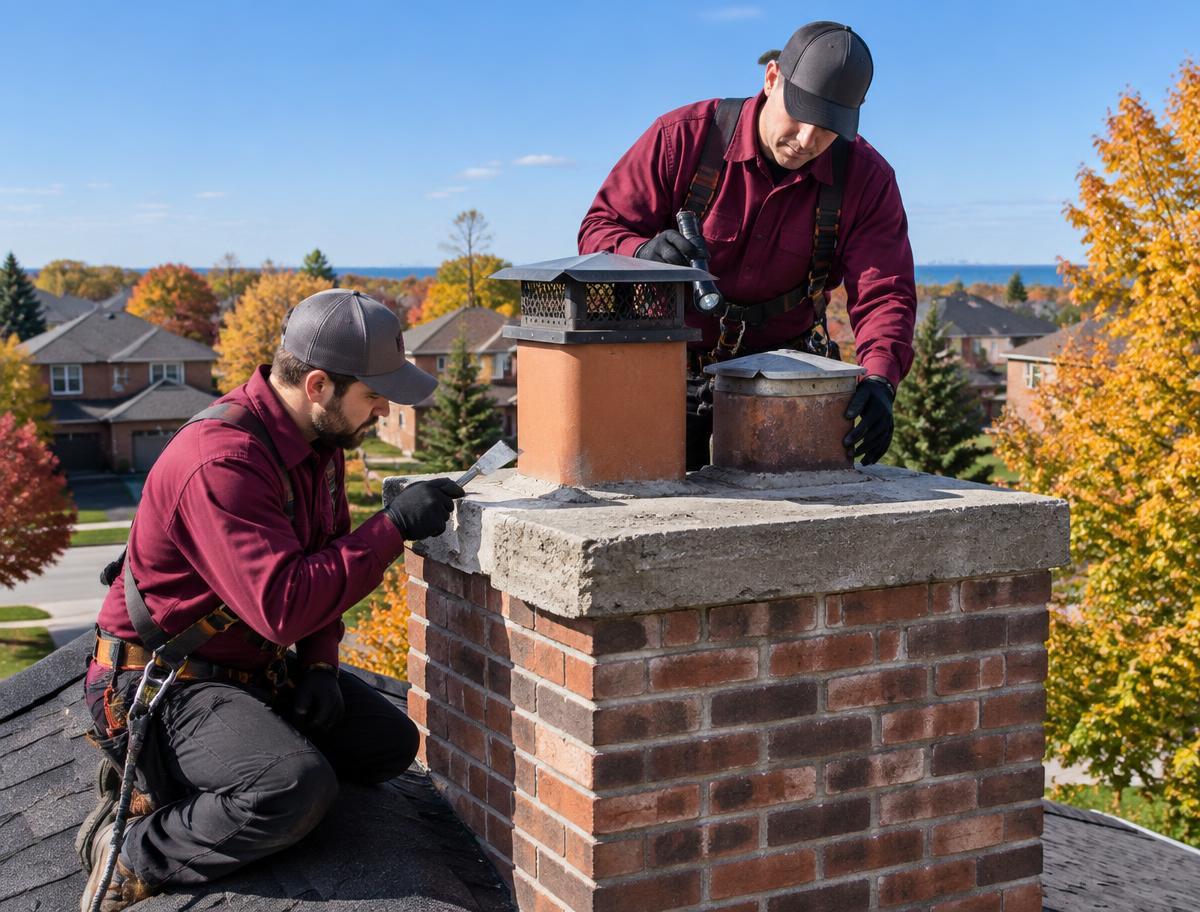
Schedule an annual safety inspection and sweep every autumn before lighting your first seasonal fire. Regular chimney sweeps eliminate light soot accumulations, ensure that birds or animals have not nested inside the flue over summer, and verify that mechanical damper assemblies open and close smoothly. Simple preventative steps safeguard your investment and keep your fireplace operating safely.
- Burn only seasoned, untreated hardwood with moisture levels under twenty percent.
- Never use chemical fire starters, gasoline, or plastic waste inside masonry fireboxes.
- Allow new masonry assemblies to undergo slow, low-temperature curing fires initially.
- Arrange annual professional sweeping and visual evaluations each autumn.
- Clean out cold ash beds regularly, leaving a one-inch base for optimal fire lighting.
How to Choose the Right Masonry and Fireplace Contractor
Restoring a structural fireplace demands specialized masonry expertise that general handymen and simple tuckpointers rarely possess. Working with high-temperature refractory compounds, balancing smoke draft ratios, and ensuring combustible wall framing clearances requires dedicated hearth experience. When vetting contractors in Markham, look for professionals who focus specifically on comprehensive chimney and fireplace restoration.
Request detailed, transparent written quotes that break down scope, specific materials, and structural approaches. A dependable contractor explains why a firebox needs rebuilding, identifies underlying causes of degradation, and specifies the use of high-temperature refractory cement rather than standard brick mortar. Be cautious of contractors who propose quick patches over broken firebrick or who offer vague estimates without a thorough preliminary inspection.
Always verify that your chosen company holds comprehensive commercial liability insurance and active provincial worker safety coverage. Look for straightforward, local communication and a clean track record of customer satisfaction. Markham Chimney Services operates directly from Highway 7, offering transparent assessments, proven masonry practices, and attentive customer service for every homeowner we serve.
- Prioritize contractors specializing directly in high-heat masonry and hearth rebuilding.
- Insist on itemized written estimates specifying high-heat refractory materials.
- Verify comprehensive liability insurance and active workplace safety coverage.
- Avoid low bids that propose superficial cosmetic patching over structural fractures.
- Choose an established local contractor committed to dependable community service.
Average pricing in Markham
$1,450 – $6,200
- Inspection / diagnostic
- $180 – $320
- Typical time on site
- 1 to 3 days depending on structural scope
- Parts and materials
- Refractory firebrick, high-heat mortar, cast-iron damper, stainless steel lining, custom lintels
- What moves the price
- Extent of firebox structural rebuilding required · Smoke chamber accessibility and parging requirements · Flue relining needs and decorative masonry refacing
Estimated local market range, not a quote. All estimates are in Canadian dollars and exclude 13% Ontario HST. Your exact price is confirmed before any work begins.