

A traditional fireplace serves as the emotional anchor of a home, yet decades of winter heating cycles, settling foundations, and moisture infiltration take a quiet toll. In Markham neighbourhoods filled with mid-century bungalows, split-levels, and custom builds, fireplaces often suffer from deteriorated refractory brick, corroded dampers, faded mantels, and hidden flue degradation. Over time, these structural issues compromise both thermal efficiency and basic residential safety. Rather than tearing down a beloved architectural feature or settling for an unusable hearth, our fireplace restore and refurbish services offer a comprehensive path toward renewal. We carefully combine historical masonry techniques with modern building science to rejuvenate tired fireboxes and surrounds.
Restoring a hearth is not merely about refreshing faded aesthetics; it is about ensuring that your home remains safe when severe sub-zero weather arrives. Markham Chimney Services operates directly out of 4418 Highway 7 East, bringing practical expertise straight to local living rooms across Markham and surrounding communities throughout the Greater Toronto Area. As an independent chimney and fireplace maintenance company, we evaluate every system from the firebox floor up through the throat and smoke chamber. We diagnose the subtle signs of thermal distress, replace compromised firebricks, reseal drafting cavities, and refresh exterior hearth facings so your family can gather around a crackling, dependable fire with complete peace of mind.
Fireplace Restore & Refurbish Services: visit summary
Fireplace Restore & Refurbish Services in Markham: fireboxes, surrounds and smoke chambers repaired or restored to safe working order. Serving Markham and the Greater Toronto Area (GTA). The estimated local market range is $450 – $3,200, not a fixed company rate. The final scope and quote are confirmed before work begins.
| Estimated market range | $450 – $3,200. All estimates are in Canadian dollars and exclude 13% Ontario HST. |
|---|---|
| Typical time | Half day to 2 full days depending on masonry scope |
| Price factors | Extent of internal firebox rebuild required versus simple joint repointing.; Damper condition and whether conversion to a top-mounted unit is chosen.; Scope of decorative surround refurbishment, such as stone repointing or tile replacement. |
| Routine signs to discuss | Cracked or Missing Mortar Joints; Spalling or Fractured Firebrick; Rusted, Stiff, or Jammed Damper; Smoke Spilling Into the Living Room; Deteriorated or Cracked Hearth Floor; White Efflorescence or Musty Odours |
What Complete Fireplace Restoration and Refurbishing Entails
Fireplace restoration is the meticulous practice of repairing, strengthening, and renewing an existing wood-burning or gas hearth system. Unlike basic surface cleaning, refurbishment addresses the underlying masonry, internal metal components, and safety clearances that dictate how safely your fireplace operates. Over years of use, high heat causes refractory materials to break down, while shifting structural loads create small fissures within the firebox. A comprehensive restoration stabilizes these critical structural elements, returning the entire assembly to an optimal, safe operating baseline.
Refurbishing also focuses on the aesthetic and practical integration of the fireplace within your living space. This work often includes repointing original brick facings, repairing chipped hearth stones, updating dated tile surrounds, and rebuilding decayed lintels. Inside the system, it involves replacing warped throat dampers with modern top-sealing units, re-laying firebox floors, and patching deteriorated smoke chambers. Every intervention aims to harmonize visual elegance with rigorous mechanical performance, ensuring the hearth looks stunning while drafting smoke and combustion gases cleanly out of your living area.
Because older homes feature varied construction methods, our refurbishment approach is never one-size-fits-all. We adapt our restoration strategy to honour the original masonry style while introducing durable refractory mortars that withstand severe thermal stress. By targeting both structural stability and visual appeal, we transform neglected or drafty fireplaces into efficient, safe heating features. You gain an authentic fire experience without the risk of stray sparks, structural heat transfer, or toxic smoke backing up into your living room.
- Structural rebuilding of spalled, cracked, or loosened refractory firebricks.
- Parging and smoothing rough smoke chambers to reduce dangerous creosote collection.
- Precision repointing of mortar joints using high-temperature refractory bonding agents.
- Restoring and repairing original stone, brick, marble, or modern tile hearth facings.
- Retrofitting precision throat dampers or tight-sealing chimney cap damper mechanisms.
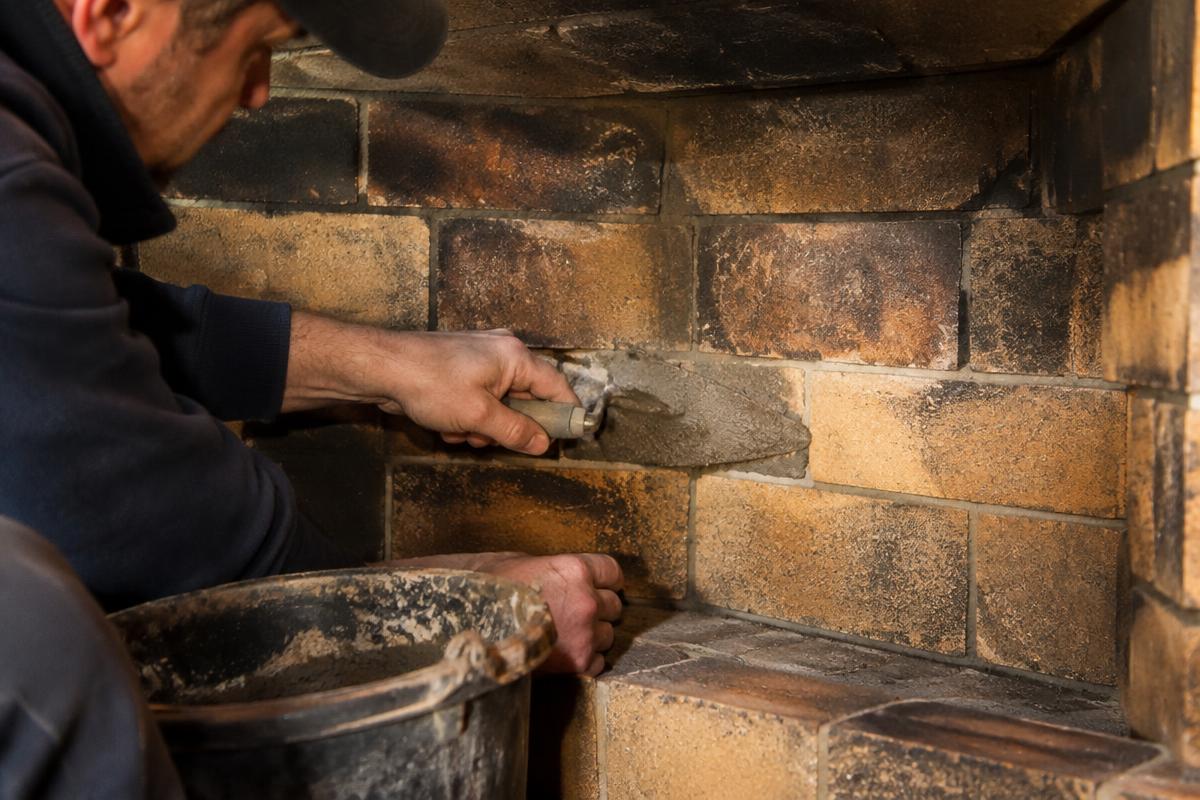
Bringing warmth, beauty, and lasting structural integrity back to your Markham fireplace.
Self-check
Warning signs you need fireplace restore & refurbish services
Cracked or Missing Mortar Joints
Visible gaps, crumbling sand, or deep cracks between firebox bricks allow intense heat and combustion fumes to leak through the containment wall, potentially igniting hidden wood framing behind the fireplace structure.
Spalling or Fractured Firebrick
Bricks inside the hearth that flake, chip, split, or shed powder are suffering from severe thermal fatigue or moisture absorption, leaving the structural core of your firebox exposed to direct flames and hot coals.
Rusted, Stiff, or Jammed Damper
A damper plate that will not open smoothly, sticks halfway, or has rusted through allows chilly drafts to enter your home or dangerous smoke and carbon monoxide gases to back up into the room.
Smoke Spilling Into the Living Room
When smoke regularly rolls into the room instead of drafting cleanly up the chimney, it points to compromised throat geometry, a rough smoke chamber, or drafting blockages that require immediate professional diagnosis and repair.
Deteriorated or Cracked Hearth Floor
Loose tiles, pitted stone, or cracked hearth extension slabs directly in front of the firebox compromise protection against falling embers, creating a serious fire hazard for combustible hardwood or carpet flooring underneath.
White Efflorescence or Musty Odours
White powdery salt staining on fireplace brickwork or damp, acrid smells in warm weather signal water is entering the chimney system, degrading mortar bonds and chemically corroding internal metal dampers and structural supports.
Why Freeze-Thaw Cycles Punish Markham Fireplaces
The climate across Markham and southern Ontario presents unique structural challenges for residential masonry. Winters here bring rapid oscillations between damp thaws and bitter sub-zero freezes, frequently crossing the freezing point dozens of times in a single season. When precipitation enters microscopic voids in external chimney brickwork or porous mortar, it expands by roughly nine percent as ice forms. This mechanical expansion fractures mortar bonds, spalls brick faces, and drives hidden moisture deep down into the fireplace firebox and backing walls.
Moisture that penetrates down to the firebox level creates serious chemical and thermal vulnerabilities. Damp refractory bricks become brittle, and when exposed to sudden fires generating hundreds of degrees of heat, trapped steam can cause mortar joints to pop and brick surfaces to shatter. Furthermore, moisture combining with wood smoke residues forms corrosive acids that eat away at cast iron dampers, support lintels, and metal cleanout doors. Without regular intervention, winter moisture turns minor hairline fractures into massive gaps that allow combustion heat to touch combustible framing studs.
Our refurbishing solutions are engineered specifically to survive these demanding regional climate swings. We select weather-resistant crown sealants, breathable water-repellent masonry treatments, and specialized commercial refractory mortars designed for intense thermal expansion. By managing both interior heat exposure and exterior freeze-thaw penetration, our restoration work seals out moisture, stabilizes vulnerable brick assemblies, and preserves the structural health of your chimney system through even the harshest Ontario winters.
- Deep moisture ingress driven by winter rain and melting rooftop snow accumulations.
- Thermal shock caused by lighting intense wood fires within damp, cold fireboxes.
- Acidic condensation corroding metal throat dampers and structural steel lintels.
- Frost wedging that gradually forces apart external chimney crowns and interior brick bonds.
- Mortar breakdown leading to unsealed voids between the firebox and interior wall framing.
Key Components We Repair and Refurbish Inside the Fireplace
A functioning fireplace depends on a sequence of tightly integrated components that control airflow, contain extreme heat, and guide exhaust upward. At the core sits the firebox, an enclosure lined with specialized yellow or buff refractory firebrick laid with thin seams of refractory mortar. Over decades, the heat of wood fires deteriorates this fireclay, leaving loose bricks and empty joints. We systematically remove damaged bricks, rebuild the firebox walls with proper geometry, and re-point open joints to establish an impenetrable thermal barrier.
Directly above the firebox lies the throat and damper assembly, supported by a heavy steel lintel. The damper regulates draft and seals the flue when the fireplace is idle, preventing costly heated indoor air from escaping into the cold sky. Cast iron throat dampers frequently rust solid, warp out of their tracks, or crack from intense heat. We free seized damper plates, install smooth replacement linkage kits, or install modern cable-operated top-mounted dampers that seal tight against high-grade silicone gaskets.
Just beyond the damper sits the smoke shelf and smoke chamber, which transition smoke from the wide firebox into the narrower flue tile. In older masonry, smoke chambers were often left with stepped, jagged brickwork that impedes draft and creates pockets for flammable creosote accumulation. Our refurbishment process includes parging the smoke chamber smooth with insulating refractory mortar. This streamlines airflow, boosts natural draft velocity, and removes rough surfaces where corrosive soot and creosote prefer to cling.
- Refractory firebox floors and side walls restored to pristine structural integrity.
- Smooth parging of the smoke chamber to optimize upward exhaust velocity.
- Reconditioning or replacement of rusted, warped, or non-functional throat dampers.
- Reinforcement and corrosion treatment of structural steel firebox lintel bars.
- Installation of durable refractory mortar joints engineered for intense continuous heat.
Root Causes of Fireplace and Masonry Degradation
Fireplace damage is rarely the result of a single event; rather, it stems from progressive physical and chemical stresses over years of seasonal use. Thermal fatigue ranks among the primary culprits. Every time a fire is lit, the inner masonry expands quickly while the outer structure remains cool, creating uneven internal tension. Over hundreds of burning cycles, this differential expansion breaks brittle mortar bonds, causing structural settling, hairline cracks, and loosened masonry units that worsen as the structure ages.
Water infiltration is the second major driver of hearth deterioration. Missing chimney caps, decayed exterior crowns, or leaking roof flashings allow water to trickle down the interior flue passages. As water washes down, it reacts with creosote deposits to generate sulphurous and hydrochloric acids. This corrosive mixture eats into firebrick surfaces, dissolves traditional lime mortar, and rapidly rusts out cast iron dampers and firebox backings, often remaining completely unnoticed until significant deterioration is uncovered during a service visit.
Improper original installation or structural settling of the home also contributes heavily to fireplace degradation. In many older properties, original builders used standard house mortar rather than specialized refractory mortar, or left insufficient expansion clearance between the masonry firebox and adjacent timber framing. Over decades, minor foundation shifts transfer unwanted structural weight onto the firebox walls. Recognizing these underlying drivers ensures that our restoration fixes the foundational cause of failure, rather than just masking superficial symptoms.
- Repetitive thermal expansion and contraction cycles fracturing rigid mortar joints.
- Direct water entry from unsealed chimney tops, cracked crowns, or torn flashings.
- Corrosive chemical reactions caused by wet acidic creosote resting on metal and brick.
- Use of substandard non-refractory mortars during previous remodels or original builds.
- Natural structural settlement of the foundation exerting shear stress on masonry walls.
"After noticing smoke backing into the room, I called for an inspection in Buttonville. Their technician diagnosed a minor blockage quickly, cleared it thoroughly, and explained how to avoid future issues. Excellent service."
Our process
How we handle your fireplace restore & refurbish services, step by step
- 1
Diagnostic Hearth Inspection
We examine the firebox, damper assembly, smoke chamber, lintel, and hearth surround using specialized lighting to detect structural faults, draft impediments, and safety clearance violations.
- 2
Living Space Protection
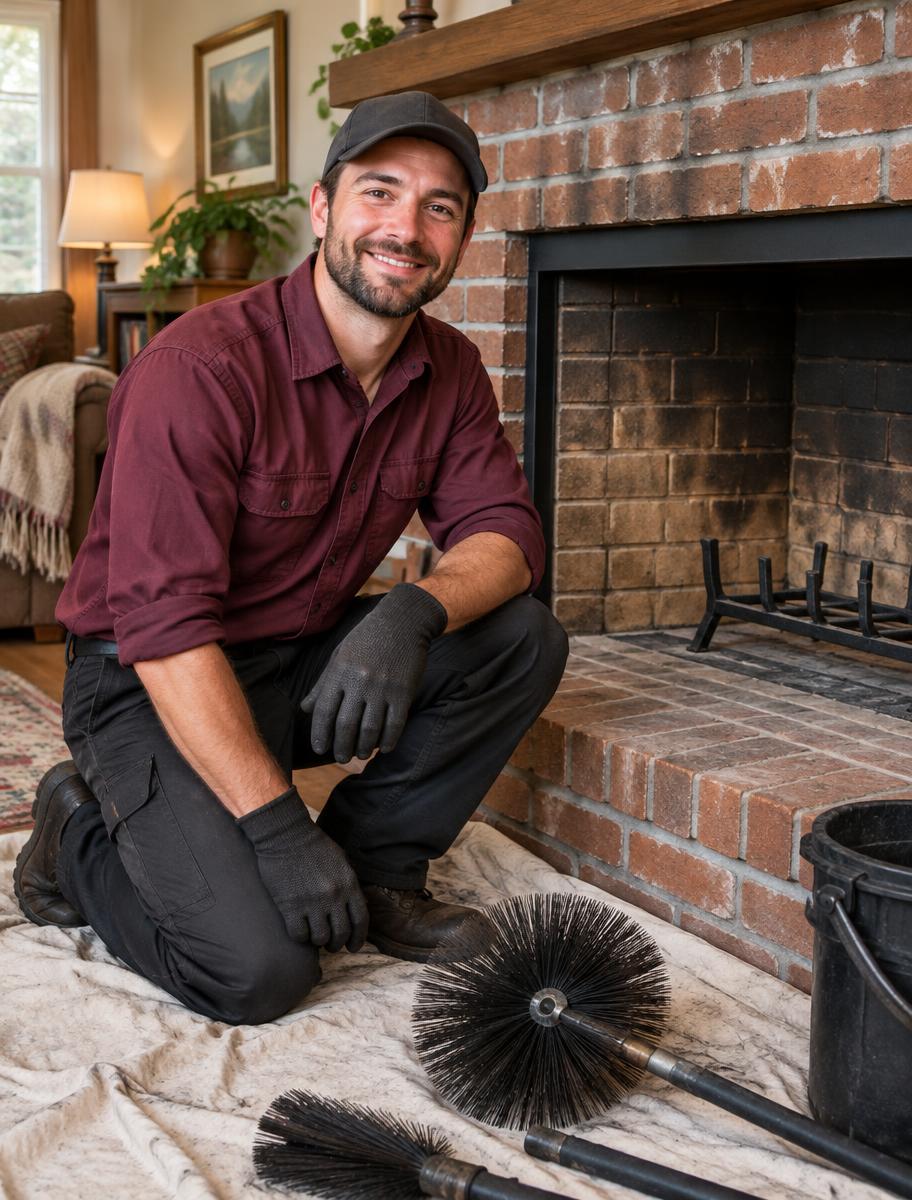
We place heavy drop cloths across flooring, seal adjacent furniture with clean poly sheeting, and deploy commercial dust management equipment to keep your home pristine.
- 3
Demolition and Surface Preparation
We carefully extract deteriorated firebricks, rake out failing mortar joints down to solid substrate, and clean away corrosive creosote residues from internal metal and brick surfaces.
- 4
Precision Masonry and Component Rebuilding
We lay new refractory firebricks using high-temperature thermal mortar, parge the smoke chamber smooth, and repair, calibrate, or replace the damper assembly for optimal operation.
- 5
Curing Verification and Draft Testing
We perform a thorough smoke draft evaluation, explain the required heat-curing schedule for new mortar, and leave your living room clean, safe, and ready for use.
Our Thorough Inspection, Diagnosis, and Restoration Process
Every successful fireplace refurbishment begins with a meticulous visual and physical assessment. When our technicians arrive at your Markham residence, we inspect the entire hearth assembly, examining the firebox, damper plate, lintel support, hearth extension, and accessible flue zones. We use high-output lighting and precision diagnostic tools to locate hairline cracks, hollow-sounding bricks, hidden smoke bypasses, and signs of structural settlement, discussing every finding openly with you before work begins.
Once we establish a clear restoration plan, we prepare your home with exceptional care. We lay heavy canvas drop cloths, seal off adjacent furnishings with clean plastic sheeting, and set up negative-air dust management equipment to capture airborne particulate. We then carefully remove compromised bricks, grind out crumbling mortar to a sound depth, and scrape clean all internal surfaces. If the firebox requires partial rebuilding, we lay premium refractory firebricks using true fireclay mortar, maintaining classic bonding patterns and level joints.
The refurbishment wraps up with interior parging, damper calibration, and aesthetic exterior detailing. We parge the smoke chamber with smooth refractory compound, lubricate or replace damper mechanisms, and repoint or polish exterior surround stonework. Once the mortar cures according to strict thermal curing schedules, we perform a controlled smoke clearance test to verify draft efficiency. We leave your living space spotless, providing clear guidance on curing times and safe burning practices before your first new fire.
- Complete multi-point structural assessment and diagnostic evaluation of your hearth.
- Thorough floor-to-ceiling dust containment, protective runner layout, and air management.
- Careful removal of fractured firebricks and mechanical raking of decayed mortar joints.
- Rebuilding with high-heat refractory bricks and specialized thermal setting compounds.
- Post-restoration draft testing and clear, practical instructions for initial cure burns.
Hearth Safety, Thermal Clearances, and Carbon Monoxide Prevention
A fireplace should bring warmth and tranquility, never hidden danger into your family home. Central to our restoration philosophy is a rigorous commitment to fire safety best practices. We reference established residential building codes, CSA clearance standards, and wood energy safety guidelines to confirm that every element of your hearth maintains sufficient separation from combustible walls, mantels, and subfloors. When masonry joints crumble, radiant heat can slowly char internal structural wood studs, creating a quiet hazard known as pyrolysis.
Carbon monoxide prevention represents another non-negotiable pillar of our refurbishing work. A damaged damper, a misaligned firebox throat, or a rough, soot-choked smoke chamber can cause combustion gases to roll into living areas rather than draft cleanly upward. Carbon monoxide is colourless, odourless, and dangerously undetectable without reliable instrumentation. During our refurbishing process, we verify that smoke bypass pathways are completely eliminated, and we inspect firebox seals to ensure that no harmful fumes can slip into ceiling cavities.
We also educate homeowners on the proper placement and testing of household carbon monoxide alarms and smoke detectors. Best practices require a working carbon monoxide alarm on every level of the home, particularly near sleeping quarters and adjacent to rooms with wood or gas appliances. While we are an independent service team that does not issue formal regulatory certificates, we align every repair with proven trade safety benchmarks, giving you the confidence that your fireplace operates safely and cleanly.
- Strict adherence to safe clearance distances between hot firebox surfaces and timber.
- Elimination of internal smoke pathways that risk carbon monoxide escaping indoors.
- Verification of intact non-combustible hearth extensions to guard against rolling embers.
- Integration of working smoke and carbon monoxide detection on every residential level.
- Applying industry-recognized fire safety and wood heating construction principles.
Homeowner Maintenance Tips to Preserve Your Restored Fireplace
After investing in a professional fireplace refurbishment, adopting simple seasonal care habits will extend the life of your masonry by decades. Always burn properly seasoned hardwoods, such as sugar maple, oak, or ash, that have cured under cover for at least a full year. Wet or unseasoned wood burns cool, generating heavy moisture and unburned tars that condense as sticky creosote along your freshly restored smoke chamber and flue, creating premature soot buildup and fire hazards.
Pay close attention to how you manage ash inside the firebox. While leaving a shallow one-inch layer of ash during the peak burning season helps insulate the firebox floor and support hot coals, you should never allow wet debris to sit in the hearth over humid summer months. Wood ash contains alkaline salts that draw moisture from the summer air, forming a corrosive paste that eats away at refractory mortar and iron cleanout doors. Empty cool ash into a covered metal bucket before warm weather arrives.
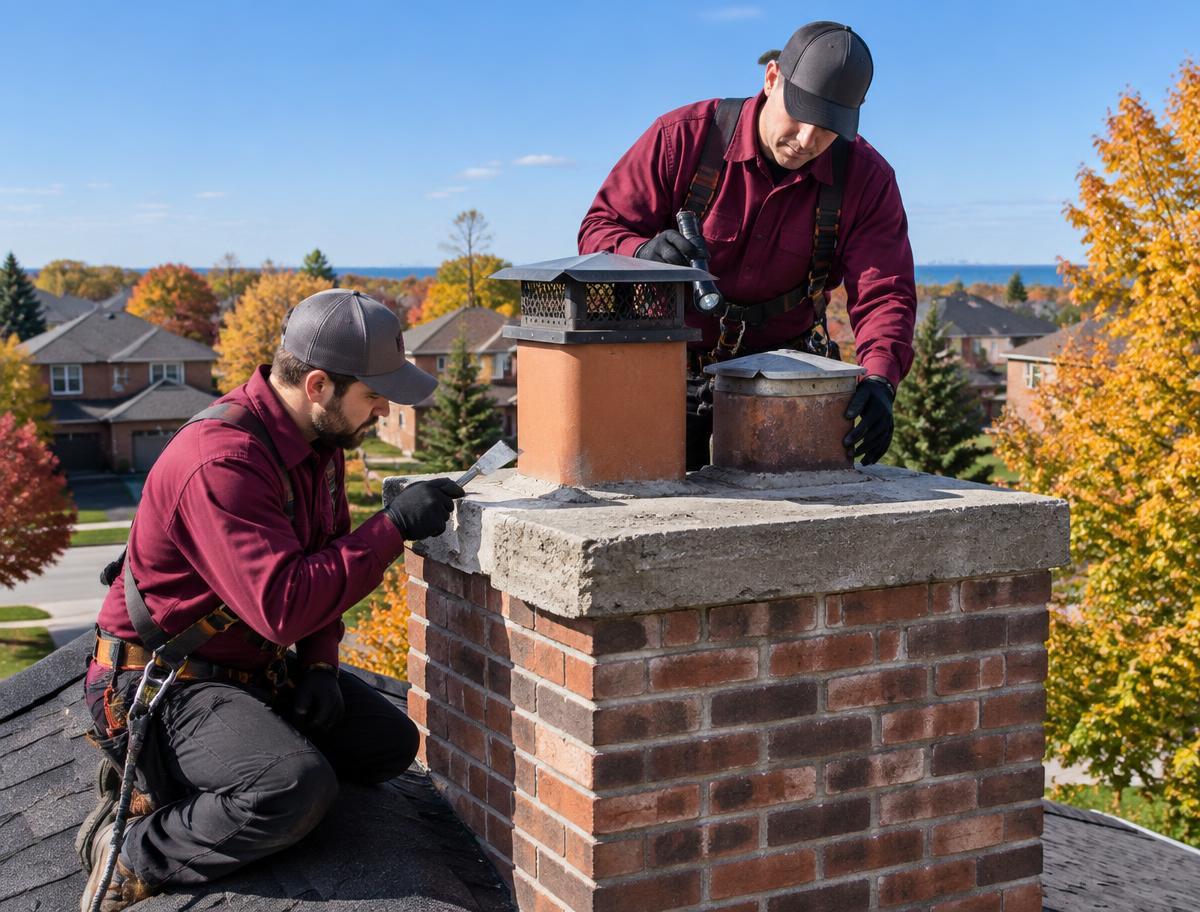
Schedule an annual professional chimney sweep and diagnostic check before autumn arrives. Even a beautifully restored firebox needs periodic evaluation to catch settling cracks, bird nesting debris, or crown wear before cold weather sets in. Between visits, keep your damper closed when the fireplace is not in use, ensure your fireplace screen or spark guard fits securely, and inspect the firebox walls periodically with a flashlight for any emerging gaps or discoloured patches.
- Burn only dry, seasoned Ontario hardwoods with a moisture reading below twenty percent.
- Avoid burning painted boards, pressure-treated lumber, gift wrap, or general household trash.
- Clean out damp ash beds in the spring to prevent alkaline moisture damage to firebricks.
- Keep the damper securely closed when the hearth is unlit to retain your conditioned air.
- Book a professional seasonal inspection annually to maintain peak operating performance.
Choosing the Right Fireplace Restoration Contractor in Markham
Restoring an architectural fireplace requires an uncommon blend of structural masonry knowledge, familiarity with historical building styles, and a deep understanding of combustion airflow physics. Many general handymen or standard landscape masons offer basic cosmetic tuckpointing, yet lack experience with refractory heat mortars, smoke chamber dynamics, and fire separation clearances. Choosing a dedicated chimney and fireplace restoration professional ensures your project receives the specialised craftsmanship it truly requires.
When vetting local service providers, ask practical questions about their diagnostic methodology, materials selection, and dust containment protocols. A reputable contractor will never suggest ordinary Portland cement for interior firebox repairs; they will clearly specify authentic refractory mortars and firebricks engineered to withstand extreme temperatures. They should also carry adequate commercial general liability coverage, demonstrate clear familiarity with local Markham building styles, and provide transparent, itemized written quotes without pressure tactics.
Markham Chimney Services operates as an independent local specialist rooted directly in the community at 4418 Highway 7 East. We treat every home with utmost care, using top-tier materials and time-honoured techniques that honour your property's character. Whether you need a simple refractory repair or a full-scale historic surround refurbishment, working with a focused local specialist guarantees clear communication, uncompromising work standards, and a warm, safe hearth your family will treasure for years.
- Verify direct experience working with refractory masonry rather than general exterior concrete.
- Demand explicit use of high-temperature fireclay mortars and proper refractory brick units.
- Confirm robust commercial general liability coverage and full worker safety protections.
- Ensure clear, transparent itemized estimates that separate labour, materials, and prep work.
- Look for clear understanding of local Markham home architecture, from bungalows to newer builds.
Average pricing in Markham
$450 – $3,200
- Inspection / diagnostic
- $149 – $229
- Typical time on site
- Half day to 2 full days depending on masonry scope
- Parts and materials
- Refractory firebricks, high-heat mortar, replacement damper plates, steel lintels, and decorative tile or stone facings quoted separately
- What moves the price
- Extent of internal firebox rebuild required versus simple joint repointing. · Damper condition and whether conversion to a top-mounted unit is chosen. · Scope of decorative surround refurbishment, such as stone repointing or tile replacement.
Estimated local market range, not a quote. All estimates are in Canadian dollars and exclude 13% Ontario HST. Your exact price is confirmed before any work begins.