

Nestled above your fireplace damper sits the smoke chamber, an inverted funnel that guides hot gases and combustion byproducts from the broad firebox into the narrow flue liner. In older masonry fireplaces across Markham, this vital transition zone is frequently neglected because it remains hidden behind the lintel wall. When a smoke chamber suffers from rough corbelled bricks, eroded mortar joints, or thermal cracking, the smooth evacuation of smoke stalls. Turbulent airflow forces toxic gases, soot, and smoke back into your living area, while exposed brick edges catch flammable creosote that increases your risk of an active chimney fire.
Living through Ontario winters places distinct physical stresses on brick and stone chimneys. Outdoor temperature swings create severe freeze-thaw cycles that push moisture deep into porous masonry, causing structural crumbling and dangerous internal gaps. At Markham Chimney Services, located at 4418 Highway 7 East, we specialize in comprehensive smoke chamber parging and masonry restoration. Our team focuses on sealing voids, smoothing ragged brick ledges with high-heat refractory mortar, and reinforcing chimney safety. We restore drafting efficiency and thermal containment so your household can enjoy warm hearth fires safely throughout every winter season.
Fireplace Smoke Chamber Repair: visit summary
Fireplace Smoke Chamber Repair in Markham: fireboxes, surrounds and smoke chambers repaired or restored to safe working order. Serving Markham and the Greater Toronto Area (GTA). The estimated local market range is $850 – $2,400, not a fixed company rate. The final scope and quote are confirmed before work begins.
| Estimated market range | $850 – $2,400. All estimates are in Canadian dollars and exclude 13% Ontario HST. |
|---|---|
| Typical time | 4 to 8 hours depending on chamber access and deterioration |
| Price factors | Total chamber volume and degree of corbel stepped brick roughness; Severity of moisture-related mortar erosion and brick spalling; Ease of access through the fireplace opening or throat damper |
| Routine signs to discuss | Smoke Spilling into Living Areas; Fallen Mortar and Brick Crumbs; Persistent Unpleasant Soot Odours; Sticking or Jammed Damper Assembly; Visible Cracks in the Upper Firebox; Heavy, Glazed Creosote Coatings |
The Smoke Chamber: Your Fireplace Transition Zone
The smoke chamber functions as the aerodynamic conduit of your traditional fireplace system. Located directly above the throat damper and beneath the first chimney flue tile, it gathers smoke from the wide firebox and funnels it upward. Because heat concentrates heavily within this tapering space, the chamber walls must maintain flawless structural integrity and an exceptionally smooth interior surface to keep combustion gases rising swiftly toward the exterior.
When original builders constructed historic fireplaces across Markham, they commonly stepped standard bricks inward to create the inverted funnel. This construction method, known as corbelling, creates dozens of sharp, jagged stone ledges inside the chamber cavity. These exposed shelves disrupt steady airflow, creating turbulence and backpressure that slow down exhaust gases. The sluggish air cools rapidly, depositing heavy layers of combustible creosote directly onto the unshielded masonry.
Refractory parging resolves these design vulnerabilities by coating the stepped bricks in a dense layer of insulating, high-temperature cement. Parging transforms the irregular brickwork into a slick, continuous funnel that accelerates draft velocity. By removing rough edges and filling deteriorated mortar joints, modern parging shields adjacent wood framing from intense heat transfer while keeping smoke moving upward cleanly without spilling back into your family room.
- Funnels combustion exhaust smoothly from the firebox to the chimney flue
- Reduces air turbulence and eliminates smoky downdrafts in your living space
- Insulates surrounding wooden structural framing from radiant heat exposure
- Minimizes the surface area where sticky, volatile creosote can accumulate
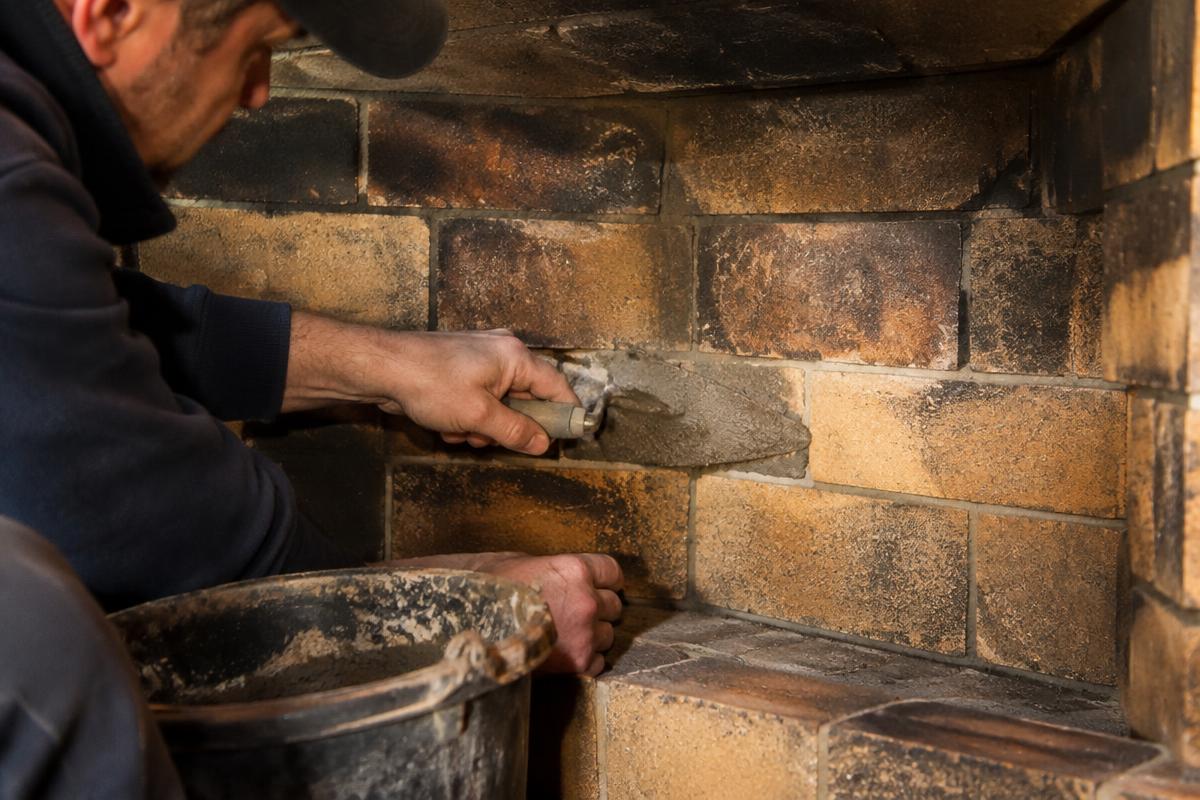
Smooth, secure refractory smoke chamber restoration designed to withstand severe Ontario winters.
Self-check
Warning signs you need fireplace smoke chamber repair
Smoke Spilling into Living Areas
Smoke rolling out past the fireplace opening into your room indicates restricted airflow, often caused by rough corbelled bricks, damper misalignments, or turbulent drafts in the chamber.
Fallen Mortar and Brick Crumbs
Finding piles of red brick dust, gritty sand, or hard mortar chunks on the damper or hearth floor confirms your smoke chamber masonry is actively spalling and crumbling.
Persistent Unpleasant Soot Odours
Strong campfire or sour soot smells circulating inside your home point to creosote trapped within deep cracks, open joints, or deteriorated voids inside the unsealed chamber walls.
Sticking or Jammed Damper Assembly
When your fireplace damper catches, grinds, or refuses to close tightly, falling masonry debris or moisture-driven corrosion from an unsealed smoke chamber is frequently blocking the metal frame.
Visible Cracks in the Upper Firebox
Gaps or visible fissures developing along the upper back wall where the firebox meets the smoke chamber funnel allow dangerous heat and gases to reach framing timbers.
Heavy, Glazed Creosote Coatings
Thick, shiny black tar clinging to stepped chamber surfaces reveals sluggish draft speeds and poor gas evacuation, significantly elevating the risk of a destructive chimney fire.
Why Markham Winter Weather Erodes Smoke Chambers
Ontario weather presents severe conditions for exterior masonry structures. During late autumn and winter, rain and melting snow penetrate unsealed chimney crowns, weathered flashing, or deteriorated exterior brick joints. This moisture trickles down into the smoke chamber walls, saturating the interior brick and mortar. As temperatures plunge overnight below freezing, the absorbed water expands, fracturing mortar joints and loosening structural bricks within the chamber transition.
This recurring freeze-thaw action weakens the bond between mortar and clay brickwork over several seasons. When you ignite a roaring wood fire during a frigid Markham cold snap, the frozen masonry experiences rapid thermal shock. The sudden jump from sub-zero temperatures to intense combustion heat causes fragile, moisture-laden bricks to spall, crack, and shed flakes of stone directly onto the smoke shelf behind your throat damper.
Without prompt intervention, structural decay accelerates throughout the upper chimney structure. Mortar joints that dissolve from moisture migration leave deep voids between the smoke chamber and interior walls. These fissures allow poisonous combustion gases, including carbon monoxide, to leak into attic spaces or ceiling cavities, creating quiet hazards that standard visual inspections from the hearth floor easily miss.
- Rapid freeze-thaw cycles crack water-soaked mortar beds and clay bricks
- Thermal shock from winter fires accelerates masonry flaking and spalling
- Missing or damaged chimney caps let driving rain saturate internal walls
- Unchecked moisture intrusion undermines the structural base of the chimney flue
The Hidden Dangers of Unparged Corbelled Masonry
Traditional building techniques once permitted corbelled brickwork without a protective coating, leaving stepped brick ledges exposed across the interior of the smoke chamber. Modern safety protocols, reflecting standard building codes, require all smoke chambers to be parged completely smooth with refractory mortar. An unparged smoke chamber creates substantial friction, which slows draft velocity and increases smoke stagnation above the throat damper.
Each exposed brick corner creates a miniature shelf where soot, tar, and stage-three creosote settle and bake. Because the smoke chamber absorbs intense radiant heat from the firebox below, this accumulated creosote can ignite into an intense chimney fire. Burning creosote in an unparged chamber reaches extreme temperatures, quickly breaching thin mortar lines and threatening nearby structural wood timbers.
Corbelled bricks also generate air eddies that pull smoke back toward the room opening. Homeowners often mistake this issue for wet firewood or an undersized flue tile, when the real culprit is internal friction. Parging the walls smooth removes the jagged ledges, establishing a laminar flow that pulls air cleanly and keeps the chamber interior clean and safe.
- Stepped brick edges create severe draft friction and exhaust resistance
- Horizontal brick shelves collect heavy, flammable creosote deposits
- Unparged mortar joints erode rapidly under continuous flue gas exposure
- Code-mandated parging provides essential thermal insulation against house framing
Recognizing When Your Smoke Chamber Needs Professional Work
Identifying smoke chamber trouble early prevents costly secondary repairs to your chimney flue and adjacent living areas. A telltale sign of internal degradation is the persistent smell of soot or campfires drifting through your home on humid summer days or windy winter evenings. This odour indicates that creosote and acidic soot are sitting trapped in chamber voids or leaking into structural cavities.
Another common signal is visible smoke rollout across your fireplace mantle when you light or feed a fire. While downdrafts can stem from blocked caps or cold flue tiles, constant smoke rollout frequently points to rough, deteriorating chamber walls that impede proper draft development. You may also discover chunks of reddish mortar or broken brick flakes resting on your damper plate.
Discoloration on your exterior chimney brickwork, interior drywall stains near the breastplate, or a damper blade that sticks and grinds can all trace back to smoke chamber issues. Moisture mixing with soot creates corrosive acids that eat through metal damper housings, causing rust and binding that prevent the damper from opening or sealing correctly.
- Persistent campfire or acidic soot odours indoors during damp weather
- Puffs of smoke rolling out beneath the lintel into your living room
- Brick chips, sand, and loose mortar falling onto the metal damper blade
- Sticking or heavily rusted dampers caused by acidic moisture buildup
"After noticing smoke backing into the room, I called for an inspection in Buttonville. Their technician diagnosed a minor blockage quickly, cleared it thoroughly, and explained how to avoid future issues. Excellent service."
Our process
How we handle your fireplace smoke chamber repair, step by step
- 1
Detailed Inspection and Soot Removal
We clear the smoke shelf thoroughly and run specialized high-definition cameras into the chamber to map all mortar loss, thermal fractures, and structural corbel issues.
- 2
Surface Preparation and Cleaning
Technicians mechanically remove soot, baked glaze, and loose brick material using wire brushes and vacuums, creating a spotless masonry foundation for dependable parging adhesion.
- 3
Refractory Mortar Application
We trowel or spray industrial-grade insulating refractory mortar over every jagged corbelled step, building a uniform, resilient layer that withstands extreme fireplace operating temperatures.
- 4
Chamber Smoothing and Flue Blending
Our crew shapes the compound into a streamlined funnel, seamlessly bridging the throat damper to the chimney flue to produce optimal, turbulence-free draft dynamics.
- 5
Final Quality Check and Curing Advice
We conduct an in-depth photographic inspection to verify structural integrity, test damper operation, and supply clear guidance on mortar curing times before your next fire.
Thorough Diagnostics and Internal Camera Assessment
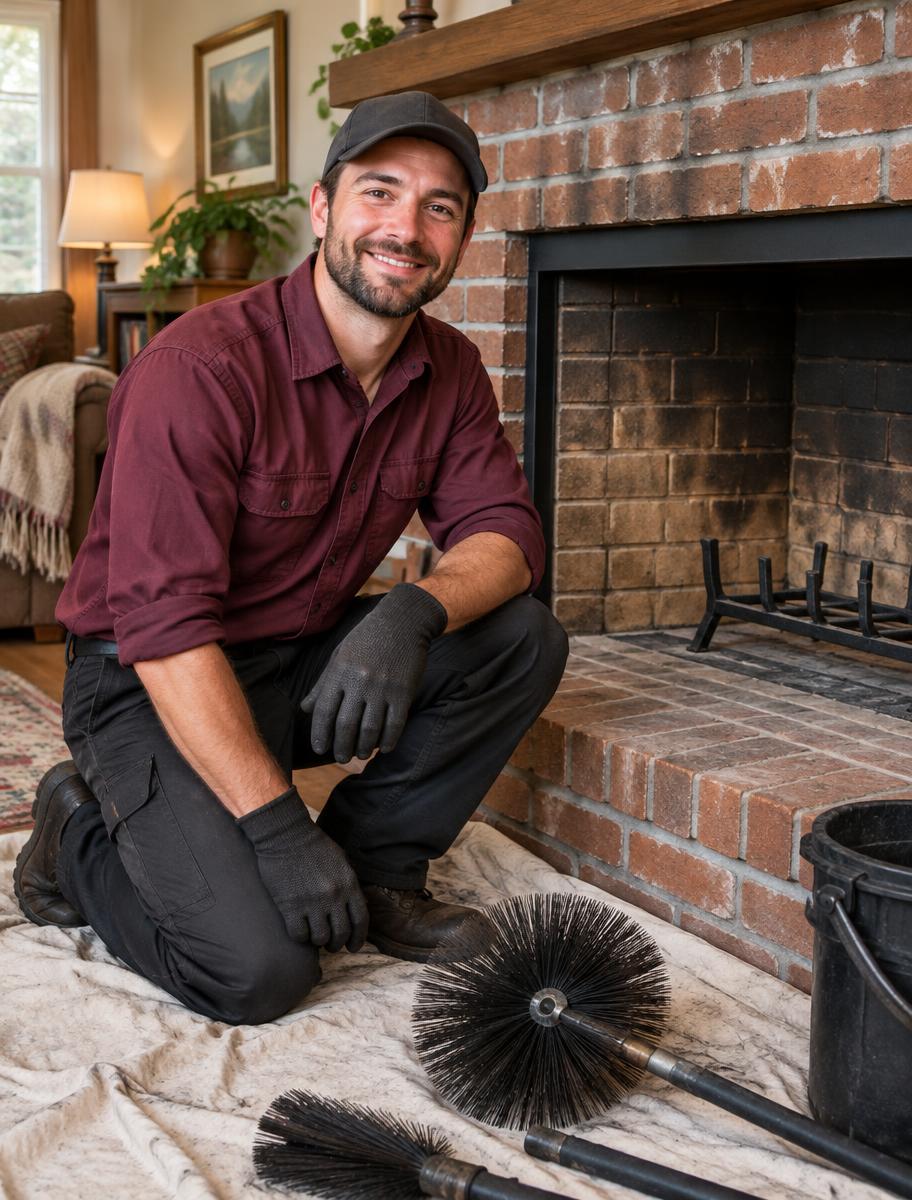
Assessing a smoke chamber requires looking beyond what is visible with a handheld flashlight from the hearth floor. At Markham Chimney Services, we start by clearing soot accumulation from the smoke shelf to expose the true condition of the underlying masonry. We then deploy specialized high-resolution internal inspection cameras that illuminate the tight, tapered space between the throat and the flue entrance.
Our assessment evaluates brick alignment, corbel step depth, mortar cohesion, and clearance to combustible framing behind the brickwork. We search for subtle stress fractures, missing mortar collars, and evidence of water leakage through the chimney exterior. This close-up view allows us to determine whether your chamber requires targeted surface parging or extensive structural rebuilding.
We also examine the throat damper framework and the junction where the smoke chamber meets the bottom flue tile. This connection point is notorious for developing gaps due to thermal movement. Our diagnostic process produces clear visual documentation so you can understand the exact condition of your fireplace before any restoration work begins on your property.
- Complete removal of loose soot and creosote from the damper shelf
- Internal camera scanning of tight chamber angles and upper transitions
- Measurement of wall thickness and evaluation of clearance to framing
- Clear photographic documentation detailing all discovered cracks and gaps
Precision Parging: Materials and Application Methods
Restoring a smoke chamber demands specialized refractory materials engineered specifically for high-temperature applications. Standard masonry mortar or regular Portland cement cannot survive the thermal extremes of a working fireplace; they crack, crumble, and release toxic fumes under heat. We apply professional-grade refractory mortars that withstand temperatures exceeding one thousand degrees Celsius while resisting acidic flue condensates.
The restoration process begins with comprehensive preparation. We scrape away all glazed creosote, loose mortar, and debris using specialized mechanical brushes and scrapers. The masonry substrate is then cleaned and prepped to ensure maximum adhesion. Our technicians trowel or spray the refractory compound across the chamber walls, carefully feathering the material from the damper throat up to the flue tile.
We build a smooth, glass-like taper that rounds out sharp angles and leaves a uniform insulating barrier at least twenty-five millimetres thick over all corbels. This seamless finish eliminates draft turbulence, seals hidden thermal gaps, and dramatically increases draft draw. The refractory mortar cures into a rock-solid ceramic shield that reinforces the structural base of the chimney.
- Exclusively utilize high-temperature, acid-resistant refractory cements
- Mechanical surface preparation to eliminate creosote and loose mortar dust
- Hand-trowelled or sprayed application creating a seamless, aerodynamic funnel
- Minimum thickness application designed to provide durable thermal protection
Safety Standards, Building Practices, and Gas Containment
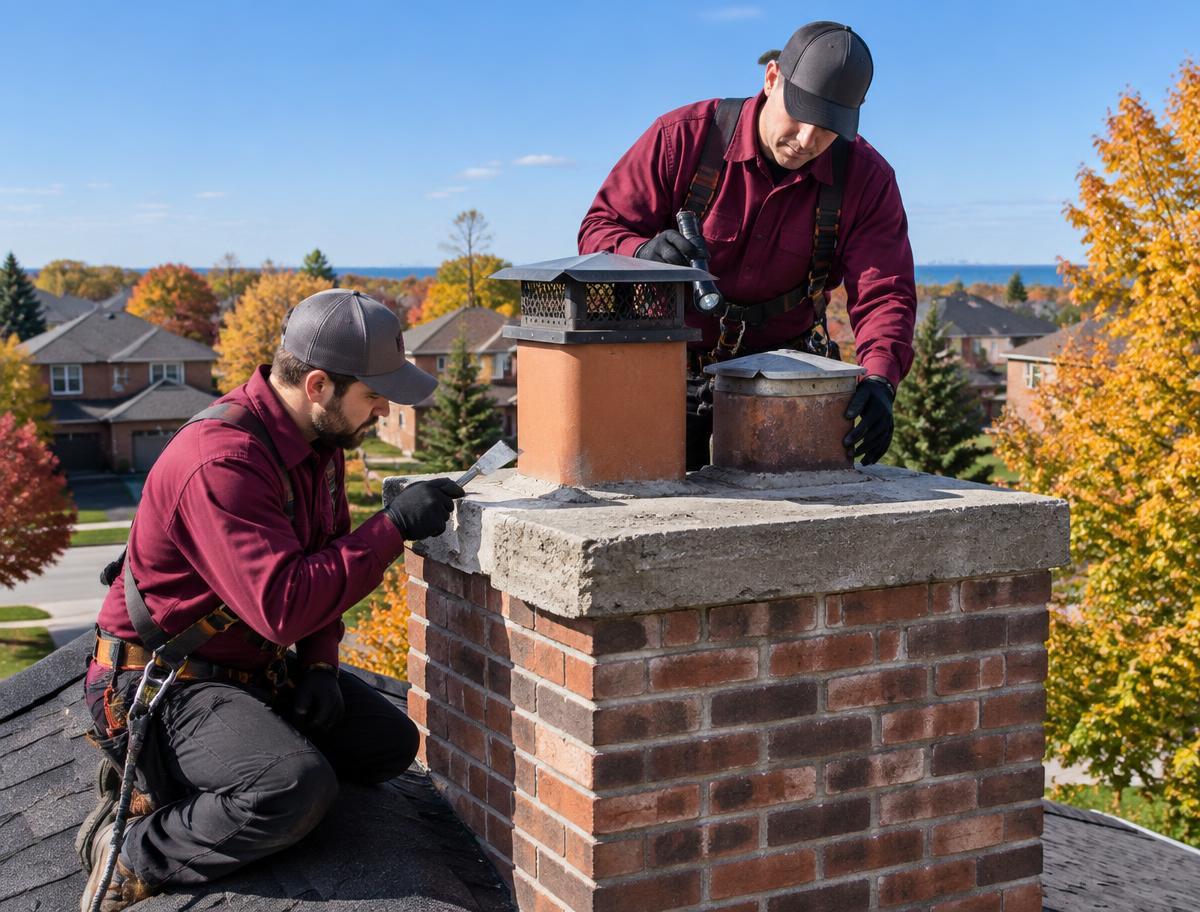
Fireplace safety relies on strict adherence to established masonry standards, such as CSA guidelines and solid WETT-style safety principles. These industry benchmarks specify that smoke chamber walls must be smooth and structurally sound to prevent combustion hazards. Incomplete combustion produces toxic carbon monoxide along with soot, both of which must be evacuated safely through the roof.
When smoke chamber walls crack, carbon monoxide can escape through porous brick joints and enter adjacent wall cavities, attics, or upstairs bedrooms without triggering obvious visual warnings. Because carbon monoxide is completely colourless and odourless, an compromised smoke chamber presents a serious domestic health hazard. Maintaining airtight chamber walls is your primary defence against toxic gas migration.
We strongly advise every homeowner to install interconnected, functioning carbon monoxide alarms on every level of the home, especially near sleeping quarters. Alongside quality parging, these life-safety monitors ensure your family remains completely protected. Our work focuses on creating a reliable, gas-tight exhaust pathway that safely vents every trace of combustion outside your home.
- Restoration guided by CSA performance criteria and WETT-style safety practices
- Airtight gas containment prevents toxic carbon monoxide infiltration
- Elimination of thermal breaches protecting nearby structural woodwork
- Clear guidance on optimal carbon monoxide detector placement in your home
Maintaining Your Hearth and Selecting the Right Mason
Maintaining your newly restored smoke chamber requires straightforward, proactive care. Have your chimney and fireplace swept and inspected once a year before the heating season begins. Burn only well-seasoned hardwood with a moisture content below twenty percent to minimize creosote production and avoid burning treated scrap lumber, trash, or unseasoned wood that creates corrosive soot.
When selecting a masonry contractor in Markham or across the wider Greater Toronto Area, look for specialists with proven experience in refractory restoration. General handyworkers often make the mistake of using standard type-N mortar inside a smoke chamber, which invariably fails within months under real fire conditions. Ask prospective contractors detailed questions about their material selections and preparation techniques.
Ensure your contractor provides transparent written estimates, carries comprehensive liability insurance, and documents their repairs with clear before-and-after photographs. Dedicated chimney professionals treat the smoke chamber as the critical safety zone it is, using the right refractory compounds and careful craftsmanship to keep your hearth safe, efficient, and dependable for years to come.
- Schedule annual fireplace sweeping and visual checks before winter cold arrives
- Burn only seasoned, dry hardwood to prevent aggressive creosote accumulation
- Verify your mason uses authentic high-heat refractory mortar, not standard cement
- Request detailed before-and-after photographic records of all parging work
Average pricing in Markham
$850 – $2,400
- Inspection / diagnostic
- $180 – $320
- Typical time on site
- 4 to 8 hours depending on chamber access and deterioration
- Parts and materials
- High-temperature refractory mortar compounds, thermal bonding agents, replacement damper hardware
- What moves the price
- Total chamber volume and degree of corbel stepped brick roughness · Severity of moisture-related mortar erosion and brick spalling · Ease of access through the fireplace opening or throat damper
Estimated local market range, not a quote. All estimates are in Canadian dollars and exclude 13% Ontario HST. Your exact price is confirmed before any work begins.