A cold hearth on a bitter winter evening in Markham brings immediate frustration and uncomfortable drafts. When your fireplace refuses to light, creates excessive smoke, or suddenly shuts off, ignoring the underlying issue often leads to escalating structural hazards. Our team at Markham Chimney Services operates from 4418 Highway 7 East, helping local residents resolve stubborn operational failures in gas, wood, and masonry units. We focus on diagnosing root causes rather than temporary symptoms, ensuring your system performs safely, draws properly, and delivers the comforting heat your household expects throughout the harsh Canadian winter.
Fireplace systems involve an intricate balance of airflow dynamics, venting pathways, fuel supplies, and structural masonry. When one component fails, the entire system can stall or push dangerous combustion byproducts back into living spaces. Serving neighbourhoods across Markham and the Greater Toronto Area (GTA), we provide dependable, clearheaded troubleshooting tailored to local architectural styles. From split-level bungalows in Unionville to custom builds near the ravine corridors of Cornell, we evaluate every operational issue methodically, explaining our findings in plain language so you can make informed decisions regarding safety, repairs, and long-term heating performance.
Fix Non-Working Fireplace: visit summary
Fix Non-Working Fireplace in Markham: fireboxes, surrounds and smoke chambers repaired or restored to safe working order. Serving Markham and the Greater Toronto Area (GTA). The estimated local market range is $189 – $650, not a fixed company rate. The final scope and quote are confirmed before work begins.
| Estimated market range | $189 – $650. All estimates are in Canadian dollars and exclude 13% Ontario HST. |
|---|---|
| Typical time | 1 to 3 hours typically |
| Price factors | Appliance type (traditional masonry wood-burning vs sealed natural gas unit); Accessibility of chimney flue, roof cap, and internal mechanical controls; Availability and cost of manufacturer replacement parts for legacy units |
| Routine signs to discuss | Pilot Light Will Not Stay Lit; Smoke Spills Back into Living Room; Persistent Gas or Chemical Odours; Sluggish Burn or Low Yellow Flames; Crumbling Mortar or Cracked Firebox; Unusual Clicking or Roaring Sounds |
What Non-Working Fireplace Restoration Truly Entails
Restoring a non-working fireplace requires far more than merely flicking an ignition switch or replacing a single cracked firebrick. Our repair work addresses the complete combustion and exhaust cycle, tracing the mechanical, pneumatic, and structural pathways that govern operation. Whether you manage a traditional open-hearth wood fireplace or a sealed natural gas insert, every component must operate in harmony with household air pressure and chimney draft mechanics to ensure clean, reliable, and consistent combustion.
When an appliance fails to ignite or sustain a flame, internal safety mechanisms are often reacting to hidden hazards. Gas valves close automatically when thermal sensors detect inadequate heat, while blocked flues force air back into the room to prevent negative pressure zones. Our technicians assess fuel delivery lines, pilot assemblies, venting integrity, and refractory surfaces to locate the exact breakdown point. We never guess at problems; we verify each subsystem systematically before initiating practical repairs.
By focusing on comprehensive troubleshooting, we eliminate recurring breakdowns and protect your residence from insidious smoke damage, soot accumulation, and hazardous gas leaks. Homeowners throughout Markham rely on our practical guidance to restore their hearths to dependable working order. We treat every fireplace with meticulous attention, ensuring mechanical components move smoothly, flues vent exhaust effortlessly, and internal surfaces remain resilient against intense, cyclical operating temperatures.
- Thorough mechanical inspection of dampers, valves, switches, and airflow channels
- Clear identification of ventilation obstructions, soot buildup, and creosote blockages
- Assessment of firebox refractory panels, mortar joints, and combustion chambers
- Practical restoration strategies designed to maximize long-term heating efficiency
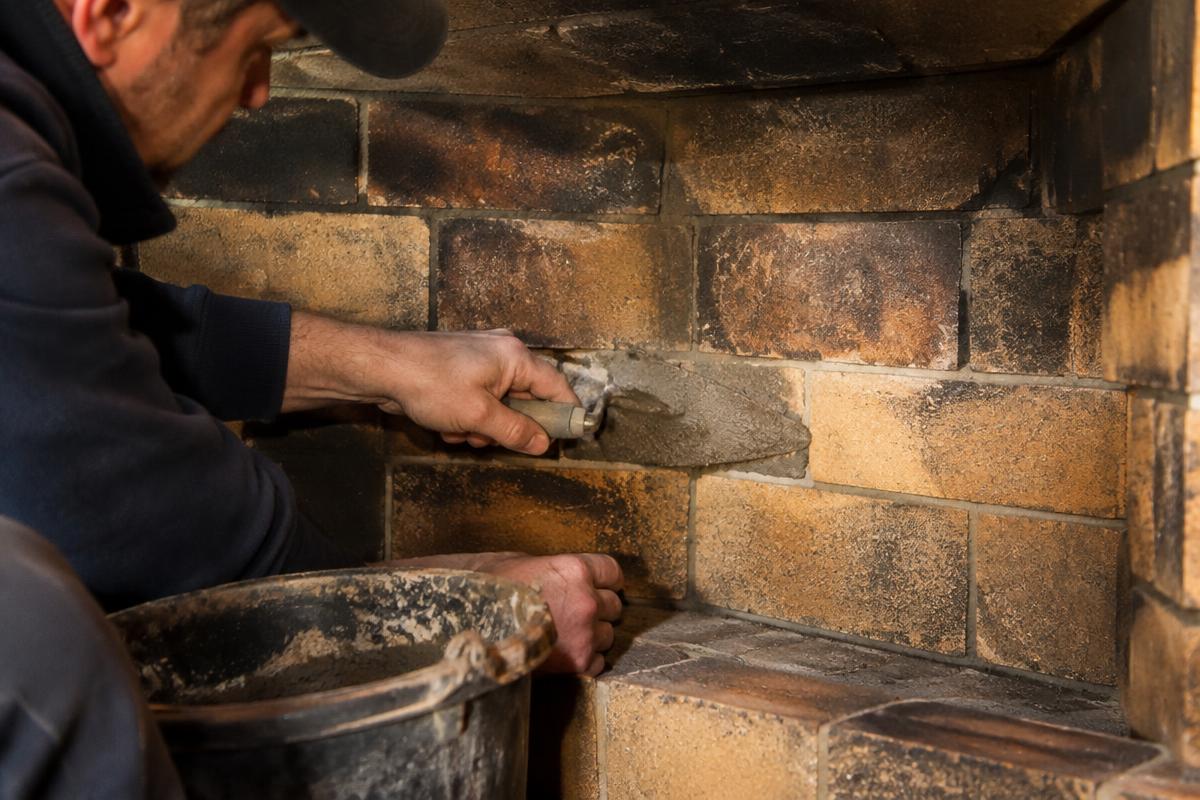
Dependable, practical fireplace troubleshooting and repair to bring steady warmth back to your Markham home.
Self-check
Warning signs you need fix non-working fireplace
Pilot Light Will Not Stay Lit
When you release the control knob and the pilot immediately snuffs out, a degraded thermocouple, dirty thermopile, or faulty safety shutoff valve is failing to detect the flame and sustain gas delivery safely.
Smoke Spills Back into Living Room
Smoke rolling across the mantel indicates a closed or warped damper, an obstructed chimney flue, severe creosote buildup, or a violent negative pressure draft reversal inside your home's living areas.
Persistent Gas or Chemical Odours
Smelling unburned natural gas, sulfur, or acrid electrical burning around your hearth demands immediate attention. Shut off the gas supply instantly; this indicates loose fittings, improper burner combustion, or melting control wiring.
Sluggish Burn or Low Yellow Flames
Lethargic gas flames or smouldering wood that refuses to burn hot suggest inadequate combustion air, blocked burner ports, restricted intake louvres, or poor chimney draft failing to pull fresh oxygen through the fuel bed.
Crumbling Mortar or Cracked Firebox
Loose firebricks, missing mortar lines, and fractured refractory panels expose adjacent combustible framing to direct heat. Homeowners should stop using damaged hearths until refractory surfaces are safely repaired or tuckpointed.
Unusual Clicking or Roaring Sounds
Rapid mechanical clicking without burner ignition points to faulty spark modules, while deep whistling or roaring sounds in the flue suggest turbulent airflow, downdrafts, or dangerous creosote ignitions in the chimney.
How Ontario Freeze-Thaw Weather Cripples Fireplace Function
Southern Ontario experiences severe weather volatility, with sub-zero blizzards frequently giving way to rapid mid-winter thaws. This continuous cycling places tremendous thermal stress on residential chimney structures and fireplace housings across Markham. Porous masonry materials like brick, clay flue tile, and mortar absorb ambient autumn moisture, snowmelt, and condensation. When temperatures drop below freezing overnight, trapped water expands by roughly nine percent, fracturing chimney crowns, displacing flue tiles, and weakening structural bonds.
As flue liners fracture or collapse inward from frost weathering, the critical draft passage becomes severely restricted. Dislodged terracotta fragments can block exhaust flow entirely, leaving homeowners with a fireplace that either fills the living room with smoke or fails to draw combustion air. In gas systems, fluctuating outdoor temperatures create heavy cold air plugs inside uninsulated exterior chimneys, pushing frigid air downward and preventing the natural upward buoyancy required for pilot lights to hold or main burners to establish.
Furthermore, melting ice dams and freeze-thaw cycles frequently compromise exterior chimney flashing, introducing hidden water leaks behind firebox walls. Water intrusion rusts cast iron dampers, seizes mechanical linkages, degrades electrical switches, and rots burner pans. Timely diagnostic repair stops seasonal moisture damage before external freeze-thaw punishment destroys delicate heating mechanisms, preserving the physical integrity of your chimney column and keeping cold outdoor air outside where it belongs.
- Thermal shock fracturing brickwork, chimney caps, and clay flue liners
- Severe cold air plugs preventing natural draft development in exterior flues
- Seized damper assemblies and rusted control linkages caused by water intrusion
- Structural flue obstructions resulting from moisture expansion and spalling masonry
Primary Causes Behind Sudden Fireplace Failures
Fireplace failures generally stem from three distinct categories: mechanical component exhaustion, airflow disruption, and structural degradation. In modern natural gas appliances, the most frequent offenders are faulty thermocouples, oxidized thermopiles, dirty pilot orifices, and worn wall switches. A pilot light that refuses to stay lit usually indicates a sensor that no longer generates the millivolt current needed to hold the safety valve open, shutting off gas flow completely to prevent uncontrolled leakage.
In wood-burning hearths, operational failures frequently involve airflow imbalances and blocked exhaust paths. A throat damper warped by excessive heat will fail to seal properly or refuse to open fully, choking the fire of vital oxygen and filling the home with caustic smoke. Dense creosote buildup, animal nesting materials, or fallen masonry can obstruct the chimney bore, while modern airtight home renovations often starve the hearth of makeup air, causing severe backdrafts.
Masonry deterioration inside the firebox itself can also render a system non-operational. Missing mortar between firebricks, deteriorated refractory panels, and loose lintel bars allow extreme heat to transfer into nearby combustible wall framing. Homeowners wisely shut these systems down when they notice crumbling mortar or smell burning dust. Our diagnostic process categorizes these distinct issues immediately, directing repairs toward the precise mechanical or structural failure point.
- Failing thermopiles, thermocouples, and electronic ignition modules
- Obstructed flues caused by creosote, bird nests, or detached clay tiles
- Warped, off-track, or seized cast iron throat dampers
- Cracked refractory firebox panels and deteriorated refractory mortar seams
Our Diagnostic and Inspection Process Explained
When you schedule a service call with Markham Chimney Services, we begin with a structured, ground-up inspection of the entire fireplace environment. We do not jump to conclusions or swap parts indiscriminately. Our technicians inspect the hearth extension, firebox chamber, damper controls, and accessible flue sections using high-output lighting and physical sounding tools. We assess mechanical clearances, verify clearance to combustible walls, and evaluate the physical condition of the heating structure.
For gas fireplaces, we conduct precision electrical and pressure evaluations. We measure millivolt output from thermal generators, test continuity across wall switches and remote receivers, and verify manifold gas pressures under load. For wood fireplaces, we check damper travel, evaluate chimney draft velocity, and search for structural compromises within the smoke chamber. Every observation is recorded clearly, allowing us to explain the exact mechanical failure without relying on confusing technical jargon.
Once our evaluation is complete, we outline our recommended repair steps directly to you. We explain which repairs are critical for immediate fire safety and which represent preventative measures to protect your system from future seasonal breakdowns. You receive a clear, upfront quote detailing labour and any necessary replacement parts, giving you full control over the scope of work before any physical repair tasks commence.
- Visual and physical evaluation of firebox walls, lintels, and hearth extensions
- Comprehensive electrical multimeter testing of millivolt circuits and switches
- Operational assessment of damper plates, chains, handles, and air controls
- Transparent written repair estimates outlining priority items and practical options
"I discovered odd odours coming from my chimney and booked a deodorizing treatment Downtown. They applied a specialized solution, sealed minor cracks, and eliminated the smell completely. My living room feels fresh again."
Our process
How we handle your fix non-working fireplace, step by step
- 1
Initial Physical & Mechanical Assessment
We examine the firebox, damper, pilot assembly, and visible flue paths, reviewing operational history and specific breakdown symptoms directly with the homeowner.
- 2
Component Testing & Draft Evaluation
Using multimeters, draft gauges, and inspection lights, we test electrical circuits, measure millivolt outputs, inspect gas lines, and verify upward chimney draft velocity.
- 3
Clear Diagnostic Review & Quote
We outline our diagnostic findings in simple terms, detailing needed repairs, replacement parts, and fixed labour pricing so you can make confident repair decisions.
- 4
Targeted Mechanical & Structural Repair
Our technicians replace faulty sensors, repair warped dampers, adjust burner manifolds, or mend refractory surfaces using professional tools and heat-rated materials.
- 5
Operational Testing & Safety Sign-off
We run full operational test cycles, check for gas leaks, confirm smooth draft exhaust, and verify nearby carbon monoxide alarm safety before departing your home.
Home Safety, Carbon Monoxide, and Best Practices
A malfunctioning fireplace is not merely an inconvenience; it poses tangible domestic safety risks if operated improperly. Fuel-burning appliances produce carbon monoxide, an invisible, odourless, and tasteless gas that displaces oxygen in the bloodstream. If a chimney flue is partially blocked, or if a gas fireplace burner experiences incomplete combustion, this toxic byproduct can spill directly into living spaces. Ensuring proper draft dynamics and reliable combustion chamber isolation is essential for household wellness.
In our repair and maintenance practices, we adhere strictly to established Canadian safety standards, following CSA guidelines and WETT-style best practices for solid fuel appliances without claiming direct institutional accreditations. We verify that venting clearances conform to provincial fire codes and that room air exchange rates support healthy combustion. Every fireplace should function as a secure heat exchanger, carrying exhaust gases safely above the roofline while radiating clean warmth into your home.
We also remind Markham homeowners that functional carbon monoxide and smoke alarms are legally mandated on every level of Ontario dwellings. During every diagnostic visit, we advocate for proper alarm placement outside sleeping areas and near the fireplace zone. If our inspection reveals conditions that could permit toxic backdrafting or structural fire spread, we advise taking the unit out of service immediately until corrective repairs are fully completed.
- Elimination of backdraft risks that push carbon monoxide into living quarters
- Adherence to provincial clearances regarding combustibles and hearth dimensions
- Verification of room air exchange capacity to prevent dangerous flue reversal
- Guidance on optimal carbon monoxide alarm placement and regular battery testing
Preventative Care Habits for Reliable Winter Fires
Consistent preventative maintenance prevents sudden mid-winter breakdowns when you need supplemental heating most. For wood-burning setups, fuel selection plays a monumental role in chimney health. Burn only seasoned hardwoods like maple, oak, or ash that have cured for at least six to twelve months. Burning unseasoned green firewood or construction lumber produces heavy water vapour and rapid creosote deposition, coating flues in sticky tar that restricts draft and fuels chimney fires.
For gas appliances, regular surface care prevents annoying ignition failures. Dust, pet dander, and household lint naturally settle around the burner tray and pilot assembly over the summer months. When cool autumn air arrives, attempting to ignite a dust-clogged pilot can scorch the igniter or coat the thermopile in non-conductive residue. Vacuuming the lower control compartment and scheduling professional burner cleaning before October prevents frustrating cold-weather lockouts.
Pay close attention to seasonal changes in your home's air pressure balance. Running powerful kitchen exhaust fans, clothes dryers, or continuous bathroom ventilators can create powerful negative pressure, pulling chimney exhaust downward into the room. Cracking an exterior window slightly when lighting a fire helps establish a stable upward draft, protecting your hearth from downdrafts and keeping your fireplace running smoothly all winter long.
- Burn exclusively seasoned native hardwoods with moisture content under twenty percent
- Keep gas control compartments clean of pet hair, dust bunnies, and household debris
- Operate dampers deliberately, verifying free rotation before striking any match
- Equalize household air pressure during initial fire startup to encourage chimney draft
Understanding Repair Costs and Budgeting Factors
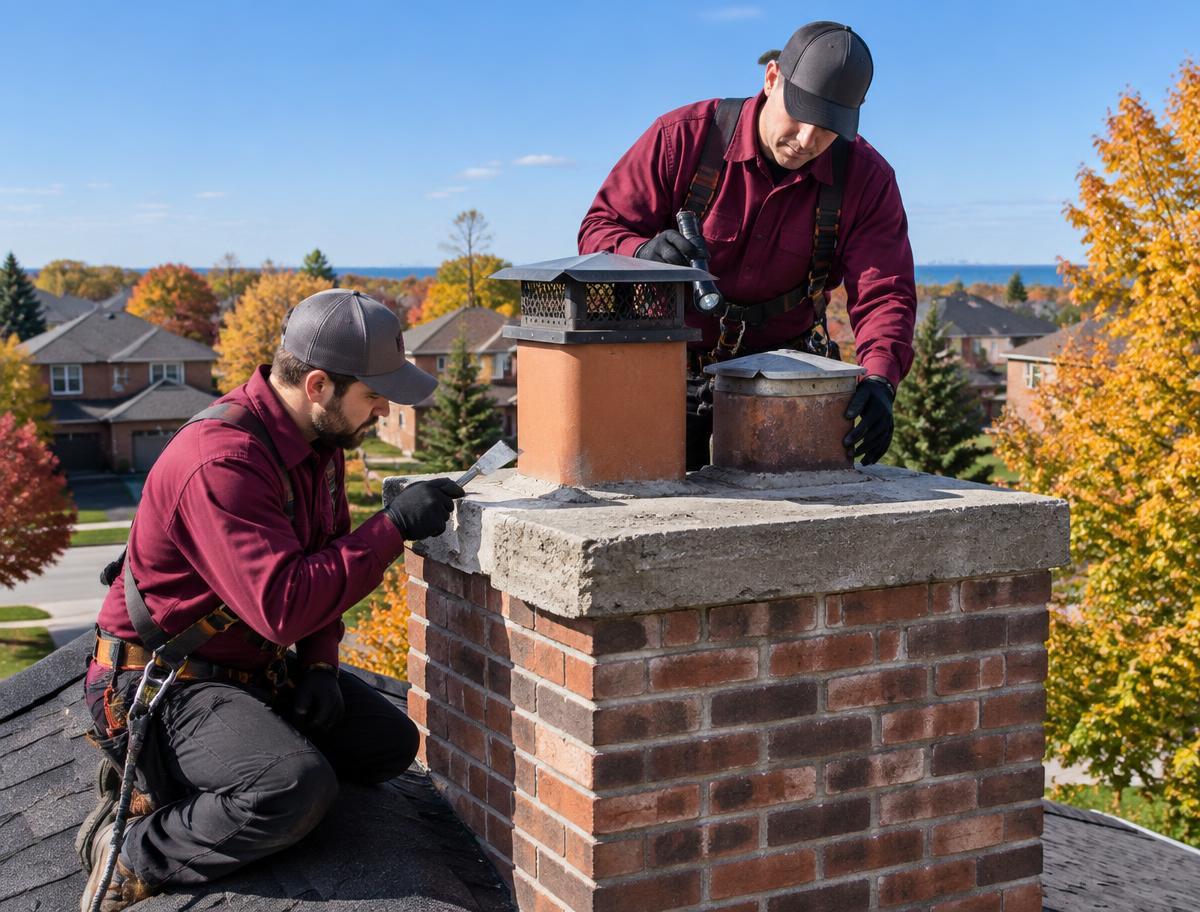
Fireplace repair costs vary according to the fuel type, system age, accessibility, and the underlying nature of the malfunction. Simple repairs, such as clearing a pilot orifice, recalibrating a damper, or replacing a standard wall switch, can usually be completed efficiently with minimal replacement parts. When problems involve internal electrical valves, fractured refractory brick, or deteriorated exterior masonry, material and labour commitments increase accordingly.
Accessibility plays a major role in project estimates across Markham homes. A fireplace located on a ground-floor living room with an easily accessible cleanout and straightforward flue design requires fewer staging hours than a multi-storey chimney traversing complex attic framing or steep roof pitches. Furthermore, sourcing authentic replacement components for older, discontinued gas inserts or legacy masonry setups can require specialist sourcing, directly affecting total repair outlays.
We believe in transparent, upfront estimates that itemize diagnostic fees, anticipated labour time, and required parts. By presenting clear repair options before initiating work, we help homeowners budget responsibly without fear of unexpected charges. Investing in timely, practical repairs restores safe fireplace function, protects home property values, and avoids the steep capital expense of premature fireplace teardowns and complete chimney rebuilds.
- Distinction between routine electrical switch fixes and heavy valve replacements
- Impact of chimney height, roof pitch, and access difficulty on labour time
- Availability and sourcing requirements for legacy or discontinued system parts
- Transparent written estimates outlining every phase before hands-on work begins
How to Choose a Reputable Fireplace Contractor
Hiring a tradesperson to work on your fireplace requires careful vetting, as improper repairs introduce real fire and carbon monoxide dangers to your family. Look for established local companies with a verifiable physical presence in the Markham community rather than transient fly-by-night operators who rely on high-pressure sales tactics. An honest contractor gladly explains their diagnostic methodology, provides detailed written invoices, and maintains appropriate commercial liability coverage.
Be cautious of service providers who immediately insist that your entire fireplace or chimney must be demolished and rebuilt without conducting an exhaustive internal inspection. Many non-working fireplaces simply require targeted component replacements, minor refractory repairs, or draft adjustments. A trustworthy specialist takes the time to demonstrate the failure point directly to you, walking you through the physical wear, sensor readings, or structural flaws causing the stoppage.
At Markham Chimney Services, we take pride in serving our neighbours with patience, integrity, and exceptional technical craftsmanship. We understand the unique architectural quirks of homes in Angus Glen, Markham Village, Bayview Glen, and surrounding pockets. When your fireplace stops working, our local team delivers steady diagnostics and dependable repairs designed to keep your home warm, secure, and worry-free.
- Verify local Markham physical operations and active commercial insurance coverage
- Avoid contractors who pressure you into complete teardowns without detailed evidence
- Insist on clear, upfront explanations of mechanical and structural fault points
- Select independent contractors who demonstrate extensive diagnostic experience
Average pricing in Markham
$189 – $650
- Inspection / diagnostic
- $129 – $189
- Typical time on site
- 1 to 3 hours typically
- Parts and materials
- Thermocouples, thermopiles, gas valves, pilot assemblies, dampers, and refractory panels quoted separately
- What moves the price
- Appliance type (traditional masonry wood-burning vs sealed natural gas unit) · Accessibility of chimney flue, roof cap, and internal mechanical controls · Availability and cost of manufacturer replacement parts for legacy units
Estimated local market range, not a quote. All estimates are in Canadian dollars and exclude 13% Ontario HST. Your exact price is confirmed before any work begins.