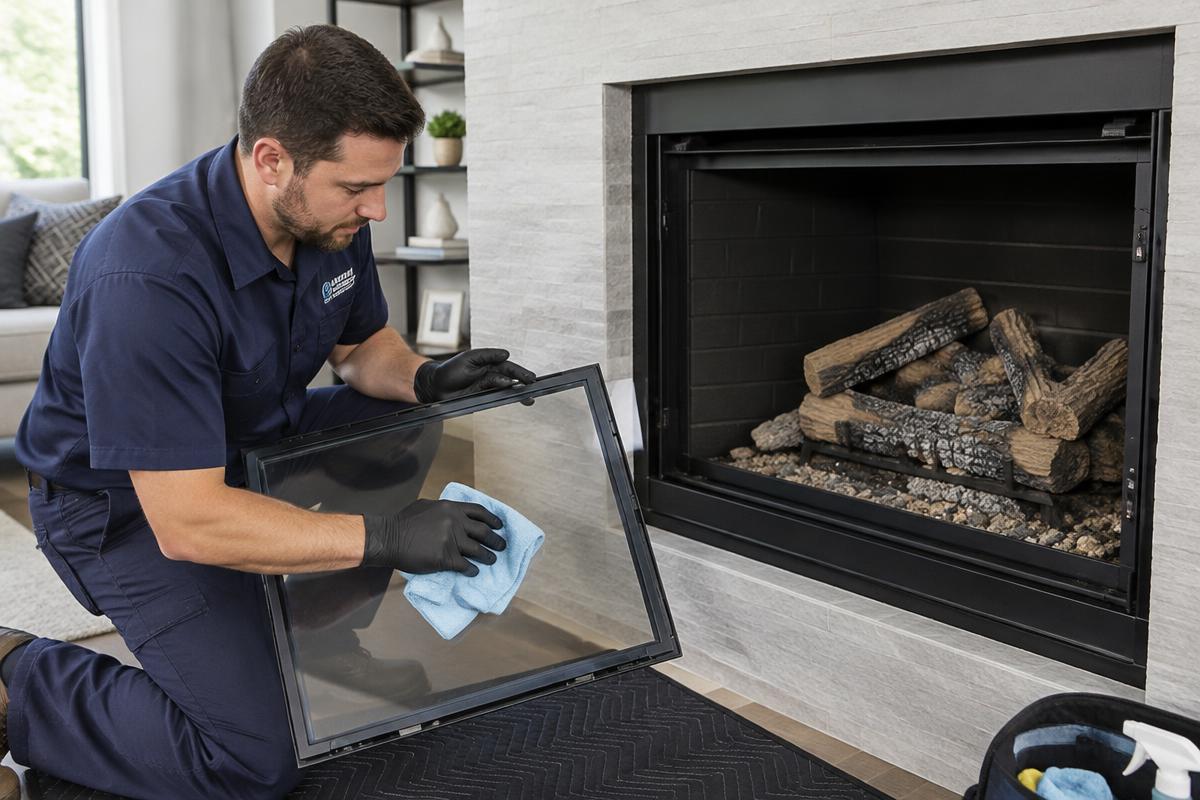

Hearthstone stoves and fireplace inserts are known for their exceptional thermal mass, blending heavy cast iron framing with natural soapstone panels to provide steady, radiant heat. In Markham, where cold winter fronts sweep down through the ravines and temperatures fluctuate wildly between December and April, these heating appliances become the heart of the home. When a Hearthstone appliance starts to act up, whether through a sluggish pilot light, cloudy glass, or weak combustion, you need specialized attention that respects its unique engineering. Markham Chimney Services provides focused, independent maintenance and repair across local neighbourhoods, keeping your living space comfortable and completely safe.
Because we are an independent service company, our recommendations remain entirely objective, focused strictly on the performance and safety of your specific appliance. We do not represent any single manufacturer; instead, we bring thorough trade knowledge of gas fireplace systems, venting dynamics, and radiant stone assemblies directly to your doorstep. From Unionville bungalows to newer builds near Angus Glen and the Greater Toronto Area, we ensure that your natural gas or propane Hearthstone unit operates cleanly, exhausts properly through shifting seasonal weather, and protects your household from combustion hazards. Proper seasonal attention ensures you enjoy steady, radiant heat all winter long.
Hearthstone Stoves Fireplace: visit summary
Hearthstone Stoves Fireplace: glass, burners, pilots and controls cleaned and serviced, then relit and flame-checked. Serving Markham and the Greater Toronto Area (GTA). The estimated local market range is $249 – $549, not a fixed company rate. The final scope and quote are confirmed before work begins.
| Estimated market range | $249 – $549. All estimates are in Canadian dollars and exclude 13% Ontario HST. |
|---|---|
| Typical time | 1.5 to 2.5 hours typical service duration |
| Price factors | Age and physical condition of soapstone joints and cast iron framework; Accessibility of direct-vent exterior pipe runs and rooftop terminations; Requirement for specialized replacement hardware or electronic ignition parts |
| Routine signs to discuss | Pilot Light Drops Out Repeatedly; Dense Black Soot on Glass; Persistent Sulphur or Gas Odour; Delayed or Loud Burner Ignition; Unusual Squealing from Convection Fan; White Etched Fogging on Ceramic Glass |
Understanding the Unique Build of Hearthstone Gas Stoves
Hearthstone appliances stand apart from conventional sheet-metal gas fireplaces due to their heavy construction and reliance on natural soapstone and architectural cast iron. Soapstone retains heat significantly longer than steel, absorbing caloric energy from the gas burner and releasing it slowly into your living room even after the burner shuts off. This thermal dynamic creates an exceptionally comfortable indoor environment, but it also means the internal components endure extended heat cycles that demand precise mechanical tolerances and clean venting.
Inside the combustion chamber, precision-milled burners, ceramic log sets, and pilot assemblies interact closely with the dense stone body. When cast iron expands and contracts against soapstone panels, the internal gaskets and seals must remain pliable and airtight to prevent exhaust gases from leaking into the room. If secondary air intakes or convection channels become obstructed with household dust or pet hair, the appliance cannot draft properly, which compromises heat transfer and burner efficiency.
Servicing these specialized units requires an understanding of how dense materials respond to gas combustion. Our independent technicians approach each Hearthstone unit with gentle, non-abrasive care, ensuring the structural stone remains unmarred while the mechanical gas valve, thermocouple, thermopile, and electronic ignition modules receive the rigorous cleaning, electrical testing, and calibration they need to perform reliably through the coldest months of the year.
- Natural soapstone construction provides prolonged thermal mass heating.
- Precision cast iron frames require careful inspection of structural seals.
- Internal gas trains and burner ports must be kept completely clear of debris.
- Convection channels need regular cleaning to prevent household dust scorching.
- Independent servicing preserves both mechanical reliability and aesthetic finish.
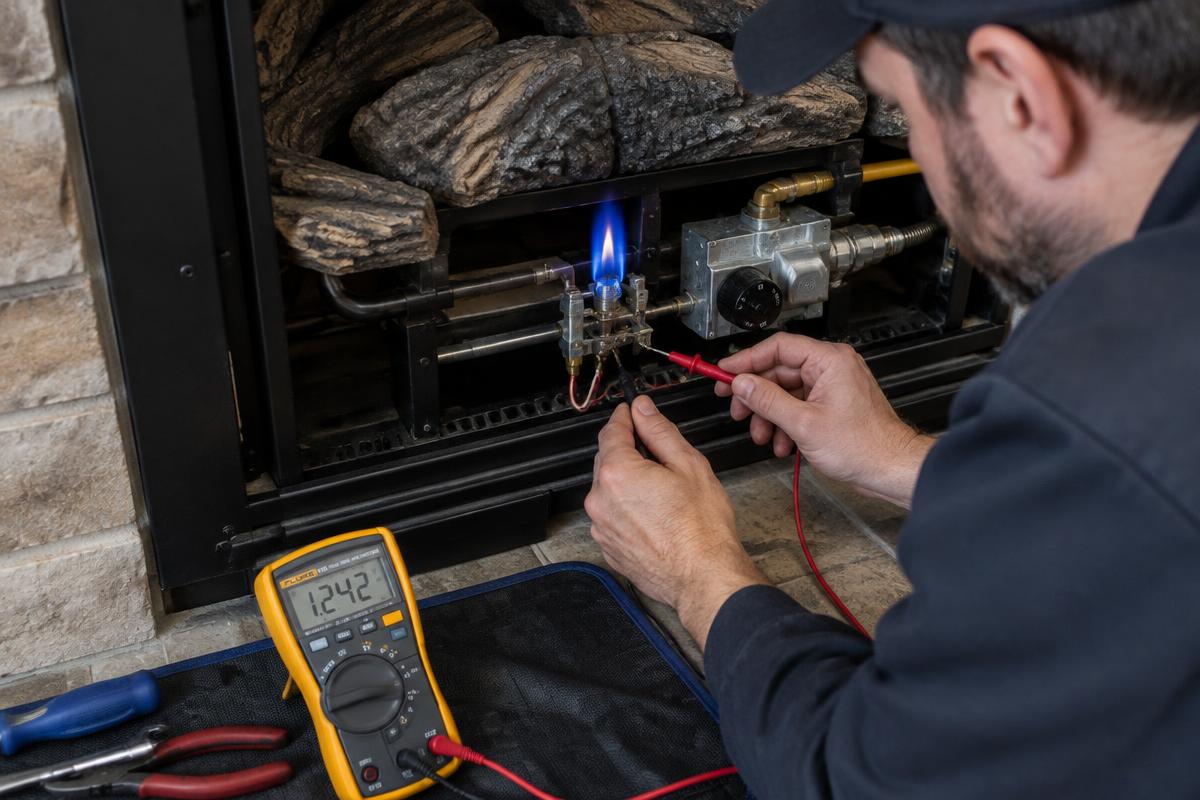
Reliable warmth and careful maintenance for your soapstone or cast iron Hearthstone stove in Markham.
Self-check
Warning signs you need hearthstone stoves fireplace
Pilot Light Drops Out Repeatedly
A standing pilot or intermittent spark that fails to hold usually indicates a worn thermocouple, oxidized flame sensor, or weak millivolt circuit requiring electrical testing and cleaning.
Dense Black Soot on Glass
Soot gathering across the glass or logs indicates incomplete combustion, misaligned burner orifices, or restricted airflow that must be corrected to prevent hazardous indoor air quality issues.
Persistent Sulphur or Gas Odour
Any smell resembling rotten eggs points to a possible raw gas leak along supply lines or internal valves. Shut down the gas supply immediately and call for professional service.
Delayed or Loud Burner Ignition
If the main burner delays before igniting with a sudden, loud pop, raw gas is accumulating before catching. This dangerous condition requires immediate cleaning of the pilot hood and burner ports.
Unusual Squealing from Convection Fan
High-pitched screeching or vibrating sounds from beneath the stove mean the blower bearings are clogged with household debris or drying out, risking total motor seizure if neglected.
White Etched Fogging on Ceramic Glass
A persistent white, milky film on the interior glass is caused by mineral byproducts in fuel. If not removed with dedicated cleaners, it permanently damages and clouds the ceramic view.
The Impact of Ontario Freeze-Thaw Cycles on Gas Fireplaces
Markham experiences intense weather shifts throughout the winter, moving rapidly from deep sub-zero freezes to wet, slushy thaws within a span of forty-eight hours. This continuous thermal cycling creates severe challenges for direct-vent and natural-draft gas fireplace systems. Cold outdoor air settles heavily into exhaust terminations, creating cold air plugs that can prevent your Hearthstone stove from establishing a clean, upward draft when you first switch it on.
Furthermore, the combustion process in a gas stove produces significant amounts of water vapour as a natural byproduct. During extreme cold snaps, this moisture can condense rapidly inside cold venting pipes before it ever escapes outside. If the exhaust vents run through an unconditioned chase or exterior wall, this acidic condensation can collect, running back toward the appliance or freezing solid inside the termination cap, which restricts vital airflow.
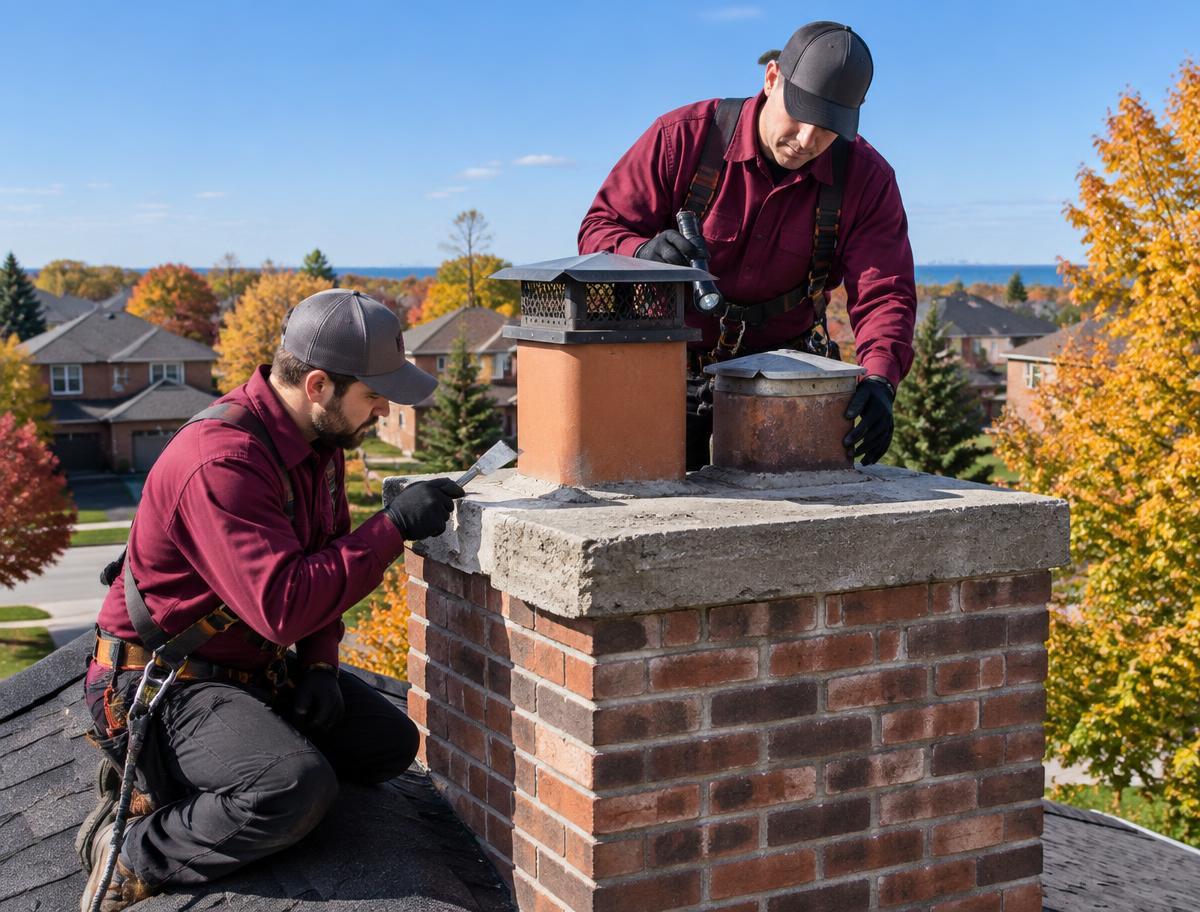
When vent pathways freeze or develop backdrafts, the appliance may shut down unexpectedly via its internal spill switch, or it may produce yellow, sooty flames that coat the soapstone and glass. Regular seasonal maintenance addresses these regional climate challenges by verifying draft integrity, sealing exterior penetrations against moisture intrusion, and ensuring that termination hoods remain unobstructed by windblown snow or hanging icicles.
- Rapid temperature swings create dense cold-air plugs inside exterior venting.
- Combustion water vapour can condense and freeze in cold venting pipes.
- Restricted exhaust airflow leads to burner lockouts and incomplete combustion.
- Windblown snow can pack into low-mounted direct-vent exterior caps.
- Annual venting checks safeguard your home against backdrafting risks.
Common Hearthstone Stove and Fireplace Complications
Over years of regular operation, even the most durable Hearthstone stove can develop subtle mechanical faults. One of the most frequent problems homeowners report is an erratic or failing pilot light. Whether your stove relies on a standing pilot or an intermittent electronic ignition module, small deposits of carbon or oxidation on the flame sensor can prevent the valve from opening, leaving you without heat on a freezing evening.
Another prevalent issue is white haze or dark soot gathering across the interior glass panel. White mineral film is a common consequence of chemical byproducts in natural gas, while dark, velvety soot indicates improper air-to-fuel ratios, misaligned burner ports, or shifting ceramic logs. Left uncleaned, these deposits can etch permanently into the ceramic glass, obscuring your view of the fire and signalling inefficient fuel consumption.
Internal blowers and convective heat exchangers also collect substantial debris over time. As cold air is drawn from floor level to circulate around the hot soapstone firebox, it pulls in pet dander, lint, and dust. This accumulation creates an unpleasant burning odour during the first autumn fires, insulates the stone from transferring heat, and places unnecessary electrical strain on the blower motor, eventually leading to squealing bearings or complete motor failure.
- Pilot lights that drop out unexpectedly or fail to spark during startup.
- Milky chemical haze or dark soot coatings forming on the ceramic glass.
- Ceramic ember beds settling out of place and blocking main burner ports.
- Convection blowers squealing, vibrating, or failing to push warmed air.
- Unpleasant odours caused by scorched household lint inside heat exchangers.
Our Methodical Inspection and Diagnostic Approach
When Markham Chimney Services visits your property, we treat your Hearthstone appliance with the meticulous attention it deserves. Our inspection process begins with a non-destructive visual and mechanical evaluation of the entire system. We inspect the soapstone panels and cast iron joints for structural integrity, ensuring that thermal movement has not compromised the appliance seals or loosened internal fasteners.
Next, we move to the gas delivery system and electrical controls. Using calibrated digital meters, we measure millivolt or microamp outputs from the thermocouple, thermopile, or flame rectification sensors. We test the main gas control valve under load, checking both incoming supply pressure and manifold operating pressure to ensure the burner receives exactly the volume of fuel specified by the manufacturer.
Finally, we assess venting safety and draft dynamics. We verify that the direct-vent pipe joints remain tightly secured, check the condition of the exterior termination cap, and confirm that the fireplace operates without spilling carbon monoxide or combustion gases into your living space. We record our findings clearly, explaining any minor wear or necessary adjustments in plain language so you can make informed decisions about your home heating.
- Comprehensive visual review of soapstone joints, gaskets, and cast iron.
- Digital electrical testing of pilot sensors, switches, and safety circuits.
- Fuel pressure verification to prevent over-firing or incomplete combustion.
- Inspection of exhaust venting routes and exterior direct-vent terminations.
- Transparent, plain-language diagnostic reports without technical jargon.
"I scheduled a full fireplace cleaning before winter. They used professional-grade tools to remove every trace of soot, tested airflow, and provided clear advice on maintenance. My hearth looks brand new and works flawlessly."
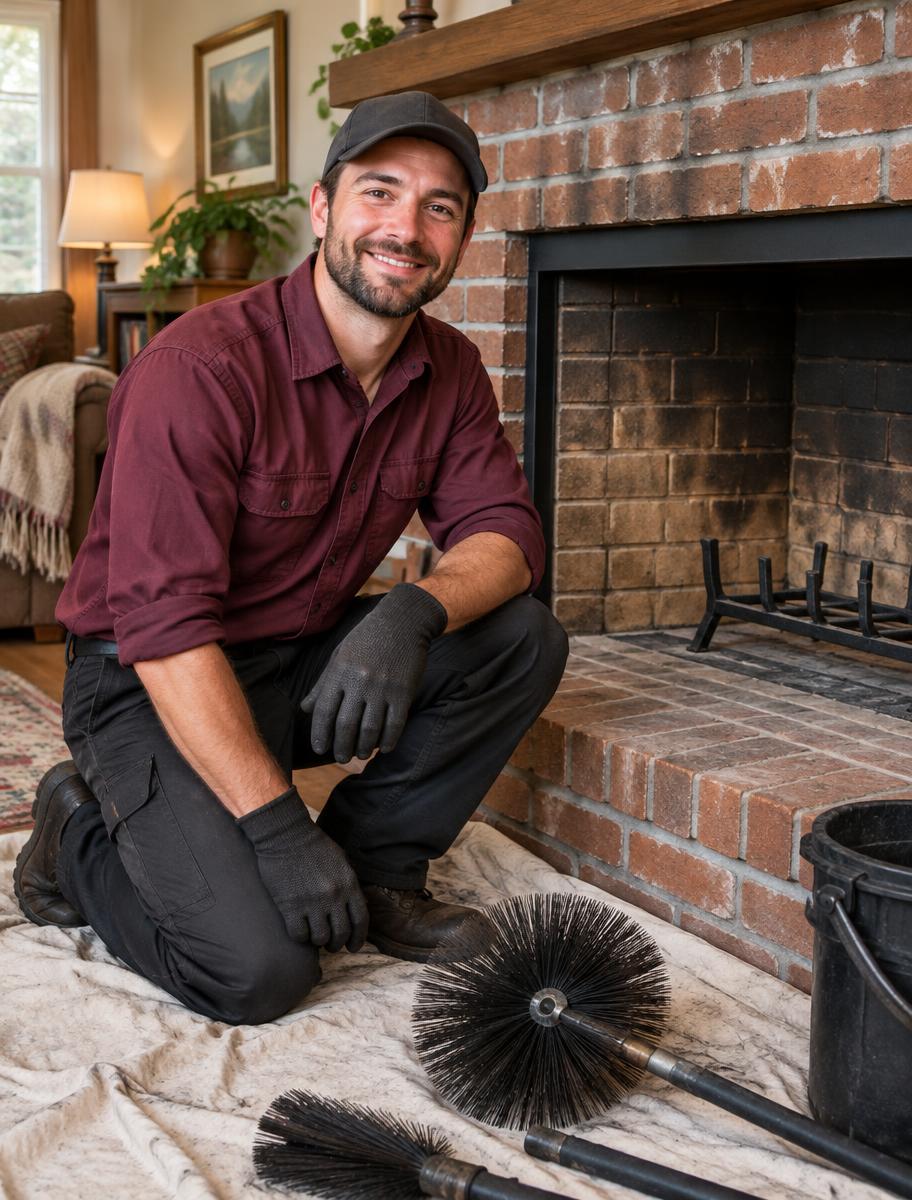
Our process
How we handle your hearthstone stoves fireplace, step by step
- 1
Initial Setup and Safety Isolation
We protect your flooring with heavy drop cloths, turn off the electrical supply, isolate the gas line, and inspect the exterior soapstone body for any visible thermal stress.
- 2
Combustion Chamber Disassembly
We carefully unlatch the cast iron door, remove the ceramic glass panel, and extract the log set and burner media, keeping careful track of factory positioning.
- 3
Deep Cleaning and Orifice Servicing
Technicians vacuum all firebox chambers, clear dust and lint from burner ports, scrub pilot assemblies, and clean convection channels to eliminate trapped debris and unpleasant odours.
- 4
Electrical Testing and Gas Pressure Checks
Using precision meters, we test sensor millivolt generation, inspect wire harnesses, verify valve drop-out voltages, and ensure incoming gas pressure meets exact operational standards.
- 5
Reassembly, Glass Polishing, and Live Burn
We re-seat the media, polish the ceramic glass, inspect gasket seals, fire the stove to check draft performance, and verify complete carbon monoxide safety.
Professional Cleaning, Tuning, and System Restoration
Restoring a Hearthstone stove to peak operating condition involves far more than simply wiping down the exterior. Our technicians carefully open the firebox using specialized tools, taking care never to damage surrounding decorative trim or scratch delicate stone surfaces. We remove the ceramic log set and ember materials, cataloguing their positions so they can be reassembled in strict alignment with combustion requirements.
Once the firebox is accessible, we dismantle and vacuum the main burner tubes, clearing out spider webs, dust, and carbon flakes that clog individual flame ports. The pilot assembly is deep-cleaned using micro-abrasive brushes to remove stubborn oxidation, ensuring instant ignition. We also inspect and condition door gaskets, replacing frayed tadpole seals to maintain the airtight boundary required for controlled combustion.
The ceramic glass is treated with dedicated, non-ammonia fireplace glass cleaner that removes cloudy silica films without scratching the surface. Before closing the unit, we clean the convection channels, service the blower assembly, and reposition the log set with fresh glowing ember material to restore that rich, radiant flame pattern. We conclude with a comprehensive live burn test to verify proper flame colour and heat distribution.
- Careful disassembly and delicate handling of soapstone-housed components.
- Deep mechanical cleaning of burner orifices, pilot tubes, and spark igniters.
- Specialized chemical cleaning of ceramic glass to remove hazy mineral films.
- Inspection and renewal of door gaskets and airtight firebox seals.
- Live burn calibration to achieve optimal flame aesthetics and thermal yield.
Safety Protocols, Gas Standards, and Carbon Monoxide Prevention
Gas-burning fireplaces provide wonderful comfort, but they also produce carbon monoxide, an invisible, odourless, and tasteless gas that poses serious health risks if venting systems fail. Because Hearthstone stoves are sealed combustion units, they rely on balanced pressure between incoming combustion air and outgoing exhaust. Any compromise in this balance can lead to backdrafting or exhaust leakage into your home.
Although we are an independent service company and do not claim direct manufacturer affiliations or specific institutional accreditations on this page, our work strictly follows recognized CSA standards and WETT-style safety principles. We use sensitive electronic gas sniffers to check every threaded union, valve connection, and flex line for minute leaks. We also verify that the firebox glass seals tightly, ensuring that exhaust gases have only one path: safely out through the flue.
We strongly urge every Markham homeowner to maintain working carbon monoxide detectors on every level of their residence, particularly near bedrooms and within the immediate living area where the gas stove operates. During every visit, we can help check the placement and operational readiness of your home alarms, providing total peace of mind that your family is completely protected while enjoying the fire.
- Electronic gas leak detection across all internal fittings and supply lines.
- Adherence to CSA-aligned safety parameters and WETT-style safety discipline.
- Verification of airtight glass clamping mechanisms and safety release latches.
- Guidance on optimal carbon monoxide detector placement throughout your home.
- Zero-compromise approach to combustion safety and exhaust gas management.
Practical Homeowner Care Between Professional Visits
While complex gas diagnostics and internal venting work must always be handled by knowledgeable professionals, there are several simple habits homeowners can adopt to keep their Hearthstone stove looking and functioning at its best. Soapstone is a naturally soft, talc-rich stone that should never be cleaned with harsh acidic or abrasive chemical household cleaners. A soft cloth lightly dampened with warm water is usually all that is needed to lift dust from exterior stone panels.
Keep the floor area surrounding the bottom intake louvers clean and free of heavy clutter, deep-pile carpets, or pet blankets. Restricting air intake under the stove starves the convection system and can cause internal temperatures to rise unnecessarily, stressing internal electrical controls and safety switches. Regularly vacuuming the perimeter of the stove helps prevent dust bunnies from being drawn into the warm air channels.
Never attempt to dismantle the gas burner, reposition the ceramic logs arbitrarily, or operate the appliance with cracked glass. The exact placement of each log is engineered to promote clean combustion and prevent carbon buildup; shifting a log by even a single centimetre can cause severe flame impingement and rapid sooting. If you notice unusual odours, clicking sounds without ignition, or delayed burner lighting, shut off the gas valve and schedule an inspection.
- Clean exterior soapstone gently using only warm water and soft microfibre cloths.
- Keep intake louvers clear of dust, pet hair, and household storage items.
- Never adjust ceramic logs or burning media without professional guidance.
- Inspect the glass visually before each use for micro-cracks or chipped edges.
- Shut off the unit immediately if you detect the distinct scent of mercaptan gas.
Selecting a Trustworthy Fireplace Professional in Markham
Choosing the right contractor to care for your Hearthstone gas appliance is an important decision for the safety and comfort of your home. You want a provider who takes the time to understand the specific engineering of heavy stone and cast iron appliances, rather than rushing through a generic five-minute dusting. A reputable technician will arrive with appropriate drop cloths, calibrated diagnostic gear, and a courteous, respectful approach to your living space.
Look for clear, upfront communication regarding diagnostic procedures, estimated labour times, and potential part replacements. A reliable service company will gladly explain what they are testing, show you worn components, and provide written estimates before undertaking extensive repairs. They should treat your property with respect, leaving your hearth spotless and answering all your operational questions with patience and clarity.
Markham Chimney Services operates right here at 4418 Highway 7 East, giving us a deep familiarity with the distinct architectural styles and heating needs of our local community. Whether your Hearthstone stove warms a classic home in Milliken or a modern family space in Cornell, we deliver dependable, transparent, and experienced service you can count on season after season.
- Look for dedicated familiarity with heavy soapstone and gas systems.
- Insist on clear, upfront explanations before any mechanical work begins.
- Confirm that technicians use calibrated gas and electrical testing equipment.
- Choose locally rooted professionals who respect your flooring and home.
- Prioritize clear communication, thorough documentation, and honest advice.
Average pricing in Markham
$249 – $549
- Inspection / diagnostic
- $149 – $199
- Typical time on site
- 1.5 to 2.5 hours typical service duration
- Parts and materials
- Replacement thermopiles, gas valves, high-temp door gaskets, and blower motors quoted separately
- What moves the price
- Age and physical condition of soapstone joints and cast iron framework · Accessibility of direct-vent exterior pipe runs and rooftop terminations · Requirement for specialized replacement hardware or electronic ignition parts
Estimated local market range, not a quote. All estimates are in Canadian dollars and exclude 13% Ontario HST. Your exact price is confirmed before any work begins.