A malfunctioning Heatilator fireplace can turn a cozy Markham winter evening into a frustrating, chilly ordeal in a matter of minutes. As the primary comfort focal point in many local living rooms, family dens, and master bedrooms, these units are engineered to deliver dependable supplementary heat during our bitter Ontario cold snaps. However, when the pilot light refuses to catch, the wall switch stops responding, or strange odours begin drifting into your living area, you need prompt, thoughtful care. Markham Chimney Services operates as an independent service company from our home base at 4418 Highway 7 East, offering targeted troubleshooting, mechanical maintenance, and technical repairs for homeowners facing unexpected heating disruptions across our local neighbourhoods.
Our approach centers on honest diagnostic evaluations, transparent recommendations, and meticulous technical handiwork that respects both your home and the mechanical tolerances of your gas appliance. While Heatilator units are recognized across Southern Ontario for their robust construction, aging electronic ignition modules, worn thermopiles, obstructed venting paths, and sticky gas control valves can cause performance to deteriorate rapidly. We examine the complete combustion and venting cycle, ensuring that every wire, burner port, and safety switch operates as the manufacturer intended. By addressing underlying wear rather than offering superficial adjustments, we help protect your household comfort, lower unnecessary utility draw, and keep your family safe throughout the deepest winter frosts.
Heatilator Fireplace Repair: visit summary
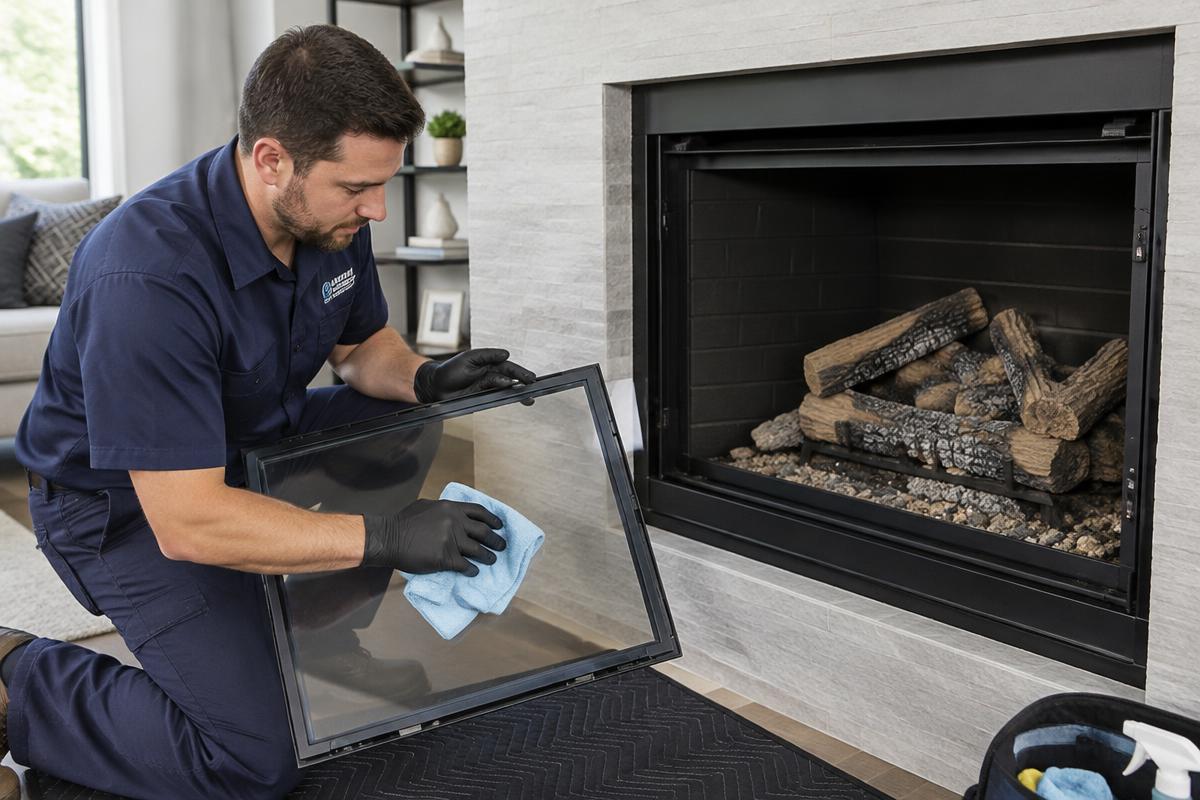
Heatilator Fireplace Repair: glass, burners, pilots and controls cleaned and serviced, then relit and flame-checked. Serving Markham and the Greater Toronto Area (GTA). The estimated local market range is $229 – $649, not a fixed company rate. The final scope and quote are confirmed before work begins.
| Estimated market range | $229 – $649. All estimates are in Canadian dollars and exclude 13% Ontario HST. |
|---|---|
| Typical time | 1 to 2.5 hours typical |
| Price factors | Whether the system uses a standing pilot millivolt valve or modern electronic intermittent ignition; Accessibility of the fireplace chassis, internal wiring harnesses, and external vent caps; Availability and cost of brand-compatible replacement parts for older discontinued models |
| Routine signs to discuss | Pilot Light Refuses to Stay Lit; Main Burner Delays Ignition; Persistent Gas or Chemical Odours; Screeching or Clattering Blower Noise; Heavy Black Soot on Logs or Glass; Wall Switch or Remote Inconsistency |
Understanding Dedicated Heatilator Gas Fireplace Repair
Heatilator has long stood as a household name in factory-built gas fireplaces, renowned for balanced heating chambers and sensible mechanical layouts. Repairing these appliances requires an appreciation for how their internal safety loops, millivolt switches, and electronic modules interact with modern household environments. Markham Chimney Services is an independent fireplace and chimney service company, meaning we are not an authorized brand dealer, nor are we beholden to specific manufacturer quotas. Our sole priority is diagnosing your existing hearth installation accurately, sourcing quality replacement components, and restoring smooth, reliable function without pushing unnecessary appliance replacements on homeowners whose units can be safely repaired.
A typical service appointment covers far more than relighting a stubborn pilot flame. Our independent technicians review the entire mechanical chain, including electrical conductivity across the wall switch, millivolt drop along thermocouple lines, gas manifold pressure, and burner aeration adjustments. Factory-built gas fireplaces operate under precise pressure differentials, and even small deposits of household dust, pet dander, or spider webs inside the primary air shutter can alter flame characteristics. We clean, align, and recalibrate internal components so your fireplace produces stable, clean flames that circulate balanced warmth throughout your living room.
Because these units often feature proprietary direct-vent terminations and specific log positioning charts, standard heating repairs do not always resolve subtle operational errors. Misplaced artificial ceramic logs can create heavy carbon buildup, while failing safety interlocks can prevent the main gas valve from pulling open. Our technicians carefully examine each operational parameter against established hearth industry protocols. By restoring proper combustion air intake, spark calibration, and exhaust exhaust flow, we help you enjoy steady warmth without the nagging worry of intermittent system shutdowns.
- Comprehensive diagnostic testing of pilot assemblies, switches, and remote modules
- Cleaning and calibration of primary aeration shutters and burner ports
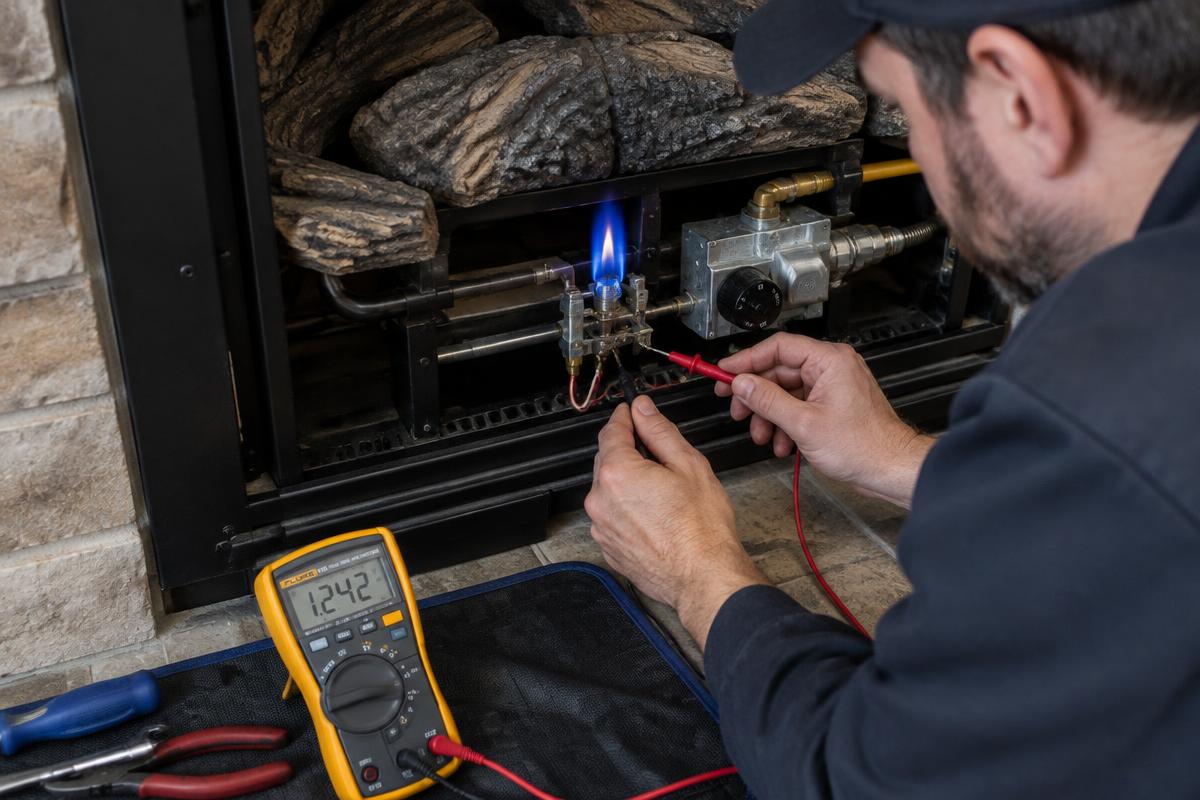
- Precision millivolt signal verification for dependable valve response
- Clear, independent technical advice tailored to your specific home layout
Restore steady warmth, clean ignition, and true peace of mind to your Markham living space this winter.
Self-check
Warning signs you need heatilator fireplace repair
Pilot Light Refuses to Stay Lit
If the pilot flame extinguishes the moment you release the control knob, the thermocouple or thermopile is likely oxidized or worn out, failing to generate the small millivolt current required to keep the main safety valve held open.
Main Burner Delays Ignition
A noticeable delay between turning on the switch and the burner igniting, often accompanied by a soft pop or mini-explosion sound, indicates clogged burner ports, misplaced ceramic logs, or an misaligned spark ignition probe.
Persistent Gas or Chemical Odours
Any smell of rotten eggs, sharp metallic burning, or strong exhaust fumes indicates an unburned fuel leak, cracked firebox seal, or severe venting obstruction that demands an immediate shutdown and emergency technician evaluation.
Screeching or Clattering Blower Noise
Loud whining, squealing, or rumbling coming from beneath the fireplace indicates that the convection circulation fan bearings are worn, contaminated with household dust, or vibrating loose from their internal chassis mounting brackets.
Heavy Black Soot on Logs or Glass
Dark carbon deposits coating the ceramic logs or inner glass pane mean the burner is starving for combustion air, artificial logs have shifted out of alignment, or fuel pressure is running significantly above manufacturer tolerances.
Wall Switch or Remote Inconsistency
When flipping your wall switch or pressing your handheld remote produces only intermittent flame responses, electrical resistance across aging wire terminals, corroded switch contacts, or a dying receiver module is interrupting the control circuit.
Why the Markham Freeze-Thaw Cycle Punishes Gas Fireplaces
The climate across Markham and the Greater Toronto Area brings rapid temperature swings that place direct mechanical stress on exterior venting systems. During late autumn and mid-winter, temperatures can rise above freezing during the afternoon and plunge into deep negative double digits overnight. This dramatic cycle causes exterior moisture to condense inside horizontal termination caps, creating ice blockages that choke incoming combustion air or trap combustion gases inside the venting run. When airflow drops below critical thresholds, modern Heatilator safety switches shut down the main burner entirely.
Moisture driven by wet snow and freezing rain also accelerates the oxidation of exterior vent seams, intake cowls, and rooftop flashing. If exterior seals fail, moisture can travel downward into the termination collar or behind exterior wall chase cavities. This unconditioned winter air cools the fireplace firebox rapidly when the unit is idle, resulting in heavy condensation forming on the inner glass door. Over time, this recurring condensation reacts with sulfur trace elements in natural gas, etching permanent white mineral haze onto the ceramic glass and corroding delicate electrical connections at the appliance base.
Sub-zero temperatures also create intense chimney effect pressures inside modern multi-storey Markham homes. Cold outdoor air pushes against the building envelope, causing reverse drafts down the fireplace exhaust flue when the unit is not burning. This freezing downdraft cools the pilot assembly and thermocouple, occasionally causing the standing pilot to blow out or tricking electronic flame sensors into failing safety checks. Our specialized repair strategies account for these environmental strains by ensuring your outer venting, gaskets, and draft mitigations withstand intense Canadian winters.
- Exterior vent termination checks to prevent ice accumulation and frost blockages
- Inspection of termination gaskets to guard against winter water intrusion
- Draft stabilization to counteract aggressive negative household pressure
- Protection of sensitive lower control trays from cold-air infiltration drafts
Primary Causes of Heatilator Ignition and Heating Failures
When a gas fireplace ceases working, the root problem typically stems from electrical resistance, fuel line impurities, or mechanical component wear. Standing pilot units rely on a thermoelectric phenomenon where the pilot flame heats a thermocouple and thermopile to generate minute electrical currents, measured in millivolts. Over seasons of steady operation, microscopic soot coats these probes, acting as an insulating blanket. Once the generated voltage drops below the threshold required to hold the internal solenoid valve open, the pilot extinguishes itself or the main burner refuses to engage when called.
Electronic ignition systems introduce different wear points, including fragile silicon igniters, intermittent wire harnesses, and sensitive control circuit boards. Power surges, seasonal humidity, and natural thermal cycling can cause solder joints on control modules to crack, leading to intermittent spark signals. Additionally, the micro-amperage flame rectification signal can be grounded prematurely if the burner pan develops rust or if the flame sensor shifts even a fraction of an inch from its factory specification, causing the fireplace to shut down seconds after lighting.
Mechanical moving components inside Heatilator fireplaces are equally vulnerable to long-term wear. Convection blowers, which circulate heated air around the sealed combustion chamber and into the living space, pull substantial volumes of carpet fibers, dust, and pet fur into their bearings. Without periodic maintenance, fan motors run hot, emit loud screeching noises, or seize entirely, tripping thermal limit switches. Similarly, aging gas control valves can suffer from dried internal diaphragms that stick in the closed position, starving the burner of natural gas even when switches call for heat.
- Oxidized thermocouples and thermopiles unable to maintain sufficient millivolt power
- Dust-choked blower fan assemblies causing motor hums and thermal safety cut-offs
- Corroded ground pathways interfering with delicate flame rectification electronics
- Internal gas valve diaphragm fatigue restricting proper gas manifold pressure
Our Multi-Point Diagnostic and Mechanical Repair Process
Markham Chimney Services approaches every fireplace call with structured diagnostic rigor. We do not engage in guesswork or swap expensive parts at random. When our technician arrives at your Markham home, the process begins with a complete visual inspection of the outer chassis, glass assembly, and surrounding hearth materials. We check for signs of heat stress, soot staining, or improper clearances to combustibles before turning on the fuel supply or manipulating any internal wiring harnesses.
Next, we isolate the appliance electrically and mechanically to perform precise meter readings. Utilizing digital multimeters and calibrated manometers, our technician measures pilot generator output under both open-circuit and closed-circuit load conditions. We measure incoming supply gas pressure and manifold working pressure to confirm that your gas meter, house piping, and appliance regulator are delivering the exact pressure required for clean combustion. We also test wall switches, remote receivers, and thermal switch loops for continuity and unwanted resistance.
Once the faulty component is pinpointed, we perform clean, lasting repairs using high-grade replacement parts designed for factory-built units. After reassembling the burner components, setting the artificial logs according to original factory blueprints, and cleaning the combustion chamber, we conduct thorough electronic leak checks and run the appliance through multiple heating cycles. We observe the burner across a full twenty-minute burn to verify steady flame color, absent sooting, smooth blower engagement, and faultless vent exhaust extraction.
- Metered electrical testing of safety loops, switches, and millivolt generators
- Calibrated manometer testing of supply and manifold gas pressures
- Combustion chamber vacuuming and precision log placement realignment
- Multi-cycle operational testing under realistic operating room temperatures
"I discovered odd odours coming from my chimney and booked a deodorizing treatment Downtown. They applied a specialized solution, sealed minor cracks, and eliminated the smell completely. My living room feels fresh again."

Our process
How we handle your heatilator fireplace repair, step by step
- 1
Arrival and Environmental Safety Review
We lay protective floor coverings, verify ambient room carbon monoxide levels, and visually inspect the outer chassis, glass frame, and clear air intake louvres.
- 2
Precision Electrical and Gas Diagnostics
Using digital multimeters and calibrated manometers, we measure open-load and closed-load millivolts, check circuit continuity, and measure dynamic fuel pressure at the valve.
- 3
Burner Chamber and Pilot Restoration
We vacuum accumulated lint, remove carbon buildup from the pilot orifice and spark sensor, clear burner ports, and inspect high-temperature ceramic firebox gaskets.
- 4
Component Repair or Strategic Replacement
Faulty thermopiles, gas control valves, electronic control modules, or noisy blower assemblies are replaced or refurbished using components tailored to factory-built specifications.
- 5
Live Combustion Testing and Handover
We ignite the system through multiple cycles, conduct an electronic gas leak check, calibrate flame aesthetics, and show you proper basic maintenance operations.
Safety Protocols, Gas Tightness, and Carbon Monoxide Prevention
Gas hearth appliances demand absolute vigilance regarding indoor air quality and combustion safety. A poorly tuned gas burner or a breached firebox gasket can release hazardous combustion byproducts, including carbon monoxide, into your living area. Although we operate as an independent service contractor without claiming special board endorsements or manufacturer approvals, we hold our field procedures to the most demanding Canadian gas safety and hearth industry installation standards. Your family's physical safety always stands at the forefront of every repair decision we make.
A critical focus of our repair protocol is the structural integrity of the ceramic glass assembly and silicone rope gaskets. Direct-vent Heatilator fireplaces rely on a completely sealed combustion loop that isolates indoor air from the firebox. If spring clamps become distorted, glass seals crack, or the door frame warps from excessive heat, room air is drawn into the burner while exhaust fumes can leak back into your home. We inspect all perimeter gaskets with specialized tactile and visual methods, replacing brittle or flattened seals before declaring a repair complete.
In addition to mechanical repairs, we advise every homeowner on the placement and testing of carbon monoxide detectors. Canadian building standards stipulate that working CO alarms should be installed on every sleeping floor and in close proximity to gas-burning appliances. During our visit, we verify that your fireplace area is free from combustible material encroachments and that surrounding walls remain within acceptable operational temperatures, ensuring your hearth appliance provides warmth without posing concealed fire hazards.
- Meticulous inspection of ceramic glass gaskets and spring-loaded latch assemblies
- Electronic gas sniffer testing across all interior fittings and valve connections
- Verification of zero exhaust spillage into the finished living environment
- Practical homeowner guidance on optimal carbon monoxide detector placement
Practical Homeowner Maintenance Between Professional Service Calls
While complex internal gas repairs and electrical troubleshooting must always be handled by experienced technical professionals, homeowners can take straightforward steps to preserve their Heatilator fireplace between service visits. The most impactful maintenance practice involves keeping the lower control louvres completely free of dust and debris. The open chamber beneath the firebox houses the gas valve, ignition module, and blower motor, making it a natural magnet for wandering pet fur and carpet lint. Using a soft vacuum brush attachment twice per heating season protects sensitive electronic connections from overheating.
Monitoring the condition of the ceramic glass door is another vital homeowner responsibility. Over months of use, a fine white or cloudy film often develops on the interior glass face due to moisture and minerals present in combustion gas. This film should only be cleaned using an ammonia-free, non-abrasive gas fireplace glass cleaner when the appliance is completely cold. Never use standard household window sprays, paper towels, or scouring pads, as ammonia can permanently bake into the ceramic glass and abrasive sheets can scratch the tempered surface, leading to thermal breakage under heat.
Pay close attention to seasonal changes in your pilot flame and burner appearance. If your unit features a continuous standing pilot, the small flame should burn bright blue with a light touch of yellow at the tip, wrapping securely around the top half-inch of the thermocouple. If the flame looks weak, wavers constantly, or exhibits a lazy, sooty orange appearance, shut the fireplace down and schedule a professional inspection. Catching early airflow or burner abnormalities prevents carbon buildup from ruining costly artificial ceramic log sets.
- Regularly vacuum lower louvres and blower motor housings with a soft brush
- Clean glass only with approved, non-abrasive gas hearth cleaners when cold
- Never use harsh household chemical cleaners or abrasive scouring pads on glass
- Observe pilot flame color periodically to identify weak combustion early

Understanding Repair Costs and What Affects Your Final Quote
Fireplace repair pricing should always be clear, fair, and free from hidden surprises. When booking a service call with Markham Chimney Services, homeowners receive a straightforward breakdown covering diagnostic evaluations, labour time, and any specialized replacement parts. Because Heatilator models span several decades of mechanical evolution, repair costs vary depending on whether your unit relies on a simple millivolt standing pilot system or an advanced microprocessor-controlled intermittent pilot ignition module.
Access is another important variable influencing repair scope. Fireplaces built into custom floor-to-ceiling millwork, recessed alcoves, or multi-storey external chases can require additional technician time to safely access electrical harnesses, exterior venting caps, or remote control receivers. Furthermore, older fireplace models may require specialty replacement components, such as discontinued mechanical gas valves or specific blower brackets, which require dedicated component sourcing compared to universal off-the-shelf hearth parts.
We believe in helping homeowners make sensible long-term financial decisions about their hearth appliances. If an older fireplace requires repairs that approach the financial cost of a complete unit changeover, our technicians will discuss those numbers openly. However, in the vast majority of cases, targeted repairs, such as replacing a worn pilot assembly, swapping out a seized blower motor, or clearing an obstructed pilot injector, restore the appliance to peak working order at a modest fraction of the cost of a full hearth renovation.
- Transparent billing covering systematic diagnostics, bench time, and parts
- Detailed explanations of replacement component options and longevity expectations
- Clear guidance on repair feasibility versus eventual appliance replacement
- Written itemized quotes provided before any major replacement work begins
Selecting a Trustworthy Independent Hearth Specialist in Markham
Hiring a tradesperson to work on natural gas appliances inside your home requires careful consideration. In Markham, homeowners should seek independent service companies that demonstrate deep familiarity with older factory-built chassis as well as current electronic systems. Look for contractors who take the time to explain what broke and why, rather than those who rush to replace parts without verifying the electrical or gas pressures behind the failure.
A reliable hearth technician should always arrive equipped with specialized diagnostic instruments, including digital multimeters, gas pressure manometers, and sensitive leak-detection sniffers. If a service person attempts to diagnose an intermittent gas issue by eye without taking voltage readings or verifying manifold pressures, they are guessing with your household safety. Professional tradespeople handle combustion systems with methodical care, maintaining clean work areas and protecting your floors with drop cloths.
Markham Chimney Services takes pride in serving our community from our local 4418 Highway 7 East address. Because we live and work alongside our clients, our reputation relies on genuine dependability, punctuality, and straightforward communication. When your Heatilator unit acts up in the middle of a deep January freeze, choosing a dedicated independent specialist ensures your home receives attentive, personalized service that keeps your hearth burning safely year after year.
- Prioritize technicians who use calibrated diagnostic instruments over guesswork
- Confirm that the contractor provides transparent, itemized written estimates
- Choose local service providers established within the Markham community
- Ensure your technician treats your home with care, using protective drop cloths
Average pricing in Markham
$229 – $649
- Inspection / diagnostic
- $149 – $199
- Typical time on site
- 1 to 2.5 hours typical
- Parts and materials
- Gas valves, thermopiles, pilot assemblies, fan blowers, and control modules quoted separately after diagnosis
- What moves the price
- Whether the system uses a standing pilot millivolt valve or modern electronic intermittent ignition · Accessibility of the fireplace chassis, internal wiring harnesses, and external vent caps · Availability and cost of brand-compatible replacement parts for older discontinued models
Estimated local market range, not a quote. All estimates are in Canadian dollars and exclude 13% Ontario HST. Your exact price is confirmed before any work begins.