
A malfunctioning gas fireplace quickly turns a cosy evening into a cold frustration, especially during the harsh Ontario winter months. Kingsman gas fireplaces are widely installed throughout Markham homes, prized for their contemporary styling and resilient direct-vent engineering. However, continuous heating cycles, mechanical wear, and aging electrical components can cause sudden ignition failures, mysterious burner shutdowns, or soot build-up on the ceramic glass. When your hearth ceases to function reliably, you need practical, accurate technical solutions that target the root cause without needless delays or generic troubleshooting.
Markham Chimney Services provides focused, independent repair and maintenance for your direct-vent or vented gas fireplace. Operating from our central location at 4418 Highway 7 East, we assist homeowners across neighbourhood enclaves such as Unionville, Bayview Glen, and the Annex. As an independent chimney and fireplace repair company, we are not a Kingsman dealer or manufacturer-affiliated service depot, which allows us to provide impartial, transparent assessments of your appliance. We combine meticulous gas appliance diagnosis with practical venting expertise to guarantee safe operation, clean combustion, and lasting peace of mind.
Kingsman Fireplaces Repair: visit summary
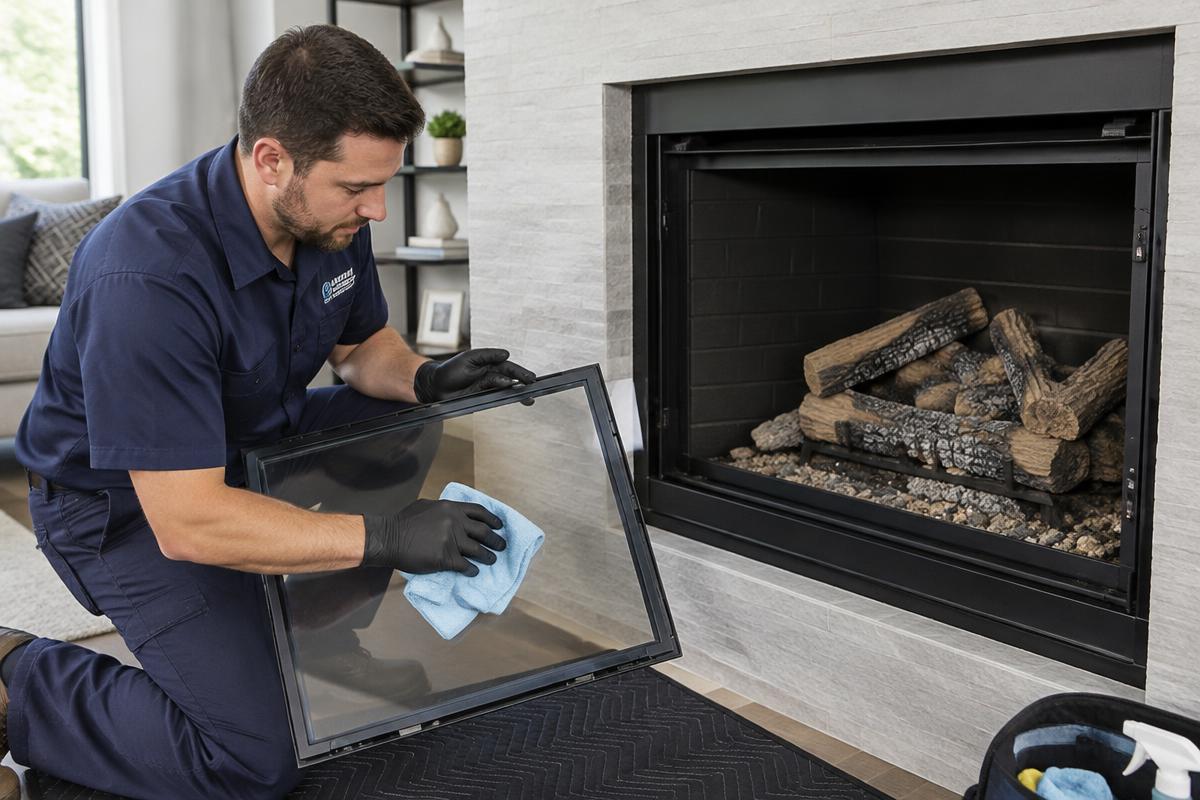
Kingsman Fireplaces Repair: glass, burners, pilots and controls cleaned and serviced, then relit and flame-checked. Serving Markham and the Greater Toronto Area (GTA). The estimated local market range is $220 – $580, not a fixed company rate. The final scope and quote are confirmed before work begins.
| Estimated market range | $220 – $580. All estimates are in Canadian dollars and exclude 13% Ontario HST. |
|---|---|
| Typical time | 1 to 2.5 hours typical service duration |
| Price factors | Whether the issue is electrical, mechanical valve failure, or venting blockage; Replacement parts required, such as specialized millivolt valves or blowers; Fireplace accessibility, direct-vent heights, and overall unit maintenance condition |
| Routine signs to discuss | Pilot Light Repeatedly Drops Out; Burner Fails to Ignite from Switch; Persistent Soot on Ceramic Glass; Unpleasant Gas or Burning Odour; Rattling or Screeching Blower Fan; Lifting or Ghosting Flame Pattern |
Understanding Your Kingsman Gas Fireplace System
Kingsman gas fireplaces are built around robust engineering principles, frequently utilizing millivolt control systems, SIT Nova valves, or modern electronic intermittent pilot ignitions. These systems rely on balanced gas pressure and precise millivolt electrical currents to manage the flow of natural gas safely. In direct-vent configurations, a sealed firebox draws outside combustion air while simultaneously expelling exhaust fumes through a coaxial or collinear pipe. This sealed environment protects indoor air quality while maximizing heating efficiency, keeping your living spaces free from draughts and combustion odours.
Because these units operate as sealed appliances, even minor irregularities can disrupt the entire combustion sequence. A weak thermopile generating slightly fewer than the necessary millivolts will cause the main gas valve to drop out unexpectedly. Similarly, minor variations in combustion air intake or gasket deterioration can result in an unstable flame pattern, carbon deposits, or erratic heat output. Comprehending how these mechanical and electrical assemblies interconnect is essential for diagnosing failures accurately without guessing or replacing functional components needlessly.
Markham Chimney Services approaches Kingsman repairs from an independent engineering viewpoint. We inspect the interplay between the fuel delivery system, the ignition assembly, the electrical control module, and the structural venting. Because Kingsman units utilize high-grade industry standard components alongside proprietary firebox layouts, our technicians focus on testing electrical continuity, measuring actual gas manifold pressures, and evaluating physical tolerances. This careful approach ensures your hearth operates according to Canadian safety baselines without relying on superficial adjustments.
- Direct-vent sealed combustion systems maintaining stable indoor air purity
- SIT gas control valves controlling both pilot flow and burner capacity
- Millivolt generators and thermocouples creating micro-current electrical safety circuits
- Intermittent pilot ignition modules reducing idle fuel consumption during off cycles
- High-temperature ceramic glass panels retaining radiative heat securely
Restoring quiet comfort, dependable ignition, and safe heating to your home before winter arrives.
Self-check
Warning signs you need kingsman fireplaces repair
Pilot Light Repeatedly Drops Out
The pilot flame refuses to stay alight after releasing the knob, or shuts down intermittently. This indicates an oxidized thermocouple, failing valve magnet, or clogged pilot orifice preventing steady electrical current.
Burner Fails to Ignite from Switch
The pilot burns cleanly, but flipping the wall switch or remote control produces zero burner response. This usually stems from low thermopile voltage output, oxidized switch contacts, or damaged low-voltage wiring.
Persistent Soot on Ceramic Glass
Dark carbon soot collecting across ceramic glass or logs indicates incomplete combustion. Improper air shutter adjustment, misaligned ceramic logs, or restricted direct-vent air circulation often create this dangerous fuel-rich environment.
Unpleasant Gas or Burning Odour
A sharp, sulfur gas scent or chemical burning smell that persists past startup requires immediate shutdown. This warns of unburned gas leakage, compromised firebox gaskets, or burning dust insulating electrical components.
Rattling or Screeching Blower Fan
Loud whining, clicking, or vibrating noises from beneath the firebox indicate convection fan failure. Worn motor bearings or impeller blades clogged with pet fur cause noise and restrict heat distribution.
Lifting or Ghosting Flame Pattern
Flames that float, pull away from the burner tray, or burn translucent and pale indicate improper venting draft. This dangerous condition signals blocked fresh air intake or severe exhaust back pressure problems.
The Impact of Ontario Freeze-Thaw Cycles on Gas Fireplaces
The climate across Markham and surrounding regions features punishing winter temperature swings. Rapid transitions from sub-zero freezes to sudden damp thaws put tremendous thermal and physical stress on external direct-vent terminals. When freezing rain, blowing snow, and sleet coat the outdoor termination hood, the delicate balance between air intake and exhaust exhaust expulsion is severely compromised. If cold winds penetrate the outer flue sleeve, severe convection can cool the firebox rapidly, creating stubborn cold air pockets that prevent initial ignition.
Furthermore, moisture expansion during freeze-thaw cycles often degrades the structural caulking surrounding the exterior wall penetration. Melting snow can seep into unsealed gaps, causing hidden masonry damage or framing rot around the direct-vent exit. Inside the vent run, rapid condensation can develop when scorching exhaust gasses meet frigid metal pipes. This acidic moisture trickles downward toward the firebox, gradually corroding draft hoods, pilot mounting brackets, and electrical wiring terminals located beneath the burner tray.
Our local climate also exposes mechanical components to significant seasonal humidity during late autumn and early spring. Moisture suspended in damp basement air or drawn through exterior vents promotes oxidation on millivolt contact spade connectors, pilot orifice hoods, and burner ports. Addressing these weather-induced vulnerabilities requires more than simple interior cleaning; it demands a thorough evaluation of the external termination cap, vent pitch, and moisture mitigation barriers to withstand Ontario winter conditions.
- Exterior vent terminations vulnerable to heavy snowfall and ice build-up
- Corrosive condensation dripping internally from rapid flue temperature drops
- Cold air drafts cooling internal gas valves and causing sluggish pilot ignition
- Deteriorating exterior wall flashing letting moisture infiltrate building envelopes
- Seasonal humidity corroding subtle micro-electrical terminal connections
Common Kingsman Fireplace Complications and Failures
One of the most frequent service calls we receive involves a pilot light that lights momentarily but extinguishes the instant the control knob is released. In a Kingsman fireplace, this symptom typically indicates an oxidized thermocouple or a failing electromagnet within the safety valve. If the thermocouple cannot produce thirty millivolts under heat, the internal safety magnet drops out to shut down the gas supply. While homeowners often suspect a broken valve, a corroded pilot hood or dirty sensor is often the actual culprit.
Another prevalent issue is the main burner failing to light despite an active pilot flame. When the wall switch or remote control is activated, the thermopile must supply sufficient millivoltage under load to pull the main burner solenoid open. Dust buildup, pet hair accumulation, or carbon fouling on the thermopile can reduce voltage output below operational thresholds. Alternatively, faulty wall switches, corroded low-voltage wire runs, or failed rocker switches can introduce electrical resistance that prevents the burner from igniting.
We also regularly encounter noisy convection blowers, deteriorating firebox gaskets, and ghosting flame patterns. A blower vibrating aggressively usually suffers from dust-caked impeller fins or worn dry bearings from years of unmaintained heat circulation. Ghosting flames, where the fire separates from burner ports and floats erratically, point toward critical venting restrictions or defective glass rope gaskets. Such conditions require swift, professional intervention to prevent incomplete combustion and soot production inside your home.
- Pilot flame refusing to remain lit due to failing thermocouple micro-currents
- Main burner failing to engage when wall switch or remote is toggled
- Excessive white haze, carbon, or thick soot accumulating on ceramic glass
- Rattling or squealing convection blower fans vibrating underneath the firebox
- Lifting, ghosting, or floating yellow flames caused by compromised ventilation air
Our Methodical Inspection and Diagnostic Process
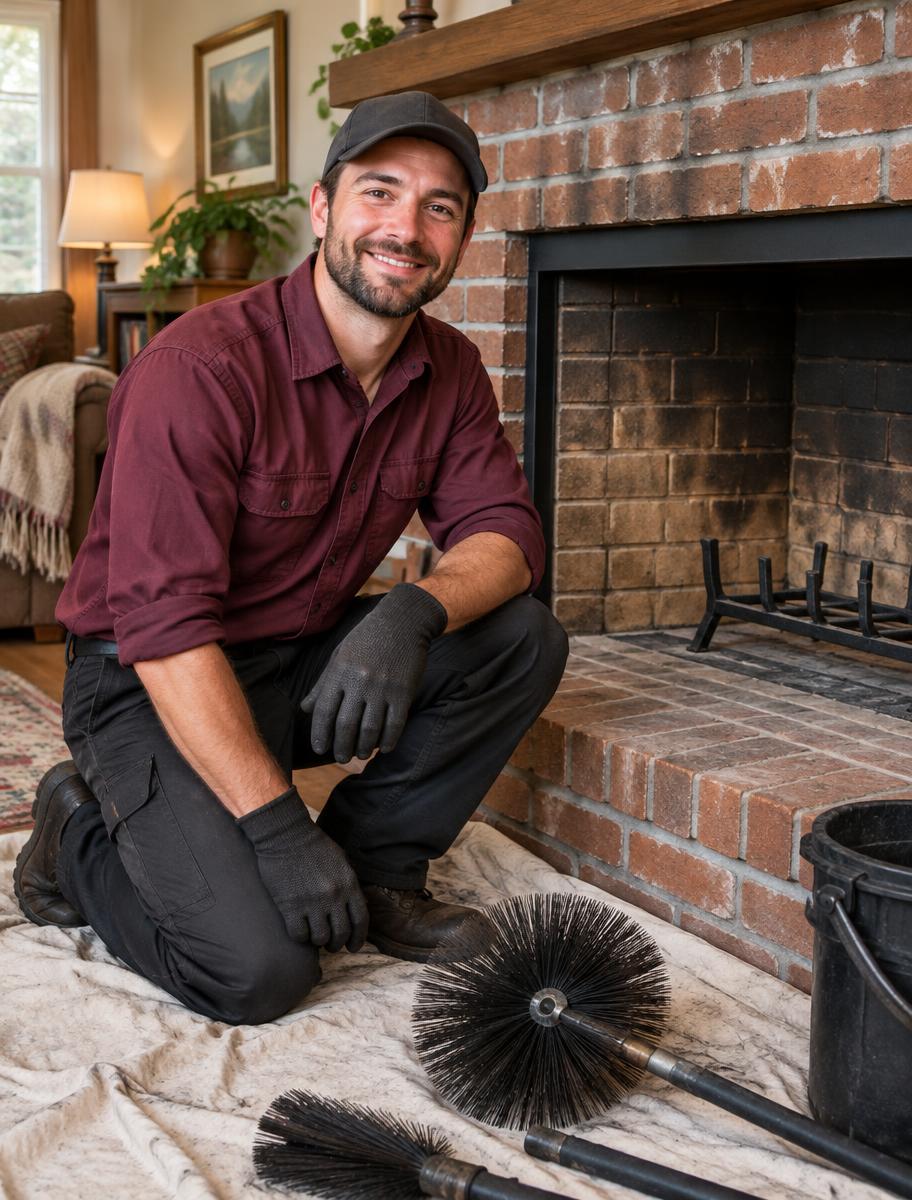
When Markham Chimney Services arrives at your home, we initiate a step-by-step diagnostic sequence rather than jumping straight to part replacements. We begin by setting up protective drop cloths to safeguard your hardwood flooring, carpets, and hearth surrounds. Our technician visually assesses the exterior glass assembly, inspects the log placement against the original installation layout, and checks for signs of thermal fatigue or gasket leakage around the perimeter of the firebox.
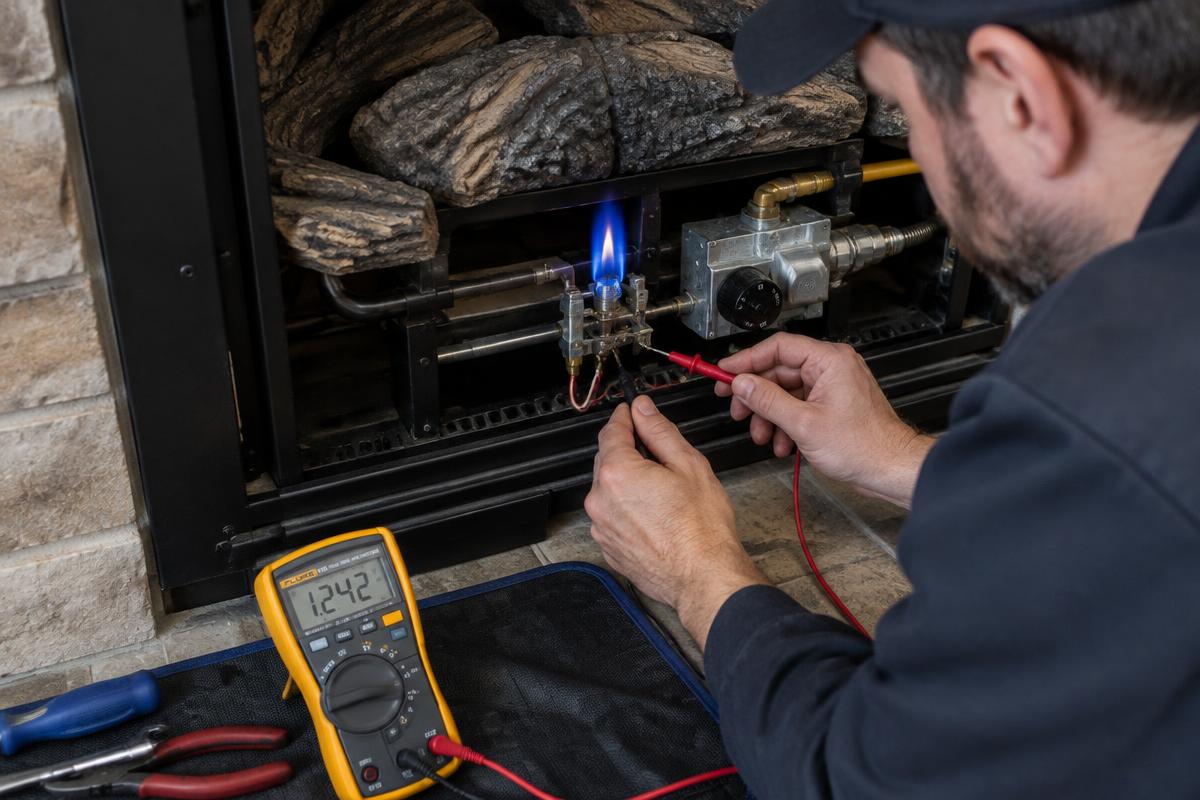
Next, we employ sensitive digital multimeters to measure both open-circuit and closed-circuit millivolt outputs across the thermocouple, thermopile, and control switch circuits. By testing the electrical circuit under actual operating load, we isolate whether a failure stems from a degraded sensor, a faulty switch, or high resistance in the wiring harness. We also utilize digital manometers to measure both incoming gas supply pressure and burner manifold pressure, confirming the appliance receives precise fuel volumes specified by the rating plate.
Our diagnostic phase concludes with an examination of the combustion chamber, burner ports, and venting integrity. We remove the burner pan to inspect for rust scale or spider webs clogging the air shutter, both of which drastically upset fuel-air mixing. We also inspect the exhaust path to ensure the direct-vent pipe has not shifted, sagged, or become obstructed by exterior debris. This comprehensive approach provides an accurate blueprint for repairs, preventing repeat breakdowns.
- Full electrical analysis of thermocouple, thermopile, and low-voltage wiring
- Digital manometer gas pressure testing for supply and manifold accuracy
- Inspection of burner venturi tubes and air shutter adjustments
- Verification of direct-vent draft, termination clearances, and intake pathways
- Careful assessment of firebox ceramic glass rope gaskets and latch tension
"I needed a new chimney cap. The installer arrived in Angus Glen, walked me through cap options, and fitted the perfect one with care. Cleanup was spotless and now I feel protected against rain and pests."
Our process
How we handle your kingsman fireplaces repair, step by step
- 1
Initial Safety and Site Setup
We place floor runners, confirm the gas supply status, remove protective safety screens, and perform a preliminary ambient gas leak scan around the unit.
- 2
Diagnostic Electrical and Pressure Testing
Using digital multimeters and manometers, we evaluate thermocouple and thermopile millivolt output, test wall switch continuity, and record incoming and manifold gas pressures.
- 3
Disassembly and Precision Cleaning
We remove ceramic logs, clean blocked burner ports, clear the pilot orifice hood, and vacuum out accumulated debris within the lower valve compartment and blower.
- 4
Component Repair and Gasket Verification
Defective components such as valves, thermopiles, or ignitors are replaced, burner shutters are adjusted, and firebox glass rope gaskets are checked for an airtight seal.
- 5
Operational Burn and Draft Testing
We reinstall the glass assembly, fire the appliance through multiple heating cycles, verify proper draft venting, and confirm seamless ignition from your remote or wall switch.
Gas Safety, Carbon Monoxide, and Vent Integrity
A functioning gas fireplace offers wonderful warmth, but any appliance burning fossil fuels presents inherent safety risks if neglected. Incomplete combustion generates carbon monoxide, an invisible, colourless, and odourless gas that poses severe health hazards. Direct-vent Kingsman units are engineered to prevent exhaust from entering your living space, but this protective barrier depends entirely on an airtight firebox seal and unobstructed venting runs. If glass clips loosen or ceramic gaskets fray, flue gases can slowly leak into room air.
We treat combustion safety as our absolute highest priority on every job. Our technicians carry specialized electronic combustible gas detectors to sniff for minute fuel leaks along gas supply lines, shut-off valves, and internal fitting junctions. We also review the positioning and functionality of your household carbon monoxide alarms. Canadian safety best practices dictate that working CO alarms should be installed on every level of the home, particularly near sleeping quarters and rooms with fuel-burning appliances.
Direct-vent pipes running through interior chases, bulkheads, or attic spaces must also retain proper thermal clearances from combustible wooden framing. During our service visits, we evaluate visible vent paths to confirm that pipes remain securely fastened, joint bands are tight, and no thermal heat damage is apparent on adjoining surfaces. Ensuring absolute vent integrity guarantees that all hazardous combustion by-products exit your residence safely, maintaining clean indoor air quality.
- Electronic combustible gas leak detection around all mechanical pipe fittings
- Assessment of firebox perimeter rope seals to prevent indoor exhaust spillage
- Guidance on optimal carbon monoxide detector placement and testing routines
- Verification of structural clearances between venting pipes and interior framing
- Combustion flame analysis to confirm clean burning without carbon buildup
Adhering to Resilient Heating and Fire Safety Standards
Gas fireplace maintenance requires strict adherence to established safety codes and technical procedures. In Ontario, natural gas appliances must comply with provincial gas installation codes and fire safety regulations. As an independent service company, we model our procedures after established national benchmarks such as CSA B149.1 (the natural gas and propane installation code) and standard WETT-style safety evaluation principles, ensuring every repair meets rigorous industry benchmarks without claiming direct corporate associations.
When replacing mechanical components such as SIT valves, thermopiles, high-limit switches, or pilot assemblies, we source parts that strictly match original mechanical specifications. Using non-compatible or generic components can alter gas flow rates, produce unbalanced flames, or void safety shut-off systems. Every electrical connection is crimped, secured, and shielded properly to endure the intense ambient heat generated behind the fireplace louvres.
Furthermore, firebox clearances cannot be overlooked. Homeowners frequently install floating mantels, electronics, or custom millwork above their Kingsman fireplaces without checking thermal clearance guidelines. During our service evaluations, we check clearance distances between the radiant opening and nearby combustibles. Ensuring your fireplace setup follows these rigorous safety standards protects your investment and ensures your home remains thoroughly protected against fire hazards.
- Alignment with CSA B149.1 gas code safety and venting directives
- Application of WETT-style solid inspection practices for safe clearances
- Use of technically matched replacement parts matching factory specifications
- Rigorous verification of combustible mantel and wall finishing clearances
- Precision calibration of air shutters to prevent fuel-rich burning conditions
Homeowner Preventive Care and Seasonal Maintenance
While complex gas work and internal diagnostics require an experienced technician, Markham homeowners can take practical steps to preserve their Kingsman fireplace between service visits. First, maintain a strict habit of seasonal visual checks. Before turning on the fireplace in late autumn, inspect the exterior vent termination cap to ensure falling autumn leaves, bird nests, or dense shrubbery have not blocked the air intake or exhaust ports.
Inside your living room, pay careful attention to the ceramic glass panel. Over time, volatile compounds from burning gas leave a milky white haze on the interior glass surface. If allowed to bake on over multiple seasons, this sulfur film can permanently etch the ceramic material. Use only specialized, non-abrasive gas fireplace glass cleaner; never use standard household ammonia glass sprays, as ammonia reacts chemically with ceramic glass under heat and causes permanent clouding or micro-cracking.
Lastly, keep the lower mechanical cavity beneath the firebox completely clear of dust, pet fur, and stored objects. Dust bunnies drawn into the lower louvres will coat the thermopile wiring, pilot lines, and blower motor, producing a burning smell upon ignition and causing blower bearings to seize prematurely. Vacuuming this cavity gently using a soft brush attachment twice each winter significantly extends the operating life of your control valve and fan components.
- Clean ceramic glass panels exclusively using approved gas fireplace cleaner
- Regularly vacuum pet hair and household dust from the lower control cavity
- Clear drifting snow, ice sheets, and garden debris away from outside vents
- Replace remote control and receiver backup batteries at the start of autumn
- Monitor flame colour, looking for crisp blue bases with steady golden tips
Choosing the Right Gas Fireplace Specialist in Markham
Finding an honest, skilled technician to repair your Kingsman fireplace should not feel like a gamble. When evaluating heating contractors, look for companies that demonstrate transparent diagnostic processes and specialized fireplace knowledge. Fireplace repair is fundamentally different from servicing central forced-air furnaces; it involves delicate aesthetics, decorative ceramic logs, micro-current electrical systems, and architectural direct-vent runs that require dedicated hearth expertise.
Beware of service providers who suggest replacing the entire fireplace without conducting basic multimeter and manometer tests. Many Kingsman units that appear dead simply require a thorough pilot assembly rebuild, a new wall switch, or burner port cleaning. A dedicated fireplace professional will walk you through the diagnostic readings, clearly explaining why a component has failed and presenting straightforward repair choices before performing any billable work.
Choosing a neighbourhood specialist based in Markham ensures prompt, accountable service when winter weather strikes. Serving homeowners across Markham neighbourhoods and the broader GTA, Markham Chimney Services operates from our office at 4418 Highway 7 East. Our independent approach means our loyalty rests with you, the homeowner, rather than high-pressure sales quotas. We take pride in delivering clear explanations, respectful customer care, and reliable repairs that keep your hearth burning safely.
- Technicians equipped with precision digital diagnostic multimeters and manometers
- Transparent repair estimates that separate diagnostic labour from replacement parts
- Specialized focus on hearth mechanics rather than generic broad appliance repairs
- Local business presence ensuring accessible follow-up and accountable work
- Prioritization of cost-effective component repair over high-pressure unit replacement
Average pricing in Markham
$220 – $580
- Inspection / diagnostic
- $140 – $190
- Typical time on site
- 1 to 2.5 hours typical service duration
- Parts and materials
- Gas valves, thermopiles, thermocouples, blowers, and remote receivers quoted separately
- What moves the price
- Whether the issue is electrical, mechanical valve failure, or venting blockage · Replacement parts required, such as specialized millivolt valves or blowers · Fireplace accessibility, direct-vent heights, and overall unit maintenance condition
Estimated local market range, not a quote. All estimates are in Canadian dollars and exclude 13% Ontario HST. Your exact price is confirmed before any work begins.