

Centuries of Canadian building traditions have given Markham neighbourhoods some of the most charming character homes in southern Ontario. From mid-century post-war bungalows around Langstaff to classic brick two-storeys in Unionville and Berczy Village, an open hearth remains the emotional centrepiece of the living room. However, decades of high heat cycles combined with harsh winters take an inevitable toll on historic masonry. Mortar turns powdery, firebrick spalls, dampers rust shut, and settling foundations create subtle fractures that compromise household fire separation. When lighting an autumn fire starts bringing smoke or safety worries into your living space, specialised restoration becomes an essential investment for your home.
Markham Chimney Services operates from our base at 4418 Highway 7 East, Markham, Ontario, providing dedicated craftsmanship to restore older fireplaces to peak functionality and safety. Whether your property sits near vibrant central avenues or across the broader Greater Toronto Area, we treat historic hearth structures with the specialized care they demand. We focus on diagnosing hidden flue vulnerabilities, rebuilding failing fireboxes, and correcting drafting anomalies before they become critical safety risks. By blending traditional tuckpointing methods with modern fire-safety standards, our team helps you preserve the timeless charm of your original masonry while ensuring your family stays completely safe from noxious combustion gases and structural heat transfer.
Old Fireplace Repair: visit summary
Old Fireplace Repair in Markham: fireboxes, surrounds and smoke chambers repaired or restored to safe working order. Serving Markham and the Greater Toronto Area (GTA). The estimated local market range is $450 – $3,800, not a fixed company rate. The final scope and quote are confirmed before work begins.
| Estimated market range | $450 – $3,800. All estimates are in Canadian dollars and exclude 13% Ontario HST. |
|---|---|
| Typical time | Half-day to 3 full days depending on structural scope |
| Price factors | Extent of internal firebox brick rebuilding required; Height, pitch, and accessibility of chimney and flue; Presence of water damage requiring structural mortar parging |
| Routine signs to discuss | Crumbling Mortar Joints; Spalling Firebricks; Sticky or Rusted Damper; Pungent Creosote Odours; Smoke Rollout in Living Areas; Moisture Stains and Efflorescence |
Understanding Old Fireplace Repair for Markham Homes
Old fireplace repair is fundamentally different from installing pre-fabricated modern inserts or assembling modular outdoor fire pits. Older open-masonry fireplaces rely on precisely calculated internal dimensions, traditional lime-based or refractory mortars, and clay-tile exhaust flues built brick by brick. Over decades, domestic wood-burning patterns, shifting floor joists, and environmental wear erode these delicate balance points. Repairing an older installation requires identifying structural degradation while respecting the unique architectural materials of the home. Technicians must understand how early-to-mid twentieth-century masons channelled heat and exhaust through dense brick columns.
Our service is designed to assess and remediate every component that touches combustion, heat containment, and exhaust venting. Rather than recommending a hasty teardown or an expensive, generic replacement, we prioritize restorative masonry techniques that stabilize the original construction. This includes chiselling out crumbling clay joints, rebuilding structural back walls, resetting loose lintels, and re-establishing clean draft paths. When we work on your property, we carefully evaluate how surrounding building materials, including nearby hardwood floors and framed drywall, interact with the masonry mass to ensure proper clearances are maintained throughout daily operation.
Many historic properties in neighbourhood pockets such as Unionville, Silverview, and Milliken showcase brickwork that simply cannot be replaced by contemporary production materials. These historic bricks have distinct textures, thermal absorption characteristics, and structural densities. Our restoration focus preserves the exterior visual heritage that defines your living space, while reinforcing the internal firebox and smoke chamber with modern refractory compounds. The result is a safe, structurally sound fireplace that functions dependably, radiates gentle warmth, and honours the original craftsmanship of your residence.
- Preservation of historic architectural brickwork and original mantel framing
- Refractory mortar joint repair and precision tuckpointing in thermal zones
- Smoke chamber parging to smooth turbulent exhaust pathways
- Throat damper replacement, lubrication, and airtight perimeter adjustments
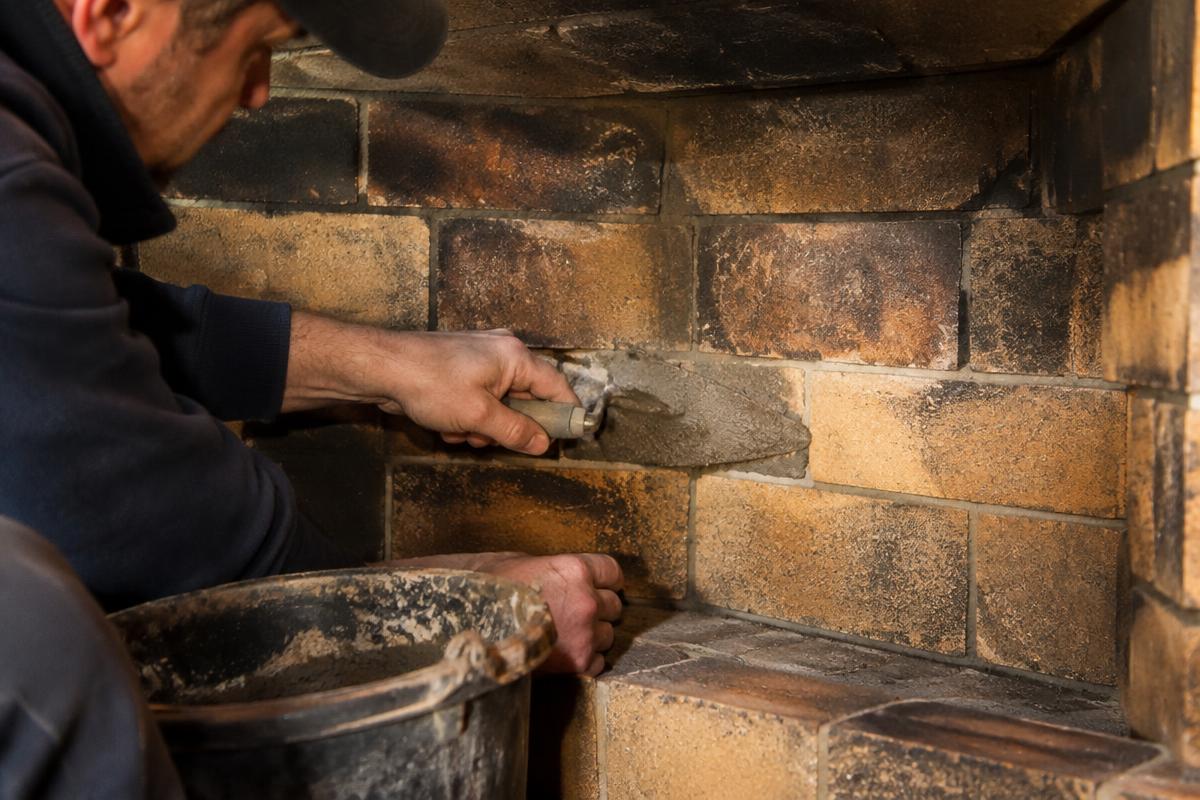
Specialised restoration and masonry repairs to bring heritage warmth back to your Markham hearth safely.
Self-check
Warning signs you need old fireplace repair
Crumbling Mortar Joints
Mortar joints between firebricks that turn sandy, flake under light touch, or show deep voids let intense combustion heat seep directly into surrounding framing.
Spalling Firebricks
Bricks with cracked, chipped, or sheared faces indicate trapped water expansion during freeze-thaw periods, compromising the structural strength of your inner hearth walls.
Sticky or Rusted Damper
A throat damper that binds, grates, or fails to seal tightly allows cold downdrafts into your home and risks filling your living room with combustion smoke.
Pungent Creosote Odours
Strong, acrid, asphalt-like smells coming from the hearth during humid summer days or rainy weather indicate thick creosote deposits that require prompt professional cleaning.
Smoke Rollout in Living Areas
Smoke escaping past the top lintel into your home indicates broken damper blades, poor flue sizing, structural blockages, or severe negative air pressure balance issues.
Moisture Stains and Efflorescence
Chalky white powder or damp water stains on chimney brickwork signal chronic water infiltration through damaged crowns, open flashing, or deteriorated external masonry joints.
The Harsh Impact of Ontario Freeze-Thaw Weather on Older Fireplaces
Southern Ontario features an unforgiving autumn and winter climate marked by extreme temperature fluctuations. In Markham, temperatures frequently swing from mild thaws above zero degrees Celsius to bitter sub-zero freezes overnight. Because masonry materials are naturally porous, they drink in atmospheric precipitation, freezing rain, and melting snow through microscopic hairline fissures. When this trapped liquid water freezes into solid ice, it expands by approximately nine percent in volume, exerting immense hydraulic pressure on surrounding clay tiles, historic brick surfaces, and brittle lime mortar beds.
This relentless seasonal expansion and contraction leads to a destructive cycle called spalling, where face bricks chip, flake, and turn to red dust. Inside an older chimney, the outer freeze-thaw degradation directly harms the internal flue lining and top chimney crown. Once moisture bypasses the upper chimney termination, water migrates downward through the vertical chimney column, landing directly inside your home firebox. By the time water droplets stain your ceiling or hearth bricks, severe hidden structural deterioration has likely already weakened the central brick structure behind your plaster walls.
Managing water infiltration in cold climates demands early preventative masonry repair and breathable waterproofing solutions. Standard waterproof paints trap internal vapour, accelerating internal freeze expansion behind the top surface. True masonry restoration employs specialized mineral-based chimney water repellents that stop driving rain from entering while allowing internal combustion moisture to exit freely. Addressing moisture damage before sub-zero winter temperatures arrive protects your brick stack from sudden catastrophic spalling, structural delamination, and costly foundation settlement repairs.
- Destructive hydraulic expansion caused by frequent freeze-thaw cycles
- Spalling brick faces crumbling onto roof surfaces and hearth floors
- Moisture migration softening firebrick mortar and rusting metal hardware
- Breathable siloxane-based water repellents that allow internal vapour evaporation
Common Structural and Mechanical Deterioration Causes
A functioning fireplace experiences temperatures exceeding five hundred degrees Celsius in its core, contrasted with sub-zero winter temperatures outside. Decades of these sharp thermal transitions inevitably cause refractory materials to break down. Standard portland-cement mortars applied by well-meaning handymen often fail because they lack the flexibility and high-heat tolerance required inside a working firebox. As poor patches crack under intense thermal expansion, gaps open behind the firebrick lining, allowing extreme heat to reach flammable wall studs concealed directly behind the chimney masonry.
Mechanical components like throat dampers also suffer severely from age, heat warping, and corrosive creosote exposure. When an iron damper rusts or warps, it ceases to form a seal against external downdrafts, leaking costly home heat outdoors all winter long. Alternatively, a damaged damper plate may stick partially shut during a fire, sending thick clouds of smoke, particulate matter, and carbon monoxide spilling directly into your living room. Mechanical failure also extends to ash dumps and corroded cleanout doors found in basements.
Foundation movement is another widespread cause of internal hearth degradation in older Markham properties. Heavy brick fireplaces exert thousands of kilograms of deadweight upon basement footings. Over decades, modest soil moisture fluctuations around basement perimeters lead to uneven footing settling. Even slight structural shifting can crack rigid clay flue tiles, twist the smoke throat out of plumb, and separate the firebox brickwork from surrounding interior wall plaster. Identifying these underlying mechanical and structural failures is crucial before carrying out surface aesthetic touchups.
- Thermal shock fractures resulting from decades of repeated hot-cold cycles
- Incompatible mortar formulations deteriorating quickly under combustion heat
- Corroded, warped, or detached throat damper plates causing draft failures
- Structural footing settling creating unsealed flue gaps behind finished walls
Our Detailed In-Home Inspection and Assessment Process
Every successful fireplace restoration begins with an exhaustive diagnostic inspection. When our technicians arrive at your residence, we do not simply glance inside the firebox with a handheld torch. We conduct a thorough, ground-up assessment following time-tested industry best practices, inspecting every visible surface from the basement cleanout pit to the upper attic penetration. We check the clearance to nearby combustibles, probe mortar joints for physical decay, and examine the throat damper mechanism to ensure smooth, unhindered articulation through its full range of movement.
Next, we inspect the vertical internal flue lining using specialised inspection cameras whenever internal condition requires deeper visibility. This equipment reveals hidden fractures, missing flue mortar, interior creosote glazing, and misaligned terracotta tiles that are impossible to spot from the hearth opening. We also inspect the smoke shelf behind the damper, an area notorious for collecting acidic soot, fallen masonry debris, and nesting material left behind by migratory birds. Our systematic approach leaves no structural blind spots unexamined.
Following our physical inspection, we sit down with you at your kitchen table to explain our findings clearly without technical jargon. We provide a straightforward, documented evaluation detailing the condition of your masonry, the safety of your flue pathways, and the viability of your existing firebox. If repairs are necessary, we lay out sensible restorative options ranging from simple tuckpointing and damper adjustments to full firebox reconstruction, helping you prioritize vital life-safety measures over optional aesthetic upgrades.
- Complete physical audit of firebox bricks, refractory joints, and hearth floor
- Smoke chamber examination for unsealed voids, soot buildup, and clearance risks
- Flue passage checking to detect broken tiles and dangerous creosote glaze
- Clear, written condition reports detailing necessary repairs and options
"I discovered odd odours coming from my chimney and booked a deodorizing treatment Downtown. They applied a specialized solution, sealed minor cracks, and eliminated the smell completely. My living room feels fresh again."
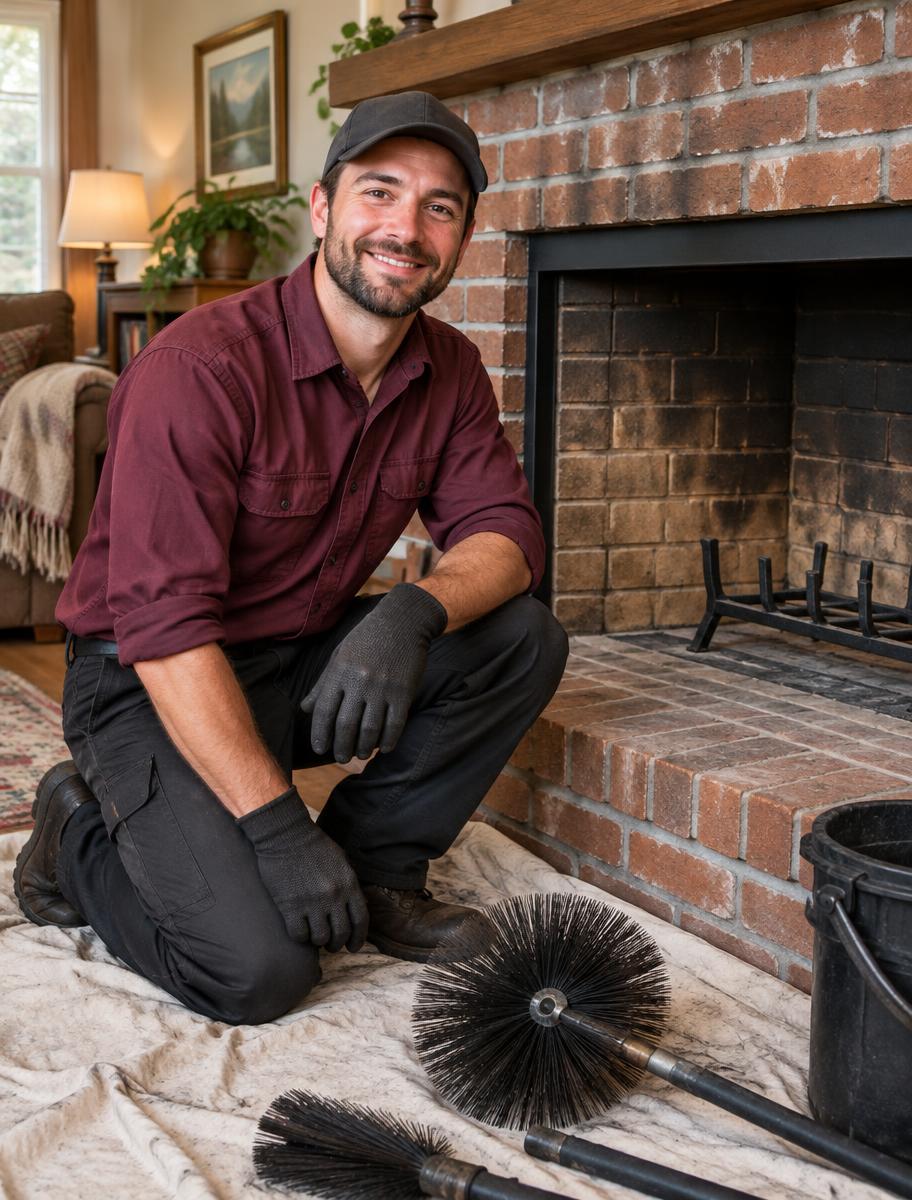
Our process
How we handle your old fireplace repair, step by step
- 1
Site Protection and Initial Setup
We protect your hardwood floors, carpets, and furnishings with heavy drop cloths, sealing the work perimeter to ensure zero soot, dust, or debris enters your living space.
- 2
Comprehensive Visual and Diagnostic Audit
Our technicians inspect the firebox, smoke throat, damper blade, and flue column, cataloguing all physical damage and safety clearance defects before touching any masonry.
- 3
Defective Material Extraction
We carefully rake out crumbling mortar and remove cracked firebricks using precision dust-controlled hand tools, leaving undamaged original brickwork sound and intact.
- 4
Refractory Rebuilding and Joint Pointing
Using ASTM-rated firebricks and high-temperature hydraulic refractory mortar, we rebuild structural walls, parge the smoke chamber, and re-establish tight, durable thermal barriers.
- 5
Hardware Tuning and Final Curing Review
We reset or replace your damper, complete final cleanup, conduct a smoke draft test, and provide step-by-step instructions on initial fire lighting and mortar curing.
Specialised Masonry and Firebox Restoration Techniques
True firebox restoration demands traditional craftsmanship combined with specialized refractory products capable of enduring intense direct flame contact. When rebuilding a degraded firebox, our technicians systematically cut out crumbling, soft, or damaged firebricks using non-impact dust-controlled masonry tools to protect adjacent building finishes. We clean the exposed substrate down to solid brickwork, removing loose soot that would otherwise compromise bond strength. Then, we lay high-density refractory firebricks using hydraulic refractory mortar, which forms a ceramic bond when cured under gentle thermal heat.
Another vital focus area is the smoke chamber, the inverted funnel area directly above the throat damper that channels combustion exhaust upward into the narrower chimney flue. In older homes, this zone was often constructed with corbelled, stepped brickwork that creates turbulent air pockets, trapping heavy soot deposits. We practice smoke chamber parging, applying a smooth, unbroken coating of insulating refractory cement over all corbelled masonry surfaces. This smooth, tapered transition improves draft efficiency and eliminates heat transfer points through raw, unparged chimney walls.
For external masonry surfaces, including decorative hearth surrounds, mantels, and exposed chimney breasts, we select historical lime-sand mortar blends tailored to match the hardness and porosity of vintage bricks. Using overly stiff modern cement mortars on soft, historic brickwork inevitably triggers accelerated spalling and premature cracking. By tailoring mortar mixtures to historical construction standards, our repairs move and breathe harmoniously with your home, preventing structural tension and preserving period-accurate masonry aesthetics for decades to come.
- Dust-controlled demolition of deteriorated firebrick and compromised mortar
- Precision laying of ASTM-rated refractory firebricks with high-temperature bonding mortar
- Insulating refractory parging applied across corbelled smoke chamber surfaces
- Lime-matched tuckpointing blends formulated specifically for vintage residential brick
Home Safety Essentials: Ventilation, Drafting, and Carbon Monoxide
A fireplace operates as a critical natural-draft ventilation system within your home. For hot combustion gases to escape up the chimney, an equal volume of replacement air must enter the living area. Modern home upgrades, such as high-efficiency double-pane windows, spray foam insulation, and powerful kitchen exhaust hoods, make modern living spaces tightly sealed. In an older home retrofitted for energy efficiency, a fireplace may struggle to establish a natural upward draft, causing combustion smoke and deadly carbon monoxide to reverse flow into the living room.
Carbon monoxide is a colourless, odourless, and non-irritating toxic gas created whenever wood or fossil fuels burn incompletely. If an older chimney flue contains cracked tiles, structural breaches, or heavy creosote restrictions, toxic gases easily migrate laterally through surrounding walls rather than exiting safely out the chimney cap. We align our repair work with CSA standards and general WETT-style safety principles to verify that proper clearances to combustibles and reliable natural-draft ventilation dynamics are restored before you burn your next fire.
As part of every fireplace restoration consultation, we strongly advise homeowners on life-safety monitoring equipment. Working carbon monoxide detectors and smoke alarms must be installed on every level of the home, particularly near sleeping quarters and within the immediate living area where your fireplace is situated. We also verify that your hearth extension meets proper non-combustible depth requirements, safeguarding your hardwood or carpeted floors against errant embers and dangerous radiant heat conduction during prolonged evening burns.
- Assessment of whole-house pressure balances and kitchen hood draft interference
- Identification and sealing of hidden gas migration paths in chimney brickwork
- Compliance with proven CSA safe clearance and hearth extension standards
- Strategic placement recommendations for household carbon monoxide and smoke alarms
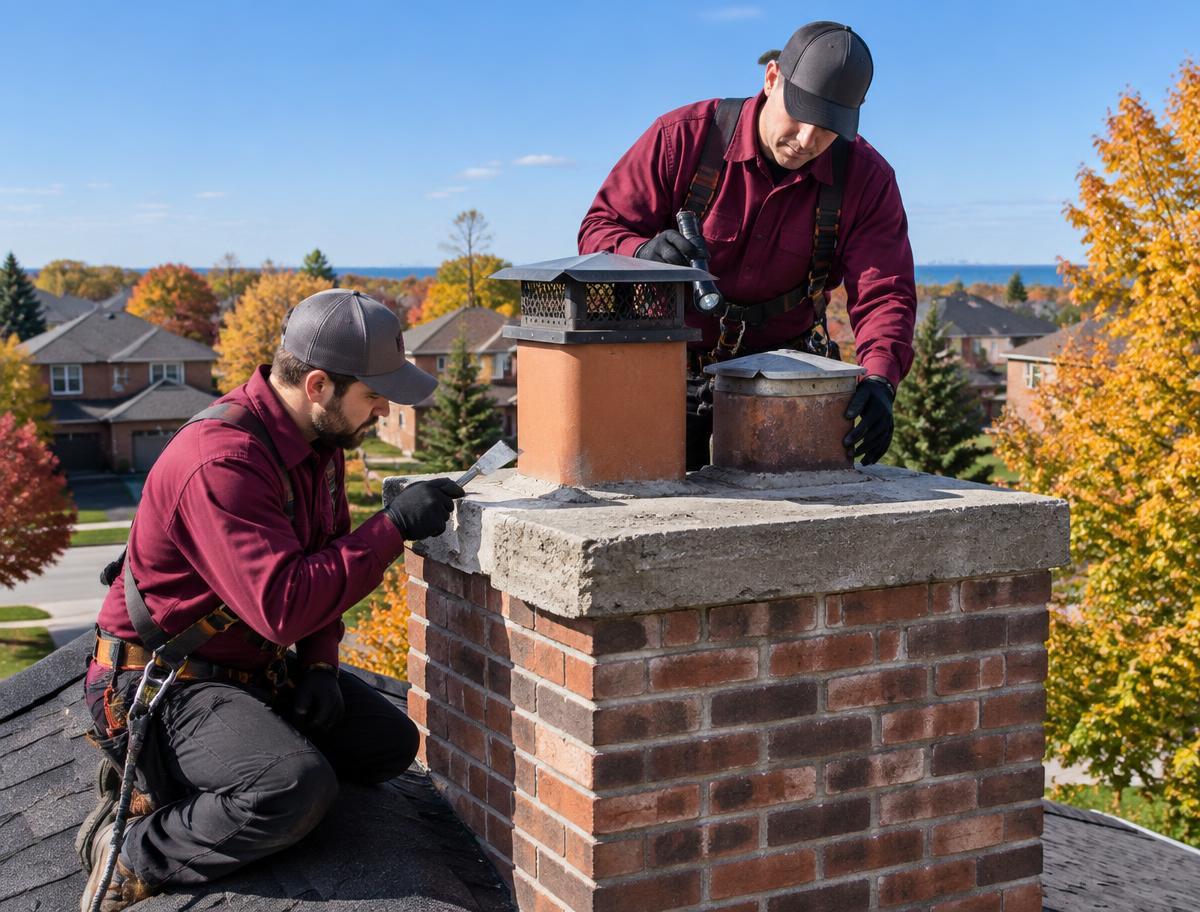
Everyday Care and Seasonal Maintenance Routines
Maintaining an older fireplace requires practical daily burn habits and consistent seasonal care. Always burn properly seasoned, untreated dense hardwoods such as sugar maple, ash, or oak that have dried for at least twelve months. Burning green, damp wood lowers combustion chamber temperatures dramatically, wasting heating energy while generating heavy volumes of condensed creosote inside your cool masonry flue. Creosote is highly flammable, sticky, and acidic, rapidly corroding metal dampers and creating dangerous chimney fire conditions.
Daily ash management also plays a subtle but vital role in fireplace longevity. While keeping an inch of residual ash on the firebox floor can insulate coals and make fire lighting easier, excessive ash accumulations trap moisture against the back brick wall and iron grate. When scooping ash, always use a dedicated metal container with a tight-fitting lid, and store the container on non-combustible concrete outside your home. Never vacuum uncooled ashes with an ordinary household vacuum, as smouldering embers remain active for days.
Schedule an annual professional chimney sweep and visual checkup every autumn before the seasonal heating period begins. In-between professional visits, conduct quick visual inspections yourself: examine the damper for smooth operation, verify that no mortar dust is collecting on the hearth floor, and look up past the throat with a bright flashlight to spot nesting debris. Proactive, routine attention ensures minor hairline cracks get addressed early, preventing expensive emergency structural interventions later.
- Exclusively burn seasoned hardwoods with moisture levels below twenty percent
- Avoid burning painted boards, construction cutoffs, pressure-treated lumber, or domestic trash
- Maintain a thin, safe protective ash layer while clearing excessive deep deposits
- Schedule annual pre-winter sweeps to clear creosote glaze, cobwebs, and animal debris
Selecting a Qualified Contractor and Navigating Repair Costs
Selecting the right trade professional to repair an older fireplace requires careful diligence. General handymen and budget exterior painters often lack specialized knowledge of high-temperature combustion chemistry, thermal expansion, and safe residential venting codes. When vetting service providers, look for established independent masonry professionals who carry full commercial general liability insurance, provide transparent written scope-of-work agreements, and demonstrate deep practical familiarity with the unique architectural housing stock across Markham neighbourhoods.
Repair costs for older fireplaces depend on the specific structural components requiring attention. Minor repairs, such as repointing a few refractory mortar joints, installing a top-sealing damper, or resetting a loose lintel, require relatively modest investments of labour and specialty materials. However, if water infiltration has compromised internal flue tiles or if an entire firebox back wall must be rebuilt from the subfloor up, overall project investments increase to cover specialized refractory supplies, safety scaffolding, and skilled manual craft hours.
Beware of door-to-door contractors who offer steep discounts or claim your chimney is on the verge of immediate collapse without presenting clear photographic evidence. Legitimate specialists document structural defects clearly, take time to walk you through your options, and provide itemized estimates before picking up a hammer. Investing in skilled, honest craftsmanship protects your property value, preserves historical masonry integrity, and guarantees lasting peace of mind every time you strike a match on a cold Canadian evening.
- Demand proof of comprehensive general liability and workplace safety coverage
- Insist on clear photographic documentation for any recommended internal flue repairs
- Confirm the contractor uses ASTM-rated high-temperature refractory mortars
- Avoid high-pressure sales pitches and demand itemized, written quotes upfront
Average pricing in Markham
$450 – $3,800
- Inspection / diagnostic
- $160 – $280
- Typical time on site
- Half-day to 3 full days depending on structural scope
- Parts and materials
- Specialised refractory firebrick, high-heat hydraulic mortar, custom-fit top-sealing dampers, replacement cleanout doors, and flashing sealants quoted separately.
- What moves the price
- Extent of internal firebox brick rebuilding required · Height, pitch, and accessibility of chimney and flue · Presence of water damage requiring structural mortar parging
Estimated local market range, not a quote. All estimates are in Canadian dollars and exclude 13% Ontario HST. Your exact price is confirmed before any work begins.