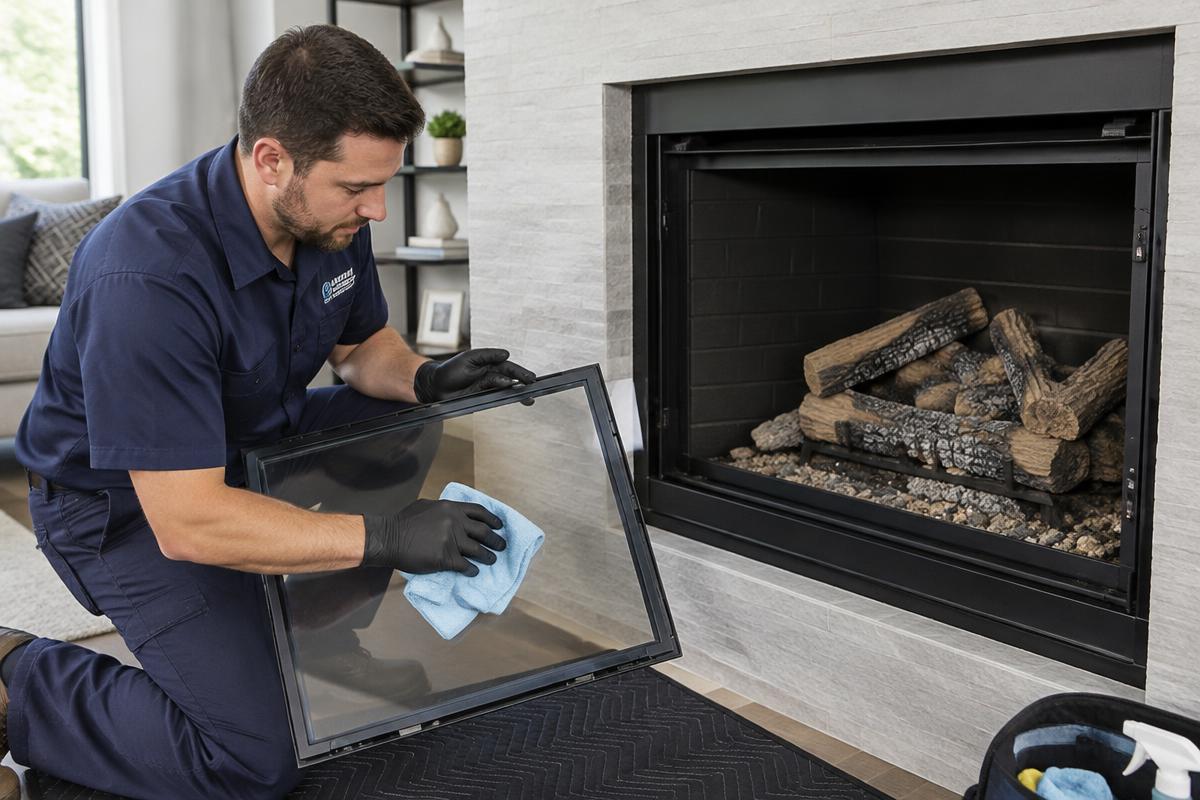

When a sudden winter cold snap sweeps down across southern Ontario, your fireplace changes from an attractive living room centrepiece into an essential secondary heating system. Pacific Energy gas fireplaces, freestanding stoves, and inserts are engineered for robust heat output and dependable comfort, yet continuous seasonal operation places significant stress on electrical and gas components. If your unit experiences weak ignition, stubborn pilot lights, or unexpected shutdowns, you need practical assistance from technicians who understand combustion appliances. Operating from 4418 Highway 7 East, Markham Chimney Services provides thorough diagnostic, tune-up, and repair services to keep your hearth running safely and efficiently throughout the freezing winter months.
Because Pacific Energy equipment features precise drafting balances and durable fireboxes, diagnosing problems requires an appreciation of venting dynamics, millivolt electrical circuits, and delicate burner assemblies. We are an independent chimney and fireplace service company, which means our loyalty remains entirely with you, the local homeowner, rather than a specific appliance manufacturer. Whether your unit warms a post-war bungalow in Unionville, an expansive family residence in Bayview Glen, or an updated home in Cornell, we deliver methodical troubleshooting based on regional heating needs. We examine every appliance holistically to protect your indoor air quality and ensure consistent home comfort.
Pacific Energy Fireplace Repair: visit summary
Pacific Energy Fireplace Repair: glass, burners, pilots and controls cleaned and serviced, then relit and flame-checked. Serving Markham and the Greater Toronto Area (GTA). The estimated local market range is $229 – $589, not a fixed company rate. The final scope and quote are confirmed before work begins.
| Estimated market range | $229 – $589. All estimates are in Canadian dollars and exclude 13% Ontario HST. |
|---|---|
| Typical time | 1 to 2.5 hours |
| Price factors | Whether the issue is a simple tune-up or requires component replacement; Accessibility of the venting run and physical installation layout; Model vintage and electronic control module complexity |
| Routine signs to discuss | Delayed Burner Ignition; Weak or Flickering Pilot; White Film or Soot on Glass; Pungent or Sulphuric Odours; Rattling or Screeching Blower Fan; Spontaneous Fireplace Shutdowns |
Understanding Pacific Energy Fireplaces and Independent Repair
Pacific Energy has built a solid reputation across Canada for producing heavy-gauge steel fireboxes, efficient heat exchangers, and aesthetically pleasing hearth appliances. Their gas inserts and freestanding models utilise balanced flue systems that draw outside air for combustion while expelling exhaust gases safely through exterior terminations. When these units function properly, they produce steady radiant warmth with clean glass views. However, their reliance on balanced atmospheric pressure means even modest soot build-up, valve deterioration, or loose wiring can interrupt normal ignition sequences.
As an independent service company, Markham Chimney Services approaches Pacific Energy repairs with objective, transparent technical evaluation. We are not a factory dealership, and we do not represent the brand directly. This independence allows us to inspect your complete installation honestly, addressing chimney liners, termination clearances, electrical connections, and fuel supply lines without brand bias. Our primary objective is ensuring your specific appliance operates within safe combustion tolerances inside your residential space, regardless of the age or specific model line of your equipment.
Understanding how your Pacific Energy unit interacts with your household air is essential. Many modern homes in our area have undergone extensive insulation retrofits, window upgrades, and weatherstripping improvements. These building envelope modifications alter indoor air pressure dynamics significantly. When an independent technician inspects your hearth, we evaluate both the internal mechanical components and the structural venting pathway, ensuring your appliance exhausts cleanly without backdrafting or starving the burner for fresh combustion air.
- Direct-vent sealed combustion balancing for balanced air exchange
- Millivolt and electronic intermittent pilot ignition diagnostic procedures
- Heavy-gauge steel heat exchanger inspection for structural soundness
- Independent mechanical evaluations focused entirely on homeowner safety
Dedicated independent care for your Pacific Energy heating system across Markham neighbourhoods.
Self-check
Warning signs you need pacific energy fireplace repair
Delayed Burner Ignition
When your fireplace turns on with a noticeable pause followed by a small thud or puff against the glass, gas is pooling before igniting. This requires immediate valve and pilot alignment to prevent glass damage.
Weak or Flickering Pilot
A pilot flame that burns faint orange or lifts off the sensor assembly indicates clogged pilot orifices or improper fuel pressure. The thermopile will fail to register heat, causing the appliance to shut down unexpectedly.
White Film or Soot on Glass
While light white mineral film is normal, heavy dark soot accumulation signals incomplete combustion, misaligned ceramic logs, or restricted air shutter openings. Left unaddressed, unburned carbon deposits will coat the firebox and exhaust venting.
Pungent or Sulphuric Odours
If you detect rotten egg smells or acrid chemical odours, turn off the fireplace gas shut-off valve immediately. Gas leaks or scorching electrical wiring require urgent professional diagnostics before the fireplace can be safely operated.
Rattling or Screeching Blower Fan
Convection blowers pull ambient room air across the hot firebox exterior. Over time, motor bearings dry out and dust binds the fan blades, creating grinding or squealing noises that reduce heating efficiency and risk motor burnout.
Spontaneous Fireplace Shutdowns
An appliance that lights normally but cuts out after ten to twenty minutes usually suffers from a weak thermopile, a tripped high-limit thermal switch, or thermal expansion separating an aged wiring connection inside the cabinet.
How Markham Winter Weather Affects Fireplace Venting
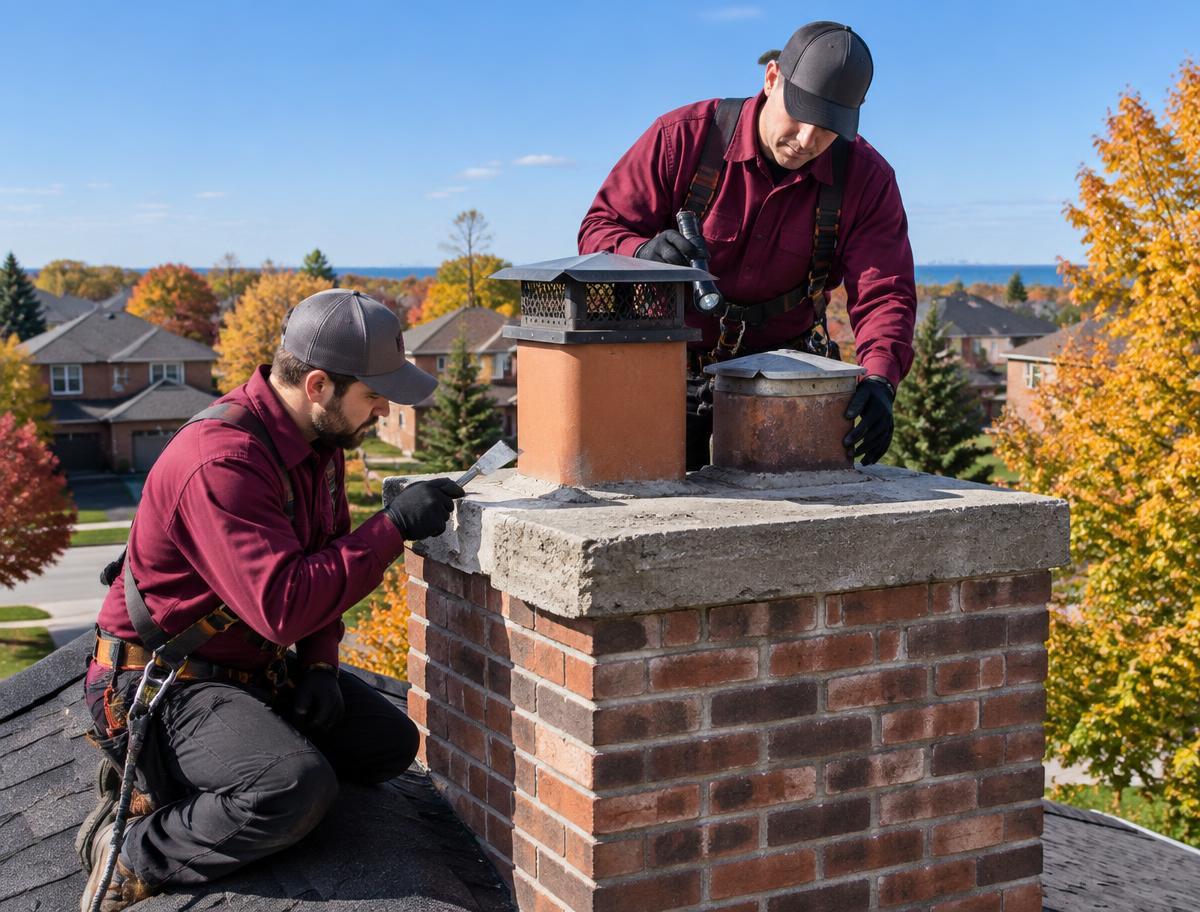
The freeze-thaw climate of southern Ontario creates demanding operating conditions for gas fireplace venting systems. Between late November and early April, temperatures frequently bounce between deep sub-zero freezes and mild, damp thaws. This constant thermal fluctuation leads to exterior condensation, ice accumulation on termination caps, and substantial expansion and contraction across metal venting joints. When moist exhaust gas meets freezing outside air, rapid cooling can create ice dams on the outer terminal screen, choking exhaust flow and tripping sensitive safety switches.
During sub-zero cold snaps, cold air settles heavily inside exterior wall chases and uninsulated masonry chimneys. When you turn on your Pacific Energy unit, the rising exhaust must overcome this dense pocket of cold air to establish an upward draft. If the draft fails to establish quickly, the fireplace may experience delayed ignition, small flame rollouts, or automatic system lockouts designed to prevent unburned gas from pooling inside your firebox. Masonry chimneys flanking mid-century suburban homes are especially vulnerable to these persistent cold-hearth downdrafts.
Spring thaws introduce moisture challenges as melting snow penetrates small gaps around rooftop flashing or exterior siding penetrations. Water ingress can reach the flexible venting, corrode outer aluminium sleeves, or seep down into the electrical junction box underneath the firebox floor. Addressing these weather-induced issues requires an inspection that looks beyond the burn tray to examine the complete termination path, storm collars, and exterior caulking lines to preserve your heating investment.
- Condensation and ice damming on exterior direct-vent termination caps
- Cold chimney flue plugs causing draft resistance and ignition delays
- Thermal movement loosening venting joints and support brackets
- Seasonal moisture intrusion corroding delicate pilot and valve assemblies
Diagnosing Pilot Lights, Valves, and Electronic Ignitions
A substantial portion of Pacific Energy service calls involve ignition failures, intermittent flame dropouts, or uncooperative wall switches. In older millivolt systems, the pilot assembly relies on a thermocouple and thermopile to generate minute electrical currents through thermal differential. If the thermopile tip becomes coated in carbon, or if the tiny pilot flame is deflected away from the sensor by room draughts, the gas control valve will shut off automatically to prevent raw gas leaks.
Modern Pacific Energy models frequently employ electronic intermittent pilot ignition systems, which exchange standing pilots for electronic spark generators and flame-sensing rods. These systems are energy efficient but more sensitive to micro-corrosion, power fluctuations, and module communication errors. If the control board detects an unexpected voltage drop or fails to register microamp current from the flame rectification rod within seconds, it enters a protective lockout sequence, leaving you without supplemental heat.
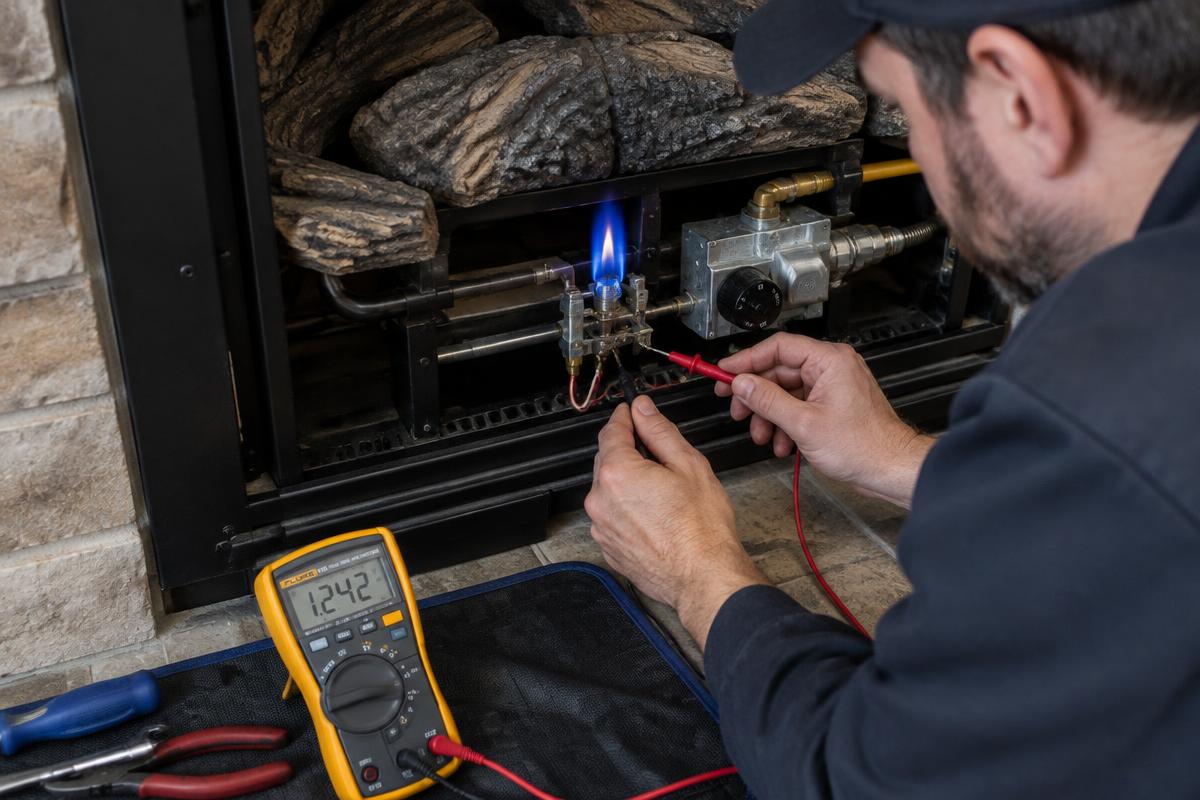
Gas control valves themselves can also wear down after years of winter heating cycles. Internal diaphragms stiffen, stepper motors fail to adjust flame height properly, and pilot adjustment screws can become fouled with debris carried through residential gas lines. Systematic diagnosis involves using high-precision multimeters to verify millivolt generation, measuring fuel manifold pressures with manometers, and cleaning delicate orifice openings rather than automatically replacing expensive components without proper verification.
- Thermopile and thermocouple output testing under loaded operational conditions
- Cleaning micro-carbon buildup from electronic flame sensors and pilot jets
- Gas valve manifold pressure measurement against manufacturer specifications
- Wall switch, remote receiver, and wiring harness continuity assessments
Local Housing Architecture and Hearth Placement
Markham features a distinctive blend of residential architecture that directly influences how fireplaces are installed and maintained. In established neighbourhoods like Unionville, Langstaff, and Markham Village, many homeowners live in single-storey bungalows or split-level houses built in the nineteen fifties. These properties often feature Pacific Energy inserts retrofitted into original wood-burning brick fireplaces. These configurations require careful attention to chimney liner connections, masonry clearances, and damper block-off plates to ensure safe, stable exhaust performance.
Conversely, newer subdivisions and custom infill builds across Bayview Glen, Cachet, and the Angus Glen corridor commonly incorporate direct-vent units installed within framed interior drywall chases. These modern builds often feature complex horizontal venting runs with ninety-degree elbows that direct exhaust through exterior sidewalls. Long horizontal venting runs require precise pitch angles and adequate heat clearance to prevent heat build-up behind interior drywall and prevent chronic soot marks on exterior exterior brick.
Townhouses and multi-level split dwellings in neighbourhoods like Cornell present unique venting challenges due to high wind turbulence around adjacent rooflines. Gusting winds can pressurise exterior termination caps, destabilising the burner flame or causing intermittent pilot blowouts on blustery winter evenings. Our technicians understand how Markham neighbourhood microclimates and specific architectural layouts interact with appliance performance, allowing us to pinpoint installation-related challenges that general handymen often miss.
- Masonry chimney insert conversions in mid-century brick homes
- Horizontal direct-vent routing through framed exterior residential walls
- Wind baffle considerations for multi-storey properties and townhomes
- Clearance to combustibles verification within retrofitted wooden mantels
"After noticing smoke backing into the room, I called for an inspection in Buttonville. Their technician diagnosed a minor blockage quickly, cleared it thoroughly, and explained how to avoid future issues. Excellent service."
Our process
How we handle your pacific energy fireplace repair, step by step
- 1
Initial Safety and Site Protection
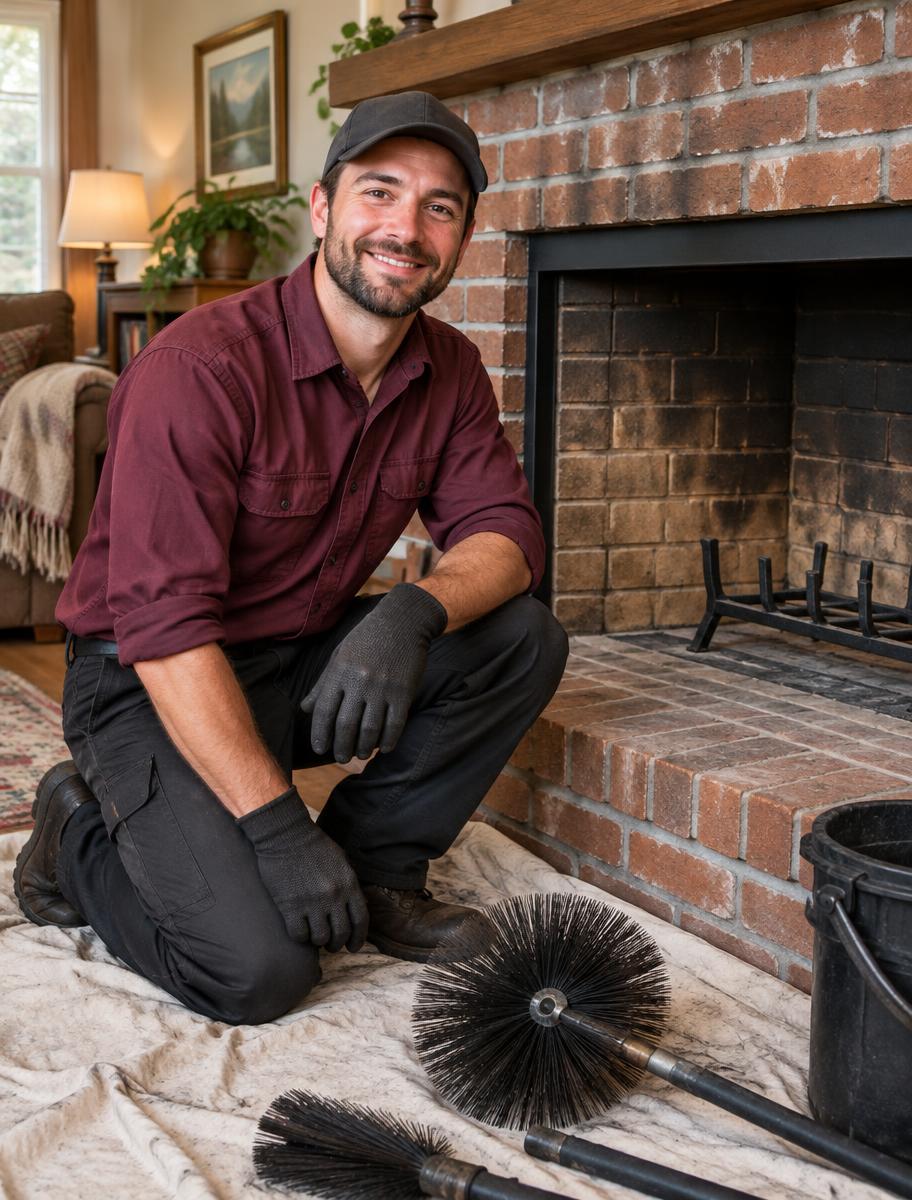
We place protective drop sheets across your flooring, isolate the electrical supply, and test for ambient gas leaks before carefully removing the safety barrier screen and glass assembly.
- 2
Electrical and Gas Pressure Diagnostics
Using precision digital multimeters and manometers, we measure pilot millivolt generation, main valve inlet and outlet gas pressures, and verify circuit continuity through switches, thermostats, and modules.
- 3
Burner and Pilot Assembly Reconditioning
We remove dust, insect webbing, and carbon from the pilot orifice, burner ports, and flame sensors, ensuring clean fuel delivery and proper flame impingement across all thermal safety sensors.
- 4
Venting and Gasket Verification
Our technician checks the ceramic glass perimeter gasket for tight sealing, inspects the direct-vent connection for draft stability, and confirms that firebox pressure relief springs operate without binding.
- 5
Operational Burn Testing and Clean-Up
We reassemble the log set according to factory patterns, clean the ceramic glass with dedicated cleaner, and run the appliance through multiple burn cycles to verify smooth ignition and heat output.
Our Methodical Inspection and Troubleshooting Process
When our service vehicle arrives at your home, our diagnostic routine begins with protecting your living area. We lay heavy drop cloths across your flooring and around the hearth before removing the safety screen, glass frame assembly, and decorative log set. We perform an initial visual inspection of the combustion chamber, looking for uneven heat stress, ceramic media breakdown, and carbon accumulation that signal an improper fuel-to-air combustion mixture.
Next, we isolate the appliance from electrical power and test the integrity of the gas delivery network. We inspect all accessible internal gas fittings using calibrated electronic gas leak detectors and bubble solutions. From there, we test the electrical side of the system, verifying that the wall thermostat, remote control module, safety limit switches, and blower fan controls operate in the correct sequence without signal interruptions or unexpected resistance.
We also examine the venting system, verifying that the draft operates smoothly and that the air intake path remains unobstructed by cobwebs, dust, or pet dander. Once the underlying mechanical issue is resolved, we clean the firebox thoroughly, vacuum out burner ports, clean the ceramic glass using specialised non-abrasive gas glass cleaner, and test-fire the unit through multiple ignition cycles to verify reliable, smooth flame propagation.
- Complete drop cloth floor protection and safe glass assembly removal
- Electronic combustible gas leak detection across internal valve connections
- Diagnostic multimeter testing of sensors, switches, and wiring harnesses
- Detailed vacuuming of burner trays, pilot brackets, and fan cavities
Combustion Safety, Glass Seals, and Carbon Monoxide Prevention
Safety is the fundamental priority when servicing any residential gas combustion appliance. A gas fireplace burns fossil fuels inside your living space, making a completely sealed combustion chamber and reliable venting system vital to household health. Direct-vent Pacific Energy appliances rely on high-temperature ceramic glass held tight by spring-loaded latches and continuous fiberglass or silicone gaskets. Over years of intense heat cycles, these gaskets can dry out, harden, or fray, permitting combustion byproducts to escape into living areas.
Carbon monoxide is a colourless, odourless gas that can cause headaches, dizziness, or severe medical emergencies if allowed to accumulate indoors. We align our inspection practices with strict CSA and WETT-style safety principles to evaluate the physical integrity of the firebox and venting paths. We verify that safety relief latches operate freely, ensuring that in the rare event of delayed ignition, excess firebox pressure releases safely without shattering the protective glass panel.
Every home with a fuel-burning hearth should have working carbon monoxide alarms installed outside all sleeping areas and on every occupied level of the house. During our service visit, we check that your room-level detectors are operational and advise you on proper detector placement. We also test your fireplace using sensitive combustion analysis tools, verifying that the exhaust stream vents outdoors while indoor air remains clean, breathable, and completely free of toxic exhaust gases.
- Ceramic glass gasket inspection to maintain sealed combustion chambers
- Pressure relief spring latch testing for safe pressure dissipation
- Guidance on residential carbon monoxide alarm positioning and operation
- Thorough checks against unburned gas migration and combustion spillage
Homeowner Maintenance Tips Between Professional Visits
While internal gas valve repairs and electronic troubleshooting should always be handled by trained professionals, homeowners can take several straightforward steps between annual service calls to keep their Pacific Energy appliance running well. Dust, lint, and household pet hair frequently settle inside the lower louvres and fan compartment under the burner. Vacuuming this lower access cavity twice a winter prevents debris from choking the convective fan or producing unpleasant burning-dust odours when the system warms up.
Keep a close eye on the appearance of your ceramic glass window. A thin, translucent white haze on the inner surface is normal and results from minerals deposited during gas combustion. However, you should never allow this film to bake onto the glass indefinitely, as heat will eventually etch the glass surface permanently. Clean the cool glass periodically using an ammonia-free ceramic glass cleaner specifically formulated for gas hearths; never use household abrasive cleansers or standard window sprays containing vinegar or ammonia.
Before the start of each heating season in late autumn, perform an operational dry run. Switch on the fireplace, observe how promptly the pilot sparks or ignites the main burner, and listen for unusual scraping or rattling sounds from the convection fan. If you notice delayed ignition, yellow lazy flames with heavy black tips, or persistent clicking from the control module, schedule an inspection promptly rather than waiting for an emergency during a mid-winter blizzard.
- Regular lower cabinet and fan intake vacuuming to remove pet hair and dust
- Routine cleaning of ceramic glass with dedicated gas fireplace glass polish
- Seasonal pre-winter trial run to confirm smooth ignition and flame quality
- Maintaining a clear three-foot clearance perimeter around the hot front glass
Choosing the Right Independent Fireplace Service Provider
Selecting a service contractor for your Pacific Energy fireplace requires finding a technician who balances mechanical expertise with respect for your home. Because gas fireplaces combine structural building penetrations, gas plumbing, high-voltage fan circuitry, and low-voltage control systems, general handymen often lack the specialised testing equipment needed to diagnose elusive intermittent faults accurately. You need an experienced hearth professional who arrives with precision manometers, electrical multimeters, and proper cleaning tools.
When evaluating service options in Markham and the GTA, ask prospective contractors about their diagnostic process and pricing transparency. A dependable independent company will explain diagnostic fees upfront and provide written estimates before installing replacement parts. They should demonstrate clear knowledge of local building codes and safety regulations while explaining mechanical findings in straightforward, plain language without confusing technical jargon or aggressive sales tactics.
At Markham Chimney Services, we pride ourselves on delivering steady, dependable craftsmanship from our central office on Highway 7. We do not rush through diagnostic calls or push homeowners into buying brand-new appliances when a targeted repair, gasket replacement, or electrical tune-up can restore full heating performance safely. Our long-term focus is establishing a lasting professional relationship built on honest technical guidance, exceptional cleanliness, and reliable hearth heating.
- Clear upfront communication regarding diagnostic rates and labour estimates
- Equipped with specialized gas diagnostic manometers and electrical testing tools
- Commitment to protective home practices including drop sheets and clean footwear
- Transparent explanations of mechanical repairs without high-pressure sales pitches
Average pricing in Markham
$229 – $589
- Inspection / diagnostic
- $149 – $199
- Typical time on site
- 1 to 2.5 hours
- Parts and materials
- Thermopiles, gas valves, control boards, gaskets, pilot assemblies, blowers
- What moves the price
- Whether the issue is a simple tune-up or requires component replacement · Accessibility of the venting run and physical installation layout · Model vintage and electronic control module complexity
Estimated local market range, not a quote. All estimates are in Canadian dollars and exclude 13% Ontario HST. Your exact price is confirmed before any work begins.