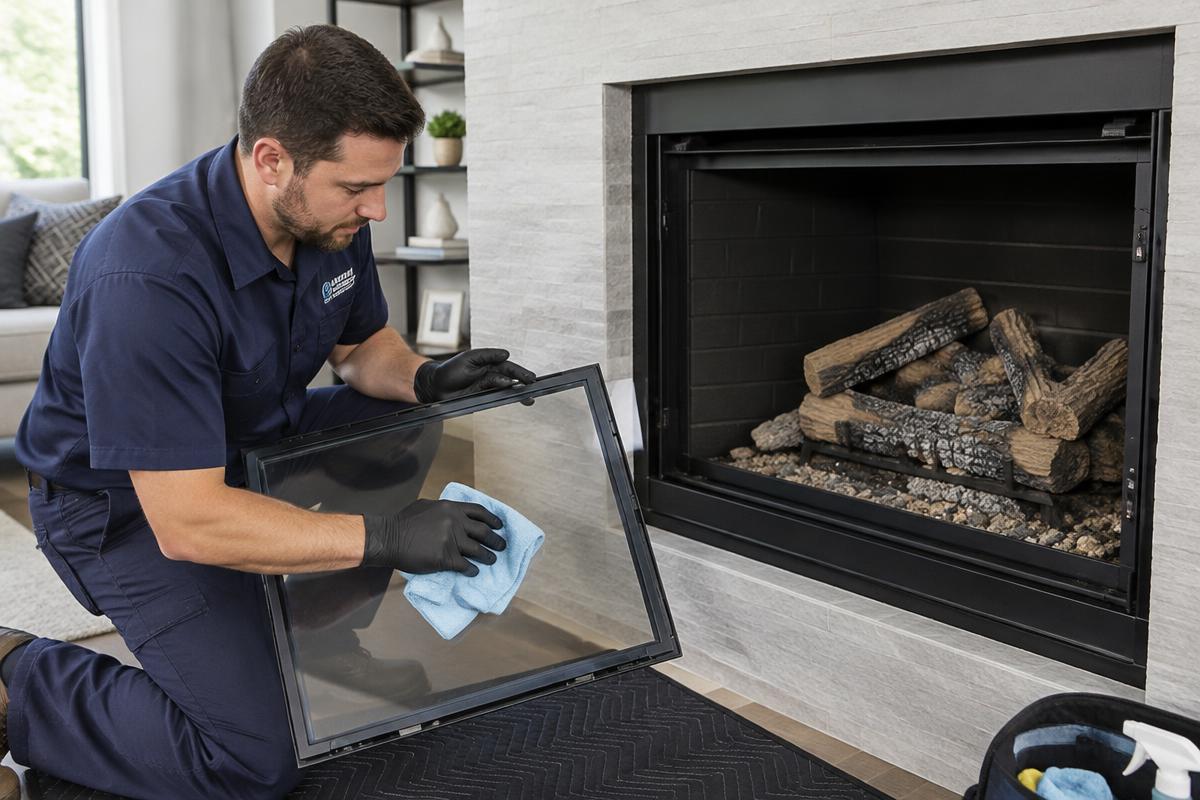

A gas fireplace brings dependable comfort, gentle warmth, and an inviting focal point to any Markham home, particularly when winter settles across southern Ontario. If your living room features a model manufactured by Regency Fireplace Products, you rely on that appliance to operate smoothly throughout the coldest months of the year. Over time, normal operation, household dust, and seasonal dormancy can lead to sluggish ignition, compromised burner ports, hazy ceramic glass, or subtle venting issues. Markham Chimney Services provides dedicated, independent maintenance and diagnostic support to ensure your appliance operates cleanly, efficiently, and safely without unexpected interruptions.
As an independent service company located at 4418 Highway 7 East, we assist homeowners across Unionville, Bayview Glen, Langstaff, and nearby neighbourhoods who want careful attention to detail for their gas hearth systems. We do not represent the manufacturer or claim official factory endorsements, but our technicians understand the mechanical principles, millivolt and electronic ignition assemblies, and venting requirements common to these popular units. Whether your pilot light fails to stay lit, you notice an unusual odour, or your glass has developed a cloudy film, our practical local service restores your peace of mind and comfort.
Regency Fireplace Products: visit summary
Regency Fireplace Products: glass, burners, pilots and controls cleaned and serviced, then relit and flame-checked. Serving Markham and the Greater Toronto Area (GTA). The estimated local market range is $229 – $549, not a fixed company rate. The final scope and quote are confirmed before work begins.
| Estimated market range | $229 – $549. All estimates are in Canadian dollars and exclude 13% Ontario HST. |
|---|---|
| Typical time | 1 to 2.5 hours typical duration |
| Price factors | Appliance ignition type: manual millivolt system versus digital electronic module; Extent of carbon soot buildup and necessary deep cleaning labour; Need for specialized replacement parts such as custom glass or blower fans |
| Routine signs to discuss | Pilot Light Refuses to Stay Lit; Persistent Cloudy or White Glass Film; Delayed Ignition with a Noticeable Pop; Unpleasant Gas or Chemical Odours; Soot Accumulating on Logs or Glass; Main Burner Shuts Down Unexpectedly |
Independent Care for Your Regency Gas Fireplace
Regency Fireplace Products manufactures a wide variety of direct vent gas fireplaces, freestanding gas stoves, and traditional gas inserts. These heating appliances combine steel fireboxes, ceramic log sets, glowing embers, and balanced flue systems designed to draw combustion air from outside while expelling exhaust gases safely through an exterior wall or roof penetration. Because they operate on natural gas or propane, these systems require methodical inspections to ensure that valves, pilot assemblies, thermocouples, and thermopiles continue to function within strict tolerances.
Markham Chimney Services functions as an independent chimney and fireplace maintenance company. We specialize in the hands-on troubleshooting, cleaning, and safety evaluation of existing residential units throughout our community. We take the time to evaluate how your fireplace fits into your home environment, taking note of how domestic dust, pet hair, and indoor air patterns affect burner operation and fan performance over multiple heating seasons. Our focus remains entirely on safety, mechanical integrity, and clean combustion.
Many homeowners assume that because gas burns cleanly compared to cordwood, their fireplace requires little to no ongoing technical attention. However, internal components experience intense thermal stress cycle after cycle. Gaskets deteriorate, electrical contacts oxidize, and fine particles settle into the burner orifices. Our independent service thoroughly refreshes the appliance, checking internal gas line connections, verifying pilot flame stability, and ensuring your heat output remains dependable when sub-zero weather arrives.
- Thorough mechanical inspection of the pilot burner, main burner, and gas valve assembly
- Deep cleaning of ceramic glass using non-abrasive, gas-formulated glass cleaners
- Vacuuming and detailing the burner pan, air shutter opening, and lower control compartment
- Testing safety shut-off devices including thermocouples, thermopiles, and flame sensors
- Independent verification of venting integrity and draft performance
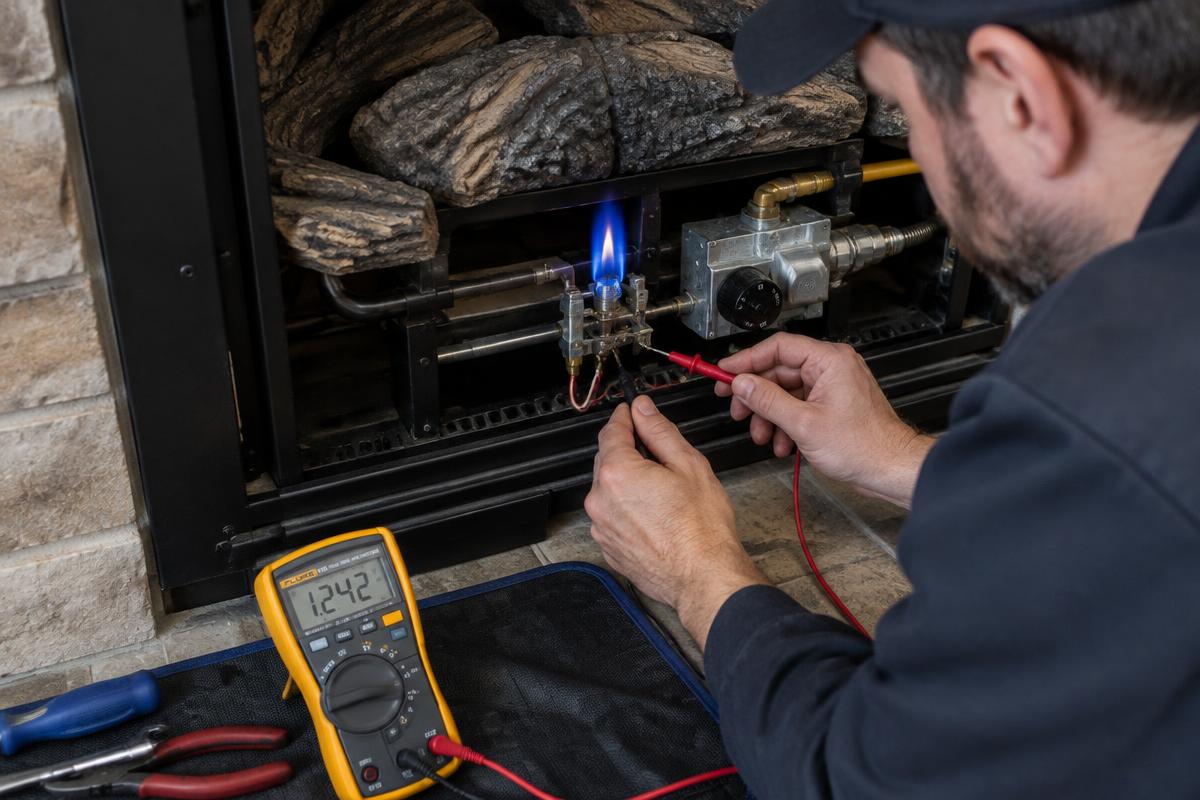
Reliable, independent gas fireplace diagnostics, cleaning, and maintenance for your Markham living space.
Self-check
Warning signs you need regency fireplace products
Pilot Light Refuses to Stay Lit
When you release the control knob, the pilot flame dies instantly. This typically indicates a weak thermocouple or oxidized connection incapable of holding open the internal safety valve.
Persistent Cloudy or White Glass Film
A dull white or hazy residue coating the ceramic glass stems from combustion minerals and moisture. If unaddressed, this film can etch permanently into the glass surface under high heat.
Delayed Ignition with a Noticeable Pop
If the main burner hesitates before catching, unburnt fuel pools momentarily across the burner bed. The resulting popping sound signals misaligned burner ports or clogged aeration holes.
Unpleasant Gas or Chemical Odours
A strong smell of rotten eggs indicates a gas leak requiring immediate shut-off. A sharp, acrid burning smell often points to scorching dust, lint, or damaged internal electrical wire insulation.
Soot Accumulating on Logs or Glass
Black carbon soot deposits forming on the ceramic logs or viewing glass reveal improper combustion. This stems from restricted primary air shutters, mispositioned logs, or venting obstructions.
Main Burner Shuts Down Unexpectedly
A fireplace that ignites normally but drops out after ten to twenty minutes usually suffers from drop-out voltage across the thermopile or a malfunctioning high-limit thermal safety switch.
Why Freeze-Thaw Weather Demands Regular System Checks
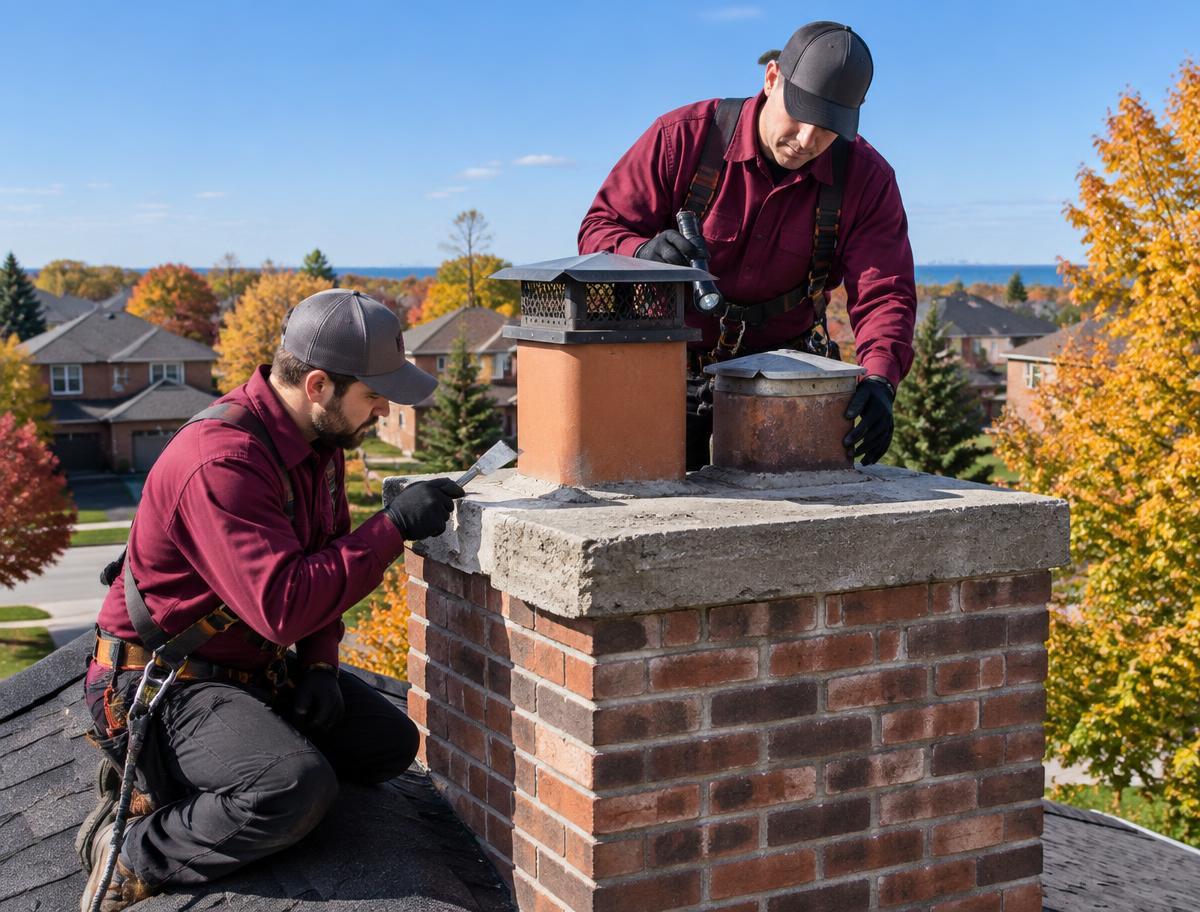
Homes across Markham experience substantial shifts in outdoor temperature and moisture levels throughout autumn, winter, and spring. When temperatures cycle above and below the freezing mark, moisture expands and contracts within exterior venting terminations and masonry chase caps. Direct vent coaxial or collinear pipe runs that exit through outside walls can collect condensation or ice around terminal caps, restricting the natural balance between incoming intake air and exiting combustion byproducts.
A direct vent appliance relies on an unbroken seal between the indoor living space and the outdoor environment. Harsh Ontario winds and rapid temperature drops can induce negative pressure conditions within multi-level homes, especially in tightly constructed modern houses or newly renovated residences. If terminal caps become partially obstructed by blowing snow, icicles, or debris, your burner may experience ghosting flames, delayed ignition, or unexpected flame dropouts due to oxygen starvation.
Furthermore, cold exterior air resting inside the exhaust run can create a stubborn air plug during startup. If the pilot light or electronic spark struggles against cold, dense air trapped inside the flue, unburnt gas may briefly pool before catching, resulting in a startling pop or rough ignition. Routine preventative evaluations verify that exterior terminals, wall thimbles, and roof vent flashings remain properly sealed, unobstructed, and capable of handling winter weather without compromising your indoor air quality.
- Inspection of exterior termination caps for ice accumulation, snow blockages, or pest screens
- Assessment of flue gaskets and venting seals against harsh freeze-thaw expansion cycles
- Verification of direct vent intake and exhaust balance during windy cold fronts
- Evaluation of wall pass-throughs and flashing seals to prevent cold air drafts and water intrusion
Common Mechanical and Environmental Failure Points
When a gas fireplace begins acting up, the source of the problem is often rooted in common household factors or subtle electrical resistance rather than catastrophic mechanical failure. Dust, lint, and pet dander are constantly drawn into the lower louvres and blower cavities by household air currents. When these particles accumulate around the primary air shutter, they restrict the volume of air mixing with natural gas, turning crisp blue flame bases into dirty, unstable yellow flames that generate excess soot.
Electrical resistance is another common culprit, especially in standing pilot millivolt systems. A pilot flame heats the thermopile, which generates a tiny DC voltage measured in millivolts to energize the main gas control valve. Over years of use, microscopic corrosion on wire terminals, wall switch contacts, or receiver terminals drops this fragile voltage below the threshold needed to keep the valve open. The result is a fireplace that lights erratically or shuts down after running for only a few minutes.
Similarly, internal condensation from the combustion of hydrocarbons naturally contains mild acids. This acidic moisture reacts with ceramic log sets, metal baffles, and glass surfaces over prolonged periods. White mineral haze on the glass is a standard byproduct of this reaction. If left unaddressed, the film bakes permanently into the ceramic glass pores, clouding the view and masking underlying flame distribution problems on the burner below.
- Oxidation and soot deposition on ignition rods, spark probes, and flame-sensing pins
- Microvolt power loss along aged wiring harnesses, toggle switches, or thermopile connections
- Debris accumulation within blower wheels leading to overheating and thermal switch cutoffs
- Improper primary air shutter adjustment leading to incomplete fuel combustion and sooting
Our Methodical Diagnostic and Maintenance Process
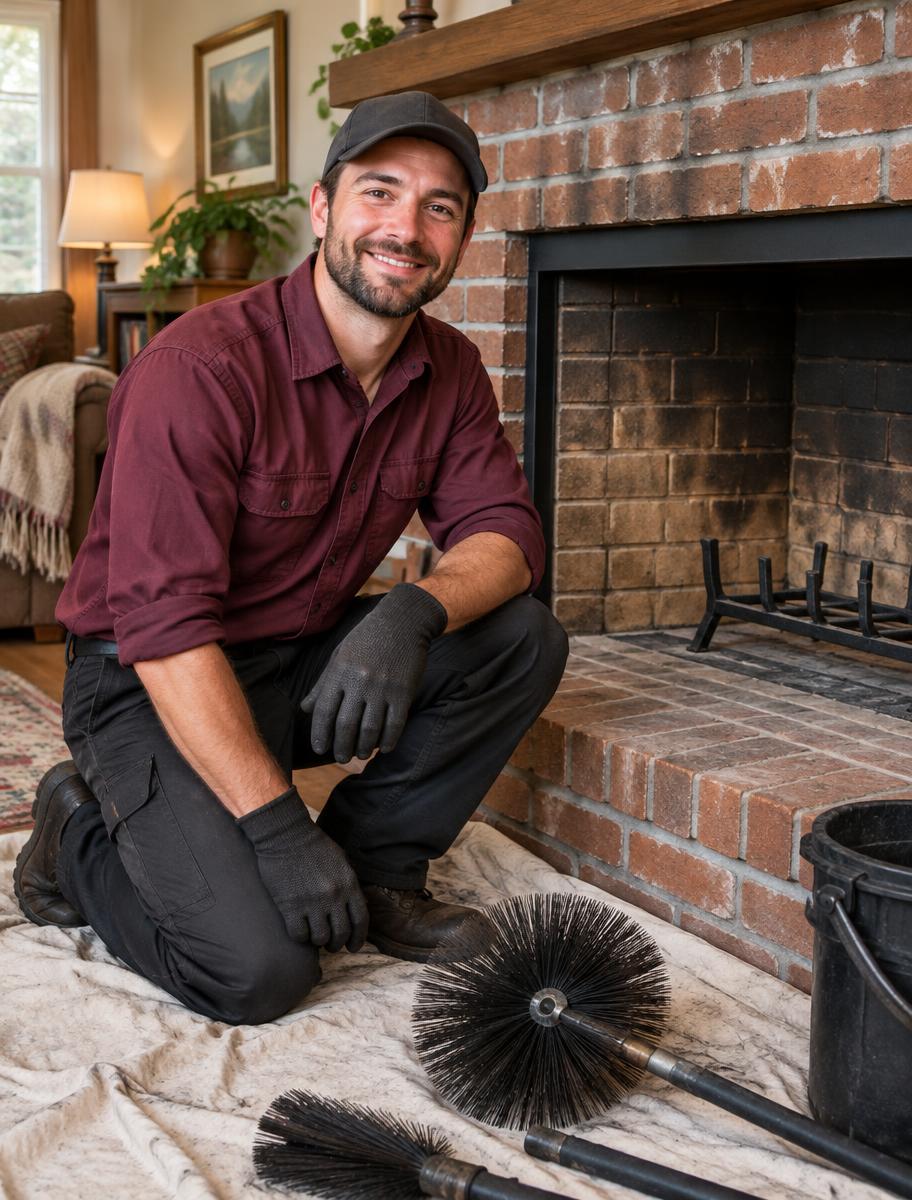
At Markham Chimney Services, our independent diagnostic process begins with a careful evaluation of the entire installation before any components are dismantled. We place protective drop cloths throughout the work area to shield your floors, rugs, and furniture. We test the appliance in its current state, monitoring how the pilot ignites, measuring the time it takes for the main burner to engage, and observing flame patterns across the ceramic ember bed to identify any immediate abnormalities.
Once initial testing is complete, our technician shuts off the gas supply and allows the unit to cool before carefully removing the glass safety assembly and decorative logs. Each log is examined for thermal fractures, carbon buildup, and correct positioning. We clean the pilot assembly, brush clear the burner ports, check the millivolt or electronic output with a digital multimeter, and vacuum the firebox floor, burner tray, and blower chamber using specialized HEPA filtration equipment.
Reassembly requires an equal level of precision. Decorative logs must be replaced in exact accordance with manufacturer spacing diagrams to prevent flame impingement that produces dangerous carbon soot. We replace worn gaskets, polish the viewing glass with a specialized non-abrasive gas fireplace cleaner, reconnect all electrical leads, restore the gas supply, and conduct soap bubble and electronic leak detection checks across every accessible fitting before completing an operational combustion burn test.
- Initial functional testing and operational assessment of switch, remote, and thermostat controls
- Controlled disassembly with careful inspection of ceramic logs, burner tubes, and embers
- Electrical voltage diagnostics on thermocouples, thermopiles, or electronic ignition modules
- Precision cleaning of burner orifices, pilot lines, and blower fan assemblies
- Gas tightness verification and carbon monoxide monitoring upon full operational reassembly
"When a storm loosened some bricks, I called for emergency repair in Thornhill. Their crew arrived within hours, secured the chimney crown, and restored its integrity without any mess. Truly impressive expertise."
Our process
How we handle your regency fireplace products, step by step
- 1
Visual and Functional Assessment
We examine the fireplace exterior, test current ignition responsiveness, note flame characteristics, and inspect the surrounding hearth area while protecting your living room with clean canvas drop sheets.
- 2
Disassembly and Firebox Detailing
We carefully extract the glass panel, log set, and burner components, using HEPA-filtered vacuum tools to remove accumulated dust, lint, and loose carbon from the firebox and blower housing.
- 3
Electrical and Mechanical Diagnostics
Our technician tests millivolt outputs, inspects the ignition module, verifies wiring integrity, cleans the pilot assembly, and adjusts the primary air shutter to ensure proper fuel and air ratios.
- 4
Glass Restoration and Log Placement
We hand-polish the ceramic glass using specialized non-abrasive conditioning cleaners, inspect the perimeter door gaskets, and reposition the ceramic logs in strict accordance with original engineering specifications.
- 5
Gas Leak Testing and Burn Verification
We pressurize the gas line, conduct soap bubble and electronic leak checks on all fittings, test full burner ignition, and confirm clean venting draw during an extended burn cycle.
Rigorous Safety Protocols and Indoor Air Quality
Indoor gas appliances require unwavering adherence to safety principles because any malfunction involves flammable fuel and potentially toxic combustion byproducts. While our technicians are independent professionals who do not claim direct manufacturer licensing or manufacturer-specific credentials, we closely adhere to industry best practices aligned with CSA safety standards and established solid-fuel and gas inspection principles. Every check we perform focuses on verifying the integrity of the firebox envelope and the reliability of fuel shut-off mechanisms.
Carbon monoxide is an invisible, odourless, and tasteless gas produced whenever hydrocarbon fuels burn with insufficient oxygen. In a properly working direct vent system, combustion gases are entirely sealed behind high-temperature ceramic glass and vented outdoors. However, if glass retainers are loose, gaskets are degraded, or the venting pipe has separated inside a wall chase, exhaust gases can seep into your living spaces. We inspect glass clamping systems and door gaskets to confirm an airtight seal.
We also encourage every homeowner in Markham to maintain functioning, certified carbon monoxide alarms on every level of their residence, particularly near sleeping quarters. During our service visits, we routinely remind clients to check alarm expiration dates and battery levels. A working gas fireplace should always provide warmth without introducing airborne irritants, lingering chemical smells, or hazardous exhaust into your household environment.
- Strict adherence to CSA-aligned clearances to combustible mantels, walls, and furnishings
- Comprehensive visual checks of glass gasket integrity to stop room-air infiltration or exhaust leakage
- Confirmation of automatic fuel shut-off safety when pilot flames are interrupted
- Recommendation and review of residential carbon monoxide alarm placements near sleeping zones
Practical Maintenance Tips for Markham Homeowners
While technical repairs, gas adjustments, and internal cleaning belong in the hands of seasoned professionals, there are several straightforward preventative habits you can adopt as a homeowner to keep your fireplace running cleanly. First, pay close attention to the base of your fireplace. Keep the lower access cavity free of household clutter, magazines, children's toys, and heavy accumulations of dust. A quick, gentle pass with a household vacuum wand around the lower louvre grates helps keep the blower and control valve free of loose debris.
Second, manage your glass care proactively. If you notice a faint white haze forming on the inner surface of the glass, arrange for professional cleaning or use an approved, non-abrasive gas fireplace glass cream once the unit is completely cool. Never spray standard ammonia-based window cleaners on fireplace glass; the chemicals in household cleaners can etch the glass permanently or react unfavourably under intense fireplace heat, creating noxious fumes when the burner is lit.
Third, establish an off-season operational routine. If your appliance uses a continuous standing pilot, you may choose to leave it lit during the summer to prevent moisture buildup and keep spiders from nesting in the small pilot orifice, or turn it off to conserve fuel. If you choose to shut the pilot down for the summer, remember to arrange your annual inspection early in the autumn so any sluggish valves or blocked pilot lines can be resolved before the freezing winds return.
- Keep the lower control compartment clean and clear of storage items or heavy dust blankets
- Never use harsh ammonia window sprays or abrasive scouring pads on ceramic glass panels
- Run your fireplace for fifteen minutes once during late summer to confirm ignition ahead of winter
- Replace remote control and wall receiver batteries annually to prevent battery terminal corrosion
Understanding the Factors That Influence Repair Costs
Fireplace repair and maintenance costs can vary depending on several practical variables. The overall age and mechanical design of your appliance play a significant role. Traditional millivolt systems with standing pilots have fewer digital components, making diagnostics relatively direct, whereas modern electronic intermittent pilot ignition models incorporate control modules, wiring harnesses, and sensitive flame sensors that require detailed electrical tracing when faults occur.
Accessibility also impacts the required labour and time. A standard fireplace located on a ground-floor living room wall with direct horizontal venting is straightforward to inspect and service. In contrast, units integrated into custom floor-to-ceiling millwork, raised hearths, or those venting vertically through multi-storey masonry chimneys require additional care and time to evaluate safely without damaging adjacent finished surfaces or trim.
Finally, the condition and availability of replacement parts determine final project expenses. Simple wear items like thermopiles, pilot burner gaskets, and decorative glowing embers are generally straightforward to source and replace. However, specialized gas valves, proprietary remote control receivers, variable-speed convection blowers, or custom-cut ceramic glass assemblies require dedicated sourcing and carry distinct material costs that are quoted clearly prior to installation.
- Ignition platform: classic standing pilot millivolt setup versus modern electronic ignition module
- Physical access to internal controls, blowers, and external termination caps
- Extent of component wear, including log damage, failed valves, or worn motor bearings
- Time required to diagnose intermittent electrical faults versus straightforward preventative servicing
Choosing the Right Fireplace Contractor in Markham
Selecting a service contractor to work on your indoor gas heating appliance requires thoughtful consideration. You want a provider who demonstrates genuine respect for your home, understands local building configurations across Markham and the Greater Toronto Area, and approaches every job with an uncompromising commitment to safety. Always look for companies that carry full commercial liability coverage, maintain transparent business practices, and communicate openly regarding their independent status.
A trustworthy technician will always explain what they are doing and why. Rather than rushing through a quick surface vacuum, a reputable professional will walk you through their diagnostic findings, explain the significance of voltage readings, show you the condition of your burner ports, and provide realistic recommendations on whether a component requires immediate replacement or simply routine cleaning. They should never pressure you into unnecessary upgrades.
Markham Chimney Services operates on transparent, upfront communication from our office on Highway 7. We believe in practical advice, clean workspaces, and reliable workmanship that respects your schedule and budget. By treating your hearth system as a vital component of your home comfort infrastructure, we ensure that every service visit leaves your fireplace functioning safely, cleanly, and reliably for the chilly seasons ahead.
- Verify full commercial liability insurance and active regional business registration
- Look for transparent, itemized estimates that distinguish labour from replacement parts
- Insist on technicians who use drop cloths, HEPA vacuums, and proper floor protection
- Choose contractors who provide clear, plain-language explanations of all mechanical findings
Average pricing in Markham
$229 – $549
- Inspection / diagnostic
- $149 – $199
- Typical time on site
- 1 to 2.5 hours typical duration
- Parts and materials
- Replacement thermopiles, gas control valves, blowers, remote receivers, and gaskets quoted separately
- What moves the price
- Appliance ignition type: manual millivolt system versus digital electronic module · Extent of carbon soot buildup and necessary deep cleaning labour · Need for specialized replacement parts such as custom glass or blower fans
Estimated local market range, not a quote. All estimates are in Canadian dollars and exclude 13% Ontario HST. Your exact price is confirmed before any work begins.