

A damaged fireplace surround or hearth tile diminishes the beauty of your living room while creating subtle safety hazards that many homeowners overlook. In Markham, fireplaces serve as central gathering points during long winter months, bearing intense radiant heat on the inside while the home exterior withstands sub-zero temperatures. Over time, high thermal cycles, foundation settling, and seasonal shifts cause mortar beds to crack, loosening tiles and allowing heat to escape toward combustible wall framing. Markham Chimney Services provides focused restoration for cracked, broken, or loose hearth and facade tiles, addressing both structural support and aesthetic appeal.
Our workshop is located at 4418 Highway 7 East, placing our service crew within easy reach of neighbourhoods across Markham and the surrounding Greater Toronto Area. Whether your home is a classic mid-century bungalow in Unionville, a two-storey brick residence in Cornell, or a modern build near Bayview Glen, we assess the root causes of masonry fractures rather than merely concealing surface damage. By repairing compromised tile assemblies with heat-tolerant compounds, we help ensure your wood-burning or gas appliance operates safely, protecting your household throughout the winter heating season.
Repairing Cracked Fireplace Tiles: visit summary
Repairing Cracked Fireplace Tiles in Markham: fireboxes, surrounds and smoke chambers repaired or restored to safe working order. Serving Markham and the Greater Toronto Area (GTA). The estimated local market range is $280 – $950, not a fixed company rate. The final scope and quote are confirmed before work begins.
| Estimated market range | $280 – $950. All estimates are in Canadian dollars and exclude 13% Ontario HST. |
|---|---|
| Typical time | 2 to 5 hours on site |
| Price factors | Extent of debonding and number of cracked tiles requiring removal; Subfloor reinforcement needs or rebuilding damaged backing masonry; Rarity and availability of matching replacement tiles or stone slabs |
| Routine signs to discuss | Hollow Sounding Tiles; Hairline Grout Separation; Chipped Tile Glaze and Flaking; Loose Hearth Extension Pieces; Soot Stains Along Tile Edges; Visible Diagonal Tile Fractures |
Understanding Fireplace Surround and Hearth Tile Failure
Fireplace tiles are subjected to operating conditions unlike any other tiled surface in your home. While bathroom or kitchen splashback tiles contend primarily with surface moisture and minor temperature variations, fireplace tiles endure extreme heat output, rapid thermal expansion, and direct structural load. The tiles installed on your hearth extension must support foot traffic, falling firewood, and heavy iron fireplace tools, while facing tiles on the surround absorb continuous thermal radiation from the firebox opening. When these materials are installed using ordinary consumer-grade adhesives or placed over moving substrates, cracking is almost inevitable.
Tile failure typically begins beneath the visible surface within the bonding layer. Standard thin-set mortars and mastic glues lose their cohesive strength when exposed to temperatures exceeding sixty degrees Celsius. As the bond degrades, hollow air pockets develop between the tile and the underlying backer board or masonry breastwork. Once a tile loses complete contact with its substrate, the differential expansion between the hot front face and the cooler rear face generates internal shear tension. A minor impact or a roaring fire is then enough to fracture the ceramic, porcelain, or natural stone tile across its face.
Addressing these failures early prevents broader damage to adjacent architectural elements. A hairline fissure across a single hearth tile can permit embers, corrosive creosote residue, or liquid soot wash to penetrate into the subfloor structure. In gas fireplace configurations, cracked tiles around the decorative perimeter often point to venting draft complications or improper clearance to internal metal shielding. Our diagnostic approach investigates whether the issue is purely topical or symptomatic of broader thermal stress within your fireplace structure.
- Differential thermal expansion between ceramic faces and backing substrates
- Breakdown of non-refractory adhesive pastes under sustained operating heat
- Mechanical impact damage from dropped fire irons, heavy logs, or hearth tools
- Direct heat transfer through undersized firebox perimeter clearances
- Moisture penetration weakening the underlying concrete bed or subfloor framing
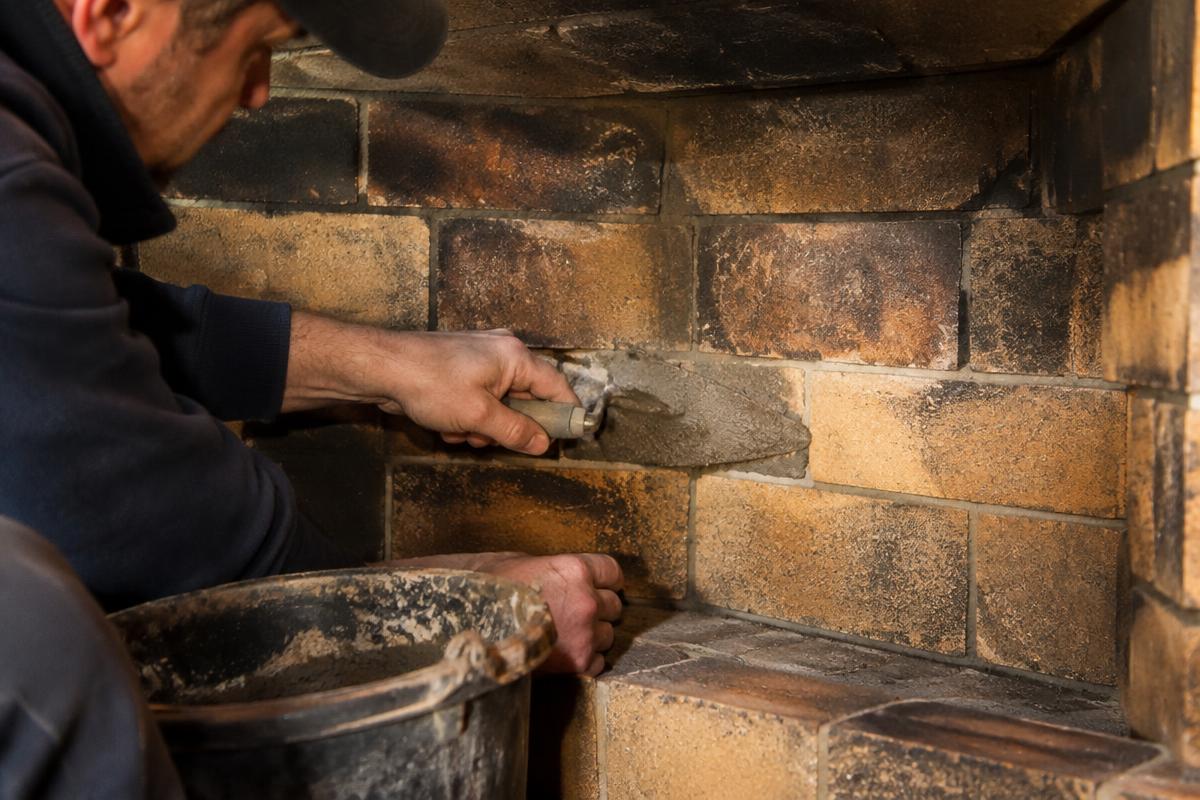
Reliable hearth and surround tile restoration built to handle local seasonal shifts safely.
Self-check
Warning signs you need repairing cracked fireplace tiles
Hollow Sounding Tiles
Tapping gently on your hearth or surround produces a distinct hollow drum sound rather than a solid click, indicating that the underlying mortar bond has detached completely from the masonry backer.
Hairline Grout Separation
Cracks developing along grout lines or at the boundary where tile meets the firebox frame reveal structural movement, foundation settling, or severe thermal expansion forces pulling the assembly apart.
Chipped Tile Glaze and Flaking
Surface glazes flaking off or stone faces spalling near the firebox opening indicate excessive heat exposure, poor refractory resistance, or moisture trapped inside the tile escaping rapidly during hot fires.
Loose Hearth Extension Pieces
Tiles on the horizontal hearth shifting underfoot present immediate tripping hazards, allow burning embers to fall into subfloor crevices, and point toward inadequate subfloor framing support.
Soot Stains Along Tile Edges
Dark carbon streaks emerging from behind your surround tiles suggest that flue gases and combustion smoke are escaping through gaps in the firebox lintel rather than drafting up your chimney.
Visible Diagonal Tile Fractures
Sharp fractures running corner to corner across individual tiles often stem from building settling, shifting exterior chimney breasts, or mechanical pinching from expanding metal firebox lintels.
The Impact of Ontario Freeze-Thaw Cycles on Hearth Masonry
Homeowners in Southern Ontario experience some of the most punishing seasonal temperature swings in North America. Winter temperatures regularly drop below minus fifteen degrees Celsius, followed by rapid thaws during mid-winter warm spells and spring transitions. For homes with exterior chimney breasts, this thermal dynamic is particularly harsh. The exterior brickwork absorbs atmospheric dampness and melting snow, which freezes and expands within the masonry pores. Because the indoor hearth is physically bonded to this exterior masonry mass, the resulting movement ripples directly into interior decorative surfaces.
When an exterior chimney foundation shifts by even a few millimetres due to ground frost heave or freeze-thaw cycles in Markham clay soils, rigid interior materials must absorb the deflection. Wall tile surrounds, rigid hearth extensions, and lime-cement mortar joints cannot flex without cracking. If moisture finds its way down an unsealed chimney crown or through deteriorated exterior mortar, that water migrates toward the interior room boundary. During the heating season, lighting a hot fire drives this trapped moisture outward, generating steam pressure behind your tiles that pops them free from the wall.
Understanding this climatic reality is vital for achieving a lasting repair. Applying quick-setting silicone or cosmetic grout over cracked hearth tiles does nothing to resolve frost-induced stress or moisture migration. A proper restoration requires assessing how the chimney structure moves against the interior building envelope. By incorporating suitable thermal expansion joints, breathable refractory setting compounds, and moisture barriers, our team delivers resilient repairs that remain intact throughout harsh Ontario winters.
- Ground frost heave shifting exterior masonry footings and chimney foundations
- Moisture migration from external brickwork turning to steam behind interior tile
- Extreme temperature swings between outdoor air and roaring fireplace interiors
- Clay soil shrinkage during summer followed by expansion during autumn wet periods
- Rigid mortar beds unable to accommodate seasonal structural deflection
Root Causes: From Substrate Deflection to Thermal Shock
While seasonal frost is a powerful contributor, several interior factors frequently trigger tile cracking in Markham properties. One common cause is substrate deflection within wood-framed floor assemblies. Building codes require hearth extensions to rest on solid masonry or non-combustible bases supported by reinforced framing. In older residential renovations, hearth tiles were often set over thin plywood or poorly fastened cement board. As residents walk across the hearth or load heavy firewood into the grate, the plywood flexes, cracking rigid grout lines and snapping the tiles.
Thermal shock is another frequent culprit, particularly in wood-burning hearths. When a fire is ignited quickly using fast-burning kindling and synthetic fire logs, the inner edge of the surround tile heats rapidly while the outer edge remains at room temperature. Natural stones like slate, marble, and certain granites possess internal fault lines and moisture pockets. Subjecting them to immediate, intense heat causes sudden expansion along mineral veins, resulting in loud pops and split stone faces. Using refractory-rated tiles and firing appliances gradually helps mitigate this phenomenon.
Improper clearances between the firebox opening and the tile installation also create chronic failure points. Building standards dictate strict setback distances between the metal firebox flange and combustible framing, as well as the types of fasteners used. If decorative tiles are mechanically pinched against expanding steel firebox lips without an adequate expansion buffer, thermal expansion forces the steel to push directly against the tile edge. This continuous wedging action fractures the surrounding tiles at the lower corners of the opening.
- Subfloor flex caused by inadequate joist support or improper backer board fasteners
- Direct thermal shock from aggressive fire ignition without gradual preheating
- Mechanical binding against expanding metal firebox components and door frames
- Natural stone veining vulnerabilities exposed to concentrated heat plumes
- Use of moisture-sensitive mastics that rot when exposed to chimney condensation
Fireplace Safety: Heat Transfer and Carbon Monoxide Awareness
A cracked fireplace tile is more than an aesthetic nuisance; it can represent an active fire safety and indoor air quality concern. Hearth tiles and non-combustible surrounds exist to shield combustible structural lumber, subflooring, and drywall from radiant heat. When a tile fractures or dislodges, the continuous thermal barrier is breached. Radiant heat from the firebox can conduct directly into hidden structural timbers through open mortar voids. Over years of repeated heating, wood framing undergoes pyrolysis, a process where wood chemically degrades and catches fire at progressively lower temperatures.
Furthermore, compromised tiles around a fireplace opening often indicate deteriorating internal refractory panels, cracked clay flue tiles, or loose cleanout doors. If flue gases find an unsealed pathway behind your surround masonry, toxic combustion byproducts can enter living areas. Carbon monoxide is an invisible, odourless gas that presents grave risks to your family. If smoke or combustion gases seep through loose hearth tiles, your appliance draft is severely compromised, creating immediate danger of gas accumulation inside your living areas.
In our repair work, Markham Chimney Services follows safety protocols drawn from established solid-fuel and gas appliance standards. We confirm that clearance dimensions align with safe practices, and we strongly advise every homeowner to install interconnected carbon monoxide alarms on every floor of their home, particularly outside sleeping areas and near heating appliances. Ensuring your hearth remains an impermeable shield protects your family against accidental house fires, toxic air ingress, and structural deterioration.
- Hidden pyrolysis of wood framing behind compromised non-combustible surrounds
- Potential passage of carbon monoxide and combustion smoke through masonry gaps
- Ember migration through broken hearth joints into combustible subfloor spaces
- Compromised structural support for heavy cast-iron fireplace inserts or grates
- Necessity of working carbon monoxide alarms near all fireplace installations
"I discovered odd odours coming from my chimney and booked a deodorizing treatment Downtown. They applied a specialized solution, sealed minor cracks, and eliminated the smell completely. My living room feels fresh again."
Our process
How we handle your repairing cracked fireplace tiles, step by step
- 1
Diagnostic Assessment and Acoustic Sounding
We tap every surround and hearth tile to locate hidden voids, inspect appliance clearances, and assess the subfloor structure for movement.
- 2
Containment and Surgical Tile Removal
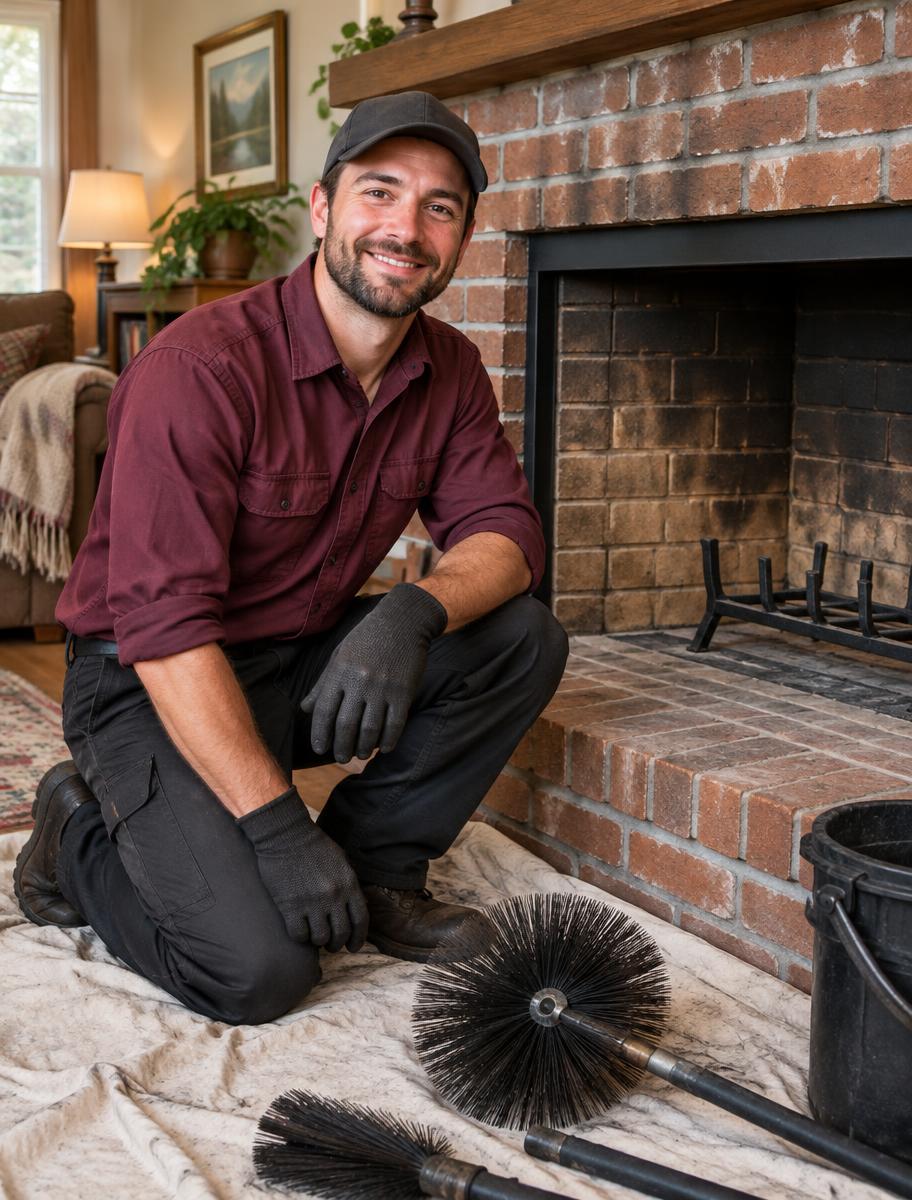
We isolate your room with protective drop sheets and use diamond-edged tools to extract cracked tiles cleanly without damaging sound neighbours.
- 3
Substrate Preparation and Heat Shielding
Old adhesive is ground away to reveal clean masonry, followed by substrate reinforcement with fiber-modified refractory compound to create an even, non-combustible base.
- 4
Precision Re-Setting with Refractory Mortar
Replacement or salvaged tiles are back-buttered fully with heat-rated mortar, set true, and aligned carefully with surrounding layout patterns.
- 5
Thermal Grouting and Perimeter Sealing
Joints are filled with high-temperature grout, expansion perimeters are sealed with flexible high-heat caulk, and a full cleanup is completed.
Our Diagnostic Approach to Fireplace Tile and Hearth Evaluation
Before mixing mortar or removing damaged materials, our service technicians conduct a comprehensive evaluation of the fireplace assembly. We begin with a non-destructive acoustic sounding test across your surround and hearth extension. By lightly tapping each tile with a specialized composite mallet, we identify hollow areas beneath seemingly sound tiles. A hollow ring indicates that the mortar bond has sheared away, revealing hidden failure zones that would otherwise crack shortly after completing a superficial repair.
Next, we inspect the interface between the tile facade and the core heating appliance. We examine the condition of the inner refractory firebrick panels, lintel irons, and perimeter smoke seals. Using non-contact infrared thermometers during diagnostic test burns or visual inspection lamps, we search for abnormal heat transfer pathways, framing settling, and draft issues. We also examine the sub-hearth from your basement or crawl space when accessible, checking for sagging floor joists, rotted structural posts, or past water stains that could undermine the hearth foundation.
Once we complete this assessment, we provide an honest, clear appraisal of the repair requirements. If your tiles cracked because of a localized impact, we focus directly on precision tile replacement and colour-matched grouting. If the damage stems from structural deflection, improper clearances, or water intrusion from the chimney exterior, we explain those underlying problems plainly. We present sensible, durable options so you can make informed decisions regarding your home safety and repair budget.
- Acoustic sounding tests to identify hollow or debonded mortar substrates
- Visual inspection of the lintel bar, firebox flange, and interior smoke seals
- Sub-hearth foundation checks in basements or crawl spaces for framing deflection
- Measurement of safety clearances to nearby combustible mantels and side trim
- Clear, written evaluation detailing root causes and recommended repair pathways
Tile Restoration Techniques and Refractory Mortar Applications
Restoring fireplace tile demands specialized materials formulated to endure sustained thermal cycling without shrinking, crumbling, or releasing toxic fumes. Traditional DIY patch kits and premixed hardware store mastics soften under heat and emit strong chemical odours when a fire is lit. Our technicians utilize high-performance, heat-rated refractory mortars and polymer-modified setting compounds engineered specifically for high-temperature masonry installations. These materials maintain elastic flexibility across thermal variations while bonding tenaciously to brick, concrete, and high-density backer units.
The physical repair process begins with careful isolation and dust control. We lay protective floor runners throughout your home and set up containment around the fireplace hearth. Using precision oscillating tools fitted with diamond-grit blades, we cut away crumbling grout lines without imparting severe impact vibrations into adjacent tiles. Damaged tiles are carefully removed, and the underlying substrate is cleaned down to solid masonry, removing carbonized glue, dust, and crumbling mortar. Any cracked cement substrate is rebuilt using non-combustible, fiber-reinforced patch mortars.
Replacement tiles are then bedded with complete mortar coverage, eliminating the hollow voids that promote heat fractures. Where original vintage tiles cannot be matched identically, we offer creative restoration techniques, including sourcing compatible salvage materials, using complementary accent stones, or rearranging existing tiles to produce an intentional, balanced design. We finish the installation with heat-tolerant, stain-resistant grout, sealing all expansion joints with flexible, high-temperature silicone caulk around the appliance perimeter to permit movement without cracking.
- Dust-controlled grout excision using diamond-grit oscillating cutting tools
- Thorough mechanical removal of compromised thin-set and carbonized adhesive
- Substrate leveling using high-temperature, non-combustible repair mortars
- Full-contact back-buttering of tiles to eliminate internal air pockets
- Perimeter expansion sealing with high-heat caulking to absorb ongoing movement
Preventive Care and Safe Fireplace Operating Practices
Once your fireplace tiles are professionally restored, adopting careful operating practices will protect the installation for decades to come. When operating a wood-burning fireplace, avoid building oversized fires that extend beyond the front edge of the firebox. Piling split hardwood too close to the opening exposes decorative surround tiles to intense direct flames, dramatically exceeding their rated design temperatures. Always use a proper cast-iron grate to keep fuel centered within the firebox, allowing draft air to draw heat up the flue rather than rolling across the surround.
Careful handling of fireplace accessories also preserves hearth tiles. Dropping heavy iron pokers, tongs, or hardwood logs onto ceramic or slate hearths causes immediate chipping and hairline fractures. Consider placing an attractive, heavy-duty hearth rug made of fire-resistant wool or fiberglass over high-traffic sections of your hearth extension during the burning season. When cleaning ash, wait until the appliance is completely cold, and use a soft-bristled brush rather than scraping metal shovels directly against the tile faces and grout lines.
Avoid using harsh chemical tile cleaners, acidic descalers, or abrasive scouring powders on your fireplace surround. High heat can bake chemical residues into tile glazes, causing permanent discolouration and degrading the grout structure. Instead, clean soot and smoke marks with warm water and mild, neutral-pH masonry cleaners, wiping dry with a microfibre cloth. Regularly inspect your grout lines each autumn before your first seasonal fire to catch any emerging hairline fractures before they worsen.
- Center fuel within the firebox grate to prevent flame rollover against the surround
- Protect hearth tiles from heavy tool impacts using careful handling techniques
- Avoid aggressive chemical or acidic cleaners that weaken grout and glaze coats
- Clean ashes only when completely cold using non-abrasive natural fiber tools
- Conduct an annual visual check of all grout joints before the winter heating run
Choosing a Qualified Fireplace Tile Contractor in Markham
Finding the right professional to repair your fireplace surround requires looking beyond general handyman services. Fireplace work occupies a specialized intersection of finish tile craftsmanship and life-safety masonry mechanics. A contractor accustomed only to installing kitchen backsplashes or bathroom floors may not understand combustible clearance rules, non-combustible backer board specifications, or the unique behaviors of refractory mortars under intense thermal stress. Hiring a dedicated hearth repair service ensures your home remains safe, durable, and structurally sound.
When interviewing potential contractors, ask direct questions regarding their materials and diagnostic methods. Inquire specifically about the mortar compounds they use behind fireplace surrounds, whether they check subfloor deflection, and how they protect your interior air quality during dust-heavy demolition. Reputable specialists carry comprehensive commercial liability insurance, provide written scopes of work detailing diagnostic findings, and stand firmly behind their work with clear warranties against bonding failure and mortar disintegration.
At Markham Chimney Services, we take immense pride in serving our local Markham community from our Highway 7 location. We do not rush jobs, cut corners with hardware-store glues, or recommend unnecessary demolitions when focused, surgical repairs are possible. Our dedicated team treats your home with meticulous respect, delivering fireplace tile repairs that honor your home architectural character while upholding the highest standards of safety and workmanship.
- Verify direct experience in fireplace masonry and high-temperature tile repairs
- Confirm the exclusive use of heat-rated refractory mortars and specialized grouts
- Require proof of full commercial liability insurance and workplace safety coverage
- Seek contractors who assess structural subfloors and framing clearances thoroughly
- Demand clear, upfront written estimates detailing both diagnostic steps and materials
Average pricing in Markham
$280 – $950
- Inspection / diagnostic
- $120 – $180
- Typical time on site
- 2 to 5 hours on site
- Parts and materials
- Custom replacement tiles, specialty refractory mortars, and expansion seals quoted separately based on material choice.
- What moves the price
- Extent of debonding and number of cracked tiles requiring removal · Subfloor reinforcement needs or rebuilding damaged backing masonry · Rarity and availability of matching replacement tiles or stone slabs
Estimated local market range, not a quote. All estimates are in Canadian dollars and exclude 13% Ontario HST. Your exact price is confirmed before any work begins.