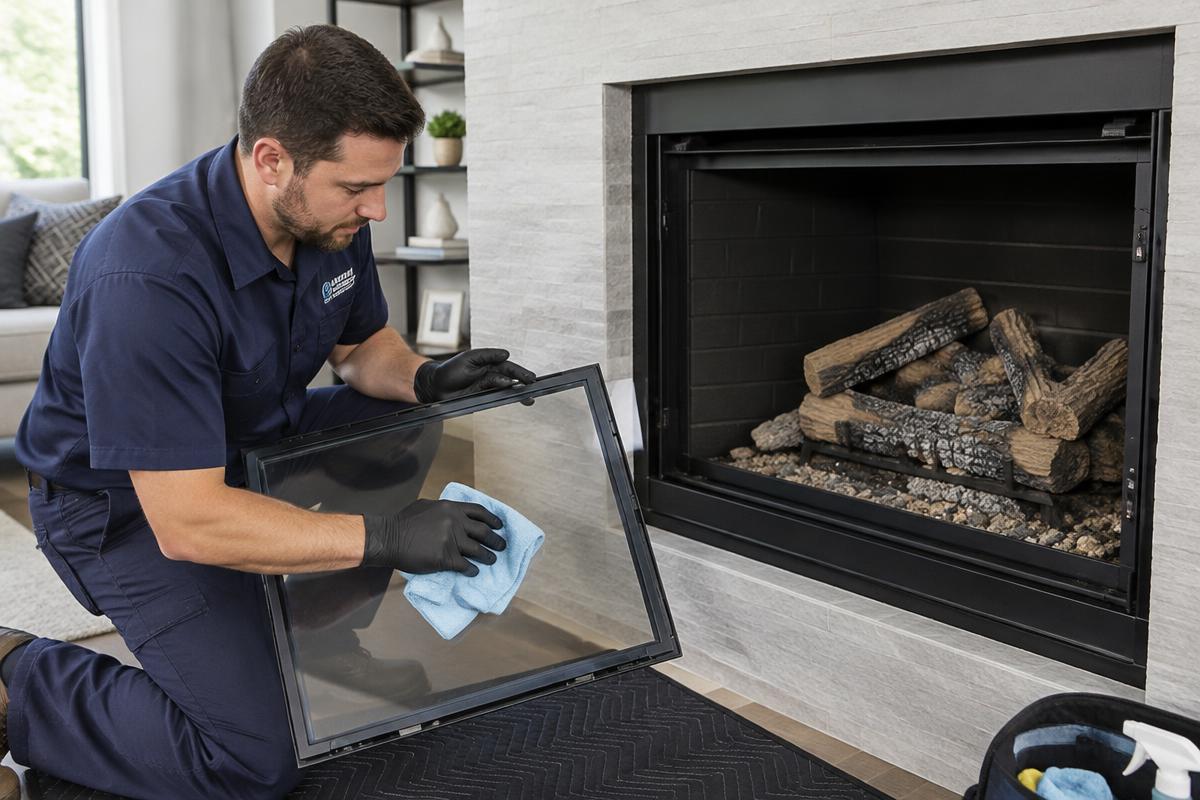

A premium gas fireplace brings exceptional comfort, architectural beauty, and dependable supplementary heat to your Markham home during our bitter Ontario winters. Whether your home features a Fireplace Xtrordinair unit, a rugged Lopi heater, or an Avalon model crafted by Travis Industries, these sophisticated appliances depend on precision engineering to operate cleanly and safely. Markham Chimney Services operates from 4418 Highway 7 East as an independent chimney and fireplace maintenance company. We provide comprehensive inspection, troubleshooting, and seasonal tune-up services tailored to the specific mechanical demands of Travis Industries gas appliances throughout our local Markham neighbourhoods.
Because Travis Industries models use advanced combustion management and intricate burner assemblies, routine technical attention is critical for peak efficiency and long-term durability. We wish to highlight that Markham Chimney Services is an independent service company and is not affiliated with, endorsed by, or acting as an authorized agent of Travis Industries. We combine rigorous mechanical insight with local climate awareness to resolve intermittent pilot problems, clear away cloudy glass deposits, test vital safety shut-off systems, and optimize draft characteristics. Our goal is to ensure your family enjoys uninterrupted comfort, dependable warmth, and complete indoor air peace of mind all winter long.
Travis Industries Fireplace: visit summary
Travis Industries Fireplace: glass, burners, pilots and controls cleaned and serviced, then relit and flame-checked. Serving Markham and the Greater Toronto Area (GTA). The estimated local market range is $249 – $549, not a fixed company rate. The final scope and quote are confirmed before work begins.
| Estimated market range | $249 – $549. All estimates are in Canadian dollars and exclude 13% Ontario HST. |
|---|---|
| Typical time | 1 to 2.5 hours typical service duration |
| Price factors | Type of ignition system (standing millivolt pilot versus electronic GreenSmart module); Extent of carbon soot cleanup and ceramic glass surface restoration required; Need for mechanical replacement parts such as blower motors, gas valves, or wiring harnesses |
| Routine signs to discuss | Intermittent or Failing Pilot Light; Milky White or Dark Hazy Glass; Unpleasant Gas or Burning Odours; Sluggish, Ghosting, or Sooty Flames; Noisy or Inoperative Convection Blower; Unresponsive Remote or Wall Switch |
Understanding Your Travis Industries Gas Appliance
Travis Industries has long been recognized for engineering some of the most distinctive gas fireplaces, inserts, and freestanding stoves in North America. Their product lineup includes luxury brands such as Fireplace Xtrordinair and classic heating platforms such as Lopi. These units often feature heavy-gauge steel fireboxes, detailed hand-carved ceramic log sets, glowing ember beds, and proprietary burner technologies designed to simulate the look of a real wood fire. Behind the decorative aesthetics lies a finely calibrated gas delivery network that balances fuel, room air circulation, and outdoor venting exhaust.
Many Travis Industries fireplaces utilize intermittent pilot ignition systems, known commonly in newer builds as GreenSmart technology. These systems allow homeowners to switch between continuous pilot mode during frigid spells and an energy-saving electronic spark mode during shoulder seasons. In addition, these fireplaces frequently incorporate dual-stage convective blowers, multi-level flame modulation valves, accent lighting circuits, and split-flow burner arrangements. Each electrical and mechanical component must synchronize precisely to prevent unburned fuel accumulation, noisy ignition sequences, or unwanted safety lockouts that leave your living room chilly.
Because these appliances are so technically sophisticated, general maintenance approaches often fall short. Our independent technicians approach each unit by studying its specific design, wiring schematics, and ventilation profile. We take the time to evaluate how the remote receiver communicates with the main gas control module, how the flame rectification circuit senses the pilot, and how the physical logs are seated across the burner ports. Proper alignment preserves internal airflow and guarantees the clean, soot-free burn that makes these focal points so enjoyable to watch.
- Detailed examination of proprietary burner tubes and decorative ceramic ember beds
- Testing electronic ignition modules, battery backups, and GreenSmart control circuits
- Cleaning and calibrating remote receiver receivers, wall switches, and thermostat links
- Verifying convection blower motor operation, thermal snap switches, and speed controls
- Checking wiring harness continuity and grounding to prevent unexpected ignition lockouts
Expert, independent service and seasonal care for your Travis Industries gas fireplace in Markham.
Self-check
Warning signs you need travis industries fireplace
Intermittent or Failing Pilot Light
The pilot light refuses to stay lit, drops out during operation, or clicks continuously without igniting the main burner. This typically points to an oxidized flame sensor, a weak thermopile, or a restricted pilot orifice.
Milky White or Dark Hazy Glass
A cloudy white film or dark soot layer develops across the inside of the viewing glass. Left untreated, high combustion heat can etch mineral deposits permanently into the ceramic glass, ruining its clarity.
Unpleasant Gas or Burning Odours
You detect a sharp gas odour, persistent burning dust smell, or chemical fumes when running the unit. Any unburned fuel smell demands immediate appliance shutdown and professional leak detection across all internal connections.
Sluggish, Ghosting, or Sooty Flames
Flames lift off the burner, appear weak and stringy, or produce dark black smoke that stains the ceramic logs. This dangerous symptom indicates improper combustion air balance, blocked venting channels, or misplaced burner media.
Noisy or Inoperative Convection Blower
The circulation fan squeals, vibrates loudly, rattles inside the lower cabinet, or fails to circulate warm air into the room. Dust and hair buildup can easily choke fan motor bearings and cause motor failure.
Unresponsive Remote or Wall Switch
The fireplace fails to turn on from the handheld remote, wall thermostat, or manual toggle switch. This issue commonly stems from corroded battery terminals, damaged low-voltage wiring, or faulty control module relays.
How Markham Freeze-Thaw Weather Strains Gas Systems
The climate across Markham and the surrounding Greater Toronto Area creates demanding environmental operating conditions for direct-vent gas fireplaces. During a standard winter, outdoor temperatures fluctuate rapidly between sub-zero chills and mild daytime thaws. These swings cause significant atmospheric air pressure variations and generate heavy moisture loads that directly affect direct-vent termination caps mounted on exterior walls or roof lines. When extreme cold settles over the region, frigid exterior air can push back down through coaxial venting pipes, creating a dense air plug that inhibits initial ignition.
Direct-vent fireplaces pull outside air through an outer vent sleeve while discharging hot combustion by-products through an inner pipe. During freezing rain or rapid thaw cycles, condensation can pool inside uninsulated vent runs or freeze across exterior termination louvres. If frost or icicles restrict intake air even slightly, your Travis Industries appliance may experience flame starvation, intermittent ghosting flames, or recurring pilot outages. The sudden drop in combustion air can also lead to incomplete fuel burning, which deposits oily soot onto log sets and coats the ceramic viewing glass.
Furthermore, freeze-thaw cycles cause moisture to settle against exterior brickwork and siding, eventually seeping into vent penetrations if flashing seals become brittle. Cold draughts leaking into the chassis around your fireplace can trick internal thermal sensors, causing blower fans to cycle on and off erratically or fail to engage when the firebox heats up. Our local service visits systematically assess outdoor terminations and interior wall cavities to shield your heating investment from these persistent environmental hazards.
- Ice and frost accumulation checks on exterior direct-vent termination caps
- Assessment of vent pipe slope and termination clearance from snow drifts
- Inspection of wall penetration seals to eliminate cold air infiltration around the firebox
- Evaluation of draft resistance caused by intense winter temperature differentials
- Detection of internal condensation runback that can corrode burner trays and pilot brackets
Resolving Ignition Failures and Pilot System Malfunctions
When you press your wall switch or handheld remote, you expect an immediate, smooth transition from spark to flame. However, electronic ignition assemblies on gas fireplaces can develop stubborn faults over years of seasonal service. In Travis Industries units with electronic ignition, a tiny flame sensor probe monitors the microamp electrical signal conducted through the pilot flame to verify that gas is burning safely. If this sensor becomes coated in microscopic silica dust or oxidation, it fails to confirm the flame, prompting the control board to shut off gas flow as a safety precaution.
For units operating on a standing pilot, worn thermocouples or thermopiles present a frequent nuisance. A thermopile must generate several hundred millivolts of electricity from the heat of the pilot flame to hold the main gas valve open. When millivolt output drops due to age or carbon buildup, the pilot might stay lit while you hold the knob down, only to extinguish the second you release it. Similarly, pilot orifice passages are remarkably narrow and can easily become obstructed by household dust, pet dander, or tiny spider webs during dormant summer months.
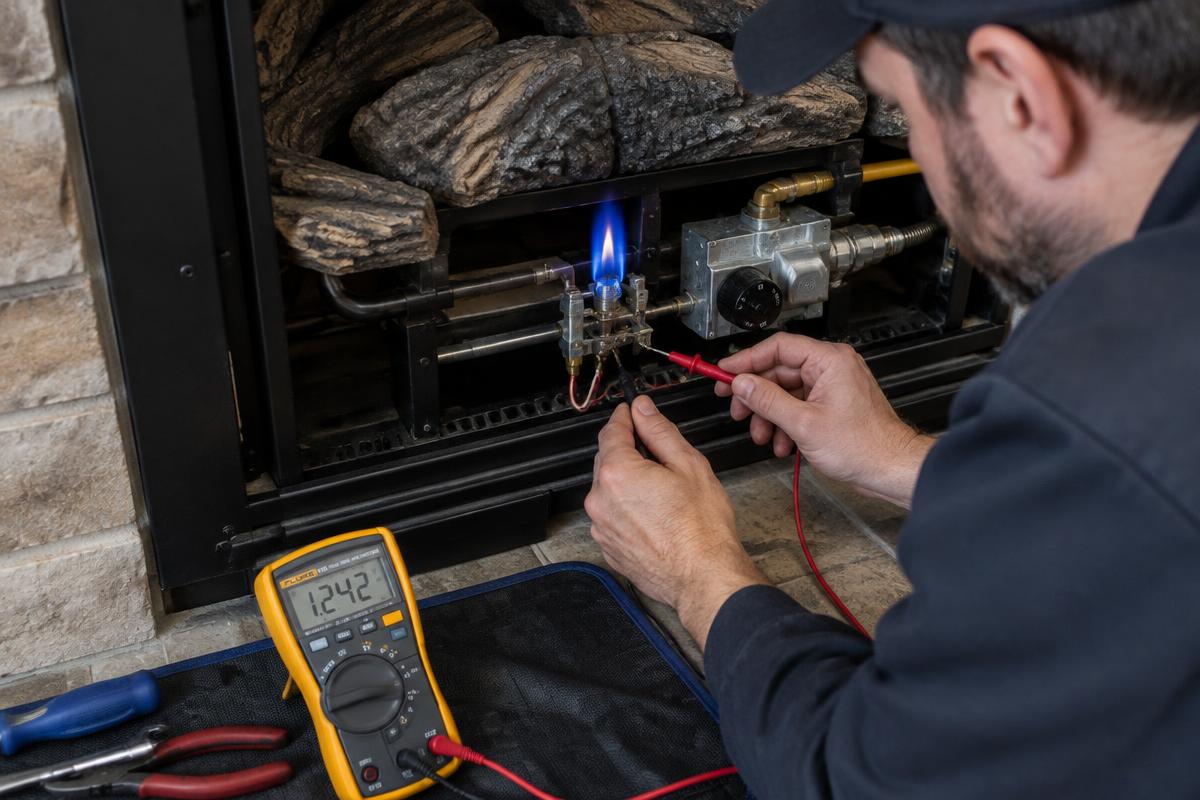
Our diagnostic procedure eliminates the guesswork behind ignition failures. We measure the precise millivolt and microamp outputs under operational load, clean the delicate ignition pins and flame rectification sensors with non-abrasive techniques, and confirm that the main control valve receives clean voltage signals from the wall switch or wireless receiver. By addressing weak spark gaps, degraded wiring harnesses, and corroded grounding connections, we restore rapid, reliable ignition without unneeded parts replacement.
- Precision testing of pilot flame rectification microamp signals on electronic systems
- Millivolt output load testing for standing pilot thermopiles and thermocouples
- Micro-clearing of primary pilot orifices to remove dust, lint, and insect obstructions
- Inspection of spark electrode gap spacing, ceramic insulator integrity, and wiring
- Troubleshooting control modules, stepper motors, and wireless receiver connections
Restoring Ceramic Glass Clarity and Combustion Air Balance
The viewing glass on a Travis Industries fireplace is not standard window pane glass; it is specialized high-temperature ceramic glass engineered to withstand intense thermal radiation. Over time, normal combustion releases trace mineral vapours and sulfur compounds that bond to the hot inner surface of the glass, creating a milky white or cloudy haze. If this film is left on the glass for multiple seasons without proper cleaning, the high heat can permanently etch the ceramic surface, ruining the aesthetic appeal of your living room showcase.
While light mineral haze is a standard side effect of gas combustion, heavy dark black soot indicates an improper fuel-to-air balance. In a properly tuned fireplace, the flames should dance with a vibrant golden glow while maintaining clean blue bases around the burner ports. If the primary air shutter slips out of position, or if internal exhaust passages become choked, the fuel burns incompletely. This problem is exacerbated when ceramic log pieces shift slightly out of their factory notches, causing the gas flame to impinge directly against the artificial wood and leave carbon deposits.
Cleaning ceramic fireplace glass requires dedicated, ammonia-free conditioning creams formulated specifically for gas appliances. Standard domestic glass cleaners contain chemicals that can bake onto the hot ceramic and cause permanent discolouration. Our technicians meticulously polish the glass interior, reseat and align every decorative log according to exact engineering specifications, and adjust the primary air shutter to achieve an optimal balance between rich flame aesthetics and clean, carbon-free combustion.
- Removal of stubborn white mineral haze using specialized ceramic glass conditioning cleaners
- Air shutter adjustment to eliminate flame impingement and prevent dark soot accumulation
- Careful repositioning and alignment of ceramic logs, twigs, and glowing ember wool
- Inspection of perimeter glass gaskets for airtight sealing, compression, and fraying
- Thermal stress assessment to ensure glass clamps exert uniform, safe holding tension
"I scheduled a full fireplace cleaning before winter. They used professional-grade tools to remove every trace of soot, tested airflow, and provided clear advice on maintenance. My hearth looks brand new and works flawlessly."
Our process
How we handle your travis industries fireplace, step by step
- 1
Initial Safety and Pressure Inspection
We isolate electrical power and fuel supply, perform electronic gas leak scans at all fittings, and verify mechanical safety clearances around the exterior firebox.
- 2
Detailed Disassembly and Diagnostic Testing
Our technician removes the ceramic glass assembly, logs, and ember beds to measure electrical microamps, pilot millivolts, valve resistance, and control module responses.
- 3
Precision Cleaning and Mechanical Clearing
We gently clear burner ports, vacuum the lower control chassis, clean pilot orifices, condition the ceramic glass, and lubricate the convection blower assembly.
- 4
Reassembly, Media Alignment, and Tuning
The firebox is carefully reassembled with pristine gasket alignment, exact ceramic log positioning, calibrated air shutter adjustments, and correct ember material density.
- 5
Live Combustion and Safety Verification
We fire the appliance through multiple heating cycles, testing remote operation, flame aesthetics, draft velocity, pressure release latches, and room carbon monoxide levels.
Direct-Vent Flue Integrity, Drafting, and Airflow Dynamics
The direct-vent coaxial system utilized by modern gas fireplaces is a sealed mechanical envelope designed to isolate indoor room air entirely from combustion air. Outdoor air is drawn through the exterior ring of the venting pipe to supply the firebox, while the inner pipe expels exhaust gases harmlessly through natural convection. Maintaining the physical integrity of this sealed circuit is essential for safe operation. Any breach in the exhaust pipe, loose slip joint, or deteriorated gasket can compromise system drafting and permit combustion gases to migrate into your home.
In multi-storey homes and older Markham residences with tall chase structures, internal draft characteristics can be influenced by stack effect. When warm air rises naturally through the home, it can create low-pressure zones on lower floors that fight the fireplace draft during initial startup. If the vent termination has improper stand-off clearances or is exposed to turbulent wind patterns created by roof valleys or neighbouring tree growth, the pilot flame can flutter erratically, leading to flame lift-off or premature safety shutdown.
During our detailed servicing, we inspect the visible segments of your direct-vent run, evaluate chase terminations, and verify that the outer intake and inner exhaust channels remain fully segregated. We also inspect the pressure relief spring latches on the firebox. These relief mechanisms must move freely so that in the rare event of delayed ignition, the sudden pressure wave can vent safely into the outer chase rather than shattering the front viewing glass.
- Examination of coaxial venting runs, pipe seams, and mechanical joint fastenings
- Verification of exterior termination clearances from windows, doors, and ground level
- Testing the mechanical action of internal firebox pressure relief springs and dampers
- Draft evaluation under varying indoor ventilation and exhaust fan operating conditions
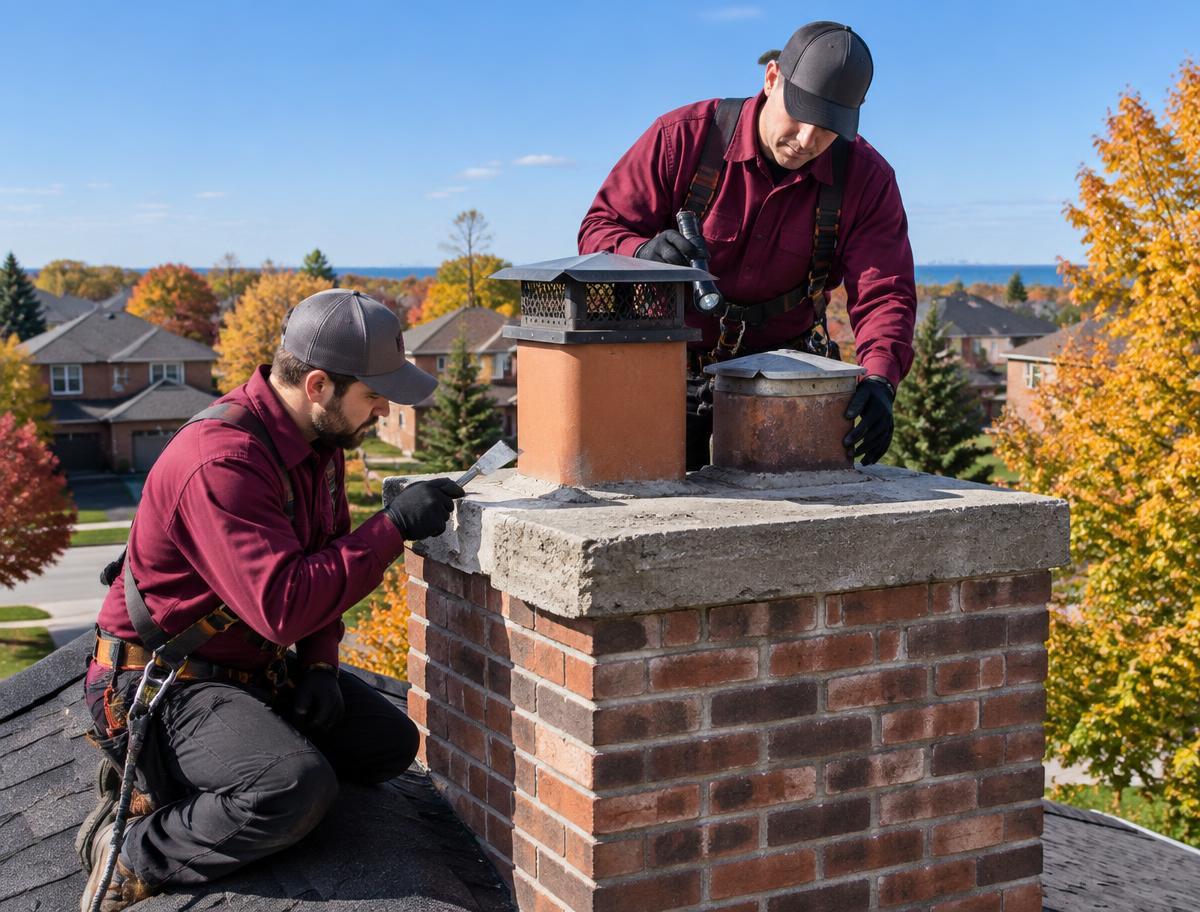
- Assessment of restrictive roof terminations and wall caps for physical debris or nesting
Prioritizing Safety: Gas Leak Checks and Carbon Monoxide Defence
Natural gas provides exceptional convenience for residential heating, but it demands unwavering respect and careful safety discipline. A gas fireplace operates at high temperatures inside an enclosed living space, making rigorous safety verification non-negotiable. Carbon monoxide is an odourless, colourless, and tasteless toxic gas produced whenever carbon-based fuels burn incompletely. Because direct-vent units are engineered to be sealed systems, any failure of the firebox seal, viewing glass gasket, or venting connection presents a potential pathway for combustion gases to enter the home.
We approach every service call by executing meticulous safety protocols aligned with recognized CSA and WETT-style best practices, though we do not claim direct manufacturer or institutional affiliations. We use sensitive electronic combustible gas detectors to scan all incoming fuel lines, shut-off valves, flex connectors, and control valve manifolds for the slightest trace of escaping gas. Even a minor leak at a compression fitting can create an unpleasant odour and accumulate quietly in confined basements or lower chase cavities.
We also evaluate ambient carbon monoxide levels during sustained operation to confirm that the unit vents completely without spillage. In addition to testing the appliance itself, our technicians inspect the placement and testing status of your residential carbon monoxide alarms. In Ontario, functioning CO alarms are legally mandated outside all sleeping areas in homes with fuel-burning appliances. Ensuring these detectors are operating properly forms an indispensable part of our comprehensive home safety evaluation.
- Electronic sniffing of all gas pipe joints, valve manifolds, and pilot supply lines
- Verification of combustion seal integrity along the firebox perimeter and viewing glass
- Ambient air monitoring around the appliance chassis during extended high-fire operation
- Review of residential carbon monoxide detector placement, battery life, and age
- Testing the operational response of the automatic thermal safety shut-off switches
Seasonal Homeowner Care and Preventive Maintenance Routines
While complex diagnostic and mechanical repairs must always be entrusted to experienced professionals, homeowners can take straightforward steps throughout the year to keep their Travis Industries fireplace operating smoothly. One of the most effective habits is scheduling your annual service visit in late summer or early autumn, well before the arrival of the first freezing temperatures. This proactive timing guarantees your fireplace will be ready to provide steady heat the moment autumn turns cold, while avoiding peak-season service scheduling bottlenecks.
Between professional service appointments, keep the mechanical space below the firebox free of dust, hair, and household clutter. The lower louvered cavity houses the main control module, electronic wiring, convection blower fan, and gas valve. When household pets shed, or when regular floor dusting is neglected, the convection blower can pull fur and lint directly into its motor bearings and squirrel-cage impeller. This buildup restricts air movement, causes overheating, and creates a faint burning dust smell when the blower kicks on.
If your system features a battery-operated wireless remote control and receiver, establish a routine of replacing the alkaline batteries at the beginning of each heating season. Weak batteries frequently cause confusing intermittent symptoms, such as the fireplace turning on unprompted or failing to respond to remote commands. During the hot summer months, you may also choose to turn the pilot off entirely to reduce unnecessary heat generation and trim your monthly utility bills, or leave it in continuous pilot mode if you wish to prevent seasonal spiders from nesting in the burner ports.
- Annual replacement of remote control and receiver battery sets with quality alkaline cells
- Gentle vacuuming of the lower louvre cavity to clear pet hair and dust accumulation
- Periodic visual checks of the pilot flame colour, height, and steady contact with the sensor
- Seasonal transition of the GreenSmart ignition system to match ambient household needs
- Prompt professional attention if glass develops unusual hazing or the flame looks sluggish
Selecting the Right Independent Fireplace Technician in Markham
Choosing a qualified heating technician to work on your gas fireplace requires careful consideration. A gas fireplace is both an architectural centrepiece and an active combustion appliance, demanding far more specialized care than a conventional basement furnace. When evaluating prospective contractors in Markham, homeowners should seek independent specialists who demonstrate deep, hands-on experience with modern direct-vent systems and who take a patient, diagnostic-first approach rather than rushing to push expensive replacement units.
A trustworthy technician will always be completely transparent about their qualifications, operational methods, and pricing structure. Look for companies that take the time to explain what they find during their inspection, supply written estimates before commencing repairs, and respect your home by laying down protective floor coverings and wearing clean indoor footwear. Furthermore, clear communication regarding independent status is a mark of professional honesty; an ethical contractor never misleads customers with unearned claims of manufacturer authorization or misleading factory endorsements.
At Markham Chimney Services, we take genuine pride in our practical craftsmanship and straightforward local customer service. Operating directly out of our 4418 Highway 7 East address, we understand the specific home styles, architectural nuances, and chimney setups found across Markham neighbourhoods. We treat your living space with the highest level of care, focusing on lasting safety, thermal performance, and dependable warmth you can rely on when winter is at its fiercest.
- Clear, itemized diagnostic estimates provided before any repair work commences
- Honest, independent guidance with zero pressure to buy unwanted hardware or upgrades
- Deep diagnostic expertise across complex electronic ignition and direct-vent configurations
- Respectful in-home service with protective work mats, drop cloths, and tidy clean-up
- Dedicated local presence rooted in the Markham community and surrounding neighbourhoods
Average pricing in Markham
$249 – $549
- Inspection / diagnostic
- $149 – $199
- Typical time on site
- 1 to 2.5 hours typical service duration
- Parts and materials
- Replacement thermopiles, pilot assemblies, control modules, blowers, and remote kits quoted separately
- What moves the price
- Type of ignition system (standing millivolt pilot versus electronic GreenSmart module) · Extent of carbon soot cleanup and ceramic glass surface restoration required · Need for mechanical replacement parts such as blower motors, gas valves, or wiring harnesses
Estimated local market range, not a quote. All estimates are in Canadian dollars and exclude 13% Ontario HST. Your exact price is confirmed before any work begins.