

A properly functioning chimney air vent serves as the lungs of your home heating structure, regulating combustion airflow while keeping unwanted moisture and drafts out of living areas. In Markham neighbourhoods like Unionville, Langstaff, and Milliken, residential chimneys encounter dramatic seasonal shifts that place tremendous stress on intake vents, thimbles, and fresh air supply channels. When chimney air vents become corroded, clogged with debris, or incorrectly sized, your household risks dangerous backdrafting, persistent fireplace smoke, and heightened heating bills. Markham Chimney Services delivers dedicated chimney air vent maintenance, repair, and installation from our headquarters at 4418 Highway 7 East to keep your flue breathing naturally and safely.
Neglecting your chimney air vents often leads to quiet, compounding damage behind finished walls and within chimney cavities. In our southern Ontario environment, unbalanced air pressure pulls cold, damp air straight down dormant chimney shafts, accelerating internal condensation and chilling ground-floor rooms. Our team of independent technicians approaches chimney air vent service with thorough diagnostic techniques, assessing room air dynamics, chimney draft performance, and exterior vent condition. We ensure that fresh combustion air circulates effectively, toxic fumes vent outdoors without obstruction, and exterior venting hoods shield your brickwork against driving rain and winter frost throughout Markham and surrounding communities.
Chimney Air Vent Services: visit summary
Chimney Air Vent Services: caps, crowns, dampers, flashing and liners checked and serviced so the chimney drafts and seals properly. Serving Markham and the Greater Toronto Area (GTA). The estimated local market range is $280 – $690, not a fixed company rate. The final scope and quote are confirmed before work begins.
| Estimated market range | $280 – $690. All estimates are in Canadian dollars and exclude 13% Ontario HST. |
|---|---|
| Typical time | 1.5 to 3.5 hours |
| Price factors | Accessibility of the exterior vent on steep rooflines or multi-storey brick facades; Extensiveness of masonry retrofitting or custom core-drilling needed for fresh-air ducting; Material selection ranging from standard heavy-gauge aluminum to custom marine stainless steel |
| Routine signs to discuss | Persistent Fireplace Backdrafting; Noticeable Cold Hearth Draughts; Visible Vent Louvre Corrosion; Musty Soot Smells on Damp Days; Animal Noises or Nesting Debris; Peeling Paint Near Chimney Walls |
Understanding the Vital Role of Chimney Air Vents
Chimney air vents are engineered openings and mechanical louvres designed to introduce combustion air, equalize basement pressure, and provide controlled ventilation within the chimney chase. In modern energy-efficient homes across Markham, tight building envelopes often starve fireplaces, gas inserts, and oil furnaces of the oxygen necessary to maintain a steady upward draft. Dedicated chimney air vents bridge this gap by channelling outdoor air straight to the combustion zone or balancing the annular space between your flue liner and outer brickwork. Without these balanced air channels, your chimney is forced to draw makeup air through crawlspaces, recessed light fixtures, or living room doors.
Beyond feeding fires with essential oxygen, chimney air vents safeguard the longevity of the chimney masonry itself. Chimney structures naturally accumulate warmth, moisture, and chemical byproducts from daily fuel combustion. When stagnant air remains trapped within a brick chimney column or wooden chase, internal humidity skyrockets. A properly configured air vent facilitates continuous passive air movement across dormant flues, carrying residual moisture away before it can seep into plaster, drywall, or mortar joints. This balanced airflow also stops cold-hearth syndrome, where chilly air pools inside your firebox whenever your heating appliance rests between burn cycles.
Our chimney air vent services address every component of this critical circulation network, from exterior hooded intakes and fresh-air louvered grates to interior thimble vents and chase-top louvres. We assess your home layout, heating appliance demands, and exterior wind exposure to confirm that your vent components match the specific volumetric requirements of your flue. As an independent service company, we focus entirely on honest mechanical assessments and lasting structural solutions that keep your home breathing easily in every season.
- Exterior intake hoods that supply fresh oxygen directly to the fireplace
- Chimney chase louvres that prevent trapped heat and moisture buildup
- Barometric draft dampers and air regulators on utility appliance flues
- Interior thimble ventilation grilles that stabilize ambient room pressure
- Protective mesh guards that stop nesting animals and leaves from choking vent passages
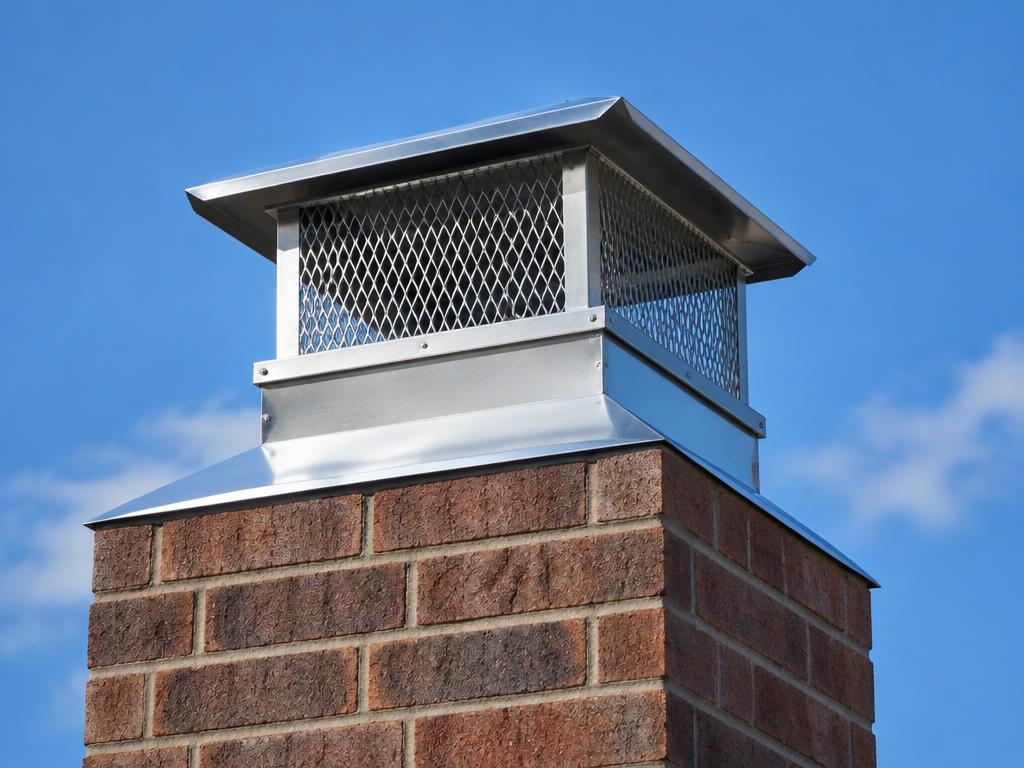
Protect your masonry and restore healthy indoor airflow with specialized chimney ventilation solutions.
Self-check
Warning signs you need chimney air vent services
Persistent Fireplace Backdrafting
Smoke rolls into your living room upon ignition rather than drafting upward, signalling restricted combustion air supply or severe negative pressure inside the room.
Noticeable Cold Hearth Draughts
Chilly outdoor air cascades out of your firebox when the fireplace is not in use, indicating a failed vent seal, missing damper gasket, or unbalanced pressure.
Visible Vent Louvre Corrosion
Exterior vent covers show heavy rust, flaking paint, or white corrosion crusts, which freeze movable louvres shut and let moisture penetrate external masonry walls.
Musty Soot Smells on Damp Days
Humid rainy weather produces strong, unpleasant creosote odours inside your home, pointing to stagnant airflow and trapped condensation within an unvented chimney column.
Animal Noises or Nesting Debris
Scratching sounds in the chimney flue or twigs spilling into the hearth indicate that exterior vent animal screening is torn, rusted away, or completely missing.
Peeling Paint Near Chimney Walls
Drywall blistering, bubbling paint, or damp plaster surrounding your fireplace wall reveals unvented internal moisture condensing behind structural chimney framing.
Why Freeze-Thaw Weather Demands Healthy Chimney Ventilation
The climate across Markham presents severe challenges for exterior chimney components, particularly during late autumn and early spring when temperatures fluctuate across the zero-degree mark dozens of times. When moist indoor air leaks into an unvented chimney chase, warm water vapour strikes freezing exterior masonry units. The vapour immediately condenses into liquid droplets that saturate clay flue tiles and porous brickwork. As night falls and temperatures plunge below freezing, this trapped moisture expands by roughly nine percent, fracturing clay liners, popping mortar joints, and loosening external vent collars.
A functioning chimney air vent system mitigates this damaging cycle by sustaining steady passive airflow that dries out condensation before freezing temperatures take hold. Without functional air vents, wet flues stay damp for weeks at a time, rotting steel dampers and forming corrosive efflorescence on visible brick walls. During January blizzards, wind-driven snow easily drives into broken, missing, or corroded vent louvres, where it melts against radiant chimney warmth and introduces litres of moisture into your upper ceiling framing.
By inspecting and servicing your chimney air vents before winter deepens, you preserve the structural integrity of your entire chimney stack. Markham Chimney Services installs corrosion-resistant vent assemblies equipped with integrated drip edges, snow-deflection hoods, and thermal barriers. These specialized components withstand driving winter gales off Lake Ontario while continuously venting out corrosive combustion humidity, keeping your hearth and roofline dry through the toughest Ontario winter seasons.
- Prevents internal water vapour from fracturing freezing bricks and flue tiles
- Eliminates standing condensation that rusts dampers, firebox steel, and vent collars
- Deflects blowing snow and wind-driven rain away from the vulnerable chimney chase
- Minimizes masonry efflorescence, spalling, and interior plaster staining
- Maintains stable flue temperatures to reduce heavy creosote accumulation
Common Causes of Vent Degradation and Airflow Failure
Chimney air vent issues rarely develop overnight; they stem from ongoing environmental exposure, building renovations, and biological intrusions. One frequent cause of vent failure is environmental metal fatigue. Many older suburban homes throughout Markham still rely on basic stamped-tin or galvanized-steel exterior vents installed decades ago. Years of exposure to acidic rain, road salt, and flue exhaust gases corrode these metals, causing louvres to freeze shut, hinge pins to seize, or exterior hoods to break free from mortar anchors.
Another major cause of airflow problems is modern home weatherization. When homeowners replace drafty heritage windows, spray-foam their attics, or install high-volume kitchen exhaust hoods, the interior air pressure changes completely. An improperly sized chimney air vent suddenly cannot supply adequate combustion air to counter the suction of a commercial range hood or modern bathroom fan. Under these conditions, the chimney becomes a giant intake straw, pulling smoke, soot, and chilly outdoor air backwards down the flue and straight into your living room.
Finally, wildlife and debris regularly compromise chimney air vents across leafy neighbourhoods near Toogood Pond and the Rouge Valley ravine system. Squirrels, raccoons, starlings, and hornets view open, unshielded chimney air vents as secure winter nesting spots. Twigs, leaves, and animal bedding quickly plug air intake channels, cutting off the combustion air supply and creating extreme fire and carbon monoxide hazards that demand professional inspection and clearance.
- Corroded galvanized metals from acidic weather and sulfurous exhaust fumes
- Negative pressure created by high-powered kitchen range hoods and exhaust fans
- Fallen leaves, pine needles, and windblown street debris clogging exterior louvres
- Wildlife intrusion from starlings, bats, squirrels, and raccoons seeking shelter
- Mortar erosion and structural settlement shifting vent frames out of level alignment
Our Thorough Diagnostic and Inspection Methodology
Markham Chimney Services approaches every chimney air vent issue with structured diagnostics rather than quick guesswork. When our technicians arrive at your home, we begin by reviewing your heating appliances, operational habits, and any specific draught complaints you have noticed. We run baseline visual inspections of all accessible intake grates, thimble connections, and cleanout vents, checking for physical rust, loose fasteners, damaged screening, and signs of water penetration around surrounding brickwork or siding.
Next, we assess air dynamics using practical pressure-differential testing tools and draft indicators. We monitor how air behaves within your firebox and chimney flue both while the house sits idle and while mechanical exhaust fans run at maximum power. This real-world testing reveals whether your air vent is delivering balanced volume or if your home is suffering from severe negative pressure. We inspect the exterior vent termination on your roof or exterior wall, confirming that clearance distances from windows, soffits, and adjacent structures meet standard safety practices.
Once our diagnosis is complete, we provide a clear, plain-language summary of our findings. We show you photographic evidence of any hidden damage, explain the mechanical reasons behind your airflow or moisture concerns, and outline sensible options for repair or vent upgrading. We respect your home and property, using protective floor coverings and dust-containment equipment while working indoors, ensuring that our presence leaves your living space as tidy as we found it.
- Visual evaluation of all internal and external chimney vent components
- Draft and airflow performance checks under baseline and high-exhaust household conditions
- Clearance and termination assessments across exterior walls and rooflines
- Moisture, corrosion, and biological pest intrusion scanning within vent ducting
- Written diagnostic summaries paired with clear, transparent photographic documentation
"I booked an annual chimney sweep in Unionville and they arrived right on time. They cleared all creosote, inspected the flue draft, and shared simple maintenance tips. My fireplace runs smoother and safer now."
Our process
How we handle your chimney air vent services, step by step
- 1
Visual and Mechanical Assessment
We examine exterior vent hoods, cleanout doors, dampers, and interior grates, documenting physical corrosion, clearance issues, and debris blockages across the entire chimney structure.
- 2
Pressure Differential and Draft Testing
Our technicians evaluate room air dynamics with mechanical exhaust appliances running, establishing whether your fireplace is starved of combustion air or suffering from backdrafting.
- 3
Debris Removal and Duct Clearance
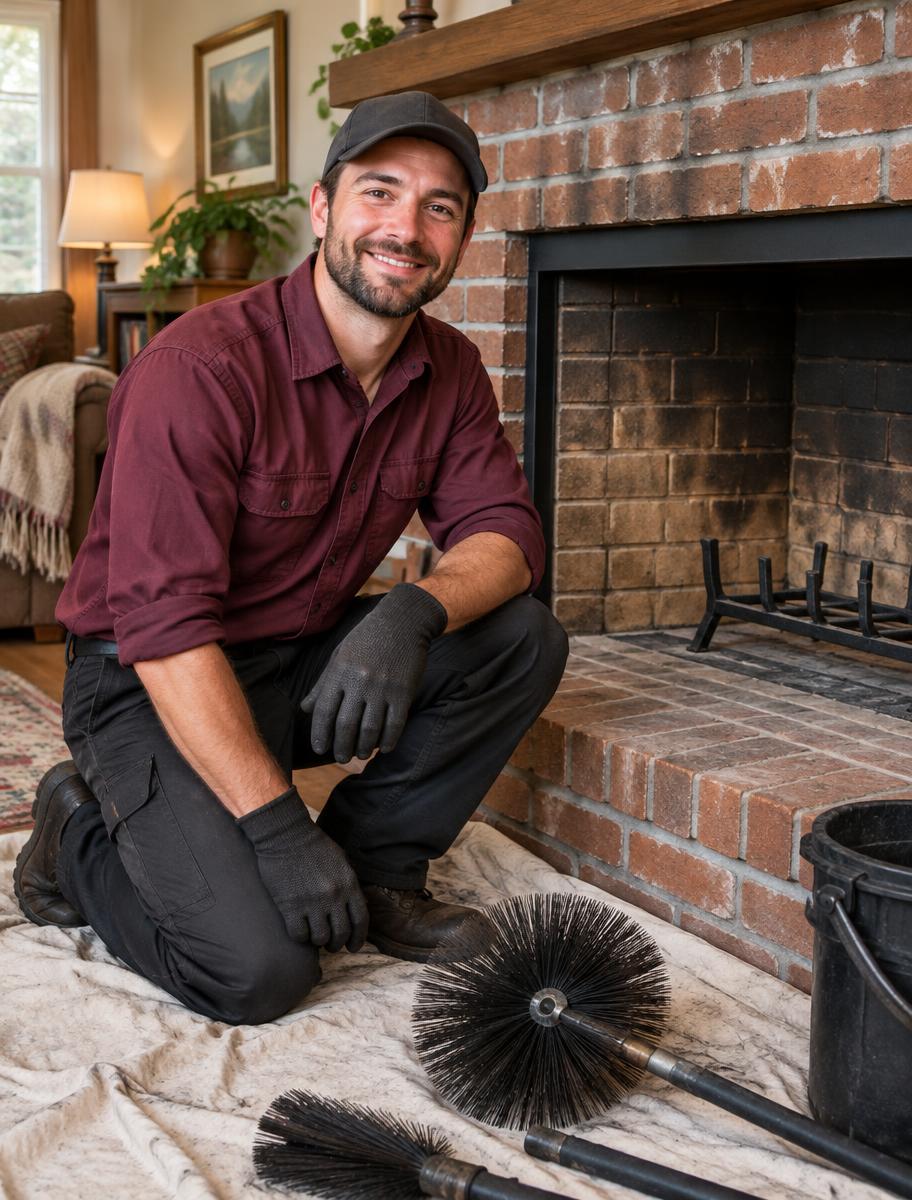
We clear accumulated animal nests, leaves, soot, and masonry fragments from the vent channel using specialized brushes and HEPA dust containment equipment.
- 4
Component Repair or Hood Replacement
Damaged louvres, screening, and corroded hoods are replaced with durable stainless steel or aluminum assemblies, anchored securely and sealed with elastomeric weatherproofing.
- 5
Operational Commissioning and Safety Check
We test mechanical damper movements, verify balanced draft flow during test burns, inspect CO alarm readiness, and review seasonal operation tips with you.
Precision Vent Repairs, Replacements, and Weatherproofing
When our diagnostic reveals compromised chimney vents, we carry out precise repairs using materials selected specifically for Canadian weather durability. If your existing vent frame is structurally sound but suffering from seized louvres or broken screening, we dismantle the assembly, clear out biological debris, replace damaged animal mesh with heavy-gauge stainless steel, and lubricate mechanical dampers with heat-rated compounds. We also re-anchor loose exterior mounting flanges into brick or masonry joints using specialized concrete anchors and polyurethane expansion seals.
If an existing vent is undersized, severely corroded, or missing entirely, we install custom-fitted stainless steel, copper, or heavy-gauge powder-coated aluminum assemblies. We cut clean masonry recesses when necessary, ensuring the vent sits flush against exterior walls with integrated flashing and moisture-shedding drip edges. For installations addressing negative indoor pressure, we run dedicated, insulated makeup air ducts directly from the exterior vent hood straight into the firebox or hearth room, ensuring a steady oxygen feed that works independently of your household HVAC system.
Weatherproofing completes every installation and repair service. We apply premium elastomeric caulking around all exterior vent perimeters to prevent freeze-thaw water intrusion between the metal frame and brick facade. Where chase vents enter framed chimneys, we install seamless counter-flashing systems that deflect downpours safely away from the wooden underlayment. Our meticulous craftsmanship ensures your new chimney air vents endure relentless summer sun, driving autumn rains, and sub-zero winter winds for years to come.
- Installation of marine-grade stainless steel and heavy-gauge aluminum exterior vent hoods
- Replacement of rusted animal screening with chew-proof welded wire mesh
- Direct insulated makeup air duct routing to eliminate fireplace smoke spillage
- High-performance elastomeric sealing to block moisture at masonry transitions
- Custom-fabricated flashing systems for framed chimney chases and brick shoulders
Combustion Air Safety, Backdraft Prevention, and Carbon Monoxide
The primary purpose of a balanced chimney system is the safe, uninterrupted expulsion of deadly combustion gases. When a chimney air vent fails to deliver sufficient oxygen to a wood fire, gas log set, or furnace, combustion becomes incomplete. Incomplete combustion sharply elevates levels of carbon monoxide, an invisible, odorless, and potentially lethal gas. If your home experiences negative air pressure, those toxic gases can reverse direction and pool inside living spaces rather than rising safely through the chimney top.
We align all of our chimney air vent services with recognized solid-fuel and gas safety best practices, following established CSA and WETT-style principles for combustion clearances and airflow balance. We ensure that fresh air intakes are positioned well away from potential contamination sources, such as automobile tailpipes in driveways or dryer vent exhausts. Furthermore, we inspect dampers and fresh-air intake valves to confirm they open fully without sticking, guaranteeing that clean outside air reaches the firebox whenever you ignite a fire.
Safety extends directly into your living areas. During every chimney air vent service call, our technicians emphasize the critical necessity of working carbon monoxide and smoke alarms. We advise homeowners to maintain functional carbon monoxide detectors on every sleeping level and in the immediate vicinity of all fuel-burning appliances. A well-maintained chimney air vent, paired with operational CO detectors, creates an essential dual-layer defence system that safeguards your family throughout the winter heating season.
- Mitigates dangerous flue gas backdrafting caused by negative household air pressure
- Ensures complete fuel combustion to minimize the formation of carbon monoxide
- Maintains safe clearances between combustion air intakes and exterior exhaust ports
- Verifies compliance with established CSA and WETT-style safety principles
- Reinforces home safety through strategic carbon monoxide alarm placement advice
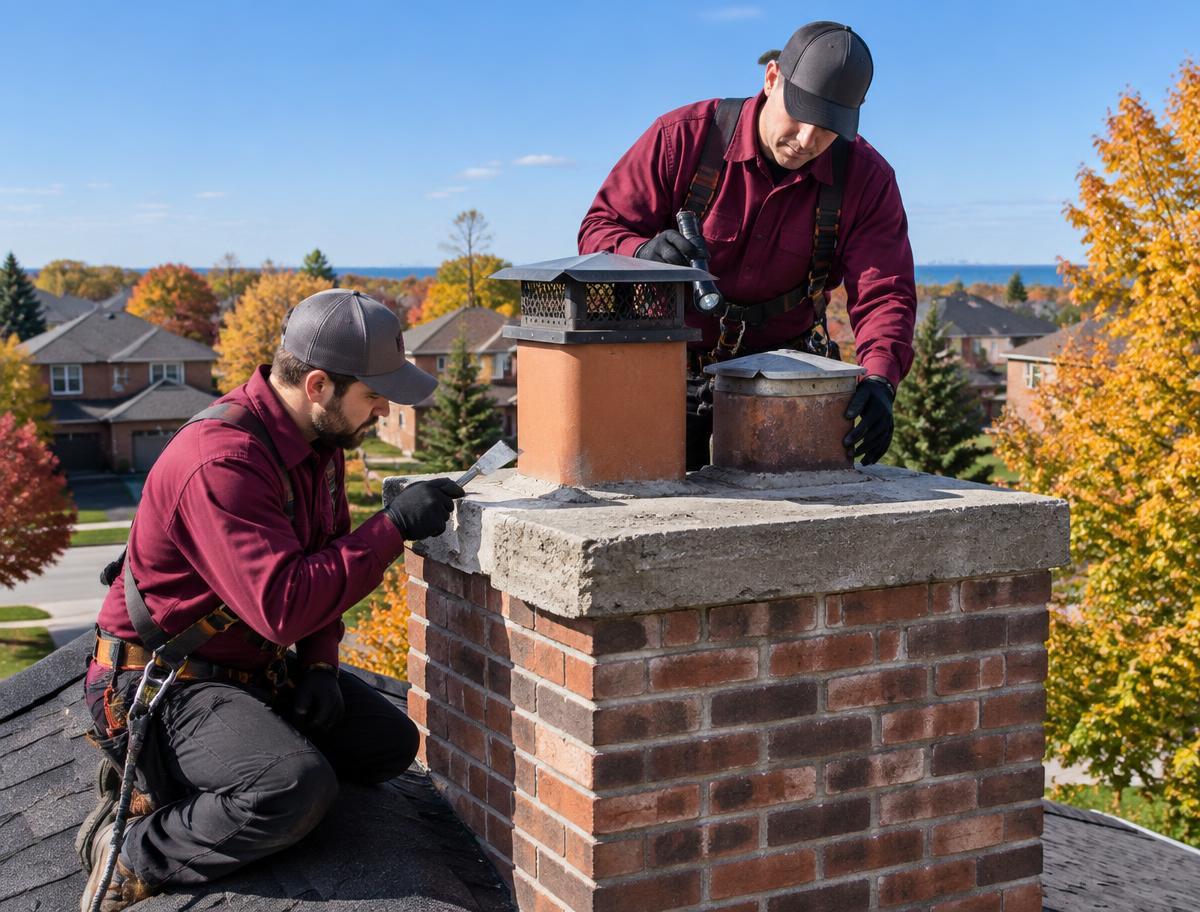
Seasonal Air Vent Maintenance for Markham Homeowners
While professional service remains essential for structural and mechanical chimney work, homeowners can perform simple seasonal checks to keep chimney air vents operating smoothly. Every spring and autumn, take a few minutes to inspect your exterior vent hoods from the ground using a pair of binoculars. Look closely for visible nests, cobwebs, leaves, or obvious metal corrosion around louvres and hood hoods. Ensure that surrounding foundation shrubs, climbing ivy, or ornamental garden trees have not grown over the vent openings, as dense foliage can severely restrict essential combustion airflow.
Inside your home, keep fresh-air intake grilles and hearth thimbles free from accumulated dust, pet hair, and ash. Use a soft vacuum brush attachment to clean hearthside vent openings regularly, taking care not to bend delicate internal louvres or mechanical control linkages. If your chimney air vent features a manual lever or sliding shutter, exercise the mechanism periodically to confirm it moves freely between the fully open and fully closed positions without grinding or sticking.
Pay close attention to changes in how your home smells or how your fire behaves. If lighting your fireplace consistently produces a sudden burst of smoke into the living room, or if you detect musty, soot-laden odours on damp rainy afternoons, your air vent network may be choked or out of balance. Scheduling a professional seasonal checkup at the first sign of poor draught ensures minor blockages can be cleared before they trigger smoke damage or structural moisture issues.
- Prune nearby bushes, trees, and climbing vines at least one metre clear of exterior vents
- Vacuum indoor hearth air intake grilles seasonally to remove dust and pet dander
- Visually inspect exterior vent hoods every spring and autumn for rust or animal nests
- Test manual vent control levers regularly to prevent mechanical seizure
- Schedule professional maintenance promptly if you notice smoke puffing or soot odours
Selecting a Trustworthy Chimney Ventilation Specialist
Finding the right chimney specialist in Markham requires careful evaluation, because chimney ventilation combines elements of masonry, sheet metal work, and thermodynamic building science. When interviewing prospective contractors, look for companies that take the time to evaluate your entire home airflow system rather than simply offering a quick cosmetic patch. A knowledgeable contractor will ask about your heating equipment, exhaust fans, and home insulation levels before proposing a vent repair or installation plan.
Always confirm that the chimney company carries comprehensive commercial general liability insurance and active Workplace Safety and Insurance Board (WSIB) coverage for all roof and masonry work. Ask whether their technicians follow CSA standards and WETT-style safety practices when assessing combustion clearances and vent configurations. Reputable service providers operate with full transparency, offering detailed written estimates, upfront parts pricing, and clear photographic evidence of all diagnosed chimney issues before starting work.
Be wary of door-to-door chimney sweeps or unsolicited roofers who claim your chimney vents are on the verge of collapse without performing a systematic inspection. An established independent business rooted in the Markham community values long-term customer relationships and relies on honest, practical recommendations. Taking time to partner with a reputable local chimney specialist guarantees that your chimney air vent project will be completed with premium materials, skilled craftsmanship, and lasting respect for your home.
- Verify full commercial general liability insurance and current WSIB coverage
- Confirm adherence to recognized CSA and WETT-style combustion ventilation standards
- Insist on comprehensive written estimates with itemized labor and material costs
- Demand photographic documentation of hidden chase, attic, and rooftop vent conditions
- Choose an established local specialist with an accountable physical address in Markham
Average pricing in Markham
$280 – $690
- Inspection / diagnostic
- $120 – $180
- Typical time on site
- 1.5 to 3.5 hours
- Parts and materials
- Exterior stainless hoods, insulated makeup ducts, custom animal screening, and barometric dampers quoted separately
- What moves the price
- Accessibility of the exterior vent on steep rooflines or multi-storey brick facades · Extensiveness of masonry retrofitting or custom core-drilling needed for fresh-air ducting · Material selection ranging from standard heavy-gauge aluminum to custom marine stainless steel
Estimated local market range, not a quote. All estimates are in Canadian dollars and exclude 13% Ontario HST. Your exact price is confirmed before any work begins.