

A chimney chase serves as the protective outer housing for modern factory-built metal chimneys, shielding the sensitive venting pipes from harsh weather while maintaining your home's exterior architectural style. Unlike solid masonry structures, chimney chases are framed with wood or light steel studs and sheathed in siding, stucco, stone veneer, or metal panels. When moisture breaches this structure, the consequences can remain hidden for months behind drywall and insulation. Markham Chimney Services provides comprehensive chimney chase inspections, structural repairs, custom stainless steel chase cover replacements, and full rebuilding services designed to handle the toughest local weather conditions.
Situated at 4418 Highway 7 East, Markham Chimney Services operates as an independent chimney and fireplace company dedicated to safeguarding residential properties throughout our diverse local neighbourhoods. Our team understands the specific structural demands placed on residential chimneys throughout Markham and the Greater Toronto Area, where winter blizzards and summer rainstorms expose weak points in building envelopes. Whether you are dealing with rust stains running down your chase siding, interior water leaks near your ceiling, or cold drafts entering your living room, we deliver dependable, lasting solutions engineered to keep your home safe, warm, and structurally sound year after year.
Chimney Chase Services: visit summary
Chimney Chase Services: caps, crowns, dampers, flashing and liners checked and serviced so the chimney drafts and seals properly. Serving Markham and the Greater Toronto Area (GTA). The estimated local market range is $450 – $3,200, not a fixed company rate. The final scope and quote are confirmed before work begins.
| Estimated market range | $450 – $3,200. All estimates are in Canadian dollars and exclude 13% Ontario HST. |
|---|---|
| Typical time | 2 to 8 hours depending on scope |
| Price factors | Chase dimensions, roof pitch, and access difficulty; Material choice between custom stainless steel, painted aluminum, or copper; Extent of hidden structural wood rot requiring framing and siding replacement |
| Routine signs to discuss | Rust Streaks on Siding; Interior Ceiling Water Stains; Cold Drafts Near Fireplace; Animal Sounds in Cavity; Rotting Wood or Buckling Siding; Persistent Damp Odours |
What a Chimney Chase Is and How It Protects Your Home
A chimney chase is an exterior wooden or steel-framed enclosure that surrounds a factory-built metal flue pipe, serving both decorative and functional roles. Instead of constructing a massive brick chimney from ground level, modern builders frame a chase that blends seamlessly with the exterior cladding of the house, whether that is vinyl siding, cedar shakes, composite panels, brick veneer, or stucco. The top of this enclosure is sealed with an exterior metal lid known as a chase cover or chase pan, which stops rain and snow from dropping straight down into the cavity.
Inside this hollow chase box, your metal chimney system safely vents hot combustion gases from your wood, gas, or pellet appliance away from your living spaces. Because the internal flue pipe gets extremely hot during operation, building codes require specific clearance distances between the metal pipe and any combustible framing lumber. The chase provides this required air clearance while shielding the flue pipe from wind that could disrupt drafting, as well as freezing ambient temperatures that cause excessive flue condensation and soot accumulation.
When any component of the chase envelope deteriorates, the protective barrier is broken, allowing environmental moisture to enter the concealed cavity of your house. Water entering an unsealed chase trickles down alongside combustible framing members, soaking structural wood, ruining insulation, and rusting the exterior walls of the metal chimney pipe itself. Maintaining a sealed chase structure is therefore just as vital as cleaning your flue, ensuring that your home remains thoroughly protected from concealed structural deterioration and costly water ingress.
- Framed exterior structure built around metal prefabricated chimneys
- Provides required clearance between hot flue pipes and home framing
- Shields delicate factory-built flues from freezing wind and moisture
- Includes a fitted top metal pan, storm collars, and termination caps
- Can be finished in vinyl siding, board and batten, stone, or stucco
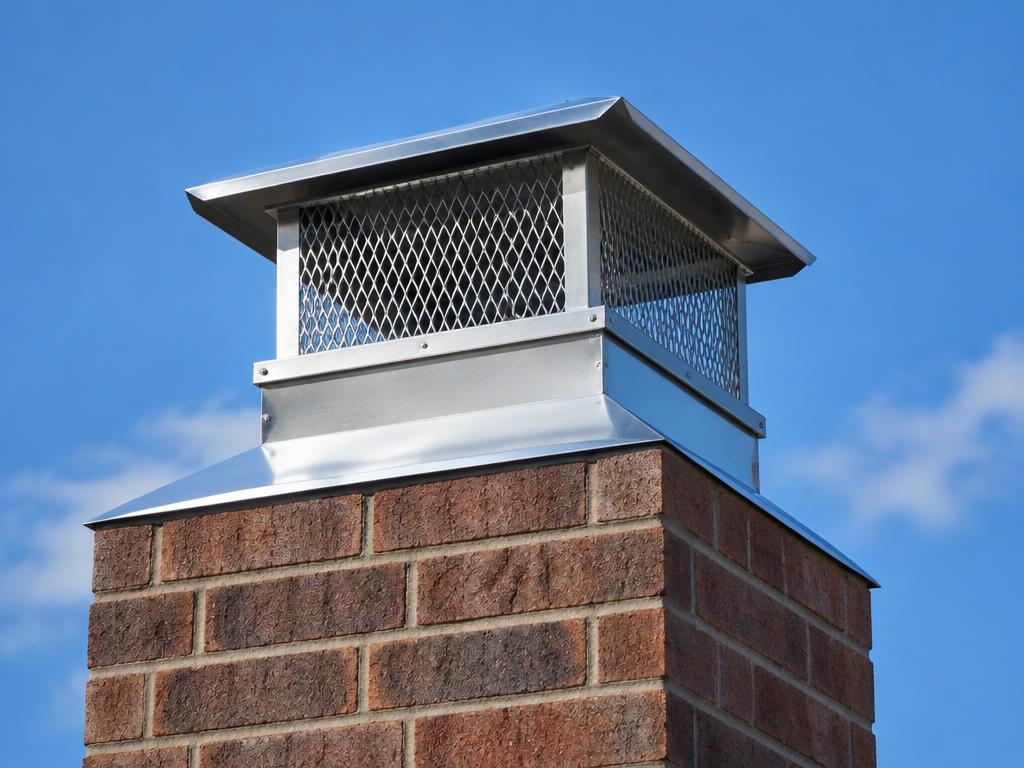
Durable chimney chase rebuilding, custom chase covers, and complete weatherproofing for Markham homes.
Self-check
Warning signs you need chimney chase services
Rust Streaks on Siding
Reddish or orange streaks running down your chase cladding indicate that the galvanized chase cover has lost its protective coating and is rapidly corroding from standing water on top.
Interior Ceiling Water Stains
Discoloration, bubbling paint, or damp drywall around your fireplace mantel or nearby ceilings signifies that water is penetrating the chase envelope and dripping through internal wood framing.
Cold Drafts Near Fireplace
Noticeable drafts or chilling air currents emerging from around your fireplace surround point toward deteriorated chase siding, missing chase insulation shields, or an unsealed, damaged chase top.
Animal Sounds in Cavity
Scratching, chirping, or fluttering noises inside the chimney box suggest that birds, squirrels, or raccoons have penetrated broken chase corners, rotten wood trim, or a detached termination cap.
Rotting Wood or Buckling Siding
Soft, spongy trim boards, warping vinyl panels, or crumbling stucco at the chase base demonstrate that prolonged water ingress has compromised the structural sheathing beneath the exterior finish.
Persistent Damp Odours
Musty, mouldy smells coming from your fireplace during humid weather or after heavy rainfall indicate wet insulation, mould growth, or standing stagnant water trapped inside your chimney chase cavity.
Why Markham Weather Demands Superior Chase Weatherproofing
The climate across Markham presents severe challenges for residential chimney chases due to relentless freeze-thaw temperature oscillations. During late autumn, winter, and early spring, our region frequently experiences days where daytime temperatures rise above freezing, only to plunge deep into negative temperatures once darkness falls. When snow or rain settles on a flat or sagging chimney chase cover, the trapped standing water seeps into tiny seams and microscopic metal joints before turning into solid ice overnight.
Because water expands by nearly ten percent when it freezes, this trapped ice exerts immense mechanical pressure on joints, silicone sealants, and exterior siding fasteners. Over repeated freeze-thaw cycles, caulked seams pull apart, screw penetrations widen, and cheap galvanized metal covers begin to buckle upward or develop deep indentations. Once a chase pan sags, it forms a small pond of meltwater on top of your chimney, accelerating the rate of rust and ensuring that water continuously exploits the smallest gap around your flue opening.
Furthermore, our winter brings driving winds that push blowing snow underneath loose flashing and through poorly fitted chase caps. When snow accumulates inside the chase housing, warmer ambient air from your heated living space below causes it to melt gradually, soaking interior wood framing and ceiling drywall without any obvious surface warning on the roof. Proper construction, positive drainage slopes, and robust metal fabrication are essential defenses against these unforgiving seasonal weather shifts in Ontario.
- Continuous freeze-thaw cycles rip open standard exterior sealants
- Standing water on flat covers freezes and expands, widening metal joints
- Winter winds force fine powder snow through poorly fitted termination caps
- Galvanized steel pans corrode rapidly under melting snow and de-icing chemicals
- Thermal shock between hot interior flues and frigid exterior air strains materials
The Root Causes of Chimney Chase Decay and Water Leaks
Many chimney chase failures stem directly from low-cost construction materials installed when homes were originally built. Production builders frequently utilized thin galvanized sheet metal pans to cap the chase box. Galvanized steel relies on a microscopic zinc coating that quickly erodes when exposed to acidic rainfall, bird droppings, and standing pools of water. Once this thin zinc barrier breaks down, the underlying steel rusts rapidly, leaving orange streaks on siding and eventually rusting through entirely to form holes.
Inadequate pitch or lack of cross-breaking during chase cover fabrication is another frequent contributor to premature chase failure. A quality chase cover must feature a deliberate crown or diagonal cross-breaks that force water to run off the edges immediately, just like a well-sloped roof. When a cover is fabricated flat without cross-breaking, the weight of winter snow causes the center of the metal to sag downward, creating a permanent bowl that traps water directly around the flue pipe collar.
Improper flashing, poor siding installation, and relying on exterior caulk as a primary water barrier also lead to catastrophic chase failures. Caulking is an auxiliary sealant, not a replacement for step flashing, counter-flashing, and integrated drainage planes. When siding contractors fail to integrate house wrap properly around the chase base or secure flashing around the chimney shoulders, driving rain runs directly behind the siding panels, rotting the structural studs from the inside out.
- Builder-grade galvanized pans that deteriorate and rust within years
- Flat cover fabrication lacking diagonal cross-breaks to shed water
- Over-reliance on caulking instead of mechanical, layered metal flashing
- Poor framing ventilation causing moisture accumulation and internal mould
- Thermal movement that cracks rigid sealants applied around flue collars
Our Detailed Chase Inspection and Diagnostic Approach
At Markham Chimney Services, our approach to chimney chase maintenance starts with an exhaustive, systematic inspection of the entire assembly from top to bottom. We do not simply glance at the roofline from your driveway. Our technicians access the rooftop safely to inspect the structural integrity of the chase cover, measuring metal thickness, checking for rust pitting, and examining the critical water seals around your chimney flue pipe, storm collar, and decorative termination shroud.
Next, we evaluate the vertical cladding and the structural framing beneath it. We check siding courses for buckled joints, loose panels, rotted corner trim, and gaps where insects or birds might enter. Using non-destructive moisture meters and high-resolution inspection cameras, we check the chase cavity and the adjacent attic framing for hidden moisture intrusion, active rot, or signs of compromised clearance between the metal flue and surrounding framing members.
Following our physical inspection, we provide you with a clear, written assessment detailing the exact condition of your chase system along with high-definition photographs of any compromised areas. We explain why specific defects have developed, what steps are required to remediate them, and offer practical, transparent recommendations. You will always receive clear advice and honest options tailored to the architectural style and age of your home, without confusing jargon or high-pressure tactics.
- Hands-on rooftop examination of chase pans, collars, and storm caps
- Detailed check of siding joints, corner boards, and lower roof flashings
- Moisture detection within attic zones and adjacent interior framing
- Assessment of necessary clearances around factory-built metal flues
- Comprehensive photographic report with clear, practical repair options
"I booked an annual chimney sweep in Unionville and they arrived right on time. They cleared all creosote, inspected the flue draft, and shared simple maintenance tips. My fireplace runs smoother and safer now."

Our process
How we handle your chimney chase services, step by step
- 1
Initial Structural Assessment
We examine the entire chase assembly from the roof and inside the attic, documenting metal corrosion, siding decay, flashing integrity, and interior moisture with digital photographs.
- 2
Precision Custom Measurement
Our technicians measure the chase structure down to the millimeter, accounting for proper overhangs, drip edge clearances, and the precise diameter and location of internal flue pipes.
- 3
Custom Shop Fabrication
We custom fabricate a commercial-grade stainless steel or aluminum chase pan featuring structural cross-breaks, welded waterproof seams, and elevated flue collars for optimal rainwater runoff.
- 4
Framing and Flashing Repairs
We replace any rotted wooden framing, repair exterior sheathing, install new weather-resistant house wrap, and reinstall flashing to establish a completely watertight, secure structural foundation.
- 5
Cover Installation and Storm Sealing
We secure the custom chase cover, install factory-fitted storm collars, re-anchor the termination cap, and apply specialized high-temperature exterior elastomeric sealants for lasting weather protection.
Comprehensive Repair, Rebuilding, and Custom Fabrication
When undertaking chase repairs or complete rebuilds, our priority is long-term moisture exclusion and complete structural security. If your chase pan is rusted or pooling water, we measure the structure to the millimeter and custom fabricate a heavy-gauge stainless steel or heavy commercial aluminum chase cover. Unlike builder-grade metals, custom stainless steel will never rust or leave unsightly orange streaks down your siding, providing lifelong resistance against the elements.
Every replacement cover we install features engineered cross-breaking, which creates a subtle pyramidal slope that channels water outward away from the center. We incorporate rolled drip edges that kick falling rain away from your exterior siding panels, preventing water from curling underneath the metal lip. Around the chimney flue penetration, we form an elevated welded or mechanically seamed storm collar that stands above the pan surface, creating an impenetrable physical barrier against pooling water.
For chimney chases suffering from advanced framing rot, our team conducts complete structural restorations. We carefully strip away damaged cladding, rebuild rotted framing using structural lumber, install new building wrap, and re-clad the exterior in your choice of weather-resistant siding, cedar, or composite materials. We rebuild the entire structure from the structural roof decking up, ensuring that your chimney housing is plumb, properly vented, and fully insulated against seasonal drafts.
- Custom fabrication using heavy-gauge marine-grade stainless steel or aluminum
- Precision cross-breaking to ensure positive, outward water runoff
- Elevated collar collars and storm hoods with thermal expansion allowances
- Complete structural re-framing for rotted wooden studs and sheathing
- Expert cladding installation matching your home's exterior aesthetic
Safety Standards, Flue Clearances, and Carbon Monoxide Awareness
Working on a chimney chase requires deep respect for fire safety and fuel venting dynamics. Prefabricated chimney flues rely on specific air spaces around their outer casing to dissipate heat safely. If a contractor repairs or rebuilds a chase and mistakenly packs standard fiberglass insulation directly against the metal flue pipe to stop winter drafts, they create an extreme fire hazard by trapping heat that should safely radiate into the chase air space.
Our work strictly follows CSA standards and respected solid-fuel safety best practices for clearance to combustibles and structural ventilation. We ensure that factory-designed firestops, radiation shields, and attic insulation shields remain properly aligned and undamaged during any chase renovation. Furthermore, we verify that the exterior termination cap maintains adequate height above the roofline according to standard clearance rules, preventing downdrafts from pushing hazardous smoke or gas exhaust back toward your home.
In addition to fire safety, proper chase termination is essential for protecting your household against carbon monoxide poisoning. If a chase cover collapses or warps severely, it can displace the chimney flue, causing joints inside the cavity to disconnect. We verify that flue connections remain rigid and sealed throughout our work, and we consistently advise Markham homeowners to keep operational carbon monoxide alarms installed outside every sleeping area and on every level of the home.
- Strict adherence to CSA venting guidelines and standard safety clearances
- Proper preservation of radiation shields, firestops, and attic spacers
- Verification of structural clearances between combustible wood and metal flues
- Secure flue anchoring to prevent pipe disconnection inside chase cavities
- Ongoing promotion of functioning carbon monoxide alarms across all living levels

Practical Maintenance Tips for Markham Property Owners
While climbing onto your roof is never recommended for safety reasons, homeowners can perform valuable seasonal evaluations from the safety of the ground using a pair of binoculars. Take time each spring and autumn to look closely at your chimney chase. Check for any telltale orange rust stains cascading down the siding, loose or fluttering trim boards, or obvious sagging on the top metal cover. Early visual identification allows you to catch minor weathering before it becomes an expensive structural repair.
Keep mature tree branches trimmed well away from your chimney chase structure. Overhanging branches drop acidic leaves, needles, and twigs that collect on top of the chase pan, holding moisture directly against the metal surface and blocking critical water drainage. Furthermore, branches that sway during severe winter storms can strike the chase cover or flue cap, denting the metal, loosening silicone seals, or dislodging the rain cap entirely.
Schedule a professional chimney and chase inspection at least once every year, ideally before the start of the heavy winter heating season. A professional inspection catches dried-out storm collar caulking, minor storm damage, or animal chewing around louvers before freezing weather arrives. Proactive maintenance ensures your heating appliance operates efficiently throughout our coldest months without unexpected chimney leaks or draft problems disrupting your comfort.
- Conduct ground-level visual sweeps with binoculars each spring and autumn
- Trim back overhanging tree branches at least three meters from the chase
- Watch for paint peeling or water staining on interior ceilings near the fireplace
- Clear heavy debris accumulations around the roof transition and gutters
- Schedule an annual professional inspection before winter heating commences
Selecting a Qualified Chimney Chase Specialist in Markham
Hiring the right contractor for chimney chase work requires choosing a company that understands both building envelope carpentry and specialized chimney flue dynamics. General roofing or siding contractors often view a chimney chase purely as an exterior box, sometimes overlooking critical firestop clearances, thermal expansion gaps, or proper flue termination heights. Conversely, hiring a chimney company without exterior framing and metal fabrication skills can result in shoddy carpentry and leaky siding.
Always choose an independent, established chimney service that demonstrates transparent business practices, carries comprehensive commercial liability insurance, and maintains active Workplace Safety and Insurance Board coverage for working at heights. Ask any prospective contractor about the exact materials they intend to use. If a contractor suggests replacing your rusted cover with another piece of thin galvanized sheet metal or proposes slathering roof tar over leaks, look for a more qualified professional.
A reputable specialist will gladly walk you through their diagnostic findings, provide detailed photographic evidence, and supply a clear, itemized written quotation before initiating any work. They should design solutions that address both aesthetic appeal and long-term weather durability. By choosing a dedicated local specialist based right here in Markham, you ensure that your home receives meticulous craftsmanship backed by prompt, accountable service whenever you need assistance.
- Select professionals who understand both exterior cladding and flue venting physics
- Insist on heavy stainless steel or commercial aluminum rather than cheap galvanized steel
- Verify full commercial liability insurance and current WSIB safety compliance
- Demand clear photographic documentation and transparent, upfront pricing
- Choose an established, local service provider invested in the Markham community
Average pricing in Markham
$450 – $3,200
- Inspection / diagnostic
- $149 – $249
- Typical time on site
- 2 to 8 hours depending on scope
- Parts and materials
- Custom stainless steel chase cover, structural lumber, siding panels, storm collars, and termination caps quoted separately
- What moves the price
- Chase dimensions, roof pitch, and access difficulty · Material choice between custom stainless steel, painted aluminum, or copper · Extent of hidden structural wood rot requiring framing and siding replacement
Estimated local market range, not a quote. All estimates are in Canadian dollars and exclude 13% Ontario HST. Your exact price is confirmed before any work begins.