
A damaged, ill-fitting, or missing chimney cap exposes the heart of your heating system to severe weather. At Markham Chimney Services, operating from our central address at 4418 Highway 7 East, we regularly see how open chimney flues cause expensive problems inside Markham homes. An uncapped flue invites seasonal precipitation, intrusive birds, nesting squirrels, and falling leaves right into your heating exhaust path. Over time, open access allows rain and melting snow to rot interior chimney walls, dissolve mortar joints, and soak into attic framing. Replacing an unstable or compromised cap restores vital security over your vertical chimney exhaust opening.
Our team treats every chimney flue as a critical component of household safety and building longevity. We provide thorough chimney solutions across our local Markham neighbourhoods and the Greater Toronto Area (GTA), focusing on safety and durable craftsmanship. When your cap rusts through, blows loose during high seasonal winds, or lacks proper spark protection, replacing it stops destructive moisture cycles before they ruin your masonry. We inspect the entire top terminal, measure your flue accurately, and install rugged replacement caps engineered to withstand the harshest local winters while preserving strong, unhindered draught for your fireplace or furnace.
Chimney Cap Replacement: visit summary
Chimney Cap Replacement: caps, crowns, dampers, flashing and liners checked and serviced so the chimney drafts and seals properly. Serving Markham and the Greater Toronto Area (GTA). The estimated local market range is $275 – $650, not a fixed company rate. The final scope and quote are confirmed before work begins.
| Estimated market range | $275 – $650. All estimates are in Canadian dollars and exclude 13% Ontario HST. |
|---|---|
| Typical time | 1 to 2 hours typical installation time |
| Price factors | Chimney height, roof pitch, and access complexity; Cap material choice, such as standard stainless steel versus custom architectural copper; Number and size of flue openings, or requirement for a full-coverage crown-mount unit |
| Routine signs to discuss | Water in Fireplace or Damp Firebox; Visible Cap Rust or Corrosion; Animal Noises or Nesting Odours; Cap Crooked, Bent, or Detached; Musty Odours from the Hearth; White Efflorescence on Chimney Bricks |
Understanding Chimney Caps and Their Essential Function
A chimney cap is the protective roof installed directly over the top discharge point of your chimney flue. While it looks like a simple metal lid with wire mesh sides, its design performs multiple critical jobs simultaneously. The solid metal lid deflects falling rain, sleet, and heavy snow away from the vertical opening. Surrounding mesh screens provide an essential barrier against local wildlife while containing wandering sparks and hot embers so they cannot ignite roofing materials or dry autumn leaves.
Without a functional cap, your chimney functions as an open funnel pointed straight toward the sky. Moisture pouring downward saturates firebrick, runs down into fireplace fireboxes, and corrodes cast iron throat dampers. For metal factory-built chimneys or gas venting pipes, interior water collection corrodes the inner stainless steel wall and compromises heating system performance. An intact cap ensures that exhaust gases travel freely upward and disperse into ambient air without allowing the elements to travel down.
Chimney caps also help moderate wind turbulence over the top of the flue terminal. Sudden downdraughts caused by harsh crosswinds sweeping across your roof line can blow smoke, soot, and chilly air directly backward into your living room. A properly engineered cap balances air pressure changes across the roof surface, maintaining steady exhaust airflow while blocking wind gusts from interrupting fireplace operation. Replacing a deteriorated cap directly preserves indoor air comfort throughout turbulent winter weather.
- Deflects rain, snow, and ice away from open chimney flues
- Blocks raccoons, squirrels, bats, and small birds from entering the home
- Prevents floating sparks and hot embers from escaping onto the roof
- Reduces downdraughts and keeps cold air from entering your fireplace
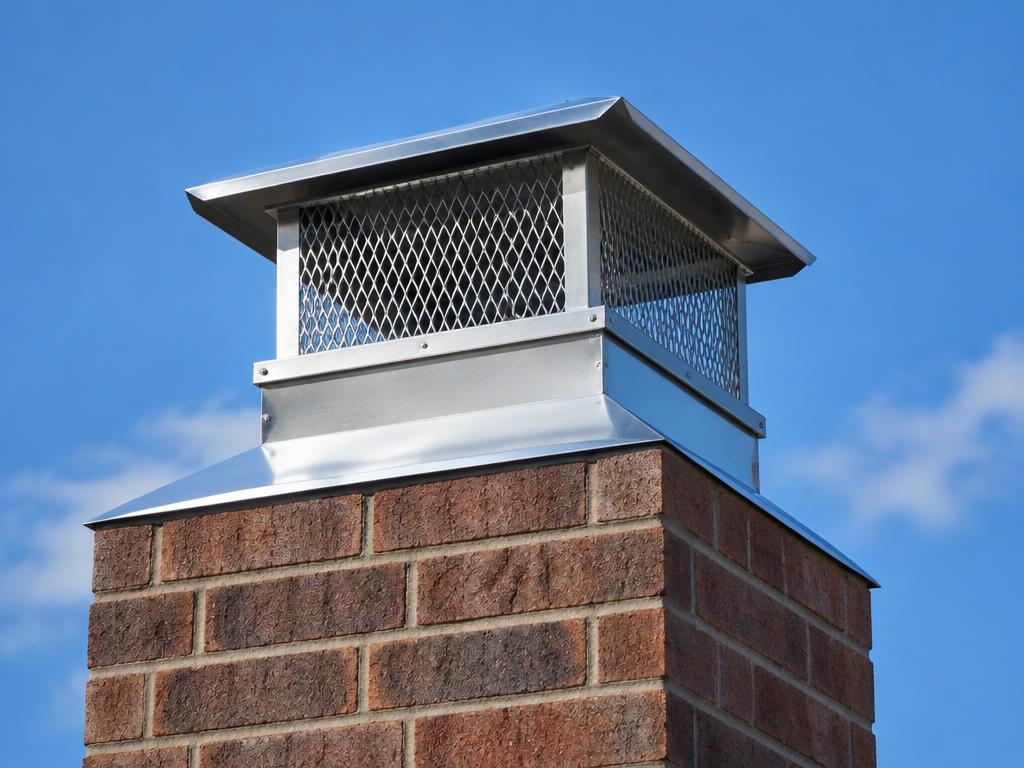
Protect your chimney flue, masonry, and living spaces with durable chimney cap replacement designed for Ontario weather.
Self-check
Warning signs you need chimney cap replacement
Water in Fireplace or Damp Firebox
Puddles, dripping sounds, or damp ash inside your firebox indicate rain is pouring down an uncapped or broken flue. Water intrusion quickly corrodes metal throat dampers, promotes interior mould growth, and weakens surrounding firebrick mortar.
Visible Cap Rust or Corrosion
Discoloured brown streaks on your chimney bricks or visible rust holes in the cap lid mean the metal has failed. Corroded caps can collapse inward, tear loose during windstorms, or drop rusted debris down the flue pipe.
Animal Noises or Nesting Odours
Scratching, chirping, or fluttering sounds within the chimney walls signify wildlife intrusion. Missing or damaged cap mesh allows squirrels, raccoons, and birds to build dangerous, flammable nests that block exhaust gases from safely leaving the home.
Cap Crooked, Bent, or Detached
If your chimney cap sits tilted, shows dented lids from wind or ice, or has blown completely off onto the roof, immediate replacement is needed. A misaligned cap cannot deflect rain and creates serious downdraught issues.
Musty Odours from the Hearth
A strong, unpleasant soot smell circulating through your living room during damp or humid days often stems from water pooling in the chimney. Moisture activates stagnant creosote deposits, releasing harsh, lingering chemical odours into the living area.
White Efflorescence on Chimney Bricks
White powdery chalk staining your exterior chimney masonry indicates excessive moisture inside the structure. Water entering from an unsealed or missing cap dissolves internal salts within the mortar, pushing them outward through brick faces as it evaporates.
The Harsh Ontario Freeze-Thaw Cycle and Chimney Degradation
The climate across Markham presents severe challenges for residential masonry structures. Winter weather constantly oscillates above and below the zero-degree mark, driving persistent freeze-thaw cycles. When rain or melting snow enters an uncapped flue, the water absorbs deeply into porous clay flue tiles and interior mortar joints. As temperatures drop below freezing at night, this trapped moisture expands by approximately nine percent, generating tremendous internal hydraulic pressure inside the clay liners.
This repetitive expansion cracks the clay tiles, splitting them from the inside outward in a destructive process called spalling. Broken tiles expose surrounding exterior brickwork and hidden house framing directly to escaping chimney heat and acidic combustion vapours. Moisture also seeps into the chimney crown, the flat mortar or concrete wash at the top of the stack, causing deep structural fissures that widen through successive cold snaps. A tight, weatherproof replacement cap prevents this moisture intrusion entirely.
In addition to cracking clay tiles, freeze-thaw cycles accelerate metal deterioration inside prefabricated chimneys and flue liners. Meltwater mixes with creosote or combustion byproducts to form mild acids that quickly eat through basic galvanized metal. Once the protective zinc coating dissolves, structural rust rapidly weakens fasteners and flue joints. Installing a replacement cap made from premium stainless steel or copper stops water ingress, halting winter freeze-thaw destruction before severe chimney rebuilds become unavoidable.
- Eliminates standing water that causes clay tile spalling during winter freezes
- Protects the masonry chimney crown from saturating and cracking under frost
- Prevents acidic moisture mixtures from dissolving interior chimney mortar
- Keeps ice buildup from blocking exhaust gas expulsion pathways
Common Culprits Behind Chimney Cap Failure and Wear
Chimney caps operate in one of the most punishing environments on your property, exposed to non-stop sunlight, freezing snow, high winds, and corrosive exhaust gases. Standard builder-grade caps manufactured from inexpensive galvanized sheet metal rarely endure extended exposure to local weather. Over time, acidic smoke from wood fires or water vapour from gas furnaces strips away protective coatings, causing raw steel beneath to rust through, leaving massive holes and loosened mesh screens.
Wind damage represents another frequent cause of premature chimney cap failure. Severe wind storms sweeping across the city generate strong lifting forces across roof peaks. If a cap was improperly anchored using weak pressure screws, adhesive caulking, or fragile straps, strong gusts can lift the cap entirely off the flue or bend the lid backward. Once bent, the lid catches additional wind and vibrates violently, loosening surrounding chimney brickwork and completely destroying the seal.
Wildlife activity also forces frequent cap replacements. In heavily treed Markham neighbourhoods, raccoons and eastern gray squirrels actively seek warm shelter during late autumn. A determined raccoon can easily tear through flimsy aluminum wire or bend loose galvanized hoods to gain access into a cozy flue. Once wildlife bends or detaches a cap, the chimney becomes an open door for animals, twigs, and nesting debris until a heavy-duty, professionally anchored cap is installed.
- Rust and chemical corrosion from furnace fumes and fireplace smoke
- Loose mounting screws and wind detachment during severe seasonal storms
- Physical damage caused by nesting raccoons, squirrels, or pest birds
- Deterioration of underlying clay flue tiles that secure the cap clamps
Our Detailed Inspection and Assessment Protocol
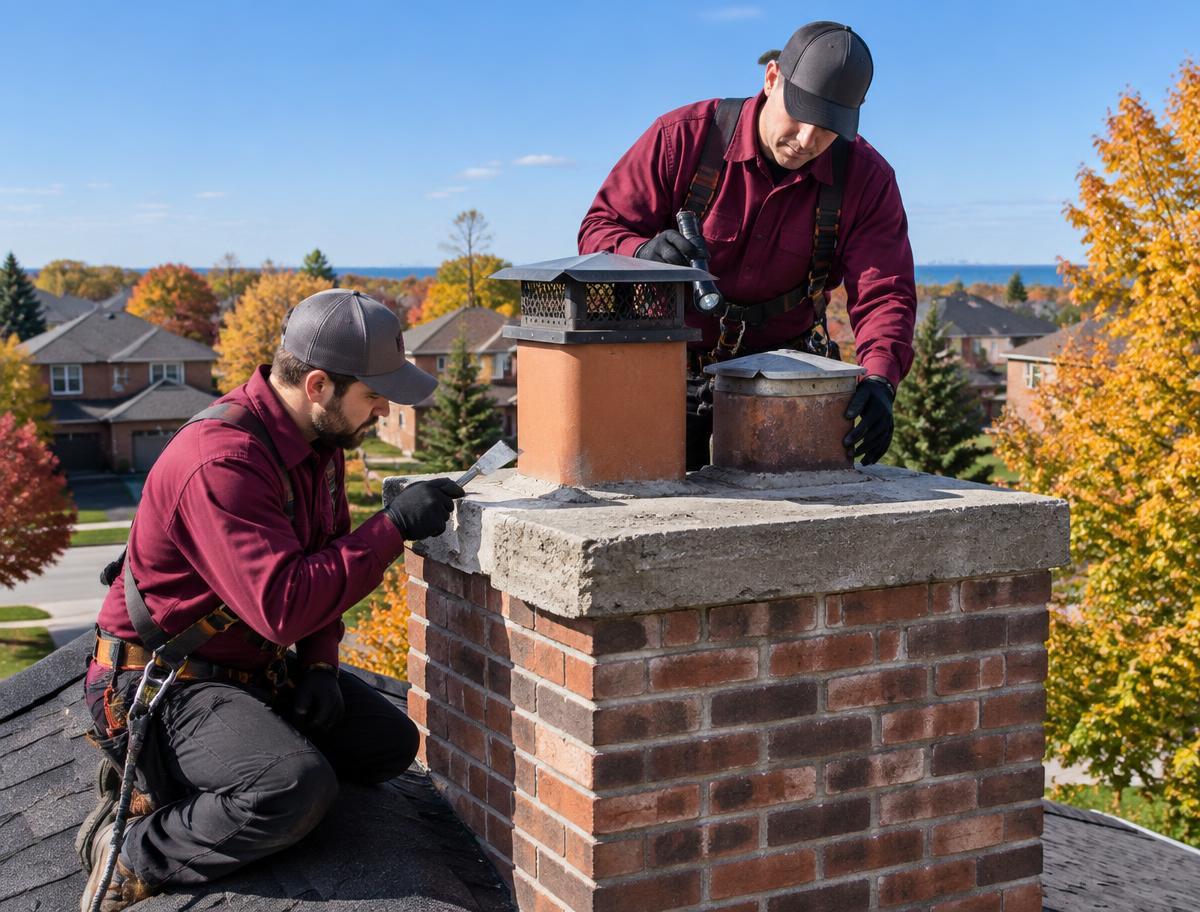
Every cap replacement project begins with an exhaustive top-of-stack diagnostic assessment. Our technicians carefully access the roof to inspect the entire chimney terminal, not merely the damaged cap itself. We examine the condition of the flue tile protruding through the chimney top, verify structural soundness, and check the concrete crown for cracks, crumbling mortar, or water ponding. We also measure flue dimensions carefully to guarantee an airtight, custom-fit installation.
Next, we inspect the interior condition of the flue immediately below the cap terminal. Using bright inspection lighting, we look down into the passageway to verify whether animal nests, dead leaves, broken flue tiles, or creosote build-ups are restricting clearance. Installing a fresh cap over an already obstructed flue creates severe ventilation hazards, so diagnosing flue cleanliness is an integral step of our evaluation before any replacement cap gets anchored in place.
Once we complete our visual assessment, we present an honest, transparent breakdown of your options. We explain which cap configuration suits your roof profile and heating appliances best, whether you need a single-flue clamp cap, a multi-flue top-mount crown protector, or a specialty draft-inducing cap. We provide clear pricing before commencing work, ensuring you understand exactly what parts and labour are involved in restoring complete weather protection over your chimney.
- Comprehensive inspection of the top terminal, crown wash, and flue tiles
- Thorough measurement of flue liner dimensions for proper sizing and fit
- Diagnostic screening for hidden obstructions, animal nests, or soot blockages
- Clear recommendations tailored to your fuel source and chimney construction
"I discovered odd odours coming from my chimney and booked a deodorizing treatment Downtown. They applied a specialized solution, sealed minor cracks, and eliminated the smell completely. My living room feels fresh again."
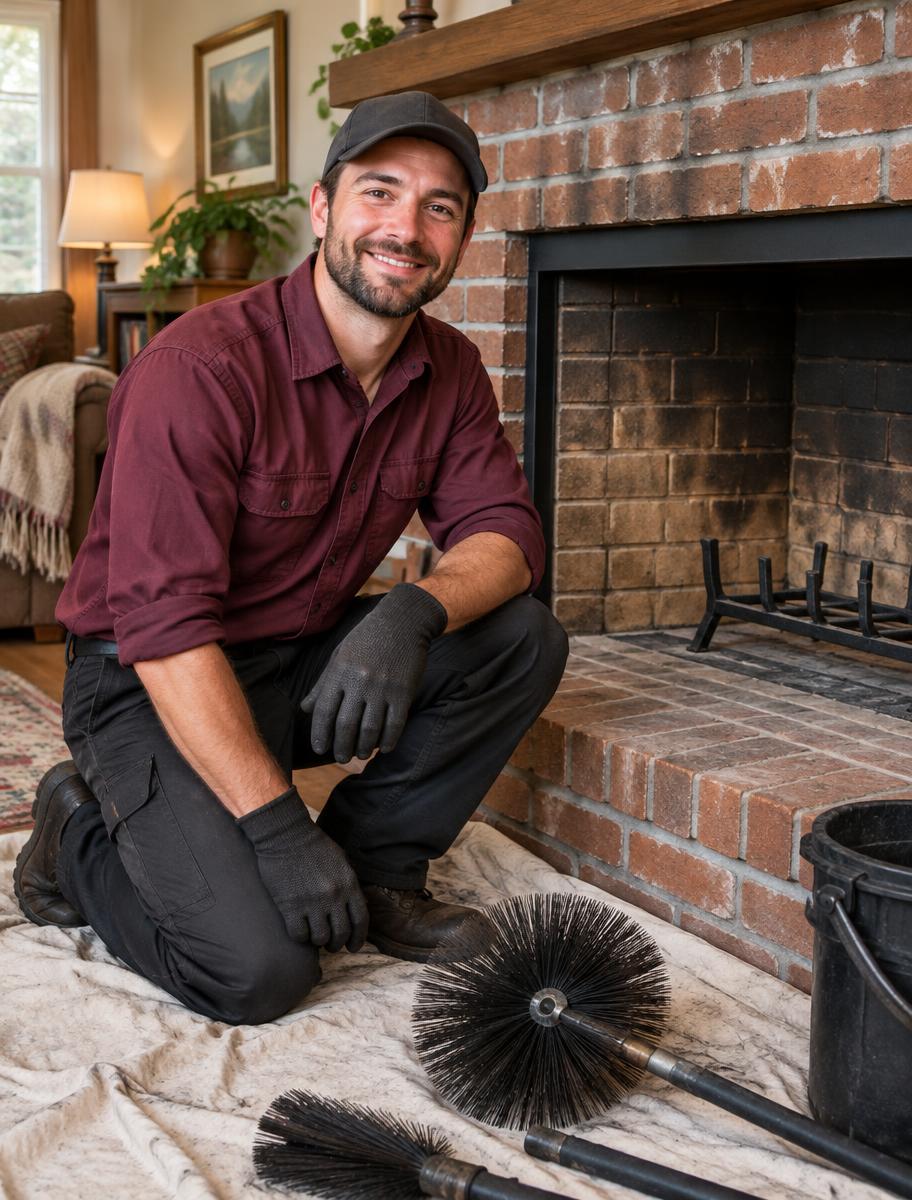
Our process
How we handle your chimney cap replacement, step by step
- 1
Terminal Inspection and Measurements
We safely access the roof, inspect the chimney crown and existing cap, and take precise measurements of all flue liners to determine the proper cap size, style, and mounting hardware.
- 2
Safe Removal of Damaged Cap
We unfasten rusted screws, detach damaged clamps, and safely lift off the old cap. We take care not to crack the surrounding clay flue tiles or chip the masonry crown wash beneath.
- 3
Top Flue Clearing and Surface Prep
Our technicians clean the protruding flue rim, clear loose soot and organic debris from the upper flue mouth, and prepare a smooth, stable foundation for secure mounting of the new replacement unit.
- 4
Precision Cap Fitting and Fastening
We position the new stainless steel or copper cap, securing it using heavy-duty corrosion-resistant fasteners or masonry anchors. We verify that the spark-arresting mesh maintains level, unobstructed clearance around the entire perimeter.
- 5
Final Quality and Clearance Check
We verify that the cap is firmly anchored against high winds, inspect mechanical appliance clearances, clean the work area on the roof, and provide clear photographic documentation of the completed replacement.
Choosing the Right Replacement Cap Materials and Styles
Selecting the proper material determines how many years your new chimney cap will protect your home. We primarily install marine-grade stainless steel chimney caps because they offer outstanding resilience against rust, moisture, and corrosive flue gases. Stainless steel resists chemical corrosion produced by high-efficiency gas furnaces and high-heat wood fires alike. It retains structural rigidity under heavy snow loads and will not rust or stain your light-coloured exterior bricks.
For historic homes, custom stone chimneys, or distinct architectural profiles, solid copper chimney caps provide an exceptional alternative. Copper offers the same lifetime durability against rust while developing a distinguished natural green patina over time. While copper carries a higher initial investment, its visual beauty and resistance to weathering make it a favourite for heritage properties. We avoid standard thin galvanized metal caps because they fail prematurely under local environmental conditions.
Mounting style is equally vital to long-term performance. Flue-tile caps clamp directly onto the protruding clay liner using heavy-gauge stainless steel screws, making them ideal for intact single flues. When multiple flues share a single chimney or when the crown masonry requires extra shelter, outside-mount chimney caps are the superior choice. These caps bolt directly into the top brickwork or crown perimeter, completely shielding the flue openings and the entire concrete crown underneath.
- Heavy-gauge stainless steel caps for maximum corrosion resistance and durability
- Architectural copper chimney caps for classic beauty and lifetime performance
- Single-flue clamp designs for clean, straightforward clay tile protection
- Full-coverage top-mount crown caps that shield the entire masonry footprint
Home Safety, Carbon Monoxide Protection, and Heating Efficiency
The safety of your chimney terminal directly affects indoor family health. When a chimney cap is missing or deformed, debris like leaves, twigs, and bird nests can fall into the flue and create an internal blockage. When heating equipment or wood fireplaces ignite beneath a blocked chimney, toxic exhaust gases cannot escape upward. Carbon monoxide, a colourless, odourless, and lethal gas, backs up into the house, creating an immediate and grave health emergency for everyone inside.
Our team follows rigorous chimney safety protocols aligned with CSA standards and Canadian solid fuel heating guidelines. We confirm that every replacement cap features properly sized wire mesh screens. The screen openings must be small enough to stop raccoons, squirrels, and small birds from entering, yet wide enough to prevent soot accumulation, frost build-up, and air restriction. Proper mesh sizing ensures that smoke and carbon monoxide evacuate freely under all atmospheric conditions.
We also urge every homeowner to maintain functioning carbon monoxide alarms on every living level of the home, particularly near sleeping quarters. Testing these alarms monthly and replacing units according to manufacturer instructions provides critical backup protection for your family. A properly installed chimney cap works hand in hand with your household safety devices, preventing external debris from sabotaging ventilation pathways and keeping your heating appliances operating safely and efficiently all year.
- Prevents flue blockages that cause dangerous carbon monoxide backdrafting
- Meets rigorous clearance and ventilation standards for proper appliance exhaust
- Features spark-arresting mesh to prevent accidental roof fires from flying embers
- Protects furnace and water heater exhaust performance during stormy weather
Long-Term Chimney Care and Seasonal Flue Maintenance Tips
Once your replacement chimney cap is securely in position, basic ongoing maintenance preserves its longevity and operational reliability. Homeowners should perform a simple ground-level visual check with binoculars a few times each year. Look at the cap after major wind events, severe freezing rain storms, or heavy snowfall to verify that the lid remains level, the screen looks clear of hanging debris, and no rust streaks are forming beneath the attachment points.
Keep nearby tree branches trimmed at least three metres away from your chimney top. Overhanging tree limbs drop leaves, pine needles, and seeds directly onto the cap screen, which can clog exhaust mesh over time. Furthermore, mature branches provide direct highway access for squirrels and raccoons looking to investigate your chimney terminal. Keeping limbs cut back reduces organic debris accumulation and discourages curious critters from testing your cap security.
Schedule an annual professional chimney sweep and diagnostic check before lighting your first autumn fire. Professional chimney specialists will clean the interior walls, inspect the underside of the cap lid, brush away soot deposits from the spark arrestor screen, and verify that all fasteners remain tight. Consistent seasonal care catches minor fastener movement or chimney crown wear before small issues turn into major chimney repairs or moisture leaks inside your home.
- Visually inspect the cap from ground level after heavy storms and high winds
- Trim back overhanging tree branches to limit animal access and leaf buildup
- Ensure spark arrestor screens are swept clean of soot during annual sweepings
- Have the surrounding crown inspected regularly for hairline moisture cracks
Hiring the Right Chimney Professional in Markham
Selecting the right contractor for chimney cap replacement ensures your installation remains secure through decades of unpredictable weather. Always look for an established independent chimney company with deep familiarity with local building styles and roofing architecture. Roof safety requires specialized ladders, roof staging gear, and comprehensive liability insurance to protect your property and ensure technician safety while working at elevated heights on steep residential pitches.
A trustworthy chimney professional will always provide clear photographic evidence of your existing chimney cap condition before recommending replacement. Be wary of door-to-door handymen who claim your chimney needs emergency work without climbing up to perform a documented diagnosis. Reputable professionals clearly itemize the cost of the replacement cap, specify the metal grade being installed, and explain their attachment method in plain, straightforward language.
Finally, ensure your contractor follows established Canadian solid fuel and heating ventilation standards. They should understand the exact clearance requirements for your specific appliances, whether your chimney exhausts an open wood hearth, an airtight insert, or a modern gas furnace. At Markham Chimney Services, we pride ourselves on honest assessments, dependable craft, and durable installations that give local homeowners enduring peace of mind across every season.
- Verify full commercial liability insurance and strict working-at-heights safety
- Demand clear photo documentation before and after the replacement process
- Choose contractors who use heavy-gauge stainless steel rather than cheap galvanized steel
- Look for clear, upfront pricing estimates without hidden fees or pressure tactics
Average pricing in Markham
$275 – $650
- Inspection / diagnostic
- $125 – $195 (credited toward service if work proceeds)
- Typical time on site
- 1 to 2 hours typical installation time
- Parts and materials
- Custom multi-flue crown caps, specialized draft dampers, or custom copper units quoted separately
- What moves the price
- Chimney height, roof pitch, and access complexity · Cap material choice, such as standard stainless steel versus custom architectural copper · Number and size of flue openings, or requirement for a full-coverage crown-mount unit
Estimated local market range, not a quote. All estimates are in Canadian dollars and exclude 13% Ontario HST. Your exact price is confirmed before any work begins.