

A functional fireplace relies on more than just an open flue and seasoned firewood. At the floor of your firebox, the ash dump door provides a direct passage for swept debris into an isolated masonry pit below, allowing simple ash management without spreading airborne particulate through your living space. Located in the basement or exterior foundation, the cleanout door provides essential access to empty that subterranean pit. When these cast iron components warp, seize from corrosion, or become choked with decades of compacted residue, your home faces draft imbalances, foul creosote odours, and potential fire hazards right at foundation level.
Markham Chimney Services operates from 4418 Highway 7 East, providing specialized masonry and chimney restoration to homeowners across Markham neighbourhoods and the surrounding GTA. Our technicians understand how regional climate patterns impact fireplace systems from the crown right down to the basement footings. When your ash drop plate no longer opens smoothly or your cleanout access plate rusts through, our comprehensive evaluation, thorough clearing, and heavy-duty hardware replacement will restore clean operation to your hearth. We focus on dependable craftsmanship that protects indoor air quality and preserves the long-term structural integrity of your home.
Chimney Ash Dump Services: visit summary
Chimney Ash Dump Services: caps, crowns, dampers, flashing and liners checked and serviced so the chimney drafts and seals properly. Serving Markham and the Greater Toronto Area (GTA). The estimated local market range is $229 – $649, not a fixed company rate. The final scope and quote are confirmed before work begins.
| Estimated market range | $229 – $649. All estimates are in Canadian dollars and exclude 13% Ontario HST. |
|---|---|
| Typical time | 1.5 to 3.5 hours depending on pit blockage depth |
| Price factors | Volume and compaction level of accumulated ash inside the pit; Condition of surrounding masonry and necessity of brick repointing; Requirement for complete door frame replacement versus mechanical restoration |
| Routine signs to discuss | Seized or Stiff Hearth Ash Door; Persistent Soot Smell in Basement; Loose or Detached Cleanout Frame; Rusted Through Lower Access Plate; Ash Spilling Back Onto Hearth Floor; Basement Drafts Around Chimney Base |
Understanding the Role of Your Chimney Ash Dump and Cleanout Door
A traditional masonry chimney features an ash dump opening built directly into the refractory brick floor of the hearth. Covered by a heavy cast iron or stamped steel hinged plate, this small portal opens downward into an enclosed masonry ash pit beneath the firebox. During routine sweeping, hot embers and cold ash are swept through this aperture, preventing soot clouds from settling onto home furnishings. The system keeps ash contained until it can be systematically removed through the lower access cleanout door located on the basement wall or exterior chimney base.
The cleanout door acts as the critical lower access point for emptying the subterranean pit. Constructed of thick cast iron or galvanised steel, this door must seal tightly against its masonry frame to prevent unwanted air intake. When sealed correctly, it prevents basement drafts from pulling combustion byproducts into the living area or creating unpredictable upward pressure within the chimney cavity. Proper operation requires that both the upper dump flap and the lower cleanout frame remain free of structural distortion, crumbling mortar, and persistent corrosion.
Over time, however, residential ash systems are routinely forgotten until a noticeable malfunction occurs. Many older properties throughout our service community contain ash pits that have never been vacuumed or cleared since construction. Compacted ash holds moisture against the inner masonry walls, corroding metal hardware from the inside out and turning powdery debris into dense, corrosive mortar-like blocks. Regular maintenance ensures this concealed feature remains an asset to your fireplace rather than a hidden reservoir of moisture, dust, and unpleasant soot smells.
- Directs messy residue safely out of the primary hearth area.
- Prevents ash clouds from circulating through finished living quarters.
- Encloses the base of the chimney cavity against unwanted air drafts.
- Protects surrounding structural framing from lingering hot ember contact.
- Permits straightforward periodic cleanout from a convenient lower access point.
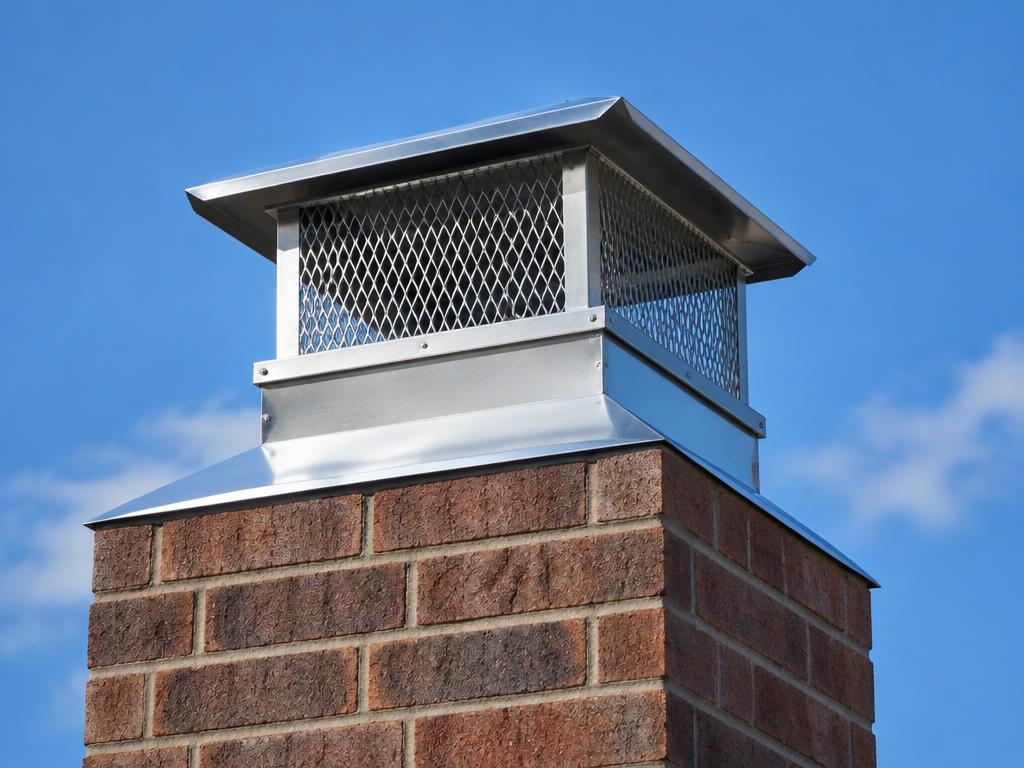
Restore safe fireplace operation and tidy ash removal with Markham ash dump repair and basement cleanout solutions.
Self-check
Warning signs you need chimney ash dump services
Seized or Stiff Hearth Ash Door
The cast iron plate on your fireplace floor refuses to pivot open or will not drop back down flush against the refractory bricks, indicating rust accumulation, foreign debris binding the hinge, or thermal warping.
Persistent Soot Smell in Basement
A strong, acrid wood-smoke or creosote odour lingers near your lower foundation wall, signaling that negative house pressure is pulling flue gases and unsealed ash dust through a loose or deteriorated basement cleanout frame.
Loose or Detached Cleanout Frame
The metal cleanout door assembly in your basement wiggles loosely within its foundation opening, showing that seasonal freeze-thaw cycles have pulverized the original perimeter mortar bed and broken the structural mechanical seal.
Rusted Through Lower Access Plate
Flaking rust scales, visible holes, or complete corrosion perforation on your basement cleanout door reveal that standing moisture and caustic ash chemistry have compromised the metal, allowing dangerous air leakage and soot spillage.
Ash Spilling Back Onto Hearth Floor
Swept ash fails to disappear into the dump cavity or pushes back upward through the opening, confirming that the subterranean pit is completely packed with years of accumulated debris and urgently requires mechanical extraction.
Basement Drafts Around Chimney Base
You feel cold air currents drafting into the basement around the cleanout door frame during winter weather, pointing to deteriorated perimeter gaskets, failed mortar joints, or an ill-fitting access door that compromises heating efficiency.
How Ontario Freeze-Thaw Weather Accelerates Ash Pit Degradation
Markham experiences severe seasonal temperature swings, swinging from humid summer heat to sub-zero winter blasts with dozens of freeze-thaw cycles every spring and autumn. Moisture frequently enters the chimney stack through degraded crown washings, missing flue caps, or porous exterior brickwork. Once inside, water naturally trickles down the masonry column, collecting at the lowest possible point, which is almost always the ash dump pit. When moisture pools in uninsulated basement pits, it quickly accelerates the oxidation of iron components.
During sub-zero cold snaps, trapped moisture within damp ash and surrounding foundation mortar freezes, expanding by approximately nine percent. This frost heave action creates microscopic fractures throughout the inner clay brick liners and parged pit walls. As the ground warms and thaws, the cycle repeats, loosening the perimeter mortar holding the cleanout frame in place. Over several winters, cleanout frames pop free from the foundation, and lower basement doors seize completely due to dense layers of rust encrusting the pivot hinges.
High summer humidity further compounds the problem. When warm, humid outdoor air meets cooler basement chimney chambers, condensation forms rapidly on chilled cast iron surfaces. Wood ash is chemically rich in potassium carbonate and other alkaline salts. When combined with standing water or persistent condensation, these salts produce a caustic lye solution that actively eats through steel cleanout doors and rots away the original ash dump spring assemblies, leading to structural failures and pervasive musty odours.
- Moisture trickles down unsealed flues directly into basement ash pits.
- Repeated freeze-thaw expansion cracks foundation masonry surrounding the cleanout door.
- High summer humidity causes condensation on cold interior cast iron parts.
- Caustic chemical reactions between wet ash and moisture corrode metal latches.
- Sub-surface frost pressure loosens mortar beds, causing doors to detach.
Primary Causes of Ash Dump Plate Seizures and Pit Blockages
Physical debris accumulation is the most common reason ash dump trapdoors cease to function. Homeowners burning cordwood inevitably introduce small bark fragments, unburned charcoal chunks, and stray iron nails from treated lumber scrap. When these larger objects slip past the swinging trapdoor, they can wedge firmly into the hinge channel. Repeatedly forcing the plate open or shut against an obstruction bends the pivot pins, preventing the plate from resting flush against the firebox floor.
Neglected pits that reach full capacity represent another widespread failure mode. A typical ash pit can store several years of moderate wood burning, but once ash levels rise above the bottom of the firebox drop channel, newly swept debris has nowhere to fall. The ash compacts tightly under its own weight, backing up into the hearth. This compacted mass traps dampness against the bottom of the firebox, rusting the underside of the dump door and rendering the mechanism completely immobile.
Poor original installation or shifting structural foundations also contribute to recurring failures. In older brick homes, the steel lintels or angle irons supporting the firebox floor can settle unevenly over decades. This shifting places diagonal tension across the cleanout door opening in the basement. As the opening warps out of square, the cleanout door binds tightly against its perimeter frame, making it impossible to latch securely or swing open without heavy mechanical leverage.
- Unburned bark chunks and foreign debris jammed in hinge mechanisms.
- Pits packed to maximum volume, forcing ash back into the firebox.
- Rust and metal scale binding pivoting pins and spring-loaded catches.
- Settling foundation masonry that pinches cleanout door frames out of square.
- Thermal warping caused by excessive direct heat on non-refractory metals.
Health and Indoor Air Quality Risks of Unsealed Cleanout Doors
An unsealed or corroded basement cleanout door creates a persistent breach in your home building envelope. Modern homes feature mechanical exhaust fans, dryer vents, and kitchen hoods that produce mild negative pressure in lower levels. If your ash cleanout door has lost its airtight seal, negative basement pressure can draw air backward down the chimney flue. This reverse drafting pulls fine soot particulates, creosote vapours, and musty fireplace odours straight into your utility room or finished basement.
Wood ash contains microscopic particulate matter, heavy metals, and residual creosote compounds that can aggravate respiratory conditions such as asthma and chronic bronchitis. When an ash pit cleanout door fits loosely, ordinary vibrations from household foot traffic, laundry appliances, or furnace blowers can dislodge fine ash dust into the ambient air. Once caught in the return air plenum of a forced-air heating system, these irritants circulate continuously throughout every room in your residence.
Combustion safety is also compromised when a cleanout door does not seal completely. Air leaking inward at the base of the chimney cools the rising thermal column within the flue above. A cooler flue creates a weaker natural draft, increasing the likelihood that the active fireplace will spill smoke or carbon monoxide into the upper living room. Sealing the lower cleanout door properly preserves chimney draft velocities and keeps hazardous combustion byproducts moving safely upward and out.
- Basement negative air pressure draws soot and creosote into living areas.
- Fine particulate circulation triggers respiratory discomfort and allergies.
- Cool basement air intake reduces chimney draft velocity during fires.
- Musty, acrid wood-smoke smells permeate basement carpets and furnishings.
- Unsealed cleanouts compromise whole-home indoor air quality balance.
"I scheduled a full fireplace cleaning before winter. They used professional-grade tools to remove every trace of soot, tested airflow, and provided clear advice on maintenance. My hearth looks brand new and works flawlessly."

Our process
How we handle your chimney ash dump services, step by step
- 1
Initial Inspection and Draft Assessment
We examine the firebox dump plate, evaluate basement cleanout door fit, check for moisture ingress, and assess structural masonry condition using targeted lighting and diagnostic tools.
- 2
Containment and HEPA Vacuum Setup
We lay protective floor coverings and connect high-efficiency industrial HEPA vacuums to create negative air containment, guaranteeing zero soot or ash escapes into your home.
- 3
Complete Pit Cleanout and Clearing
Our technicians carefully remove all built-up ash, broken mortar bits, and hardened debris from the pit cavity down to the bare masonry foundation base.
- 4
Hardware Repair or Replacement
We restore or extract damaged doors, then mount new heavy-duty cast iron or steel doors set in refractory mortar with high-temperature airtight perimeter seals.
- 5
Final Safety and Latch Verification
We test upper and lower door swing clearances, check latch tension, inspect airtight seals, and verify that the entire fireplace base is safe and clean.
Our Markham Inspection and Diagnostic Procedure
Every ash dump service call begins with a methodical assessment of both the firebox floor and the lower cleanout access point. Our technician examines the upper ash dump plate inside the hearth, checking for metal fatigue, warping, cracked cast iron, and proper clearance when swinging open and closed. We inspect the surrounding firebrick and refractory mortar to confirm that heat-stressed masonry has not crumbled around the mounting perimeter, which could allow burning coals to enter wall cavities.
We then move to the basement or exterior access zone to evaluate the condition of the cleanout door frame and the inner pit chamber. Using high-output diagnostic lighting and specialised probing instruments, we check the level of accumulated ash, look for standing water or efflorescence salt rings, and evaluate the structural mortar joints. We verify whether the door swings smoothly, latches tightly, and forms a functional barrier against moisture and air ingress.
Following our physical inspection, we provide a transparent, written explanation of our findings. We explain whether your ash system requires a deep vacuum extraction, hinge lubrication and frame resealing, or a full replacement of warped cast iron hardware. We discuss practical options based on the construction of your chimney, ensuring you have clear recommendations that prioritize household safety, clean functionality, and the long-term protection of your foundation masonry.
- Comprehensive physical testing of the firebox ash dump pivot and latch.
- Refractory mortar assessment around upper and lower hardware frames.
- Depth measurement and moisture check of accumulated pit contents.
- Draft and air leakage testing across basement cleanout perimeter seams.
- Written breakdown of required cleaning, mortar repointing, or parts replacement.
Step-by-Step Ash Dump Clearing, Repair, and Replacement Work
Restoring a compromised ash dump starts with clean, contained extraction. We set up containment drop cloths and establish negative-air filtration around the basement access point using industrial HEPA-rated chimney vacuums. Our team opens the lower cleanout door carefully, breaking through hardened crusts with specialized non-sparking hand tools. We extract all accumulated ash, charred debris, and masonry fragments down to the bare foundation floor, leaving the containment pit completely sanitized and clean.
When hardware replacement is required, we carefully chisel away failing perimeter mortar to extract warped, corroded cleanout doors without cracking the surrounding foundation block. We clean the exposed masonry throat, treat minor surface degradation, and bed a new, heavy-gauge cast iron or powder-coated steel cleanout door into fresh refractory mortar. We use non-combustible ceramic rope gaskets or specialized heat-resistant sealants around the perimeter to guarantee an airtight, draft-proof seal.
At the hearth level, we address stuck, cracked, or missing ash dump doors. If an existing door is simply seized by surface corrosion, we clear debris channels, wire-brush the iron seating frame, and lubricate pivot points with high-temperature graphite compounds. For cracked or severely warped plates, we supply and fit durable, properly dimensioned cast iron replacement doors that sit flush with your refractory floor, preventing hot ember seepage and maintaining reliable firebox safety.
- HEPA-contained extraction eliminates dust plumes in your basement space.
- Careful removal of damaged frames avoids structural brick cracking.
- Heavy-duty cast iron or steel door installation with refractory mortar beds.
- High-temperature rope gasketing creates an airtight perimeter barrier.
- Precision fitting of upper hearth drop plates ensures flush, stable seating.

Safety Protocols and Residential Masonry Best Practices
Fireplace safety relies on strict compliance with non-combustible clearances and combustion containment principles. When hot embers drop into an ash pit, they can smoulder quietly for days beneath insulating ash layers. Our repair procedures follow CSA residential standards and WETT-style best practices, verifying that the entire pit structure provides complete thermal separation from nearby wood framing, subflooring, and utility lines before we certify any repair as complete.
We also focus on carbon monoxide awareness throughout our fireplace inspections. A compromised cleanout door can act as an unintended fresh air intake that chills the flue, or conversely, a point of combustion spillage during severe pressure inversions. While performing our service, we remind homeowners to install working carbon monoxide alarms on every level of the home, particularly near sleeping quarters and in utility spaces where chimney bases run alongside central heating equipment.
Personal protection and clean workspace management are fundamental to our craftsmanship. Soot and old wood ash contain polycyclic aromatic hydrocarbons and fine alkaline particulates. Our technicians utilize proper respiratory protection, protective drop coverings, and sealed disposal containers throughout the project. We take every precaution to ensure that no soot crosses into your living areas, leaving your home spotless, safe, and ready for reliable seasonal heating.
- Strict adherence to CSA and WETT-aligned installation guidelines.
- Verification of continuous non-combustible clearances to nearby framing.
- Recommendations for dual-sensor smoke and carbon monoxide detector placement.
- Sealed industrial HEPA equipment prevents soot migration during extraction.
- Safe disposal of all extracted ash and hazardous debris offsite.
Homeowner Maintenance Tips and Selecting the Right Specialist
Ongoing care for your ash dump system is simple once hardware is restored to working order. Make it a habit to check the upper drop door before lighting your first autumn fire, ensuring it swings smoothly and closes flat against the hearth floor. Never sweep live, burning coals down into the pit; wait until the fire is completely extinguished and ash has cooled for at least twenty-four hours. Sweeping hot coals into a deep pit can ignite unburned creosote residues or elevate temperatures near basement structural materials.
Schedule an inspection of your basement cleanout door at least once each heating season. Open the door gently to assess the ash depth, and arrange for an emptying service before the pile reaches halfway up the access door frame. Keep the perimeter area around your basement cleanout free from stored cardboard, paint cans, or combustible household goods, maintaining a clear safety perimeter of at least thirty-six inches around the opening at all times.
When hiring a contractor for ash dump and cleanout repairs in Markham, choose an independent specialist with dedicated masonry and chimney experience. Avoid general handymen who offer quick patches using standard hardware-store silicone caulking, which fails rapidly under fireplace temperatures. Inquire about their dust-containment equipment, ask what specific refractory mortars and cast iron materials they supply, and confirm they carry comprehensive commercial liability insurance to protect your property.
- Never sweep hot embers into the dump; allow ash to cool completely.
- Inspect basement door seals annually for signs of rust or gaps.
- Maintain a 36-inch clearance around the basement cleanout opening.
- Avoid using standard silicone or regular cement for high-heat repairs.
- Hire independent chimney professionals equipped with specialized HEPA vacuums.
Average pricing in Markham
$229 – $649
- Inspection / diagnostic
- $129 – $189 (credited toward repairs)
- Typical time on site
- 1.5 to 3.5 hours depending on pit blockage depth
- Parts and materials
- Cast iron ash dump plates, replacement cleanout doors, high-temperature rope gaskets, and refractory mortar compounds quoted separately
- What moves the price
- Volume and compaction level of accumulated ash inside the pit · Condition of surrounding masonry and necessity of brick repointing · Requirement for complete door frame replacement versus mechanical restoration
Estimated local market range, not a quote. All estimates are in Canadian dollars and exclude 13% Ontario HST. Your exact price is confirmed before any work begins.