
Hearing sudden scratching, rustling, or squeaking behind your fireplace damper can be an unsettling experience for any homeowner in Markham. Urban wildlife treats open chimneys as warm, hollow trees, creating serious disruptions across mature neighbourhoods like Unionville, Angus Glen, and Cornell. When an animal chooses your chimney as a nursery or a winter sanctuary, it introduces immediate risks to your indoor air quality and structural integrity. Raccoons, squirrels, and birds bring messy nesting twigs, hazardous droppings, and unwanted parasites into the venting system. Resolving an intrusion demands prompt, compassionate intervention from skilled technicians who understand how local building styles interact with persistent urban wildlife.
Markham Chimney Services provides safe, humane animal removal and complete odour control tailored specifically for the homes in our community. Based at 4418 Highway 7 East, our team responds quickly to locate trapped or nesting creatures, safely extract them without harm, and thoroughly sanitise the affected venting passageways. We never employ harsh chemicals or harmful eviction techniques that might jeopardise your family or the animals. Instead, we combine careful hands-on extraction with physical restoration, debris extraction, and heavy-duty exclusion barriers. Our goal is to return clean, breathable comfort to your living spaces while guaranteeing your chimney stays entirely inaccessible to curious outdoor pests in the future.
Chimney Animal Removal: visit summary
Chimney Animal Removal: nests, debris and odour sources removed safely, then the flue tested for proper draft. Serving Markham and the Greater Toronto Area (GTA). The estimated local market range is $289 – $689, not a fixed company rate. The final scope and quote are confirmed before work begins.
| Estimated market range | $289 – $689. All estimates are in Canadian dollars and exclude 13% Ontario HST. |
|---|---|
| Typical time | Typically 1.5 to 3 hours depending on species and accessibility |
| Price factors | Species type and whether baby animals require specialised extraction; Chimney height, roof pitch, and access safety requirements; Extent of flue contamination and required enzymatic odour treatments |
| Routine signs to discuss | Scratching or Scuttling Sounds; Persistent Unpleasant Flue Odours; Soot and Nesting Debris in the Firebox; Flies or Maggots Around the Hearth; Smoke Backdrafting into Living Spaces; Chirping or Vocal Animal Cries |
Understanding Chimney Animal Intrusions in Local Homes
Chimneys are prime real estate for neighbourhood wildlife searching for secure nesting locations. From an animal's perspective, a masonry or prefabricated chimney flue looks virtually identical to a hollowed-out tree trunk in a forested ravine. Raccoons are remarkably adept climbers that easily scale brick facades to access uncapped flues. Female raccoons frequently seek out the dark, dry warmth of a smoke shelf to birth and nurse their spring litters, feeling completely sheltered from ground predators. Squirrels, starlings, and chimney swifts also seek these vertical shafts to escape wet weather and intense predatory pressure.
Unfortunately, while animals find shelter in chimneys, these vertical environments can become lethal death traps. Animals with smooth claws or juvenile wildlife frequently fall down slick ceramic tile or stainless steel flues and discover they cannot scale the vertical walls to get back out. Once trapped above the damper, panic sets in quickly. Animals may tear at metal components, scratch at masonry joints, or attempt to force their way into the living room through glass doors. Without professional intervention, trapped animals face dehydration and death, creating severe hygiene crises within the household.
Different species display unique behavioural patterns that dictate specific removal approaches. Raccoons are protective and nocturnal, often demanding calm maternal handling so kits can be kept together with their mother outside the home. Squirrels can be frantic and energetic, moving rapidly between the smoke chamber and upper flue tiles. Birds, on the other hand, build complex interwoven nests of twigs, dry grasses, and mud that can block the entire diameter of the flue. Understanding these distinct habits ensures the removal process remains humane, peaceful, and entirely effective for Markham property owners.
- Eastern grey squirrels mistaking smooth flue liners for natural tree cavities
- Mother raccoons establishing secure nursery dens on the smoke shelf
- Migratory birds constructing dense twig and straw nests across narrow tiles
- Bats seeking warm, tight crevices between the chimney liner and masonry shell
- Starlings and sparrows falling through uncapped flue crowns during summer storms
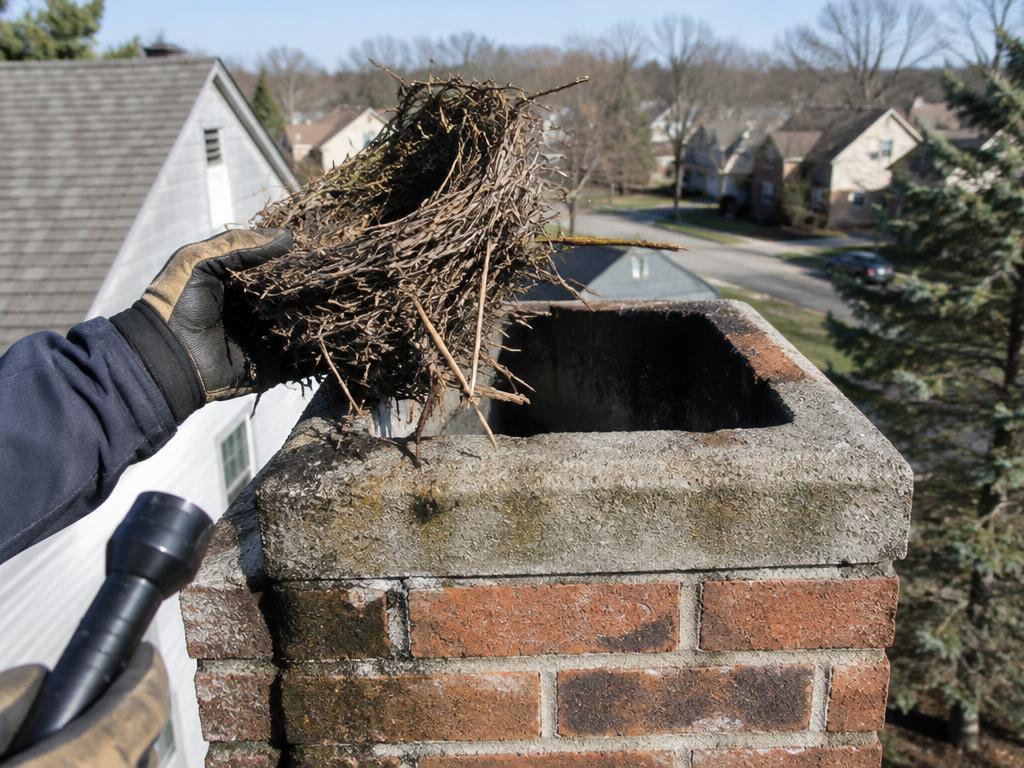
Safe, humane chimney wildlife removal and complete odour control for your Markham home.
Self-check
Warning signs you need chimney animal removal
Scratching or Scuttling Sounds
Hearing rhythmic scratching, rustling, or clawing sounds emanating from behind your fireplace damper is an unmistakable sign of wildlife. Trapped squirrels and raccoons often scrape against metal dampers and ceramic flue tiles while attempting to climb back up toward the roofline.
Persistent Unpleasant Flue Odours
A foul, musky, or decaying stench drifting from your fireplace hearth indicates active wildlife or a deceased animal. Damp nesting materials, concentrated urine, and droppings create acrid odours that worsen noticeably whenever high outdoor humidity or central air conditioning pulls chimney air inside.
Soot and Nesting Debris in the Firebox
Finding piles of dried twigs, pine needles, leaves, or loose soot scattered across your fireplace hearth points directly to animal intrusion. Birds and squirrels drop nesting debris downward while building nests, while larger raccoons dislodge heavy soot deposits as they squeeze past.
Flies or Maggots Around the Hearth
The sudden, alarming emergence of large blowflies or maggots around your fireplace doors or cleanout access strongly signals an animal carcass in the flue. Insects are rapidly drawn to organic decomposition, multiplying quickly within the dark, warm conditions of the chimney shaft.
Smoke Backdrafting into Living Spaces
If smoke rolls backward into your living room when you light your fireplace, a severe animal blockage is likely the culprit. Densely packed twig nests constructed by birds or squirrels can choke the flue passage completely, preventing combustion gases from venting upward.
Chirping or Vocal Animal Cries
High-pitched chirping, mewing, or chattering sounds coming from above your fireplace indicate baby raccoons or nesting birds. Newborn kits sound remarkably like birds and frequently vocalise when their mother leaves the chimney to forage for food throughout the neighbourhood.
Freeze-Thaw Climate Risks and Structural Vulnerability
The freeze-thaw climate across southern Ontario places tremendous physical stress on exterior chimney masonry. During the late autumn and early spring, temperatures regularly bounce above and below the freezing point within a single day. When animals inhabit your chimney, they disrupt this delicate balance by bringing in moisture-laden nesting materials and dislodging mortar joints with their persistent climbing. Accumulated leaves, grass, and animal droppings trap rainfall and melting snow inside the flue, preventing proper ventilation and keeping porous clay liners continuously damp during sudden cold snaps.
When trapped moisture within saturated mortar freezes, it expands by roughly nine percent in volume. This cyclic expansion creates microscopic fractures that rapidly widen into open fissures across your chimney crown and flue tiles. Animals actively exploit these weakened structural areas, tearing away loose mortar and widening gaps to squeeze inside. Over a couple of winter seasons, untended animal activity combined with winter frost heave can cause spalling bricks, dislodged flue liners, and dangerous structural instability that compromises your heating appliances throughout the freezing Markham winter.
Furthermore, winter animal activity creates serious risks of sudden ice dams forming within your flue exhaust. Nesting debris trapped beneath a layer of frozen slush can completely seal the chimney opening. When an unsuspecting homeowner lights a fire or their furnace kicks on during a bitter January cold front, toxic exhaust gases cannot escape upward into the atmosphere. Protecting your chimney against animal intrusion is an essential defensive measure that keeps the masonry dry, mechanically sound, and ready to withstand Ontario's harshest winter weather cycles.
- Trapped organic nesting debris absorbing moisture and accelerating masonry spalling
- Sub-zero ice damming caused by debris blockages near the chimney crown
- Animal claws dislodging crumbling mortar joints during freezing winter nights
- Thermal shock cracked flues caused by lighting fires beneath frozen animal nests
- Water penetration through damaged flashing loosened by animal entry attempts
Health Hazards, Parasites, and Advanced Odour Control
The presence of wild animals in your chimney introduces biological contaminants that directly affect the health of your household. Wildlife droppings, particularly raccoon feces, carry microscopic roundworm eggs that can remain infectious for years. When these dry droppings sit directly above your fireplace damper, microscopic spores and airborne particles can circulate through your living room via central air currents. Bird droppings carry fungal spores capable of causing histoplasmosis, while animal fur and nesting grasses introduce fleas, ticks, mites, and harmful bacteria directly into your indoor living environment.
In tragic cases where an animal becomes trapped and perishes inside the flue, the resulting smell can quickly make your home uninhabitable. The decomposition process releases pungent organic gases that seep through fireplace masonry, damper seals, and drywall joints. Ordinary household air fresheners and masking sprays merely hide the smell temporarily without eliminating the organic source. Markham homeowners dealing with a deceased animal need rapid physical retrieval followed by deep enzymatic neutralisation to completely destroy the bacteria responsible for the offensive stench.
Our team approaches odour control with medical-grade seriousness, utilising specialised industrial deodorising agents that break down organic proteins on a molecular level. After physically cleaning out every trace of nesting material, feathers, and fecal matter, we treat the masonry walls and smoke chamber thoroughly. This sanitation process eradicates stubborn scent markers that would otherwise attract rival wildlife or future generations seeking the same nesting site. Eliminating these scent cues guarantees that your living room air remains fresh, sanitary, and completely safe for breathing.
- Airborne roundworm eggs and fungal histoplasmosis spores from dried feces
- Parasitic infestations including ticks, fleas, and mites migrating into bedrooms
- Severe decomposition odours seeping through porous brick and fireplace dampers
- Scent markers left behind that attract other curious animals to the rooftop
- Secondary insect swarms like blowflies and beetles feeding on decomposing matter
Preventing Carbon Monoxide Poisoning and Chimney Fires
A blocked chimney flue is one of the most dangerous hidden hazards a Markham homeowner can encounter. When animals build nests inside the flue shaft, they pack dry twigs, leaves, pine needles, and feathers into an extremely dense plug. If you ignite a fire in the fireplace while this combustible blockage is present, smoke and deadly carbon monoxide have nowhere to vent except backward into your home. Carbon monoxide is completely colourless and odourless, making it an invisible threat that can incapacitate sleeping occupants within minutes.
Beyond dangerous toxic exhaust backup, animal nests present an acute risk of uncontrolled chimney fires. The dried plant matter that animals gather makes phenomenal kindling. A single stray ember or intense radiant heat from your fireplace can ignite the nesting plug inside the flue liner. Chimney fires can reach temperatures exceeding one thousand degrees Celsius, which easily shatters clay flue tiles, melts metal factory-built chimneys, and ignites adjacent wooden framing inside your attic or upper floor walls. What began as a squirrel nest can escalate into a catastrophic structure fire.
To ensure your home remains safe, working carbon monoxide alarms must be maintained on every level of the residence, especially near sleeping quarters. If an animal has entered your chimney, do not attempt to light a fire to burn out the nest or chase the creature away. Doing so guarantees high concentrations of toxic gases inside your home and creates an immediate fire hazard. Professional mechanical removal and a clear, open draft are the only safe ways to re-establish proper venting clearance.
- Severe carbon monoxide backdrafting caused by compacted nesting materials
- Highly combustible twig nests igniting into explosive chimney flue fires
- Dislodged soot and creosote falling onto the damper and choking draft flow
- Damaged flue tiles allowing hot combustion sparks to reach attic insulation
- Damper assemblies wedged open or shut by fallen animals and nesting debris
"I booked an annual chimney sweep in Unionville and they arrived right on time. They cleared all creosote, inspected the flue draft, and shared simple maintenance tips. My fireplace runs smoother and safer now."
Our process
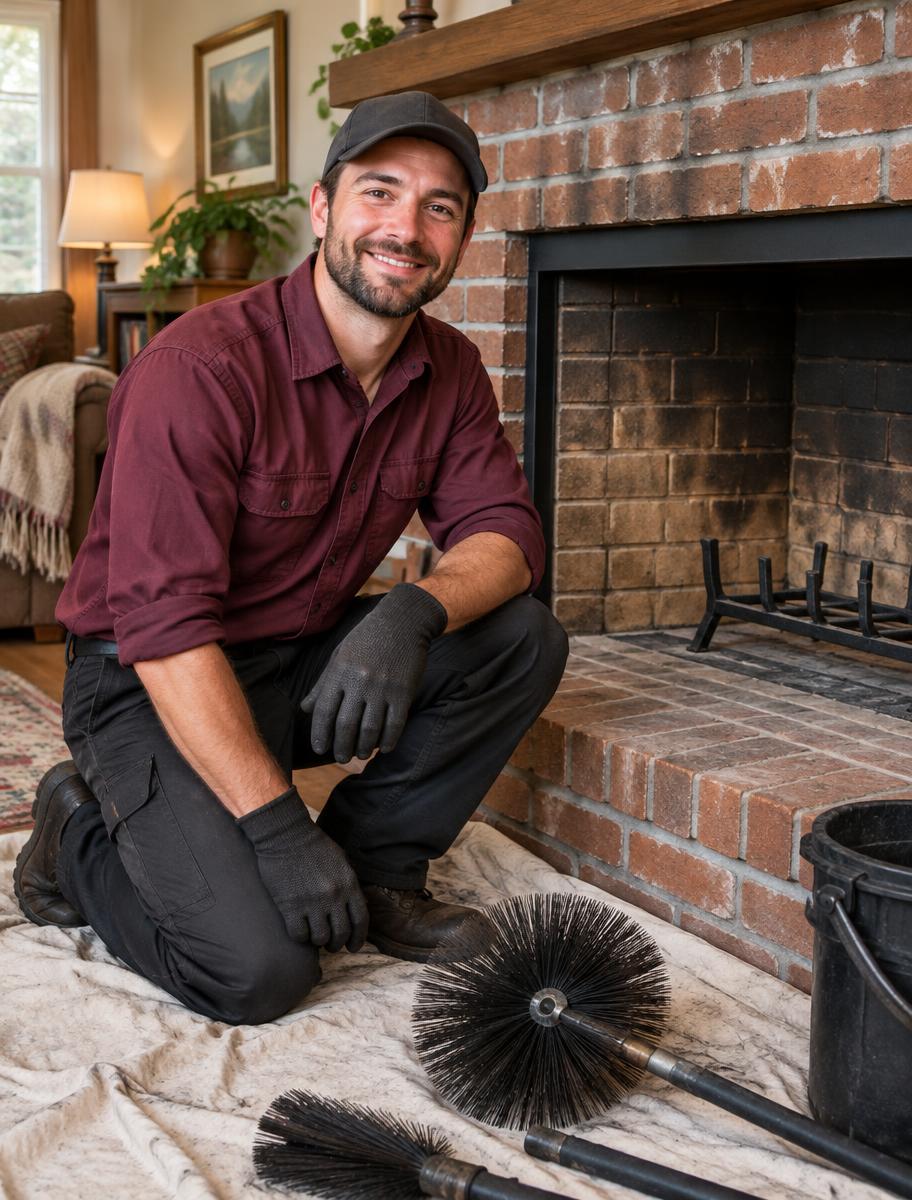
How we handle your chimney animal removal, step by step
- 1
Exterior and Interior Safety Assessment
We begin with a thorough dual-level diagnostic inspection of your roofline, chimney crown, damper, and firebox. Our technicians identify the animal species, pinpoint their exact location, and evaluate potential flue blockages using specialised high-resolution cameras.
- 2
Humane Wildlife Extraction
Using gentle catch poles, one-way exclusion doors, or hands-on maternity procedures, we safely remove adult animals and baby litters without harm. We ensure baby animals are kept warm and placed in rooftop reunion boxes for maternal retrieval.
- 3
Flue Sanitisation and Odour Neutralisation
We extract all combustible nesting materials, droppings, and loose soot using industrial HEPA vacuums. Our team then applies hospital-grade enzymatic treatments to the masonry walls to eliminate dangerous biological contaminants and neutralise stubborn foul odours permanently.
- 4
Structural and Clearance Examination
Our technicians inspect internal flue liners, damper assemblies, and masonry joints for scratches, cracks, or mechanical displacement caused by the animals. We verify that all venting clearances meet rigorous residential safety benchmarks before returning the fireplace to service.
- 5
Heavy-Duty Exclusion Barrier Installation
To prevent future intrusions, we securely install heavy-gauge stainless steel chimney caps with animal-proof spark arrestors. We reinforce damaged mortar crowns and seal vulnerable gaps, ensuring your home remains completely inaccessible to persistent urban wildlife.
Our Professional Humane Extraction and Inspection Protocol
At Markham Chimney Services, we believe that animal removal should always be conducted with patience, skill, and genuine respect for wildlife. When our technicians arrive at your property, we conduct a careful two-part assessment of the exterior chimney structure and the interior fireplace chamber. Using high-output inspection lights and specialised optical cameras, we determine the exact species, the animal's exact position within the flue, and whether young kits or fledglings are present. This precise diagnosis ensures we deploy the gentlest and most effective extraction technique possible.
For adult raccoons and squirrels, we frequently employ gentle one-way exclusion doors and physical catch poles operated by trained hands. These mechanisms allow the animals to exit the chimney to forage while preventing them from returning inside. When dealing with nursing mothers and newborn babies sheltered on the smoke shelf, our technicians carefully access the firebox, manually retrieve the kits using protective gloves, and place them in a warm, sheltered reunion box on your roof. This reunites the mother with her young so she can safely relocate them.
Once the animals are safely outside the flue, our focus shifts to mechanical restoration and cleanliness. We never leave until the chimney interior is completely cleared of nests, leaves, and droppings. Our high-efficiency vacuum systems capture fine soot and biological matter without spreading airborne dust into your living room. We follow this with thorough photographic documentation, providing you with clear proof that the flue passage is completely clear, structurally uncompromised, and prepared for secure exclusion screening.
- Dual-point interior and exterior diagnostic inspection using specialized cameras
- Careful identification of wildlife species, health status, and presence of babies
- Humane one-way doors, catch poles, and heated baby reunion transport boxes
- Industrial HEPA-filtered debris containment to protect indoor carpet and air
- Photographic flue verification before and after completing the extraction process
Chimney Structural Remediation and Masonry Repair
Wild animals can inflict surprising structural damage to chimney components in their desperate bids to enter or escape. Raccoons boast remarkable upper-body strength and can easily pry loose weak metal flashing, lift poorly fastened chimney caps, or claw away soft mortar along the crown. Squirrels possess sharp incisors that chew through lead counter-flashing, wooden chase covers, and interior chimney dampers. After an animal is removed, ignoring this collateral damage leaves your chimney vulnerable to severe water leaks and accelerated freeze-thaw deterioration throughout rainy autumns and freezing winters.
Our remediation process addresses every point of structural compromise discovered during our assessment. We examine the smoke shelf, damper plate, and clay flue liners for fractures or mechanical displacement. If an animal has bent or jammed your fireplace damper, we realign or replace the hardware so it forms a tight, energy-efficient seal once again. Where mortar has been loosened or scraped away around the crown, our technicians perform targeted repointing using weather-resilient mortar mixes formulated specifically for the punishing Ontario climate.
Restoring these structural barriers does more than protect against wildlife; it preserves your entire chimney investment. Water penetration is the primary cause of premature masonry failure in Markham. By repairing torn metal flashings, resealing crown fractures, and fixing displaced flue joints right after an animal incident, we keep driving rain and melting ice out of your home. A structurally sound chimney delivers reliable draft performance, protects indoor drywall from costly water stains, and keeps utility bills low by eliminating winter drafts.
- Precision alignment and repair of bent, jammed, or dislodged fireplace dampers
- Targeted masonry repointing using high-durability, weather-resistant mortar
- Repairing damaged chimney flashing torn loose by energetic raccoons and squirrels
- Resealing cracked concrete chimney crowns to prevent water ingress and ice damage
- Inspection of ceramic flue liners for structural cracks caused by animal claws
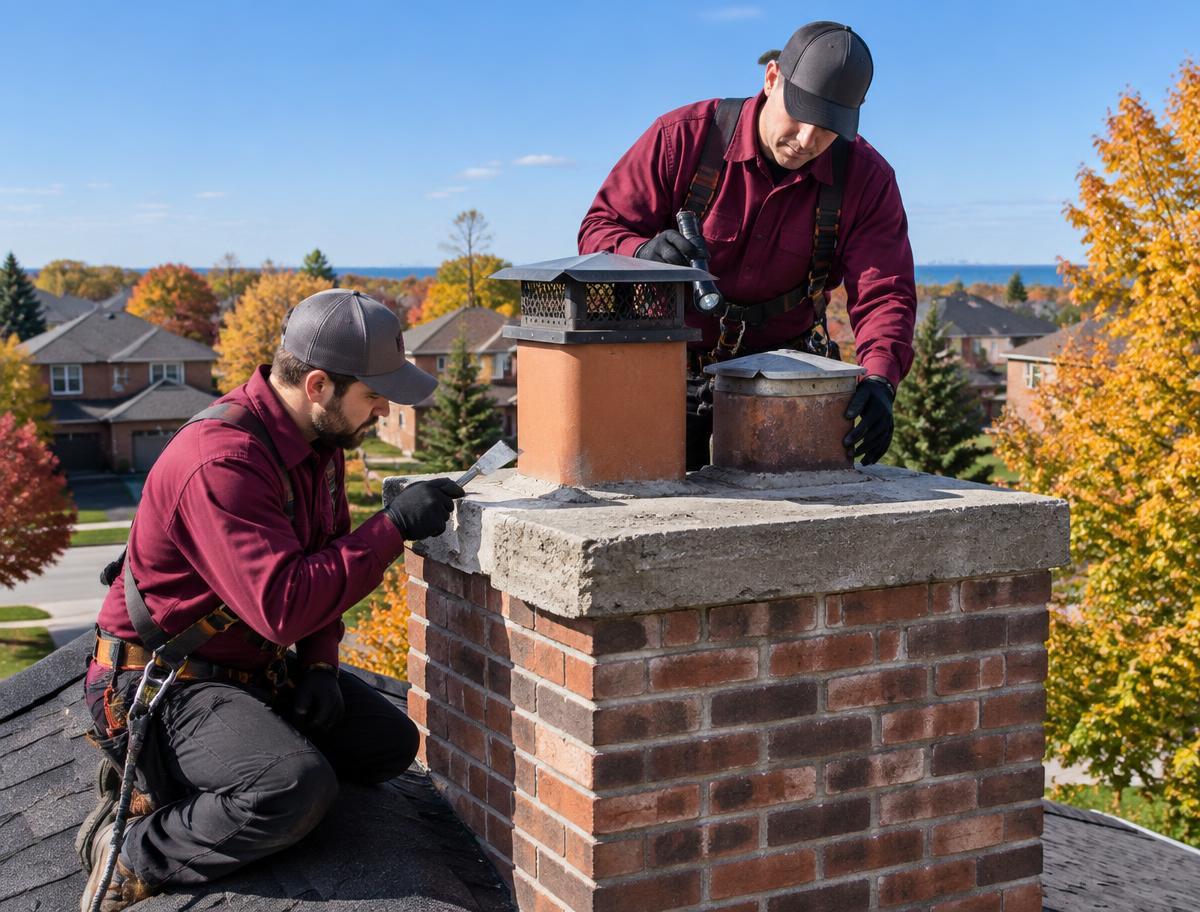
Preventative Exclusion and Heavy-Duty Chimney Caps
Removing an animal is only half the battle; ensuring they cannot return is what provides lasting peace of mind. Without a permanent physical barrier installed over your flue opening, another animal will quickly discover the warm updraft and move right in. The single most effective long-term defense for any residential chimney is a professionally fitted, heavy-gauge stainless steel chimney cap with integrated spark arrestor mesh. Unlike cheap wire screens that raccoons can tear apart with their agile paws, heavy-gauge steel provides impenetrable security year-round.
When Markham Chimney Services installs an exclusion cap, we select hardware designed specifically to match your chimney's dimensions and venting requirements. The screening mesh is carefully calibrated to keep out squirrels, birds, bats, and raccoons while maintaining optimal exhaust draft for your wood-burning or gas appliances. The cap also features a sturdy metal lid that deflects driving rain, hail, and snow away from the flue opening, extending the life of your internal clay or stainless steel liner and preventing dangerous interior moisture damage.
For homeowners experiencing draft issues or cold air dumping down the chimney when the fireplace is not in use, we often recommend top-sealing animal-proof dampers. These innovative systems replace traditional throat dampers, sealing the flue tightly at the very top of the chimney with a silicone rubber gasket. When closed, it forms an airtight seal that locks in home heat and prevents any animal, insect, or downdraft from entering. A simple stainless steel cable running to the firebox makes operation smooth and effortless.
- Heavy-gauge stainless steel animal-proof chimney caps that resist raccoon prying
- Properly sized spark arrestor mesh that stops pests without choking fireplace draft
- Weatherproof top covers that keep rain, ice, and falling leaves out of the flue
- Top-sealing damper installations providing superior airtight insulation and exclusion
- Custom chimney crown screening for multi-flue and irregular architectural configurations
Choosing an Independent Chimney Specialist in Markham
Selecting the right professional to resolve a chimney animal emergency requires careful consideration. Many general pest control companies possess wildlife permits, but they often lack the masonry tools, venting knowledge, and chimney sweeping equipment required to properly inspect, clean, and repair a damaged flue. Conversely, an unqualified handyman may manage to trap an animal but could overlook dangerous carbon monoxide hazards or install an improper wire mesh that chokes the appliance draft. Partnering with a dedicated chimney specialist ensures that both wildlife removal and heating safety are handled simultaneously.
A trustworthy chimney company operates with full transparency, providing clear upfront quotes, comprehensive liability insurance, and detailed photographic evidence of their findings. When evaluating service providers, ask about their experience with local Markham architecture, including mid-century split-levels, classic brick bungalows, and modern custom homes. While our independent company does not claim formal third-party certifications, our technicians strictly uphold industry-recognised standards and CSA-inspired clearance protocols. We treat your living space with pristine cleanliness, laying down heavy drop cloths and running industrial vacuum equipment throughout every visit.
Choosing an established local team based right at 4418 Highway 7 East guarantees rapid response times and personal accountability. We live and work in the same community, understanding how our regional climate and neighbourhood ravines influence urban animal activity. We take time to explain our diagnosis in plain language, present practical repair choices without high-pressure sales tactics, and guarantee our exclusion work. When you choose a dedicated local chimney specialist, you can rest easy knowing your home is safe, warm, and thoroughly protected against unwanted wild visitors.
- In-depth understanding of fireplace drafting physics and local chimney construction
- Transparent upfront estimates with no hidden fees or unnecessary upsells
- Strict adherence to CSA and WETT-style safety clearances and mechanical standards
- Complete property protection including drop cloths, floor runners, and HEPA vacuums
- Proven exclusion workmanship backed by durable, animal-proof stainless steel hardware
Average pricing in Markham
$289 – $689
- Inspection / diagnostic
- $149 – $229
- Typical time on site
- Typically 1.5 to 3 hours depending on species and accessibility
- Parts and materials
- Animal-proof chimney caps, heavy-gauge stainless steel mesh, and replacement dampers
- What moves the price
- Species type and whether baby animals require specialised extraction · Chimney height, roof pitch, and access safety requirements · Extent of flue contamination and required enzymatic odour treatments
Estimated local market range, not a quote. All estimates are in Canadian dollars and exclude 13% Ontario HST. Your exact price is confirmed before any work begins.