

Unpleasant chimney smells can quickly compromise the comfort of your Markham home, turning a cozy hearth into a persistent source of frustration. When foul air begins drifting into your living room, dining area, or upper bedrooms, the culprit is rarely a simple cosmetic issue. Chimneys operate as natural exhaust conduits, and when airflow reverses or moisture infiltrates the flue, concentrated combustion residues, organic decay, and stale air get pushed backward into your living environment. Markham Chimney Services, operating from 4418 Highway 7 East, provides dedicated diagnosis and remediation to locate the true origin of unwanted fireplace aromas.
Our team treats chimney odour removal as an engineering problem that links your heating system to home ventilation dynamics. Markham experiences severe seasonal swings, fluctuating between humid summer heat and bitter winter cold. These environmental factors combine with modern home air-tightness to alter flue draft and pull outdoor contaminants straight down the masonry cavity. By addressing the root moisture problems, soot deposits, ventilation deficits, and biological hazards behind the smell, we help local homeowners regain clean indoor air. We restore balance to your system without using temporary chemical perfumes or superficial masking sprays.
Chimney Odor Removal: visit summary
Chimney Odor Removal: nests, debris and odour sources removed safely, then the flue tested for proper draft. Serving Markham and the Greater Toronto Area (GTA). The estimated local market range is $289 – $689, not a fixed company rate. The final scope and quote are confirmed before work begins.
| Estimated market range | $289 – $689. All estimates are in Canadian dollars and exclude 13% Ontario HST. |
|---|---|
| Typical time | 2 to 4 hours on site |
| Price factors | Severity and type of odour source, such as glazed creosote versus dead animal removal.; Height, accessibility, and structural condition of the chimney stack.; Need for mechanical draft correction upgrades or exterior waterproofing treatments. |
| Routine signs to discuss | Campfire or Barbecue Smell on Damp Days; Sour, Musty Basement or Fireplace Odour; Overpowering Biological Decomposition Smell; Strong Draft Coming Out of the Firebox; Visible Soot Dust Settling Near the Hearth; Acrid Chemical Stench from Gas Fireplace |
Understanding Chimney Odours and Indoor Air Dynamics
A functioning chimney relies on continuous upward draft, drawing combustion byproducts out through the top of the flue stack. However, when a fireplace sits idle during temperate or muggy weather, natural air pressures often equalize or flip entirely. When air flows down the flue rather than upward, it sweeps through accumulated soot, corrosive deposits, and trapped moisture, dumping those stale scents directly into your home. Understanding this pressure dynamic is essential for resolving lingering smells that resist simple room fresheners.
Modern Markham residences feature tight building envelopes, high-efficiency windows, and continuous mechanical ventilation like powerful kitchen exhaust fans and bathroom extractors. When these exhaust appliances run simultaneously, they draw air out of the building envelope, creating a negative pressure zone inside the house. The chimney flue often acts as the easiest path of least resistance for replacement air. Consequently, outdoor air enters down the chimney shaft, collecting volatile compounds and distributing them into finished living quarters.
Odour control requires an understanding of both physical chimney structures and domestic airflow physics. Masonry materials like clay tiles, mortar, and brick are naturally porous sponges that absorb moisture and combustion aromatics over decades of service. When relative humidity rises, these porous surfaces release trapped chemical compounds into the descending airstream. Treating the chimney structure itself while balancing domestic air pressures ensures that the offending scent does not return whenever weather systems shift across southern Ontario.
- Stack effect changes pull cold, heavy air downward through unsealed flues.
- Exhaust fans in kitchens and bathrooms depressurize homes, reversing chimney draft.
- Porous brick and clay liners store chemical aromas for years until activated by dampness.
- Stagnant summer air prevents natural thermal buoyancy from pushing flue air outdoors.
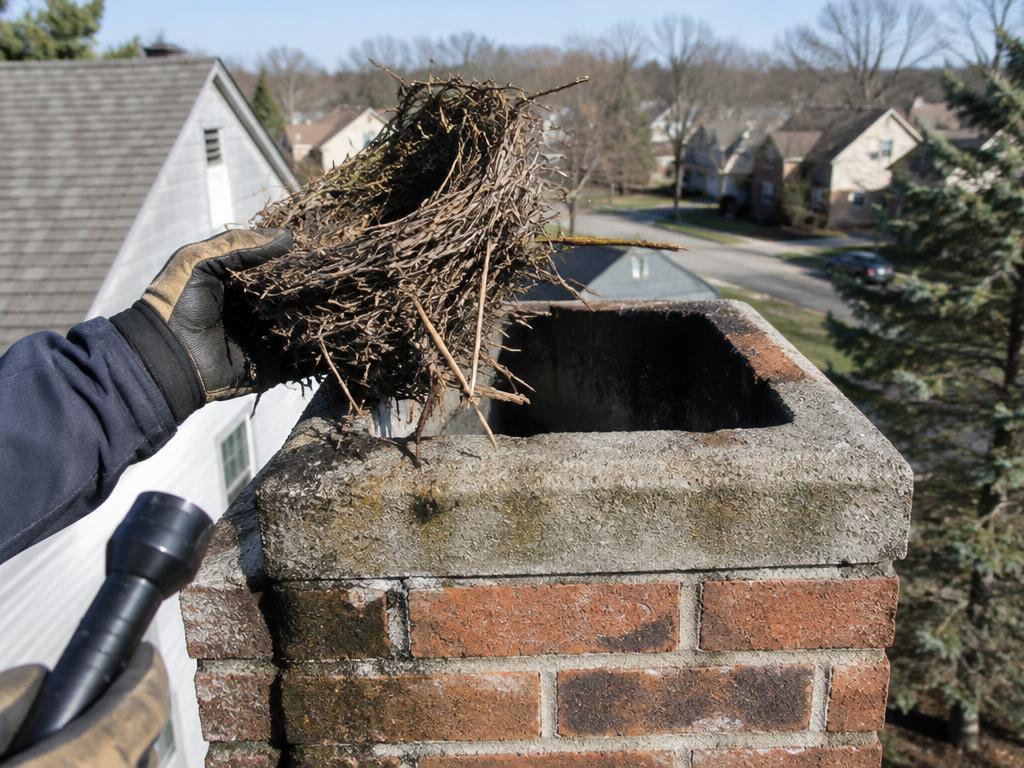
Restoring fresh indoor air quality with comprehensive chimney odour diagnosis and flue care across Markham.
Self-check
Warning signs you need chimney odor removal
Campfire or Barbecue Smell on Damp Days
When heavy rain or high humidity outdoors fills your home with a sharp, smoky stench, moisture is mixing with creosote deposits inside the flue and backdrafting into the living area.
Sour, Musty Basement or Fireplace Odour
A persistent wet cardboard or earthy smell coming from the firebox indicates active mould or mildew growth, caused by liquid water collecting on the smoke shelf or within unventilated ash dumps.
Overpowering Biological Decomposition Smell
A sudden, sickening sweet or rotting smell around the hearth suggests an animal has become trapped and died inside the chimney flue or behind the damper assembly, requiring prompt extraction.
Strong Draft Coming Out of the Firebox
Feeling cold or stale air pushing noticeably out of the fireplace opening shows that your home is experiencing negative pressure, drawing contaminated flue air directly into your interior living zones.
Visible Soot Dust Settling Near the Hearth
Finding fine black powder or grit on your hearth rug and mantelpiece proves that chimney downdrafts are actively transporting combustion particulates backward into your finished rooms, degrading indoor air.
Acrid Chemical Stench from Gas Fireplace
A biting, acidic smell around a gas unit often indicates that flue condensation is dissolving mortar joints, or exhaust gases are spilling past a misaligned draft hood into the room.
How Ontario Freeze-Thaw Cycles Drive Flue Odours
The climate across Markham presents severe challenges for residential chimney integrity throughout autumn, winter, and spring. Rapid transitions between freezing nighttime conditions and daytime thawing introduce liquid water into microscopic masonry fractures. As water freezes, it expands by approximately nine percent, cracking chimney crowns, deteriorating mortar joints, and spalling external bricks. This structural breakdown provides open paths for rain and melted snow to soak deeply into the chimney flue walls.
Once liquid water saturates the interior flue, it mixes with creosote, soot, and sulfur residues embedded in the chimney lining. This combination produces a sharp, acidic, acrid stench reminiscent of wet asphalt, barbecue briquettes, or stale campfire ash. During the humid summer months following a harsh winter, high outdoor temperatures bake this saturated flue interior. The warm moisture activates the acidic compounds, creating powerful odours that waft downward into air-conditioned interior rooms.
Furthermore, melting ice dams and unsealed flashing caps allow water to trickle behind metal fireplace inserts and inside hidden smoke chambers. Trapped within dark, enclosed voids with minimal airflow, this moisture creates ideal breeding conditions for fungal colonies and mold spores. These microbial infestations add heavy, musty, earthy notes to existing combustion smells. Addressing chimney smells in Markham requires direct intervention to prevent winter freeze-thaw damage from feeding chronic moisture problems year-round.
- Winter water expansion cracks crowns and mortar, inviting subsequent water ingress.
- Saturated flue walls react with soot to generate sharp, pungent acidic odours.
- Summer humidity warms damp masonry, amplifying smell intensity inside living zones.
- Hidden moisture pockets behind fireplace fireboxes encourage persistent fungal growth.
Primary Sources of Unpleasant Fireplace and Flue Odours
Creosote buildup represents the most common culprit behind severe chimney smells. Creosote is a dark, oily, or glazed distillation product of incomplete wood combustion that coats flue tiles and smoke chambers. During dry, frosty weather, creosote smells remain relatively dormant, but high relative humidity causes the chemical compounds within it to evaporate into the air. The resulting aroma is thick, industrial, and distinctly sooty, often causing nasal irritation and headaches for sensitive occupants.
Animal and pest intrusion is another common cause of sudden, unbearable chimney smells. Raccoons, squirrels, bats, and migratory birds view unprotected chimney flues as secure hollow trees for nesting and sheltering. Animals can become trapped and perish inside the flue or beneath the damper assembly, resulting in an overpowering biological decomposition smell. Even if animals exit safely, their left-behind nests, dropped food, and accumulated droppings introduce terrible biological odours and insect pests into the home.
Moisture-driven mould and mildew development round out the leading sources of fireplace smells in local homes. When water enters through absent or damaged chimney caps, it collects in the fireplace base, ash dump, or smoke shelf. This water combines with natural dust and carbon deposits to produce an earthy, cellar-like stench. In gas fireplace chimneys, continuous water condensation from combustion exhaust can also interact with unlined flues, producing sharp chemical smells from dissolving mortar salts.
- Hydrocarbon-rich creosote coatings that off-gas strongly during humid weather.
- Decomposing wildlife, animal droppings, and organic nesting materials trapped in flues.
- Colonies of mould and mildew thriving on damp, unventilated smoke shelves.
- Efflorescence and chemical salt breakdown caused by persistent gas appliance condensation.
Health, Carbon Monoxide, and Domestic Safety Concerns
A persistent chimney odour is never merely an inconvenience; it indicates an active airflow, blockage, or containment failure within your heating system. When a chimney allows smells to travel down into the home, it demonstrates that combustion gases are not moving safely upward. If you operate an appliance connected to an improperly drafting flue, deadly byproducts, including carbon monoxide, can flow into your living rooms instead of escaping outside through the chimney top.
Working carbon monoxide alarms installed in close proximity to every sleeping area and on every level of your home provide an essential life-safety barrier. Carbon monoxide itself is an invisible, entirely odourless gas, meaning you cannot rely on smelling exhaust to know if danger exists. However, smelling soot, damp creosote, or stale combustion products indicates that the air pathways are backdrafting. Any chimney suffering from persistent reverse airflow must be evaluated to ensure safe venting performance before future fires are lit.
In addition to toxic gas risks, breathing stale chimney air introduces particulate matter, fungal spores, and volatile organic compounds into your indoor environment. Individuals with asthma, allergies, or chronic respiratory conditions frequently experience heightened symptoms when living in homes with backdrafting chimneys. Ensuring that your chimney is clean, structurally sealed, and drafting in accordance with standard CSA and solid-fuel best practices protects both your property value and your family's daily respiratory health.
- Air flowing backward into the home can transport lethal, odourless carbon monoxide.
- Working carbon monoxide detectors are mandatory on every living level of the home.
- Microscopic creosote particles and mold spores irritate human respiratory pathways.
- Reversed drafting conditions prove that venting clearances and exhaust routes are compromised.
"I needed a new chimney cap. The installer arrived in Angus Glen, walked me through cap options, and fitted the perfect one with care. Cleanup was spotless and now I feel protected against rain and pests."
Our process
How we handle your chimney odor removal, step by step
- 1
Initial Hearth and Intake Evaluation
We examine the firebox, damper fit, and room air pressures to determine whether backdrafting is pulling contaminated flue air downward into your home.
- 2
Comprehensive Flue and Terminus Survey
Our technicians check the chimney top, crown, cap, and masonry exterior, running an internal video scan to locate hidden debris, nests, or cracks.
- 3
HEPA-Contained Mechanical Sweeping
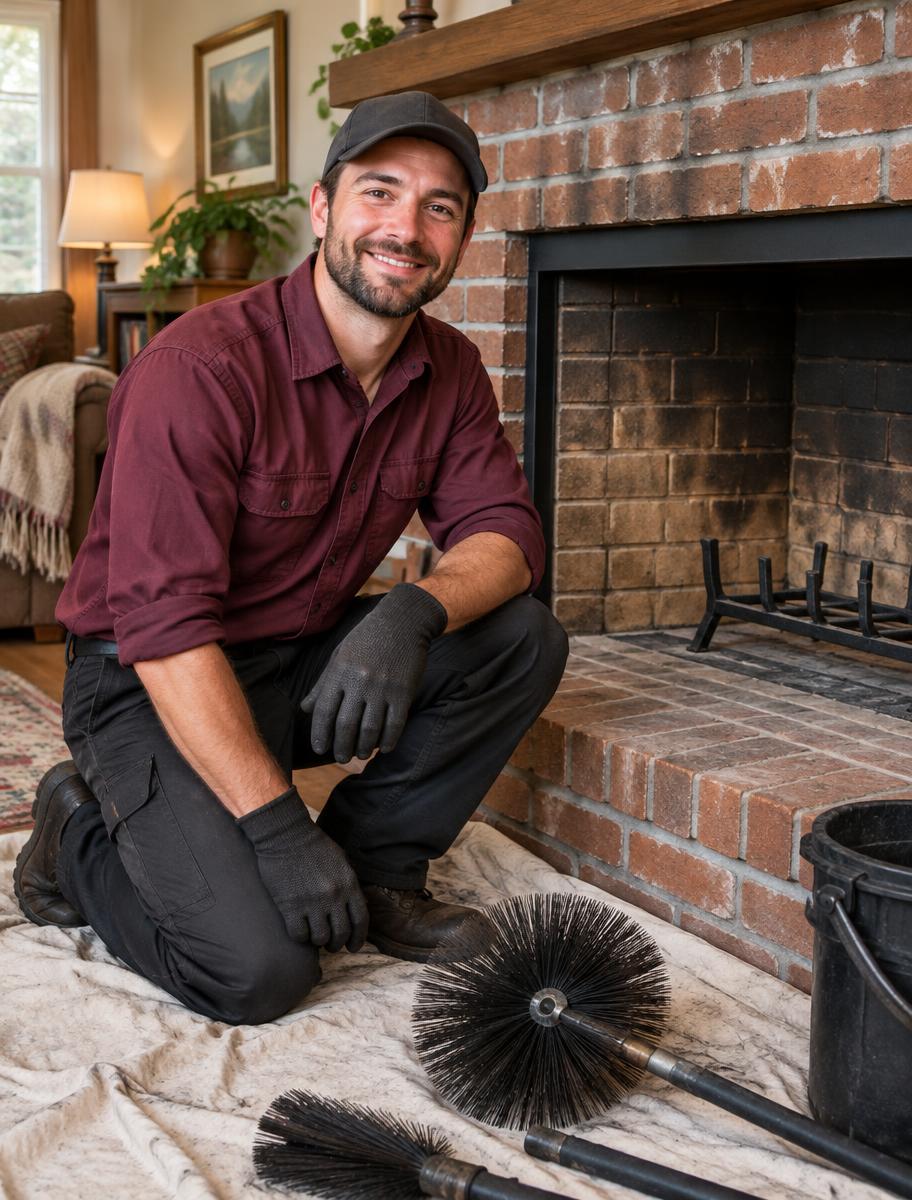
We seal the fireplace opening and use specialized brushes with HEPA vacuum collection to remove soot, ash, and loose creosote without releasing dust.
- 4
Neutralization and Biocidal Treatment
For glazed creosote or organic smells, we apply targeted enzymatic neutralizers and antimicrobial washes that break down odours at the molecular level.
- 5
Moisture Exclusion and Preventative Sealing
We secure chimney caps, repair leaking joints, or fit top-sealing dampers to prevent water entry and lock humid outdoor air out for good.
Our Methodical Inspection and Diagnosis Strategy
Locating and permanently removing chimney smells begins with a systematic physical inspection. Our process starts inside your home, assessing the fireplace hearth, damper frame, and firebox for visual evidence of water stains, biological debris, and soot accumulations. We inspect mechanical damper assemblies to confirm whether they seal tightly when closed or if structural distortion allows cold, smelly flue air to bypass the plates. We also evaluate the ambient air currents around your fireplace to measure drafts.
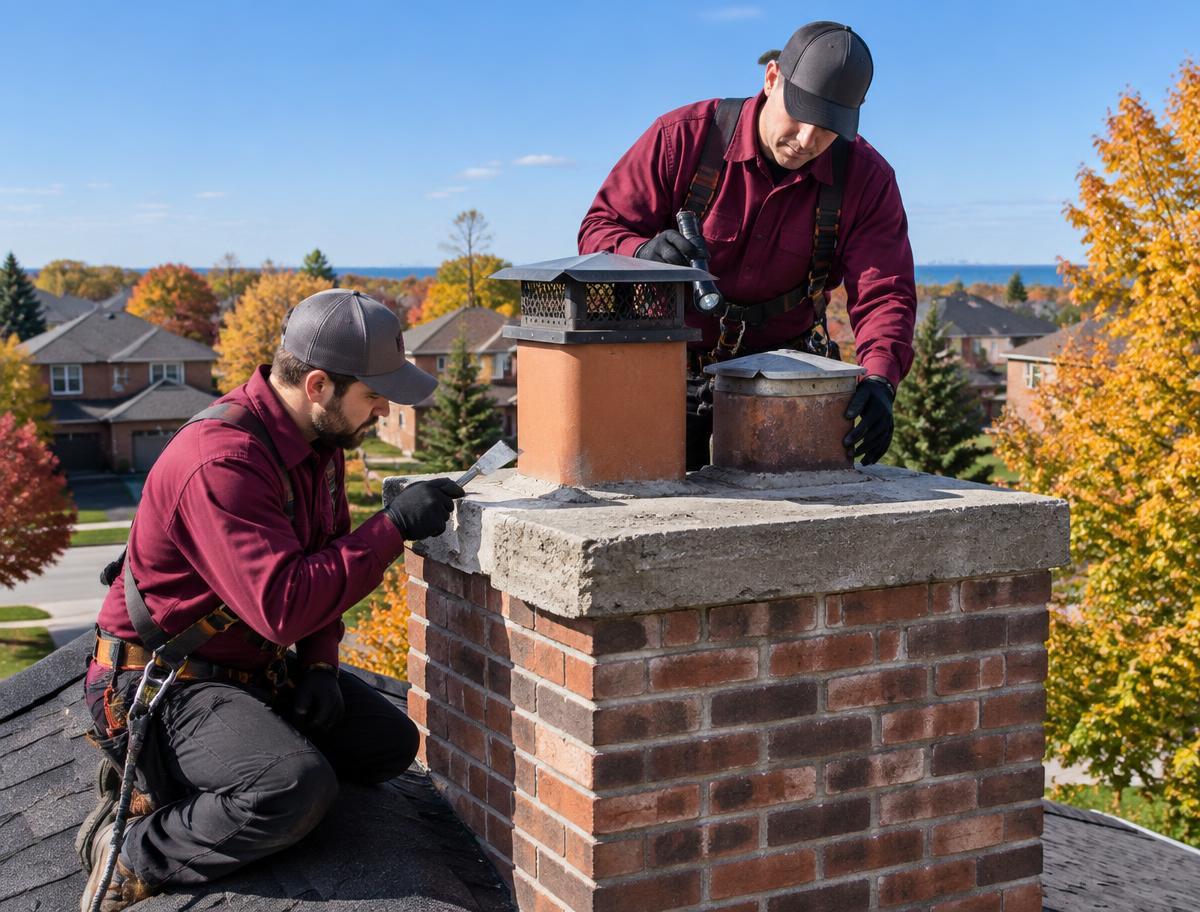
Next, our technicians inspect the exterior masonry and top terminus of the chimney structure. We examine the condition of the chimney cap, spark arrestor, top crown, mortar joints, and roof flashing transitions. Identifying missing caps, cracked cement crowns, or leaking metal flashing reveals how outside moisture gets inside your flue. We also inspect the termination point for evidence of nesting birds, animal entries, or outdoor downdraft conditions caused by adjacent roof valleys and mature urban tree canopies.
When odours originate deep within inaccessible flue corridors, we utilize specialized inspection equipment, including high-intensity lighting and continuous internal video scanning. This internal camera assessment exposes cracked flue tiles, deteriorated mortar, internal bird nests, or heavy third-degree creosote glaze hidden out of reach. By pinpointing the exact depth, composition, and root catalyst of the odour source, we can present a clear, effective plan of action without unnecessary guesswork or unnecessary repairs.
- Internal firebox, throat, and damper sealing assessments to identify air leakage.
- External crown, flashing, and chimney cap inspections to locate water infiltration points.
- In-depth camera scans of the entire flue shaft to detect hidden nests and glaze.
- Diagnostic airflow evaluation to verify room depressurization and backdraft tendencies.
Targeted Odour Removal and Decontamination Solutions
Once our diagnosis identifies what is causing the smell, we apply specific mechanical and chemical remediation steps. Standard sweeping using custom polypropylene or wire brushes removes the bulk layer of soot, ash, and powdery creosote clinging to the flue walls. Clearing this combustion debris eliminates the primary sponge that absorbs moisture and releases stale aromas into your living space. We employ HEPA-filtered vacuum systems to prevent dust or odours from escaping into your home during cleaning.
When facing heavy, baked-on creosote glaze, standard sweeping is insufficient. We utilize specialized chemical descalers and enzymatic treatment agents designed to neutralize acidic soot deposits without damaging underlying clay tiles or metal chimney pipes. These neutralizing washes break down volatile hydrocarbon bonds, neutralizing the campfire smell at a molecular level. Unlike standard household deodorizers, these solutions change the chemical nature of the deposit so it stops off-gassing into interior air.
For biological contaminations involving animal carcasses, droppings, or extensive mould growth, our team carries out complete extraction followed by antimicrobial sanitization. We carefully extract every trace of animal nesting materials and disinfect contaminated smoke shelves, damper plates, and firebox walls with EPA-registered botanical biocides. This thorough sanitization removes hazardous airborne pathogens, eliminates foul decomposition odours, and makes the chimney interior clean, safe, and pleasant for the upcoming heating season.
- HEPA-contained mechanical brushing to clear loose soot, ash, and particulate matter.
- Targeted chemical neutralization agents to break down heavy creosote glaze bonds.
- Complete extraction of organic animal debris, droppings, and abandoned nests.
- Application of safe antimicrobial washes to kill mould, mildew, and biological bacteria.
Preventive Maintenance and Moisture Defense Tactics
Eliminating chimney smells is only half the battle; preventing their return requires ongoing moisture exclusion and draft management. The most effective safeguard against recurrent flue odours is installing a durable, stainless steel chimney cap equipped with side spark screens. A properly fitted cap acts as an umbrella over your flue opening, blocking torrential rains, winter snow, leaves, and inquisitive neighbourhood pests from ever entering the vertical shaft in the first place.
To combat air backdrafting, replacing an old, leaky cast-iron throat damper with a top-sealing damper is an exceptional upgrade. Top-sealing dampers mount securely to the very summit of your chimney and feature a silicone rubber gasket that seals the flue shut when closed. Operating via a stainless steel cable running down to the firebox, this system keeps moist, hot summer air out of the entire chimney column, preventing cool outdoor air from falling into your home.
Applying a breathable, siloxane-based water-repellent sealer to your exterior chimney brickwork provides an additional layer of protection against moisture infiltration. Unlike standard silicone sealants that trap moisture inside the brick, vapour-permeable sealers stop liquid rain from soaking in while letting internal masonry moisture evaporate naturally. Combined with regular seasonal maintenance checks, these preventative upgrades ensure your chimney stays dry, properly balanced, and completely odour-free year after year.
- Precision-fitted stainless steel caps to permanently exclude rainfall, snow, and animals.
- Gasketed top-sealing dampers to lock humid outdoor air completely out of the flue.
- Vapour-permeable exterior masonry sealers to prevent brick soaking and spalling.
- Routine seasonal sweeps to stop combustion residues from accumulating and decaying.
Selecting the Right Independent Chimney Specialist
Choosing a chimney specialist in Markham requires choosing a contractor who looks beyond simple brush-and-vacuum services. Chimney odour resolution requires a firm grasp of thermodynamic principles, local architecture, building science, and structural masonry behavior. An experienced independent contractor will take time to investigate draft issues, check household airflow balances, and identify moisture entry pathways rather than merely suggesting a quick superficial chemical wash.
Always demand transparent, upfront assessments accompanied by clear documentation before agreeing to any service work. A dependable chimney contractor will gladly walk you through their inspection findings, show you clear digital photos of damaged areas, and provide clear itemized estimates for necessary repairs. They should respect your home by laying down protective canvas runners, sealing off firebox openings during remediation, and leaving your hearth as clean as they found it.
Markham Chimney Services is an independent service company focused entirely on custom, practical solutions for regional property owners. We do not push unnecessary structural overhauls or rely on temporary quick fixes. Instead, we diagnose the exact environmental and physical factors creating bad fireplace odours in your home, delivering lasting freshness, improved indoor air safety, and dependable craftsmanship backed by friendly, neighbourhood-focused service right here on Highway 7.
- Seek contractors who assess whole-home air dynamics alongside physical flue cleaning.
- Insist on clear photo documentation of internal flue conditions and exterior defects.
- Ensure the team uses specialized HEPA extraction equipment to protect indoor air.
- Choose independent local specialists who prioritize long-term repairs over cosmetic sprays.
Average pricing in Markham
$289 – $689
- Inspection / diagnostic
- $149 – $229
- Typical time on site
- 2 to 4 hours on site
- Parts and materials
- Chimney caps, top-sealing dampers, replacement flue tiles, and specialized chemical neutralizers are quoted separately.
- What moves the price
- Severity and type of odour source, such as glazed creosote versus dead animal removal. · Height, accessibility, and structural condition of the chimney stack. · Need for mechanical draft correction upgrades or exterior waterproofing treatments.
Estimated local market range, not a quote. All estimates are in Canadian dollars and exclude 13% Ontario HST. Your exact price is confirmed before any work begins.