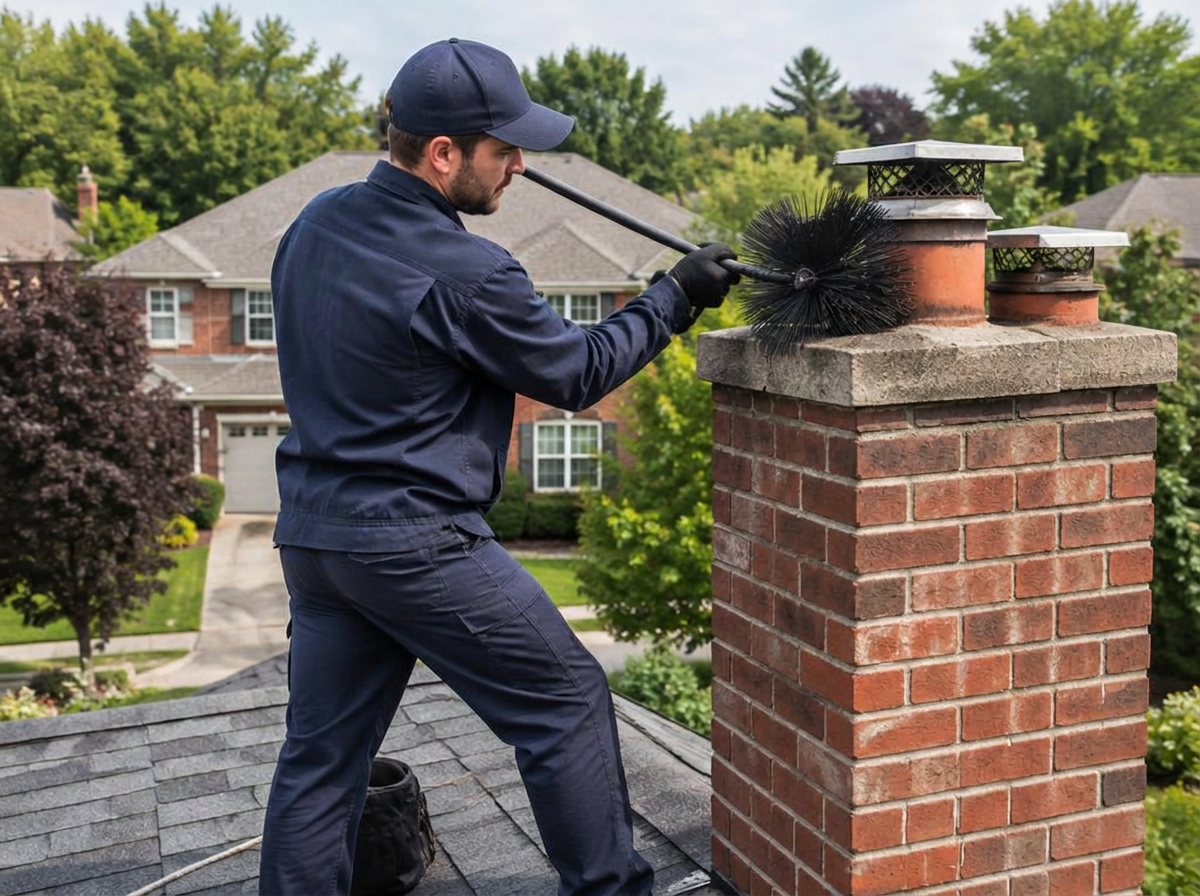

A roaring fireplace brings unmatched comfort during a cold Ontario winter, but regular use leaves behind combustible soot and corrosive creosote inside your chimney flue. Over time, these deposits restrict airflow, degrade mortar joints, and present a serious risk of chimney fires. At Markham Chimney Services, located at 4418 Highway 7 East, we provide meticulous chimney cleaning designed specifically for the diverse brick and stone homes across Markham. Our independent technicians use modern containment equipment and rotary sweeping tools to restore clear passage for wood smoke, furnace exhaust, and fireplace flues without spreading dust into your living space.
Southern Ontario experiences sudden temperature swings, heavy snowfall, and prolonged freezing rain, all of which place heavy demands on residential chimneys. When unburned wood tar and acidic moisture combine inside a cold flue, masonry materials deteriorate rapidly from the inside out. Routine sweeping removes these acidic residues before they eat into clay flue liners or corrode metal venting systems. Whether you live in a classic bungalow in Unionville, a two-storey brick home in Cornell, or anywhere across the Greater Toronto Area, our focused sweeping and inspection process ensures your heating system operates safely throughout the coldest months.
Chimney Cleaning: visit summary
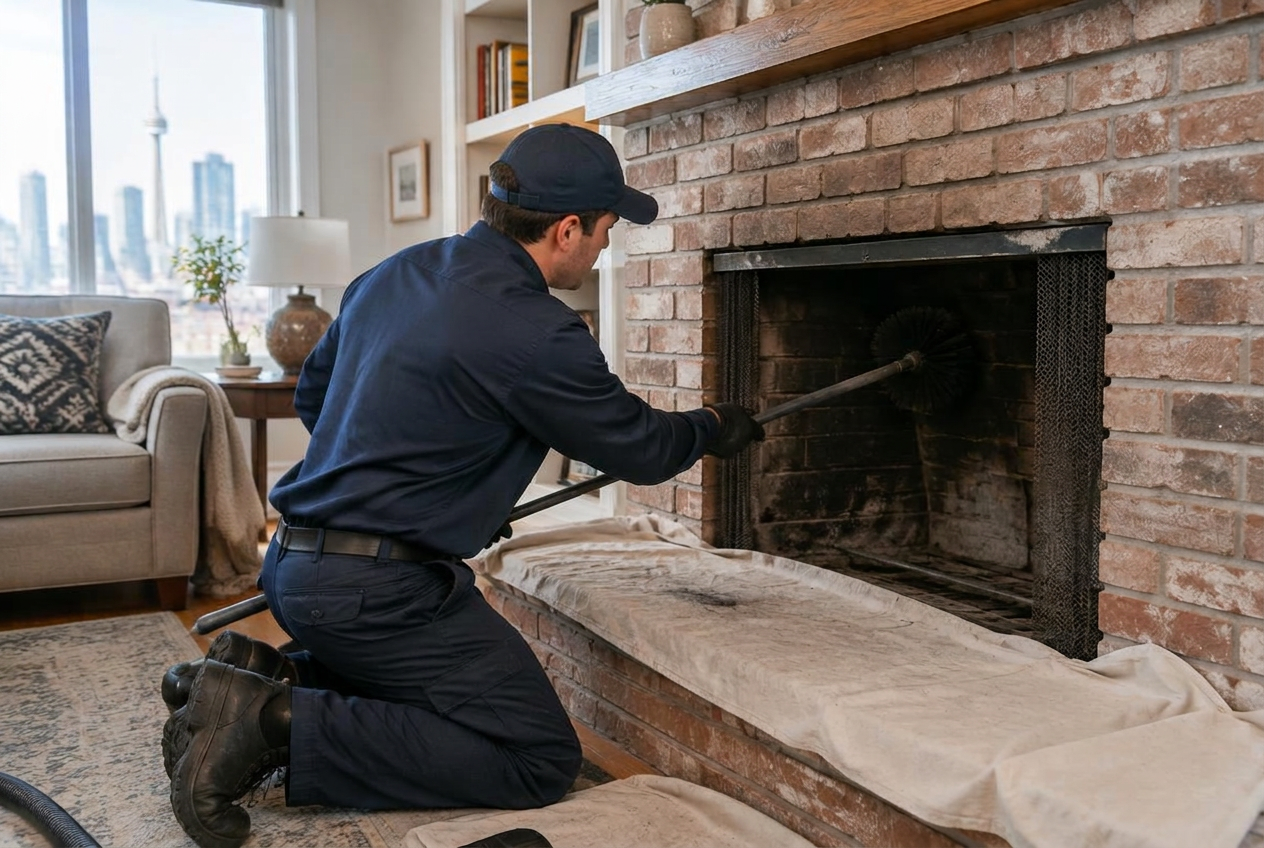
Chimney Cleaning for Markham homes: soot and creosote cleared with drop cloths down and a filtered vacuum running at the hearth. Serving Markham and the Greater Toronto Area (GTA). The estimated local market range is $189 – $389, not a fixed company rate. The final scope and quote are confirmed before work begins.
| Estimated market range | $189 – $389. All estimates are in Canadian dollars and exclude 13% Ontario HST. |
|---|---|
| Typical time | 1 to 2 hours typical on-site time |
| Price factors | Flue type and length (standard masonry tile, stainless steel liner, or tall multi-storey chase); Severity and stage of creosote buildup (light dry soot versus heavy glazed tar removal); Roof pitch, access difficulty, and fireplace type (open wood hearth, insert, or wood-burning stove) |
| Routine signs to discuss | Sluggish Draft or Smoke Backdrafting; Strong Barbecue or Acid Odour; Visible Soot Flakes in Firebox; Difficulty Operating Chimney Damper; Black, Oily Shine on Flue Walls; Animal Sounds or Debris Falling Down |
Understanding Professional Chimney Cleaning for Local Homes
Chimney cleaning is the methodical removal of soot, ash, bird nesting materials, and creosote glaze from the internal walls of your chimney venting system. In Markham, many homes feature masonry fireplaces with clay tile flues, factory-built metal chimneys, or older unlined brick flues venting older oil and gas furnaces. Each style of flue requires a specialized sweeping approach to dislodge debris effectively while protecting the underlying structural material from mechanical abrasion.
Soot is a fine, powdery carbon deposit that forms during everyday combustion, easily coating the smoke chamber, damper plate, and flue walls. While soot creates a dirty environment and reduces draft efficiency, creosote is a far more dangerous byproduct that condenses into a tacky or hardened black crust when wood smoke cools. Professional sweeping relies on specialized poly or steel wire brushes, flexible spinning rods, and industrial HEPA vacuums that capture these hazardous substances at the source.
Attempting to clear a flue with improper tools or household vacuums often results in airborne black dust circulating throughout your home, ruined vacuum motors, and missed deposits along the upper flue joints. Our independent technicians evaluate the specific construction of your fireplace and chimney, selecting brush diameters and sweeping speeds that match the interior dimensions perfectly. This careful process ensures full clearing of the smoke shelf, throat damper, and spark arrestor screen without damaging delicate tile liners.
- Complete removal of loose soot and powdery carbon dust
- Scraping and brushing of hardened creosote deposits
- Thorough clearing of the smoke chamber and shelf behind the damper
- Gentle brushing of spark arrestors and rain cap mesh screens
Keep your home warm, efficient, and protected with thorough soot and creosote removal tailored for Ontario winters.
Self-check
Warning signs you need chimney cleaning
Sluggish Draft or Smoke Backdrafting
Smoke rolling into your living room instead of rising cleanly up the chimney indicates an obstructed flue, dense creosote accumulation, a sticky damper, or a clogged spark arrestor cap requiring professional cleaning.
Strong Barbecue or Acid Odour
A foul, acrid smell resembling burned wood or asphalt drifting from your fireplace on warm, humid days occurs when moisture reacts with heavy creosote deposits resting inside the smoke chamber.
Visible Soot Flakes in Firebox
Finding black, crunchy chips or powdery soot accumulating on the fireplace floor or behind the damper means the creosote layer on the flue walls has expanded, dried, and begun shedding loose debris.
Difficulty Operating Chimney Damper
When the damper handle feels stiff, gritty, or refuses to latch properly, fallen soot and rust flakes have likely piled onto the smoke shelf, jamming the metal mechanism and creating draft gaps.
Black, Oily Shine on Flue Walls
Shining a bright flashlight up into the throat reveals shiny, glassy black deposits instead of rough masonry. This indicates stage three glazed creosote, an active fire hazard requiring immediate mechanical sweeping.
Animal Sounds or Debris Falling Down
Scratching sounds, chirping, or twigs and dry leaves dropping down the chimney mean birds, raccoons, or squirrels have nested inside the flue, creating an immediate combustion block that requires clearing.
The Ontario Freeze-Thaw Cycle and Chimney Deterioration
Markham winters are characterized by repetitive cycles of sub-zero cold followed by sudden daytime thaws. Brick and clay tile are naturally porous materials that absorb environmental moisture from rain, sleet, and melting roof snow. When combined with the warm, humid exhaust gas travelling up your chimney from a wood-burning fire or high-efficiency furnace, moisture accumulates within the interior surfaces of the masonry structure.
When temperatures drop overnight, water trapped inside uncleaned flues freezes and expands by roughly nine percent. This internal expansion fractures mortar, splits clay flue tiles, and spalls exterior brick faces. Creosote deposits worsen this structural threat because chemical tar holds water against the clay liner, preventing moisture from evaporating freely into the updraft. Over several seasons, trapped moisture and freezing conditions cause liner tiles to crack and shift, allowing toxic gases into hidden attic spaces.
Sweeping your chimney in early autumn or after heavy winter use clears away moisture-retentive soot sponges, giving the flue masonry an opportunity to stay dry. Clear flues also warm up faster when you light a fire, establishing a rapid draft that carries moist combustion air out of the building envelope before it can condense along cold brick walls. Protecting your chimney from thermal shock starts with keeping the internal surface smooth and free from insulating deposits.
- Rapid freeze-thaw cycles cause trapped moisture to split flue tiles
- Creosote acts like a wet sponge against porous interior brickwork
- Cold flue liners suffer thermal shock when fires start in dirty passages
- Clean chimney passages establish draft quickly to expel humid gases
Creosote Formation: Stages, Root Causes, and Hidden Fire Hazards
Creosote develops whenever wood burns incompletely, releasing volatile organic gases that travel up a flue cooler than two hundred and fifty degrees Celsius. In Markham homes, incomplete combustion typically stems from burning green or damp firewood, closing air controls too early on modern wood stoves, or operating fireplaces with oversized flues. As these unburned gases climb through the cold upper levels of your chimney, they condense into flammable hydrocarbon coatings.
Creosote progresses through three distinct stages of severity over time. Stage one creosote resembles flaky, dry soot that brushes away with standard chimney sweeps. Stage two forms a sticky, tar-like deposit that hardens into thick, shiny flakes resembling peanut brittle, requiring specialized rotary scrapers to dislodge. Stage three creosote is a dense, hardened glaze that coats the flue walls like poured tar; it is extremely combustible and can ignite into a sustained chimney fire exceeding one thousand degrees Celsius.
Chimney fires often burn quietly within the flue without dramatic flames visible from the living room. Homeowners may only hear a low rumbling sound like a freight train or notice tiny black flakes falling onto the roof. However, the extreme heat from burning creosote instantly cracks clay liners, melts metal liners, and transfers heat to adjacent wooden framing members. Routine sweeping disrupts this dangerous cycle before early soot transitions into intractable glazed deposits.
- Stage one: dry, flaky soot that responds quickly to standard brushes
- Stage two: thick, sticky tar flakes that restrict air movement
- Stage three: rock-hard, highly combustible glazed tar buildup
- Low flue temperatures and damp wood accelerate creosote condensation
Our Visual Flue Assessment and Diagnostic Protocol
Before beginning any mechanical sweeping, our technicians conduct a thorough visual evaluation of your fireplace, firebox, and venting system. We examine the condition of refractory firebrick, check the operation of the throat damper, and inspect the structural integrity of the smoke shelf. This initial step allows us to determine the exact type of deposits present, check for unexpected obstructions like bird nests, and identify damaged bricks or cracked tiles that require careful handling.
We inspect the chimney flue from both the hearth and the rooftop whenever weather and access conditions permit. On the roof, we inspect the exterior chimney crown, counter flashing, mortar joints, and the rain cap. Rust holes on spark arrestors or cracked cement washings on the crown frequently allow water to wash down the flue, mixing with soot to create an acidic slurry that damages metal damper hardware and flue tiles.
Our diagnostic assessment follows solid-fuel safety best practices to provide you with an honest, transparent overview of your chimney health. If we discover cracked clay tiles, missing mortar between flue joints, or severe stage three glaze, we explain our findings in clear language and outline the practical steps needed to correct the issue. We never perform unnecessary work, focusing purely on what your chimney needs to operate safely and effectively.
- Detailed inspection of the firebox, refractory panels, and lintel
- Damper operation and seal testing to eliminate room draft loss
- Visual evaluation of clay liner joints, chimney cap, and crown
- Identification of internal obstructions, nesting debris, and creosote stage
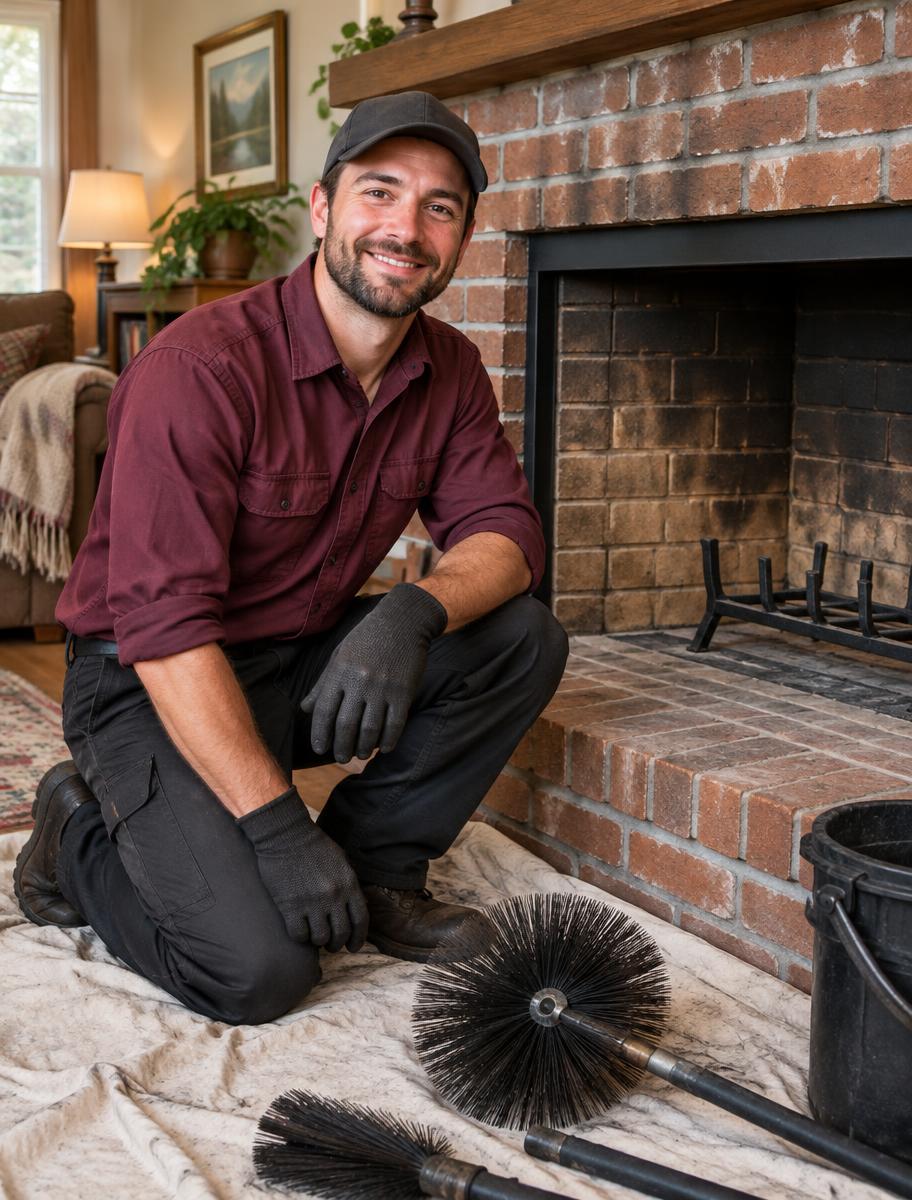
"I needed a new chimney cap. The installer arrived in Angus Glen, walked me through cap options, and fitted the perfect one with care. Cleanup was spotless and now I feel protected against rain and pests."
Our process
How we handle your chimney cleaning, step by step
- 1
Area Preparation and HEPA Containment
We protect your flooring with clean canvas runners, seal the fireplace opening, and establish negative air pressure with an industrial HEPA vacuum to keep dust out of your living space.
- 2
Visual Inspection and Flue Assessment
Our technicians inspect the firebox, throat damper, smoke chamber, and chimney liner to gauge creosote thickness, check structural soundess, and identify any nests or structural cracking.
- 3
Rotary Sweeping and Deposit Scraping
We guide specialized spinning brushes and rods through the full length of the flue, dislodging baked-on soot, stubborn tar, and loose creosote flakes from top to bottom.
- 4
Smoke Shelf and Firebox Cleanout
We thoroughly vacuum the smoke shelf behind the damper, clean the damper plate, brush down internal refractory brickwork, and remove all dislodged debris into sealed containers.
- 5
Final System Verification and Report
We check damper movement, verify natural draft airflow, confirm the hearth area is pristine, and provide a clear written overview of your chimney health and safe burning tips.
Our Step-by-Step Sweeping and Containment Process
Protecting your living room is our first priority when we arrive at your home. We begin by setting down heavy canvas drop cloths across the floor from your entrance to the fireplace hearth. We seal the fireplace opening with temporary containment sheeting and integrate an industrial HEPA vacuum system that maintains continuous negative air pressure, guaranteeing that soot, fine ash, and odours cannot escape into your home while we work.
Using modern sweeping rods with precision rotary whips or matched poly-filament brushes, we clean the entire chimney length from top to bottom. The flexible rods navigate gentle offsets while the spinning brush heads scrub creosote and soot off every square centimetre of flue wall. As deposits dislodge, they drop safely into the sealed firebox where our vacuum captures the airborne particles instantly, preventing fine dust from settling on your furniture or flooring.
After sweeping the main flue, we turn our attention to the smoke shelf and throat damper. A large amount of soot and falling debris naturally collects on the flat ledge behind the damper, an area that many casual sweepings miss. We vacuum out the smoke shelf completely, scrape corrosion off the damper assembly, lubricate the pivot mechanism, and wipe down the firebox walls with clean brushes, leaving your hearth ready for the upcoming season.
- Heavy drop cloths and negative-pressure HEPA containment setup
- Precision rotary sweeping tools tailored to your liner diameter
- Thorough vacuuming of the smoke shelf behind the metal damper
- Damper mechanism cleaning, rust removal, and smooth pivot check
Fireplace Safety Protocols and Carbon Monoxide Prevention
A blocked or restricted chimney is one of the leading causes of carbon monoxide entry into residential properties. Carbon monoxide is a colourless, odourless, and tasteless gas produced by the incomplete combustion of wood, natural gas, propane, and heating oil. When a chimney flue is narrowed by creosote accumulation or blocked by leaves and animal nests, toxic exhaust gases cannot escape freely and will spill backward into your living areas.
Our sweeping process aligns with recognized Canadian solid-fuel safety standards, focusing on establishing dependable natural draft and verifying adequate combustion air. In modern, tightly sealed Markham homes with exhaust fans, kitchen range hoods, and bathroom fans, chimneys can suffer from negative air pressure that draws chimney exhaust into bedrooms and basements. Cleaning the flue removes frictional resistance, helping the chimney draw hot air upward reliably against indoor air pressures.
We remind every homeowner of the essential need for working carbon monoxide alarms on every sleeping level of the house. We check that your fireplace hearth extension complies with safe clearance rules to combustibles, ensuring rugs, mantels, and wood trim are not exposed to excessive radiant heat. Sweeping your chimney is a critical home safety routine that protects your family from silent gas hazards as much as active flue fires.
- Restoring clear draft channels to prevent carbon monoxide backdrafting
- Confirming working clearance around fireplace hearth and mantel areas
- Checking damper seals to avoid downdrafts when the fire is unlit
- Advising on optimal placement for CSA-compliant carbon monoxide alarms
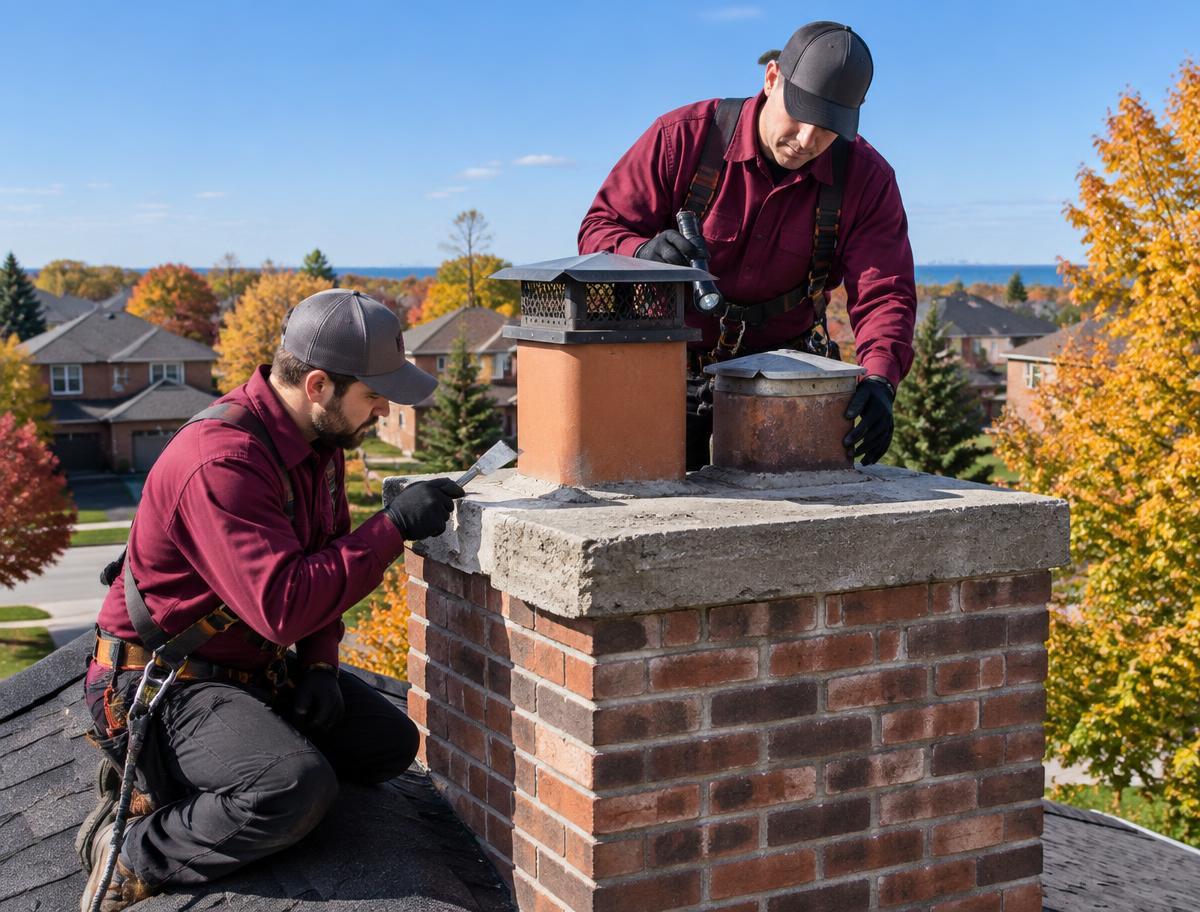
Seasonal Homeowner Care and Fuel Burning Best Practices
The way you operate your wood fireplace directly influences how quickly creosote builds up between cleanings. Always burn dry, seasoned hardwood such as sugar maple, oak, beech, or ash that has been cut, split, and stacked under cover for at least six to twelve months. Freshly cut green wood contains up to fifty percent moisture by weight; boiling off that internal water cools the fire down, creating excessive smoke and rapid creosote formation.
Invest in an inexpensive wood moisture meter and verify that logs read below twenty percent moisture content before tossing them on the grate. Avoid burning wrapping paper, pressure-treated lumber, painted wood scraps, or household trash, as these materials release toxic chemicals, produce intense flash flames that crack flue tiles, and leave heavy chemical deposits on the chimney walls. Build smaller, hotter fires rather than large, smouldering fires that choke off air supply.
Between professional cleanings, inspect your chimney cap from ground level with binoculars after heavy windstorms to ensure the spark arrestor mesh remains clear of twigs and debris. Clean your glass fireplace doors with non-abrasive glass cleaner to watch the flame pattern clearly, and leave an inch of ash on the bottom of the firebox to insulate the coals during active burning cycles. Empty excess ash into a covered metal bucket placed on concrete, away from exterior walls.
- Burn only seasoned Canadian hardwoods with moisture below twenty percent
- Never burn treated lumber, coloured paper, or general household garbage
- Build bright, hot fires to keep flue temperatures above the condensing point
- Dispose of cold fireplace ash in a covered steel bucket stored outdoors
Evaluating Chimney Sweeps and Understanding Service Pricing
Choosing a local chimney sweeping contractor should involve more than finding the lowest price advertised on a flyer. Reputable chimney service providers operate with full commercial liability insurance, clear written estimates, and dedicated dust containment systems. Because anyone can purchase a simple wire brush and market themselves as a sweep, Markham homeowners should look for established local independent businesses that explain their methodology clearly and provide itemized documentation of their findings.
A quality sweeping service will never rush through your home in twenty minutes or claim your chimney is on the verge of imminent collapse to push high-pressure repairs. Honest technicians take the time to answer your questions, explain the condition of your flue liner, show you photos of any defects they encounter, and provide practical maintenance timelines tailored to your heating habits. They should demonstrate familiarity with local municipal building guidelines and regional weather challenges.
Chimney cleaning pricing in Markham reflects the height and pitch of your roof, the accessibility of the chimney, the type of appliance connected, and the severity of creosote buildup. A standard open masonry fireplace that receives annual care will sit at the lower end of the cost spectrum, whereas a steep three-storey roof with heavy stage three glazed creosote requires specialized equipment and extended labour. Clear communication upfront guarantees you receive dependable service with zero unexpected surprises.
- Verify comprehensive liability insurance and local commercial registration
- Look for transparent, upfront pricing with no hidden vacuum or cleanout fees
- Ensure the contractor uses sealed HEPA filtration dust containment
- Ask for photo documentation of any internal masonry defects discovered
Average pricing in Markham
$189 – $389
- Inspection / diagnostic
- $99 – $149 if performed without sweeping
- Typical time on site
- 1 to 2 hours typical on-site time
- Parts and materials
- Replacement rain caps, spark arrestor screens, top-sealing dampers, or firebricks quoted separately
- What moves the price
- Flue type and length (standard masonry tile, stainless steel liner, or tall multi-storey chase) · Severity and stage of creosote buildup (light dry soot versus heavy glazed tar removal) · Roof pitch, access difficulty, and fireplace type (open wood hearth, insert, or wood-burning stove)
Estimated local market range, not a quote. All estimates are in Canadian dollars and exclude 13% Ontario HST. Your exact price is confirmed before any work begins.