

A damaged or missing chimney cover leaves your entire heating system exposed to the worst elements of southern Ontario weather. In Markham neighbourhoods, where mature trees line residential streets and seasonal storms bring heavy precipitation, an open flue acts like an open funnel. Rain, sleet, snow, and falling debris pour directly down into the flue lining, eroding mortar joints, corroding metal dampers, and penetrating the porous clay structure. At Markham Chimney Services, located at 4418 Highway 7 East, we provide complete chimney cover replacement services designed to defend your home against moisture intrusion, pest invasion, and costly structural deterioration.
Operating as an independent chimney and fireplace maintenance company, we understand the specific architectural styles and climate pressures facing local properties. From classic brick bungalows in Unionville to modern additions in Langstaff and Bayview Glen, every chimney requires a securely anchored, properly sized cover to function safely. Our team focuses on dependable, long-lasting replacement solutions that preserve masonry integrity and maintain reliable drafting for wood-burning, gas, and oil appliances. We take the time to evaluate your flue system thoroughly, ensuring your new cover provides continuous protection through deep winter freezes and torrential summer downpours alike.
Chimney Cover Replacement: visit summary
Chimney Cover Replacement: caps, crowns, dampers, flashing and liners checked and serviced so the chimney drafts and seals properly. Serving Markham and the Greater Toronto Area (GTA). The estimated local market range is $285 – $650, not a fixed company rate. The final scope and quote are confirmed before work begins.
| Estimated market range | $285 – $650. All estimates are in Canadian dollars and exclude 13% Ontario HST. |
|---|---|
| Typical time | 1 to 2.5 hours on site |
| Price factors | Flue size, configuration, and single versus multi-flue requirements; Roof pitch, roof height, and accessibility on the property; Material choice such as standard stainless steel versus decorative copper |
| Routine signs to discuss | Rusted or Discoloured Metal Hood; Water Puddling in the Firebox; Animal Sounds and Nesting Material; Foul, Musty Hearth Odours; Crooked or Shifted Chimney Cap; Spalling Bricks Near the Crown |
Understanding the Role of Chimney Covers and Caps
A chimney cover, often referred to as a chimney cap, is a protective metal shield installed at the very top of your chimney flue. While it might appear to be a simple metal lid, it performs several critical engineering functions simultaneously. The primary lid deflects vertical precipitation away from the open flue tile, preventing litres of rainwater and snow from collecting inside the appliance or firebox. Surrounding the perimeter of the lid is a heavy-gauge mesh screen that keeps out wildlife while containing stray sparks before they can land on dry roofing shingles or nearby tree branches.
Homeowners often confuse chimney covers with chimney crowns or chase covers. The chimney crown is the sloped concrete or mortar slab cast across the top of a masonry chimney, designed to shed water outward toward the drip edge. A chase cover, on the other hand, is a flat metal pan used primarily on wood-framed chimneys with factory-built metal flues. A chimney cover sits directly above the individual flue tiles or clamps securely to the crown, providing dedicated overhead coverage for the open passage where smoke and combustion gases exit the home.
Selecting the correct style of cover depends entirely on the design of your chimney top. Single-flue covers attach directly to the protruding clay liner using heavy-duty stainless steel fasteners. Multi-flue covers mount directly into the masonry crown itself, sheltering multiple flues alongside the crown surface beneath a single unified hood. When you install the appropriate style, you create a defensive barrier that preserves your interior chimney walls, improves air flow consistency, and prevents premature structural decay throughout every season.
- Deflects vertical rain, sleet, and heavy snow from entering the flue opening
- Spark arrestor mesh restrains airborne embers from landing on wood shingles or dry foliage
- Prevents raccoons, squirrels, bats, and chimney swifts from nesting inside the chimney
- Reduces adverse wind patterns that cause downdrafts and push smoke back into living rooms
- Protects the top edges of delicate clay flue tiles from direct weathering and thermal shock
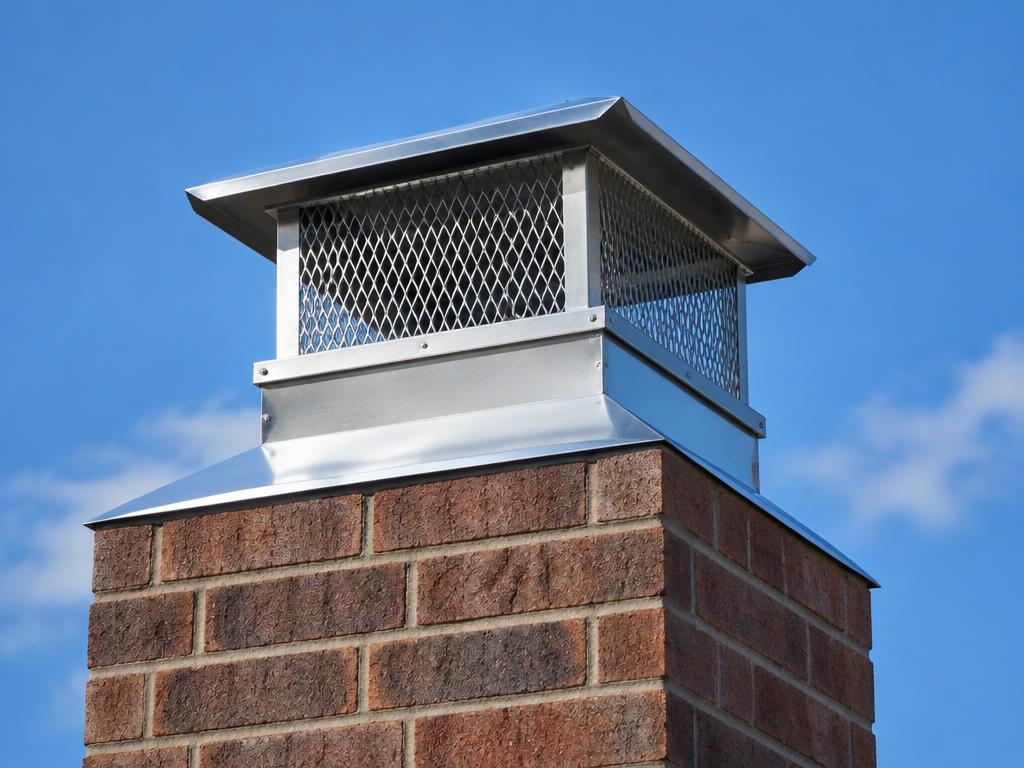
Protect your masonry chimney flue from harsh Ontario winter weather with custom-fitted, durable chimney covers.
Self-check
Warning signs you need chimney cover replacement
Rusted or Discoloured Metal Hood
Visible rust streaks, brown corrosion holes, or discoloured metal patches on your chimney cap indicate that the metal has lost its weatherproofing, allowing water to enter the flue structure.
Water Puddling in the Firebox
Finding damp ash, pooled water, or active dripping inside your fireplace hearth after a heavy rainfall is a definitive indicator of a missing, dislodged, or undersized chimney cover above.
Animal Sounds and Nesting Material
Scratching noises, chirping sounds, or twigs falling onto your fireplace damper indicate that birds, squirrels, or raccoons have breached a damaged spark screen and established nests inside your flue passage.
Foul, Musty Hearth Odours
Persistent damp, sour, or smoky odours drifting into your living room on hot, humid days point to water entering an open flue and dissolving stagnant soot and creosote along inner walls.
Crooked or Shifted Chimney Cap
If your chimney cover appears visibly tilted, skewed, or partially detached when viewed from ground level, high winds or loose masonry fasteners have compromised its anchoring stability.
Spalling Bricks Near the Crown
Bricks cracking, flaking, or shedding their exterior faces right below the top chimney crown demonstrate severe freeze-thaw water saturation caused by lack of overhead flue and crown weather protection.
The Brutal Impact of Ontario Freeze-Thaw Cycles
The climate across Markham presents severe challenges for exterior masonry, primarily due to relentless freeze-thaw cycles. During late autumn, winter, and early spring, temperatures frequently fluctuate above and below zero degrees Celsius within a single twenty-four-hour period. When rain or melted snow enters an uncovered flue, the moisture soaks deep into the porous clay tiles, mortar joints, and backing bricks. When the temperature drops below freezing overnight, that trapped water expands by approximately nine percent, generating immense internal pressure within the masonry.
Over time, this repeated expansion and contraction causes microscopic fissures to turn into major structural cracks. Clay flue liners can crack, delaminate, or shatter into jagged pieces that drop down onto the damper shelf, creating dangerous blockages for venting gases. Once the flue liner is compromised, moisture leaches outward into the surrounding structural brickwork, causing spalling, cracked mortar, and broken bricks at the roofline where winds are strongest and exposure is greatest.
A heavy-duty, professionally installed chimney cover eliminates this moisture pathway at the source. By preventing rain and snow from penetrating the inner flue walls, the masonry remains dry and structurally resilient against severe temperature swings. Investing in a proper replacement cover is one of the most cost-effective preventative measures a homeowner can take to avoid thousands of dollars in rebuilding costs, relining work, and interior drywall repairs caused by water infiltration.
- Water expands by roughly nine percent upon freezing, cracking porous chimney tiles
- Sub-zero nights following mild, rainy days accelerate masonry spalling near the roofline
- Moisture saturation deteriorates mortar beds between clay flue sections deep inside the chimney
- Ice accumulation on unshielded flue walls creates dangerous venting obstructions during operation
Why Chimney Covers Deteriorate and Fail
Chimney covers face continuous exposure to severe weather, intense heat, and corrosive exhaust chemicals. One of the most frequent causes of failure is the use of substandard materials, such as cheap galvanized steel. When galvanized metal is exposed to the acidic condensation produced by burning natural gas, oil, or wood, the thin zinc coating quickly breaks down. Once this protective layer disappears, rust sets in rapidly, eating holes through the lid and deteriorating the spark-arresting screen until animals can push their way inside.
Wind damage is another major reason covers loosen, shift, or blow off entirely. Severe gusts during seasonal storms place high upward aerodynamic lift on broad metal lids. If a cover was originally secured with undersized screws, plastic anchors, or improper friction clips, strong winds can tear the unit away from the flue tile. In some instances, fallen tree limbs or heavy ice falling from upper roof gables can crush the hood, restricting the flue exhaust and posing a dangerous ventilation hazard.
Improper original sizing and installation also cause premature failure. A cover that is clamped too tightly to a spalling or fragile clay tile can fracture the tile top, leaving both the liner and the cap unstable. Conversely, an oversized cover installed without mechanical masonry anchors will rattle loose over time as thermal expansion and contraction cycles loosen the fasteners. Choosing high-grade materials and precise mechanical fastening is essential to ensure long-term durability.
- Corrosion from acidic combustion exhaust breaking down cheap galvanized metal
- High wind gusts tearing loose improperly anchored or friction-fit chimney lids
- Crushing impacts from falling ice sheets or heavy tree branches during winter storms
- Animal gnawing or physical damage caused by determined raccoons seeking warmth
- Thermal expansion loosening inadequate mounting hardware or cracked clay tile rims
Hidden Hazards of Water Intrusion and Masonry Rot
Water is the single greatest enemy of any chimney system. When a chimney cover is missing, damaged, or rusted through, moisture travels straight down the flue shaft into the core of your home. One of the first signs of water entry is the appearance of white, powdery residue known as efflorescence on the exterior brickwork or interior fireplace walls. This powdery deposit occurs when water dissolves natural salts within the brick and mortar, carrying them to the surface where the water evaporates and leaves mineral crusts behind.
Damp chimney interiors also lead to rapid corrosion of critical steel and cast-iron components. The chimney damper, which regulates airflow when the fireplace is not in use, frequently rusts shut or corrodes so severely that it cannot close properly, driving up home heating bills. In severe situations, water pools on the smoke shelf behind the damper, mixing with creosote deposits to form an acidic, foul-smelling liquid that eats through metal fireboxes and creates unpleasant, sour odours throughout the house.
Prolonged moisture penetration eventually reaches structural framing members around the chimney breast. Roof decking, ceiling joists, and drywall surrounding the chimney can rot, leading to hidden mold colonies and expensive structural damage. By replacing a compromised chimney cover promptly, you halt this destructive cycle and keep moisture firmly outside where it belongs.
- Efflorescence staining indicating high levels of dissolved salts migrating through masonry
- Rust and seizure of cast-iron dampers, smoke shelf warping, and firebox degradation
- Creosote mixing with rainwater to produce pungent, acrid odours during summer humidity
- Hidden rot and toxic mold growth within attic framing, rafters, and surrounding drywall
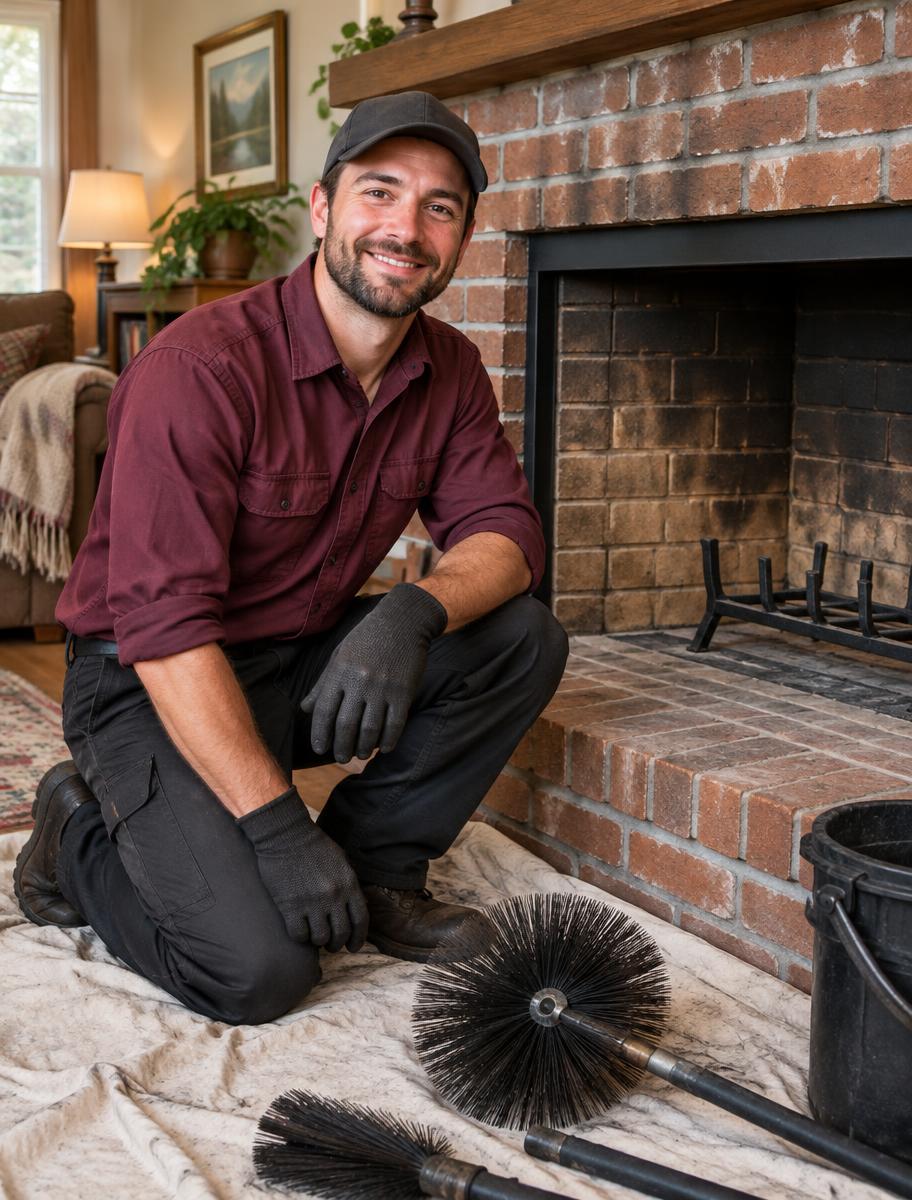
"I scheduled a full fireplace cleaning before winter. They used professional-grade tools to remove every trace of soot, tested airflow, and provided clear advice on maintenance. My hearth looks brand new and works flawlessly."
Our process
How we handle your chimney cover replacement, step by step
- 1
Comprehensive Top-Level Inspection
Our technician accesses your roof safely to assess the flue tile condition, examine crown integrity, and identify corrosion or physical failure on the existing chimney cover.
- 2
Precision Flue Measurement
We take accurate dimensions of the flue opening, liner projection height, and crown clearance to determine the exact cover size, mounting style, and necessary airflow specifications.
- 3
Careful Removal and Preparation
We unbolt and extract the damaged cover, clear away deteriorated hardware, brush away loose surface debris, and prepare the masonry or flue rim for a secure mechanical bond.
- 4
Secure Mechanical Installation
Your new heavy-gauge stainless steel or copper cover is mechanically fastened using corrosion-proof masonry screws or heavy clamping brackets, reinforced with weather-rated exterior sealing compounds.
- 5
Final Safety and Draft Check
We inspect the interior flue pathway to confirm unobstructed venting, verify spark arrestor alignment, review clean roof conditions, and provide a clear explanation of our completed work.
Safe Flue Operation and Ventilation Standards
A chimney cover is not simply a weather lid; it is an active component of your home ventilation dynamic. For combustion appliances to operate safely, hot exhaust gases must rise unimpeded through the flue and exit cleanly into the atmosphere. If a replacement cover has a mesh screen that is too fine, soot and creosote will clog the openings within weeks, backing up harmful combustion byproducts into the living quarters. Conversely, if the screen mesh is too large, birds and small mammals will enter the flue.
We follow established provincial safety principles and WETT-style best practices to ensure that any replacement cover maintains adequate net free venting area. The height of the cover lid above the top of the flue tile must be calibrated precisely. If the lid sits too close to the flue discharge, it creates positive backpressure, choking the appliance draft and increasing the risk of carbon monoxide entering the home. We ensure the clearance height provides unrestricted air movement while maintaining robust weather deflection.
Carbon monoxide is an invisible, odourless, and lethal gas produced by incomplete combustion in fuel-burning appliances. When flues become blocked by failed covers, bird nests, or accumulated debris, carbon monoxide has nowhere to go but backward into your basement, utility room, or living space. Maintaining working carbon monoxide alarms on every level of the home, especially near sleeping areas, is vital alongside routine flue cap inspections.
- Calculation of net free venting area to prevent exhaust backpressure and draft restriction
- Precise hood clearance height to balance effective weather deflection with maximum airflow
- Screen mesh sized accurately to arrest sparks and block animals without clogging from soot
- Mandatory adherence to manufacturer specifications and general gas and solid-fuel safety codes
- Strategic placement of dual smoke and carbon monoxide detectors near all sleeping quarters
Our Thorough Inspection and Replacement Process
When Markham Chimney Services is called for a chimney cover replacement, our work begins with a comprehensive safety evaluation from the roofline. We never simply screw a new cap over an existing problem. Our technician inspects the condition of the exposed flue liner, assessing whether the clay rim is intact, chipped, or spalling. We also inspect the masonry crown for hairline cracks, water pooling, or delamination, because a stable mounting surface is essential for a reliable installation.
Once the flue and crown condition is documented, we take exact physical measurements of the flue opening dimensions. Standard prefabricated covers do not fit every flue, particularly on older custom-built homes where flue tiles may be out-of-square or multi-flue arrangements sit closely together. Based on these measurements, we select or fabricate a heavy-duty stainless steel or copper cover designed for the specific ventilation requirements of your heating appliance, whether it burns wood, natural gas, or heating oil.
The installation process involves removing any rusted fasteners, scraping away loose debris, and mechanically anchoring the new cover. We utilize corrosion-resistant stainless steel tapcon anchors or heavy-gauge clamping brackets that bite firmly into the tile or crown without cracking the material. High-temperature, weather-rated polyurethane sealants are applied where necessary to eliminate water penetration beneath mounting plates. Finally, we inspect the flue interior with bright illumination to confirm no dislodged debris fell down the passage during installation.
- Comprehensive physical assessment of the clay flue rim, masonry crown, and roofline brickwork
- Precision caliper measurements of flue dimensions and spacing between adjacent flues
- Safe dismantling and responsible removal of old, corroded, or unstable chimney hardware
- Mechanical anchoring utilizing marine-grade stainless steel fasteners for storm resistance
- Post-installation draft verification and cleanup of all work areas around the roof and ground
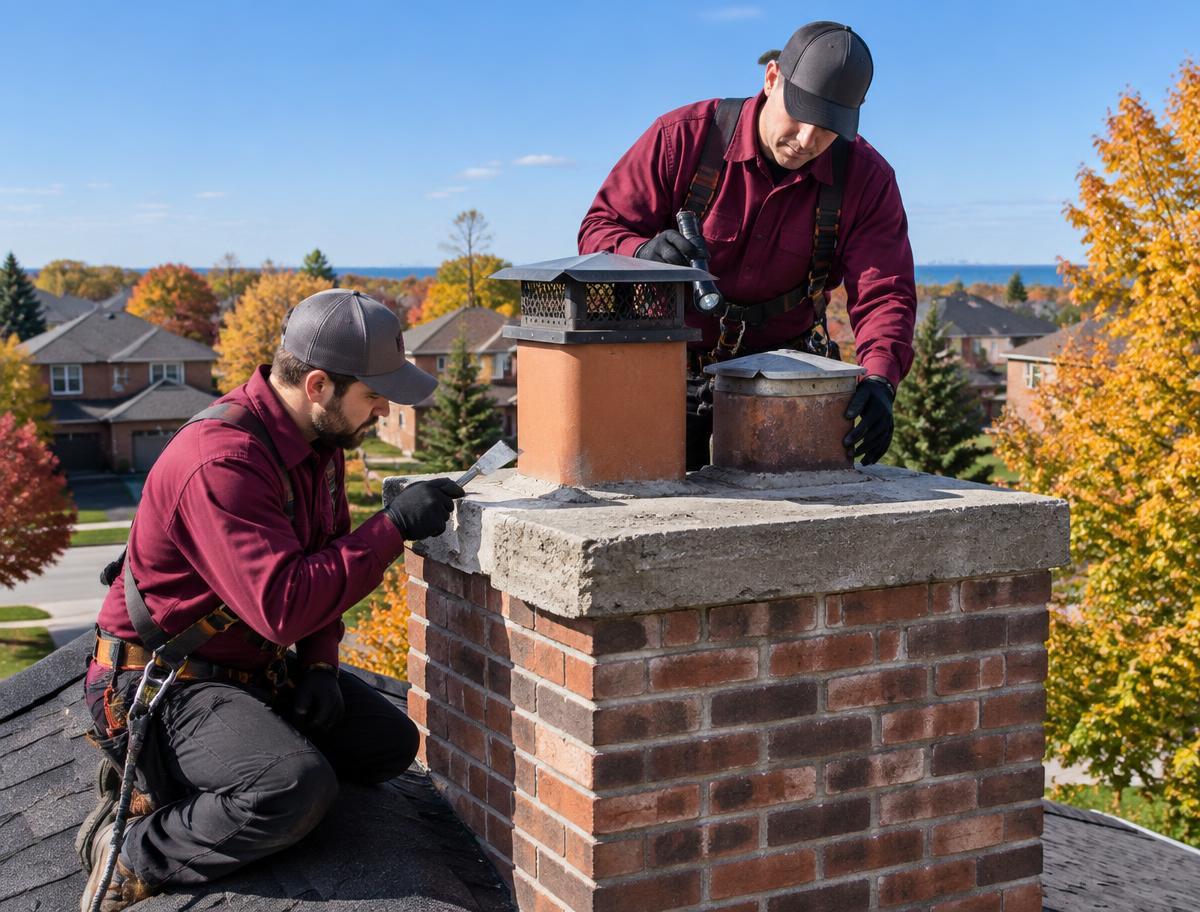
Homeowner Maintenance and Preventive Care
While a professional-grade stainless steel chimney cover requires very little hands-on maintenance, proactive monitoring helps you spot potential issues before they develop into expensive repairs. Homeowners can conduct safe, ground-level inspections twice each year, ideally in spring following winter ice melts and in autumn before lighting the first fire of the season. Using a standard pair of binoculars, take a slow look at your chimney top from across the street or the backyard lawn.
Look closely at the orientation of the cover. Is it sitting perfectly level, or has it tilted to one side following a strong windstorm? Check for signs of rust streaks running down the masonry or discoloured staining on the metal hood. If you notice birds frequently landing on or vanishing into the chimney top, or if you hear scratching sounds inside the walls, the animal barrier mesh may have been compromised and needs prompt attention.
If you operate a wood-burning fireplace or stove, burning only seasoned dry hardwood with a moisture content below twenty percent is essential for cover longevity. Wet, unseasoned wood generates excessive creosote and heavy smoke that condenses on the cold metal mesh of your chimney cap, choking the draft and increasing fire risk. Schedule periodic professional chimney sweeps so that both the flue passage and the cap mesh remain completely free of hazardous deposits.
- Conduct seasonal binocular inspections from ground level to verify cap alignment and stability
- Burn only well-seasoned dry firewood to prevent heavy creosote accumulation on the mesh screen
- Keep mature tree limbs trimmed at least three metres away from the chimney top to prevent storm damage
- Test all home carbon monoxide and smoke detectors monthly and replace alarm batteries yearly
- Schedule professional chimney sweepings whenever creosote buildup approaches three millimetres
Selecting the Right Chimney Contractor in Markham
Chimney work requires specialized working-at-heights equipment, thorough knowledge of combustion physics, and an uncompromising approach to roofline safety. When selecting a contractor for chimney cover replacement in Markham, avoid companies that rely on high-pressure sales tactics or offer prices that seem suspiciously low. Bargain contractors frequently install thin, painted steel covers that begin to rust within months, or they rely on basic friction fittings that blow away during the first winter blizzard.
Ask prospective contractors about the specific materials they use. High-grade 304 or 316 stainless steel and heavy-gauge architectural copper are the only metals capable of withstanding the harsh combination of corrosive flue gases and Ontario freeze-thaw cycles. Reputable contractors should clearly explain the attachment method they plan to use, demonstrate proof of full commercial liability insurance, and provide transparent, itemized written quotes without hidden line items.
Local experience matters significantly. A technician familiar with the architectural history of Markham will understand the nuances of mid-century masonry builds, modern zero-clearance installations, and complex multi-flue chimneys. At Markham Chimney Services, we pride ourselves on honest assessments, dependable craftsmanship, and courteous customer communication. We take the safety and comfort of your home seriously, treating every chimney project with the precision and care it demands.
- Verify full commercial liability insurance and provincial safety compliance for roof work
- Insist on premium 304 or 316 stainless steel or solid copper materials rather than galvanized steel
- Request detailed written estimates outlining scope, mounting methods, and cleanup procedures
- Avoid high-pressure door-to-door solicitations offering unverified same-day roof repairs
- Look for clear local accountability with an established business address in Markham
Average pricing in Markham
$285 – $650
- Inspection / diagnostic
- $129 – $179 (credited toward full replacement service)
- Typical time on site
- 1 to 2.5 hours on site
- Parts and materials
- Multi-flue custom covers, top-sealing dampers, and custom copper fabrications
- What moves the price
- Flue size, configuration, and single versus multi-flue requirements · Roof pitch, roof height, and accessibility on the property · Material choice such as standard stainless steel versus decorative copper
Estimated local market range, not a quote. All estimates are in Canadian dollars and exclude 13% Ontario HST. Your exact price is confirmed before any work begins.