

Your chimney crown serves as the ultimate roof for your masonry structure, taking the brunt of every rainstorm, heavy snowfall, and biting wind that sweeps across Southern Ontario. Located at the very peak of the brick stack, this critical concrete slab diverts moisture away from the porous masonry below and seals the gap surrounding your flue tiles. When a crown deteriorates, water penetrates directly into the interior structure of the chimney, sparking an escalating cycle of internal brick decay, flue damage, and eventual indoor water leaks that threaten structural integrity throughout living areas.
Markham Chimney Services operates from 4418 Highway 7 East, delivering dedicated masonry expertise directly to residential homeowners across our local neighbourhoods. As an independent chimney and fireplace maintenance company, we focus on genuine craft methods rather than temporary shortcuts. We understand how local weather conditions punish substandard mortar washes that builders frequently slap over chimney tops. Our team specializes in comprehensive diagnostic assessments, flexible elastomeric crown coatings, and full-thickness reinforced concrete crown rebuilds engineered to stand firm against severe seasonal temperature swings while safeguarding your home and heating appliances.
Chimney Crown Services: visit summary
Chimney Crown Services: caps, crowns, dampers, flashing and liners checked and serviced so the chimney drafts and seals properly. Serving Markham and the Greater Toronto Area (GTA). The estimated local market range is $350 – $1,850, not a fixed company rate. The final scope and quote are confirmed before work begins.
| Estimated market range | $350 – $1,850. All estimates are in Canadian dollars and exclude 13% Ontario HST. |
|---|---|
| Typical time | 3 to 8 hours depending on repair versus complete form rebuild |
| Price factors | Extent of concrete degradation distinguishing minor resurfacing from full structural rebuilding; Roof pitch, chimney elevation, and necessary safety scaffolding arrangements; Number and size of venting flues requiring custom formwork and expansion joints |
| Routine signs to discuss | Visible Surface Cracking; Spalling Brickwork Below; Interior Ceiling Water Stains; Fireplace Damper Rust; Efflorescence on Bricks; Separation Around Flue |
Understanding the Vital Role of Your Chimney Crown
A chimney crown is a horizontal masonry slab that covers the entire upper opening of your chimney stack, leaving openings only for the flue liners to vent exhaust safely. Homeowners frequently confuse the crown with a chimney cap, but they perform distinct protective roles. While a metal cap covers the open flue hole to stop birds and direct rainfall from entering the pipe, the crown shields the entire masonry structure underneath. Without an intact, well-built crown, your exterior brickwork remains completely exposed to vertical water intrusion.
A properly engineered crown must be constructed from durable concrete rather than standard bricklaying mortar. Mortar lacks the tensile strength and moisture resistance required to endure standing water, driving sleet, and intense sun exposure. Furthermore, an effective crown requires a subtle downward slope toward its outer perimeter, encouraging rapid drainage away from the vulnerable flue tiles. When water flows cleanly toward the edge, moisture cannot pool on top of the structure, dramatically minimizing the opportunities for moisture migration into the underlying brick layers.
The edge of the crown should ideally extend past the exterior face of the chimney stack by at least five centimetres, incorporating a small drip edge groove underneath. This geometric overhang forces shedding water to drip clear of the brickwork instead of running down the vertical mortar joints. When builders omit this overhang or smear a thin layer of leftover mortar across the top, moisture trickles directly into the brick courses below, leading to rapid degradation of the entire chimney assembly.
- Continuous concrete slab covering the full perimeter of the masonry stack
- Sloped upper surface designed to direct rain and melting snow outward
- Distinct from metal chimney caps that mount directly over venting flues
- Integrated drip edge overhang that prevents runoff from soaking exterior brickwork
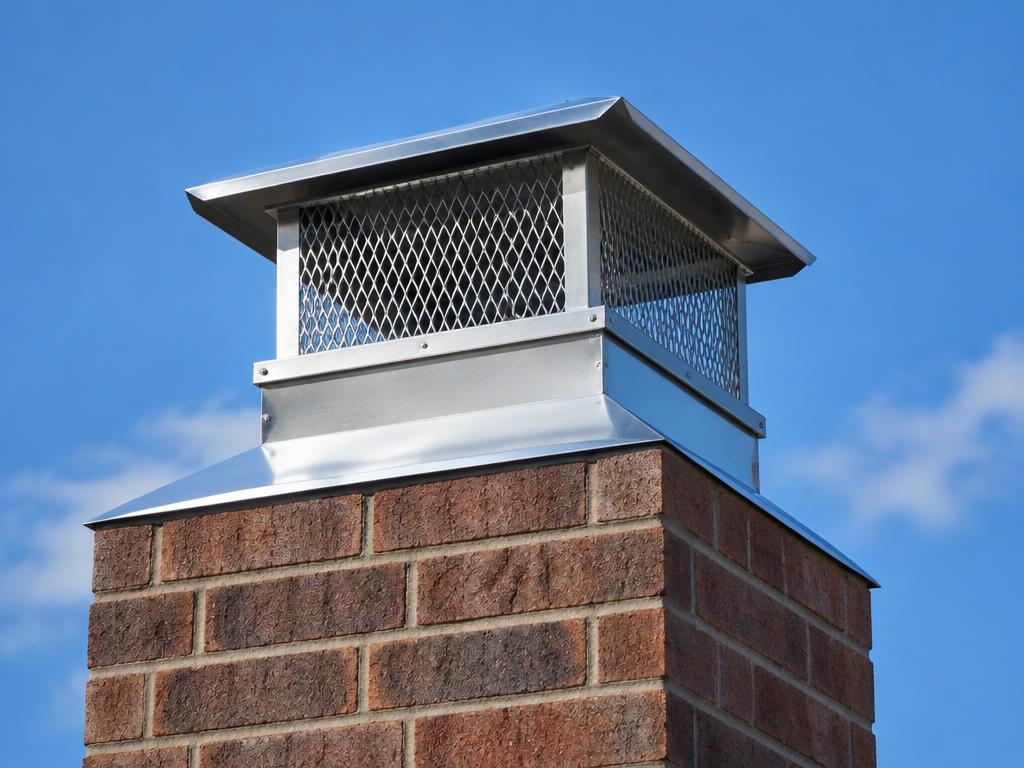
Resilient chimney crown repairs and custom masonry rebuilds built to endure demanding Ontario winters.
Self-check
Warning signs you need chimney crown services
Visible Surface Cracking
Hairline splits or widening fractures crisscrossing the top surface of the crown allow rain and melting snow to penetrate directly into the structural masonry core.
Spalling Brickwork Below
Bricks on the chimney stack below the roofline cracking, flaking off their front surfaces, or crumbling indicate sustained moisture intrusion originating from a defective crown above.
Interior Ceiling Water Stains
Discoloured brown patches, bubbling paint, or damp drywall around the fireplace chase or adjacent ceilings signify that water has bypassed the upper chimney defences.
Fireplace Damper Rust
Red rust accumulation or pitted corrosion on your metal damper plate or inside the firebox reveals that water is trickling down the internal chimney components.
Efflorescence on Bricks
White, crystalline mineral deposits coating exterior chimney brickwork prove that water is dissolving salts within the masonry and evaporating through the exterior wall.
Separation Around Flue
A visible gap opening between the exterior clay flue tile and the surrounding concrete slab creates an unimpeded channel for rainwater to enter the chimney.
How the Ontario Freeze-Thaw Cycle Destroys Chimney Crowns
Southern Ontario experiences some of the most punishing freeze-thaw cycles in North America, with temperatures frequently oscillating above and below the freezing mark within a single day. During late autumn, winter, and early spring, rain or melting snow saturates the porous surfaces of an exposed chimney crown. As nighttime temperatures plummet below zero, that trapped moisture freezes solid, expanding by roughly nine percent within microscopic pores and minor surface fissures, exerting tremendous hydraulic pressure against the masonry.
This recurring expansion and contraction progressively widens minor hairline fractures into deep, structural splits. Once a crack penetrates the full depth of the slab, moisture flows directly into the core of the chimney, saturating interior bricks, backing materials, and flue liners. When that interior moisture freezes, it breaks the bond between bricks and mortar, causing bricks to spall, crack, and dislodge. A compromised crown rapidly accelerates the deterioration of the entire chimney stack below the roofline.
Winter heating appliance operation further compounds these thermal stresses on the crown structure. Hot combustion gases passing through the flue liner cause the flue tile to expand outward, while the exterior edge of the crown remains exposed to freezing sub-zero ambient air. If the crown was poured directly against the flue tile without an appropriate expansion joint, this continuous thermal movement splits the concrete from the inside out, creating severe structural fissures that welcome seasonal water entry.
- Rapid temperature swings across the zero-degree threshold expand trapped water
- Hydraulic force progressively fractures hairline cracks into deep structural voids
- Water infiltration causes underlying bricks to spall and shed their faces
- Differential thermal expansion between hot flues and cold crowns causes stress fractures
Primary Causes of Premature Crown Deterioration
The leading cause of early chimney crown failure is the widespread use of ordinary masonry mortar instead of structural concrete during initial home construction. Builders often finish a chimney by applying a thin mortar wash over the top course of brick. Masonry mortar is formulated to bond vertical brick courses under compressive loads, not to withstand direct horizontal weather exposure. Mortar shrinks significantly as it cures, creating microscopic fractures from its very first day of installation.
Another prevalent structural flaw is the failure to include a flexible expansion gap around the perimeter of the clay flue liners. Clay tiles expand and contract significantly as fireplace fires burn or furnace cycles engage. When a crown is cast directly against the clay without a heat-resistant bond break, the expanding tile acts like a mechanical wedge, splitting the crown slab apart at its weakest stress points and breaking the bond between the flue and the masonry.
Environmental wear and roof proximity also accelerate crown decay over years of exposure. Acidic precipitation, accumulation of damp organic leaf debris, and rooftop lichen growth all degrade the cement matrix over time. Additionally, settling foundations or subtle roof frame movement can transfer structural vibrations into the masonry stack, stressing an unreinforced crown until it develops open fissures that allow driving rain to penetrate the chimney core.
- Substandard mortar wash applications substituting for cast concrete slabs
- Absence of expansion joints allowing heated flue tiles to fracture the crown
- Lack of internal steel reinforcement mesh within the poured concrete
- Biological growth, acidic moisture, and accumulated rooftop debris eroding surfaces
Recognizing the Warning Signs of Crown Breakdown
Detecting chimney crown problems early allows homeowners to resolve minor surface defects before expensive structural rebuilds become necessary. From ground level, look closely for pieces of broken mortar or concrete fragments lying in your gutters or on the lawn around the base of the chimney. If you notice vertical streaks of white, powdery residue known as efflorescence on your exterior brickwork, water is actively leaching soluble salts out of the masonry beneath a compromised crown.
Interior symptoms often provide the first obvious indication of upper crown failure to occupants inside the home. Moisture dripping down into the firebox, damp chimney breast drywall, peeling paint, or musty odours near your fireplace hearth indicate that water has bypassed the crown completely. If you spot rusted fireplace dampers, corroded metal firebox panels, or stained ceiling plaster near the chimney chase, roof-level water penetration is already underway and requires swift intervention.
A closer inspection on the roof surface often reveals intricate spiderwebs of hairline cracking, missing chunks of concrete, or an open gap between the chimney crown and the exterior flue tile. When the bond between the flue and the crown fails, water flows straight down the outer wall of the liner into the building envelope. Any visible crumbling along the edges of the crown signifies that freeze-thaw damage is actively undermining the masonry.
- Crumbled concrete chunks found inside roof valleys, gutters, or ground beds
- White mineral efflorescence staining exterior brick surfaces below the roofline
- Damp smells, peeling paint, or stained drywall on ceilings near the chimney
- Corrosion on the fireplace damper and water drops appearing inside the firebox
"After noticing smoke backing into the room, I called for an inspection in Buttonville. Their technician diagnosed a minor blockage quickly, cleared it thoroughly, and explained how to avoid future issues. Excellent service."
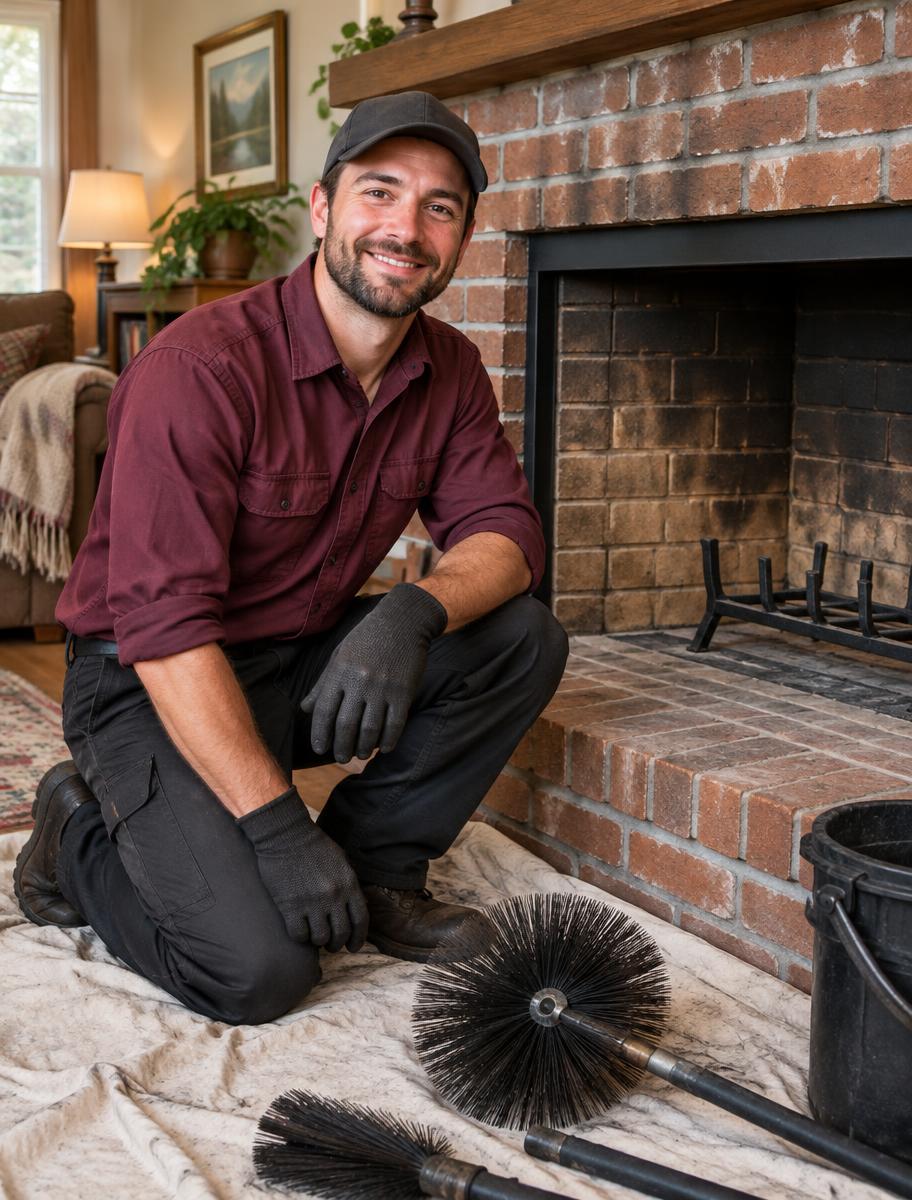
Our process
How we handle your chimney crown services, step by step
- 1
Comprehensive Diagnostic Assessment
We examine the chimney top on site, photographing structural flaws, measuring flues, and determining if resurfacing or complete concrete casting is required.
- 2
Surface Prep and Demolition
We carefully remove failed mortar washes or disintegrating concrete down to sound masonry, clearing away moss, soot, and loose debris thoroughly.
- 3
Expansion Joint Installation
We install specialized heat-resistant expansion material around all clay flue liners, ensuring heated flues can expand freely without cracking the surrounding crown.
- 4
Formwork and Concrete Placement
We construct precision perimeter forms with drip edges and cast reinforced, weather-resistant concrete sloped outward for swift and reliable water drainage.
- 5
Curing and Final Sealing
Following appropriate cure times, we apply breathable elastomeric sealants where beneficial, inspect all final seals, and supply comprehensive photographic verification.
Our Thorough Inspection, Repair, and Rebuilding Process
At Markham Chimney Services, every project begins with a careful roof-level diagnostic inspection of the entire upper chimney structure. We assess the severity and depth of surface cracking, verify whether the crown possesses an adequate overhang, and evaluate the stability of the flue tiles and underlying brickwork. Homeowners across Markham and the Greater Toronto Area rely on our clear diagnostic assessments, as we explain whether a protective elastomeric resurfacing or a complete structural concrete rebuild is appropriate.
For structurally sound crowns with minor surface cracking, we perform comprehensive resurfacing using commercial-grade elastomeric compounds. We begin by wire-brushing the entire surface to eliminate moss, loose aggregate, and efflorescence. We patch deeper fissures with high-strength hydraulic cement before applying a continuous, flexible waterproof membrane across the entire crown. This specialized coating stretches and contracts alongside seasonal temperature changes without splitting, establishing an impermeable shield against driving moisture and freezing conditions.
When a crown is fractured down to the brickwork or built from crumbling mortar, complete replacement is the only responsible remedy. We carefully remove the failed materials down to solid brick, construct a custom wooden form with an overhang drip edge, and install bond-break materials around all flue tiles. We then pour a substantial, fiber-reinforced concrete slab, troweling a smooth outward slope for rapid water shedding. Once cured, this custom concrete crown delivers lasting protection for decades.
- Detailed roof-level assessment evaluating crack depth, flue joints, and masonry
- Thorough mechanical surface preparation and clearing of loose debris
- Application of flexible, fiber-reinforced elastomeric coatings for minor damage
- Custom-formed, reinforced concrete crown pours featuring proper drip overhangs
Masonry Standards, Clearances, and Household Fire Safety
Chimney maintenance involves vital home safety considerations that extend well beyond exterior appearance. A fractured crown that allows water to penetrate the interior stack can damage adjacent framing, corrode metal connectors, and deteriorate the flue lining itself. When flue tiles crack due to water penetration and freeze cycles, deadly combustion gases, including carbon monoxide, can escape into your attic or upper living spaces instead of venting safely outdoors.
Our work methods align with recognized Canadian building practices, CSA standards, and established WETT-style safety principles. We verify that all work preserves proper clearances between heating flues and combustible roof framing materials. We ensure that the flue tile extends sufficiently above the finished concrete crown, promoting strong draft performance while preventing sparks and embers from drifting onto combustible shingles. Maintaining these geometric clearances is essential for both heating efficiency and fire prevention.
Every household operating a wood-burning or fuel-fired appliance should maintain functioning carbon monoxide alarms on every living level, particularly near sleeping quarters. When chimney structures degrade from chronic water ingress, drafting characteristics can change unpredictably, increasing the danger of backdrafting. Regular inspections of your crown and flue network help ensure that your heating systems exhaust safely, protecting your family against silent hazards throughout the winter heating season.
- Preserving required flue tile projection heights above the concrete crown surface
- Protecting interior flue liners against moisture-induced cracking and deterioration
- Adherence to Canadian residential masonry guidelines and clearance requirements
- Ensuring carbon monoxide alarms operate properly on every level of the residence
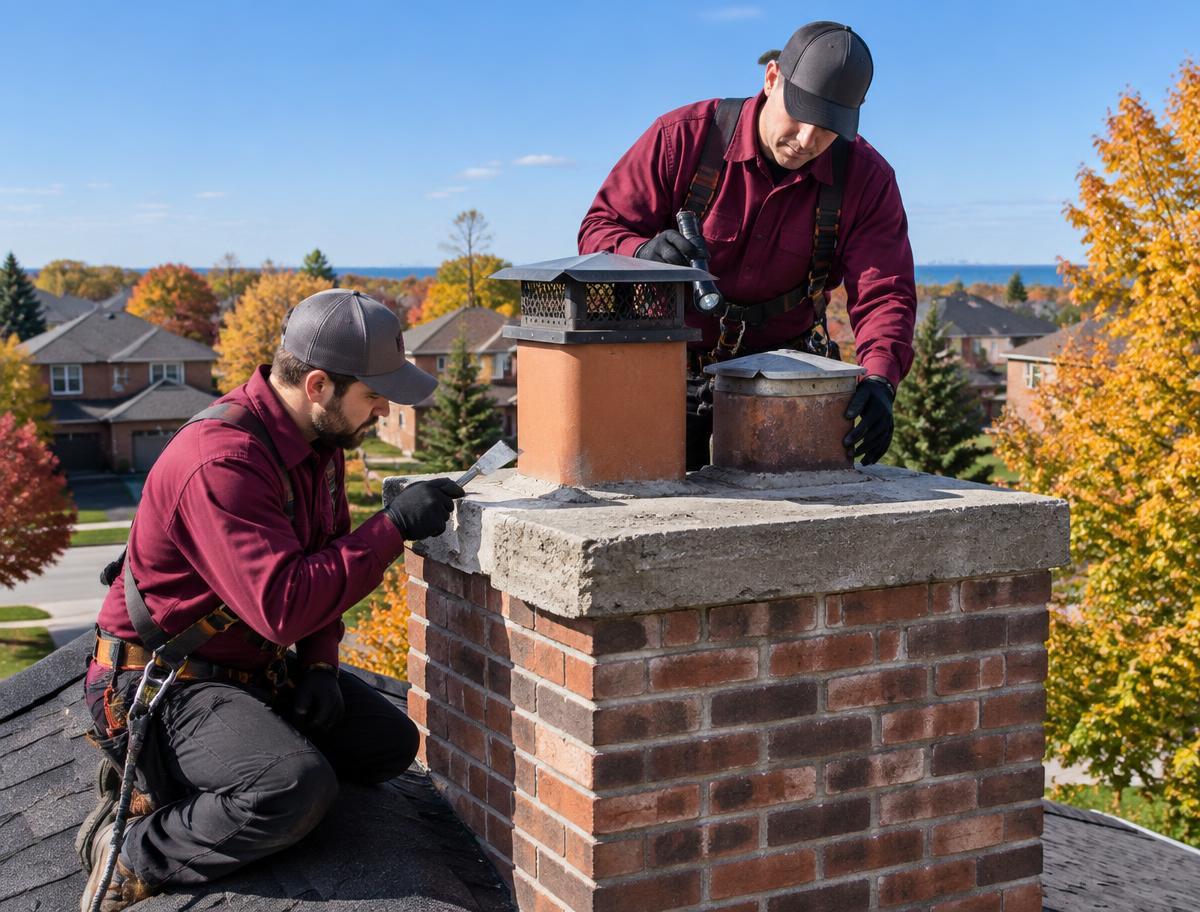
Understanding Repair Costs and Investment Value
The cost of chimney crown servicing in Markham varies depending on the scale of deterioration, accessibility of the roof, and overall size of the chimney stack. Minor maintenance involving crack filling and elastomeric waterproof coatings represents a modest investment that can prolong the life of an existing crown substantially. In contrast, a comprehensive reconstruction requiring timber forms, structural reinforcement, and high-strength concrete involves greater labour and material costs.
Rooftop access complexity directly influences project pricing. Chimneys situated on steep pitches, multi-storey residential properties, or historical masonry designs demand specialized scaffolding, ladder safety rigging, and extended setup time to ensure compliant, secure working conditions. Additionally, multi-flue chimneys require custom formwork and extra expansion joint installations, which naturally increases the time and materials necessary to complete the project correctly.
Investing in a properly constructed chimney crown yields tremendous long-term value by preventing catastrophic structural masonry failures. Replacing a deteriorated crown is an economical fraction of the cost required to tear down and rebuild an entire moisture-ruined brick chimney stack. Addressing crown defects promptly preserves your home's structural integrity, protects interior ceilings from costly water damage, and maintains the market value of your Markham property.
- Extent of deterioration distinguishing simple coating from complete concrete rebuild
- Roof pitch, stack elevation, and scaffolding requirements impacting access setup
- Single-flue versus large multi-flue configurations requiring custom formwork
- Significant cost savings realized by preventing total chimney stack reconstruction
How to Choose a Qualified Masonry Professional
Selecting the right contractor to service your chimney crown is crucial for ensuring lasting results that withstand our demanding local climate. Homeowners should exercise caution when dealing with itinerant tradespeople who offer cheap chimney repairs using leftover roof tar or ordinary mortar. Roof tar deteriorates rapidly under summer ultraviolet radiation, turning brittle and trapping moisture underneath, while standard mortar wash repairs invariably crack after the first harsh winter freeze.
A trustworthy masonry professional will provide a comprehensive, transparent written estimate detailing the exact scope of work, material specifications, and curing procedures. Look for specialists who understand the crucial distinction between mortar and cast concrete, who insist on installing proper flue expansion joints, and who design appropriate drip overhangs. Ask prospective contractors whether they photograph the roof-level damage before and after the repair to clearly demonstrate their workmanship.
Independent local specialists take pride in their reputation within the community, providing dependable communication, clear scheduling, and accountability. Avoid high-pressure sales tactics that demand immediate decisions based on exaggerated safety scares. A reputable contractor presents objective photographic evidence of your crown condition, explains your practical options clearly, and respects your decision-making process while helping you protect your residential investment for the years ahead.
- Verify the use of reinforced concrete or specialized elastomeric products, not tar
- Insist on written quotes specifying expansion gaps, overhangs, and surface prep
- Request before-and-after photographic documentation of all roof-level work
- Prioritize established local specialists over transient door-to-door sales operators
Average pricing in Markham
$350 – $1,850
- Inspection / diagnostic
- $120 – $190
- Typical time on site
- 3 to 8 hours depending on repair versus complete form rebuild
- Parts and materials
- Reinforcement mesh, custom bond breaks, flue expansion gaskets, and elastomeric sealants quoted separately
- What moves the price
- Extent of concrete degradation distinguishing minor resurfacing from full structural rebuilding · Roof pitch, chimney elevation, and necessary safety scaffolding arrangements · Number and size of venting flues requiring custom formwork and expansion joints
Estimated local market range, not a quote. All estimates are in Canadian dollars and exclude 13% Ontario HST. Your exact price is confirmed before any work begins.