

A damaged or missing chimney damper turns your fireplace into an open window on your roof, allowing precious heated indoor air to escape continuously while winter chill pours down into your living room. Markham homeowners often notice sudden spikes in their heating bills or feel uncomfortable downdrafts circulating near their hearth long before they realize the metal plate above the firebox has seized, rusted, or warped out of alignment. Whether you own a mid-century home in Cornell or a newer property near Unionville, a properly functioning damper is vital for home comfort, heating efficiency, and basic fire safety.
At Markham Chimney Services, operating from 4418 Highway 7 East, we provide dedicated chimney damper repair, replacement, and modern top-sealing damper installations tailored to our local housing stock. As an independent chimney and fireplace company, we focus on practical, durable solutions that stand up to harsh Canadian winters. Our thorough diagnostic approach ensures your fireplace venting system operates safely, retains household heat when closed, and exhausts combustion gases smoothly when open. We take the time to explain your options clearly so you can make informed decisions about your home heating system.
Chimney Damper Services: visit summary
Chimney Damper Services: caps, crowns, dampers, flashing and liners checked and serviced so the chimney drafts and seals properly. Serving Markham and the Greater Toronto Area (GTA). The estimated local market range is $249 – $689, not a fixed company rate. The final scope and quote are confirmed before work begins.
| Estimated market range | $249 – $689. All estimates are in Canadian dollars and exclude 13% Ontario HST. |
|---|---|
| Typical time | 1 to 3 hours depending on service scope |
| Price factors | Whether the existing throat damper can be adjusted or requires full replacement; Accessibility and height of the chimney crown for rooftop damper mounting; Flue dimensions and requirement for custom adapter plates or masonry repairs |
| Routine signs to discuss | Persistent Cold Hearth Drafts; Seized or Stiff Control Handle; Smoke Spilling into Living Room; Visible Flakes of Rust on Hearth; Unexplained Heating Bill Increases; Soot Odours on Windy Days |
What a Chimney Damper Does and Why It Matters
A chimney damper functions as a heavy-duty thermal valve separating your indoor living environment from the unpredictable outdoor atmosphere. Positioned either directly above the firebox as a traditional throat damper or installed at the chimney summit as a modern top-sealing unit, its fundamental job is to seal the flue shut when the fireplace remains unlit. When you want a fire, you open the damper fully to allow hot combustion gases, smoke, and dangerous byproducts to draft upward cleanly through the flue and exit the building.
When the fire is out, closing the damper prevents conditioned warm air from rushing up the chimney flue like an unsealed exhaust pipe. Because warm air naturally rises through the stack effect, an unsealed chimney flue constantly draws furnace heat out of your home, forcing your mechanical heating system to cycle more frequently. Beyond thermal retention, a tight damper stops cold air downdrafts from dropping down into your basement or family room, maintaining consistent indoor temperatures across changing weather conditions throughout the heating season.
A reliable damper also serves as an important physical barrier against external intruders and ambient moisture when the fireplace sits idle. Without a closed damper, falling leaves, nesting birds, squirrels, bats, and rain can fall straight into the firebox, creating foul odours, fire hazards, and messy interior debris. Choosing the right damper design and keeping its mechanical linkages properly adjusted ensures your fireplace remains an enjoyable, energy-conscious feature of your Markham residence rather than an expensive energy drain.
- Traditional throat dampers rest directly above the hearth inside the fireplace throat.
- Top-sealing dampers mount on the uppermost flue tile with an airtight silicone rubber gasket.
- Properly sealed dampers significantly reduce natural home air leakage and draftiness.
- Opening the damper fully before ignition ensures safe exhaust of smoke and carbon monoxide.
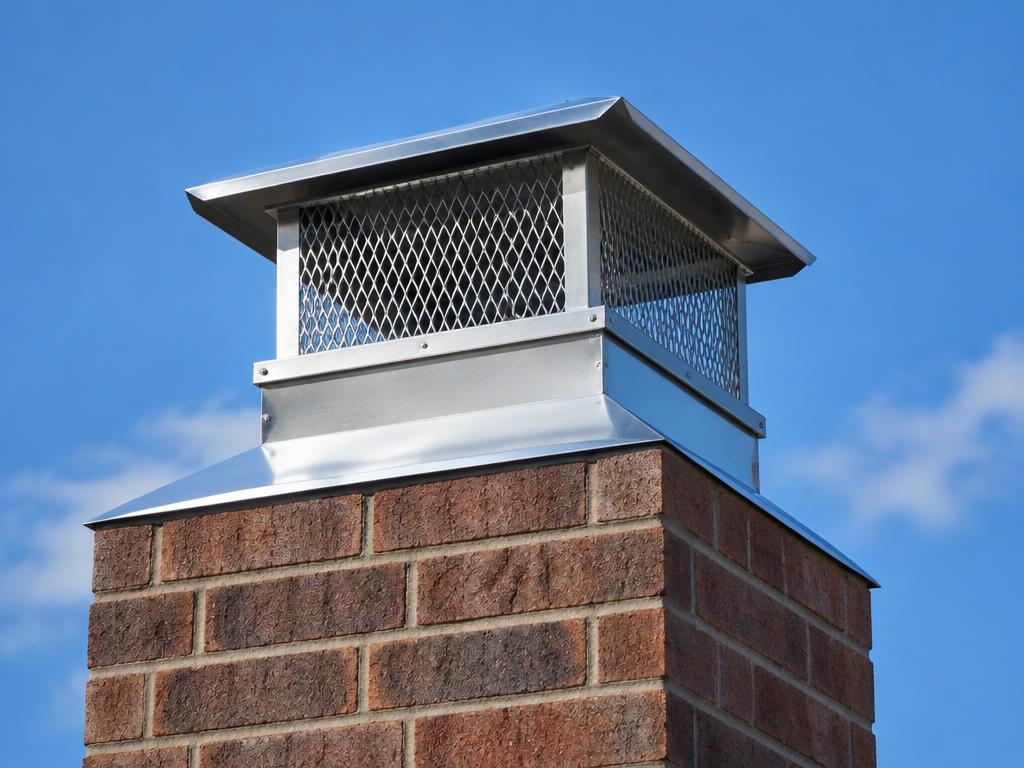
Keep winter cold outside and warmth inside with precision chimney damper repair and top-sealing installation.
Self-check
Warning signs you need chimney damper services
Persistent Cold Hearth Drafts
You feel an icy chill radiating from your fireplace opening even when the damper lever is in the closed position, indicating an incomplete or broken seal.
Seized or Stiff Control Handle
The damper handle, rod, or chain resists movement, binds halfway, or refuses to budge without applying excessive force that risks breaking the assembly.
Smoke Spilling into Living Room
Smoke rolls out into your room when lighting a fire, signalling that the damper plate is failing to open fully or has disconnected from its control rod.
Visible Flakes of Rust on Hearth
You discover reddish flakes or crumbly metal debris resting on your firebox floor, indicating severe oxidation and structural thinning of your cast iron throat damper.
Unexplained Heating Bill Increases
Your winter energy expenses climb noticeably because furnace-heated indoor air is continuously escaping upward through a loose, unsealed chimney flue.
Soot Odours on Windy Days
A strong campfire or musty chimney odour spreads across your family room during gusty winds, caused by downdrafts pushing past an unsealed, warped damper.
How Ontario Freeze-Thaw Cycles Damage Dampers
Markham experiences intense weather shifts every winter, with temperatures regularly cycling above and below the freezing mark within single twenty-four-hour periods. When rain, melting snow, or flue condensation enters an unsealed chimney top, it settles onto the metal components of traditional throat dampers. As the temperature drops below zero overnight, this trapped moisture expands forcefully, exerting mechanical stress on cast iron frames, mounting pins, and adjustment linkages while accelerating aggressive metal corrosion across every unpainted surface.
Cast iron and stamped steel throat dampers respond poorly to continuous exposure to winter moisture mixed with combustion residues. Creosote and soot contain acidic chemical compounds that, when combined with water from melting rooftop snow, create a corrosive paste that rapidly eats away at metal damper plates. Over a few freeze-thaw cycles, this chemical reaction causes the metal to pit, flake, and seize tightly within its tracks, making smooth mechanical operation impossible for the homeowner trying to adjust the lever.
Thermal expansion and contraction further complicate damper performance during cold Ontario winters. Lighting a roaring fire exposes freezing cold metal plates to sudden temperatures exceeding several hundred degrees Celsius. This rapid thermal shock causes uneven expansion, leading to structural warping, cracked cast iron plates, and distorted framework. Once a damper plate warps, it loses its ability to seat evenly against the surrounding frame, permanently breaking the thermal seal and allowing cold air to leak into your living space.
- Trapped moisture repeatedly freezes and expands around damper pivot points and tracks.
- Acidic creosote combined with snowmelt accelerates severe rust and metal deterioration.
- Sudden thermal shocks from lighting fires in sub-zero weather warp rigid metal plates.
- Warped damper plates create persistent gaps that defeat seasonal energy conservation.
Common Causes of Damper Breakdown and Malfunction
Damper mechanisms endure some of the harshest conditions in your home, which makes mechanical breakdown a predictable outcome over time. The primary cause of failure in older homes is simple mechanical wear combined with heavy creosote buildup. As wood burns, unburned volatile hydrocarbons settle onto the damper plate, hinges, and ratchets. When this tar-like soot hardens into glazed creosote, it jams the pivot pins and locking mechanisms, preventing the damper handle from turning or locking firmly in place.
Another prevalent issue is physical rust and severe oxidation resulting from missing or inadequate chimney caps. Without a sturdy cap protecting the chimney crown, rainwater and snow pour down the flue, landing directly on the throat damper assembly. The cast iron plates rust solid to their masonry beds or corrode around the cotter pins holding the linkage together. In many Markham homes, attempting to force open a rusted damper handle causes the rod to snap completely, leaving the damper stuck.
Improper original installation or structural settling of the chimney masonry can also throw damper plates out of square. If the masonry surrounding the throat shifts or settles unevenly over the decades, the tight clearances required for smooth damper operation disappear. The metal plate begins binding against the brickwork, requiring excessive force to move. Operating a binding damper risks dislodging surrounding firebricks, creating structural gaps where hot flue gases could potentially reach combustible framing behind the firebox.
- Thick creosote and soot deposits that jam rotational hinges and adjustment ratchets.
- Severe rust caused by chronic water intrusion through an uncapped or leaking flue.
- Broken, corroded, or disconnected control handles, linkages, and tension springs.
- Masonry shifting that pinches the cast iron frame and prevents the plate from swinging freely.
Top-Sealing Dampers versus Traditional Throat Dampers
For decades, the standard construction method in Ontario involved installing cast iron throat dampers just above the firebox lintel. While these dampers provide a basic shutoff, they represent relatively primitive technology by contemporary building science standards. Cast iron throat dampers provide only a metal-on-metal closure, which rarely creates an airtight seal even when brand new. Furthermore, they leave the entire length of the chimney flue open to cold exterior temperatures above the closed plate, turning the flue into an uninsulated cold sink.
Top-sealing dampers, by contrast, mount securely to the top of the uppermost flue tile, capping the chimney like a tight thermos lid. These modern units feature heavy cast aluminum or stainless steel housings paired with thick silicone rubber gaskets that compress tightly when closed. When you pull the control cable inside your firebox, the spring-loaded lid seals down against the gasket, establishing a truly airtight and watertight seal that eliminates downdrafts and keeps your entire masonry flue warm and dry inside.
Replacing a failed throat damper with a top-sealing unit offers superior energy savings and long-term protection for your masonry structure. Because the top-sealing damper keeps the cold winter air completely outside the chimney, the interior flue tiles stay warm, reducing chimney condensation and improving the draft whenever you light a fire. Additionally, most top-sealing damper models include integrated spark-arresting mesh screens, effectively functioning as both a premium chimney cap and a high-efficiency damper in a single durable assembly.
- Top-sealing dampers use silicone rubber gaskets to provide an airtight, weather-tight closure.
- Throat dampers leave the entire masonry flue exposed to freezing temperatures and damp air.
- Keeping the flue warm inside prevents condensation and establishes quicker fireplace drafting.
- Top-sealing models serve dual duty by keeping out rain, snow, birds, and neighbourhood pests.
"After noticing smoke backing into the room, I called for an inspection in Buttonville. Their technician diagnosed a minor blockage quickly, cleared it thoroughly, and explained how to avoid future issues. Excellent service."

Our process
How we handle your chimney damper services, step by step
- 1
Hearth Protection & Initial Assessment
We lay protective floor coverings, inspect the firebox, and test the damper mechanism to assess mechanical travel and pinpoint rust, warping, or disconnected parts.
- 2
Flue & Throat Diagnostic Check
Using professional lighting and inspection tools, we examine the surrounding masonry throat and flue liner for creosote deposits, air leakage paths, and moisture damage.
- 3
Mechanical Repair or Top-Seal Mount
We clean and adjust the throat damper hardware, or install a premium top-sealing damper with an airtight gasket on the chimney crown using high-grade adhesives.
- 4
Cable & Linkage Calibration
We route and calibrate the heavy-duty stainless steel control cable and spring handle inside the firebox, ensuring smooth, effortless opening and firm, positive latching.
- 5
Seal Verification & Client Demonstration
We test air shutoff, perform smoke draw checks, and demonstrate how to operate and maintain your new damper system with complete confidence and safety.
Our Thorough Damper Inspection and Diagnosis
Every damper service starts with a methodical assessment of your entire fireplace venting assembly. When we arrive at your Markham home, we inspect the firebox, damper plate, control mechanism, and visible flue liner before touching any tools. We manually operate the damper lever or chain to evaluate mechanical resistance, checking for binding, loose linkage rods, broken hinge pins, or structural warping that prevents the plate from sitting flush against its surrounding perimeter frame.
Next, we perform close visual checks for creosote accumulation, corrosion, and underlying masonry degradation around the fireplace throat. Using high-output lighting and specialized mirrors or inspection cameras, we check whether moisture has damaged the damper frame or penetrated behind the firebrick walls. We also evaluate the position and condition of your chimney crown, flue terminal, and existing chimney cap, because exterior water ingress is almost always the root cause behind premature damper failure inside the home.
Finally, we run practical air current and smoke-draw checks to verify whether the closed damper is allowing air leakage into your living space. If your existing damper can be salvaged safely, we explain what mechanical adjustments, rust remediation, and lubrication will restore its function. If the unit is corroded beyond repair, we measure your flue dimensions accurately and recommend the most effective replacement options, presenting honest, transparent solutions tailored specifically to your home architecture.
- Physical operation test to assess mechanical clearance, hinge play, and lever tension.
- Detailed inspection for rust, metal thinning, warping, and localized creosote crusting.
- Examination of surrounding throat firebricks to ensure structural support remains intact.
- Measurements of flue tile dimensions to determine correct sizing for modern replacements.
Our Professional Repair and Replacement Workflow
When repairing an existing throat damper, our primary focus is restoring smooth mechanical movement and achieving the tightest possible metal closure. We begin by protecting your living room floor and hearth with heavy drop cloths and setting up dust containment equipment. Our technician carefully removes soot and flaky rust from the damper plate, hinges, and frame tracks using wire brushes and specialized vacuum systems, freeing up moving parts that have seized from neglect or moisture exposure.
If mechanical linkages or hinge pins are worn or detached, we replace them with durable, heat-resistant hardware and apply high-temperature graphite or dry silicone lubricants designed to withstand fireplace fires. We test the counterweight and ratchet positions repeatedly to guarantee the damper locks reliably into the open, partially open, and fully closed settings. If the damper plate has warped slightly, we carefully grind or adjust the contact edges to eliminate binding without compromising structural integrity.
When installing a modern top-sealing damper, we access your roof safely using proper fall-arrest procedures and inspect the top flue tile. We clean the flue rim, apply a thick bead of industrial high-temperature polyurethane adhesive, and anchor the cast assembly securely to the clay liner. We drop a flexible stainless steel cable down the length of the flue, mounting a discreet, easy-to-use spring-loaded handle inside the firebox firebrick. After installation, we adjust the cable tension and verify airtight closure.
- Complete hearth protection and dust control to keep your home clean during work.
- Thorough mechanical descaling and application of high-temperature fireplace lubricants.
- Secure rooftop mounting with weather-rated adhesives and corrosion-resistant fasteners.
- Interior cable adjustment ensuring crisp, effortless opening and airtight locking.

Fireplace Safety, Air Quality, and Best Practices
A malfunctioning chimney damper is not merely an energy concern; it represents a significant life safety hazard for household occupants. If a homeowner attempts to light a fire with a damper that has rusted shut or slipped off its hinges, thick smoke and deadly carbon monoxide have no path of escape except directly into the home. Carbon monoxide is an invisible, odourless, and tasteless toxic gas that can cause severe illness or fatal poisoning in a matter of minutes.
We align all our damper services with industry-recognized safety principles, including best practices reflected in CSA guidelines and WETT standards for solid fuel burning systems. We verify that any damper installed or repaired allows for complete, unrestricted clearance of the flue opening when engaged in the open position. Furthermore, we inspect to ensure the control mechanisms cannot accidentally drop shut while a fire is actively burning, preventing sudden, catastrophic smoke backup inside the residence.
Indoor air quality also suffers when a closed damper fails to seal out downdrafts. In homes with powerful kitchen range hoods or bathroom exhaust fans, negative indoor pressure can draw air backward down the chimney flue, pulling fine soot particles, unpleasant campfire odours, and outdoor allergens directly into your living areas. We advise every client on proper combustion air management, damper operation protocols, and the essential placement of working carbon monoxide and smoke alarms on every level of their residence.
- Unopened or jammed dampers force dangerous smoke and carbon monoxide indoors.
- Adherence to CSA and WETT-aligned best practices for safe flue clearance dimensions.
- Elimination of soot backdrafting caused by negative household air pressure and faulty seals.
- Guidance on mandatory carbon monoxide detector placement near all sleeping quarters.
Seasonal Maintenance Tips and Hiring the Right Specialist
Maintaining your chimney damper requires simple, conscientious habits paired with regular professional evaluations. Before lighting your first autumn fire, always look up into the firebox with a bright flashlight and confirm the damper plate moves freely through its full range of motion. Never burn painted wood, construction scraps, or household trash, as the synthetic chemicals and adhesives create sticky, corrosive residues that degrade damper seals and gum up mechanical linkages much faster than seasoned hardwood.
At the conclusion of the heating season in the spring, remember to close your damper firmly to prevent warm, humid Ontario summer air from entering your air-conditioned home. Humid summer air entering a cool chimney flue creates heavy condensation that mixes with soot, producing potent acid that attacks mortar joints and cast iron dampers alike. Keeping the damper closed during the summer months also locks out nesting chimney swifts, bats, and wasps seeking shelter inside quiet dark flues.
When choosing a chimney contractor in Markham, look for an established independent specialist with verifiable local references and honest diagnostic methods. Beware of contractors who offer suspiciously cheap quick fixes or pressure you into unnecessary, aggressive rebuilds without showing you clear photographic evidence of internal damage. A reputable company takes the time to explain whether a simple linkage adjustment, thorough cleaning, or a top-sealing upgrade represents the most sensible, cost-effective investment for your home.
- Visually confirm full damper travel with a flashlight before lighting any seasonal fire.
- Burn only well-seasoned dry firewood to prevent sticky, corrosive creosote buildup.
- Keep the damper closed throughout summer to reduce interior humidity and condensation.
- Insist on clear photographic documentation of any damaged damper components before approving work.
Average pricing in Markham
$249 – $689
- Inspection / diagnostic
- $129 – $189
- Typical time on site
- 1 to 3 hours depending on service scope
- Parts and materials
- Replacement cast iron plates, top-sealing damper assemblies, stainless cables, brackets
- What moves the price
- Whether the existing throat damper can be adjusted or requires full replacement · Accessibility and height of the chimney crown for rooftop damper mounting · Flue dimensions and requirement for custom adapter plates or masonry repairs
Estimated local market range, not a quote. All estimates are in Canadian dollars and exclude 13% Ontario HST. Your exact price is confirmed before any work begins.