
A poorly drawing chimney turns what should be a peaceful evening by the fireplace into a smoky, stressful ordeal. In Markham, many homes feature renovated open concept living spaces, powerful kitchen range hoods, and tightly sealed modern windows that compete directly with traditional masonry flues for air. When warm indoor air is pulled elsewhere, or when biting winter winds create high pressure zones over your rooftop, combustion gases linger and spill back into your living room. A chimney draught inducer fan provides an active mechanical solution, creating steady upward flow regardless of atmospheric interference, wind patterns, or low flue temperatures.
At Markham Chimney Services, located at 4418 Highway 7 East, we understand how local housing architecture and changing seasonal conditions affect residential venting systems. Our chimney fan services cover everything from troubleshooting cold-flue backdraughts to repairing weathered electrical controls and mounting heavy duty exhaust units on masonry or factory-built flues. We serve homeowners across Markham neighbourhoods and the Greater Toronto Area (GTA), bringing thorough workmanship and straightforward advice to every home. As an independent service company, we focus on safe operation, balanced ventilation, and long-term durability in cold Ontario weather.
Chimney Fan Services: visit summary
Chimney Fan Services: caps, crowns, dampers, flashing and liners checked and serviced so the chimney drafts and seals properly. Serving Markham and the Greater Toronto Area (GTA). The estimated local market range is $450 – $2,850, not a fixed company rate. The final scope and quote are confirmed before work begins.
| Estimated market range | $450 – $2,850. All estimates are in Canadian dollars and exclude 13% Ontario HST. |
|---|---|
| Typical time | 2 to 5 hours depending on roof pitch and electrical run complexity |
| Price factors | Chimney height, roof steepness, and accessibility for equipment staging; Distance and routing complexity between rooftop fan and interior wall switch; Condition of existing chimney crown and whether masonry repairs are required |
| Routine signs to discuss | Smoke Backpuffing into Rooms; Persistent Pungent Odours; Sluggish Kindling Ignition; Unusual Fan Vibration Noises; Soot Staining on Fireplace Mantel; Tripped Wall Switch or Breaker |
What a Chimney Exhaust Fan Does for Your Home
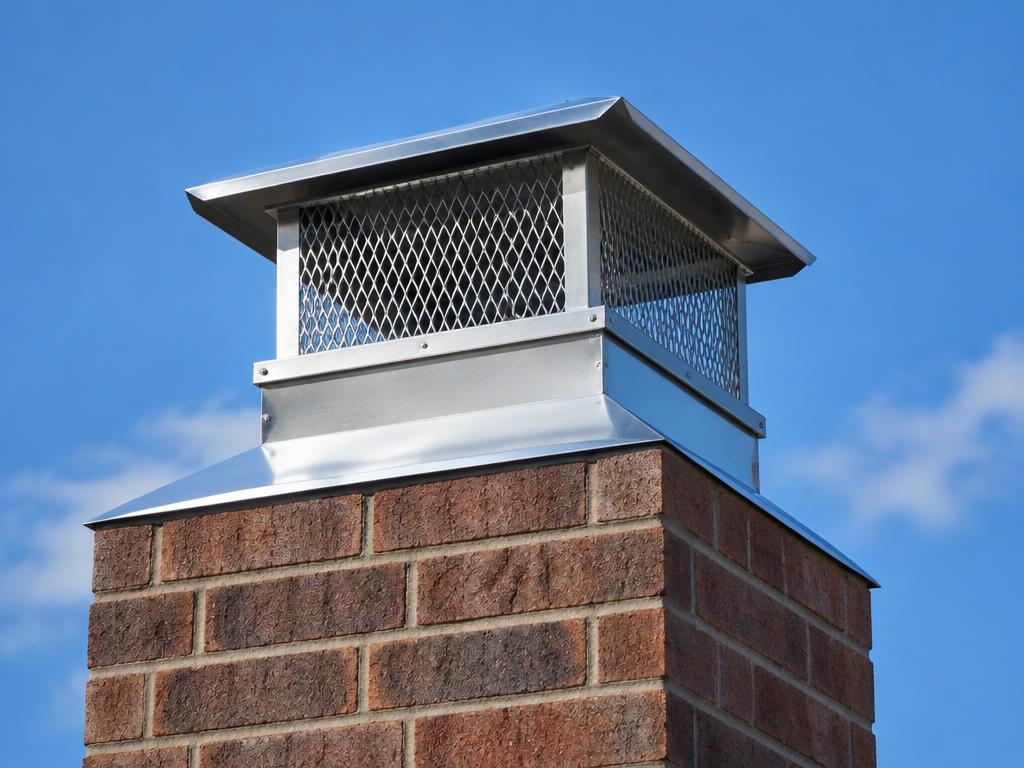
A chimney fan is an electrically powered mechanical exhaust unit designed to mount at the top of a chimney flue or within a specialised duct run. Traditional fireplaces rely entirely on natural convection, which means hot smoke must be light enough to overcome the column of cold air sitting above it. When that natural buoyancy fails because of a short chimney, an oversized flue tile, or a cool exterior wall, a chimney fan provides the necessary suction. It pulls combustion gases up through the flue and discharges them safely into the open air above your roofline.
Modern draft inducing units feature variable speed controls that allow homeowners to adjust the rate of exhaust based on the size of the fire and the weather outside. You can start the fan on high to quickly establish an upward draw when lighting kindling, then dial it back to a quieter, efficient setting once the firebox reaches operating temperature. This mechanical assistance prevents sudden puffs of smoke when adding fresh logs and ensures that smouldering embers continue to vent safely overnight as temperatures drop outside.
Beyond stopping visible smoke spillage, a reliable chimney exhaust fan helps your heating appliance operate with higher fuel efficiency. Incomplete combustion often stems from poor airflow, which leaves behind unburned wood gases, corrosive soot, and heavy creosote deposits. By maintaining an uninterrupted exhaust path, the system draws clean combustion air into the firebox, resulting in a cleaner, hotter burn. This reduces buildup along your flue walls and keeps soot particles from settling on your mantel, furniture, and indoor walls.
- Variable speed motors allow tailored draught control for different fire sizes.
- Prevents smoke, soot, and pungent odours from contaminating indoor living areas.
- Compensates for structural issues such as short chimneys or oversized flue liners.
- Helps maintain proper combustion air intake for cleaner, hotter firewood burning.
Restore healthy fireplace exhaust, eliminate smoke spillage, and balance airflow across your home.
Self-check
Warning signs you need chimney fan services
Smoke Backpuffing into Rooms
Smoke rolls out from the top of the fireplace opening into your living room, especially when starting a fire or opening the glass doors to add more wood.
Persistent Pungent Odours
Strong, stale soot and creosote smells drift down into the room during humid summer days or when running kitchen exhaust fans, indicating reversed chimney draught.
Sluggish Kindling Ignition
Fires struggle to take hold and smoulder weakly due to insufficient oxygen flow, producing excessive soot and rapidly staining the fireplace glass doors dark black.
Unusual Fan Vibration Noises
An existing rooftop exhaust fan produces a loud rattling, rhythmic buzzing, or metal scraping sound, signalling unbalance from heavy creosote deposits or worn motor bearings.
Soot Staining on Fireplace Mantel
Dark, powdery soot gathers on the brickwork above the firebox, picture frames, or nearby walls, proving that combustion particulates are escaping normal flue draw.
Tripped Wall Switch or Breaker
The dedicated wall controller fails to turn the fan on, buzzes without spinning the motor, or repeatedly trips your electrical panel breaker during startup attempts.
Why Markham Winters Demand Robust Chimney Fan Performance
The climate across Markham presents severe challenges for both masonry structures and mechanical rooftop equipment. During deep winter freezes, a masonry chimney built against an exterior wall acts as a massive thermal heat sink. The air inside the flue can drop well below freezing, forming a heavy, dense thermal plug. When you open the damper and strike a match, that freezing column of air refuses to move upward, forcing smoke, carbon monoxide, and particulates backward into the living room within seconds.
The intense freeze and thaw cycles that characterise local winters also impact the equipment installed on your roof. Moisture from rain, sleet, and melting snow repeatedly penetrates microscopic gaps around rooftop housings before expanding into ice. Without resilient mounting brackets, high quality silicone sealants, and corrosion resistant housings, chimney fans can work loose or allow water to pool around the chimney crown. Melting snow on a warm chimney can freeze instantly as the fire dies down, stressing electrical conduits and motor bearings.
Summer brings another set of challenges through high humidity, heavy thunderstorms, and intense solar heat. In unconditioned flues, warm humid air can descend into an air-conditioned basement or ground floor, bringing foul creosote odours with it. A chimney fan equipped with an integrated top-sealing damper helps isolate the flue during the off-season. This prevents moist outdoor air from entering your home during muggy summer months, reducing mould risks and protecting interior masonry from moisture condensation.
- Counteracts heavy cold-air plugs inside uninsulated exterior chimney flues.
- Withstands extreme winter expansion, ice damming, and freezing precipitation.
- Protects mechanical wiring and motors from sub-zero temperature exposure.
- Provides an effective barrier against humid summer backdraughts and creosote smells.
Root Causes of Fireplace Draught Failures in Local Homes
Fireplace draught problems are rarely caused by a single issue; they usually result from a combination of building physics and exterior wind behaviour. In classic post-war bungalows and two-storey homes throughout Unionville, Langstaff, and Angus Glen, recent energy retrofits are a frequent culprit. Installing high performance replacement windows, spray foam insulation, and thick weatherstripping creates an airtight building envelope. When indoor air cannot easily escape, standard chimneys struggle to find the makeup air required to sustain a healthy natural draw.
Modern lifestyle appliances compound this negative pressure problem significantly. Powerful kitchen range hoods, commercial grade exhaust fans, multi-speed clothes dryers, and central vacuum systems continuously depressurise the house by pumping hundreds of cubic feet of air outside every minute. When these appliances run simultaneously, your chimney becomes the easiest path for replacement air to enter the home. The fireplace effectively transforms into an air intake duct, pulling cold air, soot, and smoke right down into the basement or family room.
Structural chimney defects and exterior surroundings also interrupt airflow. Surrounding mature maple and oak trees, newer second-storey home additions nearby, or steep roof pitches can create downward eddy currents that push against escaping flue gases. Internally, a flue that was built too large for a modest fireplace opening will allow smoke to cool and stall before it reaches the top. A mechanical chimney fan easily overcomes these structural limitations by generating positive suction that wind cannot reverse.
- Airtight building envelopes created by modern high-efficiency windows and insulation.
- Negative indoor pressure created by powerful kitchen hoods and bathroom fans.
- Turbulent wind downdrafts from tall roof ridges, dormers, and surrounding mature trees.
- Mismatched flue tile dimensions that prevent combustion gases from maintaining speed.
Our Thorough Diagnostic and Inspection Protocol
Every chimney fan service begins with a comprehensive diagnostic evaluation of your fireplace system and home airflow. When our technicians visit your property, we do not simply glance at the rooftop and recommend a replacement. We examine the entire venting passage from the hearth to the chimney cap. We check the condition of the firebox, assess the operation of the throat damper, and visually inspect the flue liner for creosote accumulation, cracked clay tiles, or loose masonry joints that could affect airflow.
We also assess the pressure dynamics within your living space. By testing the draught with doors closed and exhaust appliances operating, we determine how severely indoor negative pressure affects your fireplace. Up on the roof, our team carefully inspects the chimney crown, checking for spalling mortar, cracked cement wash, and deteriorating flashings. If an existing fan is present, we test the motor windings, inspect the impeller blades for creosote drag, and evaluate the weather-exposed electrical conduits for brittleness or moisture intrusion.
After gathering our findings, we explain your options in clear, practical terms with zero technical jargon. We clarify whether your system needs a complete fan installation to overcome severe structural backdraughts, or if servicing an existing unit and adjusting room ventilation will resolve the issue. You receive an upfront written estimate detailing all required components, wiring provisions, and installation steps before any physical work starts on your property.
- Complete visual assessment of the firebox, damper, and interior flue liner.
- Pressure evaluation under real home operating conditions with household fans running.
- Rooftop inspection of the chimney crown, masonry joints, and mounting surfaces.
- Detailed electrical and mechanical diagnostics for existing fan motors and controllers.
"After noticing smoke backing into the room, I called for an inspection in Buttonville. Their technician diagnosed a minor blockage quickly, cleared it thoroughly, and explained how to avoid future issues. Excellent service."
Our process
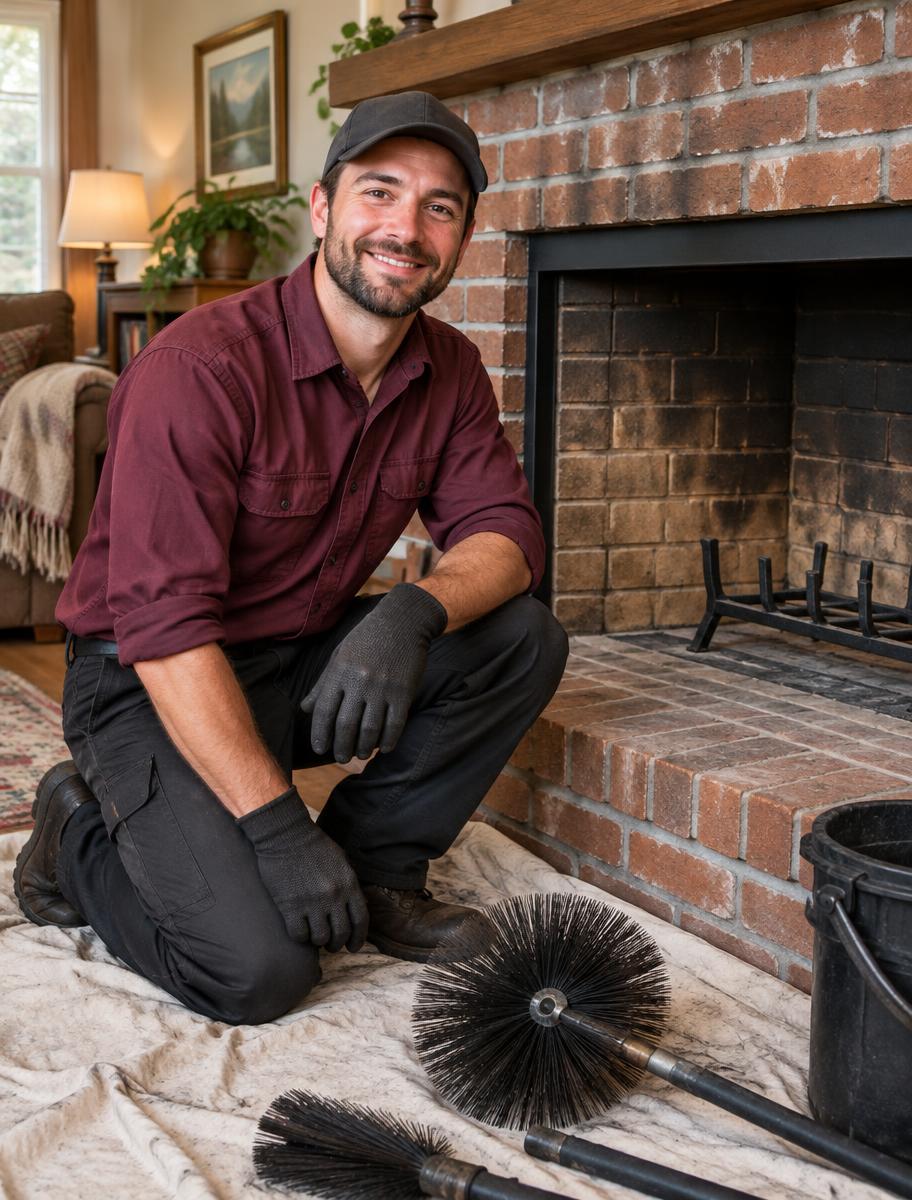
How we handle your chimney fan services, step by step
- 1
Initial Assessment and Draught Testing
We examine the firebox, check damper operation, inspect the flue, and test indoor pressure balance to verify whether poor draught stems from negative pressure or flue sizing.
- 2
Rooftop Crown and Terminal Preparation
Our technicians climb to the chimney top, clear debris, inspect the masonry wash, and measure the flue opening precisely to select appropriate mounting brackets and silicone gaskets.
- 3
Fan Mounting and Vibration Isolation
We secure the heavy duty exhaust unit directly to the flue or crown using corrosion resistant fasteners and vibration isolating seals, ensuring quiet operation in heavy wind.
- 4
Exterior Electrical Wiring and Controls
We run weather-shielded, heat resistant wiring down from the rooftop motor to a dedicated variable speed control switch installed conveniently beside your fireplace mantel.
- 5
Live Fire Testing and Safety Review
We ignite a test burn to dial in proper motor speeds, confirm complete smoke capture, test fail-safe mechanisms, and review simple daily operating procedures with you.
Precision Installation and Repair Workmanship
Installing a chimney fan requires careful mechanical fitting combined with dependable electrical integration. For new installations, we prepare the top of the chimney by cleaning and smoothing the clay flue tile or metal liner terminal. We secure heavy duty mounting brackets designed specifically for your flue size and shape, ensuring the fan sits level and stable against violent winter winds. High temperature ceramic insulation and flexible sealants are applied to create a tight seal that prevents water intrusion and eliminates mechanical vibration sounds.
Electrical wiring must be handled with extreme care due to the harsh environmental conditions on an Ontario roof. We route heat-resistant, weather-rated wiring from the rooftop unit down through an appropriate path into your home. The cable connects to a wall-mounted variable speed controller placed conveniently near your fireplace hearth. This control switch allows you to turn the fan on before striking a match, modulate the exhaust volume while burning, and shut the unit down once the fire is completely extinguished.
If you already have a chimney fan that has stopped spinning, makes grinding sounds, or trips the circuit breaker, our repair process focuses on component-level restoration. We safely open the motor housing, remove accumulated soot and creosote from the impeller, test the capacitor, and replace worn bearings or thermal overload switches. We also verify that the fail-safe interlocks and draft switches function properly, ensuring that your heating system cannot operate unsafely if the fan motor ever stalls.
- Heavy-gauge mounting plates tailored for rectangular clay, round metal, or oval flues.
- Vibration dampening gaskets to prevent motor hum from transferring through masonry.
- Armoured, weather-resistant outdoor wiring designed to endure deep freeze temperatures.
- Thorough soot removal and dynamic balancing of fan impeller blades during repairs.
Prioritising Household Health and Carbon Monoxide Safety
Your family's safety is the most critical consideration when dealing with combustion exhaust systems. When a fireplace suffers from inadequate draught, it does not just release visible ash and annoying smoke; it can also discharge invisible, odourless carbon monoxide into your home. Carbon monoxide is a dangerous byproduct of incomplete fuel combustion that starves vital organs of oxygen. Ensuring consistent mechanical exhaust flow eliminates the risk of silent toxic gas accumulation in your living rooms and bedrooms.
We always stress the absolute necessity of maintaining operational carbon monoxide alarms throughout your home. In Ontario, building codes require working carbon monoxide detectors outside all sleeping areas in homes with fuel-burning appliances or attached garages. We recommend testing these alarms every month and replacing units according to their manufacturer guidelines. A chimney fan acts as an active safety barrier, but working carbon monoxide alarms remain your essential primary alert system should an unexpected power failure occur.
Our service practices follow standard national safety codes, CSA guidelines, and established WETT-style best practices for solid fuel burning equipment clearances. We ensure that your chimney fan installation respects necessary clearances from combustible materials such as nearby roof overhangs, wood shingles, and dormer siding. We also confirm that the mechanical draw does not pull air so forcefully that it starves nearby natural draft gas water heaters or furnaces of their combustion air, preventing dangerous backdraughts in adjacent utility rooms.
- Reduces the dangerous hazard of indoor carbon monoxide spillage from sluggish flues.
- Supports compliance with Ontario regulations for home carbon monoxide detector placement.
- Adheres to CSA clearance standards and solid-fuel best practices for rooftop equipment.
- Evaluates whole-home combustion air balance to protect nearby gas appliances.
Routine Maintenance to Extend Chimney Fan Lifespan
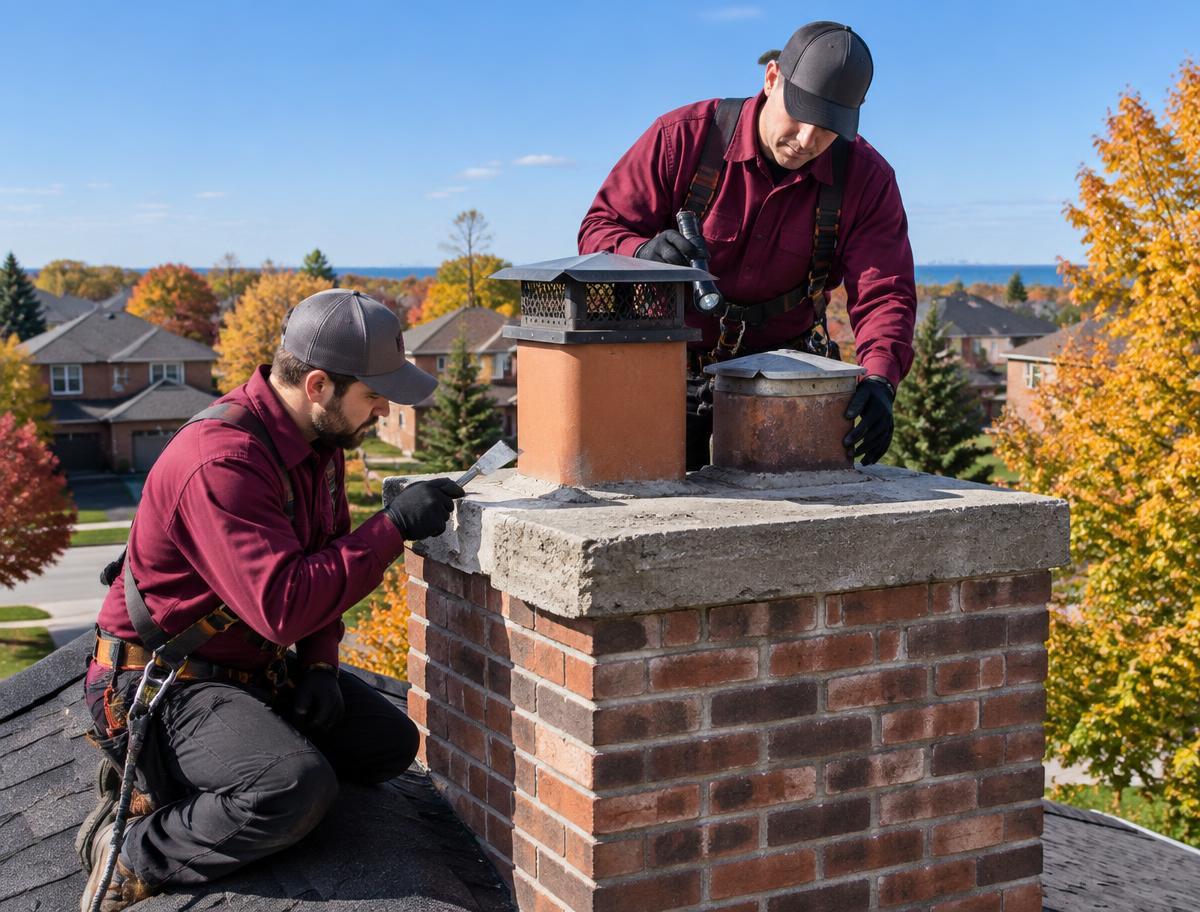
A chimney fan is an investment that works under extreme conditions, exposed to corrosive combustion acids from below and freeze-thaw weather from above. To keep your unit running quietly and reliably season after season, regular preventive maintenance is essential. At least once a year, preferably during your annual spring or autumn chimney sweep, the fan should be hinged open and thoroughly cleared of clinging soot, creosote crust, and any organic debris such as dried leaves or bird nests.
Homeowners can perform simple visual checks between professional visits to spot trouble early. Listen carefully when you turn on the variable speed control dial. The fan should spool up with a smooth, quiet whir rather than a squeal, rattle, or pulsing hum. If you detect unusual vibrations vibrating through your brick chimney breast, the impeller blades may have accumulated an uneven crust of soot that has thrown the assembly out of balance. Operating an unbalanced fan accelerates bearing wear and can permanently burn out the motor.
Before the cold weather arrives in late autumn, test the unit before your first fire of the season. Switch the fan to maximum speed for several minutes to clear any spiderwebs or debris that accumulated over the warm months, then inspect the wall switch to make sure the speed control reacts smoothly. If your unit features an integrated shut-off damper, verify that it swings open completely when the switch turns on and seals tightly against the elements when powered down.
- Schedule annual soot and creosote removal from the fan impeller and housing.
- Listen for motor squeaks, rattling noises, or heavy vibration during startup.
- Test electrical wall controls and speed switches before the first autumn fireplace burn.
- Ensure seasonal top dampers seal tightly to block warm summer humidity and pests.
Choosing the Right Independent Chimney Contractor
Rooftop chimney work demands specialised skills that blend traditional masonry knowledge, venting physics, and exterior electrical wiring. When selecting a contractor for chimney fan services in Markham, look for an established independent service business that understands local housing styles and regional weather patterns. An experienced specialist will always take the time to inspect your flue liner and home pressure balance rather than simply bolting on a motor as a quick fix for an unexamined problem.
Ask prospective contractors detailed questions about how they mount equipment, secure outdoor wiring, and seal masonry against moisture penetration. Reliable contractors will provide transparent, itemised quotes that separate labour from equipment costs and explain exactly what brand-neutral parts are required. They should carry comprehensive commercial liability insurance and workplace safety coverage to protect your property and workers while navigating steep roof pitches in unpredictable Ontario weather conditions.
Finally, choose a professional who takes time to educate you on operating your system correctly. A great technician will walk you through your hearthside controls, show you how to set the fan speed for lighting versus reloading, and provide practical safety guidance regarding fire building and damper adjustments. At Markham Chimney Services, our team takes pride in transparent recommendations, meticulous cleanups, and dependable customer service that leaves your home warm, safe, and smoke-free.
- Select contractors with demonstrated expertise in venting physics and rooftop mounting.
- Confirm valid commercial general liability insurance and workplace safety compliance.
- Require clear, upfront written quotes that detail equipment, brackets, and labour.
- Prioritise specialists who explain proper variable speed controls and hearth safety.
Average pricing in Markham
$450 – $2,850
- Inspection / diagnostic
- $149 – $229
- Typical time on site
- 2 to 5 hours depending on roof pitch and electrical run complexity
- Parts and materials
- Chimney fan unit, variable speed controller, custom mounting adaptor, and weather-shielded wiring quoted separately based on flue dimensions
- What moves the price
- Chimney height, roof steepness, and accessibility for equipment staging · Distance and routing complexity between rooftop fan and interior wall switch · Condition of existing chimney crown and whether masonry repairs are required
Estimated local market range, not a quote. All estimates are in Canadian dollars and exclude 13% Ontario HST. Your exact price is confirmed before any work begins.