

A chimney introduces a deliberate opening in your roof deck, creating a vulnerability where masonry brickwork meets roofing shingles. Chimney flashing serves as the essential waterproof bridge protecting this critical junction. Without a sound sheet metal barrier, rainwater runoff and melting winter snow seep directly into your attic, ceiling joists, and interior walls. Markham Chimney Services provides specialized chimney flashing inspection, custom fabrication, and meticulous repairs designed specifically for residential properties across Markham neighbourhoods. Our work addresses the complex intersection of masonry, metal, and roofing to safeguard structural integrity year after year.
Homeowners in our community face extreme weather shifts, swinging from humid summer thunderstorms to sub-zero winter blasts. These temperature swings cause brick, mortar, and roofing materials to expand and contract at completely different rates. When rigid sealants crack or metal sheets pull away from brick joints, hidden water intrusion begins immediately. Left unattended, minor leaks cause dry rot, hazardous mould, and ruined plaster long before water drips onto your living room floor. Investing in dedicated chimney flashing services protects your home against progressive water damage while preserving the longevity of your masonry chimney stack.
Chimney Flashing Services: visit summary
Chimney Flashing Services: caps, crowns, dampers, flashing and liners checked and serviced so the chimney drafts and seals properly. Serving Markham and the Greater Toronto Area (GTA). The estimated local market range is $450 – $1,850, not a fixed company rate. The final scope and quote are confirmed before work begins.
| Estimated market range | $450 – $1,850. All estimates are in Canadian dollars and exclude 13% Ontario HST. |
|---|---|
| Typical time | 3 to 6 hours for most residential single-flue chimney installations |
| Price factors | Chimney size, footprint width, and need for a roof cricket; Roof pitch, height, and overall access difficulty; Condition of surrounding masonry mortar joints and underlying roof decking |
| Routine signs to discuss | Ceiling Stains Near Fireplaces; Peeling Paint and Plaster; Efflorescence on Chimney Bricks; Cracked Mastic or Roofing Tar; Damp Attic Insulation and Rafters; Rust Stains on Flashing Metal |
Understanding Chimney Flashing and How It Protects Your Roof
Chimney flashing is a multi-layered sheet metal weatherproofing system installed around the base of an exterior chimney stack. Its main job is redirecting rainwater and melting snow away from the vulnerable seam where masonry meets the roof decking. Because brickwork is porous and timber roof framing flexes under snow loads, this intersection cannot simply be sealed with standard caulk or tar. A resilient sheet metal installation creates an overlapping, flexible barrier that accommodates natural building movement.
A complete, professional installation incorporates several interlocking metal components working in harmony. Base flashing sits flat across the roof deck beneath the shingles, extending vertically up the exterior chimney walls. Counter flashing, also called cap flashing, is then embedded directly into the mortar joints of the brick chimney and folds downward over the base flashing. This overlapping configuration sheds descending moisture like shingles on a steep roof, preventing driving rain from sneaking behind the metal.
In addition to base and counter flashing, skilled chimney technicians install a critical saddle, or cricket, on the uphill side of wider chimneys. This triangular diversion structure splits the flow of roof runoff, directing water around both sides of the chimney rather than letting it pool behind the brickwork. Quality flashing combines premium metals, precise mortar cuts, and breathable construction methods to ensure your roof line remains dry during torrential downpours.
- Step flashing pieces overlap each shingle course along chimney sides
- Counter flashing embeds securely into freshly regrooved mortar joints
- Apron flashing spans the downhill face to shed sheet water rapidly
- Roof crickets deflect standing water on chimneys wider than thirty inches
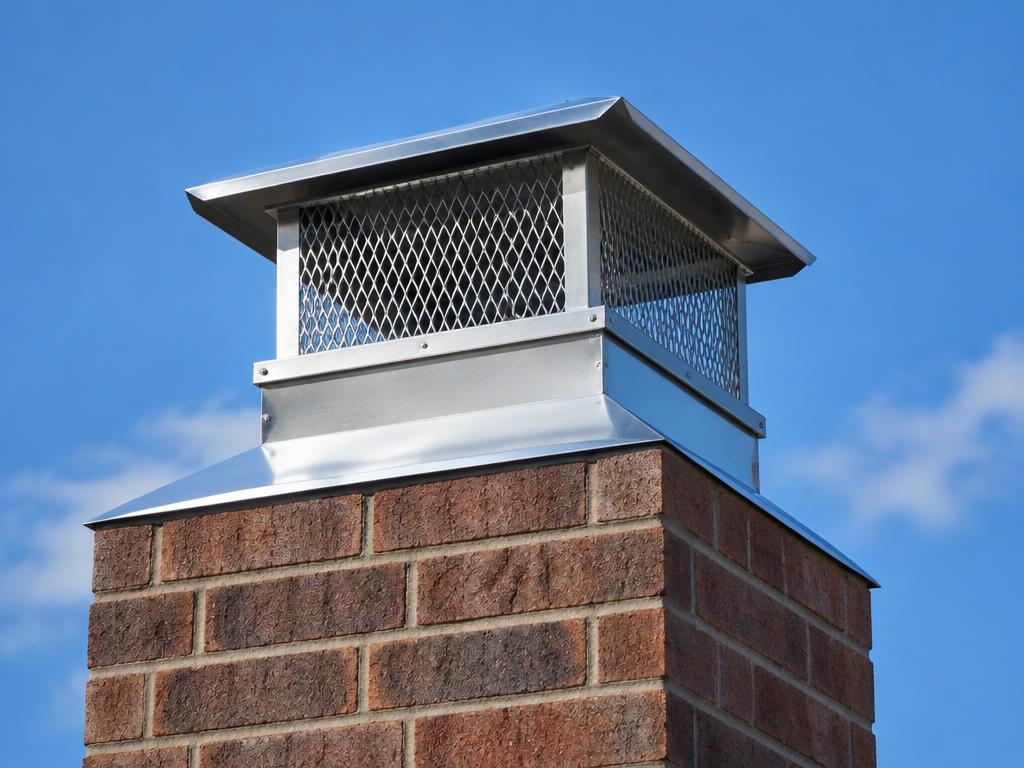
Durable, weather-tight chimney flashing solutions built to protect Markham homes from harsh Ontario winters.
Self-check
Warning signs you need chimney flashing services
Ceiling Stains Near Fireplaces
Discoloured brown or yellowish water spots on ceilings and upper walls adjacent to the chimney stack point directly to water slipping beneath deteriorated base flashing.
Peeling Paint and Plaster
Bubbling paint, crumbling drywall, or peeling wallpaper along fireplace breastwork indicates chronic moisture running behind interior wall surfaces from roofline entry points.
Efflorescence on Chimney Bricks
Chalky white mineral salts coating interior or exterior masonry appear when moisture saturates brickwork through failed counter flashing seams and evaporates outward.
Cracked Mastic or Roofing Tar
Thick patches of black tar or dried caulking around the chimney base that show cracking, curling, or lifting indicate failed temporary fixes requiring metal replacement.
Damp Attic Insulation and Rafters
Wet fiberglass insulation, darkened roof decking, or localized mould odours around the chimney penetration in your attic reveal active rainwater penetration along the stack.
Rust Stains on Flashing Metal
Corroded, rusted, or mechanically loosened sheet metal around the chimney exterior means the protective galvanization has failed, allowing water to slip behind shingles.
Why the Ontario Freeze-Thaw Cycle Destroys Chimney Seals
Markham experiences intense seasonal extremes that place continuous stress on exterior building envelopes. During winter months, daytime temperatures frequently rise above freezing, melting heavy snow blankets accumulated on roof pitches. As evening temperatures drop below zero, that standing water refreezes rapidly inside every microscopic seam. This relentless freeze-thaw cycling expands trapped moisture, widening tiny gaps between metal flashing sections and the surrounding brickwork until substantial voids develop.
Heavy snowfall and freeze-thaw cycles also encourage ice dam formation behind chimneys, where heat escaping from the attic or flue warms the roof deck unevenly. Ice dams force standing meltwater to back up behind the chimney rather than draining freely toward eaves troughs. Under hydrostatic pressure, pooled water works its way underneath roofing shingles and behind improperly sealed counter flashing, causing unseen timber decay and moisture saturation throughout the roof structure.
Furthermore, summer heat introduces high humidity and direct sun exposure that degrades cheap asphalt mastic and silicone adhesives. Inferior compounds applied during past repairs dry out, crack, and pull away from masonry surfaces within a few seasons. True protection requires heavy-gauge sheet metal mechanically keyed into mortar joints, which withstands decades of thermal movement without relying on temporary surface caulking.
- Rapid freeze-thaw cycles expand micro-cracks in mortar and sheet metal
- Ice dams force pooled water backward beneath roof shingles
- Thermal expansion causes masonry and metal to shift at different rates
- Harsh sunlight and humidity dry out topical sealants and roof tars
The Key Components of a Resilient Flashing Installation
A dependable chimney flashing assembly relies on two independent layers of metal working together without rigid bonding. The lower layer, known as step flashing along the sides, moves naturally with the roof deck as snow loads shift the rafters. Each individual piece of step flashing is bent at a right angle and woven between consecutive shingle courses, guaranteeing that water running down the roof remains on top of the metal.
The upper layer consists of counter flashing, which is mechanically secured into the masonry chimney. Rather than nailing metal flush to exterior bricks, experienced technicians grind a clean reglet groove into the horizontal mortar bed. The upper lip of the counter flashing inserts deeply into this groove, held in place with lead wedges and finished with breathable polyurethane sealant. The bottom hem hangs freely over the step flashing, bridging structural motion.
Material selection plays a massive role in system longevity. Galvanized steel provides dependable durability, while heavy-gauge aluminum offers exceptional corrosion resistance for modern residential rooflines. For heritage homes or maximum service life, custom-soldered copper flashing provides unmatched endurance against acidic flue gases and weathering. Copper develops an attractive, protective patina over time that never rusts, flakes, or requires periodic repainting.
- Individual step flashing cards integrated into alternating shingle courses
- Reglet grooves cut straight into mortar joints for counter flashing
- Lead expansion wedges anchoring sheet metal tightly inside mortar beds
- High-performance metals like copper, lead-coated copper, and aluminum
Common Signs of Leaking Flashing and What Causes Them
Chimney flashing leaks frequently go undetected because water travels along roof rafters before revealing itself inside living quarters. Homeowners often first notice faint, yellowish water stains on upstairs ceilings, blistered paint around fireplace mantels, or musty smells in attic crawlspaces. In winter, damp insulation near the chimney stack severely compromises home thermal efficiency, driving up heating bills while promoting invisible wood rot.
On the roof itself, visual indicators of failing flashing are equally unmistakable to an attentive observer. Flashing metal that lifts away from the brick face, rusted steel edges, or thick mounds of peeling black roofing cement signify urgent repair needs. When amateur contractors smear roof tar over old metal instead of replacing decayed components, they trap moisture against the brick, accelerating spalling and mortar degradation beneath the surface.
Physical causes of flashing breakdown include structural house settling, natural corrosion, animal interference, and previous installation shortcuts. Rafter deflection under winter snow loads can pull base flashing downward, while thermal expansion rocks counter flashing out of deteriorating mortar joints. Identifying these underlying forces allows our team to address the structural source of water intrusion rather than merely concealing exterior symptoms.
- Water tide marks on drywall surrounding fireplace breastwork or ceilings
- Efflorescence, white powdery mineral salt, blooming across chimney brick
- Peeling, cracked roof tar smeared around the chimney base
- Rusted sheet metal or buckled step flashing edges visible from the ground
"I needed a new chimney cap. The installer arrived in Angus Glen, walked me through cap options, and fitted the perfect one with care. Cleanup was spotless and now I feel protected against rain and pests."

Our process
How we handle your chimney flashing services, step by step
- 1
Roof and Attic Inspection
We examine the chimney stack, shingles, metal seals, and attic rafters to pinpoint active leak points and assess underlying structural timber conditions.
- 2
Old Material Removal
Our crew cleanly removes deteriorated flashing, brittle caulking, and compromised shingles, stripping the roof deck down to bare wood for comprehensive surface preparation.
- 3
Reglet Joint Preparation
Using dust-controlled diamond tools, we cut a clean horizontal groove into the chimney mortar bed, establishing a secure mechanical channel for new counter flashing.
- 4
Custom Sheet Metal Fabrication
We bend and fit individual step flashing cards, apron sections, and counter flashing pieces to conform tightly to your chimney dimensions and roof slope.
- 5
Secure Fastening and Sealing
Metal components are anchored with lead wedges into the reglet joint, woven beneath shingles, and sealed with commercial-grade polyurethane for permanent weatherproofing.
Our Thorough Flashing Inspection and Diagnostic Process
Every flashing service begins with a thorough, hands-on roof and attic evaluation. Markham Chimney Services examines the entire flashing system, checking metal condition, mortar joint integrity, and shingle interfaces. We also investigate the attic space beneath the chimney penetration to assess the condition of roof decking, rafters, and surrounding insulation, ensuring hidden moisture pockets are mapped accurately before work starts.
We systematically test the mechanical bond between counter flashing and brickwork, feeling for loose lead wedges or failed joint adhesives. Our diagnostic process includes checking the masonry above the roofline for cracks, missing mortar, or deteriorating chimney caps that could allow water to bypass flashing by soaking down through the interior brick core. A comprehensive perspective ensures we solve the full moisture equation.
Following our physical inspection, we provide homeowners with clear, straightforward findings and practical repair recommendations. We explain whether your chimney needs targeted counter flashing re-pointing, custom cricket fabrication, or a complete tear-off and replacement down to the roof deck. You receive transparent advice tailored to your roof structure, architectural style, and specific home maintenance budget.
- Physical inspection of roof deck seams, shingles, and metal surfaces
- Attic insulation and rafter checks for concealed moisture or wood decay
- Mortar joint stability testing along the counter flashing reglet line
- Clear, written assessment outlining repair versus replacement options
Meticulous Flashing Installation and Masonry Repair Methods
Proper flashing replacement requires deliberate, patient craftsmanship rather than fast shortcuts. We begin by removing decayed metal, failed caulk, and dried tar down to the bare brick and wood decking. Surrounding shingles are carefully loosened to expose underlying step flashing without tearing the asphalt mat. If hidden rot is discovered on the roof deck, the affected timber is reinforced or replaced immediately.
Next, we grind a neat, straight reglet groove directly into the chimney mortar joints using dust-controlled masonry tools. We never cut into the brick face itself, as cutting bricks compromises their structural integrity and accelerates water absorption. New base and step flashing pieces are custom-bent on site from heavy-gauge sheet metal, tailored to the exact pitch of your roof and tucked precisely beneath each shingle.
Finally, custom counter flashing is inserted into the reglet groove, fastened with corrosion-resistant metal wedges, and sealed with premium exterior polyurethane compounds that expand and contract smoothly across changing seasons. Where required, we construct and flash a durable roof cricket uphill of the chimney stack, providing permanent deflection against torrential runoff and winter snow loads.
- Complete removal of old, tarred metal down to clean surfaces
- Careful diamond-blade grinding of mortar joints to create a secure reglet
- Precision on-site metal bending matching individual roof pitch angles
- Flexible, UV-resistant polyurethane joint sealing for lasting performance
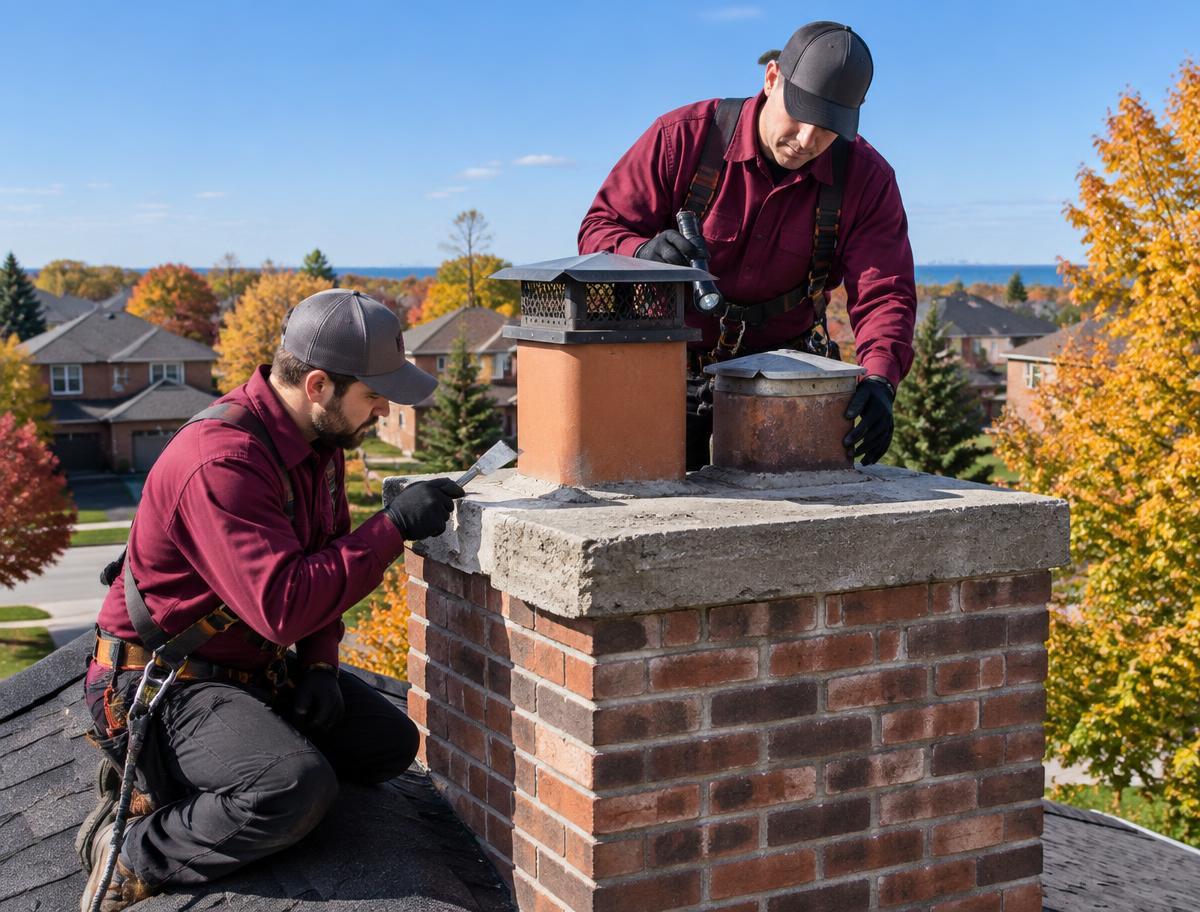
Chimney Safety, Carbon Monoxide Protection, and Building Practices
While chimney flashing is primarily viewed as a waterproofing concern, water ingress closely correlates with vital heating and fire safety. Water leaking past flashing frequently seeps into interior masonry flues, eroding clay flue liners and degrading internal mortar joints. A broken flue liner allows dangerous flue gases, including invisible carbon monoxide, to leak into attic cavities or living spaces rather than venting outdoors.
Markham Chimney Services follows established CSA and WETT-style best practices across all chimney repair projects, treating every venting structure with rigorous safety awareness. When chimney water damage is detected, we strongly advise homeowners to verify that operational carbon monoxide alarms and smoke detectors are installed on every floor of the home, especially near sleeping areas. Early detection devices provide irreplaceable peace of mind.
Proper clearance between combustible building materials and masonry chimneys must also be maintained during roof flashing repairs. We take care never to drive fasteners through critical clearance zones or trap moisture against wooden framing members. Maintaining dry, code-compliant chimney systems protects both structural longevity and household respiratory safety for your family.
- Protecting clay and metal flues from water-induced cracking and deterioration
- Promoting dual-sensor smoke and carbon monoxide alarms on all living levels
- Maintaining required structural clearances between wood framing and masonry
- Adhering to recognized CSA and WETT-style safety guidelines on every project
Selecting the Right Chimney Specialist in Markham
Many general roofers offer flashing services, but they frequently treat chimney waterproofing like standard roof valleys, relying on caulking or adhesive tape instead of traditional masonry reglet cutting. Conversely, general masons may understand brickwork but lack sheet-metal fabrication tools. Chimney flashing sits at the specialized intersection of both trades, demanding a contractor experienced in masonry movement, sheet metal craft, and roofing mechanics.
When vetting professionals across Markham and the Greater Toronto Area, always ask how they anchor counter flashing to the chimney stack. If a contractor proposes gluing metal to the face of the brick with silicone or roofing mastic, decline their proposal. Reliable specialists cut mechanical joints into the mortar and secure flashing with metal wedges, ensuring true mechanical anchoring that outlasts seasonal weather cycles.
Choose an independent chimney service company that provides transparent, detailed assessments and stands behind its craftsmanship. Markham Chimney Services operates from our local base at 4418 Highway 7 East, bringing dedicated local expertise, meticulous attention to detail, and genuine pride of workmanship to every roofline we protect. We focus on durable, permanent solutions rather than superficial repairs.
- Look for true mechanical reglet insertion rather than surface glue
- Confirm expertise across both masonry restoration and custom metalwork
- Demand clear, detailed scopes of work without vague hidden fees
- Work with established local professionals who understand regional weather
Average pricing in Markham
$450 – $1,850
- Inspection / diagnostic
- $129 – $199
- Typical time on site
- 3 to 6 hours for most residential single-flue chimney installations
- Parts and materials
- Sheet metal stock, high-performance polyurethane sealants, lead wedges, and replacement shingles or roof decking
- What moves the price
- Chimney size, footprint width, and need for a roof cricket · Roof pitch, height, and overall access difficulty · Condition of surrounding masonry mortar joints and underlying roof decking
Estimated local market range, not a quote. All estimates are in Canadian dollars and exclude 13% Ontario HST. Your exact price is confirmed before any work begins.