

Your chimney flue serves as the vital exhaust corridor for your home heating appliances and traditional fireplaces. Tucked inside your masonry structure, this smooth passage safely guides volatile smoke, corrosive combustion gases, and extreme heat out of your living space. When a flue is sound, your fireplace draws properly, fuel burns cleanly, and indoor air stays fresh. However, older homes across Markham often hide cracked clay tiles, missing mortar joints, or deteriorated liners that compromise both heating performance and structural fire safety.
Markham Chimney Services provides thorough, honest flue care from our base at 4418 Highway 7 East. Whether you live in an established brick home in Unionville, a classic mid-century bungalow in Cornell, or anywhere throughout the Greater Toronto Area (GTA), our team inspects, diagnoses, and repairs damaged flue systems with practical care. We focus on durable craftsmanship suited to our local climate, ensuring your fireplace or heating appliance vents reliably through the coldest winter nights.
Chimney Flue Services: visit summary
Chimney Flue Services: caps, crowns, dampers, flashing and liners checked and serviced so the chimney drafts and seals properly. Serving Markham and the Greater Toronto Area (GTA). The estimated local market range is $450 – $3,200, not a fixed company rate. The final scope and quote are confirmed before work begins.
| Estimated market range | $450 – $3,200. All estimates are in Canadian dollars and exclude 13% Ontario HST. |
|---|---|
| Typical time | 2 to 8 hours depending on chimney height, accessibility, and repair scope |
| Price factors | Total chimney height and number of stacked flue tiles requiring repair or relining; Accessibility of the roofline, chimney stack pitch, and internal flue clearance; Type of appliance being connected, including wood-burning, high-efficiency gas, or oil |
| Routine signs to discuss | Spalling Flue Tile Debris; Smoke Spillage Indoors; Persistent Soot or Acid Smells; White Stains on Chimney Brick; Staining on Interior Drywall; Visible Creosote Glaze |
Understanding Your Chimney Flue and Lining System
A chimney flue is the interior conduit that vents exhaust gases and smoke generated by burning wood, natural gas, or oil. While many people think of a chimney simply as an exterior brick column, the internal flue is where the critical thermal dynamics occur. Without a properly constructed and sealed flue lining, intense heat and acidic combustion by-products would seep directly into your surrounding structural framing, attic joists, and living areas.
Most masonry chimneys built across Markham over the decades feature clay tile liners, rectangular or square sections stacked inside the brickwork with mortar joints. Modern updates often introduce stainless steel liners, specifically engineered to withstand acidic condensates from high-efficiency furnaces or intense heat from airtight wood inserts. Alternatively, poured-in-place masonry liners reinforce older multi-flue chimneys that lack modern clearances, creating a smooth, insulated channel from appliance to termination cap.
The overall shape, cross-sectional area, and height of your flue directly dictate how well your chimney draws. If the flue is too wide for your appliance, exhaust gases cool too quickly, dropping heavy creosote deposits along the walls and causing smoke to spill back into the room. If it is too narrow, the appliance chokes on its own exhaust. Professional flue services ensure that your liner is sized accurately, structurally intact, and appropriate for your heating fuel.
- Directs toxic combustion by-products and carbon monoxide safely outdoors
- Prevents intense heat transfer to surrounding combustible building materials
- Protects exterior masonry from acidic moisture produced during fuel combustion
- Establishes the steady upward draught required for clean and efficient fires
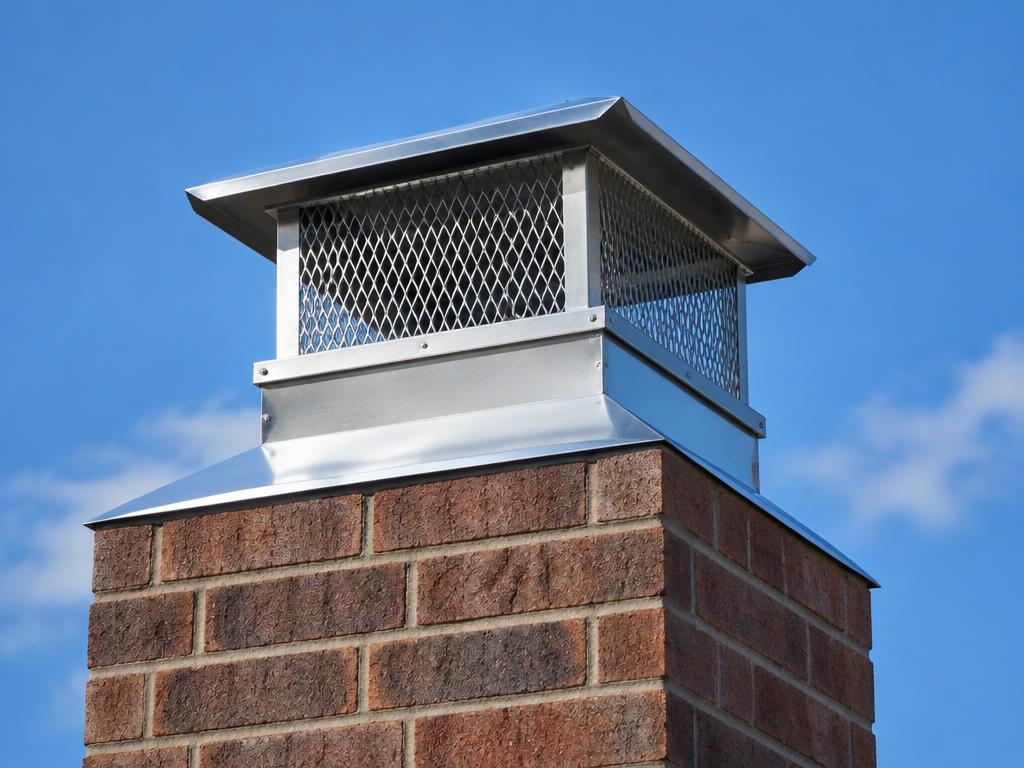
Protecting your home and family with dependable chimney flue repairs, relining, and safety assessments.
Self-check
Warning signs you need chimney flue services
Spalling Flue Tile Debris
Finding broken pieces of red clay or crumbled ceramic tile on your damper, fireplace floor, or basement clean-out door indicates severe freeze-thaw damage inside the flue.
Smoke Spillage Indoors
Smoke rolling back into your living room rather than rising cleanly through the chimney points to poor draft, dangerous internal blockages, or an improperly sized flue liner.
Persistent Soot or Acid Smells
Sour, acrid, or musty campfire odours drifting through your home during wet or humid weather suggest heavy creosote accumulation or moisture trapped inside deteriorating flue walls.
White Stains on Chimney Brick
Chalky white efflorescence on exterior brickwork signals that water and flue condensation are soaking through broken interior liners, pushing dissolved mineral salts outward through the masonry.
Staining on Interior Drywall
Dark, discoloured patches or peeling paint on ceilings and walls adjacent to your chimney stack indicate moisture and acidic exhaust gases escaping through cracked flue joints.
Visible Creosote Glaze
Thick, shiny, glass-like tar dripping past the damper plate shows third-degree creosote buildup, presenting an immediate chimney fire risk that requires professional remediation.
The Harsh Ontario Freeze-Thaw Cycle and Flue Deterioration
The climate across Markham presents severe challenges for residential masonry chimneys. During late autumn, winter, and early spring, temperatures regularly swing above and below the freezing mark, sometimes within a matter of hours. When rain, sleet, or melted snow enters an unsealed flue opening or penetrates porous brickwork, that water inevitably freezes. As water turns to ice, it expands by approximately nine percent, exerting immense hydraulic pressure on clay tiles and mortar joints.
Clay flue tiles are particularly vulnerable to this repetitive expansion and contraction. Over time, micro-fissures develop into large structural cracks, causing the face of the tile to flake off in a process known as spalling. You may notice reddish ceramic shards collecting on your fireplace damper or in the clean-out door in your basement. When the flue tile breaks down, gaps open between the tiles, allowing toxic combustion gases to enter the interstitial space between the flue and structural framing.
Compounding this issue is the high moisture content of combustion exhaust itself. Burning wood or gas releases significant quantities of water vapour. When warm flue gases hit freezing masonry near the top of the chimney stack, rapid condensation occurs. This acidic condensate eats away at lime mortar and porous clay tiles from the inside out. Without timely intervention, freeze-thaw deterioration compromises the entire stack, leading to expensive structural rebuilds.
- Water expands inside small micro-fissures during freezing weather, breaking clay tiles
- Acidic condensation eats away at interior mortar joints between stacked flue liners
- Spalling clay fragments drop down, creating hazardous blockages inside the exhaust path
- Unprotected flue tops allow rain and snow direct access to fragile interior walls
Common Causes of Flue Damage and Deterioration
While weather is a primary antagonist in Ontario, several internal factors contribute to flue failure. Excessive creosote accumulation ranks among the most frequent hazards. When unseasoned firewood burns at low temperatures, unburned hydrocarbons and moisture condense onto the cool flue walls as sticky, tar-like creosote. In addition to being highly flammable, creosote is chemically corrosive, slowly degrading clay and mortar surfaces over successive heating seasons.
Sudden, localized chimney fires also cause catastrophic flue damage. When creosote ignites inside the flue, internal temperatures can exceed one thousand degrees Celsius within minutes. This extreme thermal shock causes rigid clay tiles to crack, shatter, or split longitudinally. In many cases, homeowners experience a small, contained flue fire without realizing it occurred, only discovering the broken tiles during a subsequent visual examination.
Natural foundation settling and historical building movement further stress rigid flue systems. As Markham homes settle over decades, masonry chimneys shift slightly. Because clay tiles are brittle, structural movement shears the mortar bonds between liners. Additionally, upgrading a home furnace or water heater to a high-efficiency model without relining the chimney can cause severe condensation damage, because cooler exhaust gases no longer warm the oversized brick chimney sufficiently.
- Burning unseasoned, damp firewood that produces corrosive, thick creosote
- High-temperature thermal shock from minor or unnoticed chimney flue fires
- Shifting house foundations shearing rigid, non-flexible clay mortar joints
- Mismatched heating appliances venting into oversized, uninsulated chimney passages
Our Thorough Flue Inspection and Assessment Process
Every flue service begins with a systematic inspection from the appliance level right up to the chimney crown. We believe in diagnosing the root cause of draft or deterioration issues before recommending repairs. We begin in your living room or mechanical room, examining the fireplace throat, smoke chamber, damper mechanism, and appliance connection pipes for signs of soot buildup, rust, loose mortar, or poor clearances to combustible trim.
To evaluate the hidden interior of your chimney flue, we utilize high-resolution closed-circuit chimney cameras. We lower an illuminated, rotating camera down the entire length of the flue, inspecting every individual clay tile and mortar joint from top to bottom. This diagnostic method reveals hairline fractures, missing mortar bands, tile misalignment, and hidden creosote layers that are completely invisible from either the hearth or the rooftop with a standard flashlight.
Once our visual and camera assessment is complete, we provide you with a clear, straightforward explanation of our findings. We document issues using high-resolution images, showing you the exact condition of your flue so you can make informed decisions. We explain whether your chimney requires joint repointing, specialized surface resurfacing, or a modern stainless steel liner installation, providing upfront estimates without pressure.
- Full visual assessment of fireplace throat, damper, and appliance connectors
- High-resolution video camera scan from the top of the stack down to the hearth
- Identification of hairline cracks, spalling clay, missing mortar, and blockages
- Detailed review of photographic evidence with practical, clear recommendations
"I needed a new chimney cap. The installer arrived in Angus Glen, walked me through cap options, and fitted the perfect one with care. Cleanup was spotless and now I feel protected against rain and pests."

Our process
How we handle your chimney flue services, step by step
- 1
Arrival and Site Protection
We lay down drop sheets and setup high-filtration containment vacuums in your hearth area, ensuring your floors, furniture, and indoor air remain completely clean throughout.
- 2
High-Definition Camera Scan
We run an illuminated, full-rotation camera through the entire vertical length of the flue, examining every joint, liner tile, and transition point for cracks or voids.
- 3
Mechanical Sweeping and Preparation
We clear away soot, creosote, and debris from the flue walls using specialized brushes and rods, creating a clean, unobstructed surface for accurate assessment or repairs.
- 4
Targeted Repair or Relining
Depending on our diagnosis, we seal deteriorating joints with refractory mortar or install a custom-fitted, fully insulated stainless steel liner matching your specific heating appliance.
- 5
Final Draft and Smoke Test
We verify airtight appliance connections, inspect the chimney cap and top seal, and conduct a controlled draft test to guarantee safe, optimal exhaust performance.
Comprehensive Flue Repair and Relining Solutions
When flue tiles suffer from localized joint deterioration or minor surface decay, complete replacement is not always required. In cases where the clay tiles remain structurally sound, we can apply specialized ceramic refractory compounds using targeted joint-repair applicator systems. This process coats and seals open mortar joints, restores a smooth interior surface, and halts further moisture intrusion without altering the internal dimensions of the flue.
For chimneys with shattered tiles, severe spalling, or altered appliance configurations, installing a high-grade stainless steel liner is the industry standard for safety and durability. We supply and fit heavy-gauge, corrugated flexible or rigid stainless steel liners engineered specifically for residential solid fuel, natural gas, or oil applications. Stainless steel provides a seamless, gas-tight exhaust passage that resists acidic moisture and handles intense thermal expansion with ease.
A proper relining project involves more than sliding a pipe into a brick column. We ensure the new liner is properly insulated with ceramic wool blankets or poured insulating aggregate, keeping exhaust gases hot all the way to the top. Hot gases rise faster, which dramatically improves draft, prevents interior condensation, and minimizes creosote formation. We finish the installation with custom top-sealing plates, storm collars, and durable rain caps to keep wildlife and water out.
- Precision refractory joint sealing for chimneys with minor mortar erosion
- High-grade stainless steel relining tailored to wood, gas, or pellet appliances
- Proper thermal insulation wraps to improve chimney draft and reduce creosote
- Custom-fitted top plates and heavy-gauge caps to prevent future water intrusion
Critical Flue Safety: Carbon Monoxide and Household Protection
A compromised chimney flue is far more than an efficiency issue; it is a serious household safety hazard. When an internal flue liner cracks or separates, carbon monoxide and other toxic combustion gases can migrate through porous brickwork into attic spaces, wall cavities, and adjacent bedrooms. Because carbon monoxide is completely colourless, odourless, and tasteless, family members often experience headaches, nausea, or dizziness without realizing the cause.
We strongly advise every Markham homeowner to install working, audible carbon monoxide alarms on every living level of their residence, particularly outside all sleeping areas. These units should be tested monthly, and batteries replaced twice each year. If you notice this, stop using the appliance and call Markham Chimney Services at (365) 362-5190.
Our team follows strict safety protocols and practical guidelines inspired by CSA standards and WETT-style best practices, ensuring your heating system maintains proper clearances and adequate draft. We verify that your chimney creates sufficient negative pressure to exhaust toxic fumes reliably under various atmospheric conditions, protecting your household against dangerous backdrafting and smoke spillage during cold Ontario cold snaps.
- Install and test carbon monoxide alarms outside every sleeping area and on all levels
- Never ignore unexplained draft reversal, chronic smoke smells, or soot smudges
- Ensure airtight appliance connections to eliminate dangerous gas leakage
- Adhere to rigorous safety clearances from combustible framing and roof decking

Practical Flue Maintenance for Markham Homeowners
Keeping your chimney flue in peak operating condition requires practical burning habits and regular seasonal care. Always burn properly seasoned hardwoods like maple, oak, or ash that have dried under shelter for at least six to twelve months. Wet or freshly cut green wood wastes combustion energy boiling off moisture, creating cool, sluggish smoke that coats your flue in stubborn creosote and accelerates acid corrosion on clay and steel.
Avoid using your fireplace as an incinerator for household garbage, painted lumber, gift wrap, or pressure-treated wood. Burning treated wood releases toxic chemical fumes into your neighbourhood and coats your flue walls with caustic chemicals that rapidly degrade mortar and stainless steel. Instead, use clean kindling and untreated softwood sticks to build hot, fast fires that heat the flue quickly, establishing a robust upward draft from the start.
Establish an annual routine of inspecting and sweeping your chimney flue before the heating season begins in autumn. Clearing away spider webs, bird nests, and minor soot buildup guarantees that your system is unobstructed when freezing temperatures arrive. Between fires, ensure your fireplace damper seals securely so that valuable warm indoor air does not escape up the chimney stack when your heating system is running.
- Burn only seasoned, dry hardwood with a moisture content below twenty percent
- Never burn painted, treated wood, cardboard, or synthetic household trash
- Schedule an annual autumn chimney sweep and flue inspection before lighting fires
- Check that your throat or top-mount damper closes completely during summer months
How to Choose a Qualified Chimney Contractor in Markham
Selecting the right professional to service or reline your chimney flue is essential for long-term peace of mind. Chimney work combines structural masonry, metal fabrication, and fire safety principles. When researching local contractors, seek out established, independent service companies with deep experience dealing with the specific architectural housing styles and weather conditions found across Markham and surrounding neighbourhoods.
Always demand transparent, itemized written quotes that outline the exact scope of work, including preparation, debris removal, materials, and warranty coverage. Avoid companies that use aggressive door-to-door sales tactics or offer unbelievable discounts following a brief glance at your roof. A reputable contractor will gladly show you diagnostic camera footage or clear photographic evidence of damaged flue tiles before asking you to commit to substantial repairs.
Confirm that your prospective contractor carries comprehensive commercial general liability insurance and active workplace safety coverage. Do not hesitate to ask detailed questions about their methods, how they protect your indoor living space from soot during service, and the quality of stainless steel alloys they install. An honest, skilled chimney contractor will take the time to answer your questions thoroughly and treat your home with care.
- Verify full commercial general liability insurance and worker safety coverage
- Insist on seeing visual proof or camera inspections before approving major work
- Choose an independent, local service provider familiar with Ontario housing
- Look for clear, written estimates detailing materials, labour, and timelines
Average pricing in Markham
$450 – $3,200
- Inspection / diagnostic
- $149 – $289
- Typical time on site
- 2 to 8 hours depending on chimney height, accessibility, and repair scope
- Parts and materials
- Stainless steel liners, insulation blankets, top-mount dampers, chimney caps, and refractory mortar compounds
- What moves the price
- Total chimney height and number of stacked flue tiles requiring repair or relining · Accessibility of the roofline, chimney stack pitch, and internal flue clearance · Type of appliance being connected, including wood-burning, high-efficiency gas, or oil
Estimated local market range, not a quote. All estimates are in Canadian dollars and exclude 13% Ontario HST. Your exact price is confirmed before any work begins.