
Your chimney liner serves as the primary barrier between intense combustion heat, acidic exhaust gases, and the combustible wooden framework inside your Markham home. When clay tiles crack, mortar joints erode, or older unlined masonry flues decay, the structural integrity of your entire heating system becomes compromised. At Markham Chimney Services, located at 4418 Highway 7 East, we provide homeowners with dedicated chimney liner repairs, stainless steel relining, and comprehensive flue restorations. Whether you heat with a traditional wood fireplace, a modern gas insert, or a mid-efficiency oil furnace, a properly sized and undamaged chimney liner is critical to safeguarding your family from carbon monoxide intrusion and hazardous house fires.
Homes across Unionville, Bayview Glen, Angus Glen, and nearby pockets often feature older brick masonry chimneys built during periods when venting guidelines were far less rigorous than today. Decades of exposure to Ontario weather, combined with the natural condensation of furnace exhaust and fireplace smoke, lead to hidden flue deterioration that cannot be seen from the ground. We focus on diagnosing flue distress early, matching modern relining materials to your specific heating appliances, and restoring safe draft performance. Our independent technicians bring practical craftsmanship and transparent guidance directly to your door, ensuring your chimney operates smoothly through every cold winter evening.
Chimney Liner Services: visit summary
Chimney Liner Services: caps, crowns, dampers, flashing and liners checked and serviced so the chimney drafts and seals properly. Serving Markham and the Greater Toronto Area (GTA). The estimated local market range is $1,850 – $4,200, not a fixed company rate. The final scope and quote are confirmed before work begins.
| Estimated market range | $1,850 – $4,200. All estimates are in Canadian dollars and exclude 13% Ontario HST. |
|---|---|
| Typical time | 1 to 2 days on site |
| Price factors | Chimney height, total flue runs, and number of bends or offsets; Liner diameter and alloy grade required for wood versus gas venting; Need for clay tile breakout or structural masonry repairs prior to relining |
| Routine signs to discuss | Chunks of Clay Tile in Hearth; White Powdery Stains on Chimney Brick; Persistent Smoke Ingress During Fires; Strong Acidic or Chemical Odours; Deteriorating Mortar or Spalling Bricks; Carbon Monoxide Alarm Triggers |
Understanding Your Chimney Liner and How It Works
A chimney liner is an internal conduit installed inside your chimney to channel smoke, moisture, and combustion gases safely out through the top of the flue. In older brick chimneys, this liner historically consisted of square or rectangular terra-cotta clay tiles stacked end-to-end with refractory mortar. In modern retrofits, liners are frequently flexible or rigid stainless steel pipes surrounded by specialized insulation blankets. Regardless of the material, the liner ensures that intense heat cannot transfer directly into surrounding wall studs, attic floors, or roof rafters, which would otherwise ignite through long-term thermal pyrolysis.
Beyond thermal protection, a liner protects the structural masonry of the chimney itself. Burning wood, gas, or heating oil produces chemical byproducts including sulfur dioxide, water vapour, and unburned hydrocarbons. When these acidic vapours travel upward, they cool and condense against the flue walls. An intact liner stops this corrosive moisture from soaking into porous brick and mortar joints. Without a functioning barrier, the acidic moisture dissolves the cement matrix between the bricks, causing the chimney structure to soften, lean, and crumble from the inside out.
The third critical function of a liner is maintaining proper flue sizing to generate adequate draft. If a flue is too large for the connected appliance, exhaust gases cool too rapidly, creating a sluggish draft that pushes smoke and carbon monoxide back into living spaces. Installing a correctly sized liner creates a tight, smooth passageway that accelerates exhaust velocity, minimizes creosote buildup, and ensures that your heating equipment operates at its intended efficiency level throughout the heating season.
- Shields surrounding combustible framing from extreme heat transfer
- Prevents corrosive exhaust moisture from destroying internal masonry
- Optimizes draft velocity to prevent sluggish airflow and smoke spillage
- Reduces creosote accumulation by maintaining warmer internal flue temperatures
- Provides a seamless venting passage tailored to your specific heating appliance
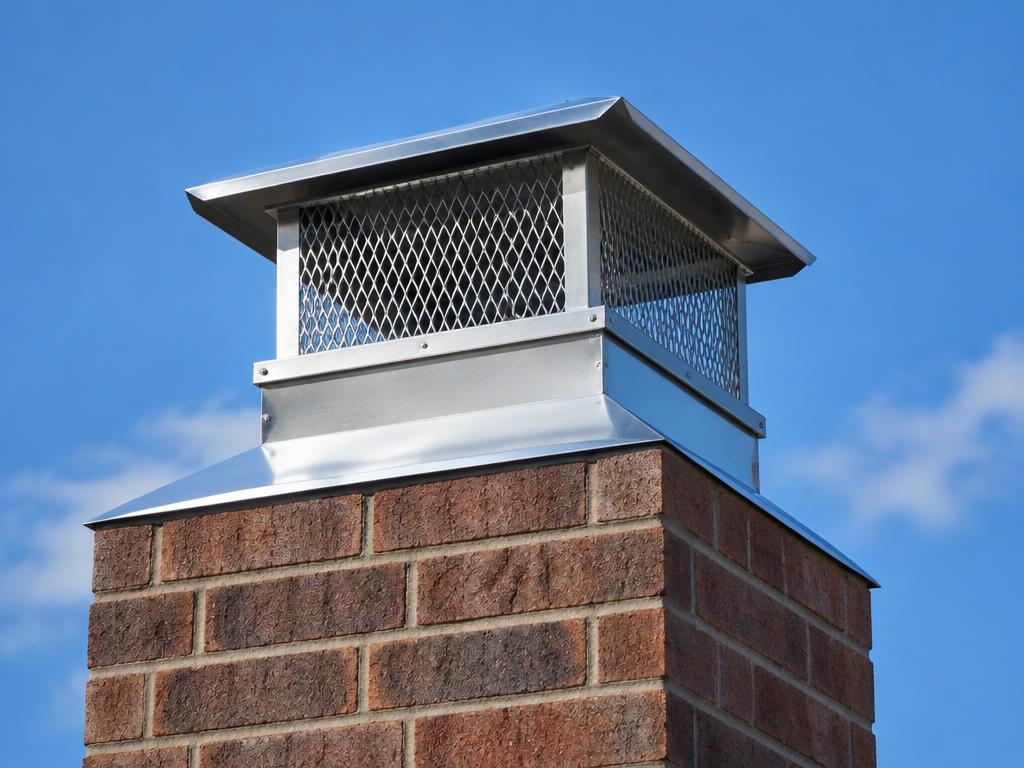
Restoring flue integrity, protecting interior masonry, and keeping your Markham home safe all winter long.
Self-check
Warning signs you need chimney liner services
Chunks of Clay Tile in Hearth
Finding reddish pieces of broken terra-cotta tile or clay powder in your fireplace hearth or furnace cleanout indicates that your flue liner is spalling and actively breaking down inside.
White Powdery Stains on Chimney Brick
White mineral staining, known as efflorescence, on the exterior brickwork reveals that moisture and acidic flue gases are seeping through cracked internal liners and evaporating through the masonry.
Persistent Smoke Ingress During Fires
If smoke regularly spills back into your living room rather than drafting smoothly up the chimney, your flue may be improperly sized, obstructed by fallen liner debris, or structurally collapsed.
Strong Acidic or Chemical Odours
Pungent, sour, or burnt barbecue odours lingering near fireplaces or in basements indicate that corrosive combustion condensation is penetrating unlined brickwork and seeping into interior living spaces.
Deteriorating Mortar or Spalling Bricks
Exterior chimney bricks that flake, crack, or lose their surface faces often suffer from internal moisture saturation caused by a damaged or non-existent chimney liner that traps freezing condensation.
Carbon Monoxide Alarm Triggers
Any activation of a household carbon monoxide alarm while a furnace, boiler, or fireplace is running requires an immediate emergency check of the chimney liner for dangerous blockages or ruptures.
The Impact of Ontario Freeze-Thaw Cycles on Flues
Markham experiences dramatic temperature swings from late autumn through early spring, with repeated freeze-thaw cycles that place immense mechanical stress on chimney structures. When exterior temperatures plunge below zero overnight and climb above freezing in the afternoon, any moisture trapped inside the chimney expands by roughly nine percent as it turns to ice. If your chimney liner has hairline fractures, water vapour from furnace exhaust or rain penetration settles into those microscopic cracks, gradually splitting the terra-cotta tiles wide open.
Gas furnaces and water heaters create an additional challenge in cold weather because high-efficiency equipment extracts more heat indoors, leaving exhaust gases relatively cool. These cool exhaust gases carry high amounts of moisture that condense before they can escape the chimney top. In unlined or improperly lined chimneys, this condensation saturates the upper metres of masonry. The freezing temperatures outside freeze that liquid instantly, leading to spalling bricks, dislodged flue tiles, and deteriorating mortar joints that quickly become structural hazards.
During prolonged winter cold snaps, a cracked liner allows sub-zero air to infiltrate the chimney cavity, creating massive temperature differentials across the flue wall. When you suddenly light a hot wood fire in your hearth, the thermal shock causes brittle clay liners to fracture violently. Relining your chimney with high-grade stainless steel paired with mineral insulation shields the surrounding masonry from these thermal shocks, keeping the flue resilient against the harshest southern Ontario winters.
- Expanding ice breaks fractured clay flue tiles into dislodged chunks
- Cool gas furnace exhaust causes high condensation in cold flues
- Rapid thermal shock from lighting fires in sub-zero weather splits tiles
- Moisture migration causes efflorescence and spalling along exterior masonry
- Insulated stainless steel relining stabilizes internal chimney temperatures
Root Causes of Chimney Liner Deterioration
Chimney liners fail for several distinct reasons, beginning with natural material aging. Clay tiles were never meant to last indefinitely under modern heating conditions. Over several decades, the mortar joints between clay sections degrade due to the acidic wash of combustion byproducts. Once these joints open up, heat and gases escape into the dead space between the tile and the surrounding brickwork, slowly baking adjacent wooden framing and weakening the structural integrity of the home.
Chimney fires, even brief ones that go unnoticed by the homeowner, are another leading cause of sudden liner failure. When accumulated creosote ignites inside a wood-burning flue, temperatures can exceed one thousand degrees Celsius in seconds. Terra-cotta clay tiles cannot tolerate that extreme heat spike and will crack longitudinally or shatter completely. Once a flue tile is cracked by a chimney fire, it can no longer contain sparks or hot gases safely and must be relined before the fireplace can be used again.
Improper appliance venting conversions also accelerate liner failure across Markham. Decades ago, many homes converted from oil to gas heat while continuing to vent into existing, oversized masonry flues without installing a modern metal sleeve. The acidic condensation from gas appliances rapidly ate through the old mortar and clay walls. Mechanical settling of the home, minor seismic shifts, and foundation movements over time can also shift chimney stacks, shearing rigid clay tiles out of alignment.
- Age-related erosion of mortar joints between original terra-cotta sections
- Thermal shock and longitudinal splitting caused by localized creosote fires
- Acidic condensation from furnace conversions eating unlined brickwork
- Structural settling of the foundation shifting the vertical chimney stack
- Physical damage caused by water ingress, missing chimney caps, or nesting pests
Modern Liner Solutions: Stainless Steel and Rigid Systems
When restoring a compromised flue, homeowners have several engineered options available. The gold standard for residential masonry retrofits across our region is a factory-tested stainless steel liner. For wood-burning fireplaces and wood stoves, high-grade 304 or 316Ti stainless steel liners are installed. The inclusion of titanium and molybdenum in 316Ti alloys provides superior resistance to extreme heat, creosote acids, and moisture corrosion, making it exceptionally reliable for long-term residential use.
For chimneys venting natural gas or propane appliances, corrugated aluminum or 316-grade stainless steel flexible liners are commonly deployed. While aluminum liners are sometimes used for specific low-temperature gas applications, stainless steel remains the preferred choice for its physical durability, corrosion resistance, and longevity. Rigid stainless steel pipes are frequently selected for straight flues with generous clearance, offering the smoothest possible interior surface to maximize mechanical draft and simplify routine sweeping.
Proper insulation is an indispensable component of every metal relining project. Slipping a bare metal tube down a cold brick chimney can recreate draft problems because exhaust gases lose heat too quickly through the thin metal. Wrapping the liner in an approved ceramic fiber or mineral wool insulation blanket maintains high interior flue temperatures. This prevents condensation, minimizes creosote formation, and provides an essential thermal buffer that protects the surrounding structural framing of your home.
- Flexible 316Ti stainless steel liners ideal for chimneys with offsets or bends
- Rigid stainless steel pipe systems for optimal draft in straight flue passages
- Dedicated gas venting liners designed to handle low-temperature acidic moisture
- Certified ceramic insulation wraps that keep flue gases hot and drafting smoothly
- Custom top plates and termination caps engineered to seal out rain and wind
"I discovered odd odours coming from my chimney and booked a deodorizing treatment Downtown. They applied a specialized solution, sealed minor cracks, and eliminated the smell completely. My living room feels fresh again."
Our process
How we handle your chimney liner services, step by step
- 1
Comprehensive Camera Assessment
We run high-definition video cameras through your flue, cataloguing cracks, mortar loss, and measurements while assessing exterior masonry condition.
- 2
Flue Preparation and Cleaning
Our technicians sweep away creosote buildup, clear loose debris, and remove broken clay tiles to ensure an unobstructed passage for the new liner.
- 3
Custom Sizing and Insulation
We cut premium stainless steel liner to exact lengths and wrap it with thermal ceramic insulation blanket to maintain optimal draft temperatures.
- 4
Liner Insertion and Connection
The insulated liner is carefully guided down the chimney stack and secured to your appliance or fireplace throat with heavy-duty stainless fittings.
- 5
Top Plate and Cap Sealing
We crown the chimney with an all-weather stainless top plate and spark-arresting cap, testing draft performance before leaving your home spotless.
Our Thorough Flue Inspection and Assessment Protocol
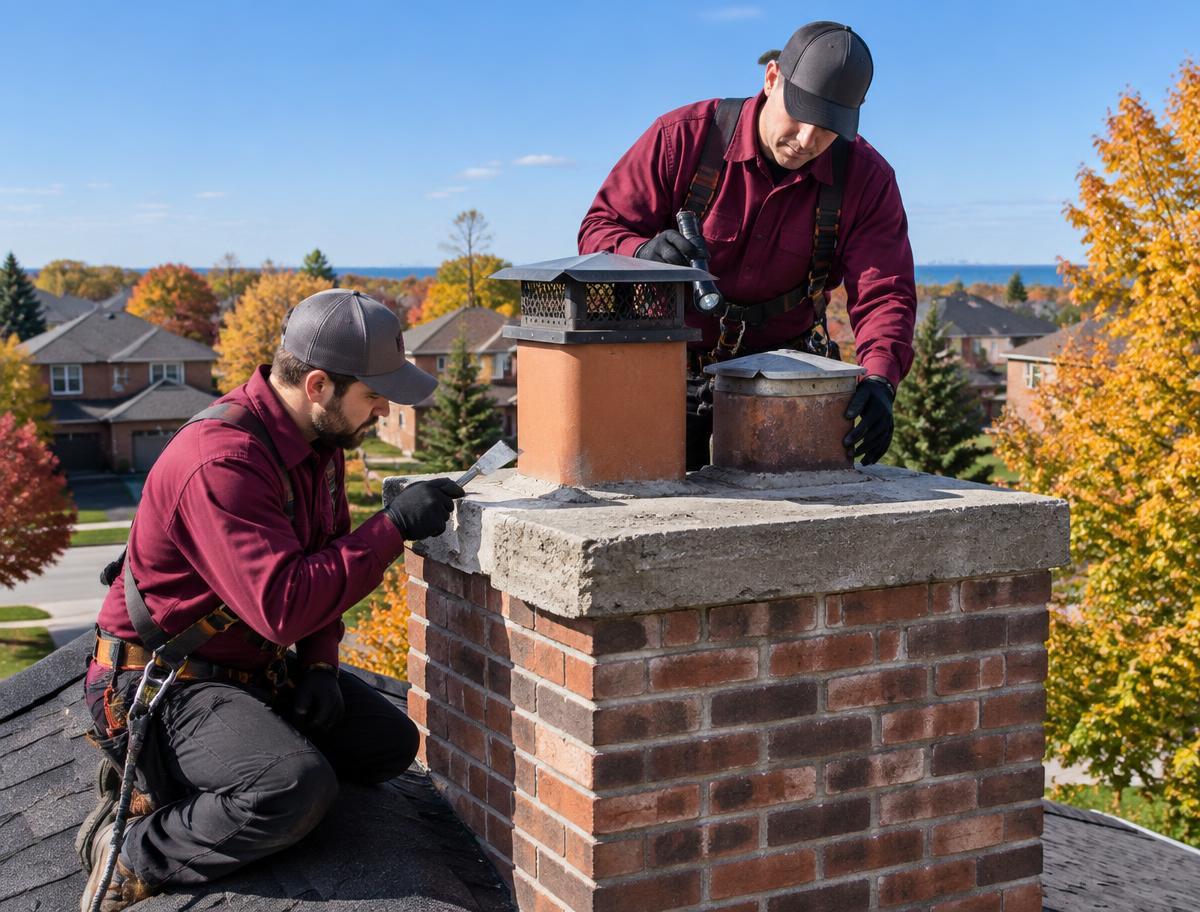
Diagnosing the internal condition of a chimney requires specialized equipment and careful evaluation. When our team visits your property, we do not simply glance up the chimney throat with a handheld flashlight. We conduct a systematic assessment that begins with an examination of the exterior masonry, checking for telltale signs of internal moisture damage such as white efflorescence salts, spalling brick faces, or cracking along the chimney crown.
We then perform an internal video inspection of the flue passages using high-definition, lighted chimney cameras. We lower the camera slowly through the entire length of the flue, inspecting every individual clay tile section, joint, and connection. This allows us to spot hairline fractures, missing mortar joints, dangerous creosote glaze, and structural blockages that are completely invisible from the hearth or roofline. We document our findings so you can see the precise condition of your flue firsthand.
Finally, we assess your connected appliances and venting dimensions. We evaluate whether your furnace, water heater, or fireplace opening matches the cross-sectional area of the flue. Sizing calculations are verified against regional safety codes to confirm that replacement liners will provide adequate draft velocity without causing backdrafting or appliance operational faults. Following this thorough evaluation, we present a straightforward written estimate detailing the exact relining approach your home requires.
- Detailed exterior masonry and chimney crown condition assessment
- Full-length interior video camera scanning of flue tiles and mortar joints
- Draft evaluation and appliance combustion air intake verification
- Precise flue diameter sizing calculations based on heating appliances
- Transparent written reports outlining observed defects and relining options
Precision Liner Installation and Sizing Standards
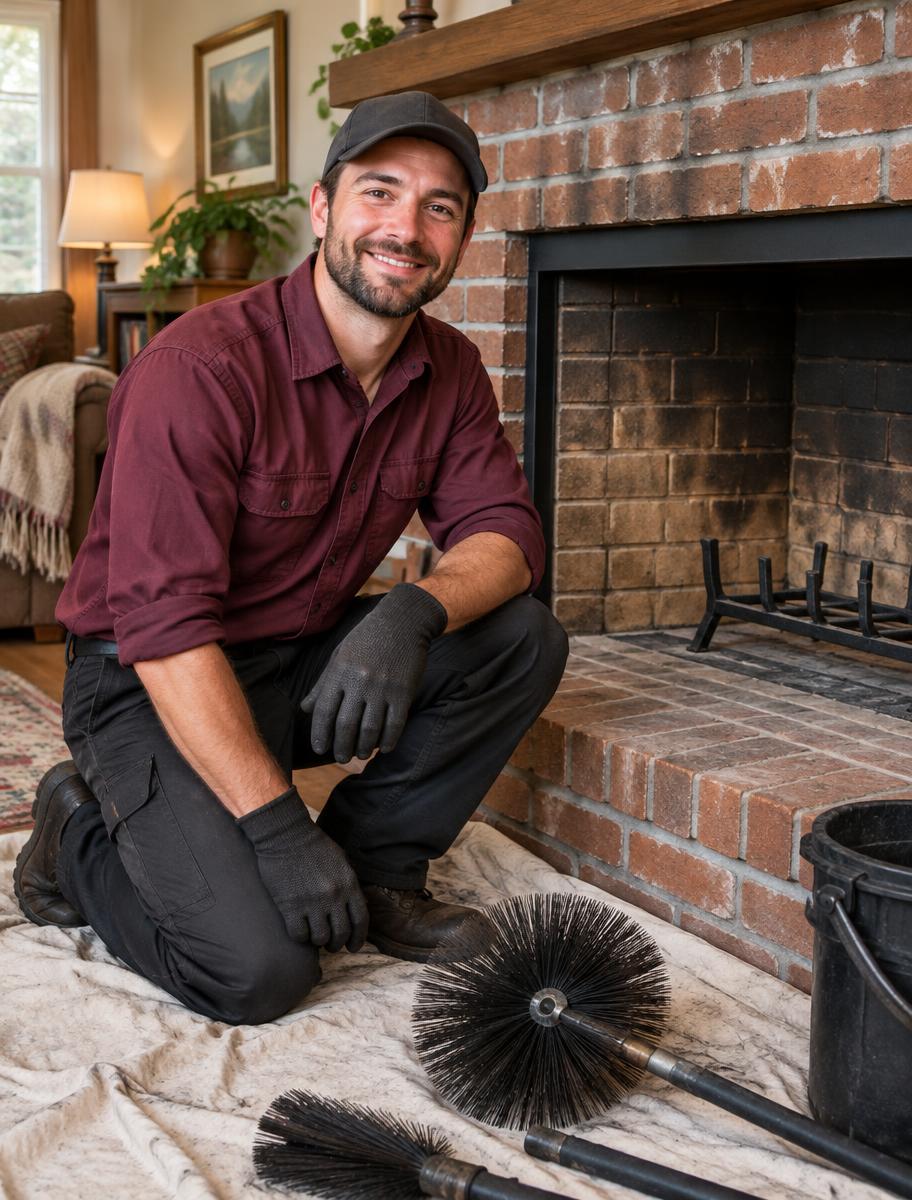
Installing a chimney liner requires precision, physical skill, and strict adherence to proven safety standards. The process begins with preparing the home and work area. We lay down heavy drop cloths across your living spaces, seal off fireplace openings, and set up dust collection systems to ensure no soot, debris, or insulation dust enters your home. If an existing clay liner is severely broken or obstructing the flue cavity, we carefully break out damaged tiles using specialized rotary tools before proceeding.
Next, we prepare the stainless steel liner on the ground, measuring the exact vertical run of the chimney. We wrap the liner in certified high-temperature insulation blanket, securing it with stainless steel foil tape and external wire mesh to protect the insulation during insertion. The insulated assembly is carefully guided down the chimney from the roof, negotiating bends and offsets without tearing the thermal protective barrier. Proper centering ensures even air spacing around the insulated pipe.
At the base of the chimney, we connect the liner using heavy-gauge stainless steel appliance connectors, tee joints, or hearth connection sleeves, sealing each joint with refractory cement. At the chimney top, we anchor the liner securely to a heavy-gauge stainless steel top plate, allowing for natural thermal expansion and contraction as the liner heats and cools. We finish by installing a stainless steel rain cap with integrated spark arrestor screens to keep out weather and pests.
- Meticulous interior room protection using runners, drop cloths, and vacuums
- Removal of internal obstructions and fractured clay tile remnants
- Wrapping and securing approved thermal insulation blankets around the metal liner
- Secure mechanical connections at the hearth throat or furnace breach with sealant
- Top plate anchoring with expansion allowances and heavy-gauge rain caps
Flue Safety, Fire Clearances, and Carbon Monoxide Prevention
Chimney liner failures pose two immediate life-safety risks: structural house fires and silent carbon monoxide poisoning. When wood burns, creosote builds up along flue walls. If that creosote ignites inside a damaged liner, temperatures can exceed eleven hundred degrees Celsius, allowing flames to pass through tile gaps and ignite hidden wood framing behind your drywall. An insulated, continuous stainless steel liner contains that heat, preventing dangerous thermal conduction to your building structure.
For gas and oil heating appliances, a failing liner creates a severe risk of carbon monoxide backdrafting. Carbon monoxide is a colourless, odourless, and tasteless gas that can cause severe illness or death before occupants realize it is present. When a flue is blocked by collapsed clay tiles or cannot draft properly due to excessive flue diameter, furnace exhaust backs up through the draft hood into basements and living quarters. A properly lined and sealed flue guarantees positive exhaust flow out of the building envelope.
In our work across the Greater Toronto Area, we adhere to CSA combustion safety standards and WETT-style best installation practices to verify proper clearances from combustible materials. We always recommend that homeowners maintain operational, battery-backed carbon monoxide alarms on every level of the home, particularly near sleeping areas. Investing in a properly lined chimney flue is one of the most effective measures you can take to keep your household safe from preventable venting disasters.
- Continuous flue walls eliminate sparks escaping into hidden wall cavities
- Zero-gap metallic venting stops carbon monoxide leakage into indoor air
- Adherence to CSA venting standards and WETT-style safety guidelines
- Essential protection against pyrolytic ignition of nearby timber framing
- Recommendation for dual carbon monoxide and smoke alarms on every residential level
Maintaining Your New Liner and Choosing the Right Contractor
A quality stainless steel liner is built to last for decades, but routine maintenance is vital to preserve its performance and warranty coverage. For wood-burning fireplaces, the flue should be professionally swept and inspected annually, or after every cord of wood burned. Metal liners require sweeping with specialized poly bristle brushes rather than stiff steel wire brushes, which can score the smooth interior surface of stainless steel and accelerate future soot buildup.
For chimneys serving gas or oil heating appliances, an annual visual inspection ensures that termination screens remain free of debris, leaves, and hornets nests. We also check the bottom cleanout tee and appliance connection to verify that condensation or soot hasn't accumulated. Keeping your chimney cap securely fastened and inspecting the exterior flashing and crown prevents water from entering the outer chimney chase, preserving both the liner and the surrounding brickwork for years to come.
Selecting the right chimney contractor is critical when replacing or repairing a liner. Chimney relining is specialized technical work that demands knowledge of building codes, combustion dynamics, and proper clearance requirements. Look for established, independent local contractors who carry comprehensive general liability insurance, provide transparent written quotes, and clearly explain the materials they install. Taking the time to choose an experienced team gives you complete peace of mind that your home is safe.
- Schedule annual flue sweeping with poly brushes to avoid scratching stainless steel
- Inspect termination screens each autumn to clear out debris and insect nests
- Verify appliance cleanout tees remain clear of debris and condensation deposits
- Choose an insured, independent local contractor who provides written scopes of work
- Demand high-grade 316Ti or equivalent alloys with manufacturer-backed material warranties
Average pricing in Markham
$1,850 – $4,200
- Inspection / diagnostic
- $189 – $329
- Typical time on site
- 1 to 2 days on site
- Parts and materials
- Stainless steel liner pipe, insulation wrap, top plate, rain cap, tee connector, and masonry sealants quoted transparently.
- What moves the price
- Chimney height, total flue runs, and number of bends or offsets · Liner diameter and alloy grade required for wood versus gas venting · Need for clay tile breakout or structural masonry repairs prior to relining
Estimated local market range, not a quote. All estimates are in Canadian dollars and exclude 13% Ontario HST. Your exact price is confirmed before any work begins.