

A damaged or missing chimney pot can compromise the drafting performance and structural stability of your entire venting system. At Markham Chimney Services, located at 4418 Highway 7 East, we understand how local architectural traditions and extreme weather patterns intersect. Chimney pots are not merely decorative clay cylinders adorning older roofs in Unionville, Angus Glen, and Box Grove Park. They serve as essential terminal components that accelerate flue draft, keep precipitation out of vulnerable masonry liners, and stabilize exhaust airflows. When mortar joints fail or clay surfaces begin to spall, your home becomes vulnerable to internal moisture damage, poor heating efficiency, and hazardous exhaust backdrafts.
Our independent team provides comprehensive chimney pot repair, replacement, and custom installation services designed for the diverse housing stock across Markham and the Greater Toronto Area. Whether you own a classic mid-century home with an aging terracotta flue extension or a modern residence requiring specialized draft-inducing terminal pots, we deliver meticulous craftmanship. We assess the physical condition of the chimney crown, the stability of the support base, and the overall venting dynamics of your heating appliances. By addressing cracked clay, failed haunching mortar, and improper sizing early, we help Markham homeowners protect their property value while maintaining safe, reliable heating operation throughout the coldest winter months.
Chimney Pot Services: visit summary
Chimney Pot Services: caps, crowns, dampers, flashing and liners checked and serviced so the chimney drafts and seals properly. Serving Markham and the Greater Toronto Area (GTA). The estimated local market range is $349 – $1,650, not a fixed company rate. The final scope and quote are confirmed before work begins.
| Estimated market range | $349 – $1,650. All estimates are in Canadian dollars and exclude 13% Ontario HST. |
|---|---|
| Typical time | 2 to 5 hours on site depending on roof access and repair scope |
| Price factors | Roof pitch, height, and overall scaffolding or safety equipment requirements; Whether the current pot can be reset or requires complete replacement sourcing; Extent of secondary masonry decay across the underlying chimney wash crown |
| Routine signs to discuss | Clay Chips on Ground; Visible Tilting or Leaning; Cracked Mortar Haunching; Fireplace Drafting Issues; Dark Efflorescence and Staining; Animal Activity Near Flue |
What Chimney Pots Do and Why They Matter for Your Home
Chimney pots have served a fundamental role in residential chimney architecture for centuries, bridging the gap between utilitarian exhaust removal and exterior home aesthetics. Positioned atop the masonry stack, a chimney pot extends the overall height of the flue terminal. This extra height aids significantly in generating a healthy upward draft, using the natural stack effect to lift combustion gases away from the roofline. By narrowing the exit aperture relative to the main chimney flue, pots also increase flue gas velocity, which prevents cold exterior air from pushing smoke back down into the living areas of your Markham home.
Beyond their impact on internal air pressure and draft stability, chimney pots provide critical protection against environmental elements. A correctly fitted pot acts as a deflector against torrential downpours, wind-driven snow, and turbulent roofline cross-drafts. The unique cylindrical or tapered contour of clay and terracotta pots forces prevailing winds to glance over the top edge rather than driving straight down into the open flue tile. This aerodynamic deflection keeps the interior chimney lining drier and significantly reduces the formation of corrosive condensation along internal flue walls.
From an architectural standpoint, chimney pots define the character of many established Markham neighbourhoods. From Tudor revivals and Victorian designs to craftsman homes and post-war bungalows, different pot styles complement distinct roof geometries. Whether you are preserving original buff-coloured clay units or installing engineered metal variants, selecting the right physical diameter and height requires balancing the venting demands of your fireplace or heating equipment with the physical proportions of the masonry structure below.
- Increases the effective chimney height to improve fireplace and appliance draft
- Tapers the exhaust opening to boost flue gas exit velocity and prevent downdrafts
- Reduces direct rain and snow penetration into porous chimney tile liners
- Shields internal venting channels from harsh, turbulent exterior wind currents
- Preserves the historical character and exterior curb appeal of classic masonry
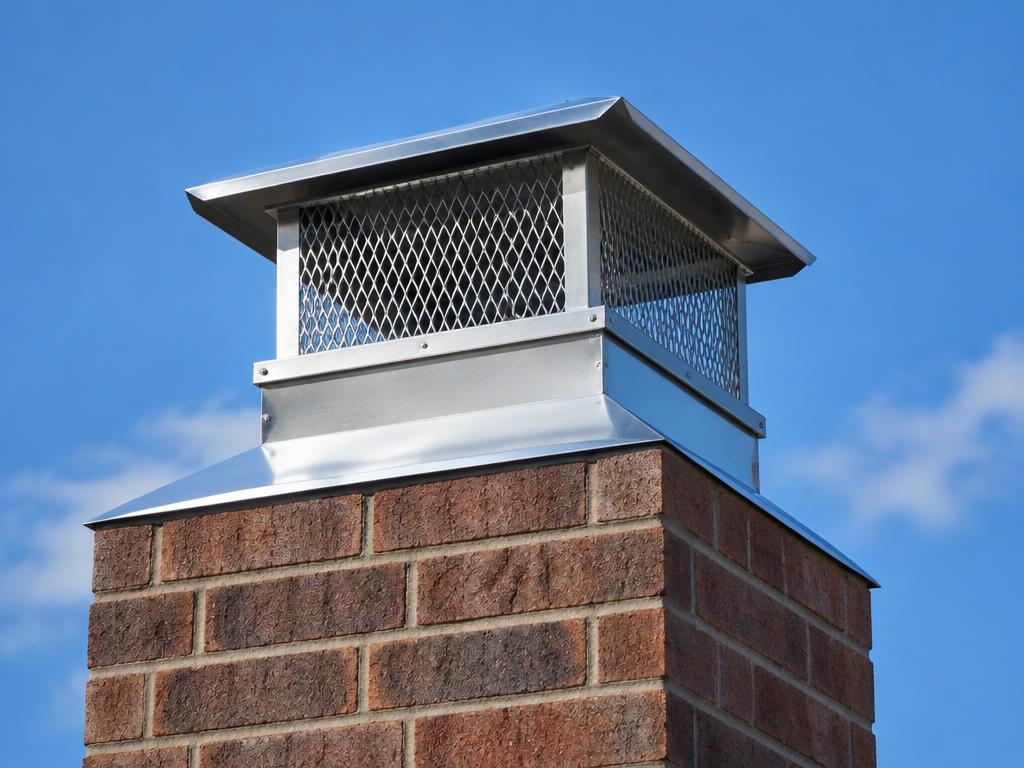
Protect your chimney flue from severe freeze-thaw damage while improving venting efficiency and architectural charm.
Self-check
Warning signs you need chimney pot services
Clay Chips on Ground
Finding broken terracotta shards or clay flakes in your gutters, flower beds, or driveway indicates severe surface spalling caused by trapped water freezing inside the pot.
Visible Tilting or Leaning
A chimney pot that appears out of plumb or visibly tilted indicates that the underlying mortar bed has eroded, leaving the heavy terminal vulnerable to high wind gusts.
Cracked Mortar Haunching
Visible cracking or missing cement around the base of the pot allows rain to seep directly into the chimney crown, triggering accelerated masonry decay and interior leaks.
Fireplace Drafting Issues
Smoke pushing back into your living room or fires that struggle to draw air often point to a displaced, choked, or cracked pot altering the flue exhaust dynamics.
Dark Efflorescence and Staining
White salt deposits or dark staining creeping along the upper masonry stack indicate persistent moisture migration, commonly originating from a loose, unsealed chimney pot joint.
Animal Activity Near Flue
Birds, bats, or squirrels lingering around the chimney top suggest that an unprotected pot opening has become an active nesting site, risking complete exhaust blockage.
How Ontario Freeze-Thaw Cycles Damage Chimney Terminals
Operating a residential chimney in Southern Ontario presents substantial environmental challenges due to our severe freeze-thaw climate. During late autumn, winter, and early spring, temperatures in Markham frequently oscillate above and below the zero-degree mark within a single twenty-four-hour window. Liquid water from melting snow or cold rain penetrates the fine hairline fissures in aging clay pots, porous mortar beds, and concrete chimney wash crowns. When evening temperatures plummet, that trapped water freezes and expands by approximately nine percent, exerting immense mechanical pressure from within the materials.
Over repeated cycles, this hydraulic expansion breaks the microscopic bonds within terracotta clay, causing the surface to blister, delaminate, and eventually spall. Once the exterior vitrified glaze or baked exterior layer fails, raw earthenware becomes exposed to the elements, accelerating the rate of moisture absorption. Mortar haunching, which acts as the angled cement collar securing the pot to the chimney top, is equally susceptible. When water seeps between the pot base and the mortar bed, freezing cycles gradually heave the pot upward, loosening its foundational hold and creating structural instability.
The combination of thermal shock from active heating equipment and freezing exterior winds makes this situation worse. As hot combustion gases warm the interior of a clay pot while sub-zero winds strike its exterior walls, uneven thermal expansion stresses the material. If water has already infiltrated the core structure, the thermal gradient accelerates cracking along the vertical seams of the pot. Prompt seasonal care and specialized waterproofing practices are essential to prevent localized pot deterioration from turning into an expensive, full-scale chimney rebuild.
- Rapid temperature swings trigger liquid moisture expansion within microscopic fissures
- Delamination and surface spalling destroy the protective glazed finish of clay pots
- Mortar haunching deteriorates and heaves, loosening the mechanical grip on the pot
- Thermal shock between hot interior gases and freezing winds causes vertical fracturing
- Unchecked water entry migrates downward into the main chimney structure
Common Chimney Pot Problems and Root Causes
Homeowners often overlook chimney pot issues because the components sit several storeys above ground level, far outside normal daily view. However, distinct indicators frequently signal that your chimney pot is failing. One of the most apparent signs is the appearance of terracotta fragments, clay chips, or crumbling mortar resting inside your roof gutters or scattered across the driveway and lawn below. These fallen debris pieces indicate advanced spalling or structural fracturing of the pot rim and base collar.
Inside the house, drafting problems are another clear symptom that your chimney pot requires attention. If you notice sluggish ignition in your wood-burning fireplace, lingering smoke smells in upper-floor rooms, or unusual soot deposition around the firebox opening, the top termination may be compromised. A displaced, blocked, or improperly sized chimney pot alters the internal pressure gradient of the flue system, preventing exhaust gases from discharging freely into the outside atmosphere and creating uncomfortable, hazardous indoor air conditions.
The underlying causes of chimney pot degradation extend beyond natural weather exposure. Poor initial installation practices often set the stage for premature failure, such as setting clay pots in standard masonry mortar rather than specialized, flexible, weather-resistant cements. In other instances, settling foundations or prolonged roof vibration can crack the surrounding chimney cap, leaving the pot unsupported. Animal intrusion and nesting by local birds or squirrels can also clog the narrow aperture, leading to localized heat build-up and physical displacement.
- Clay debris and mortar gravel accumulating in eaves troughs or on ground below
- Persistent smoke backdrafting, poor fires, and lingering soot odours inside living spaces
- Visible leaning, shifting, or tilting of the chimney pot against the horizontal roofline
- Extensive vertical cracks splitting the cylindrical body from the base to the upper rim
- Inadequate original mortar formulas unable to withstand seasonal structural movement
Our Markham Inspection and Diagnostic Approach
A proper chimney pot repair or replacement project begins with a methodical diagnostic assessment. When Markham Chimney Services visits your property, we conduct a detailed ground and rooftop examination of the entire venting termination. We evaluate the physical integrity of the pot, checking for micro-fractures, delamination, stability, and alignment with the underlying flue tile. Our technicians never evaluate a pot in complete isolation; we also inspect the surrounding chimney crown, brickwork, flashing details, and rain caps to ensure the entire assembly functions as a unified weather barrier.
Diagnostic evaluation also requires assessing how the chimney pot matches your current heating appliances. Many older homes in Markham have had high-efficiency furnaces, gas inserts, or updated wood stoves retrofitted into chimneys that were originally built for open masonry hearths. If a chimney pot restricts the flue aperture too severely, or if it allows too much volume for a modern low-temperature exhaust, venting efficiency drops dramatically. We measure flue dimensions and cross-reference them against appliance draft specifications to ensure your terminal configuration is safe and compliant with modern operating principles.
Following our rooftop inspection, we provide homeowners with a plain-language summary of our findings, supplemented with clear digital photographs of any observed damage. We outline whether the existing pot can be restored through stabilization and specialized mortar re-pointing, or if complete replacement is the only safe and permanent recourse. By presenting honest evaluations and straightforward options, we ensure you have the practical information needed to make informed decisions regarding your home exterior.
- Comprehensive close-up rooftop assessment of pot stability, alignment, and masonry
- Inspection of the underlying concrete crown wash, chimney counterflashing, and brickwork
- Verification of proper flue-to-pot sizing ratios for specific fireplace and appliance types
- Identification of internal soot accumulation, nesting debris, or hidden draft blockages
- Digital photo documentation and transparent diagnostic reporting for the homeowner
"When a storm loosened some bricks, I called for emergency repair in Thornhill. Their crew arrived within hours, secured the chimney crown, and restored its integrity without any mess. Truly impressive expertise."

Our process
How we handle your chimney pot services, step by step
- 1
Rooftop Evaluation
We carefully access your roof to assess the chimney pot, crown condition, mortar haunching, and flue liner alignment with detailed digital photography.
- 2
Preparation and Clearing
Our crew removes unstable debris, chips away degraded cement collars, and cleans the bonding surface thoroughly to prepare for stable structural bedding.
- 3
Pot Alignment and Seating
We seat the existing or replacement pot precisely over the flue opening, ensuring true plumb alignment to promote unimpeded combustion gas venting.
- 4
Mortar Haunching Application
We hand-sculpt a durable, frost-resistant cement haunch around the pot base, sloping it outward to shed driving rain quickly away from the crown.
- 5
Final Safety Review
We conduct a thorough final inspection, verify clear flue draft pathways, clean all roof debris, and review photos of the completed work with you.
Repair, Haunching, and Replacement Workmanship
Restoring or replacing a chimney pot demands specialized masonry skills that go far beyond basic residential bricklaying. When a clay pot is structurally sound but has become unstable at its foundation, our remediation process begins by carefully removing the broken, water-saturated mortar bed. We clean the base of the pot and the upper surface of the chimney crown, removing all dust, moss, and loose aggregate to ensure a solid mechanical bond for new materials.
We then bed the pot securely using high-performance, frost-resistant mortar mixes tailored specifically for chimney crown exposures. Our technicians sculpt a smooth, steeply angled mortar haunch around the pot base. This continuous sloped collar sheds driving rainwater rapidly outward toward the drip edges of the crown, preventing moisture from pooling around the junction between the clay pot and the flue liner. If hairline surface cracks are present on the pot body, we apply breathable, elastomeric masonry sealants designed to bridge surface pores without trapping internal vapour.
In cases where the original chimney pot has sustained severe structural fractures, replacement is the safest course of action. We carefully hoist down the damaged unit to prevent falling debris from damaging your roof shingles or landscaping. We then source an appropriately sized terracotta or architectural metal pot that matches your home's historic proportions. The replacement unit is aligned plumb with the flue centre, mechanically seated, and finished with a robust mortar haunch to guarantee decades of resilient performance against the elements.
- Safe extraction of crumbling, moisture-damaged mortar collars around the pot base
- Precision application of frost-resistant bedding compounds to absorb thermal movement
- Meticulous sculpting of a weather-shedding haunch to direct water off the chimney crown
- Breathable exterior masonry treatments to seal fine cracks while allowing moisture escape
- Careful removal and plumb reinstallation of replacement units to preserve architectural lines
Venting Safety, Flue Dynamics, and Carbon Monoxide Prevention
The primary purpose of any chimney termination is to exhaust toxic combustion by-products safely beyond the building envelope. An improperly sized, cracked, or obstructed chimney pot can severely impair this essential function. Incomplete venting allows dangerous gases, including carbon monoxide, nitrogen dioxide, and volatile organic compounds, to pool inside the flue. If the chimney lacks sufficient thermal lift or encounters backdrafting caused by an unstable pot opening, these colourless, odourless toxins can easily spill backward into living areas.
While we align our work with CSA and WETT-style safety best practices for solid fuel and heating venting systems, we emphasize that mechanical equipment requires constant vigilance. Chimney pots must maintain an unobstructed terminal clearance to allow gases to dissipate freely into moving outdoor air. If a clay pot collapses inward or an improper decorative cap chokes the exhaust outlet, pressure builds rapidly. This pressure can force combustion gases through tiny flaws in the flue liner, compromising indoor air quality throughout the home.
We strongly advise all Markham homeowners to treat chimney maintenance as a vital component of household life safety. In addition to scheduling professional terminal inspections, you should install certified, dual-sensor carbon monoxide alarms on every level of your home, especially near sleeping quarters. Test these alarms monthly and replace units according to manufacturer guidelines. Ensuring your chimney pot promotes smooth, continuous drafting provides a fundamental line of defence against silent indoor air hazards.
- Ensures unobstructed discharge of carbon monoxide and other toxic combustion by-products
- Maintains positive chimney draft velocity under varying seasonal barometric pressures
- Prevents internal flue pressure build-up that can push fumes through damaged liners
- Follows industry-recognized best practices for clearance, airflow, and weather safety
- Emphasizes the vital necessity of working carbon monoxide detectors on every living floor

Seasonal Maintenance, Bird Guards, and Long-Term Protection
Proactive maintenance is the most economical way to prevent premature chimney pot failure and avoid structural masonry damage. Homeowners in Markham should conduct visual checks from ground level at least twice a year, ideally in early spring after the frost departs and in late autumn before lighting the first seasonal fire. Using a pair of binoculars, scan the top of the chimney stack for signs of leaning pots, visible cracking, or crumbling cement collars along the base.
One of the most effective measures you can take to preserve your chimney pot is installing an integrated, stainless steel bird and animal guard. Open chimney pots present an attractive nesting spot for raccoons, squirrels, and migratory chimney swifts looking for shelter. Animal nesting materials not only block exhaust pathways entirely, creating an immediate carbon monoxide danger, but they also trap moisture directly against the inner walls of the clay pot, accelerating winter frost damage.
Additionally, consider applying professional-grade, siloxane-based water repellents to the exposed exterior of the chimney stack and pot every few years. Unlike thick paints or impermeable surface sealers that trap internal moisture inside the clay, breathable water repellents penetrate deeply into porous masonry. They allow water vapour to escape freely from the interior while causing exterior driving rain to bead up and run off cleanly, keeping the assembly dry through the harshest Ontario winters.
- Twice-yearly visual ground assessments using binoculars to spot early wear and shifting
- Installation of durable stainless steel animal guards to eliminate nesting hazards
- Application of breathable, penetrating water repellents to resist water infiltration
- Immediate clearing of organic roof debris, leaves, and moss from around the chimney base
- Periodic clearing of soot and creosote build-up to maintain optimal internal dimensions
Selecting the Right Chimney Specialist in Markham
Selecting a qualified contractor to work on your roofline is a critical decision that affects your property's safety and long-term value. Chimney pot work involves substantial height, working near brittle roofing materials, and handling heavy, fragile clay components. When evaluating service companies in Markham, verify that the technicians possess dedicated experience in chimney restoration and masonry mechanics rather than generic exterior handyman work.
A trustworthy chimney specialist should provide comprehensive liability insurance and Workplace Safety and Insurance Board coverage for all technicians working on your property. Request clear, upfront written estimates that distinguish between labour, materials, and necessary rooftop scaffolding or safety rigging. Be cautious of contractors who suggest quick, superficial fixes like slathering silicone caulking or cheap roof tar around an unstable chimney pot, as these temporary solutions invariably trap moisture and worsen decay.
Look for a service partner that communicates with clarity, offers photographic proof of the rooftop conditions, and respects the unique architectural style of your home. At Markham Chimney Services, our independent technicians take pride in providing candid, expert assessments and enduring craftsmanship. We take the time to answer your questions, explain the underlying physics of your venting system, and ensure that every repair stands firm against Ontario's unpredictable weather.
- Verify full commercial liability insurance and active WSIB workplace safety coverage
- Insist on transparent written quotes that separate diagnostic fees, labour, and materials
- Avoid contractors who rely on short-term roof tar or silicone caulk fixes around pot bases
- Demand digital photographic documentation of both before-and-after rooftop conditions
- Confirm proven experience with regional masonry traditions and historic clay fixtures
Average pricing in Markham
$349 – $1,650
- Inspection / diagnostic
- $129 – $249
- Typical time on site
- 2 to 5 hours on site depending on roof access and repair scope
- Parts and materials
- Replacement clay or metal chimney pots, specialized stainless steel animal screens, and custom crown sealants quoted separately
- What moves the price
- Roof pitch, height, and overall scaffolding or safety equipment requirements · Whether the current pot can be reset or requires complete replacement sourcing · Extent of secondary masonry decay across the underlying chimney wash crown
Estimated local market range, not a quote. All estimates are in Canadian dollars and exclude 13% Ontario HST. Your exact price is confirmed before any work begins.