
Living in Markham brings distinct seasonal pleasures, from brisk autumn walks through local ravine parks to settling before a comforting fire on freezing January evenings. Yet beneath the welcoming glow of your fireplace lies an exhaust system exposed to extreme thermal cycling, acidic combustion byproducts, and the volatile Ontario climate. Regular chimney sweeping is far more than routine aesthetic housekeeping. It is a vital life-safety measure that protects your household against toxic gases, destructive flue fires, and progressive structural deterioration. Over repeated heating cycles, unburned wood particles, soot, and combustible creosote cling stubbornly to your flue liner, gradually constricting the airway and creating severe operational hazards.
At Markham Chimney Services, operating from 4418 Highway 7 East, we deliver meticulous chimney sweeping tailored to the architectural styles of our local communities. Whether you maintain a mid-century brick bungalow in Unionville, a classic two-storey home in Berczy Village, or an executive residence near Bayview Glen, our methods resolve harsh cold-weather challenges. We combine mechanical agitation, high-volume HEPA particulate extraction, and thorough safety evaluations informed by CSA and WETT-style solid-fuel best practices. Our priority is restoring optimal chimney draught, eliminating dangerous fuel deposits, and ensuring your fireplace operates safely and reliably throughout the long winter season across Markham and the Greater Toronto Area (GTA).
Chimney Sweep Services: visit summary
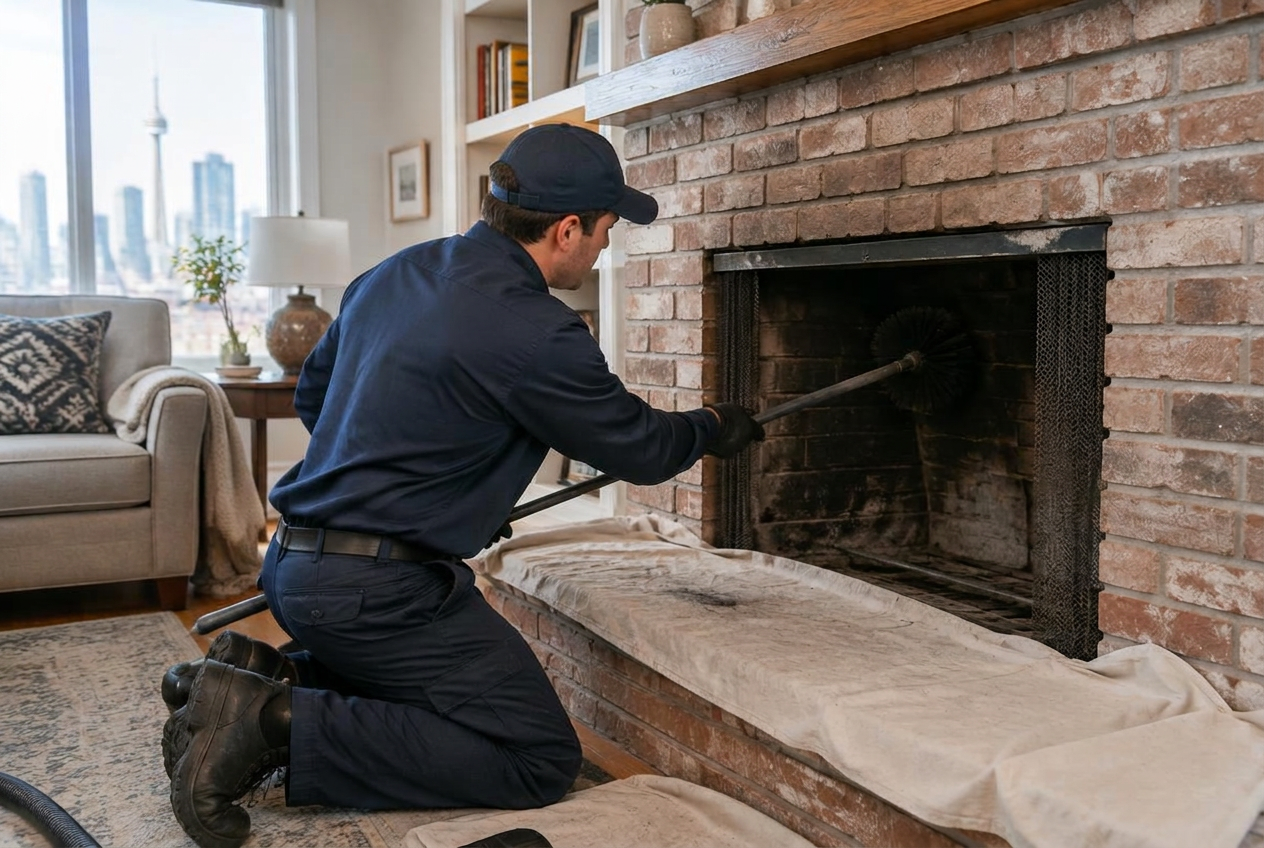
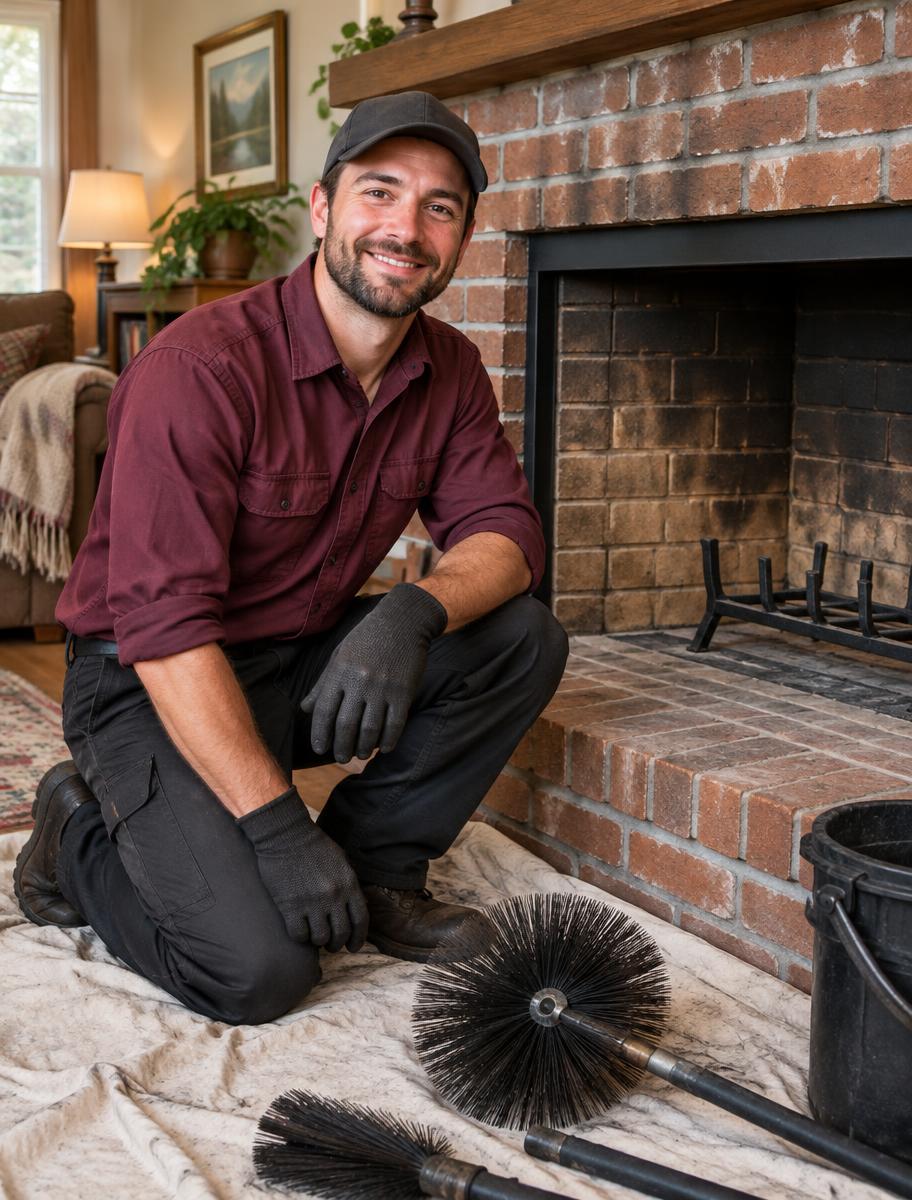
Chimney Sweep Services for Markham homes: soot and creosote cleared with drop cloths down and a filtered vacuum running at the hearth. Serving Markham and the Greater Toronto Area (GTA). The estimated local market range is $249 – $549 CAD, not a fixed company rate. The final scope and quote are confirmed before work begins.
| Estimated market range | $249 – $549 CAD. All estimates are in Canadian dollars and exclude 13% Ontario HST. |
|---|---|
| Typical time | 1.5 to 2.5 hours |
| Price factors | Chimney height, roof pitch accessibility, and exterior weather conditions; Degree and stage of creosote accumulation, especially hardened stage-three glaze; Type of venting system, including open masonry fireplaces, wood stoves, or fireplace inserts |
| Routine signs to discuss | Persistent Campfire or Ash Odour; Smoke Spilling Into the Living Room; Thick Black Crust or Glaze in the Firebox; Black Flakes or Sandy Mortar on the Hearth; Sluggish, Smouldering Fires; Audible Animal Sounds or Rustling |
What Professional Chimney Sweeping Really Entails
Chimney sweeping is the systematic removal of soot, ash, bird nests, and combustible creosote from inside your fireplace flue and venting passage. When wood burns, it releases volatile vapours that cool as they rise through your chimney column. These gases condense along the interior walls of clay tile, stainless steel, or masonry liners. Over time, these residues harden into layers ranging from flaky soot to glossy, tar-like creosote deposits that present significant ignition hazards if left neglected.
A true professional sweep goes well beyond running a wire brush down an open shaft. Modern chimney care requires containment systems that prevent microscopic carbon dust from entering your living space, alongside detailed assessments of the firebox, throat damper, smoke shelf, and chimney termination. The physical sweeping process dislodges hazardous accumulations from the flue liner, clears the smoke chamber where soot frequently gathers, and ensures the mechanical damper articulates smoothly without binding or leaking conditioned room air.
Proper sweeping also checks that the passage remains fully unobstructed by outdoor debris or animal nesting materials, which frequently accumulate during late spring and summer months. By clearing these obstructions, our service restores the natural updraught needed to evacuate dangerous gases efficiently. A clean chimney operates at peak thermodynamic efficiency, meaning your fires burn hotter, cleaner, and with far less smoke escaping into your finished living areas.
- Mechanical removal of flammable stage-one, stage-two, and stage-three creosote deposits
- Thorough vacuum extraction of loose fly ash from smoke shelves and smoke chambers
- Clearing animal nesting debris, dried leaves, and environmental blockages
- Inspection of throat dampers, lintel bars, and firebox refractory panels
- Restoration of natural flue draught for cleaner, safer indoor wood combustion
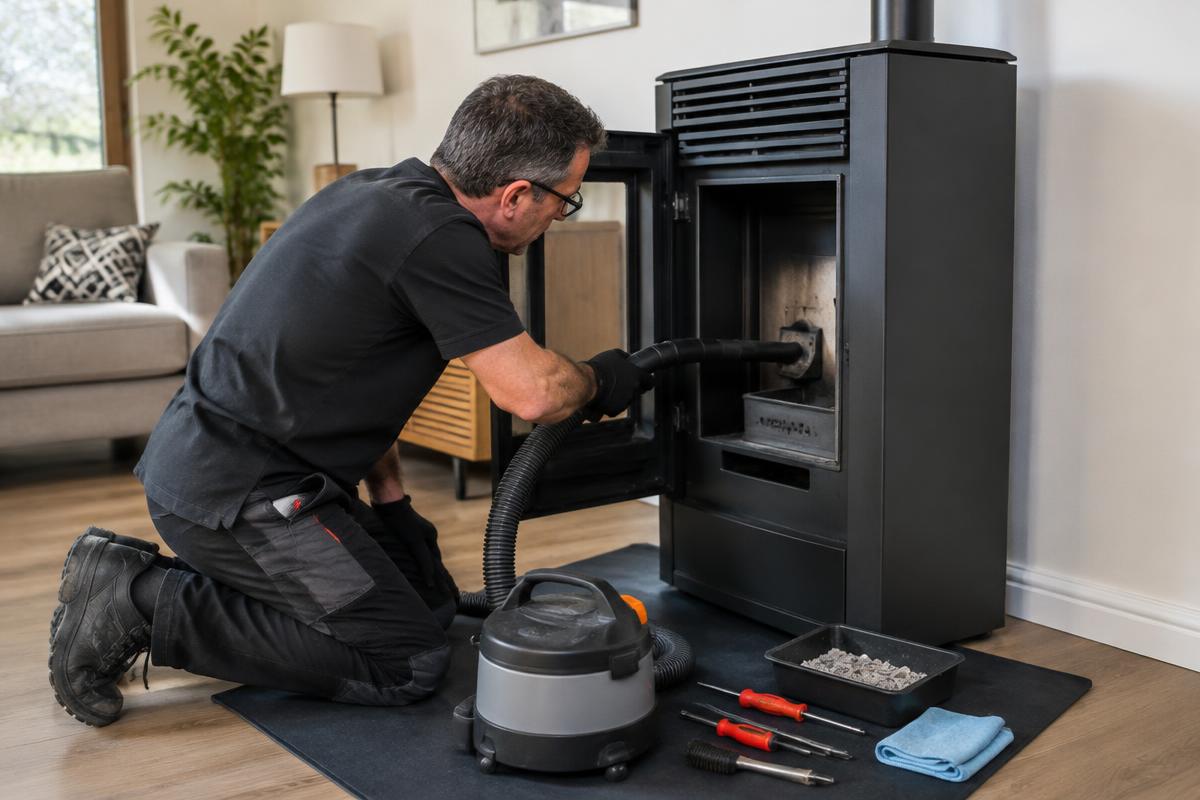
Thorough, mess-free chimney sweeping and safety inspections designed for Markham homes and harsh Ontario winters.
Self-check
Warning signs you need chimney sweep services
Persistent Campfire or Ash Odour
A strong, unpleasant smell of stale soot or barbecue smoke drifting from your fireplace, especially during humid summer days or rainy weather, indicates heavy creosote accumulation coating the chimney flue walls.
Smoke Spilling Into the Living Room
If wood smoke wafts into your room instead of drafting up the chimney, your flue passage is constricted by soot, debris, or cold air blockages that prevent safe exhaust evacuation.
Thick Black Crust or Glaze in the Firebox
Finding black, shiny, or crusty deposits on your damper blade, smoke chamber, or flue liner indicates dangerous stage-two or stage-three creosote that poses an immediate chimney fire ignition risk.
Black Flakes or Sandy Mortar on the Hearth
Bits of carbon, dried bird nesting materials, or gritty mortar fragments falling onto your fireplace floor signal chimney flue deterioration, interior spalling, or heavy mechanical blockage requiring swift professional sweeping.
Sluggish, Smouldering Fires
Fires that struggle to ignite, produce low heat, or fail to draft properly despite dry firewood typically suffer from restricted airflow caused by soot choking the internal venting channel.
Audible Animal Sounds or Rustling
Hearing chirping, scratching, or flapping within the chimney breast means birds, squirrels, or raccoons have breached your termination cap, creating hazardous nesting obstructions that completely block exhaust gases.
Why the Ontario Freeze-Thaw Climate Punishes Chimneys
Southern Ontario experiences extreme temperature fluctuations that test the durability of masonry and chimney components. During a single week in January or February, Markham weather can swing from well above freezing with driving rain to double-digit sub-zero temperatures. When water penetrates unsealed chimney crowns, exterior brickwork, or porous mortar joints, it freezes and expands by roughly nine percent, creating micro-fractures that widen through repetitive freeze-thaw cycles.
Inside the flue, this intense moisture exposure interacts with uncleaned chimney soot to form dilute sulphuric and hydrochloric acids. This corrosive mixture eats away at clay flue tiles, mortar joints between liner sections, and metal damper assemblies. When flue tiles crack or shift due to frost wedging, burning embers and intense flue gases can migrate outward toward combustible attic framing or wall studs, establishing a quiet, invisible structural fire threat.
Furthermore, severe winter cold creates cold flue syndrome, where a heavy column of frigid air settles within an exterior chimney stack. If creosote narrowing reduces your flue diameter, lighting a fire can cause immediate back-puffing, filling your home with pungent wood smoke and carbon monoxide. Annual autumn chimney sweeping removes insulating soot layers, inspects for frost-induced liner deterioration, and ensures your venting system handles harsh thermal shocks safely.
- Moisture expansion causes spalling brickwork, cracked flue tiles, and damaged mortar
- Chemical reactions between soot and trapped moisture generate acidic compounds
- Cold air plugs in exterior chimneys lead to dangerous back-drafting during startup
- Cracked clay flue tiles allow intense heat to escape toward structural wall studs
- Regular cleaning reveals hidden winter frost damage before it causes catastrophic failures
Primary Causes of Excessive Creosote and Soot Buildup
Creosote forms when unburned wood gases cool below their condensation point before exiting the chimney top. The single most common culprit behind rapid creosote accumulation is burning unseasoned or wet firewood. Firewood with high moisture content expends valuable combustion heat simply evaporating internal water, which drops flue gas temperatures drastically. This sluggish, cool exhaust condenses rapidly on the flue walls, creating sticky, glaze-like creosote within weeks rather than months.
Improper burning techniques also accelerate flue contamination. Homeowners who habitually choke down the air intake on wood stoves or close glass doors too tightly starve the fire of needed combustion oxygen. This incomplete combustion produces smouldering fires characterized by heavy, opaque smoke packed with unburned fuel fractions. While smouldering burns prolong log life, they coat chimney interiors with thick, tarry residues that become increasingly difficult to remove with standard brushes.
Finally, venting system design flaws contribute substantially to creosote problems. An oversized flue liner paired with a smaller wood insert causes exhaust gases to expand, lose velocity, and cool prematurely. Similarly, an uninsulated chimney running along the exterior wall of a home stays much colder than an internal stack, promoting non-stop condensation. Professional chimney sweeping identifies these mechanical imbalances and provides actionable advice to correct your daily burning habits.
- Burning unseasoned firewood with moisture levels significantly above twenty percent
- Starving wood fires of oxygen by closing draft controls or dampers excessively
- Cool chimney flue temperatures caused by uninsulated exterior brick masonry stacks
- Mismatched flue sizing between the fireplace opening and chimney venting channel
- Short, smouldering burns that fail to achieve self-cleaning flue temperatures
Recognizing When Your Chimney System Requires Urgent Sweeping
Your fireplace and chimney generally communicate distress long before an emergency occurs, provided you know what indicators to look for. One unmistakable indicator is an acrid, smoky odour that lingers in your living room even when the fireplace has remained cold for days. This barbecue-like smell comes from stale creosote reacting with atmospheric humidity, signalling that the flue walls are heavily saturated with volatile, unburned carbon deposits.
Visual cues inside the firebox also warn of developing dangers. If you shine a flashlight up past the damper and see dark, crusty ripples or a glossy black tar coating on the smoke chamber walls, your chimney has reached advanced stages of creosote buildup. Stage-three glazed creosote represents the highest level of fire hazard because it acts as solidified fuel that can ignite into an intense chimney fire reaching over one thousand degrees Celsius.
Performance changes during regular operation should never be dismissed as simple quirks. If your fireplace previously drafted effortlessly but now spills smoke across your ceiling mantle, the flue passage may be significantly constricted by soot nests or fallen masonry chunks. Likewise, hearing rustling sounds, detecting bits of sand or blackened flakes dropping onto the hearth, or noticing sluggish, oxygen-deprived flames indicates your chimney requires prompt professional intervention.
- Persistent pungent odours resembling barbecue smoke or damp ash during wet weather
- Visible black flakes or glassy, bubbled deposits coating the flue and smoke chamber
- Sluggish fire ignition accompanied by smoke spilling into the room around the mantle
- Debris such as mortar dust, broken flue tile shards, or carbon falling onto the hearth
- Rumbling wind sounds or roaring sensations within the chimney structure during a fire
"I booked an annual chimney sweep in Unionville and they arrived right on time. They cleared all creosote, inspected the flue draft, and shared simple maintenance tips. My fireplace runs smoother and safer now."
Our process
How we handle your chimney sweep services, step by step
- 1
Hearth Protection and Dust Setup
We lay protective floor runners and position high-volume HEPA filtration vacuums at the hearth to ensure all airborne soot remains completely contained inside your fireplace.
- 2
Visual Chimney and Flue Assessment
Our technicians thoroughly inspect your firebox, refractory bricks, throat damper, smoke chamber, and accessible flue sections, documenting initial soot levels and checking for visible liner defects.
- 3
Rotary and Brush Flue Sweeping
Using professional mechanical brushes matched precisely to your flue dimensions, we thoroughly scour the chimney walls from top to bottom, dislodging hardened soot and dangerous creosote layers.
- 4
Smoke Chamber and Shelf Debris Extraction
We vacuum out all dislodged carbon residues from the smoke shelf, clean the damper housing, detail the firebox interior, and clear any collected soot from the lower collection pit.
- 5
Final Safety Review and Documentation
We complete a post-cleaning inspection, verify smooth damper movement and proper draught, pack our equipment cleanly, and provide a clear written condition report with burn safety recommendations.
Our Professional Inspection and Sweeping Workflow
Markham Chimney Services approaches every residential appointment with methodical care and rigorous property protection. Before any mechanical tools enter your home, our technicians lay heavy canvas drop cloths across your hearth, living room flooring, and adjacent traffic paths. We set up an industrial three-stage HEPA containment vacuum directly at the fireplace throat, establishing continuous negative air pressure that captures airborne soot particles before they can settle on your furniture or flooring.
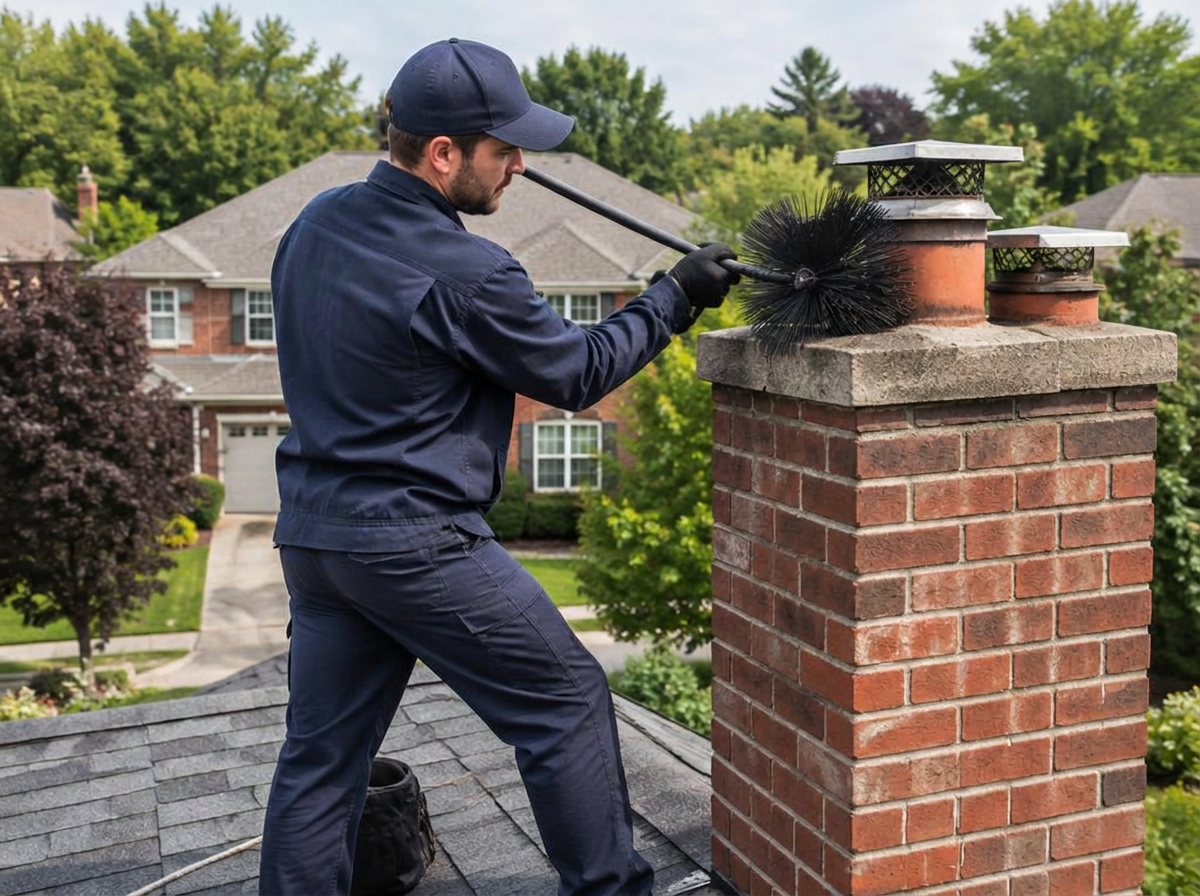
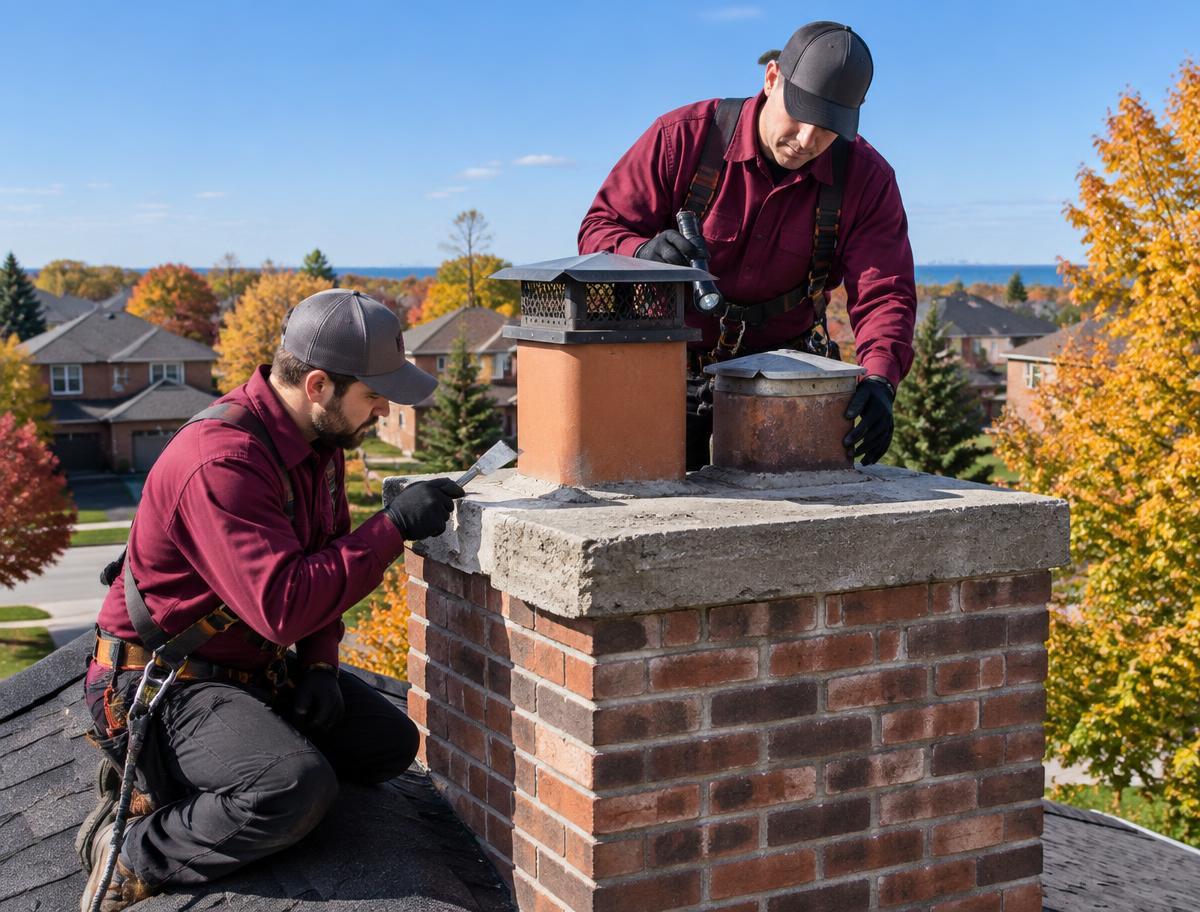
Once containment is secured, our team performs an initial baseline visual evaluation. We examine the structural integrity of the hearth extension, firebox firebricks, lintel support, damper mechanism, and accessible flue sections. Moving to the roof or top terminal when weather conditions permit, we inspect the chimney cap, spark arrestor, crown concrete, flashing transitions, and top tile joints for signs of water penetration or freeze-thaw damage before beginning the sweeping process.
The physical sweep combines specialized rotary power-sweeping equipment and traditional wire or poly brushes sized precisely to your flue liner dimensions. Sweeping from either roof level downward or through the firebox upward, we dislodge soot and creosote from every surface, including the smoke chamber and smoke shelf. We then vacuum the accumulated debris, detail the damper, complete a post-sweep optical evaluation, and present you with a clear written condition report.
- Complete hearth protection and negative-pressure HEPA dust filtration setup
- Comprehensive visual inspection of firebox, damper, chimney cap, and crown
- Precision rotary or manual brush sweeping customized to your specific flue material
- Deep vacuum extraction of soot pockets from smoke shelves and smoke chambers
- Post-cleaning review detailing liner condition, clearance safety, and maintenance needs
Fire Safety and Carbon Monoxide Prevention Standards
A blocked or uncleaned chimney does not merely threaten your home with chimney fires; it poses an immediate threat of toxic carbon monoxide poisoning. Carbon monoxide is an odourless, colourless, and tasteless gas produced by incomplete combustion. When chimney flues become restricted by creosote, soot, or fallen masonry materials, these lethal combustion gases cannot escape freely and will naturally spill backward into living areas through microscopic air gaps.
Ontario fire safety regulations mandate that all homes with fuel-burning appliances or attached garages maintain operational carbon monoxide alarms near every sleeping area. During our chimney sweep visits, we remind homeowners of these requirements and check that fireplace clearances conform to basic CSA and WETT-style safety principles. Ensuring proper clearances to combustible mantles, wood framing, and drywall is essential for preventing long-term pyrolysis, where hidden framing wood gradually dries out and ignites at lower temperatures.
We also evaluate whether your chimney cap and spark arrestor mesh meet solid-fuel safety standards. A properly installed spark arrestor keeps burning embers from landing on cedar shingle roofs or dry autumn leaf piles in your yard, while stopping birds, raccoons, and squirrels from nesting inside your chimney. Prioritizing these protective barriers ensures your wood-burning setup delivers warmth without jeopardizing your family's health or property.
- Elimination of flue obstructions that cause deadly carbon monoxide spillage
- Adherence to clearance requirements separating hot masonry from combustible framing
- Installation and verification of mesh spark arrestors to block escaping embers
- Protection against wildlife intrusion that causes flammable nesting blockages
- Verification of operational carbon monoxide alarms outside all home sleeping areas
Practical Chimney and Fireplace Care for Homeowners
Between annual professional cleanings, smart burning practices make an enormous difference in how much creosote accumulates in your flue. Always select seasoned hardwoods such as sugar maple, oak, beech, or ash that have dried under cover for at least nine to twelve months. Avoid burning unseasoned green wood, construction lumber, pressure-treated offcuts, or glossy painted cardboard, as these materials release noxious chemicals and leave aggressive creosote coatings on your chimney liner.
We recommend building fires using the top-down method rather than the traditional kindling-at-the-bottom approach. Place your largest seasoned split logs on the bottom of the firebox, cross them with medium splits, and place kindling and a natural fire starter at the very top. This arrangement ignites quickly, produces significantly less initial smoke, warms the cold flue draft rapidly, and burns far cleaner from the moment the match is struck.
Take time periodically to observe your chimney termination from your yard while a fire is actively burning. After the first fifteen minutes of startup, your chimney should emit only faint white steam or clear heat shimmer, rather than dense black or dark grey smoke. If heavy smoke continues to pour from your chimney top, your wood is either too damp or your fire is starving for air, signaling that creosote is actively depositing inside your flue.
- Burn only seasoned native hardwoods with moisture content under twenty percent
- Adopt the top-down fire building technique to minimize startup smoke and soot
- Never burn treated lumber, household garbage, or gift wrapping paper in your hearth
- Check that your throat damper seals completely when the fireplace is not in use
- Monitor your chimney exhaust outdoors to verify clean, low-smoke combustion
Choosing a Qualified Independent Chimney Sweep in Markham
Selecting the right chimney professional is a serious decision that impacts the safety and structural integrity of your home. The chimney industry unfortunately attracts transient contractors who offer suspiciously low cleaning rates only to use high-pressure tactics claiming thousands of dollars in emergency repairs. Homeowners should look for independent local specialists with a verifiable physical street address, proper commercial liability coverage, and workers compensation protection.
A reputable chimney sweeping company takes time to explain its findings clearly, uses documented inspection checklists, and shows you high-resolution photographs of any internal liner damage or crown cracking they discover. They should never rush through a sweep in twenty minutes without containment equipment or pressure you into on-the-spot contracts for structural rebuilding. Honest contractors separate routine cleaning from major masonry restorations, giving you clear options and transparent quotes.
At Markham Chimney Services, we take pride in being an independent service company focused entirely on the long-term safety of local homeowners. We maintain clean working practices, arrive with specialized dust control systems, and respect your living environment throughout the process. When you book our team, you receive dependable chimney sweeping and objective advice tailored to your specific fireplace setup and seasonal heating patterns.
- Verify comprehensive commercial liability insurance and workplace safety coverage
- Require transparent upfront pricing with detailed written scopes of work
- Expect complete HEPA containment and dust-free work guarantees inside your home
- Demand photographic evidence of any identified flue defects or structural concerns
- Work with established local independent companies with confirmed neighbourhood roots
Average pricing in Markham
$249 – $549 CAD
- Inspection / diagnostic
- $149 – $229 CAD
- Typical time on site
- 1.5 to 2.5 hours
- Parts and materials
- chimney caps, top-mount dampers, spark arrestors, and refractory firebricks
- What moves the price
- Chimney height, roof pitch accessibility, and exterior weather conditions · Degree and stage of creosote accumulation, especially hardened stage-three glaze · Type of venting system, including open masonry fireplaces, wood stoves, or fireplace inserts
Estimated local market range, not a quote. All estimates are in Canadian dollars and exclude 13% Ontario HST. Your exact price is confirmed before any work begins.