
A cozy fire provides welcome comfort during long Ontario winters, yet every burning log releases chemical compounds that settle inside your flue. Over time, volatile gases, wood tars, and unburned hydrocarbons condense onto cooler chimney walls, turning into a stubborn deposit known as creosote. In Markham neighbourhoods, where masonry chimneys face relentless exposure to cold outdoor drafts, this byproduct accumulates far faster than many homeowners anticipate. Left unchecked, creosote restricts essential ventilation, corrodes clay tile liners, and creates a severe chimney fire hazard right inside your living space.
Markham Chimney Services operates as an independent chimney and fireplace maintenance company located at 4418 Highway 7 East. We assist homeowners throughout our local communities and across the wider GTA in identifying, stripping away, and managing all stages of creosote accumulation. Our specialized removal techniques tackle light soot, crusty flakes, and dense, hardened vitreous glaze without damaging your delicate flue tiles. By restoring unimpeded airflow and clear masonry surfaces, we help ensure your wood-burning fireplace or stove operates efficiently, cleanly, and safely through the harshest winter weather.
Creosote Removal: visit summary
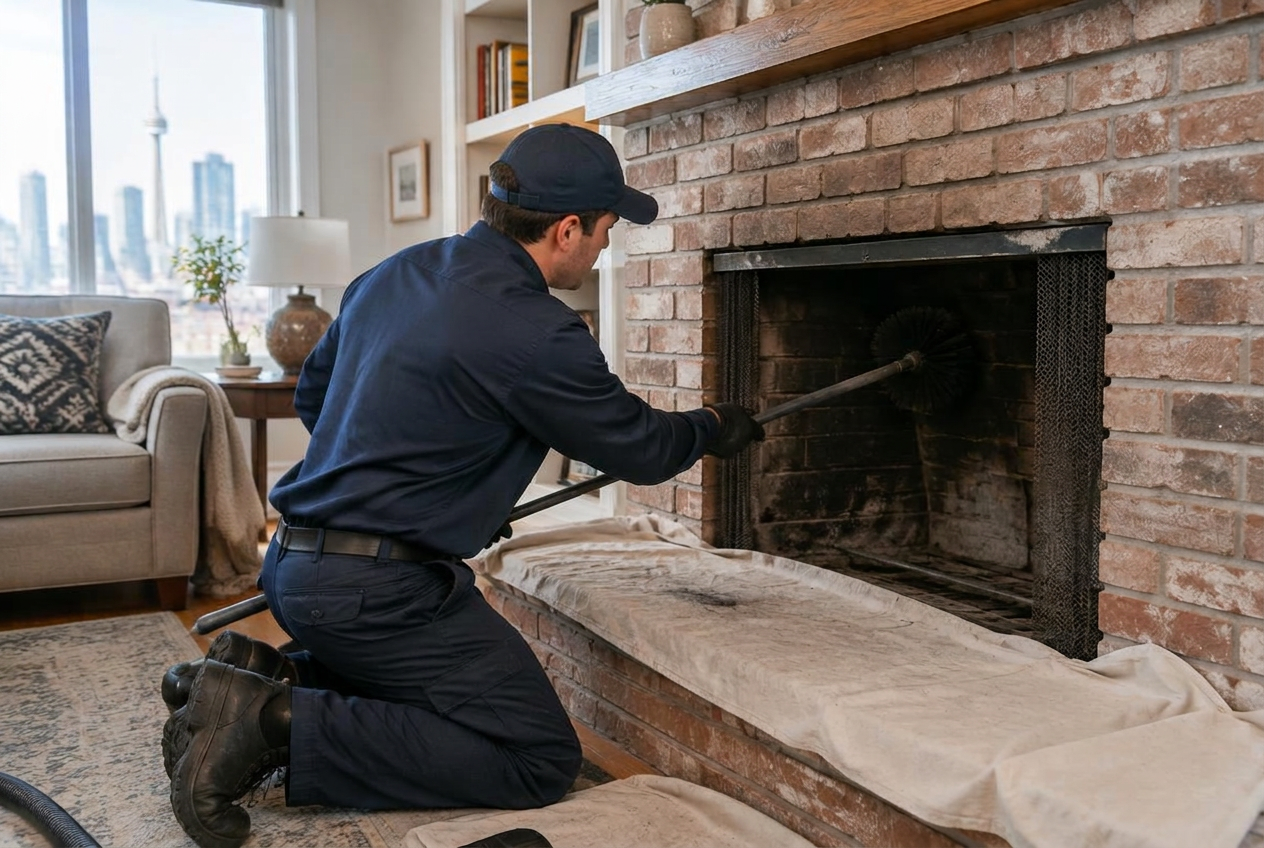
Creosote Removal for Markham homes: soot and creosote cleared with drop cloths down and a filtered vacuum running at the hearth. Serving Markham and the Greater Toronto Area (GTA). The estimated local market range is $229 – $549, not a fixed company rate. The final scope and quote are confirmed before work begins.
| Estimated market range | $229 – $549. All estimates are in Canadian dollars and exclude 13% Ontario HST. |
|---|---|
| Typical time | 1.5 to 3 hours depending on creosote stage |
| Price factors | Degree of creosote accumulation (light soot versus stage three baked glaze); Chimney height, roof pitch, and ease of rooftop ladder access; Liner type and condition, such as fragile clay tile or stainless steel insert |
| Routine signs to discuss | Thick Black Crust on Flue Tiles; Persistent Sour Barbecue Odours; Sluggish Draft and Back-Puffing; Black Flakes Falling onto Hearth; Unusually Loud Roaring Flue Noises; Sticky Tar Around the Damper |
Understanding the Three Stages of Flue Creosote
Creosote is not a single uniform material. Instead, it evolves through three distinct physical stages as smoke condensates build up and bake under flue temperatures. The initial stage resembles dry, velvety black soot or fine dust. It forms when firewood burns reasonably well with adequate combustion air. Stage one creosote is relatively easy to brush away with standard polypropylene or wire chimney brushes because it contains very little moisture or heavy tar.
When combustion conditions worsen or temperatures inside the chimney drop, the deposit thickens into stage two creosote. This form appears as shiny black flakes, crunchy granules, or hardened tar crisps. It contains higher concentrations of sticky hydrocarbons that cling tenaciously to brick joints and flue tile walls. Standard sweeping brushes often skim right over stage two buildup, requiring mechanical scraping tools and stiff wire rotary whips to fracture and dislodge the baked crust.
Stage three creosote represents the most dangerous and difficult chimney condition. Often referred to as glazed creosote, it resembles shiny black obsidian or thick liquid asphalt that has hardened onto the liner. Glazed creosote forms when flue temperatures stay too low to combust heavy wood gases, yet hot enough to boil off moisture, leaving pure condensed pitch. It is extremely combustible, expands rapidly when heated, and cannot be removed with regular sweeping alone without specialized chemical modification.
- Stage one: Dry, powdery soot easily lifted by routine nylon or wire sweeping.
- Stage two: Porous, crunchy tar flakes that require stiff mechanical rotary whips.
- Stage three: Dense, glossy glaze that demands targeted chemical pretreatment.
- Progressive danger: Flammability increases drastically as creosote shifts into higher stages.
- Liner deterioration: Baked glaze bonds to clay, risking tile spalling during heat cycles.
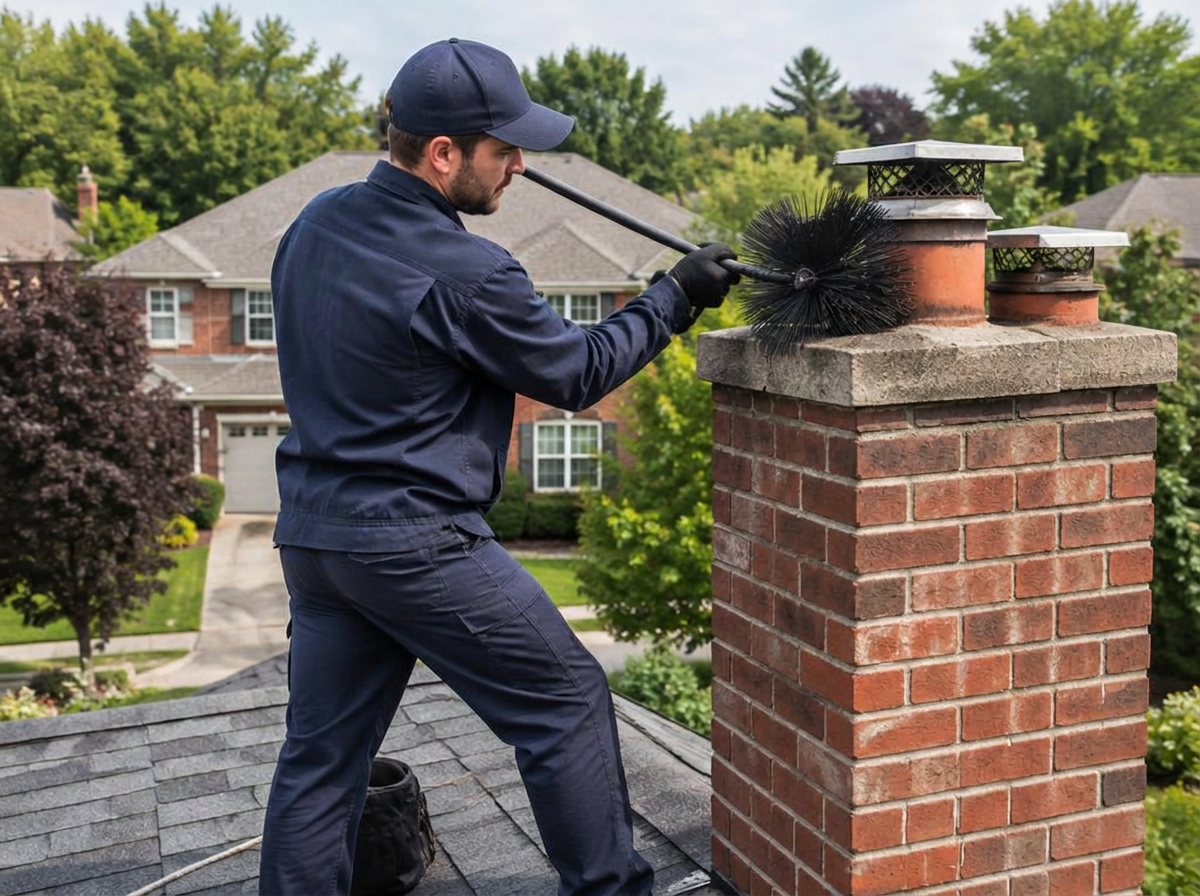
Restoring flue airflow and eliminating hazardous chimney buildup across Markham homes with meticulous care.
Self-check
Warning signs you need creosote removal
Thick Black Crust on Flue Tiles
Peering past your fireplace damper reveals dark, crunchy, or glossy deposits adhering to the inner tile surfaces, indicating stage two or three creosote requiring professional mechanical removal.
Persistent Sour Barbecue Odours
A pungent, acrid, smoky odour drifts into your living room on humid or rainy days when the fireplace is unlit, caused by damp creosote tars sitting inside the chimney.
Sluggish Draft and Back-Puffing
Smoke rolls back into your room when lighting or tending the fire instead of exiting upward, signalling that heavy buildup is restricting the flue diameter and choking draft airflow.
Black Flakes Falling onto Hearth
Hard, crisp, carbonized flakes or shiny black chips drop onto the firebox floor or smoke shelf when you close or open the damper, revealing loosening stage two tar deposits.
Unusually Loud Roaring Flue Noises
Hearing strange rumbling, intense rushing air, or whistling sounds inside the chimney during a fire indicates excessive heat draft or a localized ignition of flammable creosote deposits.
Sticky Tar Around the Damper
The damper handle, metal plate, or surrounding masonry feels tacky, greasy, or coated in dense black pitch that resists light wiping, pointing toward chronic low-temperature combustion.
The Impact of Ontario Freeze-Thaw Weather on Flue Walls
The climate across Markham presents unique challenges for residential chimneys. Rapid swings in outdoor temperature, shifting from deep sub-zero freezes to damp, rainy thaws in a matter of hours, cool exterior masonry structures quickly. When warm wood smoke travels up a freezing cold brick chimney, thermal shock occurs. The extreme temperature gradient forces volatile tars to condense almost instantly against the inner flue lining before they can exit the chimney cap into open air.
This condensation cycle creates a persistent layer of moisture along the flue surfaces. Moisture mixes with acidic sulfur and wood combustion byproducts, accelerating the conversion of soft soot into rock-hard stage three glaze. Furthermore, when water enters small cracks in the chimney crown or mortar joints, freezing water expands and widens those gaps. This allows chilled ambient air to penetrate the interior flue cavity, causing chimney draft to stall and smoke to linger even longer.
Because our winters oscillate so frequently, an exterior chimney situated on an outside wall of your home stays significantly colder than an interior chimney surrounded by heated rooms. Markham homeowners with exposed exterior chimneys must remain especially vigilant. The cold masonry draws heat out of escaping exhaust gases, which directly drives elevated creosote accumulation and exposes chimney brickwork to chronic moisture damage that compromises flue stability over time.
- Sub-zero drafts cool flue tiles, prompting instant condensation of heavy wood smoke.
- Moisture and acidic wood ash combine to form corrosive, fast-baking creosote layers.
- Frequent freeze-thaw cycles open tiny masonry fissures that draw in cold air.
- Exterior chimneys lose thermal draft rapidly compared to well-insulated interior flues.
- Delayed venting forces exhaust gases to loiter, worsening glazed tar formation.
Common Root Causes of Excessive Creosote Accumulation
While all wood burning produces some trace soot, rapid creosote buildup indicates incomplete combustion or restricted venting. One of the most widespread culprits is burning unseasoned or wet firewood. Freshly cut wood contains significant internal water volume. When burned, heat energy that should maintain a hot flue draft is instead wasted boiling off that internal moisture. The resulting low-temperature smoke is thick, wet, and laden with sticky tars that instantly coat the flue.
Restricted airflow is another primary contributor. Modern homeowners frequently choke down wood stove air dampers or fireplace glass doors in an attempt to make logs burn longer overnight. While this strategy extends the burn time, it starves the fire of oxygen, dropping the firebox temperature well below efficient combustion levels. Smouldering fires generate dense, unburned volatile organic compounds that slowly drift upward and turn directly into heavy creosote along chimney walls.
Improper chimney sizing and poor layout can also undermine venting performance. If an older open masonry fireplace is retrofitted with an undersized appliance without installing a properly matched insulated liner, the flue volume remains too large for the exhaust output. The rising gases expand, lose velocity, cool down prematurely, and deposit their tar payload inside the cavernous flue before reaching the top of the chimney stack.
- Burning unseasoned, damp firewood with moisture content higher than twenty percent.
- Closing appliance dampers excessively to prolong fire burn duration overnight.
- Mismatched flue dimensions that cause exhaust gases to slow down and cool rapidly.
- Inadequate combustion air within tightly sealed, energy-efficient modern basements.
- Restricted or blocked chimney caps that disrupt natural atmospheric draft currents.
Chimney Fire Risks and Carbon Monoxide Infiltration
The primary hazard associated with creosote is a catastrophic chimney fire. Creosote is essentially solid fuel attached to your chimney walls. If flue temperatures reach the ignition point of these accumulated tars, often triggered by a sudden, intense paper or softwood fire, the creosote ignites. A chimney fire burns with explosive intensity, generating temperatures that can easily exceed one thousand degrees Celsius within a few short minutes.
Such extreme heat shatters clay flue tiles, melts unrated metal liners, and rapidly conducts thermal energy into nearby wood framing inside your attic or walls. Homeowners often report hearing a terrifying low roar like a freight train or jet engine, accompanied by dense smoke and sparks showering onto the roof. In many cases, smaller low-heat chimney fires occur silently without external drama, cracking the flue interior and leaving the house vulnerable to structural house fires during subsequent burns.
In addition to fire hazards, severe creosote accumulation physically constricts the chimney passage. As the opening narrows, poisonous combustion gases cannot exit the building freely. Carbon monoxide, a colourless, odourless, and potentially lethal gas, can spill back into your living room and bedrooms through the fireplace opening or appliance joints. Ensuring clean flue passages paired with active, properly tested carbon monoxide alarms is vital for winter safety.
- Intense internal heat that fractures clay liners and compromises combustible framing.
- Sparks, burning embers, and flaming debris discharging onto combustible roof shingles.
- Restricted flue openings forcing deadly carbon monoxide back into living spaces.
- Silent chimney fires that leave hidden cracks behind finished interior walls.
- Corrosive acidic deposits eating away at mortar joints inside the chimney chase.
"I booked an annual chimney sweep in Unionville and they arrived right on time. They cleared all creosote, inspected the flue draft, and shared simple maintenance tips. My fireplace runs smoother and safer now."
Our process
How we handle your creosote removal, step by step
- 1
Hearth Protection & Initial Inspection
We protect your flooring with heavy drop cloths, seal the hearth opening, set up HEPA filtration, and visually inspect the flue using high-powered lighting.
- 2
Deposit Classification
We assess the creosote stage, evaluating whether the chimney requires standard sweeping, high-torque rotary whips, or specialized chemical glaze treatment.
- 3
Mechanical Rotary Sweeping
We run specialized drill-powered rods with spinning chains or heavy whips through the entire flue length to dislodge stubborn crust safely.
- 4
Smoke Shelf & Firebox Clearing
We thoroughly vacuum and clear dislodged creosote from the smoke shelf, damper plate, firebox walls, and ash dump using industrial particulate extractors.
- 5
Post-Service Flue Verification
We review the cleaned flue surfaces with you, confirm proper damper movement, verify natural draft flow, and provide actionable tips for future burning.
Our Professional Creosote Inspection and Removal Method
At Markham Chimney Services, we begin every project with a thorough visual and internal assessment. We inspect the firebox, throat damper, smoke shelf, and the entire vertical run of your flue liner. This diagnostic step identifies whether your chimney harbours light surface soot, crunchy stage two deposits, or dangerous stage three glaze. We also check for cracked flue tiles, deteriorated mortar, and loose dampers so you receive an honest, transparent evaluation before work begins.
To protect your home, we set up robust dust containment protocols prior to turning on any mechanical equipment. We place industrial drop cloths across your hearth, seal the fireplace opening, and position high-efficiency particulate air filtration vacuums to capture microscopic soot particles. Our technicians utilize specialized equipment, including flexible drill-driven rotary whip rods and targeted steel scraping heads that break apart stubborn crust without cracking the underlying clay tiles or scratching stainless steel liners.
For third-stage glazed creosote, mechanical scraping alone is often insufficient and can break fragile tiles. In these challenging situations, we apply targeted chemical treatments that react with the dense glassy pitch. These safe, specialized formulas alter the chemical matrix of the glaze over subsequent controlled heating cycles, drying out the sticky tar and converting it into a brittle, crumbly material that our rotary brushes can safely sweep away during a follow-up visit.
- Complete visual diagnostic examination of damper, smoke shelf, and internal flue run.
- Full hearth containment using durable drop cloths and commercial HEPA vacuums.
- Carefully calibrated rotary whipping tools designed to strip heavy stage two deposits.
- Targeted chemical application to break down rock-hard, glassy stage three glaze safely.
- Comprehensive post-removal cleanup ensuring zero soot or debris lingers in your home.
Adhering to Solid-Fuel Safety Standards and Flue Care
Safe wood burning demands strict adherence to proven solid-fuel heating guidelines. Across Ontario, safety recommendations outlined in national standards like CSA B365 and best-practice principles championed by organizations like the Wood Energy Technology Transfer program set the benchmark for solid-fuel installations. While we are an independent service business, our technicians strictly follow these safety guidelines when diagnosing clearances, checking liner condition, and recommending flue care solutions.
A proper chimney cleaning does not merely scrub the vertical walls. It evaluates the integrity of the entire venting system. We examine critical clearances between your fireplace appliance, stovepipes, and adjacent combustible walls or wood mantels. We inspect the damper mechanism to confirm it seals tightly when closed and opens completely when running, and we verify that the smoke chamber is smoothly parged to prevent heat retention pockets that encourage creosote settlement.
Proper liner protection is equally essential during the cleaning process. Older brick chimneys throughout established Markham neighbourhoods frequently feature terra cotta clay flue tiles that can become brittle after decades of service. We match our brush stiffness, rotary speeds, and tool selection to the precise age and composition of your chimney liner, ensuring thorough deposit removal without disturbing delicate masonry joints or thin stainless steel liner walls.
- Venting clearances assessed in accordance with recognized solid-fuel guidelines.
- Meticulous inspection of throat dampers, smoke shelves, and appliance connectors.
- Customized tool selection matched to clay tile, pumice, or stainless steel liners.
- Smoke chamber inspection to confirm safe transitions and smooth exhaust flow.
- Uncompromising respect for structural safety and local building code expectations.
Proactive Habits to Reduce Rapid Creosote Formation
While routine professional sweeping remains non-negotiable for wood-burning homes, everyday burning practices have an enormous influence on how quickly creosote returns. First and foremost, you should burn only well-seasoned, dry hardwood such as maple, oak, beech, or ash. Hardwoods should be split, stacked off the ground, covered on top, and seasoned for at least six to twelve months until internal moisture levels drop strictly between fifteen and twenty percent.
Investing in an inexpensive pin-style wood moisture meter is one of the most effective steps a homeowner can take. Testing split logs along their fresh inner grain guarantees you never load moisture-heavy fuel into your hearth. Furthermore, always avoid burning treated construction lumber, painted trim, glossy magazines, cardboard, or household refuse. These materials burn unevenly, generate corrosive chemical vapors, and dramatically increase toxic tar deposits in the flue.
Finally, practice hot, bright burning techniques rather than letting fires smoulder at low temperatures. When starting a fire, provide generous combustion air until a healthy bed of glowing coals develops. Keep your damper adjusted to sustain lively flames rather than choking it shut completely. Establishing a hot flue draft quickly pushes smoke out of the top before volatile compounds have an opportunity to cool and stick to your chimney walls.
- Burn properly split, seasoned Ontario hardwoods dried to below twenty percent moisture.
- Verify log dryness with a digital pin-type moisture meter before burning in your hearth.
- Never burn painted scrap wood, treated lumber, cardboard, or household garbage.
- Maintain brisk, lively flames rather than starving the fire of necessary combustion air.
- Schedule regular mid-season checks if you burn wood as a primary winter heat source.
Cost Factors and Choosing the Right Markham Sweep
When planning for creosote removal, homeowners quickly notice that prices vary depending on the severity of the buildup and the physical design of the chimney. A routine maintenance sweep to remove standard stage one soot is straightforward, requiring standard access and typical labour hours. Conversely, clearing severe stage two crust or glazed stage three creosote requires specialized rotary mechanical cutting heads, chemical treatments, and multiple technician visits, which naturally increases service costs.
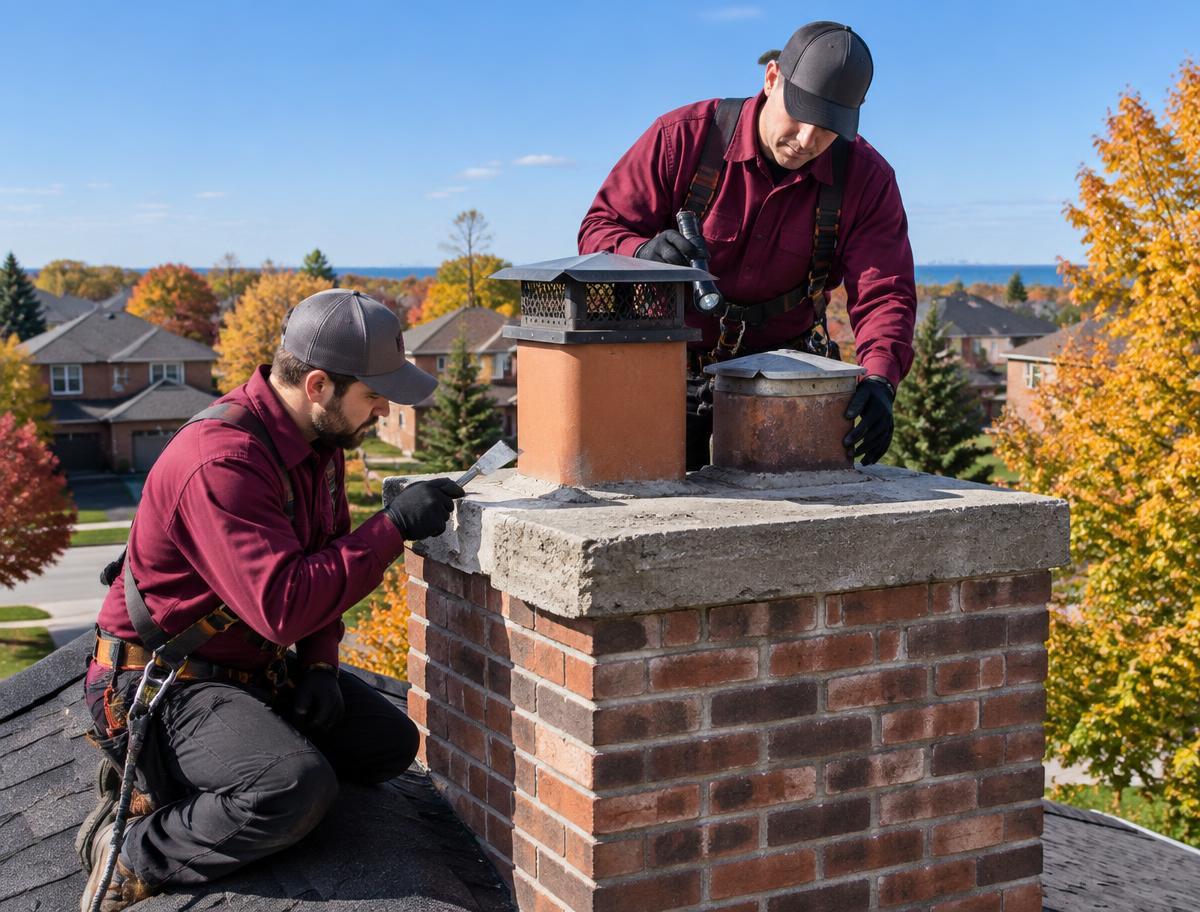
Roof accessibility and chimney height also play significant roles in pricing. A multi-storey home with a steep roof pitch, complex rooflines, or limited rooftop access requires extra safety rigging, ladder setups, or interior-focused cleaning strategies. Additionally, the overall condition of your chimney structure influences the quote; damaged dampers, missing chimney caps, or compromised flue tiles require candid discussions and separate line-item repair options so you are never surprised by hidden charges.
Selecting a chimney service contractor requires careful diligence. Be wary of door-to-door solicitations offering unrealistically cheap cleanings, as these operators often skim the surface with hand brushes, overlook hazardous glazed creosote, and push unnecessary, overpriced emergency repairs. Choose a dedicated, local independent business that provides clear upfront quotes, utilizes professional dust control, respects your living space, and demonstrates deep familiarity with the distinct masonry styles found throughout Markham.
- Stage of creosote determines whether standard brushing or intensive chemical stripping is needed.
- Roof height, pitch, and chimney accessibility influence setup and safety requirements.
- Separate line items provided for mechanical parts, new dampers, or rain caps.
- Reputable local providers offer transparent assessments without high-pressure tactics.
- Demanding full dust containment guarantees your furniture and floors stay pristine.
Average pricing in Markham
$229 – $549
- Inspection / diagnostic
- $119 – $169 (credited toward full service)
- Typical time on site
- 1.5 to 3 hours depending on creosote stage
- Parts and materials
- Replacement dampers, custom flue caps, and chemical glaze conditioners quoted separately
- What moves the price
- Degree of creosote accumulation (light soot versus stage three baked glaze) · Chimney height, roof pitch, and ease of rooftop ladder access · Liner type and condition, such as fragile clay tile or stainless steel insert
Estimated local market range, not a quote. All estimates are in Canadian dollars and exclude 13% Ontario HST. Your exact price is confirmed before any work begins.