

Many homeowners across Markham run their clothes dryer several times each week without considering the hidden pathway carrying hot moisture and combustible lint outdoors. Over months and years of regular laundry cycles, lint bypasses internal mesh screens and settles inside the exhaust run. Because residential laundry rooms in our local neighbourhoods are frequently tucked into finished basements or central interior closets, vent pipes often wind through ceiling cavities, joists, and subfloors before reaching an exterior wall. When these concealed pathways narrow due to accumulated debris, drying cycles lengthen, household energy costs rise, and the risk of a dangerous structural fire increases dramatically.
At Markham Chimney Services, located at 4418 Highway 7 East, we bring specialised diagnostic experience to exhaust and venting assemblies across our community. While our team is widely known for chimney care, venting physics remains identical whether exhausting a fireplace or a high-capacity dryer: heated air must move freely without restriction, backdrafting, or structural leakage. Our comprehensive dryer vent inspection investigates every centimetre of your exhaust run, evaluating airflow volume, pipe integrity, terminal hood clearance, and code-aligned safety practices. We help you identify hidden problems early, protecting your property value and keeping your family safe through all seasons.
Dryer Vent Inspection: visit summary
Dryer Vent Inspection: lint cleared from the duct and exterior hood to cut fire risk and shorten drying times. Serving Markham and the Greater Toronto Area (GTA). The estimated local market range is $129 - $249, not a fixed company rate. The final scope and quote are confirmed before work begins.
| Estimated market range | $129 - $249. All estimates are in Canadian dollars and exclude 13% Ontario HST. |
|---|---|
| Typical time | 45 to 75 minutes on site |
| Price factors | Total duct length and presence of multi-storey vertical risers; Accessibility of the exterior hood on elevated siding or rooflines; Structural configuration requiring camera diagnostic investigation |
| Routine signs to discuss | Extended Drying Times; Excessive Cabinet Heat; Burnt Odour During Operation; Sluggish Exterior Damper; Moisture and Lint Behind the Unit; Lint Screen Does Not Collect Debris |
Understanding What a Professional Dryer Vent Inspection Entails
A proper dryer vent inspection is a systematic, non-invasive diagnostic assessment of the entire exhaust corridor that transports moisture, heat, and lint out of your home. It begins directly behind the appliance, where flexible transition ducting links the dryer collar to the primary exhaust pipe. An inspector scrutinises this transition for crushing, excessive length, or inappropriate materials before tracing the concealed pipe through interior walls, bulkheads, or crawlspaces toward the exterior termination point.
Unlike a superficial glance behind the laundry machine, a professional inspection uses specialised diagnostic instrumentation to measure static pressure and real-time exhaust velocity. By calculating how easily air pushes through the pipe, a technician detects concealed clogs, improper pipe pitches, or internal disconnections without unnecessarily tearing into finished drywall. The assessment also checks that mechanical joints run in the direction of exhaust airflow and that no internal sheet metal screws snag airborne lint along the passage.
The final phase of the inspection focuses on the external termination cap mounted to your exterior brick, siding, or foundation. Our technician examines the hood flap, damper door, and pest guard to confirm that moist exhaust air escapes completely without admitting rain, snow, or outdoor pests. You receive a complete evaluation detailing pipe condition, immediate fire risks, and clear recommendations to restore factory-specified performance.
- Comprehensive visual check of transition hoses behind the laundry unit
- Airflow velocity and backpressure measurements across the full run length
- Verification of mechanical joint seals and proper duct support strapping
- Evaluation of external termination hoods, backdraft dampers, and pest screens
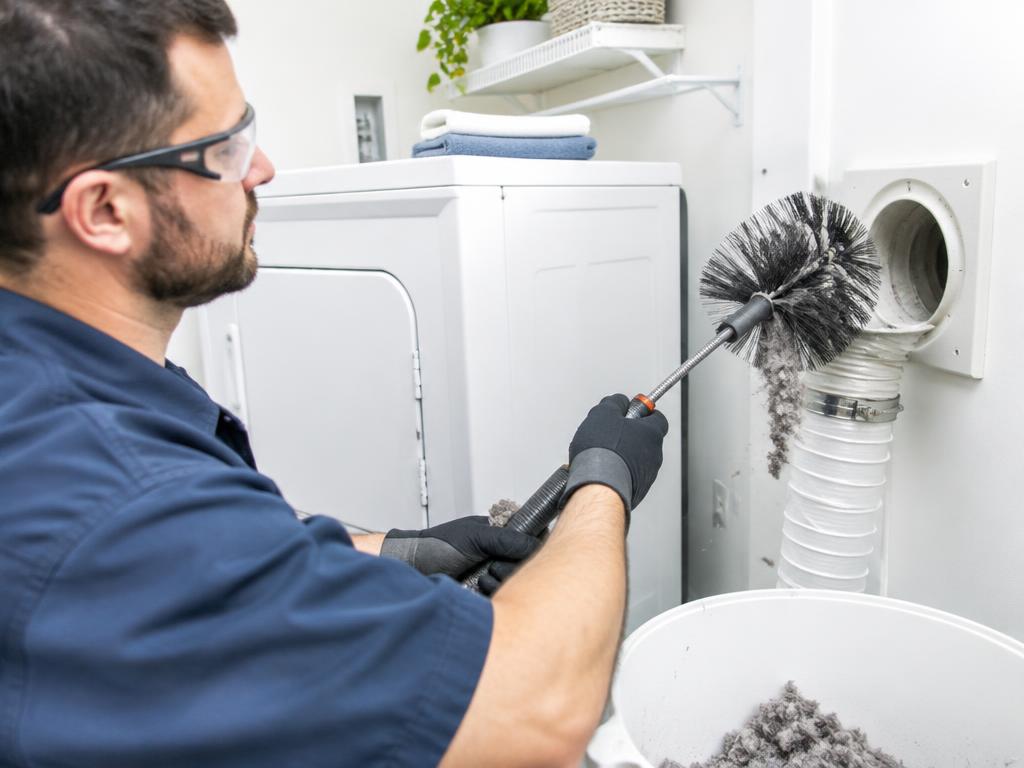
Thorough dryer exhaust inspections keeping Markham homes safe, energy-smart, and clear through every winter freeze.
Self-check
Warning signs you need dryer vent inspection
Extended Drying Times
Clothing requires two or more full cycles to dry completely. Trapped moisture cannot escape the restricted exhaust corridor, forcing the appliance to cycle repeatedly while wasting electricity or natural gas.
Excessive Cabinet Heat
The exterior surface of the dryer, laundry room walls, or freshly dried clothing feels scorching hot to the touch. Trapped thermal energy cannot dissipate safely, placing mechanical switches and heating coils under severe thermal strain.
Burnt Odour During Operation
A distinct smell of scorched cotton or burning lint lingers in the laundry room while the unit runs. This indicates that trapped lint is accumulating on heating elements or inside the internal blower housing.
Sluggish Exterior Damper
The outside vent hood flap barely flutters or remains completely closed while the dryer operates. Low air velocity indicates a heavy internal clog, disconnected pipe joint, or crushed transition line along the run.
Moisture and Lint Behind the Unit
Pockets of loose lint, damp drywall, or condensation droplets collect on walls and baseboards behind the machine. This confirms a leaking, loose, or severed transition hose releasing hot, humid air into interior living spaces.
Lint Screen Does Not Collect Debris
The removable mesh filter collects noticeably less lint than normal, or lint bypasses the frame entirely. Restricted static backpressure prevents airflow from drawing suspended fibres onto the screen, pushing debris deep into hidden walls.
Why Markham Winters and Freeze-Thaw Cycles Threaten Vent Lines
Southern Ontario weather places extraordinary mechanical stress on residential exhaust systems, and Markham homes feel this directly every winter. When hot, moisture-saturated air from a drying cycle travels through an unconditioned basement, rim joist, or cold attic space, the sudden temperature drop creates rapid condensation on the inside of the metal pipe. This liquid water combines with airborne lint, creating a sticky, papier-mache paste that clings to the duct wall rather than blowing outdoors.
During prolonged sub-zero cold snaps, that wet lint paste freezes solid, gradually narrowing the interior diameter of your vent pipe. Successive laundry loads deposit more damp material on top of the frost, forming thick ice dams that can choke off exhaust airflow entirely. When the weather fluctuates during sudden midwinter thaws, the melting ice produces water leaks that stain basement ceilings or seep behind drywall, leading to mould growth in hidden cavities across the Greater Toronto Area.
Exterior vent hoods present another frequent winter vulnerability in our region. Heavy snowfall often drifts against low foundation vents, while freezing rain can lock exterior damper flaps shut under solid sheets of ice. When a damper freezes closed, moist exhaust backs up into your home, forcing lint and combustion gases into living spaces. Regular seasonal inspections ensure your exterior termination sits high enough above local snowbanks and operates freely despite severe frost.
- Rapid condensation buildup inside exhaust ducts passing through cold zones
- Midwinter ice dams that constrict exhaust velocity and trap lint indoors
- Hidden moisture damage and drywall mould caused by melting frost lines
- Exterior damper doors frozen shut by freezing rain and heavy snowbanks
Carbon Monoxide Risks and Gas Dryer Venting Safety
While electric clothes dryers present severe fire risks when blocked, natural gas dryers carry the additional hazard of carbon monoxide poisoning. Gas dryers burn fuel to generate drying heat, producing combustion byproducts that include water vapour, carbon dioxide, and dangerous carbon monoxide. Under normal circumstances, the exhaust pipe conveys these toxic fumes outdoors simultaneously with the damp lint air.
When a gas dryer vent develops a heavy lint blockage or becomes detached within an interior wall, combustion exhaust cannot escape outdoors. Instead, positive pressure forces odorless, colourless carbon monoxide back into the laundry room, basement, and neighbouring living quarters. Because carbon monoxide is completely undetectable without dedicated sensors, family members can experience headaches, dizziness, or severe poisoning without realising the laundry system is leaking toxic fumes.
Our inspection protocol follows strict safety best practices mirroring CSA natural gas installation standards. We verify that all gas dryer exhaust runs remain completely separate from other household flues, that pipe joints are sealed with high-temperature metallic tape, and that working carbon monoxide alarms are positioned on every floor level. We never permit flexible plastic ducting on gas installations, as plastic deteriorates quickly under elevated exhaust temperatures.
- Critical risks of carbon monoxide backdrafting from blocked gas appliances
- Prevention of toxic gas seepage into basements and living quarters
- Rigorous verification of airtight metallic joint seals along the exhaust run
- Adherence to CSA-style separation standards between distinct venting flues
"I needed a new chimney cap. The installer arrived in Angus Glen, walked me through cap options, and fitted the perfect one with care. Cleanup was spotless and now I feel protected against rain and pests."

Our process
How we handle your dryer vent inspection, step by step
- 1
System Assessment and Access
We disconnect the power or gas supply safely, move the machine carefully, and examine the transition pipe, back collars, and immediate wall connection for crushing or poor seals.
- 2
Airflow Velocity and Pressure Testing
Using calibrated digital anemometers, we measure operating airflow and static pressure at both appliance and outdoor terminals to benchmark internal resistance against safe manufacturer standards.
- 3
Internal Video Camera Scoping
We feed flexible high-resolution micro-cameras through the entire duct pathway, identifying concealed lint accumulations, sagging runs, joint separations, hazardous screw protrusions, or pest infestations inside wall cavities.
- 4
Exterior Termination Examination
We inspect the exterior wall cap, verifying damper flap movement, testing pest barrier clearances, checking silicone weatherproofing, and confirming adequate ground clearance above heavy winter snow levels.
- 5
Findings Report and Recommendations
We present a comprehensive written summary of your vent run condition, reviewing airflow readings, visual camera evidence, code alignment, and clear proposals for repairs or cleaning if required.
Evaluating Duct Materials: Rigid Metal Versus Vulnerable Foil
The structural material used for your dryer exhaust run has an enormous impact on system safety, static airflow resistance, and overall fire resistance. In many older Markham homes, contractors or previous owners installed white vinyl plastic hoses or thin corrugated foil transitions. These corrugated flexible lines feature deep internal ridges that trap spinning lint particles, drastically slowing air speed and creating severe fire traps within just a few months of installation.
Flexible vinyl and thin multi-ply foil materials also lack the fire-containment capability necessary to protect structural framing. If a lint fire ignites inside a plastic or thin foil duct, the heat melts the thin wall almost instantaneously, dropping burning embers directly onto framing studs, subfloors, and adjacent insulation. By contrast, heavy-gauge rigid galvanized steel or aluminium ducts contain small internal flare-ups, giving occupants crucial minutes to evacuate safely.
During our inspection, we verify whether your system relies on rigid, smooth-walled metal pipe through all concealed wall and floor cavities. We ensure that any flexible transition hose between the appliance and wall connection is an approved heavy-duty semi-rigid aluminium design kept as short and straight as possible. Eliminating corrugated plastic or unapproved foil is one of the most effective safety upgrades any homeowner can complete.
- Replacing ribbed corrugated plastic hoses that catch airborne lint particles
- Installing heavy-gauge rigid galvanized metal for all concealed passages
- Limiting semi-rigid aluminium transitions to minimal lengths behind appliances
- Eliminating self-tapping screws that pierce pipe interiors and create snag points
Our Thorough Diagnostic and Inspection Methodology
Markham Chimney Services approaches dryer vent evaluation with the same structured discipline used for high-risk solid-fuel flues. We begin by inspecting the appliance interface, pulling the dryer outward carefully to examine the transition hose for crushing, kinks, or improper connections. We also evaluate the immediate floor area and mechanical cabinet for escaping lint, which often indicates loose collars or internal fan housing failures.
Next, we use calibrated airflow sensors and digital anemometers at the exterior vent hood to measure the exhaust volume and exit velocity while the dryer runs. If velocity falls below normal manufacturer specifications, we introduce high-definition micro-inspection cameras into the duct. This live visual feed reveals internal pipe conditions, showing whether the run contains packed lint deposits, disconnected seams, moisture pools, or invasive animal nests.
We conclude the inspection by evaluating the external wall penetration and termination fixture on the exterior of your home. We confirm that the exterior damper hinges freely, that the seal against the outer brick or siding is weatherproof, and that adequate clearance exists above ground level. Every homeowner receives a transparent verbal debrief alongside a written checklist highlighting safety concerns, functional deficiencies, and suggested remedies.
- Detailed inspection of the appliance connection and transition ductwork
- Calibrated digital anemometer testing to record real-world exhaust velocity
- High-definition camera scoping to inspect hidden internal pipe geometry
- Evaluation of outdoor termination hoods, backdraft dampers, and weather seals
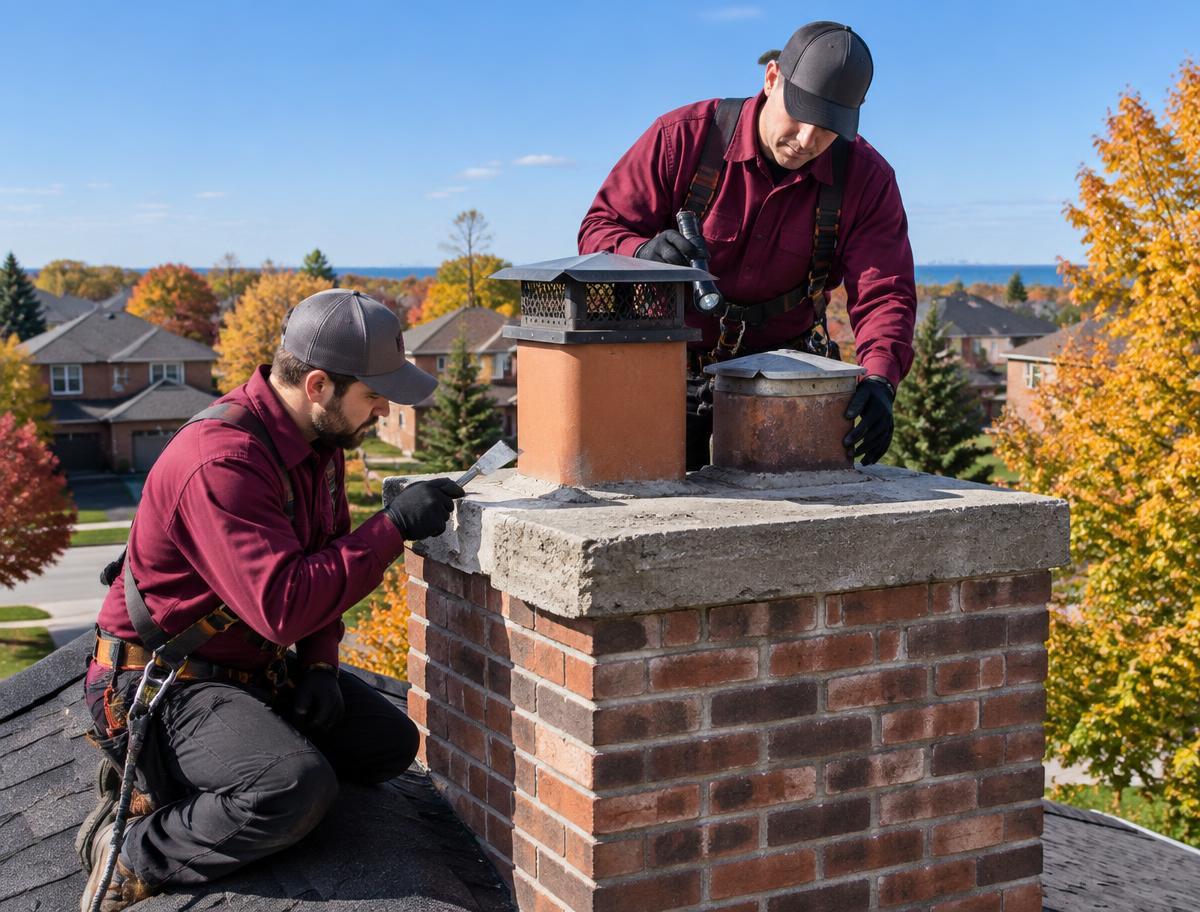
Practical Homeowner Maintenance Between Professional Inspections
While an annual professional inspection provides the deepest safety assurance, simple daily and monthly habits keep your dryer operating efficiently between expert visits. Cleaning the internal lint screen before or after every single laundry load is the absolute foundation of dryer care. Even a modest layer of lint on the screen impedes airflow by up to thirty percent, elevating cabinet heat and driving stray fibres past the filter gasket into the exhaust run.
Every month, step outside your home while the dryer is operating to confirm that the exterior vent flap swings wide open and that you feel a forceful, warm jet of air carrying a faint laundry scent. If the flap barely flutters or opens only partway, an internal obstruction is actively developing. In winter, clear all snowbanks and ice formations away from the exterior hood to guarantee an unblocked discharge path.
Periodically vacuum the recessed cavity beneath and behind your lint filter screen using a narrow crevice attachment. Furthermore, make sure the dryer sits level on the floor and that laundry baskets, cleaning supplies, or ironing boards do not push the appliance backward against the wall, which can crush flexible transition ducting and choke exhaust flow without your knowledge.
- Clean the lint filter screen consistently before every drying cycle
- Conduct monthly outdoor checks to confirm vigorous exhaust airflow
- Shovel snow and chip away ice dams around exterior hood terminations
- Keep the floor area behind the machine clear to prevent crushed transition lines
Selecting a Reputable Venting Contractor in Markham
Dryer vent maintenance is an unregulated field in many jurisdictions, which unfortunately attracts fly-by-night telemarketers offering rapid, superficial blow-outs with consumer-grade vacuums. These quick visits often overlook internal duct disconnections, crushed transition lines, and dangerous fire hazards hidden inside ceiling joists. Selecting an independent, established venting professional guarantees that your home receives an exhaustive, code-aligned assessment rather than a hasty surface cleaning.
When evaluating a service company, choose one with an authentic local presence and a physical address in Markham. Inquire about their diagnostic equipment: reputable technicians use digital anemometers to measure backpressure and velocity, rather than simply guessing based on visual appearance. A trustworthy professional provides clear documentation detailing what they observed inside your walls and explains the exact mechanical condition of your system.
Additionally, verify that the technician understands regional building nuances, such as split-level duct routing, basement masonry penetrations, and multi-storey vertical risers common in local housing styles. A true venting specialist approaches your dryer exhaust with the same technical rigour applied to wood-burning and gas heating flues, ensuring that every safety component functions as an integrated protective system.
- Avoid telemarketing services offering ten-minute discount cleanings
- Verify a verifiable physical business presence rooted in Markham
- Require objective diagnostic testing like airflow and backpressure metrics
- Ensure familiarity with regional architectural framing and vertical vent runs
Average pricing in Markham
$129 - $249
- Inspection / diagnostic
- $129 - $179 stand-alone diagnostic fee
- Typical time on site
- 45 to 75 minutes on site
- Parts and materials
- Replacement semi-rigid transition pipes, heavy-duty exterior damper hoods, and metallic foil sealing tape quoted separately
- What moves the price
- Total duct length and presence of multi-storey vertical risers · Accessibility of the exterior hood on elevated siding or rooflines · Structural configuration requiring camera diagnostic investigation
Estimated local market range, not a quote. All estimates are in Canadian dollars and exclude 13% Ontario HST. Your exact price is confirmed before any work begins.