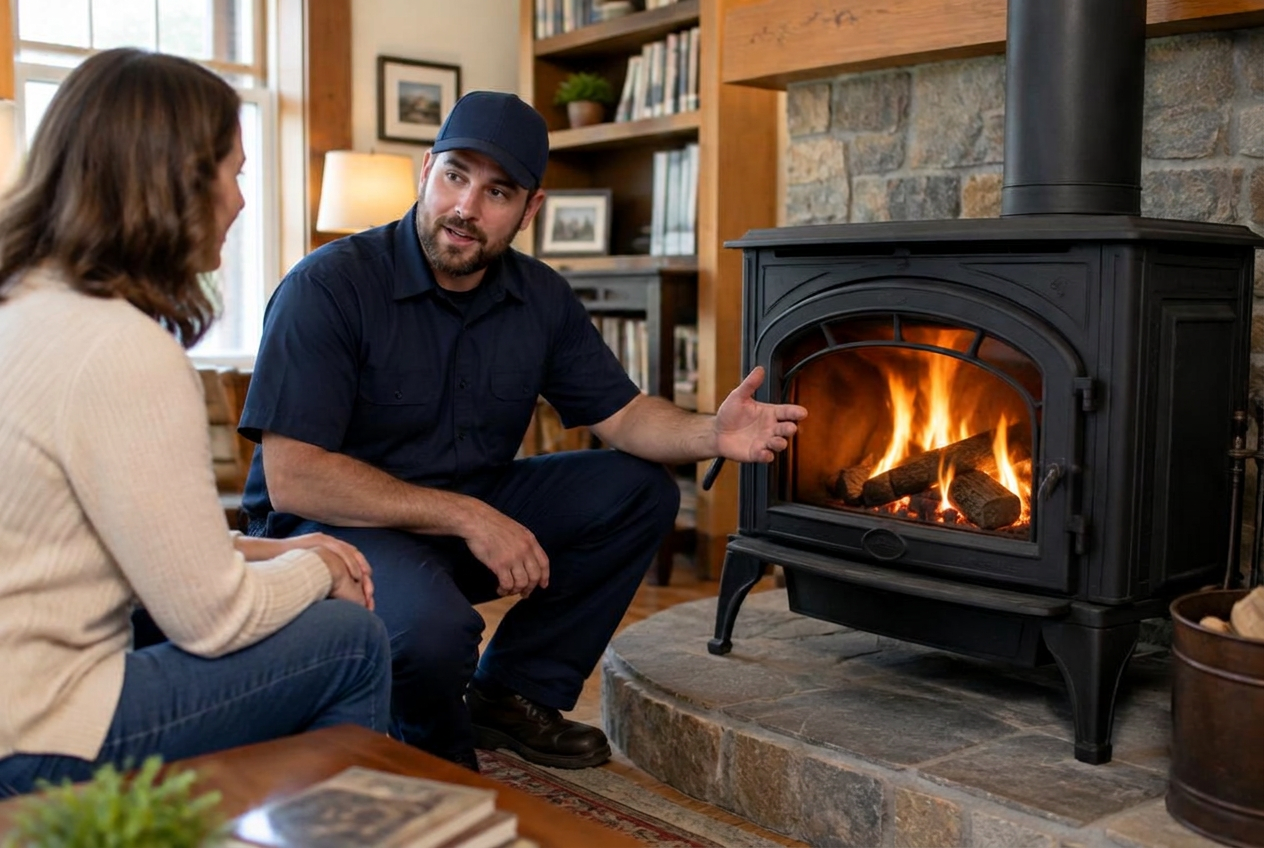

A cozy hearth brings comfort to long winter evenings, but regular maintenance is vital to keep your living space safe and efficient. Fireplace cleaning removes the dangerous byproducts of combustion, including oily creosote, loose soot, and stubborn ash deposits that gather across the firebox, damper assembly, smoke shelf, and flue liner. Whether your property is a classic mid-century bungalow in Unionville or a newly constructed home in Bayview Glen, keeping this system clear prevents destructive chimney fires, enhances indoor air quality, and ensures your venting draws smoothly throughout the coldest months of the year.
Markham Chimney Services operates from 4418 Highway 7 East, Markham, Ontario, bringing practical expertise directly to local households. Our independent sweeps understand how local construction styles, changing wind patterns, and severe regional temperature shifts impact chimney performance. We treat your property with complete care, sealing work areas against airborne dust while conducting methodical inspections of your flue interior. With our dedicated approach to fireplace maintenance, you can light your seasonal fires with genuine peace of mind, knowing that your system vents exhaust outdoors without jeopardizing your household health or home investment.
Fireplace Cleaning: visit summary
Fireplace Cleaning: a careful look and clean of the firebox, damper and flue, with a plain rundown of what we found. Serving Markham and the Greater Toronto Area (GTA). The estimated local market range is $189 – $349, not a fixed company rate. The final scope and quote are confirmed before work begins.
| Estimated market range | $189 – $349. All estimates are in Canadian dollars and exclude 13% Ontario HST. |
|---|---|
| Typical time | 1 to 2 hours typical on-site time |
| Price factors | Flue accessibility, chimney height, and roof pitch conditions; Severity and stage of creosote accumulation inside the flue liner; Appliance style, whether traditional masonry hearth, insert, or gas unit |
| Routine signs to discuss | Pungent Campfire Odours Indoors; Sluggish Draft and Backpuffing; Visible Black Tar or Crust; Stiff or Seized Damper Mechanism; Dense Black Soot on Glass; Fallen Debris in the Firebox |
What Complete Fireplace Cleaning Involves
Routine fireplace cleaning is a specialized process that extends far beyond sweeping loose ash out of your firebox. Every time seasoned firewood or supplemental fuel burns, volatile gases rise into the cooler upper flue, condensing into layers of soot and combustible creosote. A comprehensive cleaning clears these deposits from the firebox walls, grate, damper plate, throat, smoke chamber, and chimney liner. Removing this residue restores proper internal clearances and minimizes the fuel supply that could feed an accidental chimney blaze.
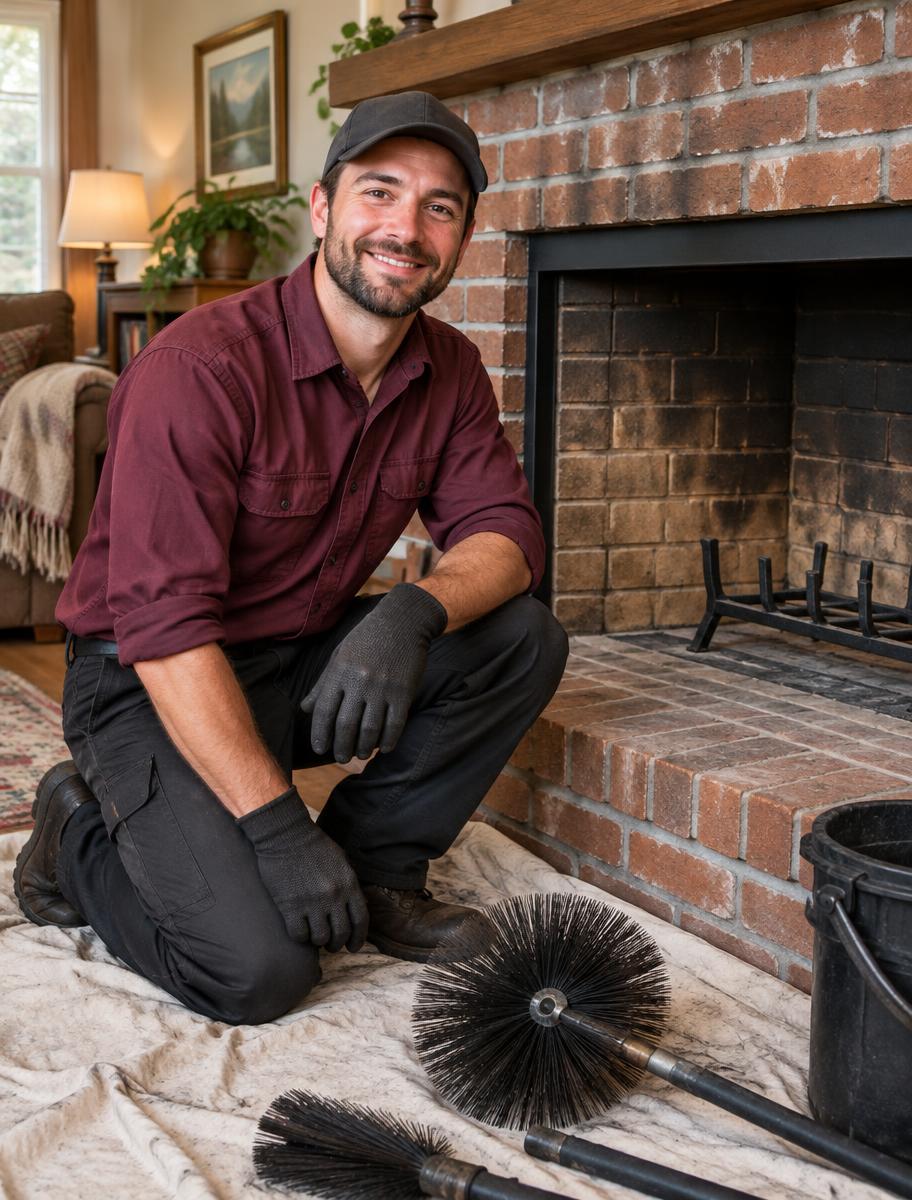
Our process addresses both mechanical components and structural masonry. Dampers often become seized with fallen debris, preventing a tight seal when the fireplace sits idle and wasting valuable home heat. Ash buildup on the smoke shelf can trap corrosive moisture, gradually deteriorating metal components and mortar joints behind the scenes. By methodically scrubbing every accessible surface with specialized poly and wire brushes, we restore smooth airflow and ensure mechanical assemblies operate without sticking or jamming.
In addition to mechanical sweeping, professional cleaning provides visibility into the structural health of your heating system. You cannot properly evaluate brickwork, clay tiles, or steel liners when they remain coated in a thick layer of pitch and carbon. A clean system reveals early warning signs of thermal stress, water penetration, and joint separation, allowing you to tackle minor repairs before they develop into expensive, complex structural overhauls.
- Mechanical sweeping of the firebox, smoke shelf, and flue flue passage
- Thorough soot removal from the damper plate and throat area
- Clearing corrosive ash accumulations that accelerate metal rust
- Visual evaluation of structural surfaces once creosote is cleared
- Containment and vacuuming using industrial fine-particle filtration
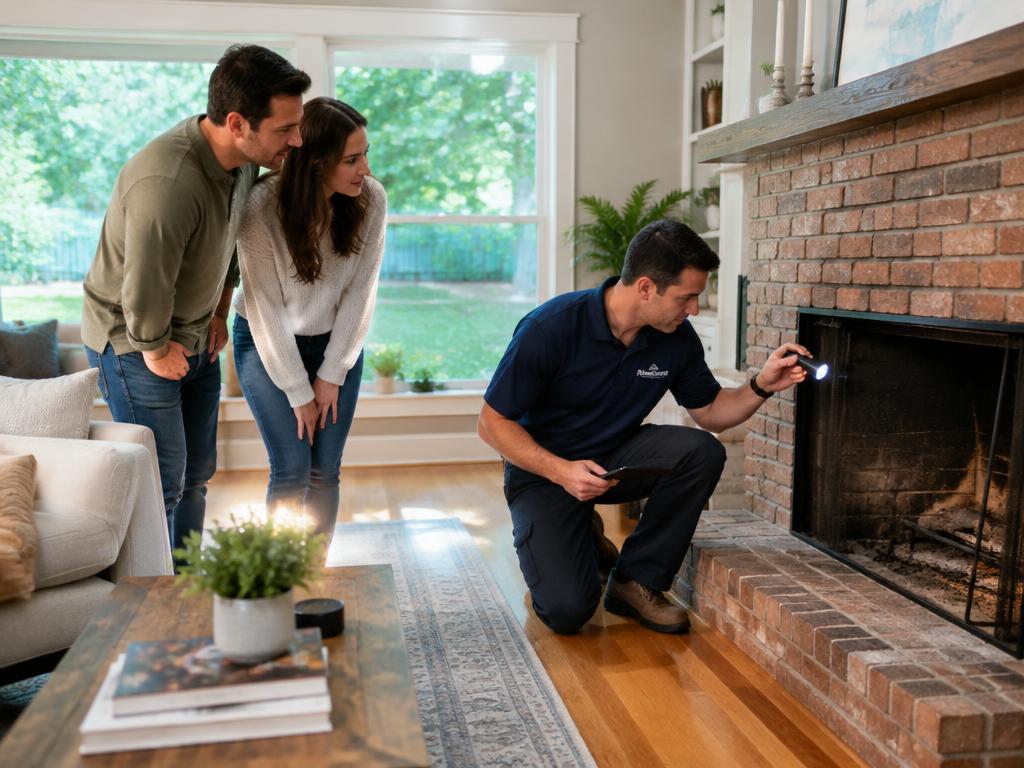
Thorough fireplace care designed to protect your home through cold Ontario winters.
Self-check
Warning signs you need fireplace cleaning
Pungent Campfire Odours Indoors
A lingering, acrid soot smell wafting into your living room indicates heavy creosote accumulation on the smoke shelf or liner walls, often aggravated by changing indoor air pressure or humid seasonal weather.
Sluggish Draft and Backpuffing
Smoke escaping past the lintel bar into your home when lighting fires points to constricted flue passages, heavy soot restrictions, or cold air blockages that prevent exhaust from rising freely outdoors.
Visible Black Tar or Crust
Shiny, bubbled, or glassy black deposits along your firebox walls, damper plate, or lower flue indicate dangerous stage-two or stage-three creosote that poses a serious, active chimney fire risk.
Stiff or Seized Damper Mechanism
If your metal damper plate grinds, catches, or refuses to open and close smoothly, falling soot, loosened mortar, or surface rust has accumulated around the throat assembly, requiring careful mechanical cleaning.
Dense Black Soot on Glass
Rapid soot staining on woodstove or gas fireplace glass doors signals incomplete fuel combustion, dirty burner ports, or poor drafting that demands professional burner detailing and flue clearing.
Fallen Debris in the Firebox
Finding bits of clay tile, flakes of black pitch, or crumbling mortar on the hearth floor warns of internal liner wear or thermal damage that must be evaluated following a complete sweep.
Why the Freeze-Thaw Climate Challenges Local Chimneys
Southern Ontario weather places tremendous stress on exterior residential venting systems. Winters feature repeated cycles of freezing rain, deep sub-zero cold, and sudden thaws that drive moisture deep into external masonry. When water seeps into porous mortar joints or cracked brick surfaces and expands as ice, it fractures masonry caps and loosens chimney tiles. A fireplace filled with soot holds onto this winter humidity, forming acidic compounds that eat away at mortar from the inside out.
Rapid temperature swings also create dramatic changes in internal flue draft. During extreme cold snaps, the heavy column of frigid air sitting inside an uninsulated exterior chimney resists the initial rise of warm exhaust. If your chimney walls are constricted with soot, this stubborn cold plug can cause thick smoke and combustion gases to spill directly backward into your living room upon ignition, compromising indoor air quality and leaving persistent odours.
Throughout the transition into spring across the Greater Toronto Area, residual soot mixes with humid outdoor air drawn down through idle flues. This combination produces a sharp, unpleasant campfire smell that spreads through basements and living areas. Scheduling your sweep at regular intervals neutralizes these seasonal moisture hazards, preserving the integrity of your chimney structure and keeping your interior air fresh throughout humid summer stretches.
- Freeze-thaw cycles crack mortar and accelerate moisture intrusion
- Damp creosote creates sulfuric acid that corrodes steel and clay liners
- Cold chimney plugs cause dangerous smoke spillage during winter startups
- Summer humidity activates foul soot odours inside living spaces
- Timely sweeping prevents moisture-assisted flue deterioration
Understanding Creosote Stages and Structural Hazards
Creosote is an unavoidable byproduct of burning solid wood fuels, but its form changes depending on burning habits and airflow efficiency. In its earliest stage, creosote appears as a dry, flaky black soot that brushes away with standard chimney sweep tools. If left unattended, continued exposure to hot flue gases bakes this powder into a rough, sticky tar known as second-stage creosote, which constricts the internal flue diameter and restricts draft.
The most hazardous condition is third-stage glazed creosote. This dense, glassy coating forms when fires smolder with inadequate oxygen or when unseasoned wood with high moisture content is burned. Glazed creosote hardens into a shiny, rock-like layer along the flue lining that is highly combustible. Once ignited by a stray spark, glazed creosote fuels ferocious chimney fires that burn at intense temperatures, often cracking clay liners and igniting adjacent wooden framing within attic walls.
Soot accumulation also hides subtle structural damage from view. Cracked flue tiles, missing mortar between liner sections, and corroded metal joints remain hidden beneath black carbon deposits. Sweeping away these combustible layers is the only reliable method to mitigate chimney fire risks while exposing the underlying materials for a realistic assessment of structural safety.
- Stage one powdery soot is easily brushed away during routine maintenance
- Stage two tar-like deposits restrict drafting and require stiffer sweeps
- Stage three glazed creosote forms an extremely flammable, glassy crust
- Intense chimney fires can crack liners and spread into home rafters
- Regular cleanings prevent low-temperature creosote from converting into glaze
Our Careful Inspection and Work Process
Our service protocol begins the moment we step through your front door. We lay clean drop sheets across your floors and establish high-efficiency HEPA containment around the hearth opening. This complete containment prevents soot dust, ash particles, and lingering odours from drifting into your living space during the cleaning process. We treat your furnishings, carpets, and wood flooring with the highest level of respect throughout our visit.
We proceed by evaluating the firebox, grate, and damper mechanism, testing for smooth articulation and proper closure. Our technicians then select properly sized brushes matched to your specific chimney construction, whether you have a traditional square clay flue or a round stainless steel insert. We sweep the entire length of the flue, dislodging accumulated deposits from the termination point down to the smoke chamber, using continuous negative-pressure vacuuming to capture airborne particulates immediately.
Once sweeping is complete, we clear fallen debris from the smoke shelf using specialized vacuum attachments and inspect the exposed interior. We examine firebrick joints, lintel bars, and visible liner seams for gaps, spalling, or heat fractures. After cleaning the hearth thoroughly and removing all containment materials, we provide you with an honest summary of our observations and practical guidance on operating your fireplace cleanly.
- Protective floor coverings and containment barriers set up before work starts
- HEPA filtration vacuum running continuously to capture microscopic dust
- Flue-matched sweeping tools to scrub liner surfaces without causing abrasion
- Smoke shelf and throat evacuation using specialized extension nozzles
- Clear post-service report summarizing the condition of your hearth assembly
"I booked an annual chimney sweep in Unionville and they arrived right on time. They cleared all creosote, inspected the flue draft, and shared simple maintenance tips. My fireplace runs smoother and safer now."
Our process
How we handle your fireplace cleaning, step by step
- 1
Hearth Setup and Dust Containment
We place clean drop runners across entryways and seal the hearth opening with tight plastic containment and industrial HEPA vacuuming to ensure zero soot escapes into your living space.
- 2
Initial Chamber and Flue Assessment
We examine the firebox brickwork, grate, damper plate, and visible flue sections to assess creosote density, soot thickness, and any mechanical issues before beginning mechanical sweeping.
- 3
Systematic Flue and Throat Sweeping
Using professional brushes sized exactly to your flue dimensions, we brush the entire liner, smoke chamber, and throat, knocking loose deposits down directly into our high-volume vacuum intake.
- 4
Smoke Shelf and Ash Evacuation
We clear the horizontal smoke shelf behind the damper using specialized nozzle attachments, removing trapped corrosive ash, insect debris, and creosote fragments that standard sweeps often miss.
- 5
Final Safety Review and Homeowner Summary
We wipe down the hearth, remove containment barriers, test damper movement, and walk you through our findings, offering practical tips on firewood selection, burning habits, and safety maintenance.
Carbon Monoxide Prevention and Fire Safety Standards
Fireplace safety involves much more than simply managing visible flames; it requires diligent control of invisible combustion gases. Carbon monoxide is a colourless, odourless gas produced when solid or gas fuels burn incompletely. If a chimney flue is partially blocked by fallen brick fragments, bird nests, or dense creosote build-up, dangerous levels of carbon monoxide can seep back into your home, posing severe health hazards to your family.
We align all cleaning procedures with established solid-fuel and gas venting principles, reflecting standards common to Ontario building codes and recognized industry inspection practices like those outlined by CSA and WETT guidelines. Ensuring proper flue clearances and functional draft characteristics guarantees that toxic combustion gases vent outdoors. We also verify that your throat damper seals adequately when closed to prevent exterior drafts from disturbing home pressure balances.
A critical component of our visit involves discussing safety safeguards inside your living quarters. Every home with a fuel-burning fireplace should have working smoke detectors and carbon monoxide alarms installed on every sleeping level. We remind homeowners to test these units monthly, inspect expiration dates on detector sensors, and maintain an approved fire extinguisher within easy reach of the hearth area.
- Verification of clear exhaust pathways to prevent indoor carbon monoxide backup
- Adherence to recognized safety benchmarks derived from CSA and WETT practices
- Inspection of the throat damper to confirm a proper seal when not in use
- Advice on positioning smoke and carbon monoxide detectors near sleeping quarters
- Checks for combustible clearances surrounding the hearth and mantel surround
Caring for Both Wood-Burning and Gas Fireplace Installations
Wood-burning fireplaces and gas hearth systems demand completely different maintenance approaches, yet both require periodic servicing to remain safe. Traditional wood hearths generate visible ash, volatile creosote, and fly ash that coat the masonry chimney. Cleaning these units focuses heavily on mechanical scrubbing, soot removal, and checking that high-temperature firebrick retains structural stability without crumbling into the combustion chamber.
Gas fireplaces, whether vented through a chimney or direct-vented through an exterior wall, do not produce wood creosote, but they present unique maintenance concerns. Dust, pet dander, and household lint accumulate across the burner tray and pilot assembly, resulting in yellow, sooty flames that release carbon monoxide. Ceramic log sets can shift, causing burner impingement that leaves unsightly black carbon smudges across glass doors and decorative panels.
During a gas fireplace cleaning, we clean burner ports, vacuum control compartments, inspect thermocouple connections, and clean cloudy film from ceramic glass panels using approved non-abrasive cleaners. Whether you burn seasoned hardwood or rely on natural gas convenience, our independent team provides knowledgeable maintenance tailored to the specific mechanical demands of your equipment.
- Wood systems require aggressive creosote and ash removal from the entire flue
- Gas systems require burner port detailing, pilot clearing, and lint vacuuming
- Inspection of safety shut-off sensors, thermopiles, and ignition assemblies
- Specialized cleaning of ceramic viewing glass to remove mineral hazing
- Confirmation of proper venting draft for both natural draft and direct-vent setups
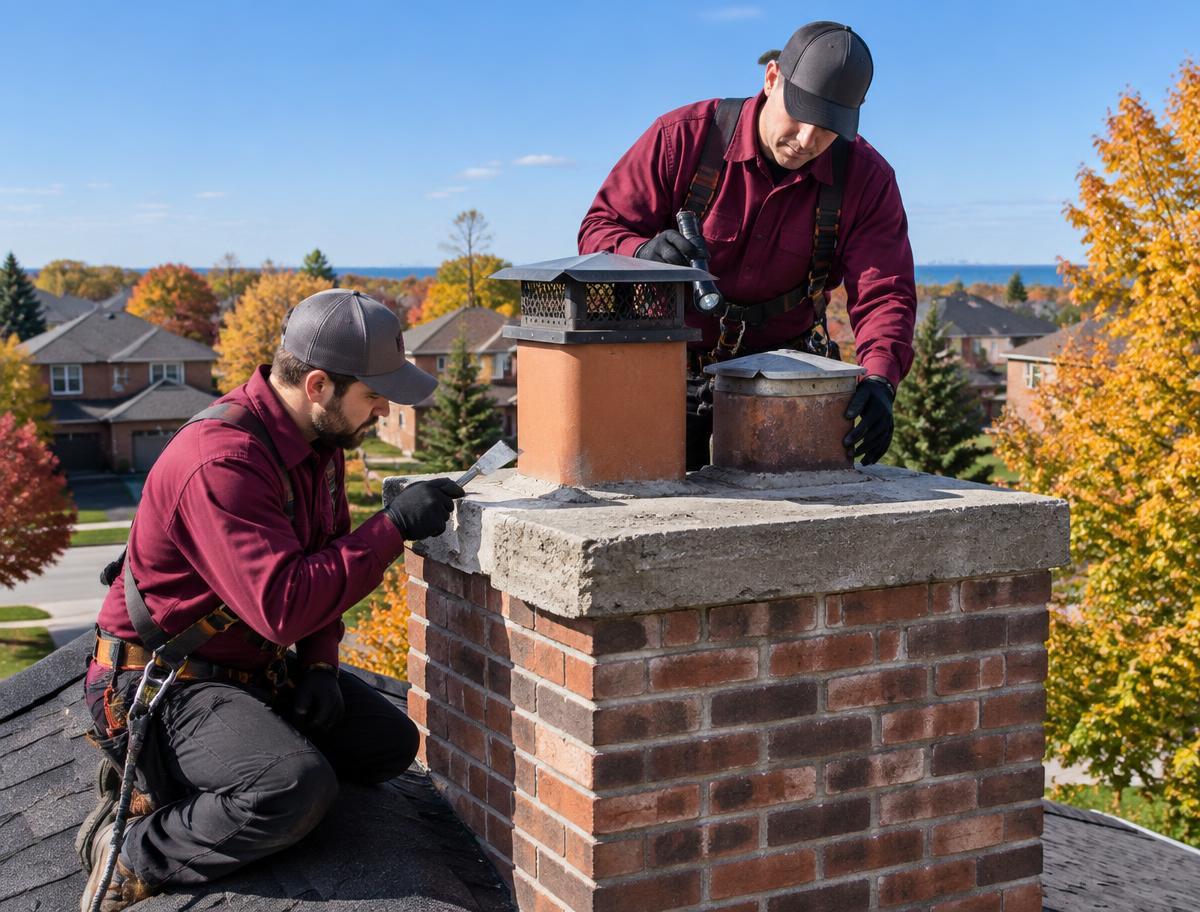
Practical Hearth Habits Between Professional Cleanings
Maintaining a clean fireplace begins with the fuel you choose to burn. Always use well-seasoned hardwoods such as maple, oak, or ash that have dried for at least six to twelve months. Burning unseasoned green wood wastes fire energy evaporating internal sap and water, lowering combustion temperatures and dramatically accelerating creosote accumulation inside your chimney flue. Avoid burning treated lumber, coloured paper, or cardboard trash, which emit toxic chemicals and throw dangerous burning embers.
How you build your fire also makes a significant difference to flue cleanliness. The top-down fire building method, placing large split logs on the bottom with kindling and tinder on top, creates a faster, hotter draft with far less initial smoke than traditional bottom-lit fires. Keep the air controls or glass doors adjusted to ensure your wood receives sufficient oxygen; smoldering fires produce heavy, unburned hydrocarbons that coat chimney walls in sticky tar.
Manage ash responsibly between sweeping visits by leaving an inch-thick bed of ash on the firebox floor during the heating season to insulate the coals. When ash levels become excessive, shovel the cold remains into a dedicated metal bucket equipped with a raised bottom and tight-fitting lid. Store the container outside on non-combustible concrete or stone surfaces well away from wooden decks, exterior siding, or dry leaves.
- Burn only seasoned hardwoods with low moisture content for cleaner combustion
- Adopt top-down fire starting methods to reduce startup smoke and creosote
- Avoid burning painted timber, pressure-treated lumber, or domestic trash
- Maintain adequate combustion air to prevent low-temperature smoldering
- Store cleared ashes outdoors in a sealed metal can placed on non-flammable ground
Selecting a Reputable Independent Sweep in Markham
Hiring the right chimney service provider requires careful consideration of local knowledge and honest business practices. A dependable sweep should be fully insured, arrive with professional containment and vacuum equipment, and provide clear explanations without resorting to aggressive sales tactics. Avoid door-to-door operators who offer unrealistically low cleaning rates only to claim that your chimney requires thousands of dollars in emergency rebuilding before they even look up the flue.
Look for an independent local company with an established physical presence in your community. A service team operating out of an address like 4418 Highway 7 East understands the varied residential styles across Markham neighbourhoods, from mid-century post-war brick homes in Angus Glen to modern infill properties in Langstaff. Local experience means knowing how regional weather patterns, tree cover, and rooftop wind dynamics affect chimney drafting in our specific corner of Ontario.
Finally, expect a thorough written assessment after your service visit. A dependable chimney technician takes the time to review the findings with you, answering your questions in plain, practical language. Whether your system requires simple routine sweeping, a minor masonry repointing touch-up, or a replacement rain cap, you deserve honest guidance focused on keeping your home warm and secure throughout winter.
- Verify full commercial liability insurance and worker safety coverage
- Choose established independent contractors with a verifiable local business address
- Be wary of low-cost phone quotes that quickly convert into high-pressure repair sales
- Expect transparent written summaries of your fireplace and flue condition
- Select professionals familiar with local municipal building styles and cold-climate challenges
Average pricing in Markham
$189 – $349
- Inspection / diagnostic
- $129 – $189
- Typical time on site
- 1 to 2 hours typical on-site time
- Parts and materials
- Replacement dampers, firebrick, rain caps, and custom top-sealing assemblies quoted separately
- What moves the price
- Flue accessibility, chimney height, and roof pitch conditions · Severity and stage of creosote accumulation inside the flue liner · Appliance style, whether traditional masonry hearth, insert, or gas unit
Estimated local market range, not a quote. All estimates are in Canadian dollars and exclude 13% Ontario HST. Your exact price is confirmed before any work begins.