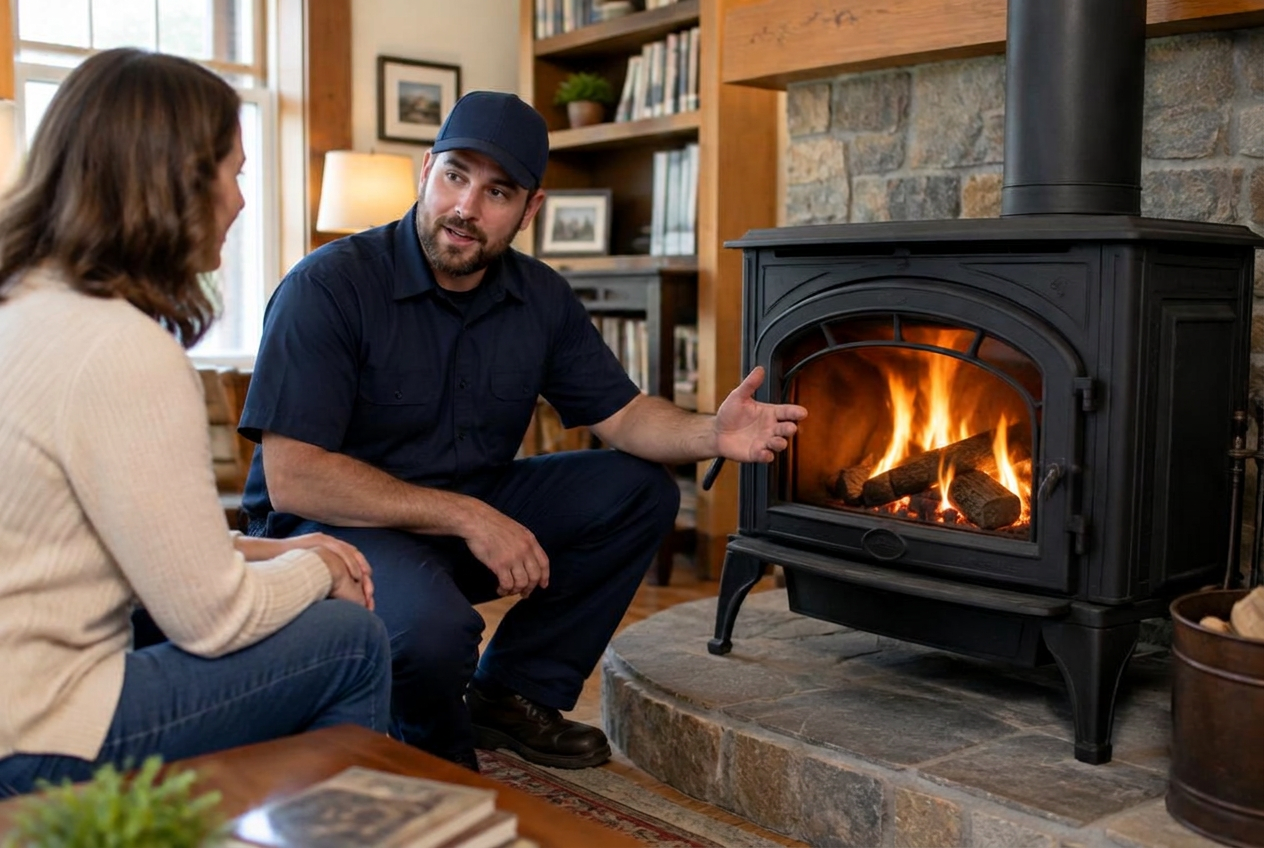

A dependable fireplace brings warmth, comfort, and character to any Markham residence during our coldest months. However, burning wood or operating gas appliances without scheduled maintenance can quickly compromise indoor air quality and structural safety. Over months of steady winter use, soot, corrosive acidic moisture, and physical wear accumulate within the firebox, damper, and flue liner. Routine fireplace maintenance ensures that your heating appliance operates efficiently while venting hazardous combustion gases out of living spaces. Taking care of your hearth before winter settles in protects your family and safeguards your home investment.
Markham Chimney Services provides thorough fireplace maintenance for homeowners located across local neighbourhoods and the surrounding Greater Toronto Area. Operating from our central workshop at 4418 Highway 7 East, our independent team understands the specific venting challenges created by regional architecture, from mid-century bungalows to contemporary multi-storey properties. We approach every hearth with practical expertise and meticulous attention to detail. By examining your heating system from the hearth floor to the chimney cap, we identify developing issues early, optimize thermal output, and deliver peace of mind throughout the entire heating season.
Fireplace Maintenance: visit summary
Fireplace Maintenance: a careful look and clean of the firebox, damper and flue, with a plain rundown of what we found. Serving Markham and the Greater Toronto Area (GTA). The estimated local market range is $229 – $489, not a fixed company rate. The final scope and quote are confirmed before work begins.
| Estimated market range | $229 – $489. All estimates are in Canadian dollars and exclude 13% Ontario HST. |
|---|---|
| Typical time | 1 to 2.5 hours on site |
| Price factors | Appliance category: traditional open masonry, wood insert, or gas unit; Accessibility of the rooftop chimney, including height and roof pitch; Volume of creosote accumulation or length of time since last cleaning |
| Routine signs to discuss | Sluggish Draft and Indoor Smoke Spillage; Pungent or Musty Fireplace Odours; White Efflorescence or Spalling Brickwork; Stiff, Jammed, or Rusted Damper Mechanism; Soot Streaks on Glass or Gas Fireplace Walls; Debris, Mortar, or Flue Flakes in the Hearth |
Understanding Professional Fireplace Maintenance
Fireplace maintenance is a proactive service that encompasses cleaning, mechanical testing, and safety evaluation for solid fuel and fuel-burning hearth appliances. Rather than merely sweeping visible dust from the hearth floor, a professional technician inspects the complete venting pathway. This includes the firebox brickwork, baffle plates, damper mechanisms, smoke chamber, and venting flue. Over time, heat stress and chemical exposure degrade these components, reducing efficiency and creating subtle safety hazards.
When an appliance burns fuel, combustion is rarely complete. Microscopic particles of unburned carbon, mineral ash, and acidic vapour drift upward, coating the internal walls of the fireplace system. Without proper maintenance, these deposits harden into glazed layers or restrict vital drafting airways. Maintenance clears these obstructions, evaluates air supply configurations, and restores smooth airflow so exhaust draft flows upward as intended.
Beyond cleaning out deposits, proper maintenance assesses mechanical and structural stability. Technicians lubricate moving components like damper hinges, verify the seal of glass doors, evaluate refractory panels, and test for clearance issues near combustible mantels and framing. Investing in regular maintenance preserves the longevity of your fireplace while maintaining safe indoor living spaces.
- Removes flammable creosote, soot, and internal venting blockages
- Restores smooth damper movement and proper flue draft dynamics
- Checks firebrick, refractory mortar, and internal heat shields for damage
- Confirms secure seal on glass assemblies and access cleanout doors
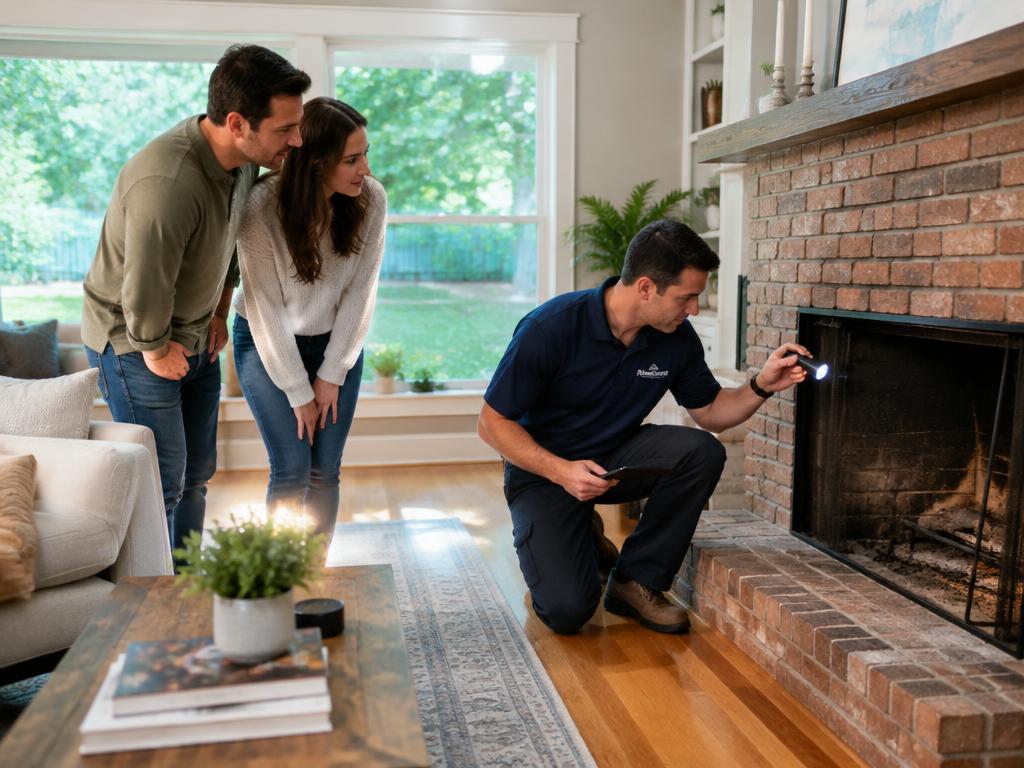
Keep your hearth safe, efficient, and ready for winter with thorough local fireplace maintenance.
Self-check
Warning signs you need fireplace maintenance
Sluggish Draft and Indoor Smoke Spillage
Smoke rolling back into your living room instead of venting upward indicates flue blockages, heavy soot buildup, or improper damper closure that demands prompt professional inspection.
Pungent or Musty Fireplace Odours
A strong campfire, asphalt, or damp musty smell lingering around the hearth, especially in humid weather, points to heavy creosote deposits or rainwater seeping inside the flue.
White Efflorescence or Spalling Brickwork
White powdery salt staining or flaking face brick on the chimney reveals internal moisture intrusion that weakens structural mortar joints during seasonal freeze-thaw cycles.
Stiff, Jammed, or Rusted Damper Mechanism
Difficulty opening or closing the fireplace damper plate indicates corrosion, heat warping, or soot obstruction, which prevents safe venting and wastes home heating energy.
Soot Streaks on Glass or Gas Fireplace Walls
Dark, velvety carbon stains coating gas logs, burner beds, or viewing glass show improper fuel combustion, misaligned air shutters, or clogged gas burner ports.
Debris, Mortar, or Flue Flakes in the Hearth
Bits of broken clay tile, dried mortar, or unexpected sand falling onto the firebox floor signal deteriorating flue liners that require immediate evaluation before lighting another fire.
Why the Ontario Freeze-Thaw Climate Demands Vigilance
Homes across Markham experience demanding climatic swings each year. Winter weather regularly alternates between deep freezing temperatures and sudden mid-winter thaws. This rapid temperature cycling introduces moisture deep into masonry joints, flue tiles, and exterior chimney structures. When trapped water freezes, it expands by roughly nine percent, breaking mortar bonds and cracking protective terracotta flue liners from the inside out.
During warm winter afternoons, melting snow saturates exterior brickwork and flashing around the roofline. As night falls and temperatures plunge below freezing, this absorbed moisture crystallizes and chips away at structural materials through spalling. Inside the chimney, cold exterior air collides with hot combustion gases, generating heavy condensation. This moisture blends with sulphur and nitrogen compounds in soot, creating corrosive acids that eat into metal dampers and mortar joints.
Scheduled maintenance identifies early moisture penetration before freeze-thaw cycles cause chimney failure. A technician inspects the chimney crown, flashing seals, and flue interior to verify water stays out of your heating system. Addressing small cracks and damper rust early prevents costly rebuilds and stops moisture from penetrating your living room walls.
- Harsh freeze-thaw cycles cause spalling in exterior brick and mortar
- Internal condensation mixes with soot to form corrosive chemical acids
- Damaged chimney crowns allow melted snow to seep into interior flue liners
- Routine checkups locate early water intrusion before winter freezes cause expansion
Managing Creosote, Soot, and Flue Restrictions
In wood-burning fireplaces, creosote represents the primary hazard requiring consistent maintenance. Creosote forms when unburned wood vapours cool as they travel upward, condensing onto the cooler walls of the smoke chamber and chimney flue. Initially appearing as a loose, flaky soot, creosote quickly transforms into a sticky, tar-like substance and eventually hardens into a dense, highly flammable glaze if left unaddressed.
A thick glaze of stage-three creosote restricts air passage, choking the draft and forcing smoke backwards into the house. More alarmingly, this glazed deposit can ignite inside the chimney, generating intense heat exceeding one thousand degrees Celsius. Such chimney fires can crack masonry structures and spread into attic framing within minutes. Regular mechanical sweeping and chemical conditioning keep creosote levels low and safe.
Gas fireplaces, while free from traditional wood creosote, face their own combustion byproduct challenges. Incomplete gas combustion produces fine velvety soot that insulates heat exchangers, clouds viewing glass, and blocks pilot burner ports. Spiders and dust also construct nests within gas burner tubes during summer dormancy. Maintenance restores clear fuel passages and ensures clean, complete combustion.
- Clears progressive stages of creosote before flammable glaze develops
- Prevents smoke roll-out into living spaces caused by constricted airways
- Removes soot buildup from gas log sets and internal pilot assemblies
- Protects masonry liners from intense thermal damage caused by chimney fires
Hearth Safety, Ventilation, and Carbon Monoxide Prevention
A functioning fireplace must vent all combustion gases out of the home. Carbon monoxide is an odourless, colourless gas produced during fuel combustion. If a damper is misaligned, a flue is obstructed, or negative pressure builds within a well-insulated modern house, this toxic gas can spill into living areas unnoticed. Regular maintenance verifies that natural draft pressure safely pulls toxic gases up and out.
Our maintenance process aligns with proven fire-safety benchmarks and Canadian heating guidelines, including CSA standard principles and accepted industry inspection protocols. While we operate as an independent service company without claiming formal brand affiliations, we apply industry-standard clearance measurements and venting best practices to every evaluation. We review hearth extensions, mantel clearances, and wall shield integrity to confirm safe operating boundaries.
We also examine safety devices inside the home. Every floor with a fuel-burning appliance requires an operational carbon monoxide detector placed at manufacturer-recommended locations. During a maintenance visit, our technicians highlight airflow dynamics, explain how kitchen exhaust fans or heat recovery ventilators influence draft, and ensure your home ventilation works in harmony with your fireplace.
- Verifies positive draft pull to eliminate carbon monoxide spillage risks
- Evaluates clearances to nearby combustible mantels, trim, and flooring
- Applies CSA-style clearance benchmarks to evaluate firebox safety
- Reviews carbon monoxide alarm placement and indoor negative-pressure issues
"I needed a new chimney cap. The installer arrived in Angus Glen, walked me through cap options, and fitted the perfect one with care. Cleanup was spotless and now I feel protected against rain and pests."
Our process
How we handle your fireplace maintenance, step by step
- 1
Work Area Protection & Dust Containment
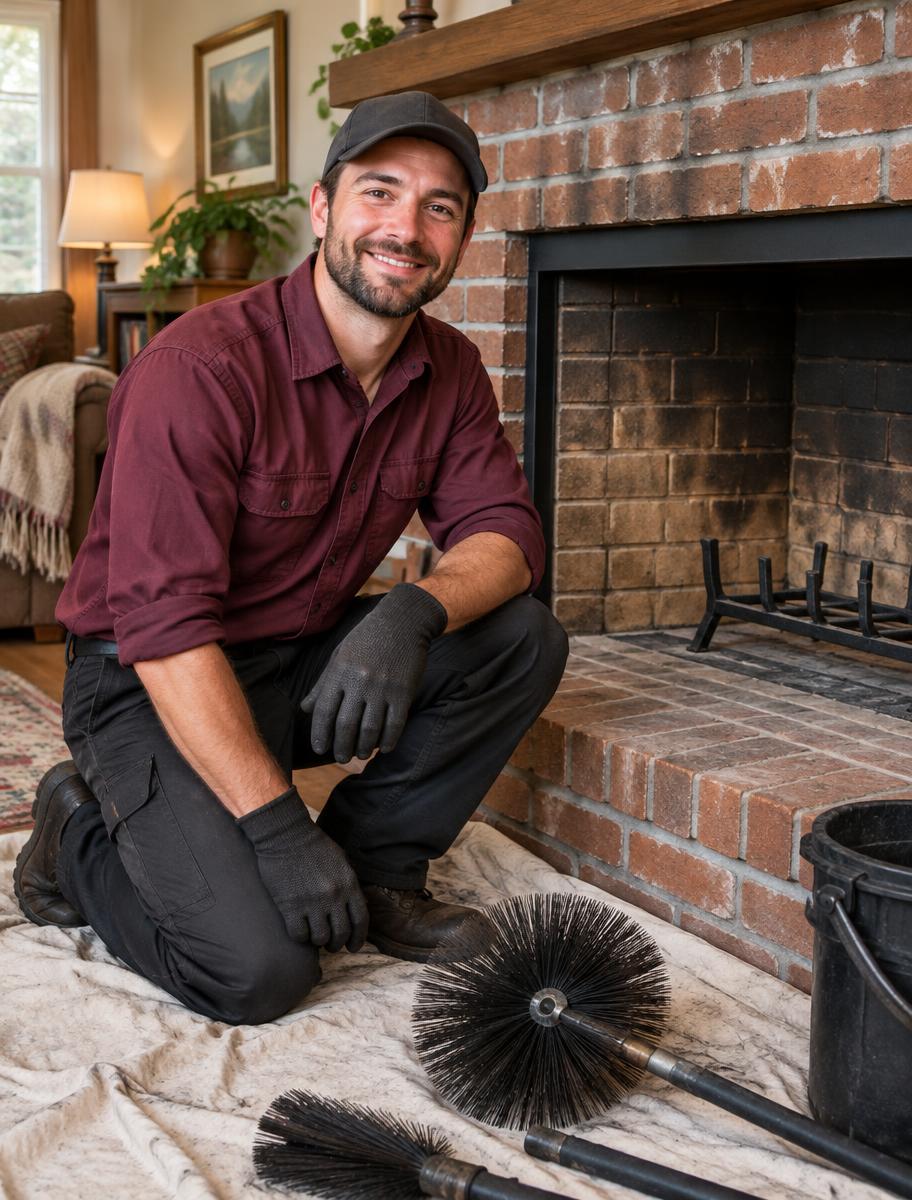
We lay clean drop runners from the entry to your hearth and install industrial HEPA-filtered vacuum containment to safeguard your living space completely.
- 2
Physical Inspection of Core Components
Our technician examines firebox bricks, damper plates, lintel bars, refractory panels, and chimney assemblies to check for cracks, corrosion, and structural wear.
- 3
Mechanical Sweeping and Deposit Removal
Using professional rotary whips and specialized brushes, we remove soot, ash, and creosote accumulations from the flue liner, smoke shelf, and firebox walls.
- 4
Component Testing and Adjustment
We lubricate damper linkages, inspect door gaskets, evaluate gas pilot systems and shutoff switches, and confirm unrestricted drafting throughout the entire system.
- 5
Clear Reporting and Practical Consultation
We explain all findings in plain language, answer your hearth questions, and present a clear written record detailing your fireplace system's operational health.
Our Step-by-Step Diagnostic and Maintenance Approach
When Markham Chimney Services arrives at your home, we treat your property with absolute care. We begin by placing heavy drop cloths across the working area and setting up specialized dust-containment systems equipped with fine-particle HEPA filters. This containment setup prevents soot, ash, and airborne dust particles from entering your living spaces during the cleaning and evaluation process.
Next, we conduct an extensive multi-point inspection. We examine the firebox, check refractory panels, inspect the lintel iron, test the throat damper, and visually assess the smoke chamber and flue liner. We look for cracks, thermal stress, moisture stains, and corrosive wear. For gas systems, we test ignition components, millivolt switches, thermopile outputs, and safety shutoff valves under active operation.
Once cleaning and testing conclude, we compile our findings into a straightforward service overview. We explain the present condition of your hearth, highlight any developing structural or mechanical concerns, and outline practical next steps. If replacement parts or minor repairs are needed, we provide transparent estimates before carrying out further work.
- Complete room preparation using industrial floor runners and HEPA vacuums
- Multi-point physical evaluation of firebox, damper, and venting passage
- Detailed functional testing of draft mechanics and gas safety shutoffs
- Clear verbal summary and written documentation of all findings
Practical Year-Round Care and Operational Advice
While professional maintenance is essential once a year, everyday operating habits heavily influence fireplace longevity. For wood-burning fireplaces, fuel selection is critical. Burn only seasoned hardwood that has air-dried for at least six to twelve months, maintaining a moisture content below twenty percent. Burning green wood, pressure-treated lumber, or painted scrap produces heavy smoke, lowers heating efficiency, and rapidly accelerates creosote buildup.
Operating technique matters just as much as fuel choice. Build fires using the top-down method, placing larger split logs on the bottom and kindling on top. This technique warms the chimney flue quickly, establishing a robust upward draft immediately and reducing ignition smoke. Avoid choking the air intake excessively; a slow, smouldering burn generates substantial particulate soot that coats your chimney walls.
For gas fireplaces, simple monthly habits preserve performance between professional visits. Keep the lower control compartment clean of pet hair and dust using a gentle household vacuum attachment. Never spray harsh chemical glass cleaners onto warm ceramic fireplace glass, as these formulas can etch the surface or bake permanent stains into the glass matrix. Inspect outdoor termination caps periodically to ensure falling autumn leaves or snow drifts do not obstruct ventilation.
- Burn only seasoned hardwood with moisture content tested under twenty percent
- Use the top-down fire building method to establish draft and minimize smoke
- Avoid smouldering fires by maintaining adequate combustion air supply
- Clean gas louvres regularly and avoid abrasive glass chemical cleaners
Budgeting and Factors Influencing Fireplace Service Pricing
Planning for fireplace maintenance involves understanding how service scopes are priced across Markham and surrounding communities. Standard maintenance packages usually cover sweeping, safety inspection, and minor mechanical adjustments under a predictable base fee. However, the final cost depends heavily on the accessibility, fuel type, and existing condition of the venting system.
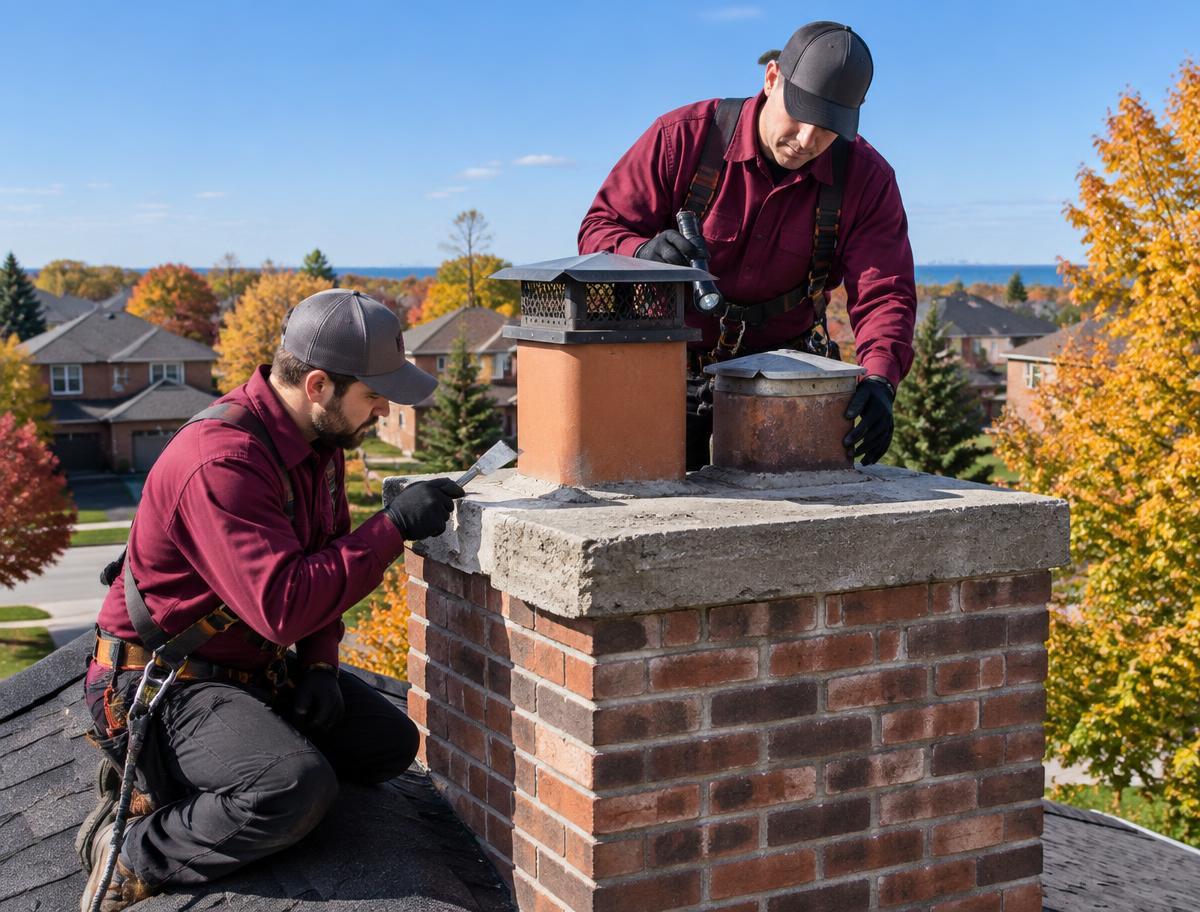
Accessibility plays a significant role in service pricing. Multi-storey homes, steep pitched roofs, or chimneys lacking exterior ladder tie-offs require extra safety staging and specialized equipment to evaluate properly. In contrast, an easily accessible ground-floor gas vent or standard single-flue masonry chimney requires less time and standard equipment, keeping the labour charge close to entry-level pricing tiers.
The level of buildup and neglect also influences total fees. A chimney that has received regular annual service cleans easily within a standard appointment. Conversely, a flue with heavy stage-three glazed creosote, bird nest blockages, or damaged flue tiles requires extended rotary cleaning tools, chemical treatments, or detailed video evaluations. Transparent upfront estimates ensure you understand all pricing components before any extra work begins.
- Roof pitch, chimney height, and site accessibility affect setup labour
- Fuel type determines diagnostic testing and specialized cleaning tools
- Heavy creosote glaze, bird nests, or debris increase service duration
- Part replacements like gaskets, pilot assemblies, or caps quoted separately
Choosing a Qualified Independent Fireplace Professional
Selecting the right contractor to service your fireplace is critical for home safety. A fireplace is a controlled fire inside your living area; improper handling or careless evaluations can expose your family to fire risks and dangerous combustion fumes. Homeowners should choose established service providers who demonstrate deep familiarity with regional building techniques and local weather dynamics.
When interviewing contractors, confirm their insurance coverage and evaluate their business transparency. A reputable fireplace technician carries comprehensive commercial general liability insurance and adheres to workplace safety requirements. Ask prospective technicians about their inspection methods, dust containment practices, and how they document mechanical findings. Reliable professionals provide clear written summaries rather than vague verbal assurances.
Be cautious of unusually cheap offers that advertise quick, cheap cleanings. These often serve as hooks for high-pressure sales pitches claiming urgent, fabricated structural crises. A trustworthy independent technician offers clear, candid assessments, transparent pricing, and practical solutions tailored to the age and style of your home.
- Confirm full commercial general liability and worker safety coverage
- Ask about dust management procedures and HEPA filtration equipment
- Avoid low-cost operators using aggressive upselling sales tactics
- Request detailed written reports with clear mechanical explanations
Average pricing in Markham
$229 – $489
- Inspection / diagnostic
- $149 – $199 standalone evaluation fee
- Typical time on site
- 1 to 2.5 hours on site
- Parts and materials
- Replacement door gaskets, custom dampers, refractory panels, pilot switches, and caps quoted separately
- What moves the price
- Appliance category: traditional open masonry, wood insert, or gas unit · Accessibility of the rooftop chimney, including height and roof pitch · Volume of creosote accumulation or length of time since last cleaning
Estimated local market range, not a quote. All estimates are in Canadian dollars and exclude 13% Ontario HST. Your exact price is confirmed before any work begins.