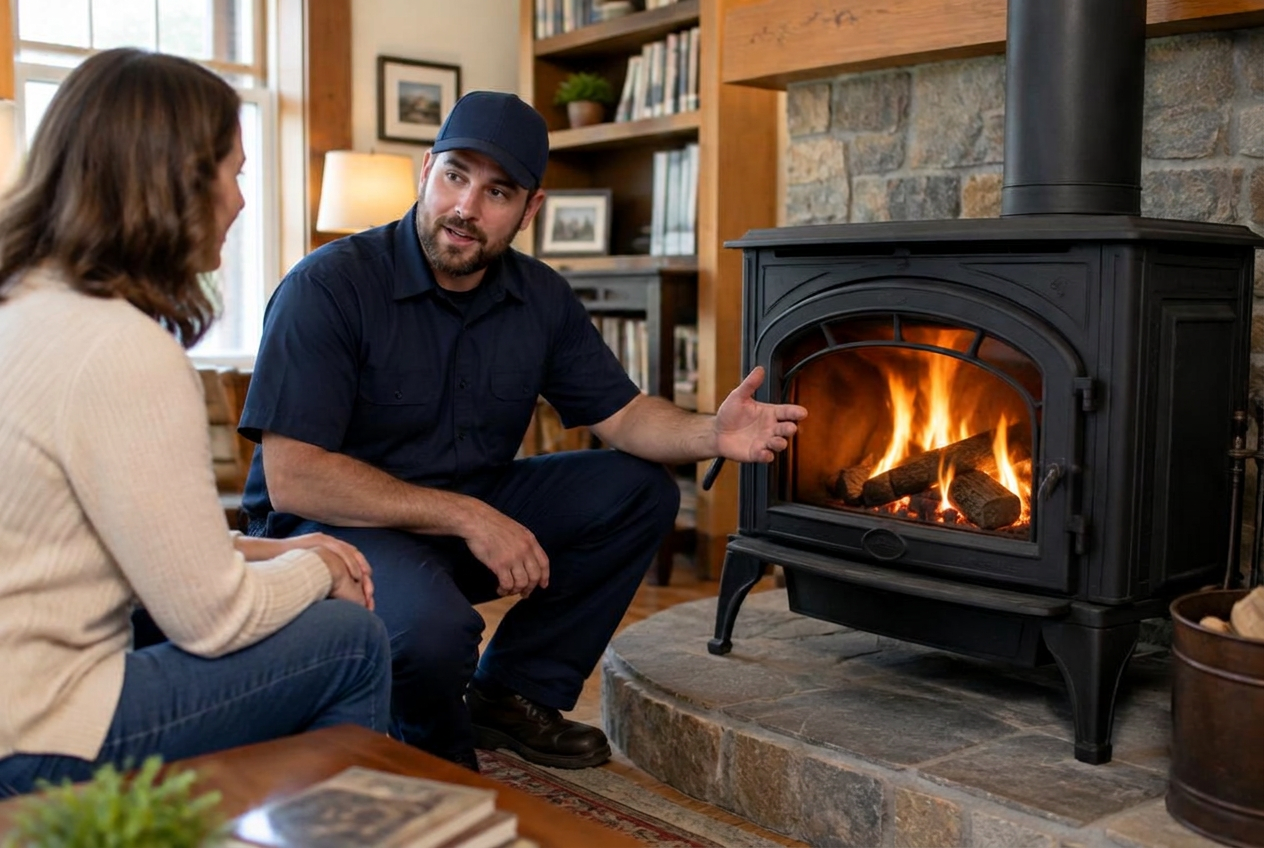
A crackling fireplace provides unmatched warmth and comfort during chilly Ontario winters, but regular burning requires an uncompromising focus on venting safety. Over months of steady use, internal venting components endure intense thermal stress, corrosive combustion gases, and creosote build-up. Markham homeowners often assume that a chimney functioning without visible smoke is completely safe, yet hidden masonry cracks, compromised flue tiles, and deteriorating mortar joints can quietly threaten household air quality and structural safety. A professional fireplace safety inspection identifies subtle vulnerabilities long before they escalate into dangerous structural fires or hazardous carbon monoxide leaks.
Operating from 4418 Highway 7 East, Markham Chimney Services provides thorough, independent safety evaluations tailored to the diverse residential architecture across our community. From mid-century post-war brick bungalows in Unionville to modern multi-level builds in Bayview Glen, every heating system possesses unique drafting dynamics and structural requirements. Our comprehensive evaluations examine every vital component, including fireboxes, dampers, smoke chambers, flue liners, and exterior chimney terminations. By approaching every home with methodical care, we ensure your wood-burning or gas hearth operates cleanly, efficiently, and with total peace of mind throughout the harsh winter months.
Fireplace Safety Inspection: visit summary
Fireplace Safety Inspection: a careful look and clean of the firebox, damper and flue, with a plain rundown of what we found. Serving Markham and the Greater Toronto Area (GTA). The estimated local market range is $189 – $449, not a fixed company rate. The final scope and quote are confirmed before work begins.
| Estimated market range | $189 – $449. All estimates are in Canadian dollars and exclude 13% Ontario HST. |
|---|---|
| Typical time | 1 to 2 hours typical inspection time |
| Price factors | Chimney height, accessibility, and roof pitch difficulty; Type of fireplace system such as traditional masonry, zero-clearance, or gas; Accumulation level of creosote or presence of internal nest obstructions |
| Routine signs to discuss | Sluggish Draft and Indoor Smoke Rollout; Pungent, Tar-Like Odours from the Hearth; Flaking Shards of Clay on the Smoke Shelf; White Powdery Efflorescence on Exterior Brick; Deteriorated or Missing Mortar Joints; Stiff or Completely Stuck Damper Plate |
What a Fireplace Safety Inspection Truly Involves
A fireplace safety inspection is a rigorous physical and visual assessment of your entire solid-fuel or gas burning appliance and venting column. Rather than a casual glance up the flue with a pocket torch, a proper evaluation systematically checks the structural integrity, clearance to combustibles, and operational readiness of the system. We examine the internal firebox lining, refractory panels, damper operation, smoke shelf, and structural transitions where hidden gaps commonly appear.
Beyond the hearth area, an inspection investigates the chimney passage through upper storeys, attic spaces, and the exterior roofline. Our technicians evaluate masonry walls, structural clearances, and weather-proofing components like flashings, chimney shoulders, and rain caps. These critical assemblies keep dangerous embers inside the venting channel while preventing outdoor moisture from penetrating your living quarters. Every part of the exhaust route must perform harmoniously to prevent dangerous smoke backup.
We also assess the surrounding living space for safe clearance distances to wood mantels, drywall framing, hearth extensions, and nearby combustible furnishings. By identifying missing heat shields, deteriorated hearth extensions, or improperly sized venting pipes, an inspection delivers a comprehensive understanding of your installation. Homeowners receive an honest appraisal of whether their heating system operates within safe physical tolerances or requires targeted corrective measures before the next fire.
- Direct visual evaluation of the firebox, refractory bricks, and mortar joints
- Assessment of the damper assembly, throat, and smoke shelf condition
- Detailed examination of flue tiles or stainless steel liner integrity
- Measurement of combustible clearances around mantels and hearth extensions
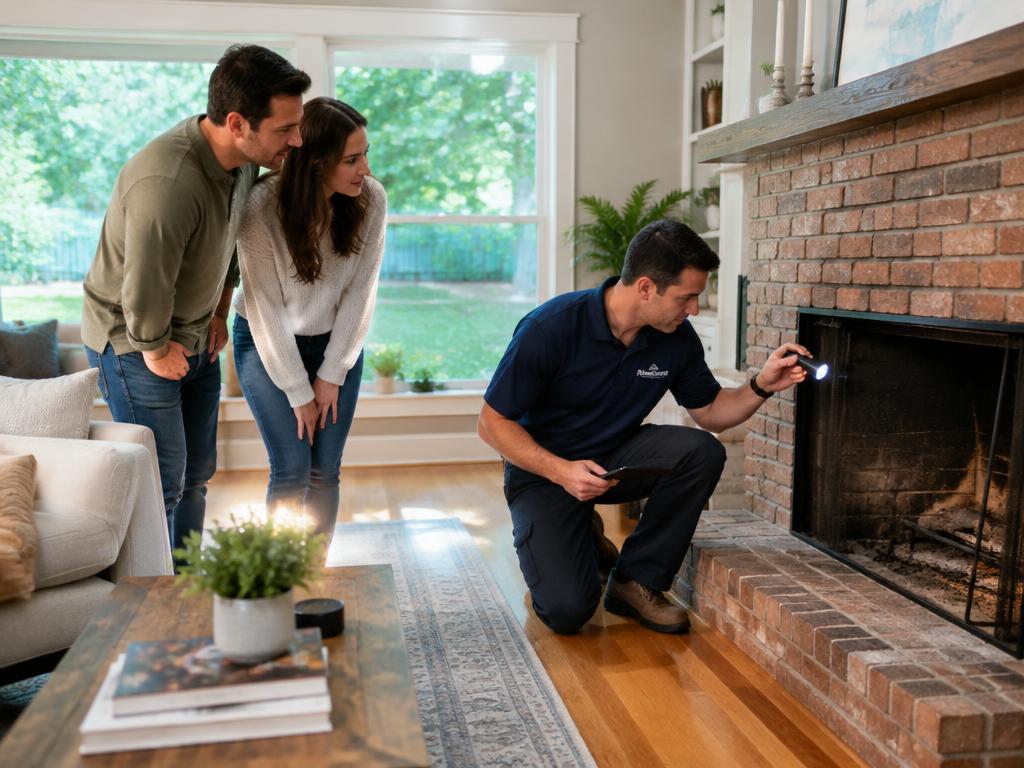
Thorough fireplace assessments protecting Markham homes from hidden flue hazards and winter draft issues.
Self-check
Warning signs you need fireplace safety inspection
Sluggish Draft and Indoor Smoke Rollout
Smoke spilling out into your room when opening the damper indicates a dangerous obstruction, heavy creosote accumulation, or poor drafting balance that requires an immediate professional safety inspection.
Pungent, Tar-Like Odours from the Hearth
A strong, acidic, or acrid campfire smell wafting into your living room on warm or humid days indicates excessive creosote deposits or negative house pressure pulling exhaust backwards through the chimney.
Flaking Shards of Clay on the Smoke Shelf
Finding thin curved pieces of reddish clay inside the firebox reveals that your chimney tile liner is actively spalling and cracking, exposing internal house framing to high combustion temperatures.
White Powdery Efflorescence on Exterior Brick
A chalky white powder forming on the exterior chimney surface indicates that moisture is soaking deeply through the masonry, carrying mineral salts that weaken brick bonding during winter freeze-thaw cycles.
Deteriorated or Missing Mortar Joints
Gaps, crumbling mortar lines, or loose bricks along the upper chimney stack allow water to enter the flue structure, compromising stability and threatening structural integrity during windstorms.
Stiff or Completely Stuck Damper Plate
If the damper lever resists movement, binds, or fails to create a snug seal, warped metal, fallen debris, or rust corrosion could be preventing proper operation and venting control.
How Southern Ontario Freeze-Thaw Weather Damages Flues
The climate across Markham and the Greater Toronto Area imposes severe demands on residential chimney masonry. Southern Ontario winters are characterized by dramatic temperature oscillations, frequently cycling above and below the freezing mark within single twenty-four-hour periods. When rain, melting snow, or freezing sleet penetrates porous bricks, concrete crowns, and mortar joints, subsequent sub-zero temperatures force that trapped water to expand, fracturing masonry materials from within.
Inside an active flue, this thermal conflict becomes even more destructive. The interior flue experiences intense heat from combustion while the exterior masonry is exposed to sub-zero Canadian winds. This extreme thermal shock weakens aged clay flue liners, leading to spalling, longitudinal cracking, and detached flue shards that can tumble into the smoke chamber. Once a flue tile cracks, combustible framing within adjacent walls is exposed to radiant heat and toxic fumes.
Exterior crowns and shoulder washings suffer continuous degradation without adequate seasonal maintenance. Hairline fractures rapidly widen during January cold snaps, allowing winter meltwater to wash away binding lime in mortar beds. Over several seasons, this process destabilizes chimney stacks, tilts venting flues, and compromises structural framing. A professional safety inspection identifies localized water penetration before expensive structural rebuilds become unavoidable.
- Expansion of trapped moisture causing spalling and cracked chimney bricks
- Thermal shock fracturing delicate clay flue tiles during sudden temperature shifts
- Deterioration of concrete crowns allowing meltwater into internal wall cavities
- Weakened exterior mortar joints creating loose, unstable chimney stacks
Drafting Dynamics and Carbon Monoxide Safety at Home
Carbon monoxide is a colourless, odourless, and tasteless gas generated by incomplete combustion in wood, gas, and pellet heating systems. A correctly functioning chimney relies on buoyant warm air rising naturally through the flue to expel these toxic combustion products outdoors. However, modern home weatherization, powerful kitchen range hoods, and bathroom exhaust fans create competing negative air pressure zones that can reverse chimney flow, pulling exhaust back indoors.
When a chimney suffers from downdrafts, cracked clay liners, or unsealed cleanout doors, combustion gases find the path of least resistance into bedrooms and basements. Even minor breaches in masonry joints allow carbon monoxide to seep through floorboards long before smoke detectors trigger. Proper drafting balance and pristine venting conduits are the primary safeguards keeping indoor air healthy for you and your family.
During our inspection, we evaluate the air exchange dynamics of your home and inspect the physical barriers preventing back-drafting. We ensure dampers seal cleanly when shut and open fully during operation without catching. Our specialists also verify that your living spaces feature correctly positioned carbon monoxide alarms, offering crucial technical advice to keep your household protected against silent atmospheric hazards.
- Analysis of room air pressures that can induce dangerous chimney downdrafts
- Inspection of cleanout doors and thimble connections for smoke-tight seals
- Verification of damper movement to avoid partial exhaust restrictions
- Advice on optimal placement for CSA-compliant carbon monoxide alarms
"I needed a new chimney cap. The installer arrived in Angus Glen, walked me through cap options, and fitted the perfect one with care. Cleanup was spotless and now I feel protected against rain and pests."
Our process
How we handle your fireplace safety inspection, step by step
- 1
Hearth Protection and Visual Setup
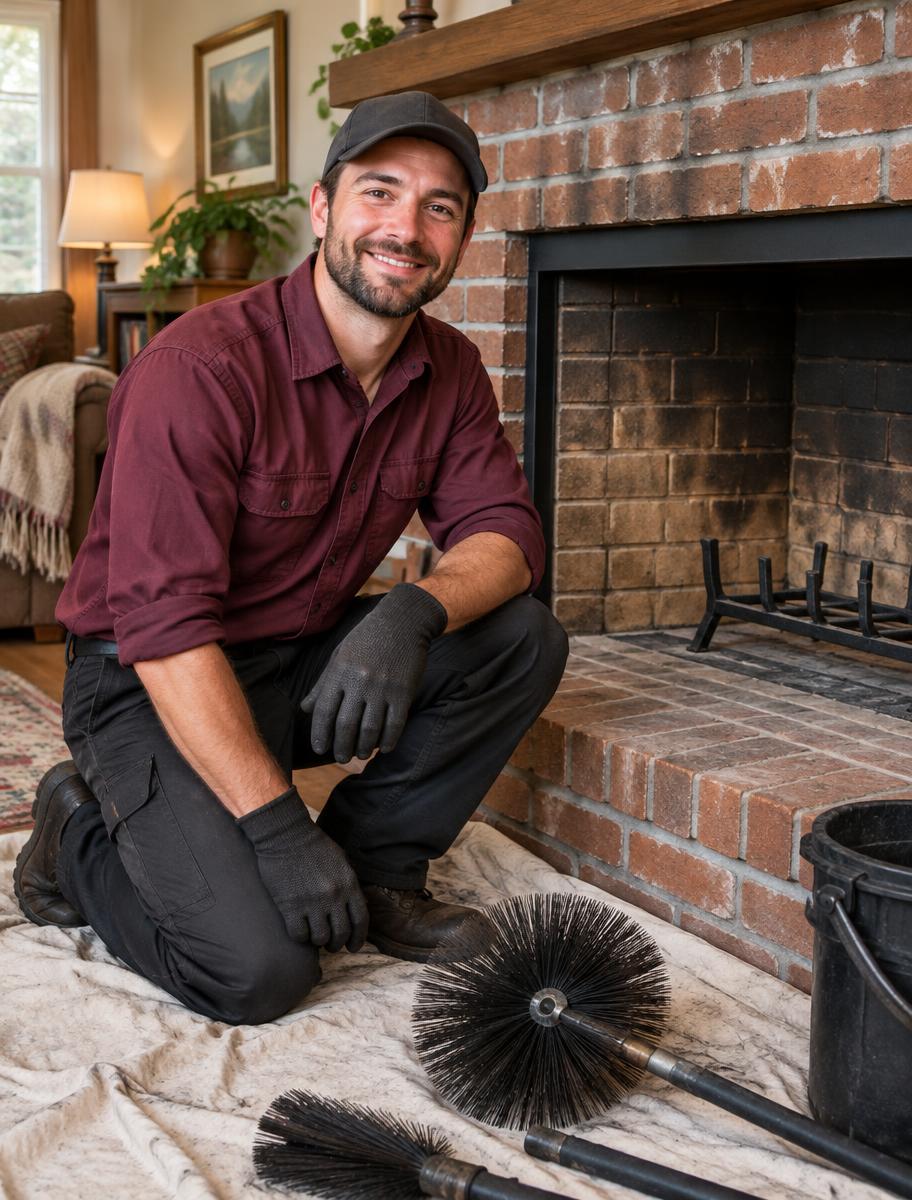
We place heavy protective floor runners across your hearth area and set up high-output lighting to inspect the firebox, refractory bricks, and damper mechanisms without creating household mess.
- 2
Firebox and Damper Analysis
Our team examines the firebox joints, lintel bar, and throat area, testing damper travel to confirm smooth mechanical operation and a complete, airtight seal when fully closed.
- 3
Flue Passage and Liner Examination
Using specialized optical inspection tools and mirrors, we examine the interior flue lining for longitudinal cracks, dangerous creosote build-up, dropped tile segments, and external animal obstructions.
- 4
Exterior Stack and Roofline Assessment
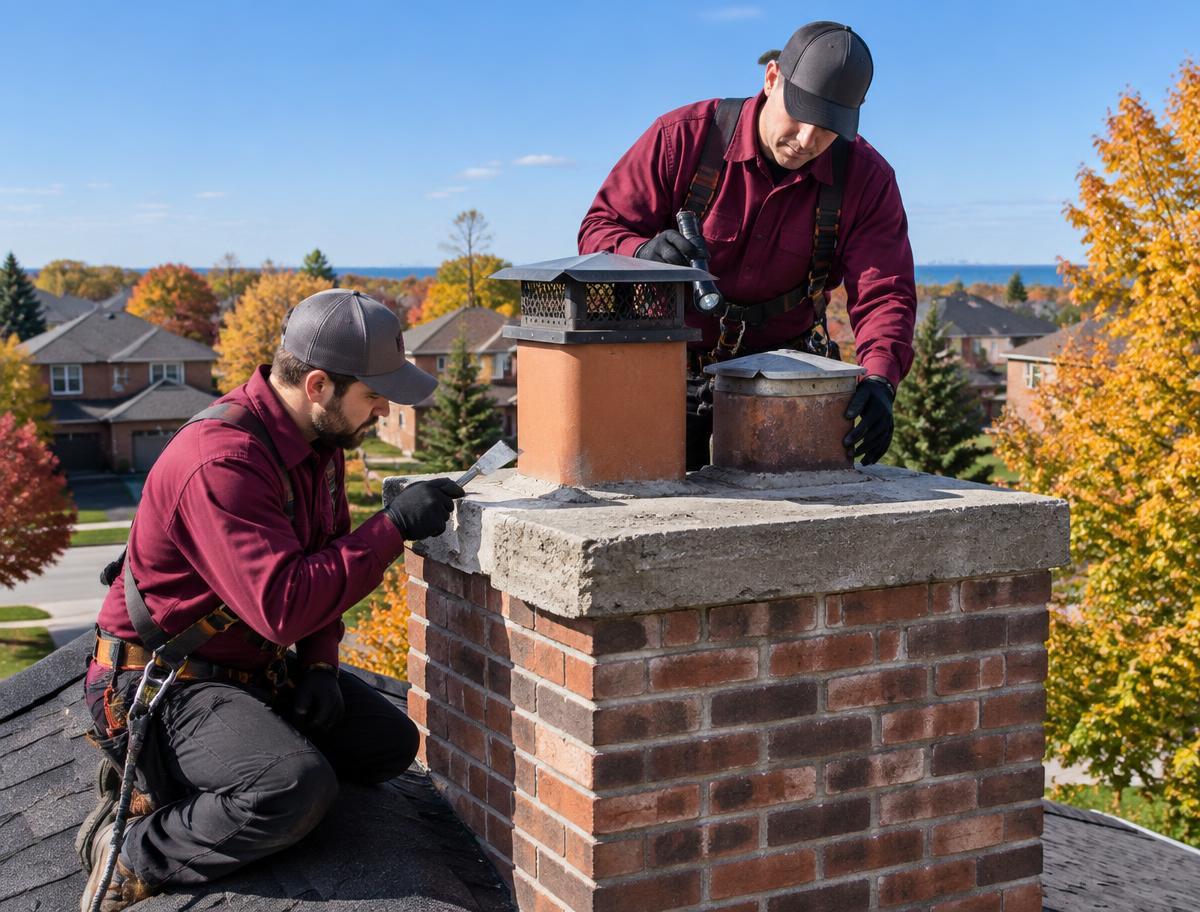
We evaluate the exterior chimney, checking roof flashing, masonry condition, concrete crown integrity, and chimney cap fit to detect water intrusion vulnerabilities and freeze-thaw spalling.
- 5
Written Report and Practical Consultation
We review our findings with you in plain language, providing a clear written report that outlines chimney condition, combustible clearances, and actionable recommendations for safe winter heating.
Our Systematic Fireplace and Chimney Evaluation
At Markham Chimney Services, our safety assessment follows a rigorous, non-destructive protocol designed to reveal every vulnerability. We begin at the hearth, setting down clean protective floor coverings before inspecting the firebox bricks, mortar pointing, and fire grate. We check for thermal deterioration, crumbly mortar, and mechanical defects in the throat damper, making sure the plate moves smoothly without friction or binding.
Next, our attention turns to the smoke chamber and the vertical venting channel. We examine the transition zone above the throat, checking for parged surfaces and unobstructed airflow corridors. Using high-powered lighting and specialized optical tools, we assess the flue liner from top to bottom, searching for longitudinal hairline fractures, missing mortar between flue tiles, corrosive pitting, and creosote glazing.
Finally, our technicians inspect the exterior chimney structure from the ground and roof level, weather conditions permitting. We closely inspect flashings along the roof deck, masonry brickwork, concrete washings, and the rain termination cap. We compile our observations into a straightforward written summary detailing current conditions, immediate concerns, and practical recommendations to keep your fireplace operating safely.
- Protective preparation of hearth surroundings with clean work drop sheets
- Careful mechanical testing of damper latches, hinges, and controls
- Thorough internal flue scrutiny using high-output specialized lighting
- Exterior roofline inspection of chimney brickwork, flashing, and crowns
Aligning with CSA and Best-Practice Solid Fuel Protocols
Canadian residential heating codes establish stringent benchmarks to ensure fuel-burning appliances do not compromise domestic structural safety. Our inspection methodology aligns with recognized Canadian Standards Association (CSA) guidelines and best-practice solid-fuel inspection protocols. These benchmarks specify minimum separation distances between hot metal or masonry surfaces and wooden wall framing, preventing long-term pyrolysis where wood gradually chars and catches fire.
Proper installation standards also govern chimney terminations above the roofline. The three-two rule requires chimneys to extend at least three feet above the highest roof penetration point and two feet higher than any roof surface within a ten-foot horizontal radius. Violations of this standard frequently cause persistent downdrafts, erratic burning, and smoke rollout during blustery Markham winter days.
We approach every assessment through the lens of these practical safety standards without pushing needless upgrades. We verify that hearth extensions project sufficiently into the room to catch falling embers, that spark arrestors meet mesh-gauge guidelines, and that thimble pass-throughs feature adequate insulation. This adherence to industry best practices ensures your home remains thoroughly protected and structurally sound.
- Checking compliance with the Canadian three-foot by two-foot chimney height rule
- Verifying proper hearth extension dimensions to catch popping wood sparks
- Inspecting clearances to mantels, surrounding trim, and interior framing
- Reviewing spark arrestor mesh sizes for optimal draft and safety
Routine Maintenance Tips Between Professional Inspections
While professional inspections are necessary, your day-to-day burning habits play a massive role in preserving chimney health. Always burn seasoned, dry hardwood such as sugar maple, oak, or ash that has cured for at least six to twelve months. Wet or green wood expends excessive energy boiling off moisture, creating cool, smouldering fires that deposit heavy layers of creosote along your flue lining.
Never burn treated lumber, painted scraps, cardboard boxes, or household trash in your fireplace. These materials produce highly toxic fumes, corrode metal components, and create intense, uncontrollable flash fires that crack flue tiles instantly. When managing ash accumulation, leave a one-inch bed of ash at the bottom of the firebox to insulate coals, but shovel out excessive build-ups into a lidded metal bucket stored outdoors.
Pay close attention to changes in how your fireplace behaves throughout the burning season. If you notice unusual odours when the system is unlit, hear rattling in the flue during windy evenings, or observe sluggish burning, schedule an evaluation promptly. Addressing small changes early prevents minor drafting issues from escalating into major winter repairs.
- Burn exclusively seasoned hardwoods with moisture levels below twenty percent
- Never burn pressure-treated lumber, glossy wrapping paper, or trash
- Store removed embers in a dedicated metal container with a tight lid outdoors
- Monitor your damper for changes in resistance or sluggish drafting response
Selecting an Independent Chimney Professional in Markham
Entrusting your home to a chimney contractor requires careful scrutiny. Because venting systems hide critical structural elements behind brickwork and interior walls, an unscrupulous operator might exaggerate minor soot deposits or overlook dangerous masonry fractures entirely. Homeowners should look for independent professionals who provide clear, photographic documentation of any reported issues rather than demanding immediate, aggressive repairs on the spot.
A reliable chimney specialist will always take the time to explain their findings in clear, understandable language. They should possess comprehensive liability insurance, operate with professional chimney equipment, and show meticulous respect for your living space by using clean drop cloths and industrial HEPA filtration vacuums. Transparency regarding pricing, labour scope, and diagnostic criteria is a hallmark of an authentic service company.
At Markham Chimney Services, our independent status allows us to provide objective, straightforward advice without corporate sales quotas or high-pressure tactics. Located at 4418 Highway 7 East, we are invested in the long-term safety of our local community. We treat every fireplace as if it were warming our own families, ensuring you receive honest recommendations, professional courtesy, and reliable service every time.
- Insist on clear photo documentation of any claimed masonry or liner defect
- Confirm that technicians use drop cloths and commercial HEPA equipment
- Choose contractors who provide written estimates before undertaking repairs
- Opt for local, accessible service teams committed to long-term reliability
Average pricing in Markham
$189 – $449
- Inspection / diagnostic
- $149 – $189
- Typical time on site
- 1 to 2 hours typical inspection time
- Parts and materials
- Replacement dampers, custom chimney caps, refractory panels, and masonry tuck-pointing quoted separately following diagnosis
- What moves the price
- Chimney height, accessibility, and roof pitch difficulty · Type of fireplace system such as traditional masonry, zero-clearance, or gas · Accumulation level of creosote or presence of internal nest obstructions
Estimated local market range, not a quote. All estimates are in Canadian dollars and exclude 13% Ontario HST. Your exact price is confirmed before any work begins.