

A foul or pungent chimney smell entering your living room is more than an unpleasant annoyance. For homeowners across Markham neighbourhoods like Unionville, Langstaff, Berczy Village, and Bayview Glen, stubborn fireplace odours often indicate serious hidden vulnerabilities inside the flue structure. Creosote deposits, trapped dampness, nesting debris, and reverse air currents can transform your hearth into an unwanted exhaust intake. Left unaddressed, these issues degrade indoor air quality, compromise comfort, and allow noxious combustion byproducts to linger inside your home. Our dedicated fireplace smell removal service pinpoints the precise structural, environmental, and chemical sources behind the scent, providing reliable relief.
Markham Chimney Services operates as an independent fireplace and chimney maintenance company based right on Highway 7. We serve our immediate local community alongside residential clients throughout the Greater Toronto Area who demand careful attention to detail and honest advice. We do not apply temporary scented sprays or superficial masking agents that fail within days. Instead, our team investigates the underlying physics of your chimney system, evaluating moisture ingress, ventilation imbalances, creosote degradation, and exterior masonry conditions. By tackling the true root causes of persistent flue smells, we restore safe, clean, and odour-free living spaces for you and your family.
Fireplace Smell Removal: visit summary
Fireplace Smell Removal: nests, debris and odour sources removed safely, then the flue tested for proper draft. Serving Markham and the Greater Toronto Area (GTA). The estimated local market range is $249 – $689, not a fixed company rate. The final scope and quote are confirmed before work begins.
| Estimated market range | $249 – $689. All estimates are in Canadian dollars and exclude 13% Ontario HST. |
|---|---|
| Typical time | 1.5 to 3.5 hours |
| Price factors | Severity and stage of creosote deposits or presence of animal carcass contamination; Height, accessibility, and structural condition of the exterior chimney stack; Need for mechanical draft-proofing hardware like top-mounted sealing dampers |
| Routine signs to discuss | Pungent Barbecue or Ash Odour; Sour or Musty Damp Scents; Distinct Decomposition Smell; Downdraught Air Current Around Hearth; Dark Staining and Damp Firebricks; Burning Dust or Chemical Odour |
Understanding Fireplace Odours and Indoor Air Quality
A fireplace should serve as a source of warmth and architectural beauty, not a conduit for foul air. When strange smells travel down the flue, your chimney is acting as an uncontrolled ventilation intake rather than an exhaust route. Solid fuel burning leaves behind ash, soot, and chemical compounds that adhere tenaciously to clay tile flues, steel liners, and surrounding brickwork. When air currents reverse, those lingering residues are pulled straight into your primary living zones, carrying sour, acrid, or musty odours into furniture, carpets, and drywall.
Indoor air quality suffers significantly when fireplace odours permeate a household. Homeowners frequently report scratchy throats, sinus irritation, headaches, and heightened sensitivity among family members with asthma or respiratory allergies. Wood smoke residue contains volatile organic compounds, polycyclic aromatic hydrocarbons, and microfine particulate matter that should never circulate continuously through living spaces. Masking these odours with household air fresheners merely compounds chemical loads in your rooms without resolving the underlying convective air transfer drawing contaminants downward.
Professional odour removal combines specialized mechanical cleaning, chemical neutralizers designed specifically for masonry, and thorough ventilation adjustments. Rather than simply sweeping superficial debris off the smoke shelf, effective remediation targets deeply embedded creosote layers, fungal growth, and stagnant air pockets. Treating the fireplace as an integral part of your home building envelope ensures that odours are eradicated at the source, protecting both structural components and the general health of your indoor environment throughout every season.
- Elimination of acrid creosote odours that worsen during warm weather
- Reduction of airborne particulate matter and fine combustion residues
- Targeted decontamination of soot, mould, and organic materials
- Restoration of natural upwards convective draft inside the chimney liner
- Protection of interior fabrics and furnishings from pervasive smoke smells
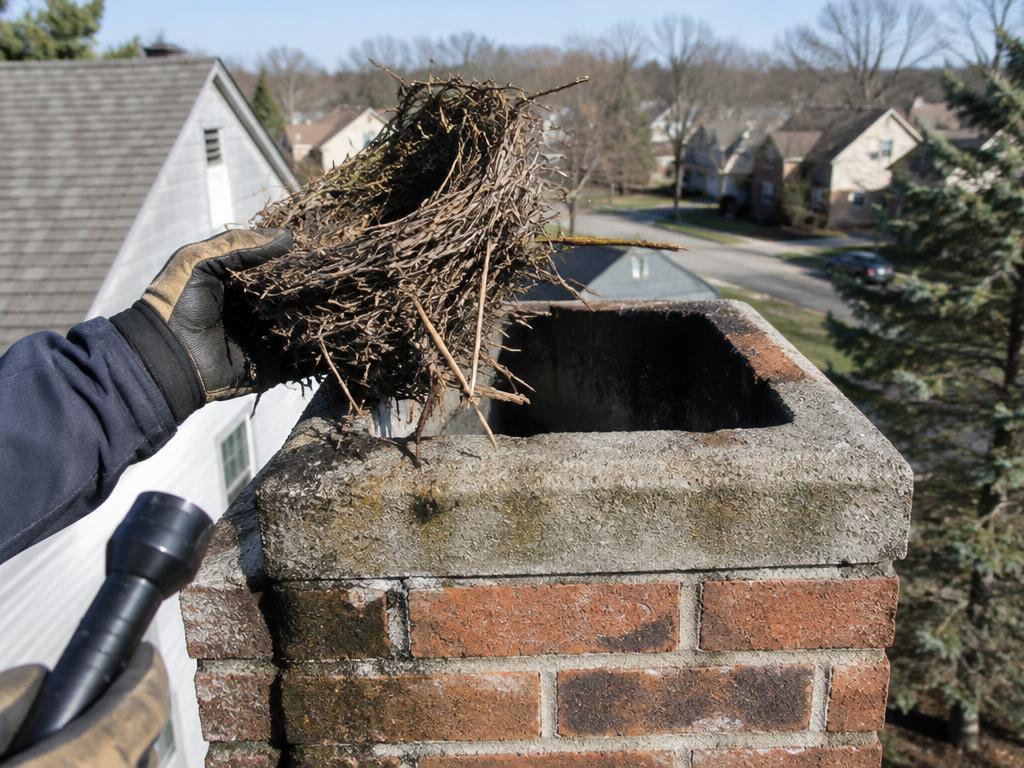
Restore fresh indoor air to your home with dedicated chimney odour diagnostics and thorough flue remediation.
Self-check
Warning signs you need fireplace smell removal
Pungent Barbecue or Ash Odour
A strong smell resembling an old campfire or wet barbecue wafting into your living room during warm, humid weather indicates heavy creosote buildup reacting with atmospheric moisture.
Sour or Musty Damp Scents
An earthy, stale, or mouldy smell coming from the firebox points to water entering the flue through a damaged chimney crown, missing rain cap, or cracked exterior mortar joints.
Distinct Decomposition Smell
A sickening, sharp, or decaying odour that appears suddenly suggests a bird, squirrel, or raccoon has become trapped and perished inside the chimney flue, smoke shelf, or damper assembly.
Downdraught Air Current Around Hearth
Feeling cool or damp air blowing downward out of the firebox when the fireplace is not in use indicates home air pressure imbalances that continuously pull chimney contaminants indoors.
Dark Staining and Damp Firebricks
Discoloration, black tar runoffs, or damp patches appearing on firebox bricks or mortar indicate heavy creosote accumulation mixed with liquid moisture that actively off-gasses into living spaces.
Burning Dust or Chemical Odour
A sharp, acrid chemical or burnt-lint smell when starting a gas or wood hearth indicates accumulated pet dander, lint, or unburned combustion residue requiring immediate professional cleaning.
The Freeze-Thaw Reality: How Ontario Weather Fuels Odours
The climate across Southern Ontario presents distinct challenges for residential chimneys. Markham experiences dramatic seasonal shifts, swinging from frigid sub-zero winter blasts to humid, sweltering summer afternoons. During late winter and early spring, the region undergoes repeated freeze-thaw cycles, where daytime melting seeps deep into porous chimney brick, mortar joints, and concrete crowns before freezing overnight. As trapped water expands, it fractures masonry, breaks interior flue tiles, and opens microscopic pathways for continuous moisture intrusion.
Moisture is the primary catalyst that activates dormant chimney odours. Dry creosote clinging to the flue walls often smells faint, but the moment water mixes with unburned wood tar and acidic soot, an intense chemical reaction occurs. This slurry creates an unmistakable sour, barbecue-like, or acidic stench that intensifies as humidity climbs. In July and August, hot exterior air combined with rain saturates unsealed masonry, turning the flue into a humid chamber that forces heavy, odour-laden air directly down into air-conditioned interiors.
Furthermore, melting snow during sudden winter thaws can penetrate chimneys lacking functional rain caps or adequate crown seals. When water puddles on the smoke shelf or soaks into refractory firebricks, it promotes mildew and fungal growth alongside creosote breakdown. Preventing seasonal chimney odours in Markham requires proactive defences specifically engineered to resist extreme moisture swings, including water-repellent treatments, custom chase covers, and properly sloped crowns that keep rain and melting snow completely outside the masonry matrix.
- Freeze-thaw cycles create hairline fractures that admit driving rain and snow
- Elevated summer humidity reacts with acidic soot deposits inside the flue
- Porous exterior brick absorbs rainfall and transfers moisture to inner liners
- Damp smoke shelves become breeding grounds for sour fungal and mould growth
- Severe seasonal temperature differentials invert flue drafts and push air downward
Primary Culprits: Soot, Moisture, Animals, and Creosote
Pinpointing the precise origin of a fireplace smell requires evaluating several distinct biological, chemical, and physical factors. Creosote buildup remains the most common offender in wood-burning fireplaces. Formed by incomplete wood combustion, creosote accumulates in three stages, ranging from powdery soot to hardened, glossy glazed tar. Stage three creosote penetrates deeply into masonry pores, releasing pungent, petroleum-like odours that linger indefinitely until chemically neutralized and mechanically scrubbed away by trained technicians.
Animal intrusion represents another frequent source of sudden, overpowering fireplace odours in mature Markham neighbourhoods. Raccoons, squirrels, bats, and chimney swifts often view open chimney tops as safe nesting cavities. Animals carry nesting debris like leaves, twigs, and feathers into the flue, which then collect moisture and rot. In tragic cases, animals become trapped beneath dampers or inside smoke chambers and die. The resulting decomposition odour is sharp, nauseating, and rapidly spreads throughout the home until the remains are respectfully extracted and the flue sanitized.
Moisture intrusion without animal activity can also produce unmistakable decay smells. When unsealed brickwork absorbs rain, or when broken flue tiles allow ground seepage into basement cleanout doors, fungal colonies thrive in dark flue recesses. Meanwhile, gas fireplaces are not completely immune to odour challenges; dust accumulation on ceramic burner logs, failing pilot assemblies, or sulphur scents from utility additives require immediate technical investigation to ensure combustion safety and eliminate annoying airborne smells.
- Glazed stage-three creosote saturated by warm, humid indoor air currents
- Decomposing organic matter from bird, squirrel, or raccoon nesting attempts
- Mildew and fungal colonies flourishing in damp masonry mortar joints
- Accumulation of soot and unburned carbon on stagnant smoke shelves
- Dust and lint burning off inactive gas log burners and pilot components
Air Pressure Imbalances and the Stack Effect
Many Markham homeowners notice that their fireplace only smells bad when no fire is burning, particularly during hot summer months or windy winter evenings. This phenomenon is almost always driven by home air pressure dynamics known as the stack effect. In a well-insulated modern or renovated home, warm air rises toward the upper storeys and escapes through roof vents, attic hatches, or recessed ceiling lighting. This upward movement creates negative air pressure in the lower levels and basement.
To replace the escaping air, your home must draw fresh air from outdoors. If an open or poorly sealed chimney flue offers the path of least resistance, outside air is sucked directly down the chimney, across the soot-covered liner and smoke shelf, and straight into your living room. Kitchen exhaust hoods, bathroom fans, clothes dryers, and central vacuum systems further aggravate this negative pressure by pulling hundreds of cubic feet of air out of the building envelope every minute.
Addressing negative pressure requires balancing chimney mechanics with modern building science. Standard cast iron dampers rarely provide an airtight seal; in fact, warped metal dampers often leave substantial perimeter gaps even when pushed tightly shut. Installing precision top-sealing dampers, balancing mechanical exhaust ventilation, and establishing dedicated combustion air sources can permanently reverse this unwanted downdraught, ensuring that stale flue air never infiltrates your indoor living space again.
- Negative pressure on lower floors turns the chimney into an active air intake
- High-powered kitchen range hoods pull flue contaminants through closed dampers
- Leaky attic bypasses accelerate the stack effect throughout two-storey homes
- Warped metal throat dampers fail to create an airtight seal against downdraughts
- Air-tight building renovations create tight envelopes that demand balanced makeup air
"I scheduled a full fireplace cleaning before winter. They used professional-grade tools to remove every trace of soot, tested airflow, and provided clear advice on maintenance. My hearth looks brand new and works flawlessly."
Our process
How we handle your fireplace smell removal, step by step
- 1
Comprehensive Visual and Draft Assessment
We examine the firebox, smoke shelf, flue lining, damper, and termination cap, conducting specialized draft testing to evaluate household air pressure balances.
- 2
Living Room HEPA Containment Setup
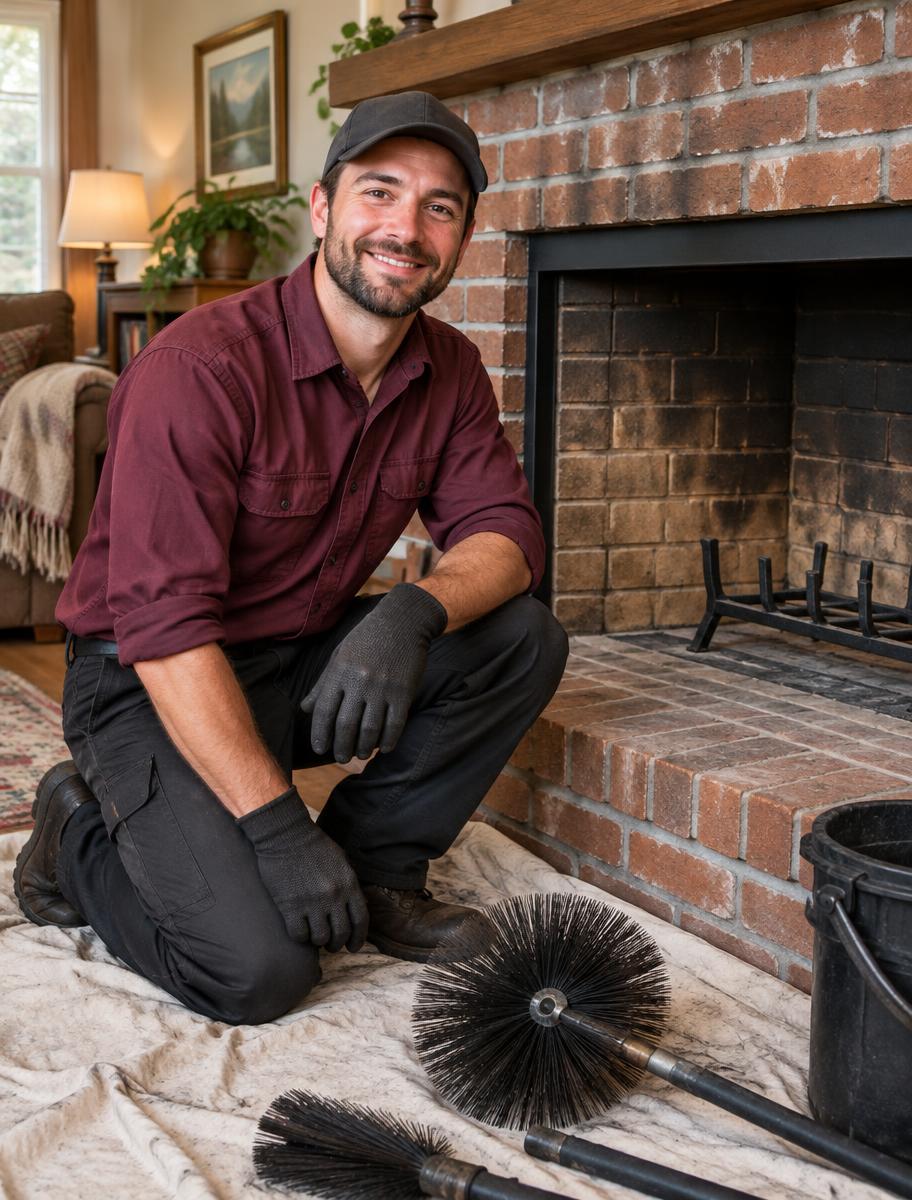
We protect your floors and furnishings using heavy drop cloths and set up industrial HEPA filtration vacuums to capture microscopic soot particles entirely.
- 3
Mechanical Scrubbing and Debris Extraction
Our technicians utilize rotary power whips and specialized brushes to strip away stubborn creosote, soot layers, bird nests, and biological debris.
- 4
Chemical Odour Neutralization and Sanitization
We apply professional, non-toxic masonry neutralizers to break down acidic wood tars, followed by safe antimicrobial treatments if animal contamination was present.
- 5
Long-Term Moisture and Draft Remediation
We seal leaks, repair damper seals, or install top-mounted dampers and premium chimney caps to prevent future moisture ingress and reverse draft problems.
Our Diagnostic, Cleaning, and Odour Remediation Process
At Markham Chimney Services, our remediation protocol begins with a comprehensive visual and technical assessment of your entire venting system. We examine the firebox, damper plate, smoke shelf, flue lining, exterior brickwork, and roof termination. Our technicians look for micro-cracks in clay liners, water staining, biological growth, animal nests, and signs of downdraught friction. We also conduct localized draft tests to determine whether household air pressure differentials are contributing to the odour intrusion.
Once we diagnose the root cause, we implement our meticulous multi-phase cleaning procedure. We use professional HEPA-filtered vacuum containment systems to ensure that fine carbon dust, soot particles, and airborne spores never escape into your living quarters. Our technicians use rotary power-sweeping equipment fitted with specialized nylon or steel whips to scour away hardened creosote deposits from firebricks, throat assemblies, and chimney walls down to the bare, sound substrate.
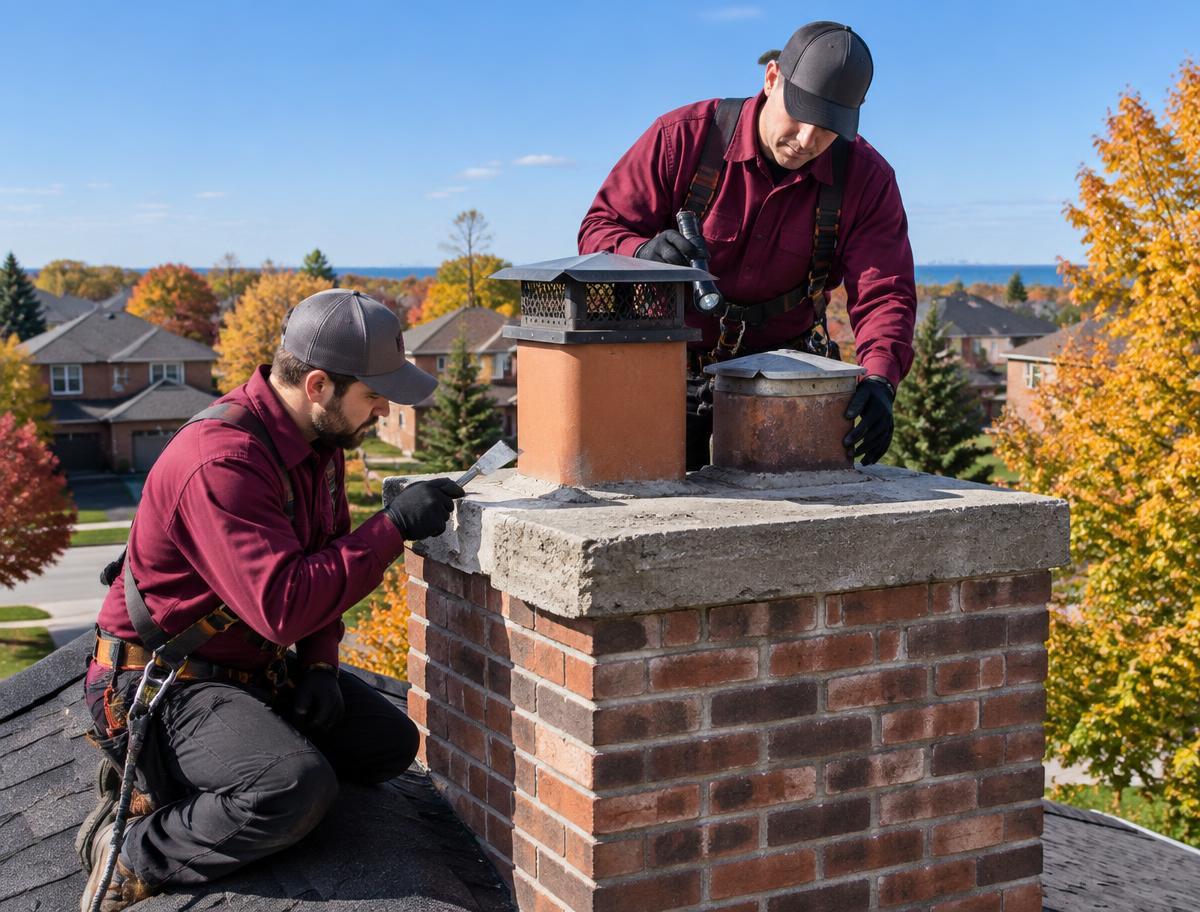
For lingering chemical odours, we apply specialized, masonry-safe neutralizing agents that break down tar acids without releasing harsh fumes into your home. If animal intrusion or biological growth occurred, we use broad-spectrum sanitizers designed for high-temperature fireplace surfaces. Finally, we install physical corrective solutions where needed, such as premium top-mounted draught dampers, animal-proof stainless steel caps, or breathable exterior water-repellent treatments that keep rain out permanently.
- High-resolution physical inspection of the firebox, flue, and roof assembly
- HEPA-contained containment zone setup to safeguard interior furniture and rugs
- Rotary power scrubbing to strip glazed creosote and stubborn soot deposits
- Neutralizing treatments that eliminate acidic smoke odours at the molecular level
- Installation of durable stainless steel caps and airtight top-sealing dampers
Household Safety: Draft Inversion, Creosote, and Carbon Monoxide
A smelly fireplace is rarely just an olfactory nuisance; it is an important early warning sign regarding system ventilation and fire safety. When chimney odours are constantly drifting downward into your rooms, your flue is suffering from negative pressure or severe flow obstruction. Should someone light a fire in a system experiencing backdrafting conditions, dangerous smoke, fine particulates, and toxic carbon monoxide will back up into your home rather than venting safely outdoors.
Carbon monoxide is a colourless, odourless, and potentially lethal gas produced by incomplete combustion of wood, natural gas, or propane. While carbon monoxide itself has no smell, the heavy soot and creosote odours accompanying a backdraft indicate that the exhaust path is fully compromised. Every Ontario home with a fuel-burning appliance or attached garage must maintain operational carbon monoxide alarms adjacent to every sleeping area, tested monthly to guarantee reliable detection.
We follow the rigorous solid-fuel safety principles outlined in Canadian CSA standards and industry-standard WETT inspection guidelines across every assessment. These best practices mandate minimum clearances to combustible framing, structural liner integrity, and clear airflow channels. Addressing fireplace smells promptly removes heavy creosote fuel that could ignite a catastrophic chimney fire, while ensuring your venting system operates strictly under positive upward draft conditions whenever fires are lit.
- Working carbon monoxide alarms installed near all main sleeping areas
- Verification of clear exhaust paths to prevent dangerous back-puffing
- Adherence to CSA solid-fuel safety clearances and installation best practices
- Elimination of heavy combustible creosote layers that present chimney fire risks
- Annual structural assessments to identify cracked tiles before toxic leaks occur
Preventive Homeowner Maintenance for Fresh Fireplaces
Long-term odour prevention starts with mindful everyday fireplace habits. Always burn seasoned, dry hardwood with a moisture content below twenty percent. Burning wet, green, or soft wood causes cool combustion temperatures, generating heavy volumes of unburned acidic tars that cling to flue walls and create intense odours. Keep your firewood stored off the ground, sheltered from rain, and properly ventilated for at least six to twelve months prior to use.
Proper damper management also plays a vital role in keeping chimney odours out of your home. When your wood-burning fireplace is completely cold and out of service, ensure the damper is fully closed. However, if your traditional throat damper allows air to seep past, consider upgrading to an airtight top-sealing damper installed at the top of the chimney stack. Top dampers seal the flue with a flexible silicone gasket, keeping exterior humidity, cold air, and smells outside your home envelope entirely.
Between professional service visits, keep your firebox clean. Regularly shovel out cold ash into a covered metal bucket, as lingering ash readily absorbs ambient humidity and emits a sharp lye smell. Avoid burning wrapping paper, pressure-treated lumber, plastics, or household trash, all of which leave chemical residues that produce stubborn smells and damage liner surfaces. A small open bowl of activated charcoal or baking soda placed discreetly in the firebox during muggy summer weeks can also help absorb ambient moisture.
- Burn only seasoned, dry hardwood with moisture levels measured below 20%
- Close throat or top dampers tightly whenever the fireplace is not actively burning
- Promptly shovel out cold ash rather than letting it sit through humid periods
- Never burn treated wood, cardboard, or garbage that leaves foul chemical resins
- Schedule an annual spring or summer flue sweep to remove winter soot early
Choosing an Independent Fireplace Specialist in Markham
Selecting the right contractor to resolve fireplace smells requires looking beyond generic handymen or quick-sweep operations. Chimney venting is governed by complex thermodynamics, building envelope interactions, and strict Ontario fire codes. An inexperienced technician might spray an aerosol masking solution into your firebox, collect a fee, and leave you with returning odours within forty-eight hours. You need an independent specialist who understands structural masonry, draft physics, and modern mechanical ventilation.
When interviewing chimney service providers, ask about their diagnostic process and containment protocols. A reliable company will carry specialized HEPA dust-extraction equipment to protect your home from soot contamination. They should provide transparent, written estimates explaining whether your issue stems from glazed creosote, water ingress, cracked flue tiles, or attic pressure imbalances, rather than pushing aggressive, one-size-fits-all sales pitches before completing a full visual check.
Markham Chimney Services operates as an independent company focused entirely on thorough diagnostics, clean craftsmanship, and honest homeowner education. We take the time to explain what is happening inside your chimney, show you photos of damaged or contaminated areas, and provide sensible, lasting solutions. By working with dedicated local technicians who understand the architectural quirks of Markham homes, you can trust that your fireplace will remain safe, fresh, and fully functional for years to come.
- Look for specialists experienced in residential Ontario building dynamics
- Insist on written quotes detailing scope of work, cleaning methods, and parts
- Verify that HEPA air containment is standard procedure during soot removal
- Choose independent contractors who clearly explain root causes with photo evidence
- Avoid high-pressure tactics that recommend full rebuilds without diagnostic proof
Average pricing in Markham
$249 – $689
- Inspection / diagnostic
- $149 – $229
- Typical time on site
- 1.5 to 3.5 hours
- Parts and materials
- Top-sealing dampers, stainless chimney caps, chase covers, and custom masonry sealants quoted separately
- What moves the price
- Severity and stage of creosote deposits or presence of animal carcass contamination · Height, accessibility, and structural condition of the exterior chimney stack · Need for mechanical draft-proofing hardware like top-mounted sealing dampers
Estimated local market range, not a quote. All estimates are in Canadian dollars and exclude 13% Ontario HST. Your exact price is confirmed before any work begins.