
A blocked chimney presents an urgent hazard that compromises both indoor comfort and household safety. When combustion gases cannot escape freely through your chimney flue, toxic byproducts such as carbon monoxide quickly migrate into living spaces. In our Markham climate, chimney flues face continuous stress from moisture, wildlife activity, and structural shifting. Markham Chimney Services operates from 4418 Highway 7 East, providing homeowners with dedicated, methodical solutions to locate and clear stubborn obstructions. Whether dealing with nesting raccoons, fallen clay flue tiles, or dense creosote deposits, our team brings practical expertise to restore balanced draft and protect your property.
Ignoring a restricted flue does far more than spoil a relaxing evening by the hearth. Accumulated debris traps moisture within masonry walls, creates persistent sour odours, and creates a genuine chimney fire hazard. Our independent technicians approach each home with meticulous care, evaluating the entire ventilation run from the firebox to the chimney crown. We understand the specific construction styles found across local neighbourhoods, from mid-century post-war bungalows to contemporary custom builds. By applying thorough inspection procedures and heavy-duty mechanical extraction methods, we resolve venting failures completely so you can operate your fireplace or heating appliance with genuine peace of mind.
Fix Blocked Chimney: visit summary
Fix Blocked Chimney: nests, debris and odour sources removed safely, then the flue tested for proper draft. Serving Markham and the Greater Toronto Area (GTA). The estimated local market range is $249 – $549, not a fixed company rate. The final scope and quote are confirmed before work begins.
| Estimated market range | $249 – $549. All estimates are in Canadian dollars and exclude 13% Ontario HST. |
|---|---|
| Typical time | 1.5 to 3.5 hours |
| Price factors | Type and height of the chimney obstruction; Accessibility and pitch of the roofline; Presence of animal nests or heavy glazed creosote |
| Routine signs to discuss | Smoke Spillage Indoors; Pungent, Sour Odours; Unusual Animal Noises; Sluggish Fire Combustion; Debris in the Firebox; Carbon Monoxide Alerts |
Understanding Chimney Obstructions in Local Homes
A chimney functions as an exhaust engine that depends entirely on natural draft to evacuate heated combustion air. When materials lodge within this vertical channel, the exhaust column stalls. Smoke and invisible combustion gases immediately seek alternative routes, often spilling around the fireplace opening or through basement cleanout doors. An obstruction can form gradually through soot layering or materialize overnight when urban animals seek shelter from chilly weather.
Chimneys venting wood fireplaces, high-efficiency gas inserts, or older oil furnaces experience different styles of venting restrictions. While wood setups suffer from brittle glazed creosote or twigs dragged in by nesting birds, gas appliances often suffer from crumbling mortar and moisture blockages. Modern high-efficiency systems vent lower-temperature exhaust, which lacks the thermal buoyancy required to push past physical barriers, accelerating dangerous spillage into indoor living areas.
Resolving an obstruction requires diagnosing the fundamental mechanics of the blockage rather than simply pushing a standard brush through the flue. The exact location, density, and chemical composition of the debris dictate the removal method. Forcing tools against a lodged brick or a compacted nest can crack delicate clay flue tiles, turning a straightforward clearing project into an extensive masonry restoration.
- Exhaust stall forces dangerous carbon monoxide and fine particulates into living areas.
- Blockages vary widely between open wood hearths, wood stoves, and gas-venting systems.
- Improper extraction attempts can crack aged clay liner tiles and worsen venting failures.
- Slower natural draft drastically accelerates the deposition of flammable creosote along flue walls.
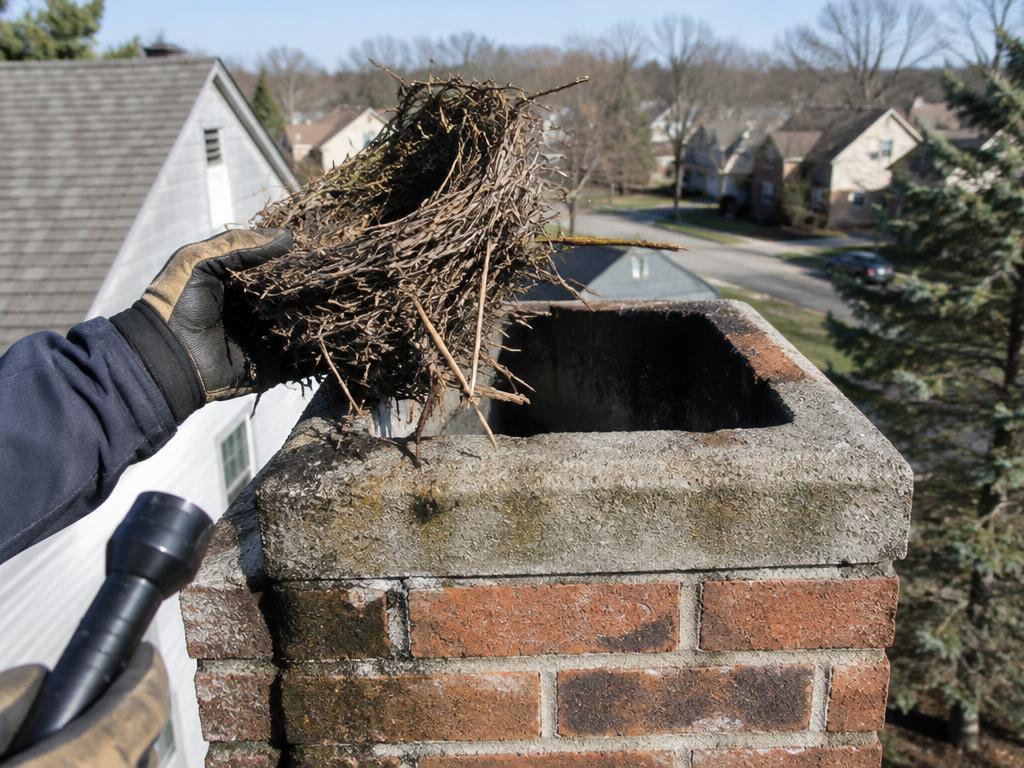
Restore safe ventilation, eliminate foul fireplace odours, and protect your home from hazardous flue obstructions.
Self-check
Warning signs you need fix blocked chimney
Smoke Spillage Indoors
Smoke rolls into your living space along the fireplace lintel instead of rising smoothly through the chimney flue, pointing to a severe internal draft blockage.
Pungent, Sour Odours
A strong smell of damp soot, ash, or biological waste drifts down from the firebox, particularly during rainy weather or when indoor exhaust fans are running.
Unusual Animal Noises
Scratching, chirping, or fluttering sounds echoing behind the fireplace damper indicate birds, squirrels, or raccoons nesting directly within the chimney passage.
Sluggish Fire Combustion
Fires struggle to stay lit, smoulder weakly, or fail to generate heat due to oxygen starvation caused by restricted upward exhaust flow.
Debris in the Firebox
Bits of broken clay tile, dried leaves, twigs, or loose sand mortar collecting on the hearth floor signal internal liner damage or physical airway obstructions.
Carbon Monoxide Alerts
Audible carbon monoxide alarms sounding near heating equipment or hearths indicate incomplete venting and combustion gas backup requiring immediate attention.
The Ontario Climate: Freeze-Thaw Cycles and Chimney Damage
Southern Ontario weather places tremendous mechanical stress on exterior residential masonry. Markham experiences constant freeze-thaw cycles between late autumn and early spring, where daytime melting seeps into unsealed brickwork and overnight freezing expands within internal voids. This cyclical pressure causes spalling, a destructive process where brick faces crack off and interior terra cotta flue tiles fracture into heavy shards.
When interior clay flue tiles shatter under thermal shock and moisture expansion, the loosened pieces tumble downward. These curved tiles frequently catch on flue offsets, damper assemblies, or smoke shelves, forming an impenetrable barrier. Because this deterioration happens out of sight inside the chimney core, homeowners often only discover structural collapses when lighting their first seasonal fire produces heavy indoor smoke spillage.
Moisture also interacts with dormant soot to form acidic liquid compounds that attack mortar joints from within the flue run. As mortar decomposes into sandy grit, it drops into smoke chambers and corners of the flue lining. Clearing these obstructions requires specialized rotary extraction tools and vacuum systems capable of managing heavy masonry rubble without dispersing airborne silica dust through your home.
- Freeze-thaw cycles cause external brick spalling and internal flue tile shattering.
- Fractured terra cotta liners tumble into chimney bends, completely blocking exhaust paths.
- Acidic moisture reacts with soot residue, corroding internal mortar into loose sand.
- Seasonal temperature swings worsen draft stalls in exterior-facing exposed masonry stacks.
Common Blockage Culprits: Wildlife, Creosote, and Debris
Wildlife activity ranks among the primary causes of chimney blockages across the Greater Toronto Area (GTA). Chimneys without sturdy caps resemble hollow tree trunks to suburban raccoons, grey squirrels, starlings, and chimney swifts. Animals frequently bring in leaves, twigs, insulation, and cardboard to build massive nests that span the entire flue width, creating severe blockages alongside biological contamination.
Creosote buildup forms another dangerous category of chimney restriction. Operating a wood-burning appliance with unseasoned firewood or insufficient combustion air creates dense, unburned hydrocarbons that coat flue surfaces. Over time, creosote transitions from powdery soot into a rock-hard, tar-like glaze known as third-degree creosote. This glossy layer steadily narrows the flue diameter, severely reducing operational draft until combustion gases choke out entirely.
Windblown autumn leaves, overhanging tree branches, and deteriorated metal rain caps also create venting failures. In older brick chimneys, a rusting cast-iron damper can seize in a semi-closed position, snagging falling leaves and nesting materials until the airway closes completely. Removing these intertwined materials requires specialized hooks, pneumatic whips, and industrial HEPA filtration to keep living quarters immaculate.
- Urban raccoons, squirrels, and birds build deep nests that completely choke chimney flues.
- Stage-three glazed creosote contracts the venting channel, creating extreme fire hazards.
- Fallen yard debris catches on warped, corroded dampers and smoke shelf ledges.
- Biological animal waste within flues introduces pathogens, insects, and foul domestic odours.
Odour Control and Indoor Air Quality Impacts
A blocked chimney frequently announces itself through foul odours long before a homeowner lights a fire. During warm summer months or damp rainy periods, the natural air pressure in a house drops relative to the exterior atmosphere. This reverse draft pulls air downward through the chimney stack, washing over trapped debris, damp soot, or decomposing organic matter before entering your main living areas.
Soot contains pungent chemical compounds that produce an acrid, barbecue-like stench when exposed to high ambient humidity. If an animal has perished within the flue or left substantial nesting matter, the resulting smell can quickly become intolerable throughout multiple floors. Simply spraying household air fresheners does nothing to treat the underlying source trapped behind damper plates or high along the flue liner.
Restoring pristine indoor air quality requires full physical removal of the contaminating materials, followed by targeted neutralisation. Our technicians scrape chimney walls clean, dislodge compacted organic debris, and thoroughly vacuum the entire internal volume. Once clear, we evaluate airflow patterns to ensure the stack maintains a neutral or positive exhaust flow that keeps lingering masonry scents far away from family rooms.
- Negative indoor air pressure draws acrid soot smells downward into family rooms.
- Damp summer humidity reacts with unburnt wood resins to create persistent sour odours.
- Animal nests and biological debris produce foul, penetrating smells requiring immediate sanitisation.
- Effective odour management requires physical contaminant extraction rather than masking sprays.
"After noticing smoke backing into the room, I called for an inspection in Buttonville. Their technician diagnosed a minor blockage quickly, cleared it thoroughly, and explained how to avoid future issues. Excellent service."
Our process
How we handle your fix blocked chimney, step by step
- 1
Containment and Protection
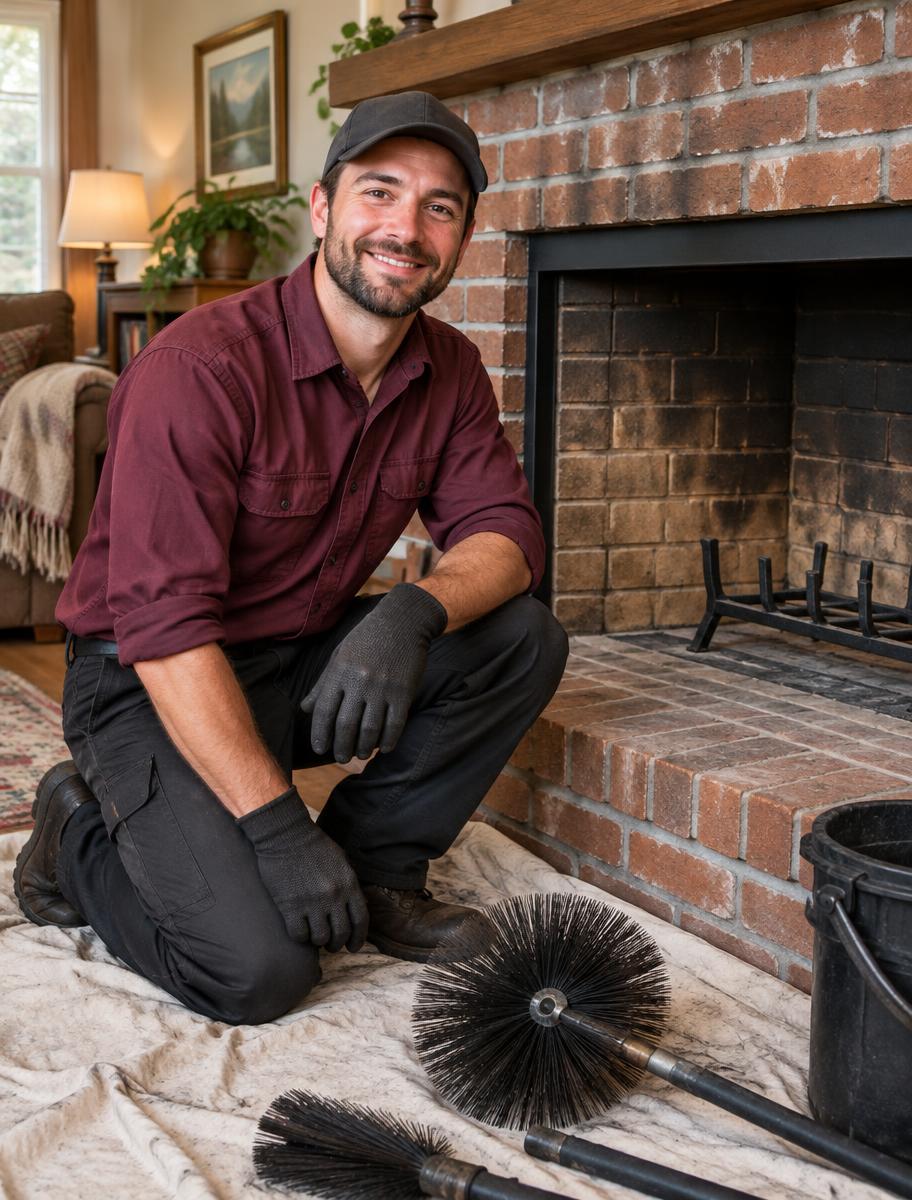
We seal the hearth working perimeter with clean drop cloths and connect high-filtration HEPA vacuums to capture soot, dust, and debris completely.
- 2
High-Definition Video Survey
We lower a professional camera system through the flue to identify blockage composition, pinpoint depth, and evaluate internal liner integrity.
- 3
Targeted Mechanical Clearing
Using specialized rotary equipment, flexible rods, and nest extraction tools, we break up and dislodge obstructions without scratching or cracking flue walls.
- 4
Debris Extraction and Vacuuming
We collect and remove all dislodged animal nests, mortar rubble, or creosote deposits from the smoke shelf, damper area, and chimney base.
- 5
Draft Verification and Inspection
We conduct operational draft tests and capture post-clearing camera footage to confirm your chimney breathes freely and safely before completing the service.
Crucial Safety Protocols: Carbon Monoxide and Safe Draft
Carbon monoxide is a colourless, odourless, and tasteless gas generated by the incomplete combustion of hydrocarbon fuels, including wood, natural gas, and propane. A blocked or partially restricted chimney prevents this dangerous byproduct from escaping upward. As exhaust spills backwards into the residence, carbon monoxide concentrations can build to hazardous levels without residents noticing visual warnings or irritations.
Safe combustion venting depends on established solid-fuel and gas venting best practices, mirroring CSA and industry clearance standards. Maintaining clear venting runs prevents backdrafting, eliminates heat stress on surrounding timber framing, and preserves appropriate flue gas velocities. Homeowners should verify that working, audible carbon monoxide alarms are positioned on every level of the home, particularly near sleeping quarters, testing them at regular intervals.
Our diagnostic protocols prioritize home safety through careful environmental checks before and during service visits. When testing draft integrity, we evaluate indoor air pressure dynamics, the influence of kitchen exhaust hoods, and bathroom fans that might compound backdrafting issues. Establishing reliable ventilation ensures your heating appliance functions efficiently without compromising household safety.
- Install certified carbon monoxide detectors on every level of the home and near bedrooms.
- Incomplete combustion from blocked venting produces silent, invisible toxic exhaust.
- Exhaust hoods and dryers can pull hazardous gases backwards down a compromised chimney.
- Adhering to Canadian solid-fuel venting guidelines guarantees dependable clearances and drafts.
Our Systematic Diagnostic and Unblocking Workflow
Resolving a chimney obstruction begins with a methodical assessment of the entire venting installation. We place protective drop sheets and industrial containment tarps across the hearth area, setting up high-efficiency particulate air vacuums to capture fine dust particles. Our technicians visually inspect the firebox, damper movement, and smoke shelf before moving upward toward the rooftop stack to assess external clearances.
We employ high-resolution chimney camera systems that travel through the flue passage, providing real-time video feedback of internal conditions. This camera survey pinpoints the exact nature and depth of the restriction, revealing whether we are addressing a soft bird nest, dense glazed creosote, or fractured clay flue tiles. Knowing the exact structure of the blockage allows us to select appropriate removal tools without risking internal masonry damage.
Once identified, our technicians apply specialized clearing equipment, such as rotary flexible rods, chain whips, or nesting extraction heads, to systematically break down the blockage. Extracted debris is safely gathered at the chimney base within sealed vacuums. Finally, we conduct a post-clearing draft test and smoke evaluation to confirm that normal, unobstructed exhaust flow has been restored to the system.
- Full hearth containment using clean drop cloths and heavy-duty HEPA containment vacuums.
- Internal closed-circuit video camera inspections pinpoint blockage depth and liner health.
- Non-destructive mechanical clearing using rotary cables, specialized scrapers, and nest hooks.
- Operational draft verification and smoke release tests confirm full venting clearance.
Long-Term Preventive Measures and Flue Maintenance
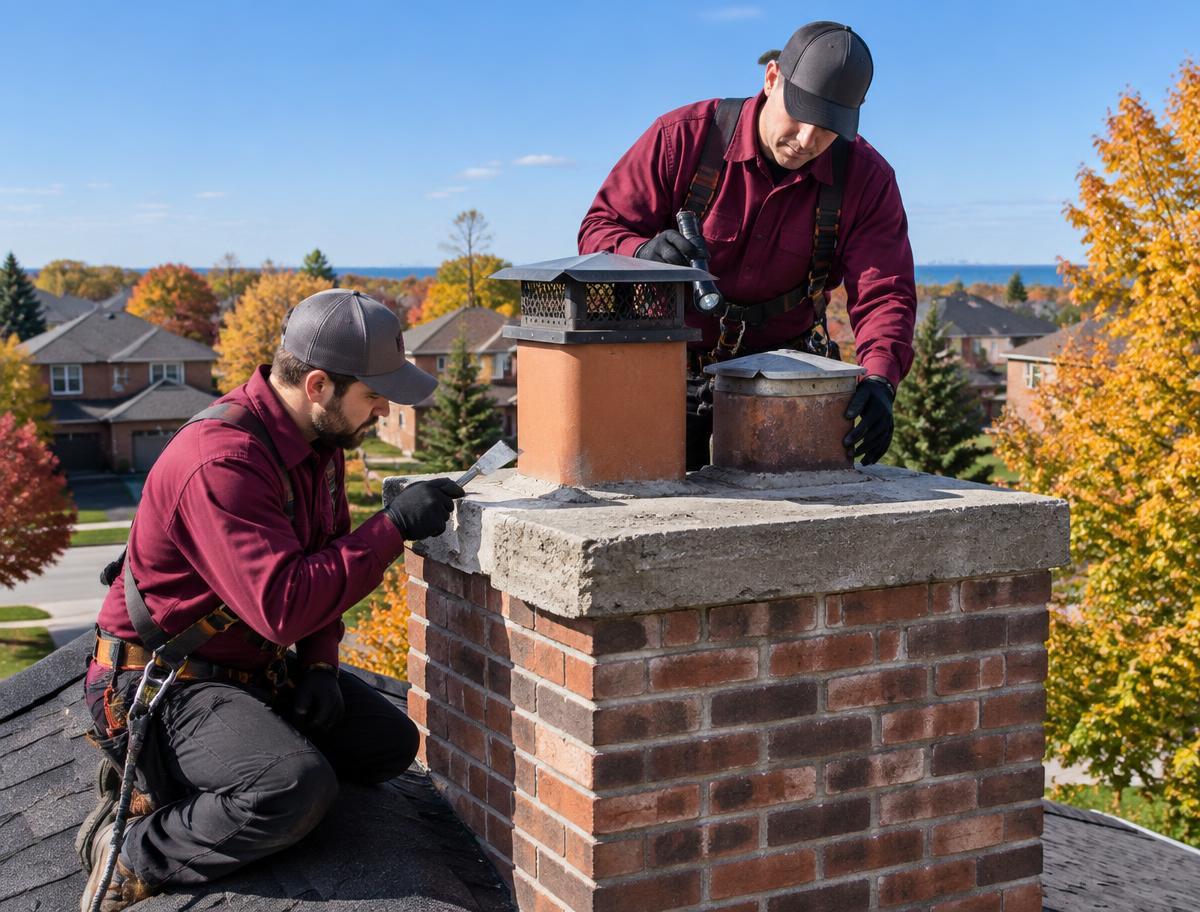
Clearing an obstructed chimney is only the first half of responsible venting management; preventing future blockages ensures ongoing household safety. The most reliable barrier against unwanted debris and wildlife intrusion is a professionally installed, heavy-gauge stainless steel chimney cap featuring integrated spark arrestor mesh. This durable cap prevents raccoons, birds, and windblown foliage from entering the flue opening.
Upgrading an old, leaky throat damper to a top-sealing chimney damper provides exceptional protection for masonry stacks. Top-sealing dampers close tightly with a silicone rubber gasket at the chimney summit, acting as both a protective cap and a draft barrier when the fireplace is not in use. This modern upgrade stops freezing downdrafts and keeps rain from eroding delicate interior mortar joints during harsh winter storms.
Practising smart burning habits also plays an important role in preventing stubborn creosote restrictions. Homeowners should only burn clean, seasoned hardwoods with moisture contents below twenty percent, avoiding green unseasoned logs, construction off-cuts, or domestic rubbish. Scheduling regular seasonal cleanings ensures light soot is removed before it can convert into hardened, draft-choking creosote layers.
- Durable stainless steel caps with mesh screen out urban wildlife and falling tree debris.
- Top-sealing dampers create weather-tight seals that stop drafts and block driving rain.
- Burn only properly seasoned hardwood to minimize rapid soot layering and creosote glaze.
- Arrange periodic professional inspections to catch minor mortar shifts before collapse.
Selecting a Qualified, Independent Chimney Contractor
Selecting the right professional to resolve a blocked chimney requires careful consideration of practical experience, local knowledge, and transparent business practices. Chimney systems are complex structural components that combine masonry, metallurgy, and thermodynamic airflow principles. An inexperienced tradesperson might dislodge a blockage by brute force, potentially puncturing flue walls or dumping dirty soot into your finished rooms.
A reputable independent contractor always provides clear, upfront explanations of necessary procedures, outlining the tools they plan to use and providing visual evidence of internal flue conditions. Look for technicians who maintain comprehensive liability insurance and demonstrate strict adherence to regional building codes, CSA standards, and historic building conservation techniques appropriate for Markham neighbourhoods.
Markham Chimney Services operates independently, focusing purely on high-calibre craftsmanship and honest homeowner communication. We never rush diagnostic evaluations or recommend unneeded structural repairs when an accurate, methodical cleaning will safely solve the issue. Our focus remains on delivering clean, dependable, and lasting solutions that keep your home warm, safe, and free from venting hazards.
- Choose contractors with extensive experience in local GTA housing styles and masonry.
- Insist on transparent diagnostic reports backed by clear internal camera imagery.
- Confirm comprehensive commercial liability insurance and proper workplace protection.
- Work with independent specialists who focus on methodical care rather than quick fixes.
Average pricing in Markham
$249 – $549
- Inspection / diagnostic
- $149 – $199
- Typical time on site
- 1.5 to 3.5 hours
- Parts and materials
- Chimney caps, top-mount dampers, spark arrestors, and replacement flue components quoted separately
- What moves the price
- Type and height of the chimney obstruction · Accessibility and pitch of the roofline · Presence of animal nests or heavy glazed creosote
Estimated local market range, not a quote. All estimates are in Canadian dollars and exclude 13% Ontario HST. Your exact price is confirmed before any work begins.