

A functioning chimney flue is essential for venting toxic combustion byproducts and surplus heat away from your living spaces. In Markham, older brick homes frequently feature traditional clay tile chimney liners designed to safeguard combustible framing from high flue gas temperatures. Over years of exposure to harsh Ontario winters and corrosive combustion byproducts, these rigid terracotta liners can fracture, spall, or shift out of alignment. Operating a fireplace or fuel-burning heating appliance with damaged flue tiles introduces severe risks, including house fires, structural masonry decay, and deadly carbon monoxide seepage through mortar joints directly into your home.
Markham Chimney Services provides thorough evaluations and durable masonry repair solutions from our base at 4418 Highway 7 East. Whether your home features an open masonry hearth in Unionville or a gas conversion in Bayview Glen, fractured flue tiles demand prompt attention before minor hairline fissures evolve into chimney wall collapse. We combine advanced video camera assessments with proven restoration methods to restore your chimney flue to optimal safety. Our transparent recommendations prioritize the structural integrity of your home, helping you navigate repair choices without guesswork or unnecessary disruption to your daily routine.
Flue Tiles Cracked Repair: visit summary
Flue Tiles Cracked Repair in Markham: cracked brick, loose mortar and weather damage assessed and repaired before water gets in. Serving Markham and the Greater Toronto Area (GTA). The estimated local market range is $1,200 – $4,800, not a fixed company rate. The final scope and quote are confirmed before work begins.
| Estimated market range | $1,200 – $4,800. All estimates are in Canadian dollars and exclude 13% Ontario HST. |
|---|---|
| Typical time | 1 to 2 full working days depending on chimney height and scope |
| Price factors | Total chimney height and accessibility of the rooftop; Extensiveness of tile fracturing, shifting, or structural damage; Selection between refractory compound resurfacing and stainless steel relining |
| Routine signs to discuss | Terracotta Bits in Hearth; Visible Mortar Joint Deterioration; Sluggish Draft and Backpuffing; Unpleasant Odours in Living Areas; Exterior Brick Efflorescence; Damper Frame Corrosion |
Understanding Clay Flue Tiles and Why They Fracture
Traditional clay flue liners have served Markham homes for decades because vitrified clay stands up remarkably well to moderate heat and acidic soot deposits. These square, rectangular, or round tile sections are stacked inside the brickwork during initial construction, separated by refractory mortar joints. However, clay remains a brittle material with low tensile flexibility. When an open wood fire or gas appliance ignites, the interior of the tile expands rapidly while the cooler exterior masonry remains rigid, creating thermal shock that places immense tension on the liner walls.
Repeated cycles of rapid heating and cooling inevitably cause hairline fractures across the face of the tiles. In older installations, the mortar used between tiles was often basic portland cement rather than high-temperature refractory mortar. Over time, acidic flue gases deteriorate this bonding material, leaving loose tile segments suspended without proper support. Once the structural cohesion of the flue tiles weakens, individual sections can slip, open wide gaps between courses, or drop debris downward, restricting exhaust airflow and exposing underlying brickwork to direct heat.
Another contributing element is structural settlement in Markham neighbourhoods. Natural ground movement, heavy road traffic vibrations, and foundational settling transmit stresses upward through the chimney stack. Because clay liners lack flexibility, they absorb these shifting forces through shearing and cracking. When physical stress merges with continuous thermal cycling, tiles that appear intact from the rooftop can actually harbour deep vertical splits or collapsed inner baffles throughout the concealed midsection of the chimney chase.
- Vitrified clay tiles are naturally brittle and sensitive to rapid temperature swings.
- Deteriorated mortar joints allow individual liner sections to shift and separate.
- Foundation movement and ground settling transfer mechanical stress to the chimney core.
- Corrosive condensation from modern heating systems eats away at porous terracotta.
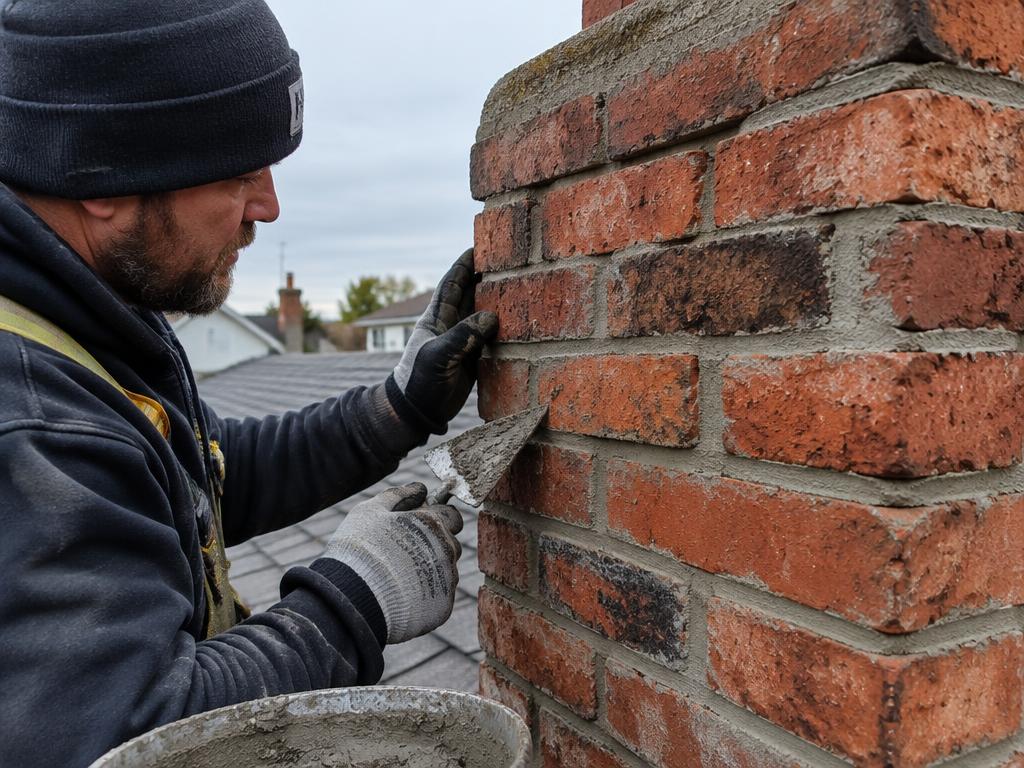
Reliable masonry flue restoration protecting Markham homes from winter freeze-thaw hazards.
Self-check
Warning signs you need flue tiles cracked repair
Terracotta Bits in Hearth
Finding reddish-brown, ceramic clay chips or flaked shards inside your fireplace firebox or cleanout door indicates advanced internal flue tile spalling caused by freeze-thaw expansion.
Visible Mortar Joint Deterioration
Gaps, voids, or crumbling mortar lines visible between flue tiles when peering up past the damper indicate failing joints that allow heat and combustion gases to escape.
Sluggish Draft and Backpuffing
Smoke spilling out into your living room during normal fires can signal that broken flue fragments have shifted out of place, partially blocking the chimney exhaust passage.
Unpleasant Odours in Living Areas
Persistent acrid, musty, or soot-like smells permeating upper-floor rooms or near the fireplace indicate combustion fumes and creosote vapours leaking through cracked flue walls.
Exterior Brick Efflorescence
White, chalky salt deposits coating the outside chimney bricks suggest moisture is escaping through cracked flue tiles, carrying dissolved masonry minerals to the exterior brick surface.
Damper Frame Corrosion
Heavy rust accumulating along the steel damper blade or throat indicates moisture condensation running down through fractured tiles, accelerating metal corrosion throughout the firebox.
The Markham Freeze-Thaw Factor and Winter Masonry Strain
The climate across Markham and surrounding communities presents an exceptionally tough operating environment for exterior masonry. Our winter seasons bring constant fluctuations above and below the zero-degree mark, creating aggressive freeze-thaw cycles that attack unprotected chimneys. Moisture enters the flue through missing chimney caps, cracked crowns, or ambient rain and melting snow. Because clay flue tiles are naturally porous, they absorb this ambient water quickly, holding it deep within their ceramic cellular structure throughout wet autumn weeks.
When overnight temperatures drop sharply below freezing, moisture trapped inside the clay expands by approximately nine percent. This dramatic internal expansion exerts tremendous pressure on the tile walls, producing a destructive phenomenon known as spalling. Thin sheets or chunks of terracotta flake away from the flue liner, falling into the smoke chamber or fireplace hearth below. With each subsequent winter storm, existing microscopic cracks widen, allowing even more moisture to penetrate deeper into the chimney breast and adjacent wooden framing.
Furthermore, uninsulated chimneys running along exterior exterior walls suffer the most extreme temperature gradients. The interior faces of the clay tiles heat up from fireplace exhaust, while the exterior edges endure sub-zero winds blowing across Angus Glen or Langstaff. This severe thermal differential accelerates fracturing, causing tiles to split horizontally and vertically. Without proper intervention, winter weather turns minor seasonal stress fractures into complete liner failures that compromise the entire brick chimney structure.
- Frequent freeze-thaw cycles expand trapped water, breaking down clay liner walls.
- Moisture enters through deteriorated chimney crowns, wash caps, and open top flues.
- Spalling causes terracotta chunks to delaminate and fall into the firebox.
- Exterior wall chimneys experience harsh temperature differentials that speed up cracking.
Carbon Monoxide and Structural Fire Hazards
The most urgent concern associated with cracked flue tiles is the migration of toxic combustion gases into the living quarters of your home. A intact clay liner provides a continuous, airtight conduit directing carbon monoxide, nitrogen dioxide, and particulate matter safely outdoors. When tiles crack, gaps form between the flue and the surrounding brickwork. Mortar joints in the exterior masonry are rarely airtight, allowing invisible, odourless carbon monoxide to filter through attic spaces, floor joists, and bedroom walls undetected.
Equally dangerous is the threat of structural house fires ignited by thermal transfer. Chimney bricks alone are porous and conduct heat rapidly. A continuous flue liner prevents intense heat and rogue sparks from contacting combustible wooden studs, roof rafters, and drywall framing located adjacent to the chimney stack. When a flue tile splits open, radiant heat pours through the fissure directly into the masonry cavity, drying out structural framing timber over time until it ignites at surprisingly low temperatures.
Additionally, fractured flue tiles create rough, uneven internal surfaces where flammable creosote accumulates rapidly. Creosote is a highly combustible byproduct of incomplete wood combustion that condenses on cool chimney walls. In a cracked flue, creosote lodges inside crevices where routine sweeping brushes cannot easily remove it. If a chimney fire ignites within the flue, flames easily enter the cracks, directly exposing the structural framework of your Markham home to catastrophic temperatures exceeding one thousand degrees.
- Fractures permit deadly, odourless carbon monoxide to seep into bedrooms and attics.
- Extreme heat transfers through liner breaches to dry out nearby wooden framing.
- Sparks and embers can pass through cracked joints into unsealed chimney cavities.
- Creosote builds up inside hidden fissures, dramatically heightening chimney fire risk.
Our Diagnostic Approach: Video Flue Scans and Structural Evaluations
Diagnosing cracked flue tiles requires specialized diagnostic equipment because the vast majority of chimney damage remains hidden behind brick walls. At Markham Chimney Services, our assessment begins with a thorough visual review of the exterior chimney stack, crown, and firebox assembly. We look for external indicators of moisture distress, such as white efflorescence salts on exterior brickwork, spalled brick faces, crumbling mortar, and rust stains on damper assemblies that suggest elevated internal moisture levels.
Next, we conduct an internal diagnostic video scan using a high-definition, thirty-six-degree rotating camera system lowered slowly down the length of the flue. This specialized optical tool transmits continuous, high-resolution footage to an external monitor, allowing our technicians to examine every square centimetre of the liner. We scrutinize each individual tile section, assessing hairline fractures, missing mortar joints, lateral shifting, thermal cracks, and spalled terracotta layers that cannot be viewed with a simple mirror or flashlight.
Following the scan, we review the digital footage with homeowners, providing a clear and objective explanation of the flue's structural status. We detail the precise depth, orientation, and severity of any identified cracks so you understand the exact conditions inside your chimney. This transparent diagnostic record forms the foundation of our repair proposal, ensuring you receive factual information and practical recommendations tailored to the real-world condition of your Markham property.
- Comprehensive exterior inspection identifying brick spalling, crown decay, and efflorescence.
- High-definition, rotating internal camera scans providing complete visual coverage.
- Precise evaluation of joint integrity, vertical splits, and shifted tile sections.
- Review of digital inspection footage with the homeowner to discuss viable repair paths.
"When a storm loosened some bricks, I called for emergency repair in Thornhill. Their crew arrived within hours, secured the chimney crown, and restored its integrity without any mess. Truly impressive expertise."
Our process
How we handle your flue tiles cracked repair, step by step
- 1
Comprehensive Visual and Video Diagnostic
We examine the firebox, exterior chimney brickwork, and crown, followed by an internal video camera scan to record and locate every cracked or shifted flue tile.
- 2
Work Area Preparation and Flue Cleaning
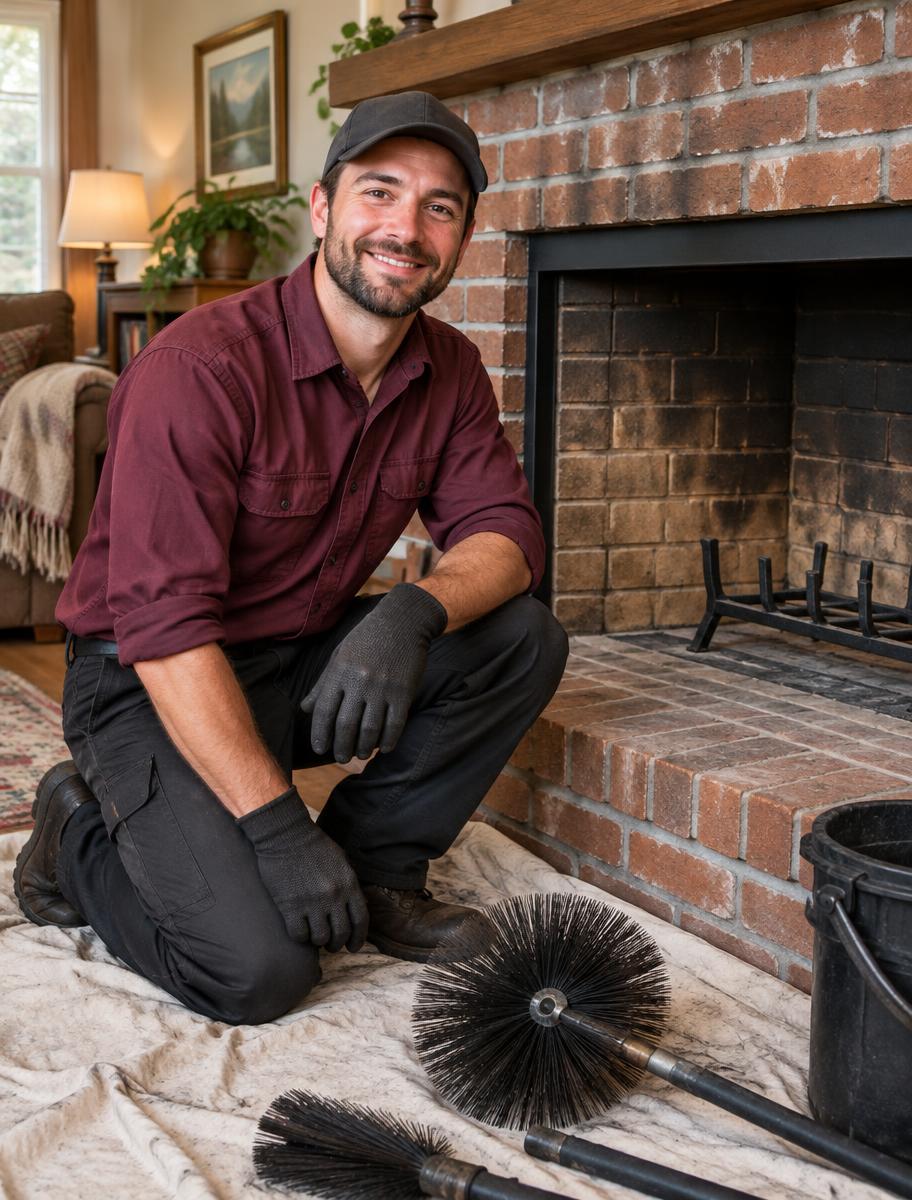
Our technicians shield your living room with heavy drop cloths and clean the flue to remove soot, creosote, and loose debris before beginning repair work.
- 3
Targeted Joint Repair or Resurfacing
For minor tile cracking, we apply acid-resistant refractory ceramic compound to seal fissures and smooth damaged joints, restoring an airtight, continuous inner surface.
- 4
Stainless Steel Relining Installation
When tiles are severely cracked, we insert an insulated, heavy-gauge stainless steel liner down the entire flue length to create a durable, code-compliant exhaust channel.
- 5
Final Safety Review and Draft Verification
We verify draft efficiency, inspect all appliance connections, conduct a final video check, and review proper fireplace operation and maintenance practices with you.
Modern Repair Techniques: Joint Resurfacing versus Stainless Relining
Once cracked flue tiles are documented, homeowners typically have two dependable repair avenues depending on the extent of the damage: targeted refractory resurfacing or full chimney relining. When cracks are limited to minor surface fissures and the tiles remain structurally sound and properly aligned, specialized cast-in-place refractory compound resurfacing can restore the flue. This approach applies an acid-resistant, high-temperature ceramic coating that seals gaps and fills cracks without shrinking the flue dimension.
When flue tiles suffer from deep vertical splits, shifted sections, or severe spalling, the industry standard solution is installing a certified stainless steel liner system. Inserting an insulated, continuous stainless steel liner completely bypasses the compromised clay tiles, creating an impervious, smooth conduit for venting exhaust gases safely out of the home. Stainless steel liners resist acidic moisture from gas appliances and high heat from wood-burning fireplaces, effectively revitalizing older masonry without requiring complete chimney demolition.
In rare situations involving extensive structural collapse where the exterior brickwork is buckling alongside the flue, partial or complete chimney rebuilding may be necessary. Our technicians carefully calculate the venting requirements of your specific heating appliance or fireplace before recommending an approach. We prioritize lasting safety and long-term durability, ensuring the selected restoration method complies with strict clearance standards and provides dependable performance through dozens of harsh Ontario winters.
- Ceramic refractory coatings restore minor fissures while preserving flue dimensions.
- Continuous stainless steel relining bypasses severely damaged or shifted clay tiles.
- Insulation blankets around new liners prevent condensation and improve exhaust draft.
- Partial chimney rebuilds resolve critical structural instability when masonry is compromised.
Following CSA and WETT-Style Best Practices for Safe Operation
Chimney restoration requires strict adherence to established regional safety protocols to protect homes against catastrophic loss. In Ontario, residential solid-fuel installations must conform to CSA B365 standards, which govern the installation and maintenance of solid-fuel burning appliances and equipment. Our repair processes align closely with CSA guidelines and solid WETT-style safety principles, ensuring every repair achieves adequate clearance to combustible building materials and provides correct draft aerodynamics for complete combustion.
Safe flue operation also relies on reliable detection devices inside the living areas of your home. Even when a flue liner is restored to pristine condition, Canadian building codes mandate operational carbon monoxide alarms outside all sleeping zones and on every occupied level of your home. We consistently encourage homeowners to test their alarms monthly and replace detectors according to manufacturer schedules, creating an indispensable secondary layer of family protection against unexpected exhaust blockages.
Additionally, we verify that smoke chambers are properly parged smooth with refractory mortar, dampers operate smoothly without binding, and clearances between masonry and interior drywall satisfy current residential standards. By adhering to rigorous safety frameworks on every project, our team ensures that Markham homeowners receive dependable craftsmanship that stands up to structural scrutiny and safeguards household safety throughout every heating season.
- Restoration work mirrors CSA B365 installation guidelines for solid-fuel appliances.
- Workmanship incorporates rigorous WETT-style safety principles and draft evaluations.
- Strong emphasis on functional carbon monoxide alarms across all occupied home levels.
- Proper parging of smoke chambers to reduce turbulent smoke flow and creosote accumulation.
Seasonal Maintenance and Long-Term Flue Preservation Tips
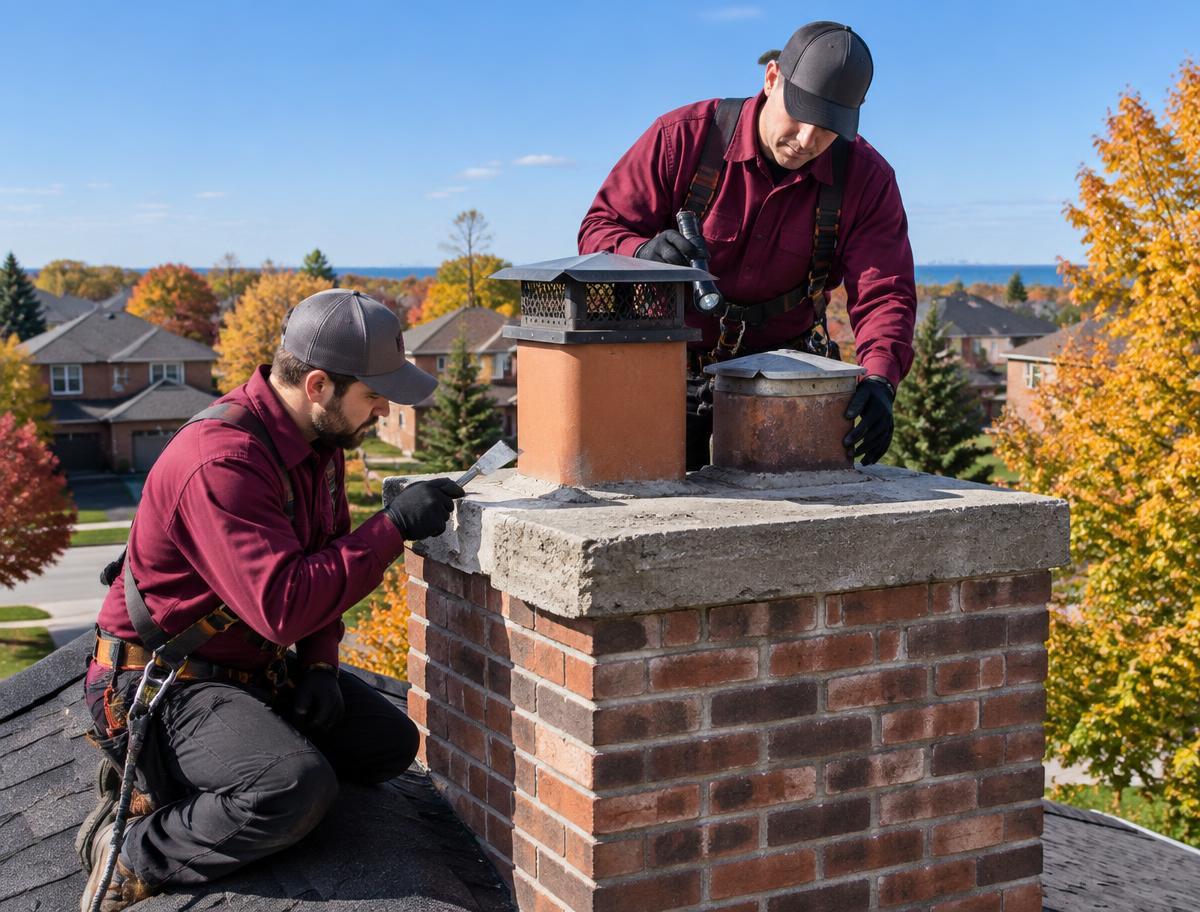
Proactive maintenance extends the functional lifespan of repaired flue tiles and prevents future freeze-thaw damage from taking hold. The most effective defensive measure Markham homeowners can take is installing a high-quality stainless steel chimney cap equipped with spark arrestor mesh. A properly fitted cap stops driving rain, sleet, and snow from entering the flue opening, while preventing birds, squirrels, and raccoons from nesting inside the chimney chase during spring months.
Maintaining the exterior masonry shell is another vital component of flue preservation. Chimney crowns should be inspected annually for surface shrinkage cracks and sealed with an elastomeric crown coating to block water infiltration from above. Furthermore, applying a vapour-permeable, breathable water repellent to exterior chimney bricks protects masonry against winter freeze-thaw spalling while permitting interior moisture vapours to escape naturally into the surrounding air.
Finally, burning only seasoned hardwood with a moisture content below twenty percent minimizes corrosive creosote accumulation inside your flue. Green, wet wood burns at low temperatures, creating excessive smoky condensation that deposits acidic residues onto clay or metal liners. Scheduling annual chimney sweeps and inspections ensures any minor shifts, soot accumulations, or joint deteriorations are caught and corrected before costly structural problems return.
- Install a sturdy chimney cap to lock out rain, snow, and nesting suburban wildlife.
- Seal chimney wash crowns with flexible, UV-resistant elastomeric coatings.
- Apply breathable water-repellent sealants to exterior chimney brick surfaces.
- Burn properly dried, seasoned hardwood to avoid excessive creosote and acidic condensation.
Selecting the Right Chimney Masonry Professional in Markham
Hiring a trustworthy chimney contractor requires careful evaluation of technical experience, local knowledge, and transparent business standards. Masonry restoration within Markham demands a practical familiarity with mid-century brick homes, local building standards, and the severe freeze-thaw pressures characteristic of our geographic region. Reliable contractors take the time to explain the root causes behind cracked flue tiles rather than simply applying superficial cosmetic patches to the chimney exterior.
Always choose an independent service provider that offers clear, documented proposals complete with photographic or video evidence of the internal flue conditions. A reputable technician will walk you through diagnostic recordings, detailing why specific repairs or relining systems are necessary. Avoid high-pressure sales tactics or vague verbal quotes that lack comprehensive itemizations of labour, specialized materials, disposal fees, and cleanup procedures.
Markham Chimney Services takes pride in serving homeowners across Unionville, Milliken, Cornell, and throughout the GTA with open communication, fair pricing, and meticulous workmanship. Operating from 4418 Highway 7 East, we stand behind our recommendations and treat your home with the care and consideration it deserves. Contact our team today to discuss your chimney concerns and schedule a detailed diagnostic evaluation for your fireplace and flue.
- Demand clear photographic or video evidence before authorizing flue repairs.
- Choose contractors with extensive experience handling Ontario freeze-thaw masonry issues.
- Ensure written estimates clearly itemize materials, labour, permits, and site cleanup.
- Look for independent local providers committed to clear communication and honest pricing.
Average pricing in Markham
$1,200 – $4,800
- Inspection / diagnostic
- $189 – $349
- Typical time on site
- 1 to 2 full working days depending on chimney height and scope
- Parts and materials
- Stainless steel liner components, insulation wraps, refractory compound, top plates, and caps are quoted separately
- What moves the price
- Total chimney height and accessibility of the rooftop · Extensiveness of tile fracturing, shifting, or structural damage · Selection between refractory compound resurfacing and stainless steel relining
Estimated local market range, not a quote. All estimates are in Canadian dollars and exclude 13% Ontario HST. Your exact price is confirmed before any work begins.